
Reviewed · KYOTO TOURS
Kyoto: Japanese Traditional Sweets Making and Tea Ceremony
Kyoto’s food culture is not only about ramen, sushi, and temple markets. In this 95-minute class, you color white bean paste, shape two seasonal nerikiri sweets, and prepare Uji matcha to drink with them. The work is hands-on, but gentle enough for children and first-time cooks.
I like the use of bean paste from long-established Kyoto shops, and I like the price: $18 per person buys two sweets, matcha preparation, and a short lesson in tea etiquette. The main thing to consider is language. The instructor teaches in Japanese, and English support can vary from excellent to mostly demonstrated by hand.
- Seasonal nerikiri: Make two high-grade Japanese sweets shaped like flowers, fruit, or other seasonal forms.
- Kyoto-made ingredients: Use white and red bean paste from long-established local shops.
- Uji matcha: Prepare single-origin matcha and drink it with your sweets.
- Central location: The studio is one minute from Exit 1 of Gojo Station.
- Family-friendly pace: The activity is low intensity and manageable for children, with under-2s sitting on a parent’s lap free.
- Useful caution: The building has no elevator, and late arrivals cannot be accommodated.
Making Nerikiri Near Gojo Station
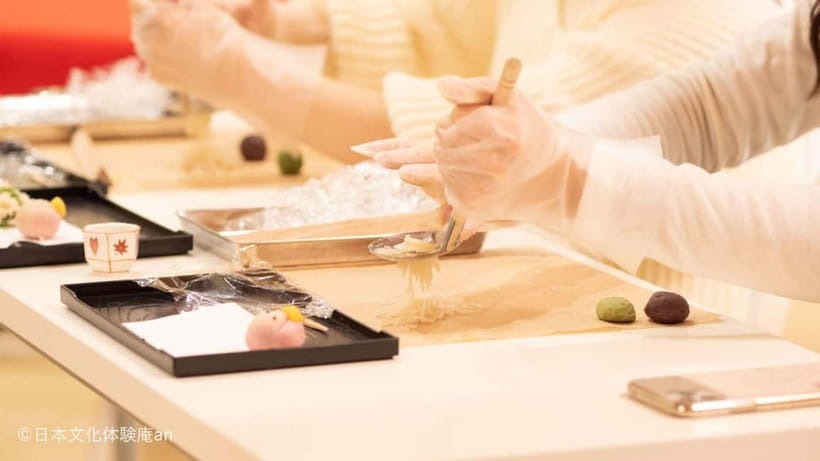
The class starts with nerikiri, a refined Japanese sweet made from colored white bean paste. It is not quite a baking class. You do not mix batter, operate an oven, or begin with raw ingredients. Instead, you work with prepared paste and focus on color, shape, texture, and presentation.
That may sound simple, but shaping nerikiri takes a careful hand. You begin by coloring the white bean paste. Then you form it around a filling or prepared center and use your fingers and tools to create a seasonal design. The exact motif changes with the time of year, so your sweets may reflect flowers, fruit, or autumn colors.
I like this format because you get to make something genuine without spending half a day on a pastry course. The class gives you a clear look at the craft behind Japanese sweets while keeping the task friendly for beginners.
You will make two sweets, not just one practice piece. That gives you a chance to learn from the first attempt and make the second one with more confidence. Do not expect perfect shapes on your first try. The point is to understand how the paste responds and how small changes affect the final design.
The prepared paste also matters. White bean paste has a soft, smooth sweetness, while red bean paste brings the familiar earthy flavor associated with many Japanese sweets. If you already enjoy anko, you will likely be very happy here. If bean paste is new to you, the sweetness may take some getting used to.
What the Hands-On Sweets Lesson Feels Like
This is a low-intensity activity, with the instructor breaking the process into manageable steps. You can watch, copy the movement, and ask for help as you go. The class is suitable for people who want a creative Kyoto activity but do not want a demanding cooking lesson.
The experience can also feel more local than its price suggests. One class included a group of Japanese junior high students, which gave the session a less polished-for-tourists feel. That does not guarantee the same mix every day, but you may share the room with local participants rather than only international visitors.
The setting and group size can vary. Several sessions were described as small and easy to follow, while the matcha portion sometimes included a larger group. If you value a quiet, private lesson, this is worth keeping in mind.
The main practical challenge is seeing and hearing every instruction. One participant suggested a microphone and a screen showing the teacher’s hands. In a busy session, especially when another class is taking place nearby, you may need to watch closely.
I would sit where you have a clear view of the demonstration. Keep your hands free, and do not rush your shaping. The activity is more enjoyable when you accept that your sweets may look charmingly handmade rather than shop-perfect.
More Tea Ceremonies in Kyoto
- Kyoto: Tea Ceremony in a Traditional Tea House in Kiyomizu
★ 4.9 · 3,519 reviews - Kyoto: Tea Ceremony Ju-An at Jotokuji Temple
★ 4.9 · 3,207 reviews - Kyoto: 45-Minute Tea Ceremony Lesson Experience
★ 4.3 · 2,378 reviews
Preparing Single-Origin Uji Matcha
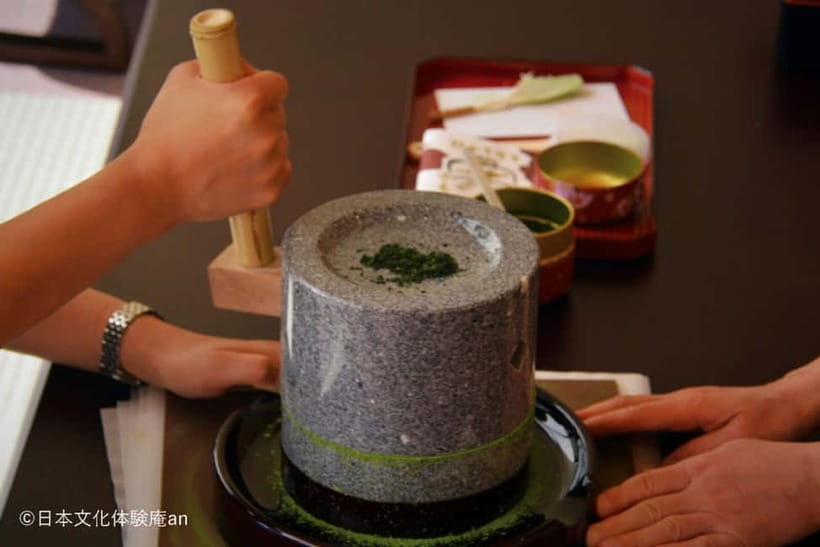
After the sweets are shaped, the class moves to matcha. You prepare your own tea using special single-origin Uji matcha, then drink it with the nerikiri you made.
The matcha portion covers basic preparation and etiquette. You learn how the tea is handled, how to turn the cup, and how to drink it in a way that follows Japanese custom. This is a short introduction rather than a formal tea ceremony in a historic tea house.
That distinction is important. If you want a ceremonial performance with a highly formal atmosphere, this class may feel brief. Some participants found it more like a lesson in how to prepare and drink matcha than a full ceremony. Others appreciated the practical explanation and the chance to make the tea themselves.
I think the hands-on approach is the right fit for most first-time visitors. You do not only watch a host prepare tea. You handle the matcha and learn a ritual you can repeat later. One especially useful part is the chance to understand the preparation well enough to make matcha at home.
The quality of the tea is also central to the experience. Matcha can taste grassy, bitter, creamy, or pleasantly sharp depending on how it is made and served. The sweetness of the bean paste balances that bitterness, which is why the two parts are paired rather than served separately.
Take your time with the tea. The class may have a set schedule, and one rushed session left little time to enjoy a cup at its best temperature. Still, the basic lesson gives you a useful introduction to an important part of Kyoto’s food culture.
Eating Your Two Seasonal Sweets
The best part comes at the end: you eat the sweets you prepared with the matcha you made. This gives the class a satisfying finish and lets you judge the balance between the sweet paste and bitter tea.
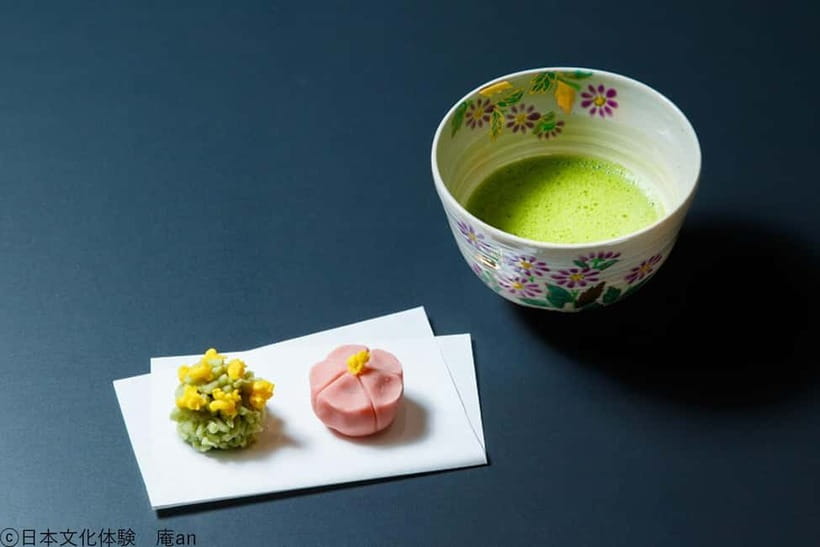
Nerikiri is designed to be delicate. Its appeal is not only flavor, but also the seasonal shape and the work required to create it. You may find yourself looking at the sweet before eating it, much as you would admire a small piece of edible art.
The class uses seasonal designs, so the experience changes throughout the year. Autumn-themed sweets were used in one fall session. That seasonal focus makes the class a better choice than a fixed, generic food demonstration if you want something tied to the calendar.
You can also buy a take-out box for 100 JPY. This is useful if you want to carry one sweet away, save it for later, or protect your creation on the way back to your hotel. The box is not included, so bring a little extra cash or confirm the current payment method.
An experience completion certificate costs 300 JPY and is optional. I would skip it unless you enjoy collecting small travel souvenirs. The sweets and matcha are the real value here.
English Help and the Japanese-Led Format
The official language is Japanese. English translation is available as much as possible if requested, and the quality can depend on the instructor and group.
This is not necessarily a problem. The process is visual, and several instructors have been praised for switching between Japanese and English, slowing down, or checking that everyone was keeping up. Some English-speaking participants found the class easy to follow from the demonstrations alone.
Still, you should set sensible expectations. In some sessions, English explanations were strong and clear. In others, the English section was shorter than the Japanese explanation, or the wording was difficult for children to understand. You may need to copy the instructor’s movements and watch carefully.
I would contact the provider in advance if English instruction is important to you. Ask for English support when booking, rather than assuming it will happen automatically. This is especially useful for families, older children, or anyone who wants detailed information about matcha production and tea etiquette.
The Japanese-led format can be a benefit if you want a class that feels connected to local life. It is less ideal if you need a fully translated lecture. The experience works best for people comfortable with a visual demonstration and a little patience.
Same base, a completely different sort of day:
- PERFECT KYOTO 1-Day Bus Tour
★ 5.0 · 13,518 reviews - Kyoto: Fushimi Inari, Kinkakuji, Bamboo Grove 1 Day Bus Tour
★ 4.8 · 4,316 reviews - Kyoto Geisha Walking Tour: Gion District & Hidden Gems
★ 4.7 · 3,273 reviews - Kyoto: Gion Magical Night Walking Tour with Geisha Trivia
★ 4.9 · 2,393 reviews
A Good Kyoto Activity for Families
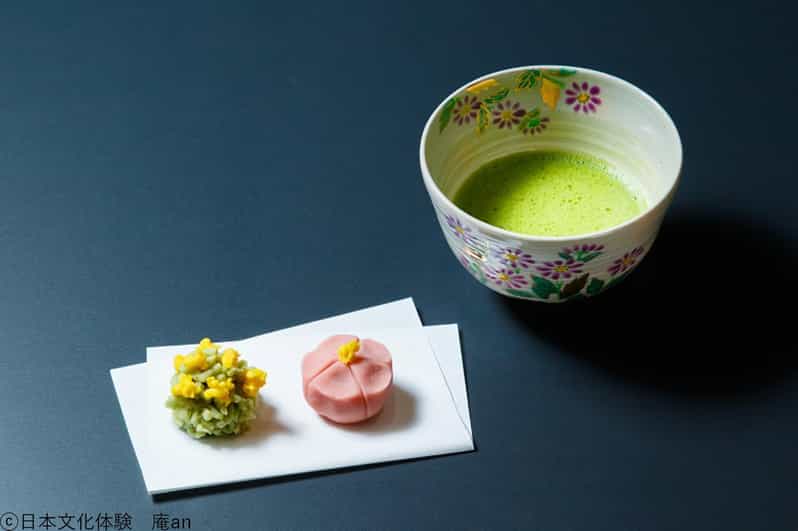
Children can take part in the sweets making, and the task is not physically demanding. The activity has enough challenge to keep older children interested without requiring sharp knives, hot pans, or advanced cooking skills.
One family found the class a good fit for children aged 10 and 14. Another described it as fun to do with kids. Young children may need close help with coloring and shaping, since the paste can require more control than expected.
Children under two can attend free if they sit on a parent’s lap. Non-participants cannot enter, so every person in the room should be booked unless that under-2 exception applies.
The class is also a smart rainy-day choice. You get a comfortable indoor activity, a chance to slow down, and something to eat at the end. It can provide a welcome break during a packed Kyoto schedule, especially after visiting temples and walking through the city.
Location, Timing, and Small Practical Details
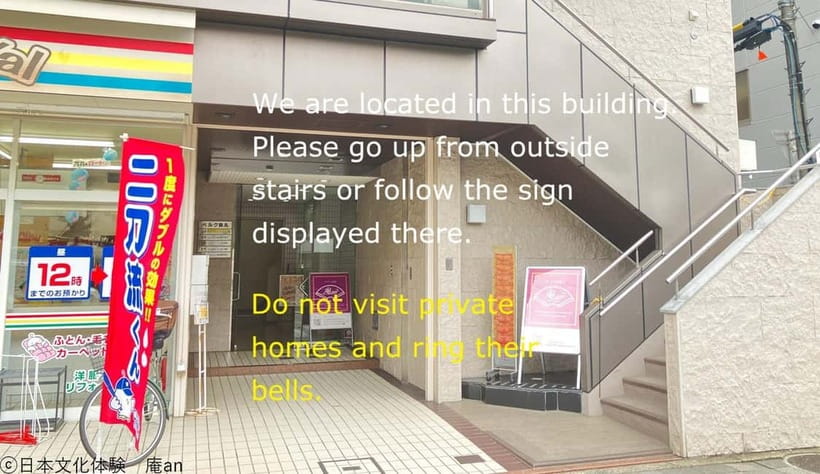
The meeting point is one minute from Exit 1 of Gojo Station on the Subway Karasuma Line. The entrance faces Gojo-dori, the main street, so you should not need to search through a side lane or temple complex.
Allow a few extra minutes to find the entrance and settle in. The class cannot wait for late arrivals, even if the delay comes from transport or difficulty finding the building. A late start can also reduce your time with the sweets and tea.
Operating hours are 10:00 to 17:00. Reservations received after 17:00 are processed the following day. The activity lasts 95 minutes, but starting times vary, so check the available slot when you book.
The building has no elevator, and you must use stairs to reach the venue. The activity is described as wheelchair accessible, but this stair information creates an important point of confusion. If you use a wheelchair or have difficulty with stairs, contact the provider before booking and ask exactly how access will work for your session.
Free cancellation is available until 24 hours before the activity for a full refund. After that point, cancellation fees apply, and changing the date or time may also bring a fee. Travel costs to the venue are not reimbursed if you cancel.
Is $18 Good Value in Kyoto?
At $18, this is one of the easier cultural activities to fit into a Kyoto budget. You receive the sweets-making lesson, two seasonal nerikiri, matcha preparation, and tea etiquette in about an hour and a half.
The value comes from participation. You are not paying only to watch a host perform. You make the sweets, prepare the tea, and leave with a practical understanding of how the two are meant to work together.
The lesson is not a professional pastry course, and it does not offer a long study of tea ceremony traditions. If you want advanced instruction, private attention, or a formal tea room setting, you should choose a more specialized experience.
For a first taste of Kyoto confectionery and matcha, the price is fair. The optional extras are modest too: 100 JPY for a take-out box and 300 JPY for a completion certificate. The low base price makes this a sensible choice for families, couples, and solo visitors looking for something different from sightseeing.
Who Should Book This Experience?
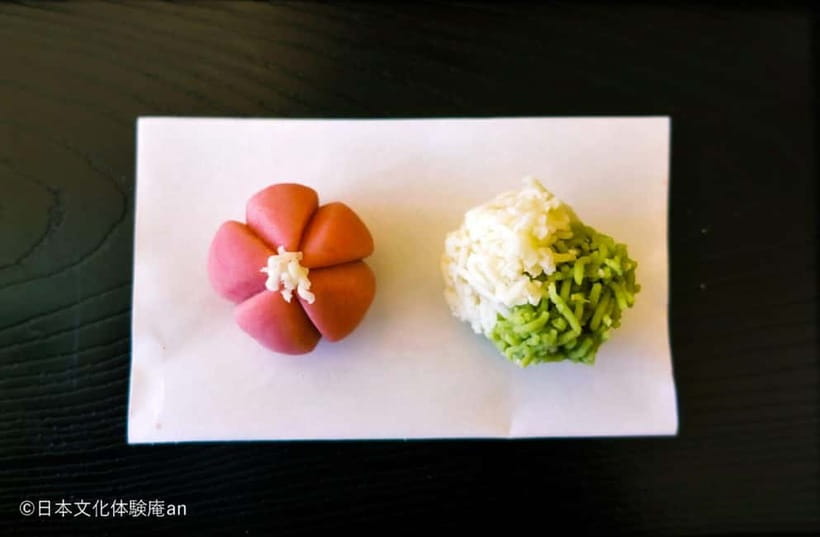
I would choose this class if you want to make something with your own hands, enjoy Japanese sweets, or need a short indoor activity near central Kyoto. It is also a good introduction for first-time matcha drinkers who want more than a café cup but less than a formal tea school.
Families with school-age children should find the pace manageable. Couples may enjoy the shared task and the seasonal designs. Solo visitors can take part without needing any special cooking background.
I would think twice if you dislike red or white bean paste. You should also be cautious if you need detailed English instruction, cannot manage stairs, or specifically want a formal tea ceremony with a long, quiet ritual.
The strongest reason to book is the combination of creative work and cultural context. You learn why the sweets look the way they do, how they pair with matcha, and how a simple tea ritual carries rules of respect and attention.
Should You Book the Kyoto Sweets and Tea Class?
Book it if you want good value, a central location, and a relaxed way to learn about Japanese sweets and matcha. The experience is affordable, family-friendly, and more hands-on than a standard tasting.
Go in expecting an introduction, not a full professional course or formal tea ceremony. Request English help in advance, arrive early, and confirm stair access if needed. With those points clear, this is a pleasant way to spend 95 minutes in Kyoto and a tasty break from temple hopping.
FAQ
How long does the Kyoto sweets and tea experience last?
The activity lasts 95 minutes.
How much does the experience cost?
The listed price is $18 per person.
Where is the meeting point?
The venue is a one-minute walk from Exit 1 of Gojo Station on Kyoto’s Subway Karasuma Line. The entrance faces Gojo-dori.
How many Japanese sweets will I make?
You will make two seasonal nerikiri sweets.
What kind of matcha is used?
The class uses single-origin Uji matcha.
Is English instruction available?
The instructor teaches in Japanese, and English translation is provided as much as possible. You should contact the provider in advance if you would like English support.
Can I take my sweets home?
A sweets take-out box is available for 100 JPY. It is not included in the experience price.
Is the venue wheelchair accessible?
The activity is described as wheelchair accessible, but the building has no elevator and stairs are required to reach each venue. Contact the provider before booking to confirm access for your specific needs.
More Dessert Tours in Kyoto
- Kyoto Wagashi(Japanese sweets) Cooking Class near Fushimiinari
★ 5.0 · 60 reviews - Kyoto: Wagashi (Japanese sweets) Cooking near Fushimiinari
★ 5.0 · 40 reviews - Kyoto: Traditional Tea Ceremony with Matcha & Sweets in Gion
★ 4.9 · 27 reviews - Japanese Traditional Sweets ”Nerikiri” making
★ 4.3 · 17 reviews
Just added around Kyoto
- Kyoto: Zen Meditation at a Private Temple with a Monk★ 5.0 · 25 reviews
- Kyoto: Gion Geisha District & Sake-in-Hand Walking Tour★ 5.0 · 37 reviews
- Private Pewter Sake Cup Experience with a Kyoto Artisan★ 5.0 · 31 reviews
- Your Private Vacation Photography Session In Kyoto★ 5.0 · 110 reviews
- Private Guided Traditional Buddhist Cooking in Japan★ 5.0 · 16 reviews
- Kyoto Wagashi(Japanese sweets) Cooking Class near Fushimiinari★ 5.0 · 60 reviews
- Traditional Japanese Music show & Experience Tour in Kyoto★ 5.0 · 57 reviews
- Kyoto:Family-Friendly Kimono & Yukata Experience at WARGO★ 5.0 · 147 reviews
Kyoto Tours, compared.
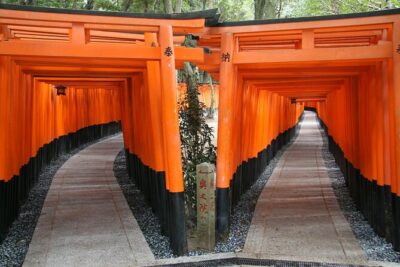
Fushimi Inari, Kinkakuji, Bamboo Grove 1 Day Bus Tour
Read our review →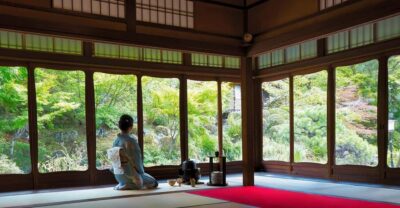
Tea Ceremony in a Traditional Tea House in Kiyomizu
Read our review →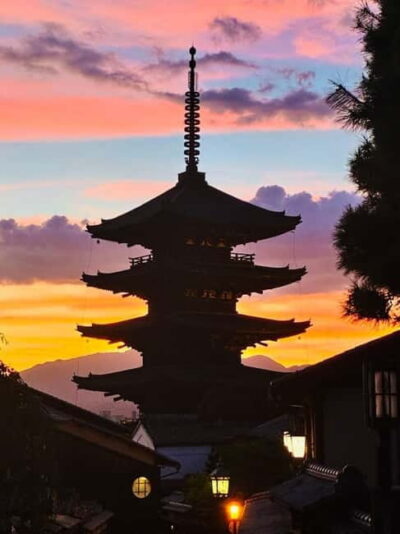
Kyoto Geisha Walking Tour: Gion District & Hidden Gems
Read our review →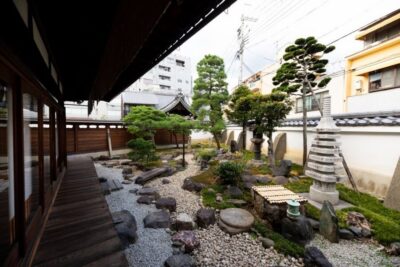
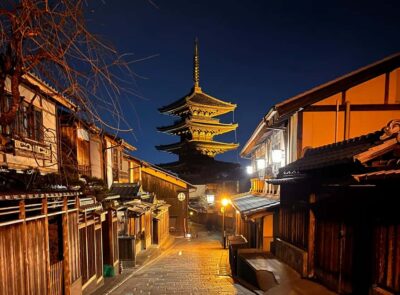
Gion Magical Night Walking Tour with Geisha Trivia
Read our review →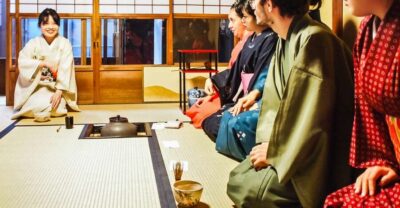

Gion Geisha District Walking Tour – Stories of Geisha
Read our review →Browse the lists this tour appears in