
Reviewed · KYOTO TOURS
Kyoto: Wagashi (Japanese sweets) Cooking near Fushimiinari
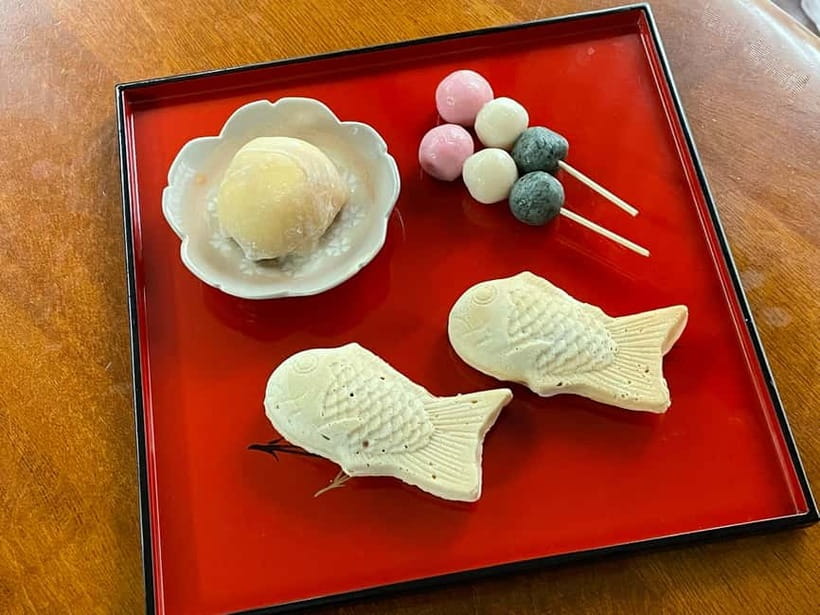
The best part of this Kyoto experience is that you do not simply watch a sweets demonstration. You sit in an authentic Japanese room, learn from Miho, then make about three kinds of wagashi yourself before eating them with matcha and a garden view. It feels less like a standard class and more like being welcomed into a Japanese home.
I like the hands-on cooking, where you shape, mix, and prepare the sweets rather than just copying down recipes. I also like the calm finish: tea, handmade treats, and time in a traditional room. The main consideration is that the menu changes with the season, and the class is not suitable for children under six or wheelchair users.
Key points to know before booking
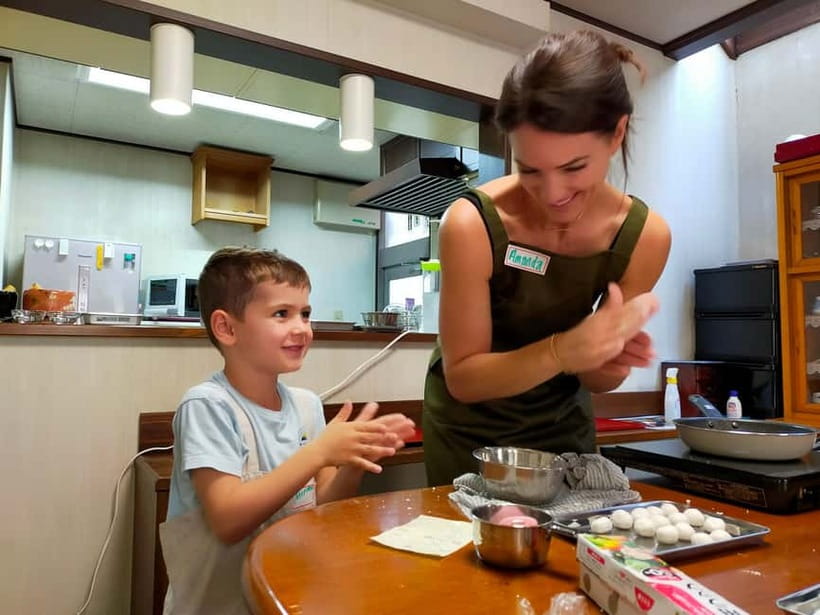
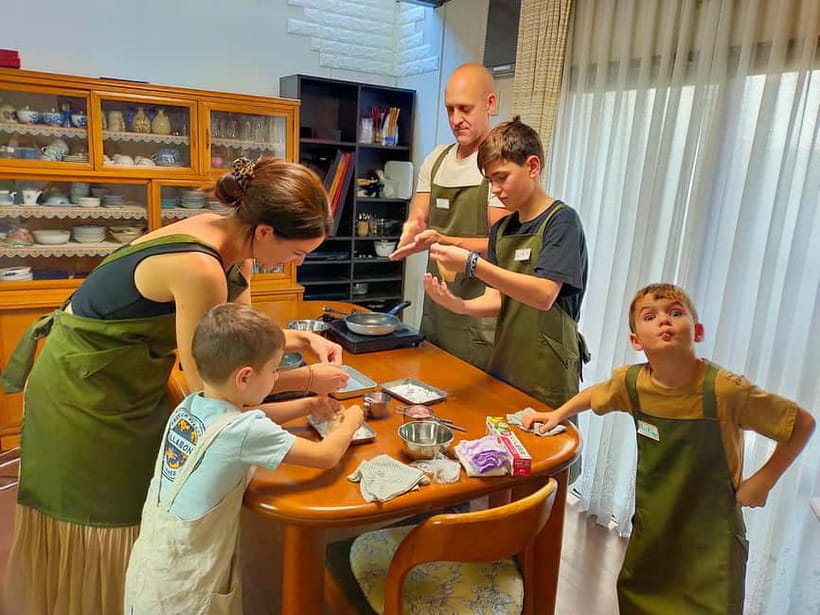
- A small class of six or fewer: You get room to work and plenty of time to ask questions. On quiet dates, the class may become private.
- Miho teaches in English: She is a licensed guide interpreter and explains both the cooking steps and the cultural background clearly.
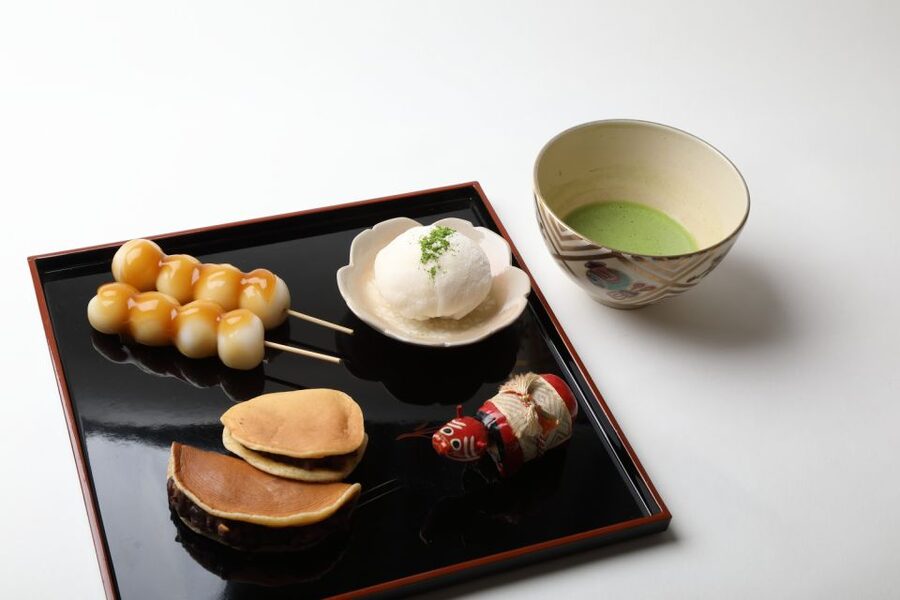
- Three handmade sweets: Past menus have included dango, mochi, dorayaki, and mochi ice cream, though the exact selection can change by season.
- Tea is part of the experience: You enjoy the sweets with tea, and you may also learn how to whisk matcha.
- A genuine Japanese setting: The class takes place in a traditional room with a pleasant garden view, not a generic cooking studio.
- Good for families with older children: Children aged 12 and below need a guardian, while children under six cannot participate.
Why this wagashi class feels different
Many Kyoto food activities focus on famous dishes such as sushi, ramen, or tempura. This class takes a quieter path. Wagashi are Japanese sweets often connected with tea, the seasons, and careful presentation. Some varieties may look familiar if you have seen them in manga or anime, but the fun here is learning how they are made with your own hands.
The setting matters. You begin by relaxing in a traditional Japanese room, with garden views that give the class a peaceful pace. You are not being hurried from one cooking station to the next. The atmosphere is meant to feel like a visit to a Japanese friend’s home, with tea and conversation woven into the lesson.
I especially like that the activity combines food with everyday culture. You learn about ingredients, cooking methods, and the place sweets hold in Japanese life. Miho also answers questions about wagashi and can share practical advice about where to buy ingredients, which is useful if you want to try the recipes back home.
The class has a perfect 5.0 rating from 40 bookings, and the strongest pattern is clear: people value Miho’s warmth, patience, English, and ability to make each person take part. That matters more in a small cooking class than fancy equipment or a long menu.
More cooking classes in Kyoto:
- Ramen Cooking Class at Ramen Factory in Kyoto
★ 5.0 · 1,937 reviews - Kyoto: Ramen Cooking Class at a Ramen Factory with Souvenir
★ 4.9 · 532 reviews - Kyoto: Ramen, Gyoza, and Onigiri Cooking Class
★ 5.0 · 445 reviews
Arriving in a traditional Japanese room
The class is located near Fushimi Inari, one of Kyoto’s best-known areas. You should allow time to find the meeting point and arrive ready for a home-based experience rather than expecting a large commercial kitchen. Hotel pickup and drop-off are not included, so you arrange your own way there.
On arrival, you settle into the traditional room. Tea is served, and one past class also began with tea and sweet potato. Small touches like this help set the tone before the cooking begins. You have time to look at the room and garden, ask questions, and get comfortable.
The room is not just decoration. It gives the sweets a proper setting. Wagashi are often appreciated with tea and with attention to shape, color, and season. Eating them in a washitsu, or traditional Japanese room, helps connect the food to the customs surrounding it.
If you have already spent the morning walking around Fushimi Inari, this slower opening will be welcome. If you are hoping for nonstop activity, the first part may feel gentle. I see that as a strength, but it is worth knowing before you book.
Preparing three sweets by hand
After the introduction, Miho demonstrates the techniques in front of you. Then you prepare the sweets yourself or work with a partner. This is a real participation class, not a demonstration where the instructor does all the difficult parts.
The exact menu depends on the season. Past classes have included dango, mochi, dorayaki, and mochi ice cream. These give you a good sense of the range:
- Dango introduces you to a chewy rice-flour sweet often served on skewers.
- Mochi teaches the handling of a soft, sticky rice-based dough.
- Dorayaki gives you a different task, with sweet filling between small pancakes.
- Mochi ice cream adds a cold filling and another texture to the class.
You might prepare all three of these, but you should not assume that exact menu. Seasonal changes are part of wagashi culture, since appearance and ingredients can reflect the time of year.
The class is practical enough for beginners. Miho explains what to do, then lets you try. If your shape is not perfect, that is part of the fun. Wagashi often look simple until you try forming them yourself. The small group makes it easier to receive help with sticky dough, measurements, shaping, and presentation.
I also like that the class can work for different interests. You can focus on the recipes and techniques, ask about Japanese culture, or simply enjoy a relaxed food activity. Past participants have praised the clear English and the balance between instruction, conversation, and hands-on work.
The ingredients, methods, and useful take-home advice
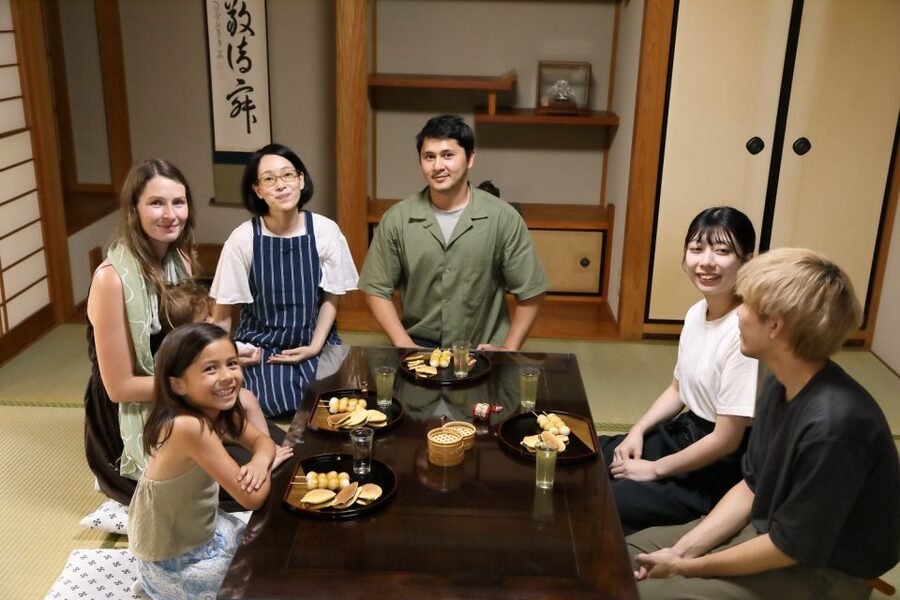
All cooking ingredients and seasonings are included. You do not need to bring supplies or purchase anything during the class. The recipes are also practical enough to attempt at home, although you may need to visit an Asian supermarket for certain ingredients.
Miho can explain where to buy ingredients, which is one of the most useful parts for anyone who wants to repeat the experience after returning home. Learning a recipe is one thing. Understanding what to look for in a shop is what makes it more likely that you will actually cook it again.
The recipes are not presented as a distant art reserved for experts. The teaching approach is patient and direct. You watch a step, try it, and receive help as needed. That makes the class suitable for people who enjoy cooking but also for those who rarely cook and simply want a memorable Kyoto activity.
You should still expect some fine handwork. Wagashi are not large, hearty dishes. Their appeal comes from texture, shape, sweetness, and presentation. If you prefer a substantial meal or want to learn several savory Japanese dishes, this is not the right class.
A few more Kyoto half-days to weigh up
- Kyoto: Japanese Traditional Sweets Making and Tea Ceremony
★ 4.4 · 314 reviews - Kyoto Wagashi(Japanese sweets) Cooking Class near Fushimiinari
★ 5.0 · 60 reviews - Kyoto: Traditional Tea Ceremony with Matcha & Sweets in Gion
★ 4.9 · 27 reviews - Japanese Traditional Sweets ”Nerikiri” making
★ 4.3 · 17 reviews
Matcha and the garden-view finish
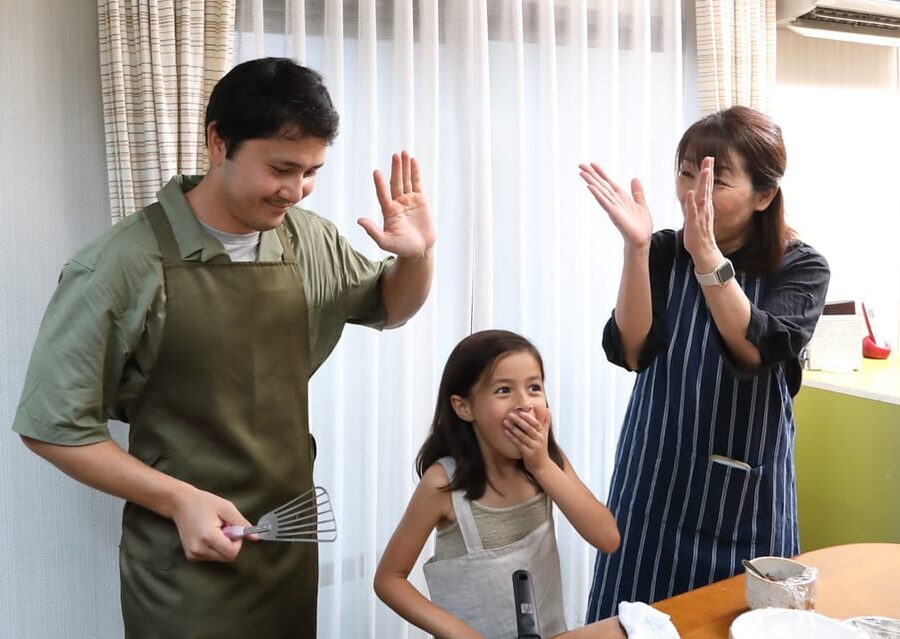
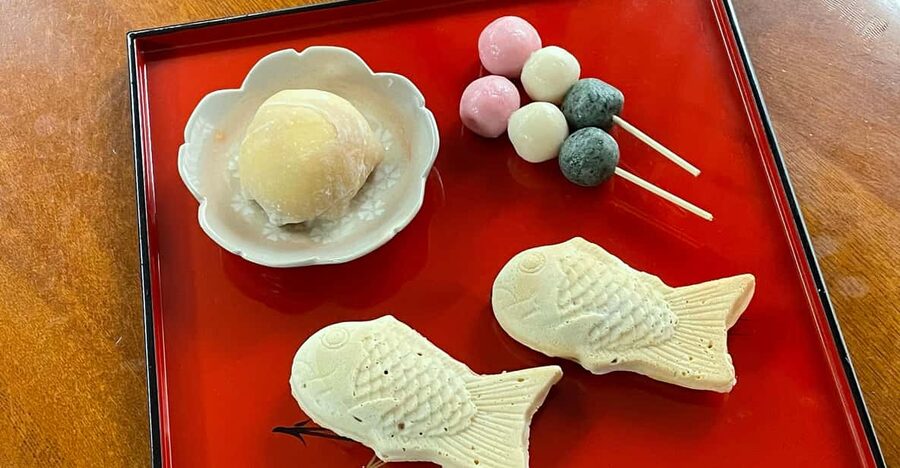
Once the sweets are ready, you sit together again in the traditional room. You arrange the sweets on a tray, enjoy them with tea, and look out toward the garden. The class includes tea, and Miho may demonstrate or teach you how to whisk matcha.
That final tea service is more than a snack break. It gives you a chance to appreciate the sweets in the way they are meant to be enjoyed. Matcha brings a slightly bitter note that balances the sweetness, while the garden view slows down the end of the activity.
Some participants have taken part in making their own matcha, while others have enjoyed matcha prepared by Miho. The experience can therefore be as active or relaxed as you prefer. You may finish by talking about Japanese culture, asking about other places to visit, or simply enjoying what you made.
The portion can also be generous. If you do not eat everything during the tea service, some sweets may be available to take away. Treat that as a useful possibility rather than a guarantee, since the amount will depend on the menu and what you prepare.
What the $84 price gets you
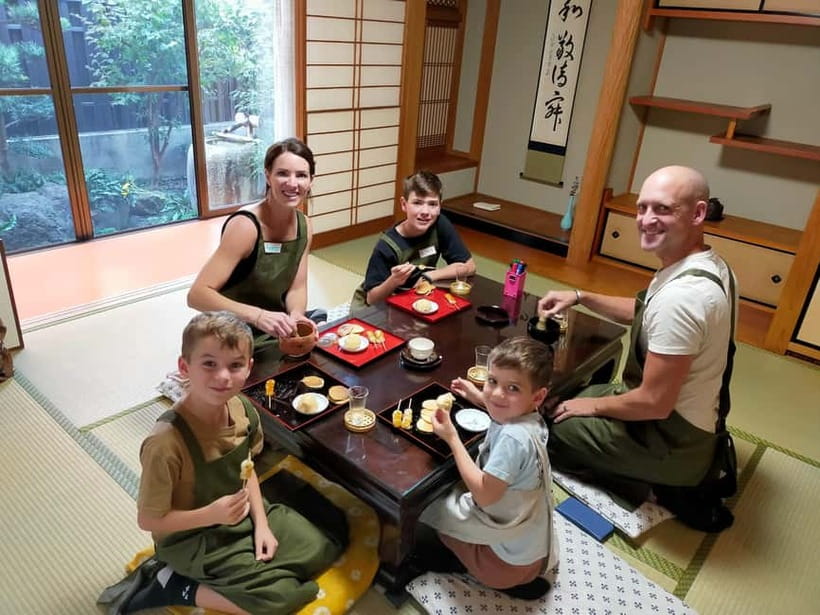
At $84 per person, this is not the cheapest way to eat sweets in Kyoto. You can buy dango, dorayaki, or other treats for far less at a shop. The price makes sense only if you want the full combination of instruction, ingredients, tea, a small group, and access to a traditional home setting.
The group limit of six is important. A larger class might cost less, but you would likely have less personal guidance and fewer chances to ask about technique. On quiet dates, a booking can become a private class, which gives you more freedom to work at your own pace.
You also receive something beyond the food. Miho’s English instruction, cultural explanations, matcha lesson, and advice for making the recipes at home add value. I would see this as a good choice for a special Kyoto afternoon, especially if you enjoy meeting local people and learning through food.
It is less good value if you only want to sample Japanese sweets or if you are counting on a full meal. Wagashi are small sweets, and the class lasts 150 minutes. You are paying for the setting and teaching as much as for the ingredients.
Who will enjoy this class most
This is a strong fit for anyone with an interest in Japanese sweets, home cooking, tea, or traditional rooms. It works particularly well for couples, friends, solo visitors, and families with older children.
Families should note the age rules. Children under six cannot participate, and children aged 12 and below must join with a guardian. The class can give children useful tasks, but adults should expect to stay involved rather than simply leave young participants to cook alone.
Solo visitors may get an especially good experience on a quiet date. With only one person booked, past classes have become private, allowing the lesson to follow the participant’s pace and interests. That cannot be promised, but the small maximum group still keeps the setting personal.
Vegetarians are welcome, and the class is vegan friendly. You need to tell the provider in advance about food restrictions so the ingredients and menu can be handled properly. Do not wait until the class begins.
The class is not suitable for wheelchair users. If access needs are important to your planning, contact the provider before booking rather than assuming the traditional home can accommodate every requirement.
A practical way to fit it into Kyoto
The 150-minute length makes this easy to pair with time around Fushimi Inari. You could schedule it as a slower activity after visiting the shrine area, or use it as a break between sightseeing stops. Check the available starting times before fixing the rest of your day.
Do not book it as a rushed appointment between major attractions. The appeal comes from the gradual pace: tea, demonstration, cooking, questions, and a final serving in the Japanese room. Give yourself enough time to reach the location and settle in.
The experience is conducted in English. Miho and the other instructors are licensed guide interpreters, so you can ask about both the recipe and the culture behind it. Non-English speakers can also participate, but the stated instruction language is English, so the group should be prepared for an English-led class.
Free cancellation is available up to 24 hours before the activity for a full refund, and you can reserve now and pay later. Those policies help if your Kyoto schedule is still changing, but you should still check the exact starting time and availability before making plans.
Should you book the wagashi experience?
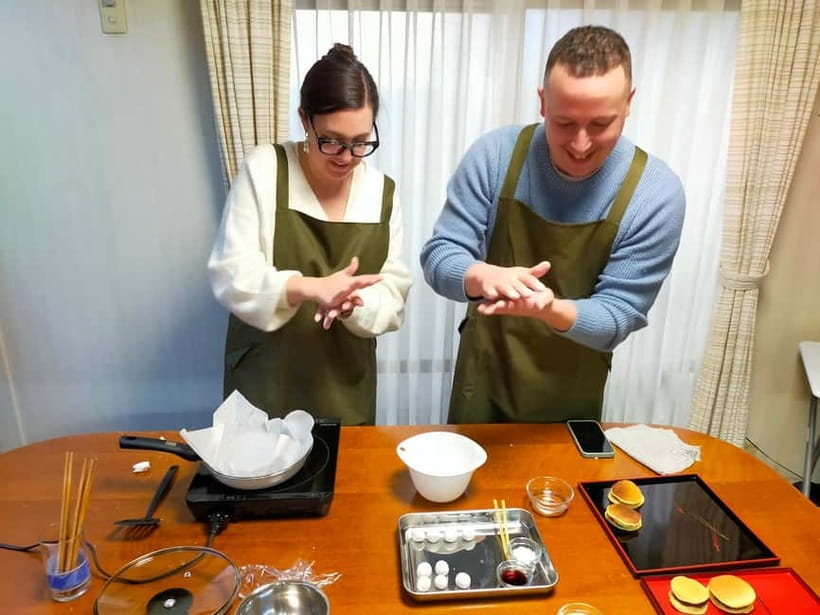
I would book this class if you want a personal, hands-on activity rather than another sightseeing stop. The best reasons are the small group, Miho’s clear teaching, the chance to make three sweets, and the peaceful finish with matcha in a traditional room.
You should skip it if you need wheelchair access, have children under six, or want a full Japanese meal. It is also not ideal if you prefer fast-paced entertainment or dislike sweet foods.
For everyone else, $84 is a fair price for a 150-minute cultural experience near Fushimi Inari. You leave with new cooking skills, a better sense of how wagashi fit into Japanese tea culture, and possibly a few sweets to enjoy later. That is a more lasting souvenir than another packaged snack.
FAQ
Where does the wagashi cooking class take place?
The class takes place near Fushimi Inari in Kyoto, on Honshu, Japan.
How long does the activity last?
The experience lasts 150 minutes.
How much does the class cost?
The price is $84 per person.
How many people can join the class?
It is a small-group activity limited to six participants.
Is the class taught in English?
Yes. The instructor language is English, and the instructors are licensed guide interpreters.
What sweets will I make?
You prepare about three types of wagashi. Past classes have included dango, mochi, dorayaki, and mochi ice cream, but the menu can change by season.
Is tea included?
Yes. Tea is included, and the class finishes with the opportunity to enjoy your sweets with tea. A matcha lesson or matcha prepared by the instructor may also be part of the experience.
Can vegetarians and vegans participate?
Vegetarians are welcome, and the class is vegan friendly. Tell the provider in advance about any food restrictions.
Can children join the class?
Children under six cannot participate. Children aged 12 and below must participate with a guardian.
Is hotel transportation included?
No. Hotel pickup and drop-off are not included.
Can I cancel for a refund?
You can cancel up to 24 hours in advance for a full refund. Reserve now and pay later is also available.
Just added around Kyoto
- Kyoto: Zen Meditation at a Private Temple with a Monk★ 5.0 · 25 reviews
- Your Private Vacation Photography Session In Kyoto★ 5.0 · 110 reviews
- Kyoto: Gion Geisha District & Sake-in-Hand Walking Tour★ 5.0 · 37 reviews
- Private Pewter Sake Cup Experience with a Kyoto Artisan★ 5.0 · 31 reviews
- Private Guided Traditional Buddhist Cooking in Japan★ 5.0 · 16 reviews
- Kyoto Wagashi(Japanese sweets) Cooking Class near Fushimiinari★ 5.0 · 60 reviews
- Traditional Japanese Music show & Experience Tour in Kyoto★ 5.0 · 57 reviews
- Kyoto:Family-Friendly Kimono & Yukata Experience at WARGO★ 5.0 · 147 reviews
Kyoto Tours, compared.


Fushimi Inari, Kinkakuji, Bamboo Grove 1 Day Bus Tour
Read our review →
Tea Ceremony in a Traditional Tea House in Kiyomizu
Read our review →
Kyoto Geisha Walking Tour: Gion District & Hidden Gems
Read our review →

Gion Magical Night Walking Tour with Geisha Trivia
Read our review →

Gion Geisha District Walking Tour – Stories of Geisha
Read our review →Browse the lists this tour appears in