
Reviewed · KYOTO TOURS
Kyoto: Ramen, Gyoza, and Onigiri Cooking Class
Kyoto’s ramen, gyoza, and onigiri class gives you something better than a meal photo: a set of Japanese recipes you can actually repeat at home. In 90 minutes, you build two broths, shape gyoza, form rice balls, and sit down to eat what you made.
I like the small groups of up to eight, which leave room for help at your station. I also like the practical focus on broth, since noodles are easy to buy but a good ramen soup is harder to recreate. The main catch is that this is fast-paced, and the strict dietary rules will rule it out for many people.
Key points to know before booking
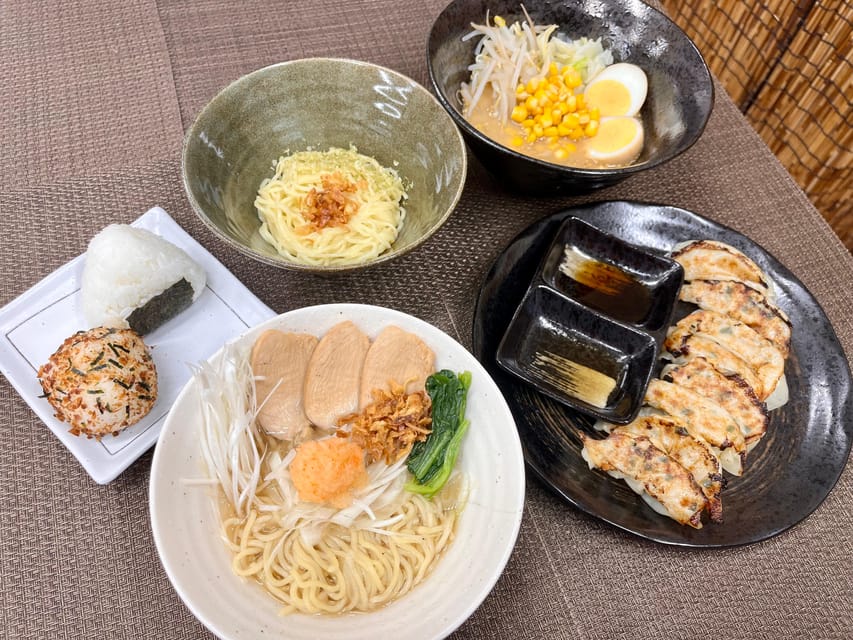
- Two ramen styles in one class: Prepare miso ramen and shoyu, or soy sauce, ramen with simple toppings.
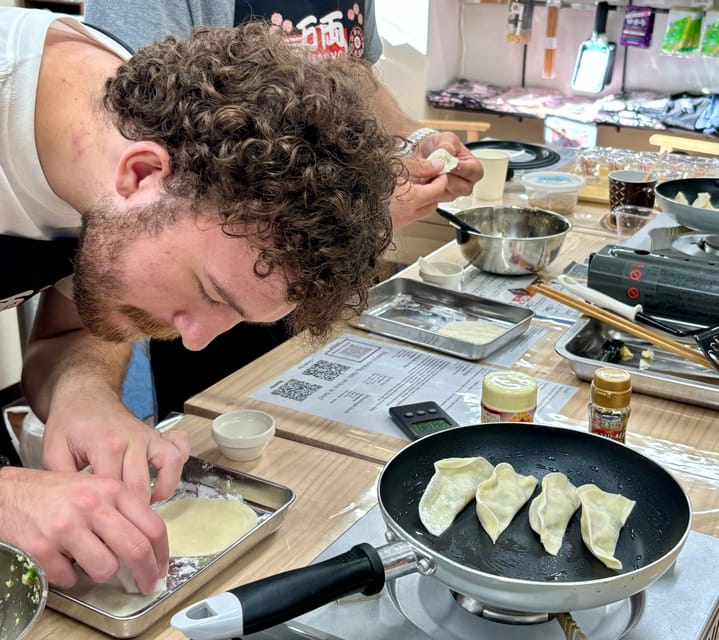
- Gyoza practice is hands-on: Learn the filling, folding, sealing, and pan-frying process.
- Onigiri adds a useful home snack: Shape seasoned rice balls with different fillings and flavors.
- The class is built for independent cooks aged 13 and up: Younger children are not accepted under the stated policy.
- Come hungry: You eat the ramen, gyoza, and onigiri you prepare, and the portions can be generous.
- Dietary limits are firm: Vegan, pescatarian, gluten-free, and other special diets cannot be accommodated.
What this Kyoto cooking class actually teaches
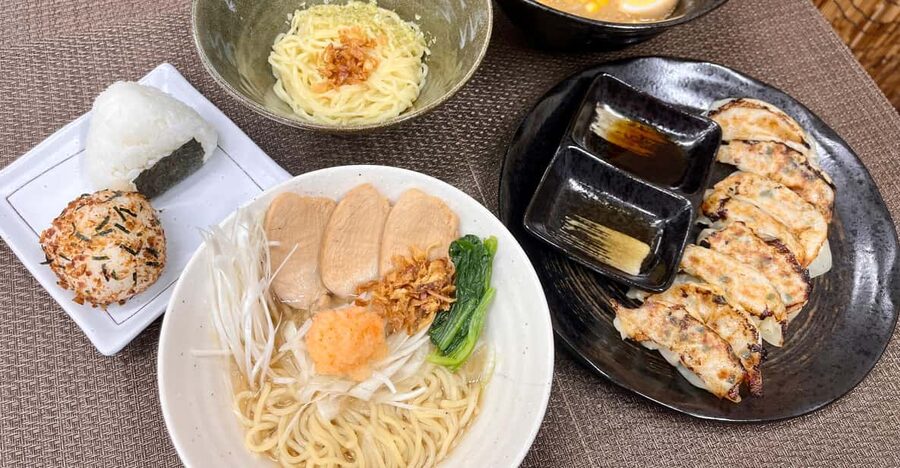
This is not a noodle-making workshop. That distinction matters. The class uses ready-made ramen noodles and spends its time on the broth, toppings, gyoza, and rice balls.
That is a sensible choice for a short lesson. You can often find ramen noodles in a supermarket, but a packet or restaurant-style soup base is less satisfying if you want to cook at home. Here, you learn how soy sauce and miso create the main flavor, then see how stock, aromatics, fat, and seasonings round it out.
The ingredients include chicken stock powder, soy sauce, miso, oyster sauce, sesame oil, garlic, ginger, mirin, cooking sake, lard, fish powder, butter, chili oil, and ground pork. That list tells you what kind of class this is: Japanese home-style cooking with strong savory flavors, not a restrictive or plant-based lesson.
You also receive recipes for ramen and gyoza. Onigiri is part of the food you make, but the included recipe information specifically lists ramen and gyoza recipes. If you want a written onigiri formula, ask during the class and take notes.
More cooking classes in Kyoto:
- Ramen Cooking Class at Ramen Factory in Kyoto
★ 5.0 · 1,937 reviews - Kyoto: Ramen Cooking Class at a Ramen Factory with Souvenir
★ 4.9 · 532 reviews - Kyoto: Japanese Washoku Bento Small Group Cooking Class
★ 5.0 · 380 reviews
Finding the classroom near Sanjo Keihan
The classroom is in the basement level, B1, of the Life Building. It is one street away from the main road, so do not expect to spot it while walking along a major shopping street.
The clearest taxi instruction is to get out near the FamilyMart at Sanjo Keihan. From there, the classroom is about a two-minute walk. Search for Manryo cooking class on Google Maps and check the route before class day.
I would arrive about 10 minutes early. One participant found the side-street location easy to miss, and arriving late would be especially awkward in a 90-minute class. You need comfortable shoes and comfortable clothing. Hotel pickup and drop-off are not provided.
Building the miso and shoyu ramen broths
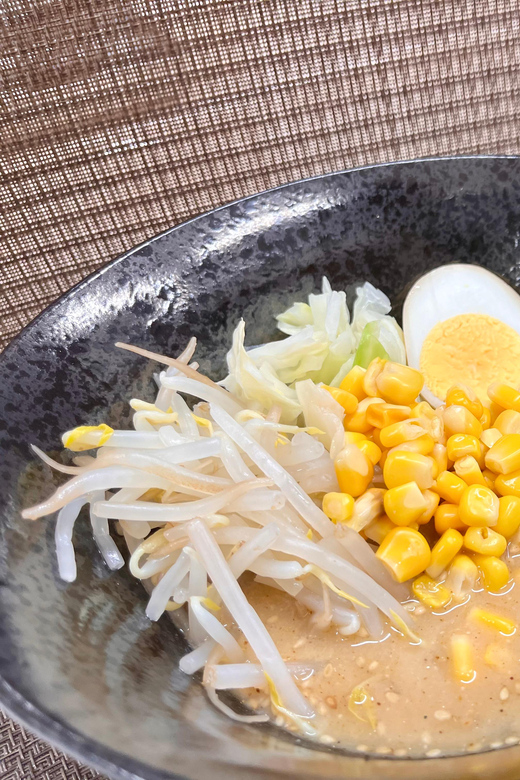
The ramen portion is the heart of the experience. You work with two versions:
- Miso ramen: Served with boiled egg, bean sprouts, green onions, and sweet corn.
- Shoyu ramen: Served with chicken, bamboo shoots, and green vegetables.
The toppings are intentionally restrained. That is good cooking sense. If the broth is already savory and full-bodied, strongly seasoned toppings can muddy the bowl. The vegetables, egg, chicken, and bamboo shoots add texture and contrast without taking over.
You learn that balance rather than simply dumping ingredients into a pot. Garlic and ginger bring aroma. Soy sauce provides salt and depth. Miso gives the other broth a thicker, sweeter, fermented character. Sesame oil, chili oil, butter, and lard can add richness, while mirin and cooking sake soften and round the seasoning.
The instructors prepare the ingredients and equipment in advance, so this is partly a guided assembly class. That makes the lesson run smoothly, but it also means you will not spend much time making stock from bones or developing a broth over several hours. If you are seeking restaurant-level ramen production, this is too basic. If you want a useful weeknight broth, it is much more practical.
The recipes rely on ingredients you can generally seek out at home, though the exact availability of fish powder, mirin, cooking sake, and Japanese seasonings will depend on where you live. Pay attention to substitutions and measurements. The class is valuable because it shows the relationship between each seasoning, not just a final list of ingredients.
Folding gyoza without the usual frustration
Gyoza is where many first-time cooks need the most coaching. You prepare a filling that balances ground pork, cabbage, onion, chives, garlic, ginger, and seasonings. The goal is not just to make a tasty mixture. The filling must be moist enough to hold together but not so wet that it bursts through the wrapper.
Then comes the folding. You place the filling in the wrapper, wet the edge, create the pleats, and press the seal closed. The instructors focus on the shape and seal because those details affect both appearance and cooking. A weak seal lets the filling escape. Too much filling makes folding harder.
This is a useful part of the class for families and couples because everyone can practice at their own station. You will not need to produce perfect restaurant pleats on the first try. The important skill is learning how to control the wrapper and close it firmly.
The gyoza are then pan-fried. A good result gives you a browned base with a tender wrapper and juicy center. The class does not merely show a finished plate, so you get a better sense of timing and handling than you would from a cookbook photograph.
The vegetarian menu replaces pork with tofu, but the other ingredients remain the same. That means it is not automatically suitable for vegans, pescatarians, people avoiding oyster sauce or fish powder, or anyone with other food restrictions.
More hands-on workshops in Kyoto:
- Kyoto: 45-Minute Tea Ceremony Lesson Experience
★ 4.3 · 2,378 reviews - Kyoto : Chopsticks Making Workshop in Gion with Engraving Option
★ 5.0 · 958 reviews - Kyoto: Samurai Sword Class by Experts in Traditional Arts
★ 4.9 · 657 reviews - Ninja 1-hour Hands-on Lesson by Japanese master in Kyoto -Entry
★ 5.0 · 489 reviews
Making onigiri that hold their shape
Onigiri, or Japanese rice balls, is the simplest dish on the table, but it rewards a light touch. You shape seasoned rice around fillings or flavor combinations, then form it into a neat triangle or another tidy shape.
The class teaches you how to make the rice ball look even and hold together. That makes onigiri a practical takeaway. It works as a quick snack or a lunch alternative to sandwiches, and the method is easy to adapt once you understand the basic shape.
Do not expect a long study of regional onigiri traditions. The point here is technique and variety. You get a chance to shape the rice yourself, then eat it with the other dishes. It also gives the class a welcome change of pace after the more precise gyoza folding.
A quick, well-organized 90 minutes
The schedule is tight. You prepare several dishes in a short time, and the pre-measured ingredients keep the work moving. This is one reason the class can fit neatly into a Kyoto sightseeing day, but it also means you should stay engaged.
The experience generally feels like a working kitchen rather than a slow demonstration. Instructors explain the steps, give short cultural and food notes, and help when a fold, measurement, or cooking stage causes trouble. Nori is frequently praised for humor and clear instruction, while Kairi, Aoi, Minori, Ayuna, Riho, and other assistants have helped with stations in different sessions.
The English instruction is a strong point for international visitors. You can ask about ingredients, cooking technique, Japanese food customs, and even practical kitchen questions such as choosing a Japanese knife. The small class size helps here. With eight people or fewer, assistance is close at hand without making the session feel like private tuition.
The tradeoff is pace. You may be weighing ingredients, shaping food, watching a demonstration, and preparing for the next dish almost at once. If you like leisurely cooking with plenty of time for conversation, this may feel compressed. If you want to learn several dishes before lunch or dinner, the format works well.
Eating the meal you prepared
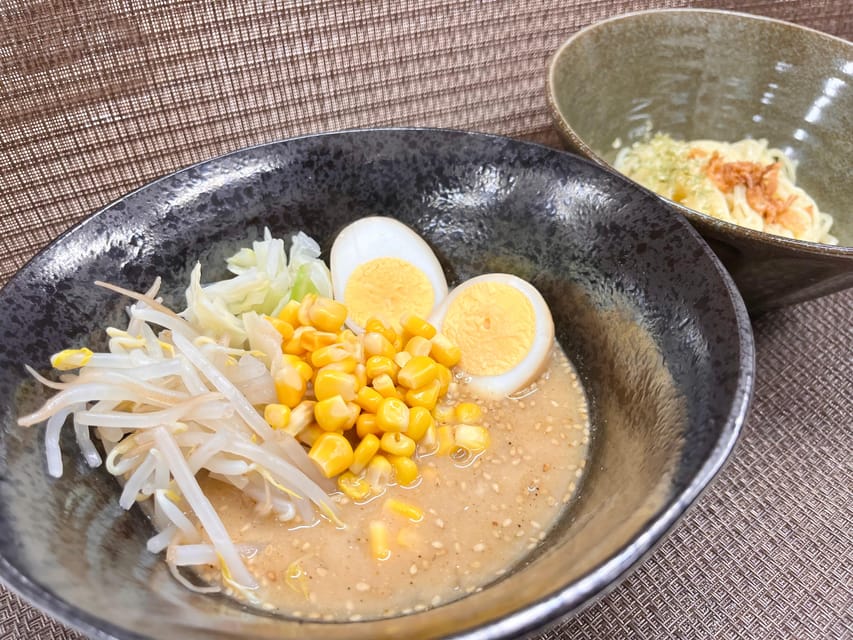
At the end, you eat your own ramen, gyoza, and onigiri. This is more than a reward. Tasting the finished food lets you judge the broth balance, the gyoza texture, and the seasoning of the rice balls while the instructions are still fresh.
Plan your appetite carefully. Several people found the meal surprisingly filling, and the combination of two ramen bowls, dumplings, and rice can be a lot. I would not schedule this immediately after a large breakfast or before a serious dinner reservation.
Coffee and tea are included. Beer may be available for purchase after the meal, but it is not included in the price. The class is social without requiring you to buy anything extra.
Is $90 a fair price?
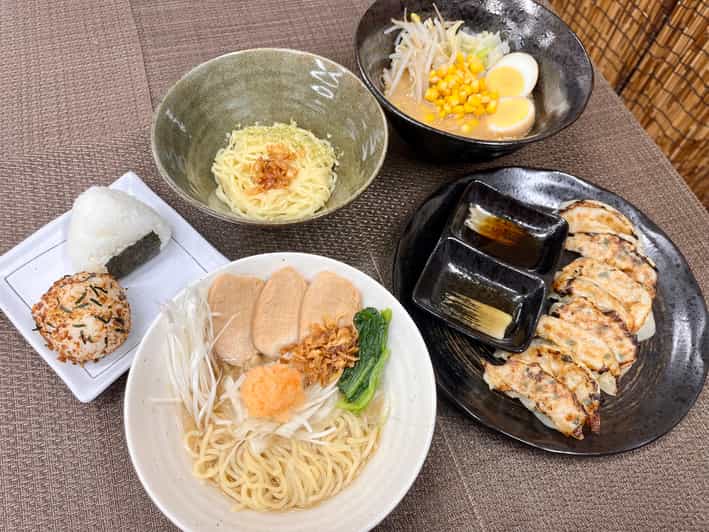
At $90 per person, this is not a cheap lunch. You are paying for instruction, ingredients, equipment, a small group, the meal, English support, and printed ramen and gyoza recipes. The value depends on what you want from a cooking class.
If you only want to eat ramen and gyoza, a Kyoto restaurant will cost less and offer more menu choice. If you want to learn a repeatable broth and gyoza method, the price is easier to justify. You also get three dishes in 90 minutes, rather than spending most of the session on one elaborate recipe.
The pre-portioned setup keeps the class efficient, though it reduces the amount of raw preparation. You are learning technique, seasoning, assembly, and cooking control more than full kitchen prep from scratch.
For a family, the value improves if everyone will use the recipes later. For a solo participant, a couple, or a small group of friends, the class offers a meal and a shared activity in one booking. Reserve and pay later is available, and cancellation is free up to 24 hours before the start time.
Who should book, and who should skip it
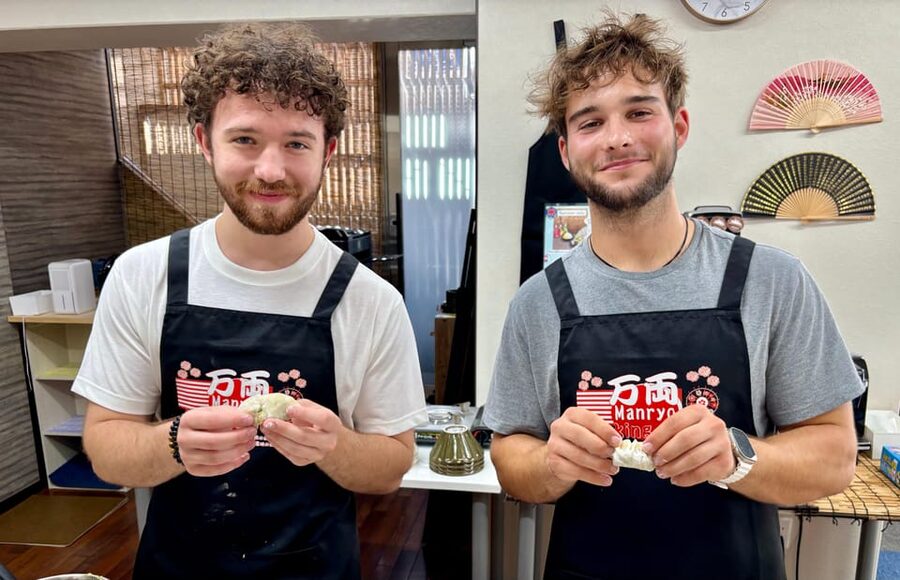
I would choose this class if you want a hands-on food activity in Kyoto, prefer practical recipes to a formal chef demonstration, and enjoy trying several dishes in one sitting. It suits couples, families with older teenagers, and small groups who want to cook together.
The stated minimum age is 13, and participants must be able to cook independently without staff assistance. Some past families brought younger children and received help, but you should follow the current age rule rather than count on an exception.
You should skip it if you need vegan, pescatarian, gluten-free, halal, allergy-specific, or other tailored food. The published policy says these needs cannot be accommodated. The vegetarian option only substitutes tofu for pork, and other ingredients remain in use.
The class is also not suitable for wheelchair users or people with recent surgeries. The classroom is in a B1 space, and the activity requires standing, handling food, and working at a cooking station.
Practical details for a smoother class
Wear shoes and clothes you can comfortably cook in. Check the map before leaving your hotel, and allow time for the side-street entrance near Sanjo Keihan.
Do not make multiple bookings under the same name for the same date or different dates. The provider asks each group to make only one reservation, and duplicate bookings may all be cancelled because they hold places that other people could use.
Only paying participants may enter the classroom. If you reserve five places, five people can attend. Someone who wants to watch without joining the cooking class cannot come in as an extra observer.
The group is limited to eight, but smaller sessions can happen. That may give you more direct attention and more time for questions, though the standard lesson still follows the same compact format.
Should you book this Kyoto ramen cooking class?
Book it if you want to leave Kyoto with more than restaurant memories. The class teaches two useful ramen broths, a gyoza method worth repeating, and an easy onigiri shape. The English-speaking team, tidy preparation, small group, and generous meal make the 90 minutes feel full.
Do not book it for a relaxed, from-scratch noodle workshop or if you have strict dietary needs. For everyone else, especially families with teenagers and people who want Japanese cooking they can recreate at home, this is a strong food-focused addition to a Kyoto itinerary.
FAQ
Where is the ramen, gyoza, and onigiri cooking class held?
The classroom is on B1 of the Life Building in Kyoto, one street away from the main street. Search for Manryo cooking class on Google Maps.
How long does the cooking class last?
The class lasts 90 minutes. Starting times vary, so check availability when choosing your booking.
How many people can join?
The class is a small-group activity with a maximum of eight participants.
Is the instruction in English?
Yes. The class is taught in English by English-speaking instructors.
Do I make ramen noodles from scratch?
No. The class uses ramen noodles and focuses on preparing miso and shoyu broth, toppings, and the finished bowls.
What food will I prepare?
You prepare two types of ramen, gyoza, and onigiri. You eat the food you make during the class.
Are ingredients and cooking equipment included?
Yes. All cooking ingredients and equipment are included.
Are recipes provided?
Recipes for ramen and gyoza are included. The activity information does not specifically promise a printed onigiri recipe.
Can vegans or people with gluten intolerance join?
No. Vegan and gluten-free options are not available. Pescatarian and other special diets also cannot be accommodated.
What is the minimum age?
Participants must be at least 13 and able to cook independently without staff assistance. Children under 12 are listed as unsuitable for the activity.
Is a vegetarian menu available?
Yes, but it is limited. Pork is replaced with tofu, while the other ingredients remain the same.
What should I wear?
Wear comfortable shoes and comfortable clothing suitable for cooking.
Is transportation included?
No. Hotel pickup and drop-off are not included. If you take a taxi, get out near the FamilyMart at Sanjo Keihan, about a two-minute walk from the classroom.
Can I cancel the booking?
You can cancel up to 24 hours in advance for a full refund. Reserve now and pay later is also available.
Just added around Kyoto
- Kyoto: Zen Meditation at a Private Temple with a Monk★ 5.0 · 25 reviews
- Kyoto: Gion Geisha District & Sake-in-Hand Walking Tour★ 5.0 · 37 reviews
- Private Pewter Sake Cup Experience with a Kyoto Artisan★ 5.0 · 31 reviews
- Your Private Vacation Photography Session In Kyoto★ 5.0 · 110 reviews
- Private Guided Traditional Buddhist Cooking in Japan★ 5.0 · 16 reviews
- Kyoto Wagashi(Japanese sweets) Cooking Class near Fushimiinari★ 5.0 · 60 reviews
- Traditional Japanese Music show & Experience Tour in Kyoto★ 5.0 · 57 reviews
- Kyoto:Family-Friendly Kimono & Yukata Experience at WARGO★ 5.0 · 147 reviews
Kyoto Tours, compared.
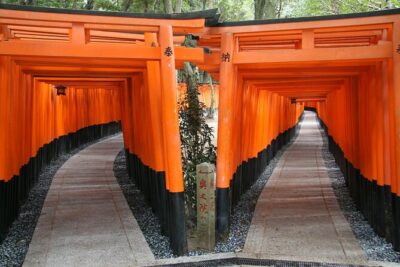
Fushimi Inari, Kinkakuji, Bamboo Grove 1 Day Bus Tour
Read our review →
Tea Ceremony in a Traditional Tea House in Kiyomizu
Read our review →
Kyoto Geisha Walking Tour: Gion District & Hidden Gems
Read our review →

Gion Magical Night Walking Tour with Geisha Trivia
Read our review →

Gion Geisha District Walking Tour – Stories of Geisha
Read our review →Browse the lists this tour appears in