
Reviewed · KYOTO TOURS
Kyoto Private Food Tours with a Local Foodie: 100% Personalized
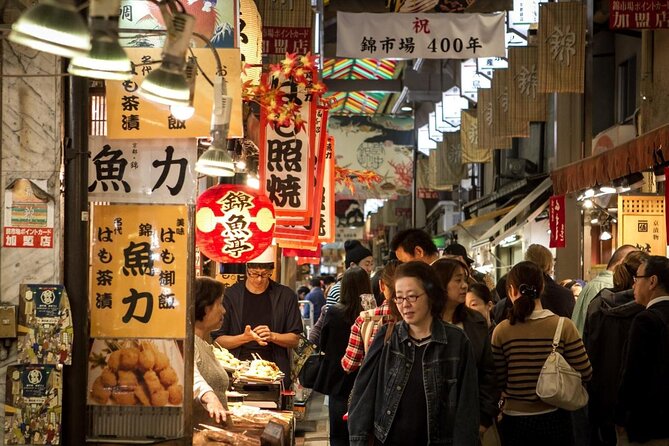
Kyoto’s food scene is best approached with an appetite and a flexible plan. This private three-hour tour pairs you with one local host, then lets your food preferences shape the route. You may browse Nishiki Market, sample Kyoto specialties, stop for ramen or gyoza, and finish with sake, beer, or a sweet treat.
I like the 6 to 8 included tastings, which remove much of the guesswork and let you try several small portions instead of committing to one large meal. I also like the one-to-one format. Guides such as Cici, Michael, Nisa, Toga, Alex, Anna, and Justin have been praised for friendly conversation, useful restaurant advice, and routes adjusted for families, teenagers, and differing tastes.
The main caution is that the exact food stops are not fixed. One person may get a lively, memorable food crawl, while another may find the experience closer to a guided walk with only a couple of casual vendor stops. If you want a chef-led lesson or a set tasting menu, this may not be the right choice.
Key points at a glance
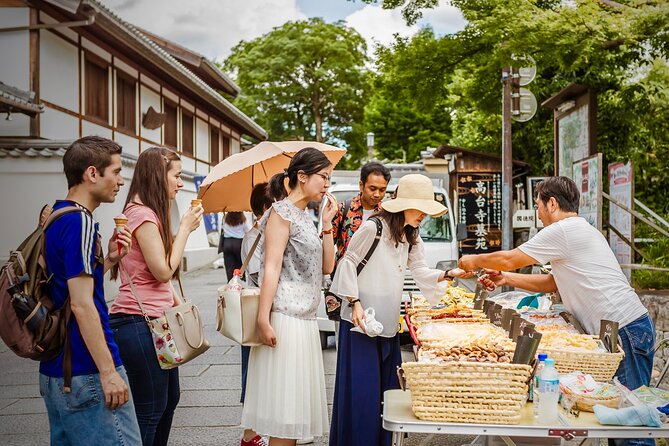
- Nishiki Market tasting route: Visit Kyoto’s old food market, open from 9 a.m. to 4 p.m., for street food and local specialties.
- Six to eight tastings included: Try a range of foods, with one alcoholic or nonalcoholic drink included.
- A genuinely private format: Your group has the host’s full attention, with no strangers added.
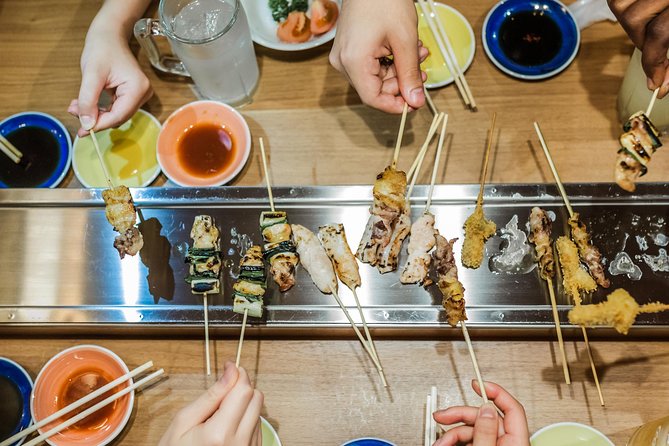
- Flexible food choices: Possible stops include ramen, gyoza, yakiniku, izakaya dishes, sushi, tempura, yakitori, sweets, and obanzai.
- Kyoto neighborhoods in one outing: The route can connect Nishiki Market, Shijo Dori, Gion, local restaurant streets, and the Kamo River.
- Useful advice beyond the tour: Hosts may point you toward restaurants near your hotel or suggest places to eat in another city, including Osaka.
What this Kyoto food walk is really like
This is not a formal cooking class or a rigid restaurant crawl. It is a personalized walk with food built into it, guided by a local host who helps you make sense of Kyoto’s eating habits and everyday specialties.
The company matches you with a host for about three hours. The published host names include Cici, Michael, Nisa, Toga, Alex, Anna, and Justin, though the available guide depends on your booking. Your host’s role is part food guide, part neighborhood companion, and part restaurant adviser.
The route can change to suit your preferences. Tell your host if you want meat, seafood, vegetarian dishes, sweets, beer, sake, ramen, or small traditional plates. The more clearly you explain what you like, the more useful the customization should be.
You begin at the Matsumoto Kiyoshi Kyoto Shijo Kawaramachi store at 103-2 Hashibacho in Shimogyo Ward. The tour ends back at the meeting point. A central hotel meet-up is available on request, but you should confirm that your location qualifies before booking.
The walking format is practical for Kyoto’s compact central districts, but it may require a fair amount of standing and strolling. If needed, your host can suggest public transport or private taxi options, though those costs are not included.
More food tours in Kyoto:
- Kyoto Night Foodie Tour in Gion (9+ dishes + 6 Sake tastings)
★ 5.0 · 1,762 reviews - 3-Hour Kyoto Insider Sake Brewery Tour with Tastings & Pairings
★ 5.0 · 917 reviews - Arashiyama Bamboo, Temple, Monkeys, or Secret Sake Brewery
★ 4.8 · 886 reviews
Nishiki Market before 4 p.m.
Nishiki Market is the tour’s clearest food focus. This long-established market is lined with shops and small counters selling Kyoto specialties and quick bites. It is a good place to sample several foods without ordering full meals at every stop.
Timing matters. Nishiki Market is open from 9 a.m. to 4 p.m., so a later afternoon or evening booking may not include it. If seeing the market is important to you, request a morning or early afternoon start and confirm the plan with the host.
The market works especially well for people who want variety. A tasting might lead you toward seafood, pickles, sweets, tempura, or another local snack, depending on your preferences and what is available that day. The included tastings let you keep moving rather than spending the whole tour at one counter.
There is a tradeoff. Nishiki can feel crowded, and market food is usually casual. You should not expect a private back-room visit, a chef demonstration, or a detailed explanation of every preparation. The value here is learning what catches your eye and having a local person help you choose.
One of the strongest food-focused accounts from this tour described a generous spread that included tempura, yakitori, sushi, and dessert. That gives you a fair sense of the possible range, but not a promise of those exact dishes.
Shijo Dori and Kyoto’s everyday center
The route may pass along Shijo Dori, one of central Kyoto’s main streets. This section helps connect the market with the surrounding shopping and dining districts.
Shijo Dori itself is not a tasting stop in the same way Nishiki Market is. Its value is orientation. You get a sense of how the market, department stores, side streets, restaurant buildings, and traditional districts fit together.
This is also where your host can help with practical choices. You may learn where to find ramen, gyoza, grilled beef, izakaya dishes, or coffee after the tour. Several hosts have also suggested restaurants near their clients’ hotels, which is one of the most useful benefits of this kind of private outing.
I would use this part of the experience as a chance to ask direct questions. Ask where your host would eat on a normal evening, what foods Kyoto does especially well, and which restaurants require a booking. The tour becomes more valuable when you treat it as a conversation rather than simply following from one snack to the next.
Gion after dark
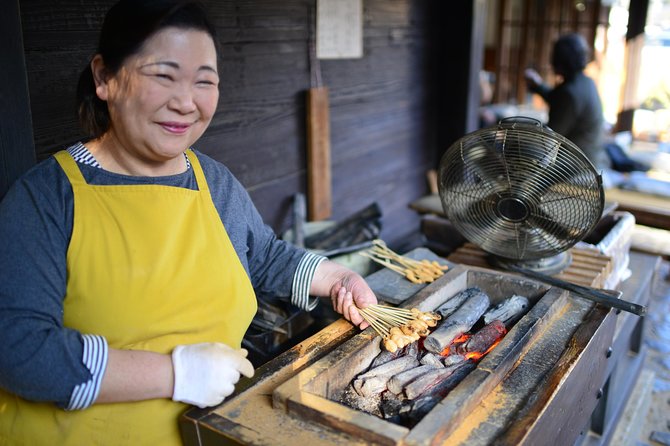
Gion brings a different mood. The district is known for its traditional streets, lantern-lit izakaya, and geisha culture. The tour may pass through nearby lanes and finish with a local specialty or a draft beer in an intimate izakaya.
The timing can shape this section. An evening tour gives you the best chance of seeing Gion with its lanterns lit and restaurants active. A daytime route may feel more like a neighborhood walk, with fewer evening dining options.
The food here is likely to be more restaurant-based than market-based. An izakaya is built around sharing small plates with drinks, so this setting suits couples, friends, and adults who want to try several dishes in one sitting.
Do not confuse the Gion portion with a guaranteed entertainment program. The description refers to street entertainment and the district’s atmosphere, but it does not promise a geisha performance or entry to a specific venue. The focus remains food, local streets, and conversation with your host.
Same base, a completely different sort of day:
- PERFECT KYOTO 1-Day Bus Tour
★ 5.0 · 13,518 reviews - Kyoto: Fushimi Inari, Kinkakuji, Bamboo Grove 1 Day Bus Tour
★ 4.8 · 4,316 reviews - Kyoto: Tea Ceremony in a Traditional Tea House in Kiyomizu
★ 4.9 · 3,519 reviews - Kyoto Geisha Walking Tour: Gion District & Hidden Gems
★ 4.7 · 3,273 reviews
Ramen, gyoza, yakiniku, and izakaya choices
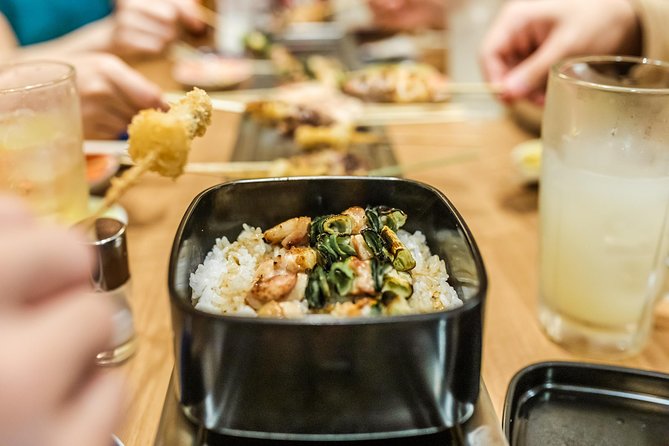
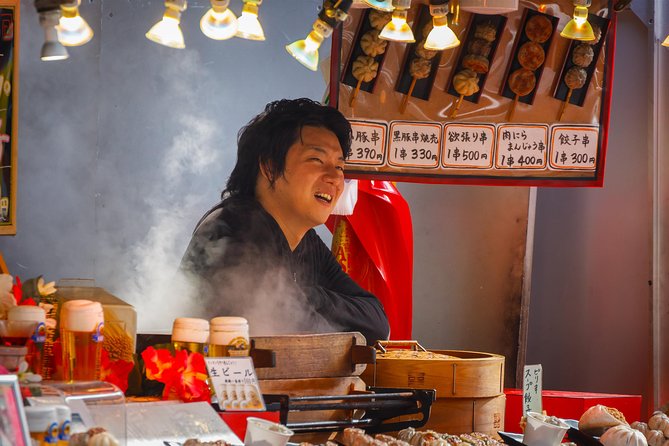
Another possible section takes you through a local-loved restaurant area with plenty of choice. Depending on your interests, the food could include Kyoto ramen, gyoza, yakiniku, or dishes served at a more polished izakaya.
This flexibility is useful for mixed groups. One person can prefer noodles, another can want grilled beef, and someone else can be more interested in small plates. A private host can adjust the route more easily than a large scheduled group can.
The tastings are not all necessarily full meals. Six to eight samples can add up, but you should think of them as a progressive meal of small portions. If you arrive very hungry, remember that extra food and drinks beyond the included tastings cost more.
A drink is included, chosen from sake, wine, beer, or a soft drink. That is a nice touch because a local drink can help make a small dish feel more connected to the setting. It is still only one included drink, so budget for additional orders if you want a longer evening.
Ramen deserves a special note. One tour included ramen and several kinds of sake, with the host also recommending a ramen restaurant in Osaka. That kind of advice can be valuable if Kyoto is only one part of a wider Japan trip.
Obanzai and the quieter side of Kyoto cooking
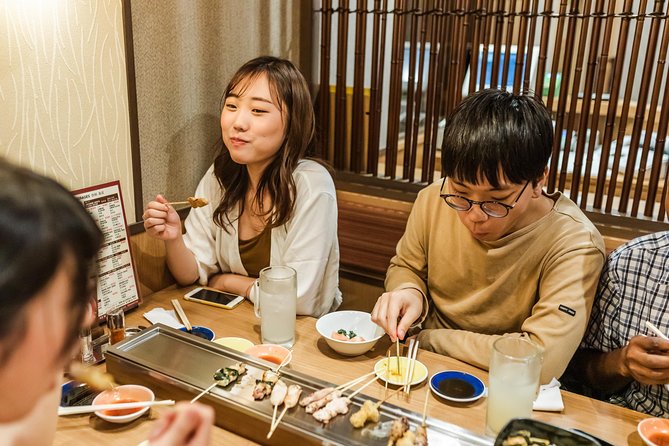
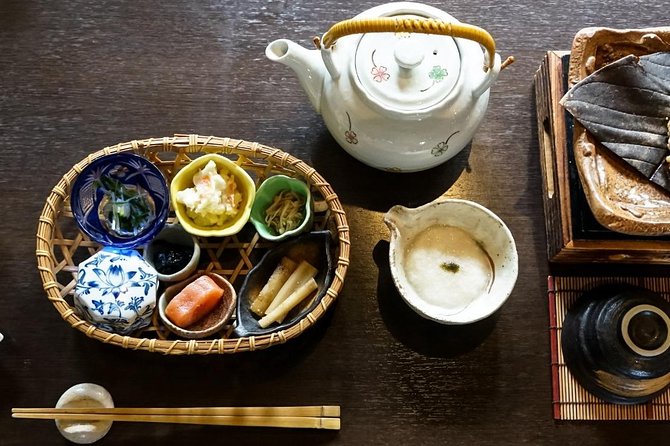
Your host may introduce you to obanzai, a Kyoto style of home-style vegetable cooking. These dishes are often served in small portions, which makes them a natural fit for a food walk.
Obanzai can show you a side of Kyoto eating that is easy to miss if you focus only on sushi and ramen. It points toward seasonal vegetables, simple preparation, and the everyday meal rather than the expensive special-occasion meal.
The tour may also explain Japanese dining traditions, including what a kaiseki meal is. That context helps you understand the difference between a formal, carefully sequenced meal and the casual food you are tasting on the walk.
Do keep your expectations measured. The tour introduces traditional foods, but it is not advertised as a kaiseki dinner and does not include tickets or a full formal meal. You are getting an accessible introduction, not a complete study of Kyoto cuisine.
Kamo River and a drink at sunset
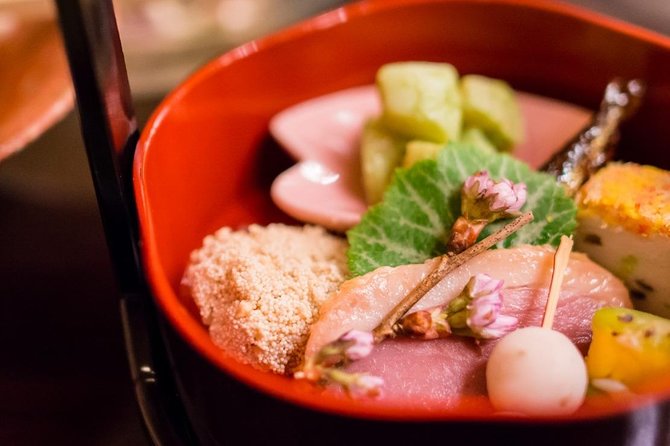
The Kamo River can provide the most relaxed ending. With your host, you may watch the sunset while drinking an ice-cold beer. This is less about another major tasting and more about letting the meal and the city settle in.
This stop depends on time, light, weather, and the route your host creates. It should be viewed as a possible finish rather than a guaranteed sunset appointment. The same applies to any specific restaurant, coffee shop, or street-food counter.
I like the idea of ending beside the river because it gives the tour a pause. Food tours can become a blur of bites and names. A drink with a view gives you time to ask for final advice and decide where to eat later in your trip.
If rain or cold weather arrives, the riverside portion may be less appealing. One family still enjoyed its tour with Toga in cold rain, but weather tolerance varies. Comfortable shoes and a light rain layer make sense for any Kyoto walking tour.
The guides make the difference
Because the route is flexible, the individual host matters a great deal. Cici has been praised for combining food, Kyoto culture, and city history while speaking clear English. Michael has been described as warm, helpful, and good at picking restaurants for a family with two teenagers.
Nisa is associated with finding places that are easy to miss on your own. Toga was punctual, friendly, and willing to keep the experience enjoyable in poor weather. Alex has led both a quick Kyoto orientation and a food walk, with practical restaurant suggestions around the hotel.
Anna received high marks for creating a fun evening, while Justin was singled out for making an evening food tour feel especially memorable after a day of sightseeing. These names are useful when you book or receive your host assignment, since a private experience can feel very different depending on the person leading it.
The best guides appear to do more than name dishes. They talk with you, answer questions, adjust the food, explain local customs, and leave you with ideas for later meals. That is where the private format earns its keep.
The weak point is consistency. One person found the food element too limited, with only two casual street-vendor stops and little explanation of cooking or restaurant craft. That criticism matters. The tour’s open-ended design gives you freedom, but it also means the final result depends on the host, schedule, and how clearly your preferences are discussed.
Is $245.15 per person good value?
At $245.15 per person, this is not a cheap way to grab street food. The price makes more sense if you are paying for personal guidance, six to eight tastings, local orientation, and restaurant advice in one package.
For a private group, the value improves because the host’s attention is not divided among strangers. Families and small groups can ask for different foods, move at their own pace, and avoid spending time at stops that do not appeal to them.
The price is harder to justify if you only want a filling meal. Additional food, drinks, transport, and gratuities are extra. You could spend less by exploring Nishiki Market on your own, but you would give up the host’s recommendations and the chance to ask questions as you eat.
Group discounts are available, which may help larger private parties. Since the tour is often booked about 30 days in advance, I would reserve early if you need a particular date or want to request an evening route.
Who should book this experience?
This suits you best if you are visiting Kyoto for the first time, want a fast introduction to local food, or feel unsure about ordering in unfamiliar places. It is also a strong choice for families, since the route can be shaped around teenagers and different appetites.
It works well at the start of a Kyoto stay. Ask your host for restaurant suggestions near your hotel, foods to try later, and places suited to your budget. You can then use the rest of your visit with a better sense of what you are seeing on menus.
Food-focused couples and small groups should also find the format appealing. You can combine a market visit, neighborhood walk, small restaurant stops, and a drink without planning each piece yourself.
I would hesitate if your goal is a serious culinary lesson. There is no guaranteed chef, kitchen visit, fixed restaurant list, or behind-the-scenes demonstration. The experience is social and adaptable, not academic or highly structured.
Practical details before you book
The tour lasts about three hours and is private, so only your group participates. It is near public transportation, and most people can take part. Service animals are allowed.
You receive confirmation at booking. The meeting point is Matsumoto Kiyoshi Kyoto Shijo Kawaramachi, and the tour returns there unless another central hotel meeting arrangement is confirmed.
Nishiki Market closes at 4 p.m. Ask about the route if you want the market, especially if you are choosing an evening start. Also tell the host about dietary preferences, dislikes, alcohol choices, and the ages of anyone in your group before the walk begins.
Cancellation is free up to 24 hours before the start time. If you cancel or request changes later than that, you should not expect a refund or a route adjustment.
Should you book it?
Book this tour if you want personal food guidance with room to change plans. Its strongest features are the private host, broad tasting range, neighborhood coverage, and useful restaurant advice that can help with the rest of your Kyoto visit.
I would choose a morning or early afternoon start if Nishiki Market is your priority. I would choose an evening start if you care more about Gion, izakaya food, sake, and a possible Kamo River finish.
Just keep the promise in proportion. You are booking a flexible food walk, not a guaranteed chef experience. Give your host clear requests, ask for several tastings, and confirm the route. Done that way, the tour can be a very good introduction to eating in Kyoto.
FAQ
How long does the Kyoto private food tour last?
The experience lasts approximately three hours.
How many food tastings are included?
The tour includes six to eight tastings of local food specialties.
Is a drink included?
Yes. One glass of sake, wine, beer, or a soft drink is included. Additional food and drinks cost extra.
Is the tour private?
Yes. Only your group participates, and the host gives your group undivided attention.
Can the tour be adapted to my food preferences?
Yes. The experience is personalized, and the places visited may differ based on your preferences.
Is Nishiki Market included on every tour?
Nishiki Market is a possible stop, but the route can change because the experience is private and personalized. The market is open from 9 a.m. to 4 p.m.
Where does the tour begin and end?
It begins at Matsumoto Kiyoshi Kyoto Shijo Kawaramachi, at 103-2 Hashibacho, Shimogyo Ward, Kyoto. It ends back at the meeting point.
Are transportation costs included?
No. The experience is primarily a walking tour. Your host can suggest public transport or private taxi options, but those costs are not included.
Just added around Kyoto
- Kyoto: Zen Meditation at a Private Temple with a Monk★ 5.0 · 25 reviews
- Kyoto: Gion Geisha District & Sake-in-Hand Walking Tour★ 5.0 · 37 reviews
- Private Pewter Sake Cup Experience with a Kyoto Artisan★ 5.0 · 31 reviews
- Your Private Vacation Photography Session In Kyoto★ 5.0 · 110 reviews
- Private Guided Traditional Buddhist Cooking in Japan★ 5.0 · 16 reviews
- Kyoto Wagashi(Japanese sweets) Cooking Class near Fushimiinari★ 5.0 · 60 reviews
- Traditional Japanese Music show & Experience Tour in Kyoto★ 5.0 · 57 reviews
- Kyoto:Family-Friendly Kimono & Yukata Experience at WARGO★ 5.0 · 147 reviews
Kyoto Tours, compared.


Fushimi Inari, Kinkakuji, Bamboo Grove 1 Day Bus Tour
Read our review →
Tea Ceremony in a Traditional Tea House in Kiyomizu
Read our review →
Kyoto Geisha Walking Tour: Gion District & Hidden Gems
Read our review →

Gion Magical Night Walking Tour with Geisha Trivia
Read our review →

Gion Geisha District Walking Tour – Stories of Geisha
Read our review →Browse the lists this tour appears in