
Reviewed · TOKYO TOURS
Sake Omakase in Tokyo: Guided Tasting by Certified Sommeliers
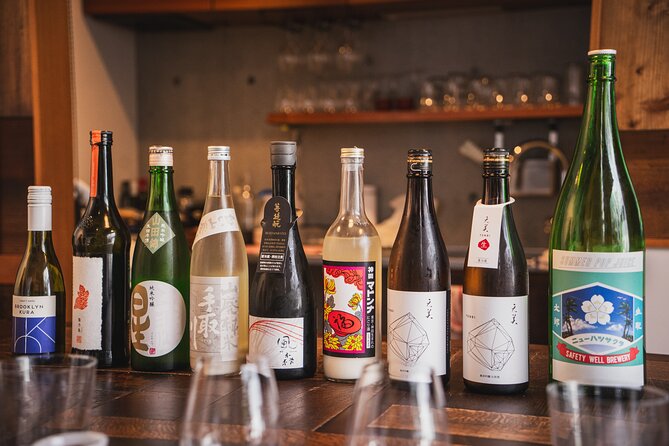
Tokyo’s Sake Omakase is more than a line-up of drinks. In about two hours, you taste seven Japan-exclusive sakes in several styles, temperatures, and serving vessels, with each pour tied to a small bite or a clear lesson. It is a hands-on way to understand why one sake feels dry, another fruity, and a third better with food.
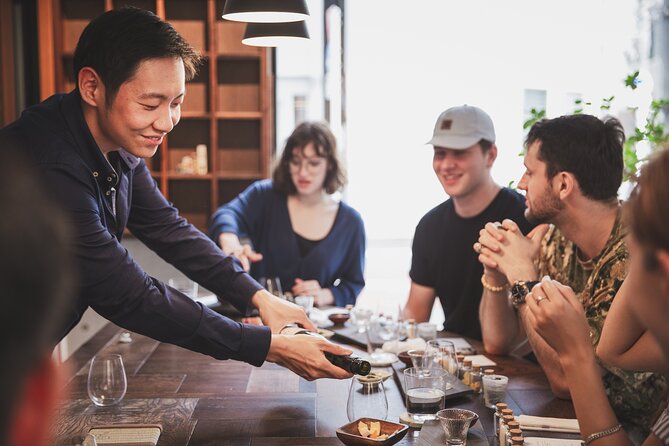
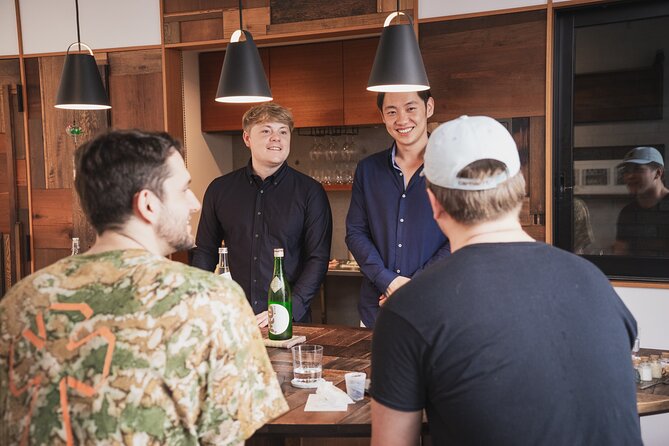
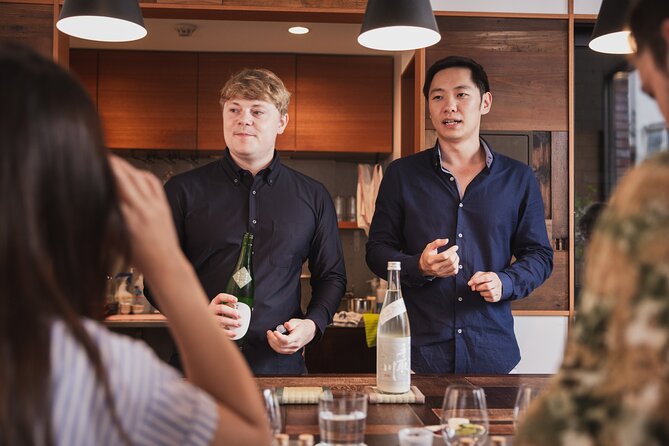
I like the small group of six and the calm designer room built around a reclaimed Showa-era wood table. I also like the teaching style: hosts such as Eric, Aaron, Frank, and Phillip explain sake in plain English, answer questions, and help you work out what suits your palate.
The main consideration is simple: this is a serious alcohol tasting, not a casual sightseeing stop. Seven sakes with free-flow refills can add up quickly, so eat beforehand, pace yourself, and skip it if alcohol does not agree with you.
Key points at a glance
- Seven Japan-exclusive sakes: You taste a broad selection rather than one familiar bottle.
- Four themed courses: Rice, temperature, spices and herbs, and drinking vessels each show how sake can change.
- Small bites with every course: Pickles, cheese, cured meats, and dessert help you compare sake with food.
- Native English-speaking hosts: Certified sommeliers also guide sessions in Japanese and Chinese.
- A maximum of six people: The compact group leaves room for questions and conversation.
- Central Tokyo setting: Meet at Linden House in Kanda Ogawamachi, with the tasting ending at the same place.
What the two-hour sake session is really about
The useful thing here is the structure. You are not simply handed seven glasses and left to guess what you like. The tasting moves through four subjects, letting you compare cause and effect.
That matters because sake can seem confusing at first. Labels use terms such as junmai, ginjo, and polishing rates, but those details do not always tell you what your palate will enjoy. Tasting several bottles side by side gives you a better reference point than ordering one drink with dinner and trying to remember it later.
The hosts explain brewing methods and flavor differences as you go. You can ask why a sake tastes sweet, why another has a clean finish, or why a drink changes when warmed. The format is educational without turning into a classroom lecture.
The group size helps. With no more than six people, you have a fair chance to speak directly with the sommelier. That is especially helpful if you are new to sake and do not yet know the right questions to ask.
More drinks-led nights in Tokyo:
- Tokyo Bar Hopping Tour in Shinjuku (All-You-Can-Drink + Dinner)
★ 5.0 · 3,587 reviews - Best of Shinjuku: Izakaya Food Tour (4 Stops, 14+ Tastings)
★ 5.0 · 1,863 reviews - Tokyo: Shinjuku Local Bar and Izakaya Guided Walking Tour
★ 4.9 · 1,794 reviews
Four courses, seven pours, and a useful tasting progression
The first course looks at rice. Rice is the base of sake, and comparing different rice choices gives you a way to notice texture and aroma rather than treating all sake as one drink.
You may find one pour light and polished, while another feels fuller or more savory. The point is not to memorize technical terms. It is to connect what you taste with how the sake was made.
The next section explores temperature. Sake is often served chilled, but it can also be enjoyed at warmer temperatures. Trying the same or different styles at five temperatures shows how aroma, body, sweetness, and finish can shift.
This is one of the most practical parts of the session. If you have only tasted cold sake, you may leave with a better idea of what to order in an izakaya or restaurant. It also explains why serving temperature is not a minor detail.
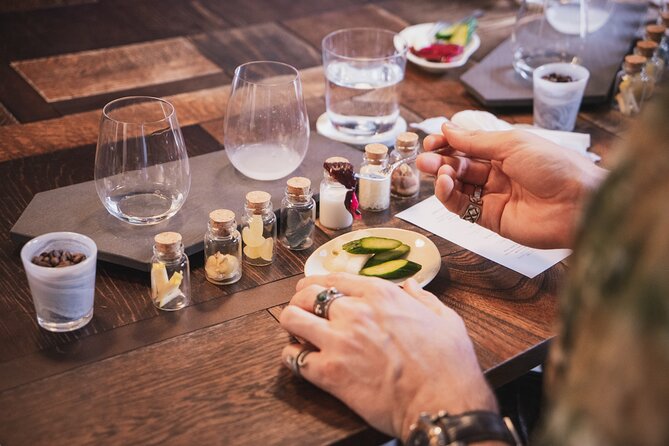
Another course uses spice and herb infusions. These additions show how sake can take on new character when paired with aromatic flavors. The exercise should appeal to anyone who enjoys cocktails, food pairing, or unusual flavor combinations.
The final theme considers drinking vessels. A cup or glass changes how a drink reaches your nose and mouth, so the same sake can feel different depending on what you use. It is a small detail with a large lesson: tasting is shaped by more than the liquid in the bottle.
The supplied format describes a four-course voyage, while some sessions may be explained as three broad tasting stages. Either way, you should expect a guided progression rather than four full restaurant courses. The food is made up of small bites, and the focus remains on sake.
Small bites that make the alcohol easier to understand
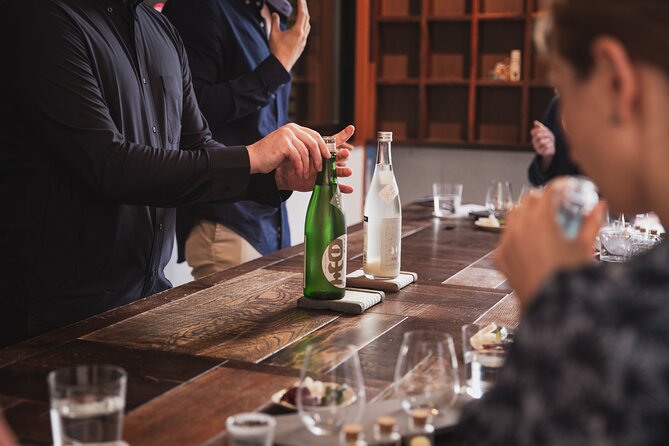
Each course comes with snacks such as pickles, cheeses, cured meats, and dessert. These are not meant to fill you up like a meal. Their job is to show how sake behaves next to salt, fat, acidity, sweetness, and stronger flavors.
Pickles can sharpen your sense of freshness. Cheese and cured meat can make a sake seem rounder or more substantial. Dessert gives you a chance to consider sweeter styles and how sake works at the end of a meal.
I would eat a light meal before arriving. One person described the tasting as refined and even suggested coming with something in your stomach, a sensible tip when free-flow pours are part of the experience. Do not arrive expecting the snacks alone to serve as dinner.
The pairings also make this useful for future meals in Japan. You can begin to notice which styles work with grilled foods, salty dishes, rich cheese, or dessert. Even if you forget the technical brewing terms, you are likely to remember the flavor combinations.
A designer room with a Showa-era centerpiece
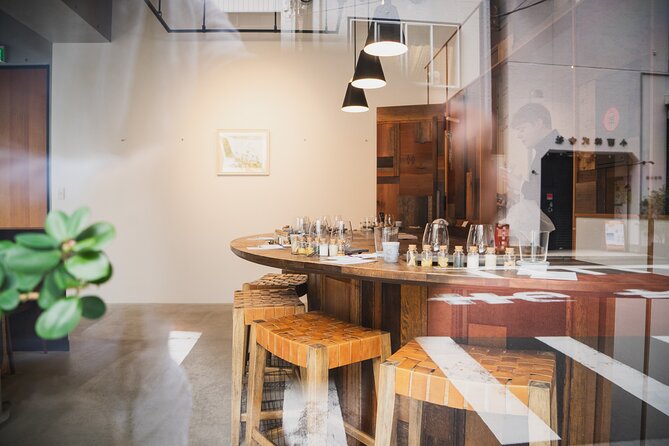
The setting is part of the appeal. The tasting takes place in a carefully designed room centered on a beautiful table made from reclaimed wood from a Showa-era building.
That detail gives the session a stronger sense of place than a standard bar tasting. You are in central Tokyo, but the focus is on the table, the bottles, the food, and the people around you. The room sounds polished without being described as a formal restaurant.
The small setting is also useful for conversation. You can compare favorites with the other people in your group, ask follow-up questions, and learn from different palates. Several comments about the experience emphasize how easygoing and friendly the hosts make the session.
Do keep your expectations in check. The experience is not a tour of a sake brewery, and there is no listed visit to a production site. You come to one tasting room, stay for about two hours, and return to the same meeting point.
More food tours in Tokyo:
- Tokyo: Shinjuku Food Tour (13 Dishes at 4 Local Eateries)
★ 5.0 · 6,603 reviews - Tokyo Tsukiji Fish Market Food and Culture Walking Tour
★ 5.0 · 3,184 reviews - Tokyo: Shinjuku Food Tour (15 Dishes and 4 Eateries)
★ 4.9 · 2,033 reviews - Tokyo: Tsukiji Fish Market Food and Walking tour
★ 5.0 · 1,724 reviews
The sommeliers make the difference
The hosts are certified sommeliers with more than 2,500 tasting experiences behind them. That background matters because good sake teaching depends on clear comparisons, not just a string of facts.
Eric has been praised for leading guests through all seven sakes in a thorough but relaxed way. Aaron and Frank have also hosted sessions, making the group feel at ease while explaining styles and production. Phillip has been noted for presenting sake clearly alongside food pairings.
Host assignments can vary, so you should not book on the assumption that one particular person will lead your date. Still, the experience is designed around multilingual instruction in English, Japanese, and Chinese.
For English speakers, native English delivery is a major benefit. Sake vocabulary can be difficult to follow when translated on the spot, especially when the subject turns to aroma, texture, or brewing methods. Here, you can ask a direct question and get an answer shaped around your own taste.
That personal guidance is especially useful if you already have a sake you enjoy. Bring its name or style to mind and ask what made it appealing. The hosts can help connect that preference to other bottles, which is more useful than simply being told which sake is considered premium.
What makes the seven-sake selection worthwhile
The price is listed at $79.52 per person. For Tokyo, that is not a bargain drink-and-snack stop, but it is reasonable if you use the session as both a tasting and a lesson.
You are paying for seven selected sakes, free-flow refills, four themed courses, food pairings, a specialist host, and a small group. The free-flow wording does not mean you should try to maximize the number of pours. It means you can revisit a sake, compare it again with food, or ask for another taste without treating every sample as a one-time event.
The value is strongest for three types of people. First, beginners get a friendly introduction without needing to understand a sake menu in advance. Second, people who already enjoy sake gain a more precise way to compare rice, temperature, vessels, and flavor additions. Third, couples or small groups looking for an evening activity get a social experience that does not require a full-day commitment.
The value is weaker if you only want a quick drink, dislike guided tastings, or do not care about food matching. You may also find the amount of alcohol more than expected, especially because the session includes seven varieties and refills.
Where it fits into a Tokyo itinerary
The meeting point is Linden House, 1-chome-9-9 Kanda Ogawamachi, Chiyoda City, Tokyo 101-0052. The location is near public transportation, but transportation to and from the activity is not included.
Because the tasting begins and ends at the same place, planning is straightforward. Allow enough time to reach Kanda Ogawamachi without rushing. A mobile ticket is provided, and confirmation arrives when you book.
The two-hour length works well between other central Tokyo plans. It is long enough to teach real material but short enough to fit into an afternoon or evening. Since alcohol is involved, I would avoid stacking it between strenuous activities or making an important reservation immediately afterward.
There is no hotel pickup or drop-off. You are responsible for getting to the meeting point and returning from it. That is normal for a central city tasting, but it is worth noting if you prefer door-to-door tours.
Who should book this experience
I would choose this for a first sake tasting in Tokyo, especially if you want more than a bar recommendation. The staged comparisons give you a framework for ordering sake later in your trip.
It also suits experienced drinkers who want to examine details they may have missed. The temperature and vessel sections, in particular, offer practical lessons that you can use at home or at a restaurant.
The experience is a good match for solo visitors too. A six-person limit gives you a chance to meet others without the session feeling like a large group event. The food and guided conversation help prevent the awkwardness that can come with arriving alone at a tasting.
It may not suit anyone with an alcohol allergy. The activity is built around alcoholic beverages, and the supplied information specifically says it is not recommended for people with alcohol allergies. Most people can participate, but the drinking element is not optional.
Booking, cancellation, and practical limits
The activity has a maximum of six people, so the small-group format depends on availability. It also requires a minimum number of participants. If that minimum is not reached and the session is canceled, you are offered another date or experience, or a full refund.
You can cancel for a full refund up to 24 hours before the start time. Changes or cancellations made less than 24 hours before the start time are not accepted for a refund. The cut-off follows Tokyo local time.
There is no stated hotel pickup, and the activity ends back at Linden House. Most people can participate, but the key practical issue is alcohol tolerance rather than physical difficulty.
Should you book the Sake Omakase?
Book it if you want a focused, friendly introduction to Japanese sake and value expert explanation as much as the drinks themselves. The strongest features are the seven Japan-exclusive selections, the four comparison themes, the food bites, and the group limit of six.
I would especially recommend it for someone who has tried sake once or twice but cannot yet explain what they like. The tasting gives you a vocabulary and a set of comparisons you can carry into the rest of your Japan trip.
Skip it if you want a brewery visit, a full meal, or a short stop with only one or two drinks. Also think carefully about the free-flow format if you do not drink much. For the right person, though, $79.52 buys more than a flight of sake. It buys a practical lesson in how to taste, order, and enjoy it.
FAQ
Where does the sake tasting take place?
It takes place at Linden House, 1-chōme-9-9 Kanda Ogawamachi, Chiyoda City, Tokyo 101-0052, Japan.
How long does the experience last?
The tasting lasts approximately two hours.
How many people can join?
The activity has a maximum of six participants.
How many sakes are included?
Seven varieties of sommelier-selected, Japan-exclusive sake are included.
Are refills included?
Yes. The seven sakes are served free-flow with unlimited refills during the four themed courses.
What food is provided?
Small bites are served with each course. The listed foods include pickles, cheeses, cured meats, and dessert.
What languages are available?
The sommeliers guide the experience in English, Japanese, and Chinese. The English-speaking hosts are native English speakers.
Is transportation included?
No. Transportation to and from the activity and hotel pickup or drop-off are not included.
Can I cancel for a full refund?
Yes. You can cancel at least 24 hours before the start time for a full refund. Cancellations or changes made less than 24 hours before the start time are not accepted for a refund.
More Sake Tasting in Tokyo
- Ramen and Sushi Cooking Class with Sake Pairing Set in Tokyo
★ 5.0 · 291 reviews - Sake Tasting Masterclass in Shinjuku (8+ Varieties with a Pro)
★ 5.0 · 271 reviews - Tokyo: Sushi and Ramen Cooking Class with Sake Pairing Set
★ 5.0 · 81 reviews - Tsukiji: Outer Market Walking Tour & Sake Tasting Experience
★ 4.9 · 81 reviews
Just added around Tokyo
- Private Arrival Transfer : Narita International Airport to Central Tokyo City★ 4.5 · 12 reviews
- Narita Airport(NRT): Private Transfer to Tokyo/Yokohama 1-9pax★ 5.0 · 47 reviews
- Private Transfer from Narita Airport to Yokohama Port and City★ 4.5 · 17 reviews
- [Narita Airport Terminals 1, 2] 40-60km Sawara Itako Historic Bike Tour★ 5.0 · 13 reviews
- 3 Day Japan Highlights Tour: Tokyo, Mt.Fuji, Nara, Kyoto, Osaka★ 5.0 · 22 reviews
- Small Town in the Big City: Tasting Tokyo’s Kichijoji★ 5.0 · 195 reviews
- Small Town in the Big City: Tasting Tokyo’s Kichijoji★ 5.0 · 16 reviews
- The 10 Tastings of Tokyo With Locals: Private Street Food Tour★ 5.0 · 48 reviews
Tokyo Tours, compared.
Mt Fuji and Hakone 1-Day Bus Tour Return by Bullet Train
Read our review →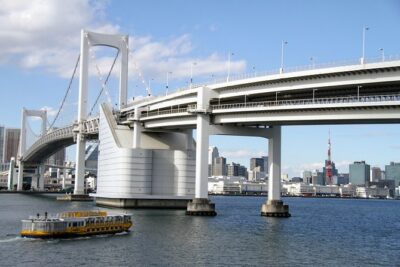
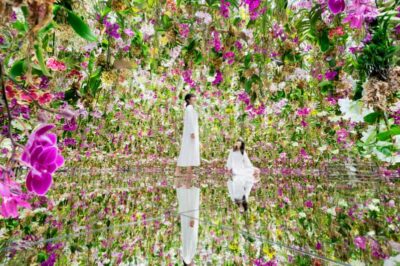
teamLab Planets TOKYO Digital Art Museum Entry Ticket
Read our review →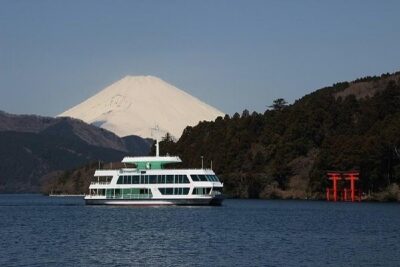
Mt Fuji & Hakone Cruise, Drum Show Bullet Train 1 Day from Tokyo
Read our review →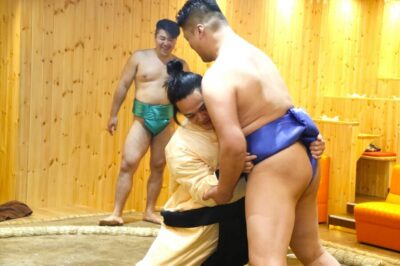
Sumo Show Experience with Chicken Hot Pot and a Photo
Read our review →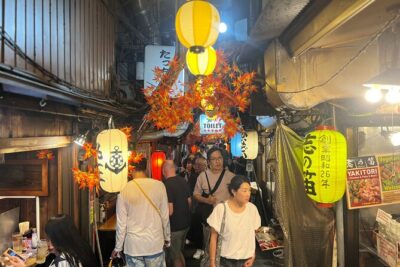
Shinjuku Food Tour (13 Dishes at 4 Local Eateries)
Read our review →
Tokyo Mt Fuji 5th St & Hakone Cruise Bus Tour w/Bullet Train
Read our review →
Flagship 2-Hours Official Street Go-Kart Tour – Tokyo Bay Shop
Read our review →Browse the lists this tour appears in