
Reviewed · TOKYO TOURS
Tokyo: Gameboy Mod Workshop at Akihabara
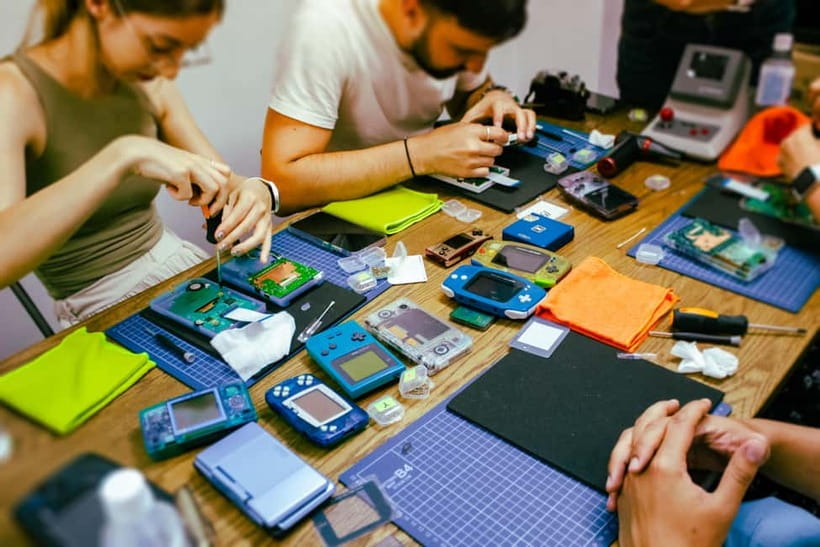
Tokyo’s Akihabara is packed with electronics, but this two-hour Game Boy workshop offers something you cannot get from a shop shelf: you make the souvenir yourself. With a DMG-01, the original 1989 Game Boy model, you learn how the machine works, take it apart, select a new look, and rebuild it under close guidance. I like the small group of four, and I like that beginners and serious Nintendo fans can work side by side.
The strongest parts are the friendly staff and the freedom to choose your shell, buttons, screen surround, power switch, and other details. The main consideration is the $360 price, which is a lot for a two-hour activity. You are paying for vintage hardware, replacement parts, specialist labor, instruction, and a working console to take home, so it makes the most sense for someone who sees the Game Boy as more than an ordinary souvenir.
Key points before you book
- Build a real DMG-01: Take apart and rebuild the original style of Game Boy, rather than simply buying a finished shell.
- Choose nearly every visible detail: Pick the case color, buttons, screen surround, power rocker, and other supplied parts.
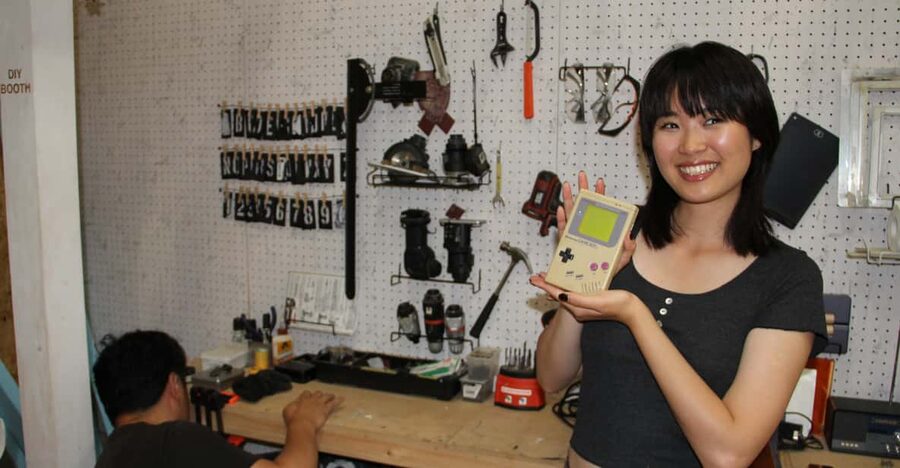
- Learn from retro gaming specialists: Staff members such as Gabi, Franz, Shio san, and Ro are associated with the workshop and guide you in English or Japanese.
- A four-person group keeps help close: You get hands-on time without being lost in a large class.
- Leave with a playable souvenir: The finished Game Boy is checked so you can take it home and use it.
- Retro games are available: You can browse Japanese and international titles, with extra games available to buy.
Why build a Game Boy in Akihabara?
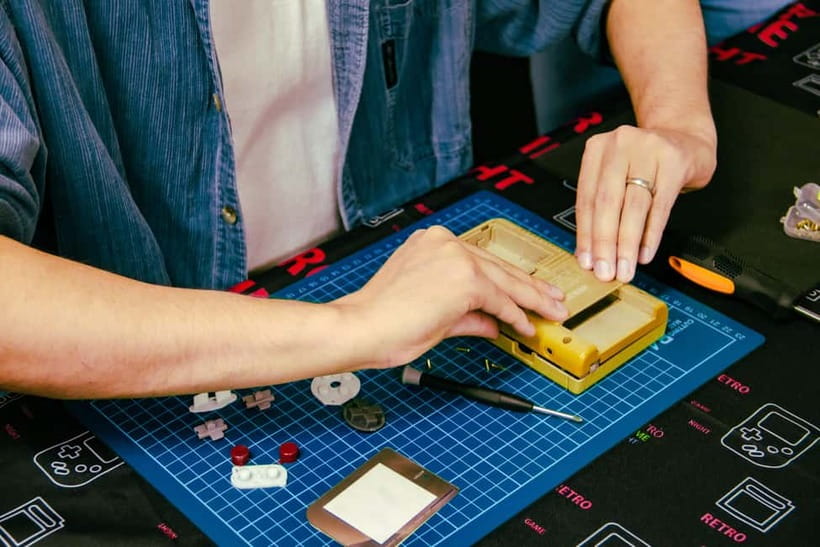
A standard souvenir from Tokyo can be charming, but it often ends up in a drawer. This one is different. You spend time making choices, handling old hardware, and learning how a machine from the early days of handheld gaming was put together. The final console carries those memories every time you switch it on.
The workshop centers on the original DMG-01 Game Boy. That matters because this is the model most closely tied to the classic gray handheld many people remember from childhood. The original screen, simple controls, and chunky case are part of its appeal, yet the workshop lets you update the experience with modern parts.
The result is not a museum piece that you are afraid to touch. It is a usable Game Boy with a personal design. Several people who built one began playing it daily after returning home. That is a better souvenir than another mass-produced keychain, provided you have a real interest in retro games.
You do not need prior electronics experience. The instructors explain the process clearly and check your work as you go. A teenager can take part, and parents or friends who are not building their own console can still watch, play, and join the atmosphere. The class is hands-on, but it is not a test of your technical skill.
More anime and pop-culture days in Tokyo:
- Official Street Go-Kart Tour – Akihabara
★ 5.0 · 1,578 reviews - Tokyo Go Kart: Asakusa, Skytree, and Akihabara **IDP MUST**
★ 5.0 · 988 reviews - Tokyo Studio Ghibli Museum and Ghibli Film Appreciation Tour
★ 4.5 · 421 reviews
The opening lesson: Nintendo’s handheld story
The session begins with background on the Game Boy and the wider story of Nintendo’s handheld consoles. This is more than a quick sales pitch. The staff use actual consoles and examples to explain how portable gaming changed over time, including the Game Boy’s place among other handheld devices.
I like this opening because it gives the repair work a reason. You are not just swapping colored plastic. You see why the original machine mattered, why its design was so influential, and how later handhelds built on the basic idea.
The lesson is also a good way to settle into the group. Staff members are happy to answer questions, from simple button functions to more technical points about the hardware. The English and Japanese instruction makes the activity accessible to international visitors, though the depth of the conversation may depend on the staff member leading your session.
Some of the people connected with the workshop include Gabi, Franz, Shio san, and Ro. The staff are described as energetic, patient, and enthusiastic about games, which is important here. A dry repair class would make two hours feel long. The personality of the instructors helps keep the history lesson lively.
If you are a complete beginner, you can ask basic questions without feeling out of place. If you already know your way around old consoles, you can ask more detailed questions and spend more time examining the parts.
Taking apart the original DMG-01
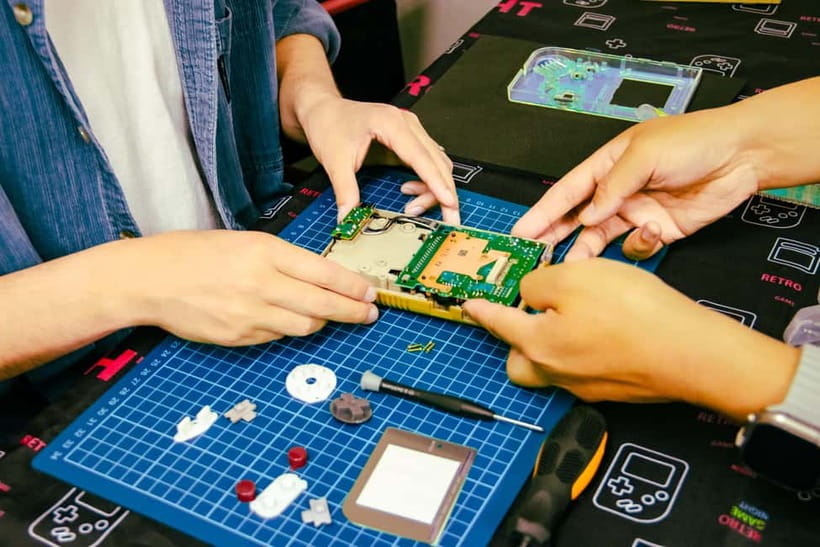
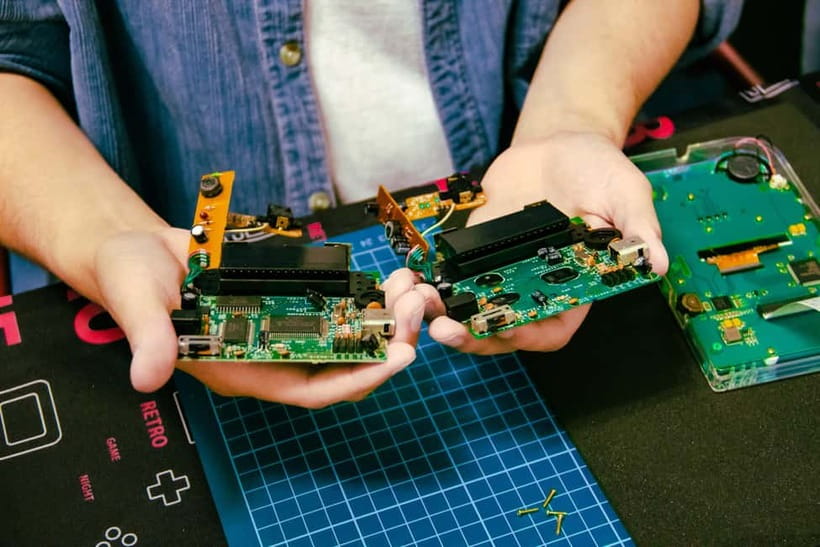
The main work begins when you open the Game Boy. You remove the original case and examine the useful parts before rebuilding the console with the supplied materials. This is the part that gives the workshop its hands-on value.
There is a small thrill in seeing the inside of a machine that many people only ever held from the outside. You start to understand that the Game Boy is not magic. It is a collection of parts, connections, buttons, and boards that can be handled carefully and put back together.
The instructors guide you step by step. They help if something catches, and they check important stages before you move on. That support is especially useful because vintage hardware can be delicate, and nobody wants a costly souvenir ruined by one rushed move.
The class size matters here. With a maximum of four participants, the staff can pay attention to each person. You are not waiting behind a large crowd while someone else gets help. A small group also lets you compare design choices and talk with other people who came for the same reason.
The two-hour limit keeps the activity focused, but you should still expect to make decisions promptly. If you are the kind of person who can spend half an hour choosing between nearly identical shades, use the early part of the session to narrow down your favorites.
Choosing the shell, buttons, and screen
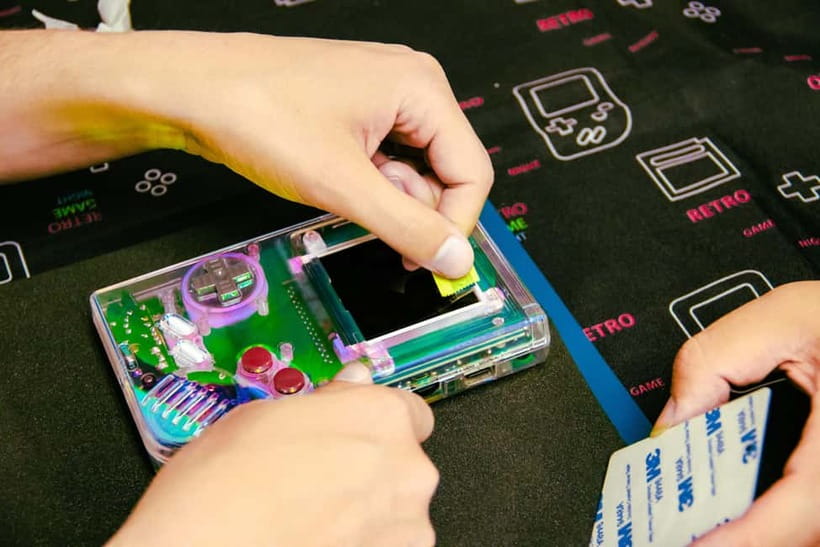
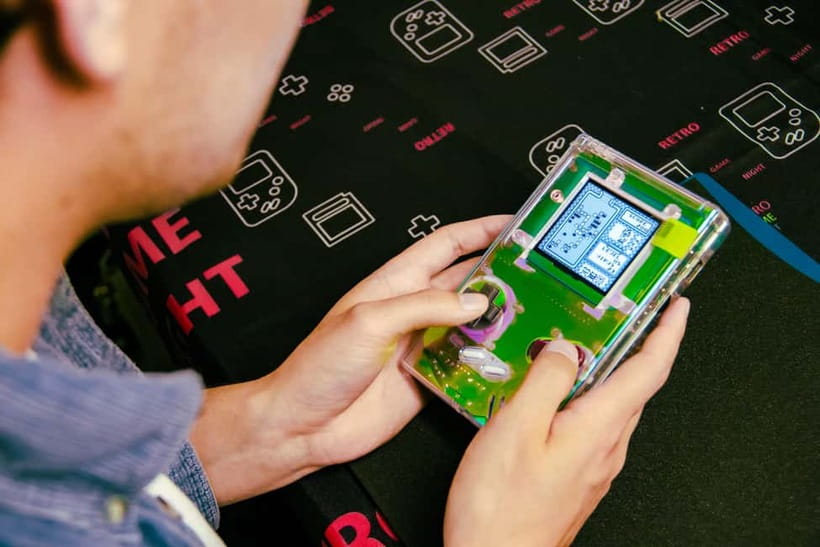
The customization stage is where the finished console becomes yours. You choose the shell color and then match or contrast the buttons, screen surround, and power switch. The available selection is described as extensive, with enough parts to create a traditional-looking Game Boy or something much more unusual.
You are not limited to one standard color combination. One participant created a special variant with mixed colors, rather than using the same shade throughout. That is a useful tip: look at combinations, not just individual parts. A bold shell can work well with restrained buttons, while a simple shell may benefit from brighter controls.
The screen is another important choice. The workshop can include an improved backlit screen, which solves one of the original Game Boy’s most frustrating problems. The classic machine was designed for well-lit rooms and does not have the modern convenience of a built-in light. A backlit upgrade makes the console more practical to play.
The exact parts and choices can vary, so you should ask the staff what is included when you arrive. The key point is that the workshop is not only a cosmetic shell swap. The finished unit can combine the look of a vintage Game Boy with newer screen technology.
This is also where the price becomes easier to judge. If you only want a colorful Game Boy shell, $360 is difficult to justify. If you want an upgraded, working console that you assembled yourself, with expert help and access to scarce original hardware, the cost has a clearer purpose.
More hands-on workshops in Tokyo:
- Sushi Making Tokyo Roll and Authentic Japanese Sushi Class
★ 5.0 · 3,971 reviews - Tokyo: Roll and Authentic Sushi Making Class in Asakusa
★ 4.9 · 1,957 reviews - Tokyo Shinjuku Chopsticks Making Class
★ 5.0 · 1,763 reviews - Tokyo: Sushi Making Class in a Happi Coat near a Famous Spot
★ 4.9 · 1,377 reviews
Rebuilding the console with expert help
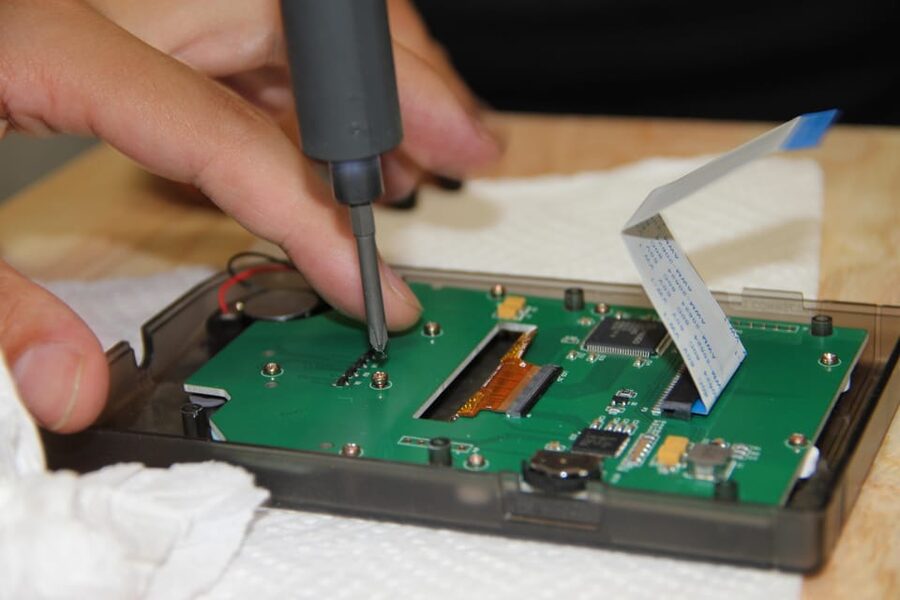
After the choices are made, you put the Game Boy back together. You reuse suitable original parts and fit them into the new case and updated setup. The instructors remain nearby, explaining what each step does and checking that everything is correctly fitted.
You should not expect to work entirely alone. That is a benefit, not a weakness. The workshop is designed so that you gain the satisfaction of building the console without being left to guess your way through a fragile repair.
The staff’s teaching style seems suited to a wide range of ability. Beginners receive clear explanations, while more experienced hobbyists can talk about modifications, hardware, and retro systems at a higher level. Parents can also feel comfortable bringing older children. A 13-year-old and younger children around age 10 have enjoyed the process, with adults assisting where needed.
The rebuilding stage can be more satisfying than the finished reveal. You see the plain parts become a recognizable console again, but now with your chosen colors and modern upgrades. The instructors test the important functions before you leave, so you are not taking home a decorative object that may not work.
A practical point: the workshop is on the second floor of the Wakita Building, with no elevator or escalator. You need to use stairs, so this activity is not wheelchair accessible. Follow the address carefully and look for the building before going upstairs.
Testing the finished Game Boy
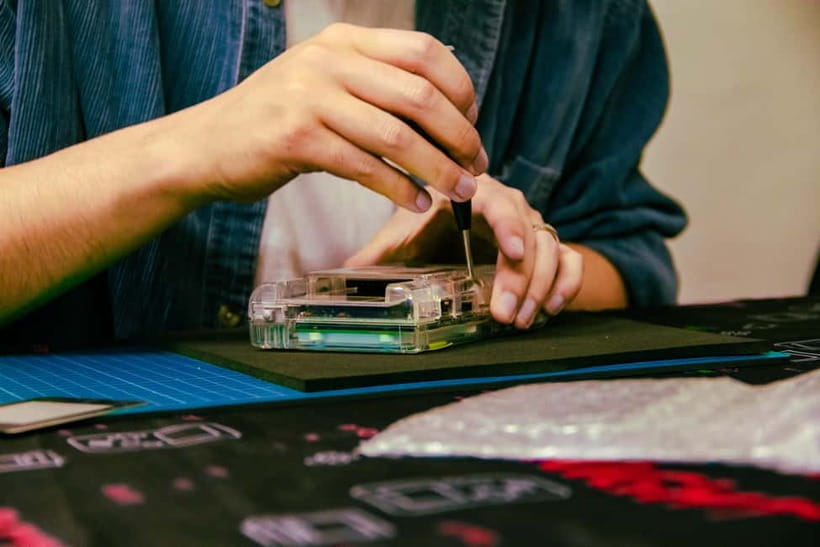
The final part is the payoff. Once the console is rebuilt, you can check that it works and enjoy the feel of the new controls, case, and screen. The workshop supplies what you need for the activity and provides expert instruction, so you do not need to bring tools or a Game Boy of your own.
A working console is included as the central result. Some sessions also provide a protective case, which is useful for carrying the Game Boy through the rest of your Japan trip. You should confirm the current details of what is supplied, but the point is clear: you leave with something ready to play.
Games are part of the appeal. The workshop has a selection of Japanese and international cartridges, and you can buy additional titles after building the console. People have found classics such as Tetris, Mario, Kirby, and Dr. Mario. The range gives you a chance to choose a game that suits the machine and your memories.
One useful shopping tip comes from the experience itself: compare prices before buying elsewhere in Akihabara. Several participants found the workshop’s game prices fair, with some titles reported as roughly 40 percent cheaper than similar copies at Super Potato. Prices and stock change, so treat this as a point to check rather than a guarantee.
You can also use the game browsing as part of the fun. The Game Boy becomes more than a completed project when you put a cartridge into it and play before heading back into Akihabara.
What $360 gets you
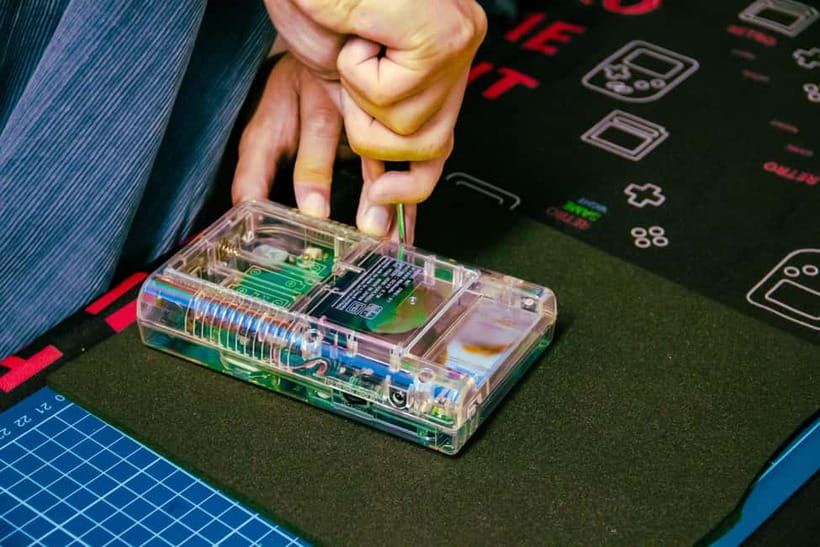
At $360 per person, this is among the more expensive short activities in Tokyo. You should not book it simply because you need a cheap souvenir or because you happen to be walking through Akihabara.
The price covers a two-hour guided workshop, the DMG-01 console, supplied customization parts, the activity itself, admissions, and help from the multilingual team. You also take home the completed Game Boy. The workshop requires a supply of old hardware and replacement components, and the group is limited to four people, so this is a specialist service rather than a basic craft class.
I see the value in three parts:
- The finished object: You receive a functioning console, not just a lesson.
- The personal work: You choose the design and help assemble it.
- The access to expertise: Staff guide you through vintage hardware that can be easy to damage without help.
The value is strongest for a committed Game Boy fan, a retro gaming collector, or someone seeking a meaningful gift. It is weaker for someone who has no interest in playing old games. You may be able to buy a prebuilt console for less, but it would not carry the same story.
The reserve-now, pay-later option can help if your Tokyo schedule is still changing. Free cancellation is available up to 24 hours before the activity for a full refund. Limited spots mean you should not assume you can turn up on the day, especially since only four people fit in each group.
Who will enjoy this most?
I would recommend this for:
- People who grew up with a Game Boy and want a useful nostalgia trip
- Nintendo fans interested in how handheld consoles developed
- Retro gaming collectors who enjoy custom hardware
- Parents looking for a hands-on activity for older children
- Couples or friends who want matching or contrasting consoles
- Solo visitors who prefer a small, social workshop
You do not need to be an electronics expert. The staff are used to helping beginners and explain the work in a clear way. You should, however, be willing to handle small parts, make design choices, and pay attention during the rebuild.
It is also a good gift experience. One person booked it for a partner who had grown up playing Game Boy, and the personal connection made the final console especially meaningful. If you know someone who still talks about Tetris, Pokémon, Mario, or Kirby, this is a more thoughtful gift than another generic gaming item.
The activity may be less suitable if you need step-free access, have no interest in old games, or want a fast sightseeing stop. Two hours is not a long time, but the workshop asks you to stay engaged from the history lesson through the final test.
Planning the rest of your Akihabara visit
This workshop fits naturally into an Akihabara day because the neighborhood is a major place to browse electronics, games, and anime goods. You can look for additional cartridges before or after the session, but do not assume every shop will have the same stock or price.
Allow time to find the Wakita Building. The meeting point is on the second floor, and the building entrance may be easier to spot by using the exact address rather than relying only on the activity name. Since there is no elevator or escalator, plan for stairs.
The workshop lasts two hours, with starting times based on availability. A small group makes the timing more predictable than a large public class, but you should still avoid booking another fixed activity immediately afterward. Choosing colors and completing the rebuild should not feel like a race.
The instructors speak English and Japanese. If you have a specific technical question, ask it early. Staff such as Gabi, Franz, Shio san, and Ro have been singled out by name for their friendly, clear help, but the exact team may vary on your date.
Should you book the Game Boy workshop?
Book it if you want a personal souvenir that you will actually use. The strongest reason to come is not simply the Game Boy’s fame. It is the combination of a short history lesson, careful hands-on work, broad design choices, and a finished console that reflects your taste.
I would hesitate only if $360 feels too high for a two-hour activity or if you are not interested in playing retro games after your trip. For everyone else, particularly a Nintendo fan visiting Akihabara, this offers a rare chance to make something rather than just buy it.
The small class, patient instruction, upgraded screen options, and access to extra games all strengthen the case. Just remember the stairs, reserve ahead because space is limited, and leave enough time to choose your colors without panic.
FAQ
How long does the Game Boy workshop last?
The workshop lasts two hours. Starting times depend on availability when you book.
What Game Boy model do you build?
You build and personalize a vintage DMG-01 Game Boy, the original style of Game Boy handheld.
Do I need electronics or Game Boy experience?
No previous Game Boy knowledge is required. The instructors guide you through the process and help with each stage of taking apart and rebuilding the console.
What can I customize?
You can choose the color of the case, buttons, screen surround, power rocker, and other supplied parts. Screen options include an improved backlit screen, subject to the parts available for your session.
What languages are spoken?
Instruction is available in English and Japanese.
Is the workshop wheelchair accessible?
No. The workshop is on the second floor of the Wakita Building, and the building has no elevator or escalator.
Can I cancel or pay later?
You can cancel up to 24 hours in advance for a full refund. A reserve-now, pay-later option is also available.
Just added around Tokyo
- Private Arrival Transfer : Narita International Airport to Central Tokyo City★ 4.5 · 12 reviews
- Narita Airport(NRT): Private Transfer to Tokyo/Yokohama 1-9pax★ 5.0 · 47 reviews
- Private Transfer from Narita Airport to Yokohama Port and City★ 4.5 · 17 reviews
- [Narita Airport Terminals 1, 2] 40-60km Sawara Itako Historic Bike Tour★ 5.0 · 13 reviews
- 3 Day Japan Highlights Tour: Tokyo, Mt.Fuji, Nara, Kyoto, Osaka★ 5.0 · 22 reviews
- Small Town in the Big City: Tasting Tokyo’s Kichijoji★ 5.0 · 195 reviews
- Small Town in the Big City: Tasting Tokyo’s Kichijoji★ 5.0 · 16 reviews
- The 10 Tastings of Tokyo With Locals: Private Street Food Tour★ 5.0 · 48 reviews
Tokyo Tours, compared.

Mt Fuji and Hakone 1-Day Bus Tour Return by Bullet Train
Read our review →
teamLab Planets TOKYO Digital Art Museum Entry Ticket
Read our review →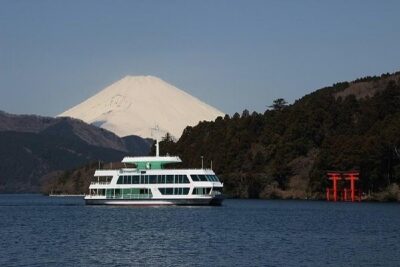
Mt Fuji & Hakone Cruise, Drum Show Bullet Train 1 Day from Tokyo
Read our review →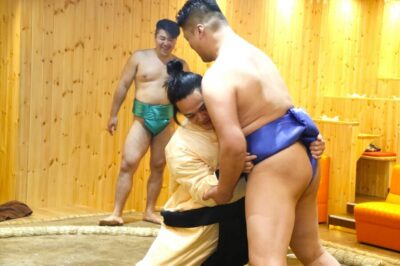
Sumo Show Experience with Chicken Hot Pot and a Photo
Read our review →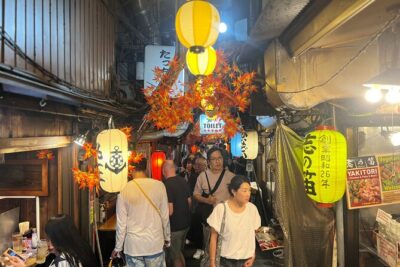
Shinjuku Food Tour (13 Dishes at 4 Local Eateries)
Read our review →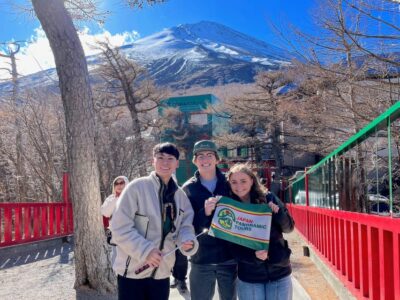
Tokyo Mt Fuji 5th St & Hakone Cruise Bus Tour w/Bullet Train
Read our review →
Flagship 2-Hours Official Street Go-Kart Tour – Tokyo Bay Shop
Read our review →Browse the lists this tour appears in