
Reviewed · TOKYO TOURS
Tokyo : Kimono Rental in Asakusa Provided by KanoWafuku
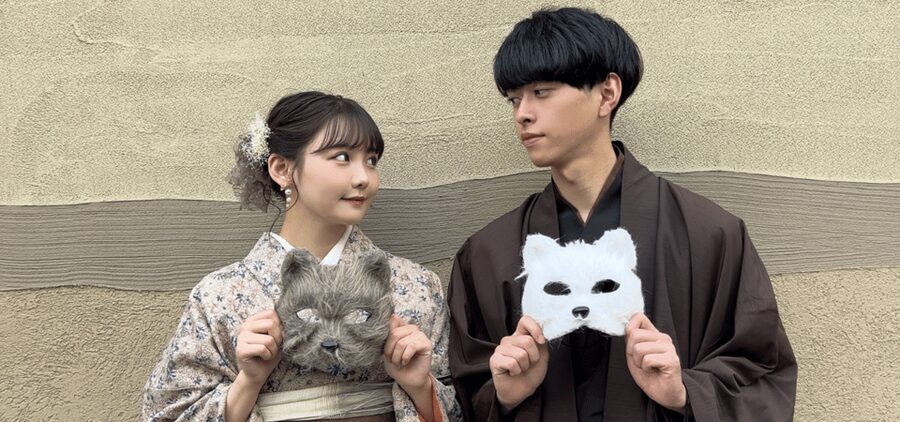
The best part of this Asakusa experience is the freedom to choose from more than 300 kimonos without paying more for a particular style. You arrive empty-handed, get dressed by an experienced stylist, and step outside just three minutes from Sensoji Temple. I like the easy location and the fact that the basic price includes the kimono set, dressing, and women’s hair styling.
I also like the $19 starting price, which makes a traditional Japanese outfit an affordable way to add something special to a Tokyo day. The main catch is that decorative pieces such as pearls and flowers may cost extra, and all kimonos must be returned by 5:30 p.m.
Key points to know before booking
- Three minutes from Sensoji Temple: You can leave the shop and begin sightseeing in central Asakusa almost at once.
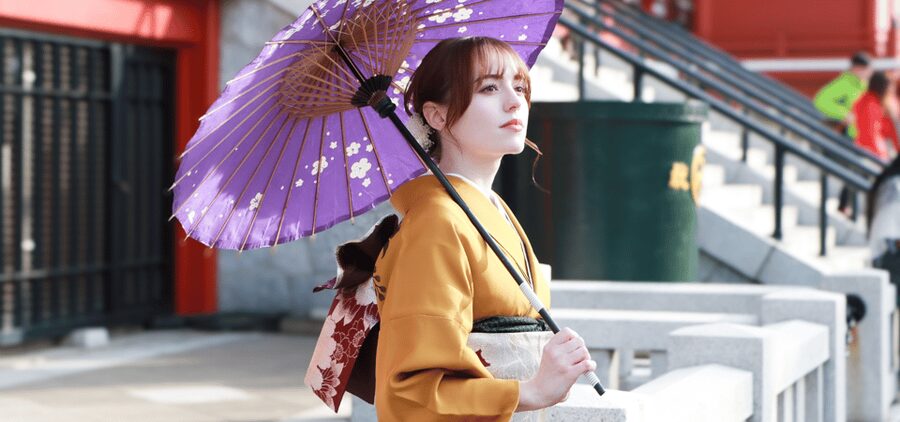
- More than 300 items: Kimono and yukata choices are not limited by the plan price, so you can compare colors and patterns freely.
- 45 to 70 minutes at the shop: Reception, choosing an outfit, dressing, and hair styling usually take longer than the advertised one-hour duration suggests.
- Women’s hair styling is included: You choose from five hairstyles, and hair ornaments are provided.
- Extra decorations cost more: Pearl and flower details are optional purchases, not part of the basic rental.
- 5:30 p.m. return deadline: Plan your Asakusa walk around the fixed return time, or you may pay a late fee.
A kimono stop beside Sensoji Temple
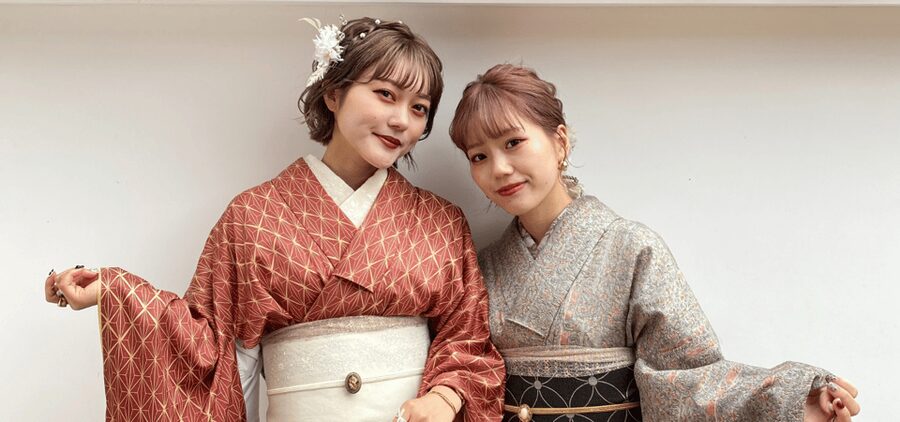
KanoWafuku makes a strong first impression through location. The shop is a three-minute walk from Sensoji Temple, Asakusa’s best-known sight and one of Tokyo’s easiest places for a traditional-style stroll.
That short walk matters. You do not need to build a long transport journey around the rental, and you can begin taking photos and exploring soon after you leave the dressing area. Restaurants and other sightseeing spots are also nearby, so the rental fits neatly into a half-day in Asakusa.
The setting gives the experience a clear purpose. This is not only a costume fitting inside a shop. You can wear the outfit while visiting the surrounding area, which helps you notice the small practical details of kimono clothing: the firm obi around your waist, the careful steps needed in geta sandals, and the way sleeves affect movement.
The shop opened on July 1, 2023. Its relatively recent start is useful context if you are comparing several rental businesses in Asakusa, although the most important point for your decision is the selection, dressing service, and return schedule.
More Kimono Experiences in Tokyo
- Let’s make kimono !(Kimono is a gift for you
★ 5.0 · 252 reviews - Tokyo: Matcha and Kimono Experience
★ 4.7 · 219 reviews - Tokyo: Asakusa Kimono Dressing and Matcha Experience
★ 4.9 · 173 reviews
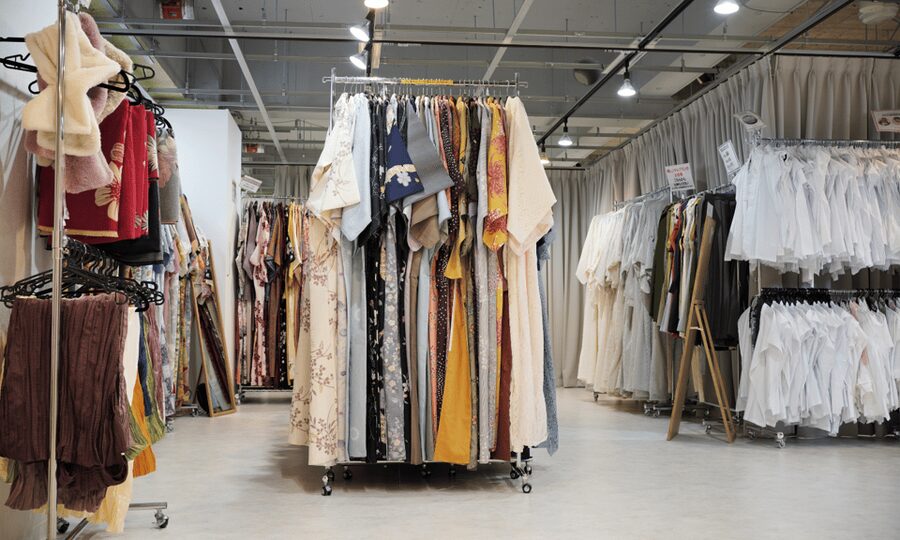
Choosing from more than 300 kimonos
At reception, staff confirm whether you have booked a kimono or yukata plan. You then receive help with accessories and can begin looking through the selection.
The useful feature here is that you may choose as many kimonos as you like while deciding. The rental price does not change according to the type of kimono or yukata you select. That removes one common source of pressure: you can compare colors and patterns without worrying that every attractive option carries a higher base price.
I would allow time for this stage rather than treating it as a quick formality. A kimono can look very different once paired with an obi, sandals, and hair ornaments. Staff can advise you on the kimono and obi if you want help making the pieces work together.
The stock includes different types of kimono and yukata, with more than 300 items in total. The supplied information does not list every fabric, season, color, or size, so you should think of the number as a broad choice rather than a promise of a particular design.
One detail deserves careful attention. The basic price covers the regular rental selection, while more decorated pieces may require an extra payment. A German customer named Juliana enjoyed the experience and was pleased with a normal kimono, but she felt the pricing could be clearer because pearl and flower decorations seen on some outfits cost extra.
That is fair advice. A simple kimono can still look beautiful, and the base choice is not presented as an inferior experience. Still, if you have your heart set on elaborate decoration, ask about the added cost before accepting optional pieces. Optional purchases are paid for locally in cash.
What the $19 price includes
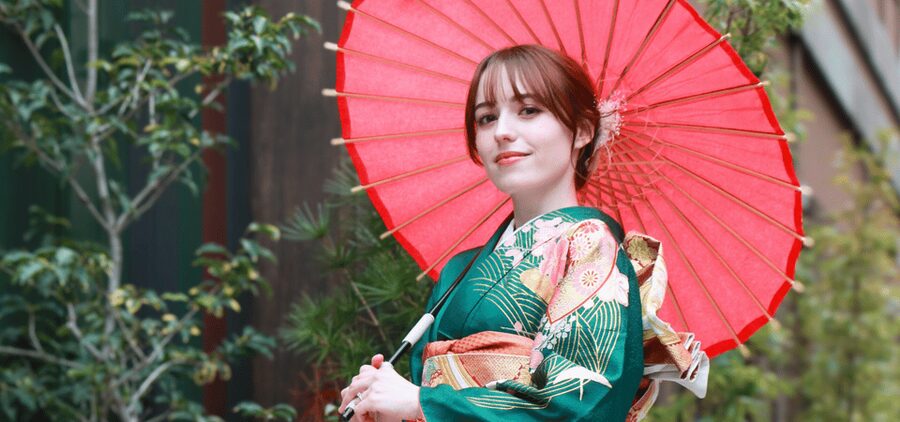
At $19 per person, this is one of the easier ways to add a traditional Japanese activity to your Tokyo plans without committing to a full-day tour.
The included rental set covers the kimono or yukata and the accessories needed for the outfit. Dressing is included, so you do not need to know how to tie an obi or arrange the layers yourself. For women, the package also includes hair styling and hair ornaments.
The price is especially useful for first-time visitors who want to try kimono clothing but do not want to buy a full outfit or spend a large amount on a private photo session. You pay for the experience of choosing, dressing, and walking through Asakusa, not just for use of the garment inside the shop.
The value changes if you add extras. Optional decorations are available for purchase, and large luggage such as a carry case may incur a storage fee. The listed information does not state the price of those additions, so keep some cash available if you want anything beyond the standard package.
The activity offers reserve now and pay later booking, which can help if your Tokyo schedule is still changing. Cancellation is free up to 24 hours before the reserved time. Optional items bought at the shop are a separate matter and require cash payment.
The 45 to 70 minute dressing process
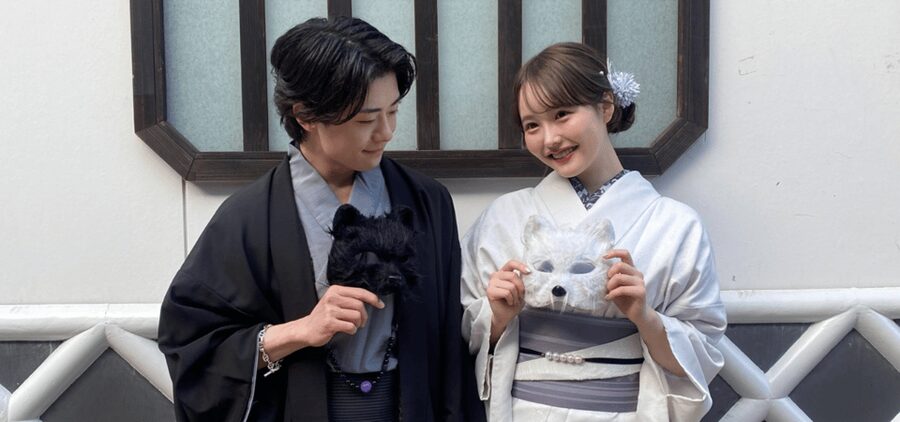
The advertised duration is one hour, but the practical time inside the store is usually 45 to 70 minutes from reception until you leave dressed. The exact length depends on the season, the time of day, and how long you spend choosing your kimono.
Here is the usual order:
- You arrive at your reserved time.
- Staff confirm your rental plan.
- You select a kimono or yukata and discuss accessories.
- You leave behind clothing and luggage that you do not need.
- A dresser fits the kimono in the dedicated dressing area.
- Women receive a hairstyle and hair ornaments.
- You choose sandals or geta.
- You leave for Asakusa sightseeing.
The empty-handed setup is a real convenience. The store provides the items needed for the rental, so you do not need to bring special undergarments, accessories, or hair pieces for this activity. You can arrive with your ordinary sightseeing clothes and change there.
I would still avoid arriving at the last possible minute. Your reserved time is for reception, not a guarantee that you will be outside in five minutes. If you arrive late or spend a long time choosing, the sightseeing portion becomes shorter because the return deadline does not move.
More kimono rentals in Tokyo:
- Asakusa: Kimono Tea Ceremony with Matcha and Sweet
★ 4.9 · 153 reviews - Tokyo Asakusa: Traditional Kimono Rental Experience at Wargo
★ 4.7 · 87 reviews - Tokyo Asakusa: Miu Kimono Rental and Optional Photoshoot
★ 4.9 · 54 reviews - Tokyo: Kimono Rental inside Shinjuku Gyoen National Garden
★ 4.9 · 39 reviews
Professional dressing and the practical feel of kimono
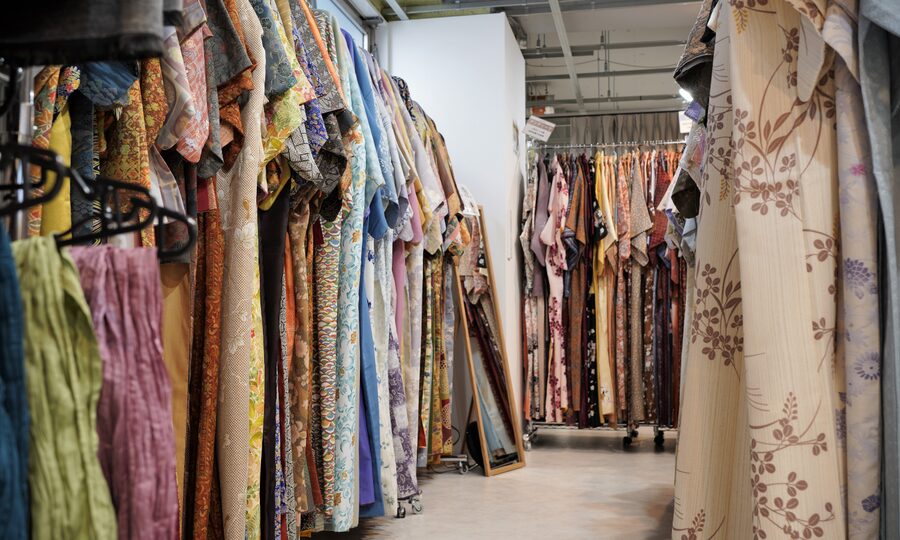
The fitting is handled by experienced kimono and yukata dressers in a dedicated area. This is important because kimono dressing is not simply putting on a robe. The layers, obi, and final adjustments determine how secure and comfortable the outfit feels as you walk.
You can rely on the staff to handle the complicated parts. Their advice also helps when you are choosing an obi that suits the kimono instead of selecting each item in isolation.
The experience is not described as a private lesson in kimono culture, and the host language is Japanese. If you need detailed explanations in another language, plan for a more visual, hands-on exchange. The supplied details do not promise an English-speaking guide or interpreter.
The outfit is intended for sightseeing around Asakusa. You can wear it to nearby tourist spots and restaurants until it is time to return. It is worth remembering that a rental kimono changes the pace of your walk. You may take shorter steps, and some sandals or geta can feel unfamiliar. That is part of the experience, but it is also why a compact Asakusa route makes sense.
Women’s hair styling and optional decoration
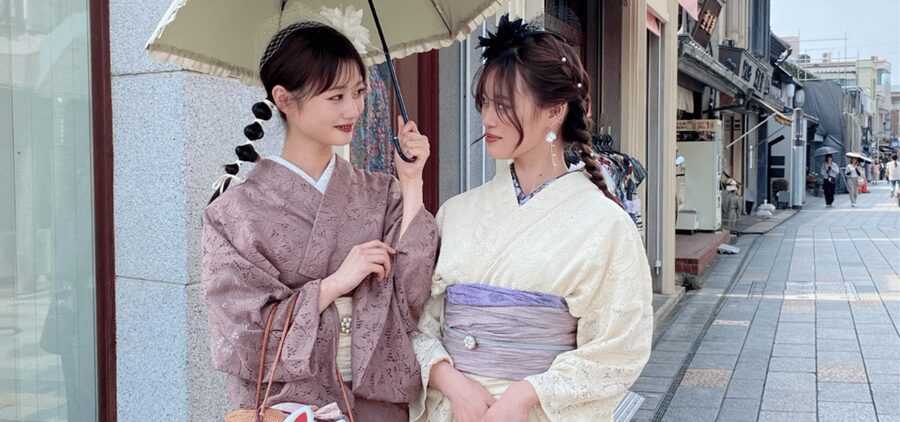
After dressing, women receive a hair set using irons and curling tools. Five hairstyle patterns are available, and hair ornaments are included. The service is designed for all hair lengths, so you do not need long hair to take part.
This adds real value to the $19 price. The hairstyle helps the outfit look complete and saves you from arranging your hair before arriving. You can choose a style from the available patterns rather than paying separately for a basic finish.
Men’s hair styling is not included. Men receive the kimono rental and dressing service, but no hair set. That distinction is easy to miss when comparing packages, so couples and mixed groups should budget their expectations accordingly.
The optional decoration issue comes after the basic styling. Some pieces with pearls and flowers cost extra, even though the standard rental remains attractive without them. If you prefer a simpler look, you can stay within the base price. If you want a more elaborate appearance, ask about the cash cost before selecting the add-on.
Sandals, geta, and finishing the outfit
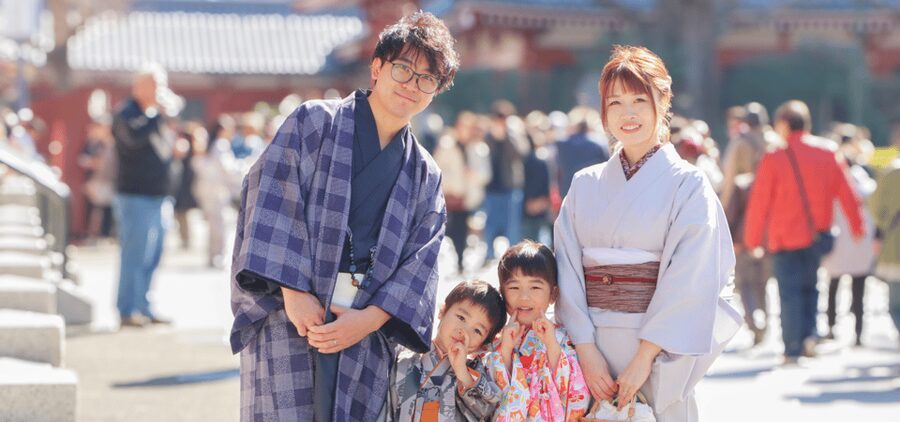
Once the kimono is fitted, staff help you choose sandals or geta that match the outfit. This final step is small but useful. Footwear affects both the look of the kimono and how easily you manage the walk to Sensoji Temple and nearby sights.
The store also offers custom-made zori sandals designed to work with seasonal kimono styles. The details provided do not say that custom-made zori are included in the $19 rental, so treat them as a possible optional purchase rather than part of the standard package.
I like the fact that footwear is selected after the main outfit. It gives you a chance to see the full color combination before settling on the finishing pieces. You can ask the staff for help if you are unsure which sandals or geta suit the obi and kimono.
Exploring Asakusa before the 5:30 p.m. deadline
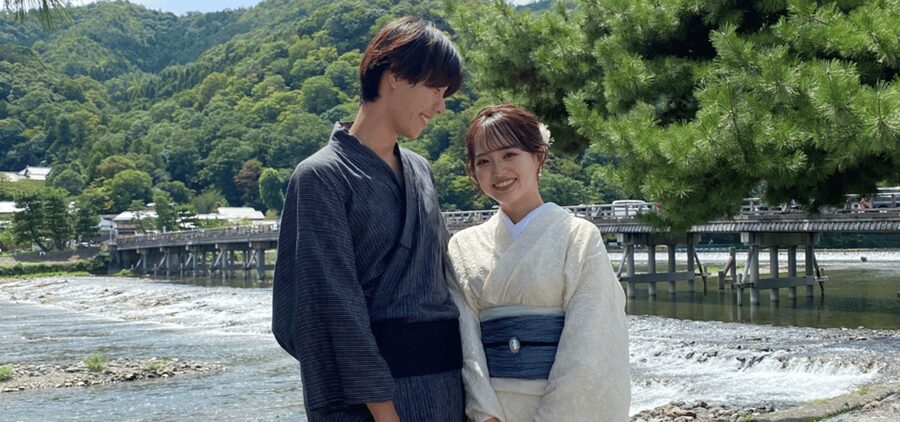
After dressing, you are free to walk around Asakusa. Sensoji Temple is the obvious first stop because it is only three minutes away, but the surrounding area also has restaurants and other sightseeing spots.
The fixed return time is 5:30 p.m., no matter what reservation time you choose. This is the key planning point. A morning booking gives you a longer window for sightseeing, while a late booking leaves less time before you must return the outfit.
A one-hour rental is therefore not really a full hour of walking. If the shop process takes 45 to 70 minutes and you choose a morning start, you can enjoy much of the day in kimono. If you book late in the afternoon, the experience may feel rushed.
I would place this activity early in an Asakusa day. That gives you time to choose carefully, visit Sensoji Temple, stop for food, and return without watching the clock every few minutes. You should also leave enough time for the walk back to the shop and for returning the clothing by the final deadline.
A late fee applies if you miss 5:30 p.m. The amount is not provided, so do not assume that a small delay is free.
Group size, language, and who will enjoy it
The group is limited to six participants. That is small enough to keep the shop process more personal than a large group fitting, although the exact waiting time can still depend on how many people are selecting outfits at once.
The host or greeter language is Japanese. This does not prevent you from taking part, since the process is hands-on and staff provide direct help with clothing and accessories. Still, if you need extensive spoken explanations in English or another language, this may not be the right format.
The activity suits adults and older children who want a visual, traditional Japanese experience during a Tokyo visit. It works particularly well for couples, friends, and solo visitors who want photos and a short cultural activity close to major Asakusa sights.
Children under three years old are not accepted. Pregnant women should not book this experience. The supplied details do not give additional information about mobility needs, garment sizing, or seating, so anyone with specific physical concerns should contact the provider before booking.
How this experience compares with a standard sightseeing stop
A visit to Sensoji Temple alone is free and easy to fit into any Tokyo schedule. The rental adds a cost, a dressing appointment, and a return obligation.
What you receive in exchange is a more memorable way to see Asakusa. You choose an outfit, have it professionally fitted, receive women’s hair styling if applicable, and walk through the district dressed for the setting. For many people, that is the point of the activity.
The $19 price is strong if you want a brief cultural experience rather than a long guided tour. It is less attractive if you only want to take a quick photo and do not want to spend up to 70 minutes getting ready.
The overall rating is 4.4 from 18 ratings, with especially positive attention to the kindness of the staff and the feeling of finally wearing a kimono. That matches the practical strengths of the experience: approachable service, a central location, and a simple process for beginners.
Should you book KanoWafuku?
Book it if you want to wear a kimono while visiting Sensoji Temple and nearby Asakusa sights, especially if you value a low starting price and a large selection. I would choose a morning appointment, carry some cash for optional items, and leave your schedule open until at least the 5:30 p.m. return.
Skip it if you need English-language guidance, want men’s hair styling, dislike fixed return times, or expect the most elaborate pearl and flower decorations to be included. For everyone else, KanoWafuku offers a practical first kimono experience with enough choice to make the outfit feel personal rather than assigned.
FAQ
Where is KanoWafuku located?
KanoWafuku is in Asakusa on Honshu, Japan, about a three-minute walk from Sensoji Temple.
How much does the kimono rental cost?
The listed price is $19 per person. Optional decorations and large-luggage storage may cost extra.
How long does the activity take?
The listed duration is one hour. Reception, outfit selection, dressing, and hair styling usually take about 45 to 70 minutes before you leave the shop.
What time must I return the kimono?
The final return time is 5:30 p.m., regardless of your reservation time. A late fee applies if you return the outfit after that time.
Can I arrive without bringing kimono accessories?
Yes. The rental includes the accessories needed for the outfit, so you can arrive empty-handed.
Is hair styling included?
Hair styling and hair ornaments are included for women. Men’s hair styling is not available.
How many hairstyles can women choose from?
Women can choose from five hairstyle patterns. The hairstyles use irons and curling tools and are suitable for all hair lengths.
Can I choose any kimono without paying more for a certain style?
You can choose from the available selection, including more than 300 items, without the rental price changing according to the type of kimono or yukata. Decorative optional pieces may cost extra.
Can children or pregnant women take part?
Children under three years old and pregnant women are not suitable for this activity.
Just added around Tokyo
- Private Arrival Transfer : Narita International Airport to Central Tokyo City★ 4.5 · 12 reviews
- Narita Airport(NRT): Private Transfer to Tokyo/Yokohama 1-9pax★ 5.0 · 47 reviews
- Private Transfer from Narita Airport to Yokohama Port and City★ 4.5 · 17 reviews
- [Narita Airport Terminals 1, 2] 40-60km Sawara Itako Historic Bike Tour★ 5.0 · 13 reviews
- 3 Day Japan Highlights Tour: Tokyo, Mt.Fuji, Nara, Kyoto, Osaka★ 5.0 · 22 reviews
- The 10 Tastings of Tokyo With Locals: Private Street Food Tour★ 5.0 · 48 reviews
- Small Town in the Big City: Tasting Tokyo’s Kichijoji★ 5.0 · 195 reviews
- Small Town in the Big City: Tasting Tokyo’s Kichijoji★ 5.0 · 16 reviews
Tokyo Tours, compared.

Mt Fuji and Hakone 1-Day Bus Tour Return by Bullet Train
Read our review →
teamLab Planets TOKYO Digital Art Museum Entry Ticket
Read our review →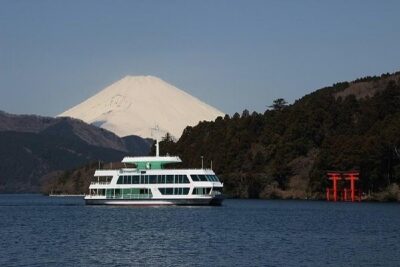
Mt Fuji & Hakone Cruise, Drum Show Bullet Train 1 Day from Tokyo
Read our review →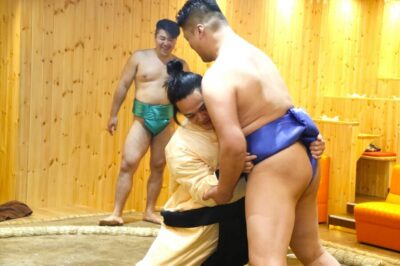
Sumo Show Experience with Chicken Hot Pot and a Photo
Read our review →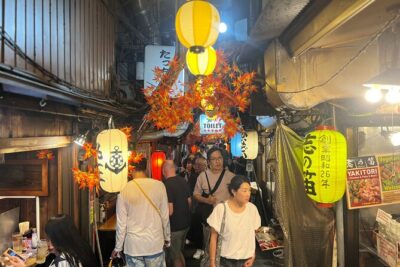
Shinjuku Food Tour (13 Dishes at 4 Local Eateries)
Read our review →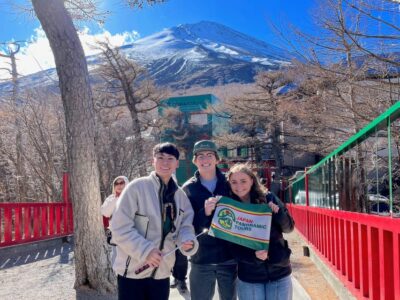
Tokyo Mt Fuji 5th St & Hakone Cruise Bus Tour w/Bullet Train
Read our review →
Flagship 2-Hours Official Street Go-Kart Tour – Tokyo Bay Shop
Read our review →Browse the lists this tour appears in