
Reviewed · BAMBOO GROVE TOURS
Private Tour to Monkey Park and Arashiyama Highlights
Arashiyama’s best views come with a little effort. This private outing takes you up to Iwatayama Monkey Park, where Japanese macaques roam freely, then back down to the bamboo path, Tenryuji Temple, and Togetsukyo Bridge. Guide Masahiko, called Masa, adds local stories, monkey facts, quizzes, and plenty of photo help.
I like two things here: the monkeys are seen in their own setting, not behind bars, and a private guide can set a comfortable walking pace. The Kyoto view from the park is another strong point. The main caution is the uphill walk, and the advertised three-hour duration does not quite match the written schedule, which describes one hour at the park plus three hours in Arashiyama. Confirm the timing, and ask about the boat ride before booking.
Key points at a glance
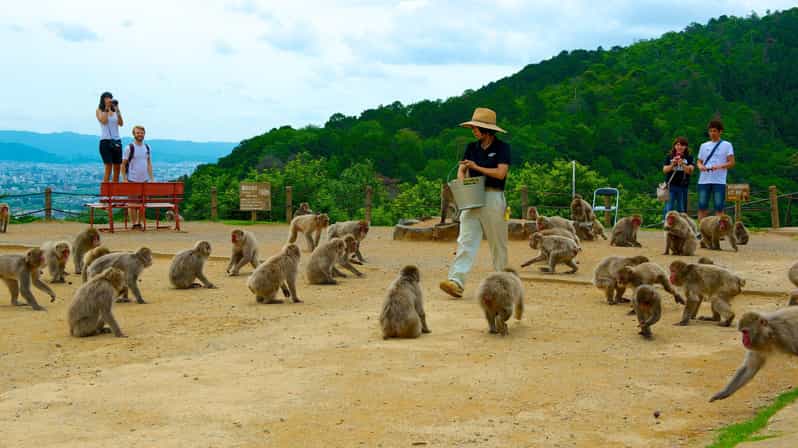
- Feed macaques from inside the park rest area: The monkeys come close, but feeding is only allowed from behind the safe feeding area.
- Climb for a wide Kyoto view: Reaching Iwatayama requires about 20 minutes uphill, so comfortable shoes matter.
- Combine nature and Zen culture: Tenryuji Temple and its garden give the bamboo walk a quieter, more reflective counterpoint.
- Meet at the correct station: Your guide waits outside the ticket gates at Hankyu-Arashiyama Station, not Randen or JR Arashiyama.
- Enjoy a private English-language visit: Masa can adjust the pace, answer questions, and take photos at good spots.
- Check the boat detail: A boat trip on the Oi River is listed among the highlights, but the detailed schedule does not explain when it happens or confirm that it is included.
Why this private Arashiyama tour works
Arashiyama can feel like several different Kyoto experiences packed into one district. You have a forest of towering bamboo, a major Zen temple, a broad river, mountain views, and a monkey park reached by foot. This tour links those sights with an English-speaking guide instead of leaving you to work out the order and background alone.
The private format is the main reason to consider it. You are not tied to a large group moving at one speed. Masa has taken care to walk at a steady pace, and he can pause for questions, photos, or a short rest. That matters most on the climb to Iwatayama and in a busy area where a fixed group can feel rushed.
At $38 per person, the price is low for a private three-hour experience that includes entry to the monkey park, Tenryuji Temple, and supervised monkey feeding. You still pay for your own transportation to Arashiyama and personal purchases. The value is strongest if you want context and company rather than simply directions between famous sights.
There is one planning wrinkle. The headline duration is three hours, yet the detailed plan assigns one hour to the monkey park and three hours to the Arashiyama highlights. Since the boat trip is also listed without a clear place in the schedule, ask the provider for the exact route and end time. That small check can prevent a tight connection later in your day.
More snow monkey trips:
- Kyoto: Afternoon Bamboo Forest and Monkey Park Bike Tour
★ 4.9 · 83 reviews - From Tokyo: Snow Monkey 1 Day Tour with Beef Sukiyaki Lunch
★ 4.6 · 295 reviews - From Tokyo: Private Tour Snow Monkey Park & Zenko-ji Temple
★ 4.7 · 184 reviews
Meeting Masa at Hankyu-Arashiyama Station
The meeting point is easy to use if you choose the right railway station. Go to Hankyu-Arashiyama Station, then look for Masa holding a sign with your name in the plaza just outside the ticket gates.
Do not go to Randen Arashiyama or JR Saga-Arashiyama for this meeting. Those stations serve the same broad sightseeing area, but they are not the stated meeting point. If you arrive by another line, allow time to reach Hankyu-Arashiyama before the appointment.
A private meeting also gives you a clear starting point. You are not searching for a tour flag in a crowded street. From there, the experience proceeds on foot toward Iwatayama Monkey Park.
The uphill walk to Iwatayama Monkey Park
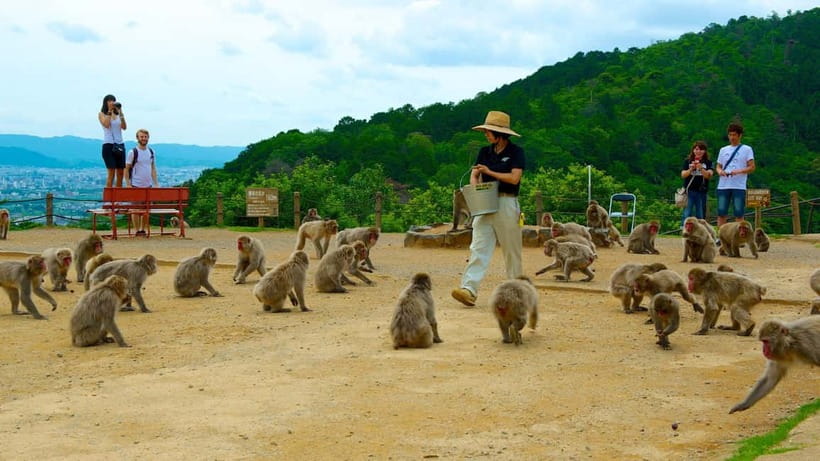
The monkey park is not a quick roadside stop. You should expect about a 20-minute uphill walk to reach the main viewing and feeding area. The climb is part of the experience, with monkeys sometimes visible along the trail, but it is still a real climb.
Wear walking shoes with good support. Bring water, and carry a rain jacket or other rain gear because the activity asks you to be prepared for changing weather. Snacks are also suggested, though you must follow the park’s food rules and keep food out of the rest area.
The park is home to Japanese macaques moving around their own surroundings. You may see them interacting, climbing, or passing near you. That freedom makes the visit more interesting than a standard animal display, but it also means you need to follow instructions closely. Do not touch the monkeys, and do not bring food into the rest area.
Masa uses the walk to explain macaque behavior and social life. He has also used quizzes along the trail, a simple way to make the climb feel shorter and give children something to focus on. His role is useful here because the animals can be easy to misread. A guide can point out what you are seeing while reminding you how to behave safely.
Feeding the monkeys from the safe side
At the top, you can buy food for the macaques and feed them from inside the rest area under supervision. The feeding fee is included, although one direct tip is to carry 100-yen coins because food bags have cost that amount during recent visits.
The rule is important: you feed the monkeys from inside the rest area only. Do not carry food into that space, and do not attempt to feed an animal elsewhere on the grounds. This arrangement lets you see the macaques at close range while keeping a barrier between people and animals.
You may see monkeys come near the hut, climb through trees, or move around the area. That creates good photo chances, but keep your attention on their behavior rather than trying to force a pose. You are observing wild animals in a managed setting, not meeting tame pets.
The park’s other reward is the view. From the high point, you can look across Kyoto and toward the surrounding mountains. It gives the district a useful sense of place: Arashiyama is not just a collection of attractions, but a green edge of the city with hills, river, and wooded slopes around it.
The climb and height can be a problem for some people. The activity is not suited to people with low fitness, mobility impairments, wheelchair users, people afraid of heights, or anyone over 75 according to the stated restrictions. Pregnant visitors are also excluded. The listing also names animal allergies and a weight limit of 287 pounds, or 130 kilograms, as restrictions.
More Arashiyama and bamboo walks:
- Kyoto: Fushimi Inari, Kinkakuji, Bamboo Grove 1 Day Bus Tour
★ 4.8 · 4,316 reviews - Osaka/Kyoto:Kinkakuji,Arashiyama,FushimiInariShrine,NaraPark
★ 4.1 · 1,596 reviews - Kyoto/Osaka: Nara, Fushimi Inari Taisha, Arashiyama Bus Tour
★ 4.7 · 1,275 reviews - Kyoto Arashiyama Walking Tour: Bamboo, Monkeys, Gardens & Secrets
★ 5.0 · 1,216 reviews
Tenryuji Temple and its Zen garden
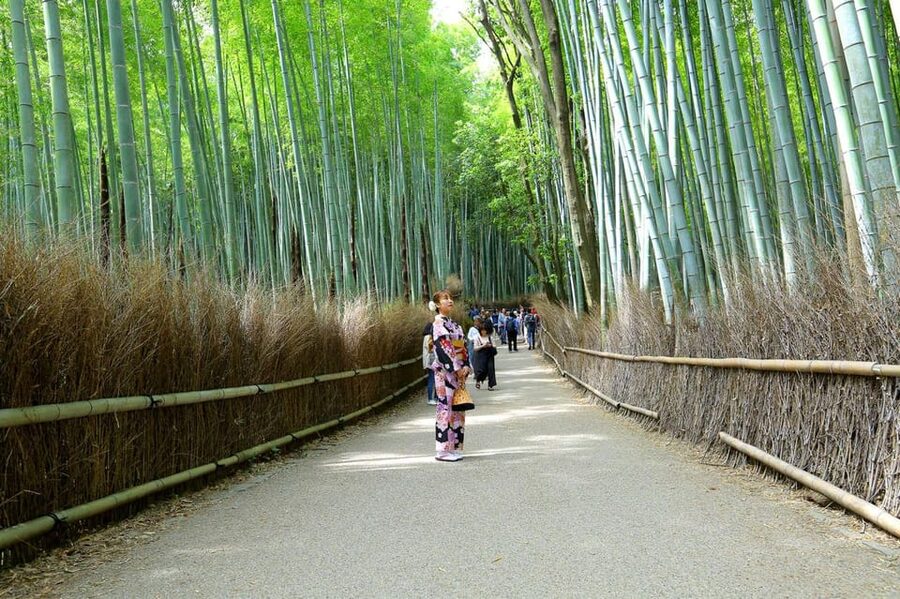
After the monkey park, the tour turns from animal life to religious art and garden design at Tenryuji Temple. The temple is a UNESCO World Heritage Site and one of Kyoto’s major Zen temples.
Tenryuji is valuable because its setting does much of the teaching. The garden connects water, trees, stones, and the surrounding hills rather than treating the grounds as a separate ornamental display. You can take time to notice how the temple buildings frame the garden and how the views extend beyond the property.
Masa explains the temple’s past, architecture, and Zen ideas in English. That helps you see more than a pretty garden. You can ask about details that might otherwise pass unnoticed, from the layout of the grounds to the role Zen thought has played in Japanese culture.
The temple is also a welcome change of pace after the monkey park. I like this contrast: the first stop is lively and unpredictable, while Tenryuji gives you space to slow down. If you prefer a fast list of photo stops, the temple portion may feel more measured. If you like gardens and cultural context, it is likely to be one of the strongest parts of the morning or afternoon.
Admission to Tenryuji is included. Personal purchases, food, drinks, and transportation are not.
Walking beneath Arashiyama’s bamboo
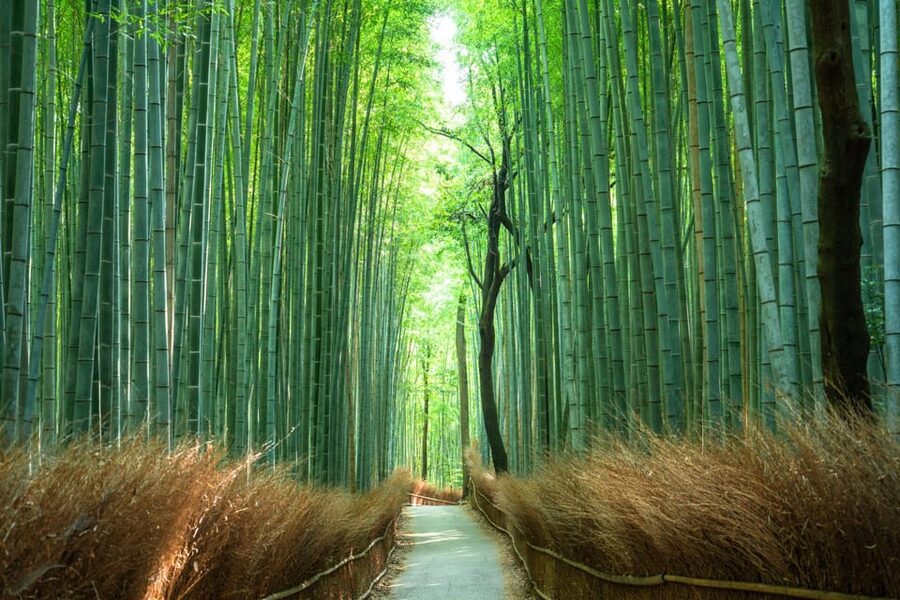
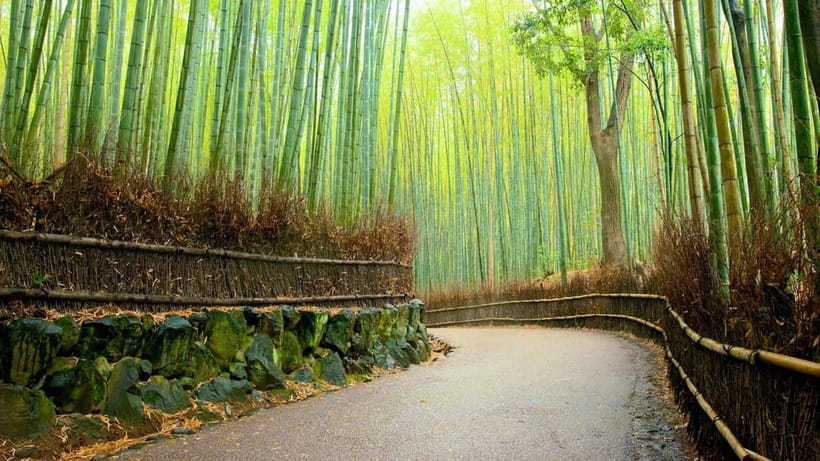
The Bamboo Forest Path is one of Kyoto’s most recognizable walks. Tall bamboo rises on both sides, and the stalks filter the light into a narrow green corridor. When the wind moves through the leaves, the sound is often as memorable as the view.
The path is free and open from 9:00 to 17:00. That opening window matters if you are choosing an early or late tour start. Your guide can explain the setting and help with photographs, but the experience still depends on the pace of the walk and how crowded the path feels at your chosen time.
Do not expect a long wilderness hike. This is a short, popular route, best enjoyed by looking up, listening to the bamboo, and noticing the changing light. The path can be busy, so a private guide cannot guarantee solitude. What the guide can do is help you find sensible places to pause without losing the route.
The stated rules prohibit touching plants. That is easy to respect, and it helps keep the bamboo area in good condition. Comfortable shoes remain the right choice because the tour connects several sights by foot.
Togetsukyo Bridge and the Oi River
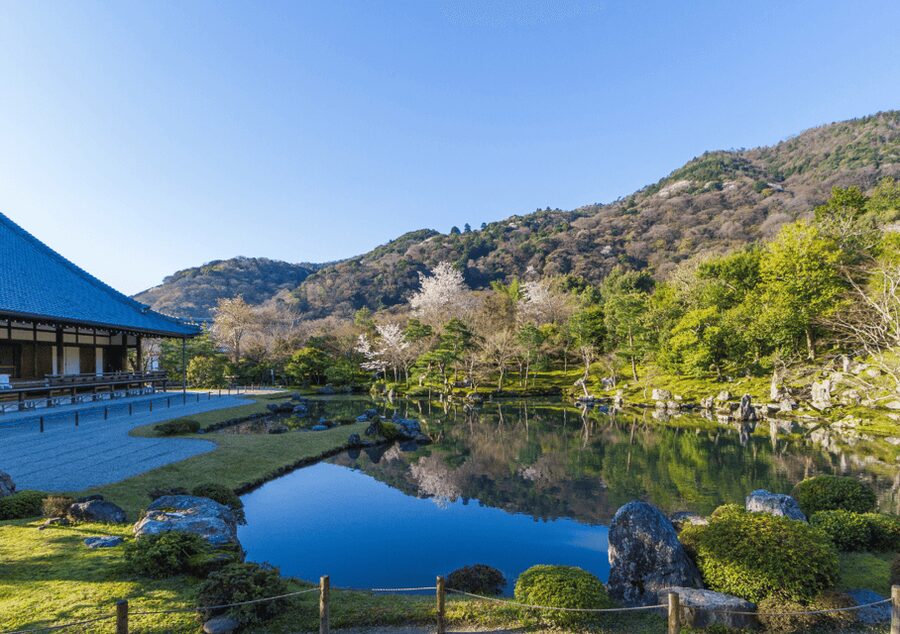
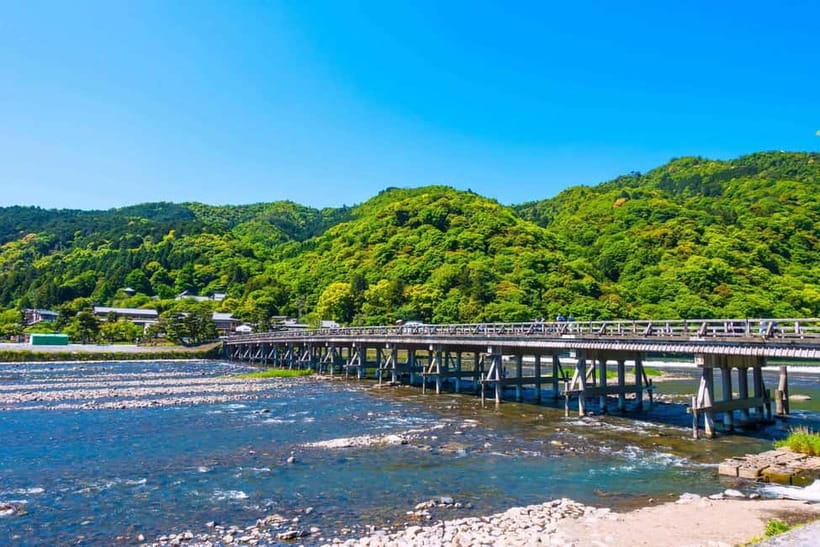
The final major stop is Togetsukyo Bridge, the familiar wooden bridge over the gently flowing Oi River. It is one of Arashiyama’s most recognizable views, with mountains and seasonal color behind it.
Spring brings cherry blossoms, while autumn brings changing leaves. The riverfront works in other seasons too, because the bridge gives you a broad view of the water, hills, and town. This is a good place to stop taking information in and simply look around.
You get free time here for photos, a riverside pause, or a relaxed look at the scenery. Masa has taken photos for visitors at several good spots, which is useful if you are traveling as a couple or family and do not want every picture to be a selfie.
The experience information also highlights a leisurely boat trip on the Oi River. However, the detailed stop-by-stop description ends with Togetsukyo Bridge and does not say how long the boat ride lasts, where it departs, or whether its fare is included. Do not assume the boat is part of the $38 price without asking. If it is important to you, confirm it before payment.
How the three-hour timing affects your day
The advertised duration is three hours, but the written schedule needs clarification. It describes one hour at the monkey park and then three hours for Tenryuji, the bamboo path, and Togetsukyo Bridge. That adds up to four hours before accounting for walking between stops.
This may simply mean the three-hour figure is the total intended time and the section headings are broad estimates. Still, you should ask for the expected start and finish times, especially if you have a train reservation, restaurant booking, or another timed activity.
Transportation to and from the attractions is not included. The tour itself is a guided walking experience beginning at Hankyu-Arashiyama Station. Plan your rail fare separately, and remember that personal expenses are also outside the price.
Cancellation is flexible up to 24 hours before the activity for a full refund, and you can reserve now and pay later. Those terms help if your Kyoto schedule is still shifting, but they do not remove the need to confirm the boat and duration.
Who will get the most from this experience
I would choose this tour if you want Arashiyama’s main sights in one organized outing and prefer explanations to a self-guided walk. It is especially useful for first-time visitors, families with older children, couples wanting photos, and anyone who appreciates a guide who can adjust the pace.
The private format is also a good fit if one person in your party walks more slowly or if you want time for questions. Masa speaks English and can add information about Kyoto, Japan, local food, and the area beyond the basic route.
This is not the right pick if you want a flat walk, a long quiet bamboo hike, or a fully inclusive sightseeing package with transport. The monkey park climb is the key physical test. People with mobility limits, low fitness, pregnancy, animal allergies, or a fear of heights should choose another activity.
The restrictions also say the tour is not suitable for people with lactose intolerance. That condition is not explained further, so ask the provider if it affects your party before booking.
What to bring and what to leave behind
Keep your packing simple:
- Comfortable walking shoes
- Water and snacks for the route
- Rain gear
- Some 100-yen coins for monkey food bags
Do not bring a stroller, baby carriage, electric wheelchair, fireworks, or materials for making a fire. High heels are also prohibited. Do not touch plants, and do not carry food into the monkey feeding rest area.
These rules are less about fuss and more about matching the place. The park involves live animals, the bamboo path is a protected public route, and the climb is easier when you are dressed for walking.
Is $38 per person good value?
At $38 per person, this is a strong price for a private English tour with several included admissions. You receive access to Iwatayama Monkey Park, supervised feeding, Tenryuji Temple, and a guided route through Arashiyama’s headline sights.
The value comes from the guide rather than transport. You are paying for local explanation, a planned route, pace control, and help with photos. If you already know the area and are comfortable reading signs, you could visit many of these places without a guide. But the private format costs less than many full-day guided outings and gives you a compact way to cover the district.
I would judge the price as good, provided the three-hour schedule and boat detail are clear before booking. If the boat requires an extra fee, add that to your budget. Also remember that getting to and from Arashiyama is your responsibility.
Should you book this Arashiyama tour?
Book it if you want to combine monkeys, bamboo, Zen gardens, and river views without handling the route alone. The strongest reasons are the private pace, Masa’s personal guidance, the Kyoto view from Iwatayama, and the chance to feed macaques correctly from the safe rest area.
Skip it if you need an easy, level outing or have any of the stated health and mobility restrictions. Before you commit, ask one practical question: does the three-hour total include the Oi River boat ride, and what is the exact finish time?
For an active visitor who wants a focused introduction to Arashiyama, this is a sensible buy. Bring good shoes, water, rain gear, and a few 100-yen coins. Then let the monkeys provide the comedy and Tenryuji provide the calm.
FAQ
Where does the tour meet?
Meet at Hankyu-Arashiyama Station, outside the station ticket gates in the plaza. Your English-speaking guide will hold a sign with your name. The meeting point is not at Randen or JR Arashiyama Station.
How long does the tour last?
The activity is advertised as three hours. The detailed schedule describes one hour at the monkey park and three hours for the Arashiyama highlights, so confirm the exact timing with the provider before booking.
Is the tour private?
Yes. It is offered as a private group experience, so the guide leads only your party.
Is transportation included?
No. Transportation to and from the attractions is not included. Personal expenses are also separate.
Can I feed the monkeys?
Yes. Monkey feeding is included and takes place under supervision from inside the rest area. Do not bring food into the rest area or feed the monkeys elsewhere.
How difficult is the walk to the monkey park?
You should be prepared for about a 20-minute uphill walk to reach Iwatayama Monkey Park. Comfortable walking shoes, water, and snacks are recommended.
Is the bamboo forest admission included?
The bamboo forest path is free and open from 9:00 to 17:00. The activity information also lists admission to the Bamboo Forest as included.
Can I cancel the booking?
You can cancel up to 24 hours in advance for a full refund. The activity also offers a reserve now and pay later option.
Just added around Kyoto
- Kyoto: Zen Meditation at a Private Temple with a Monk★ 5.0 · 25 reviews
- Kyoto: Gion Geisha District & Sake-in-Hand Walking Tour★ 5.0 · 37 reviews
- Private Pewter Sake Cup Experience with a Kyoto Artisan★ 5.0 · 31 reviews
- Your Private Vacation Photography Session In Kyoto★ 5.0 · 110 reviews
- Private Guided Traditional Buddhist Cooking in Japan★ 5.0 · 16 reviews
- Kyoto Wagashi(Japanese sweets) Cooking Class near Fushimiinari★ 5.0 · 60 reviews
- Traditional Japanese Music show & Experience Tour in Kyoto★ 5.0 · 57 reviews
- Kyoto:Family-Friendly Kimono & Yukata Experience at WARGO★ 5.0 · 147 reviews
Bamboo Grove Tours, compared.

Fushimi Inari, Kinkakuji, Bamboo Grove 1 Day Bus Tour
Read our review →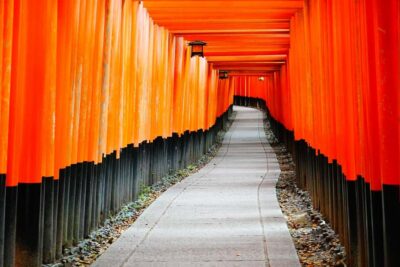
Osaka/Kyoto:Kinkakuji,Arashiyama,FushimiInariShrine,NaraPark
Read our review →
Kyoto/Osaka: Nara, Fushimi Inari Taisha, Arashiyama Bus Tour
Read our review →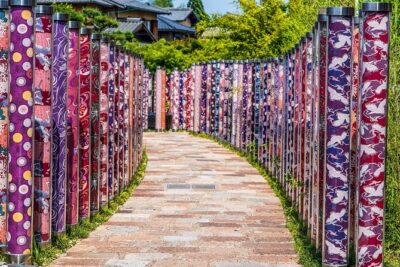
Kyoto Arashiyama Walking Tour: Bamboo, Monkeys, Gardens & Secrets
Read our review →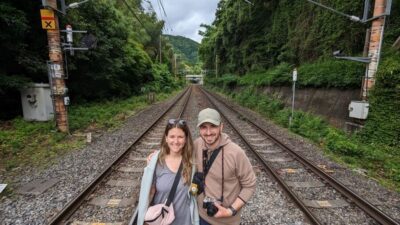
Arashiyama Bamboo, Temple, Monkeys, or Secret Sake Brewery
Read our review →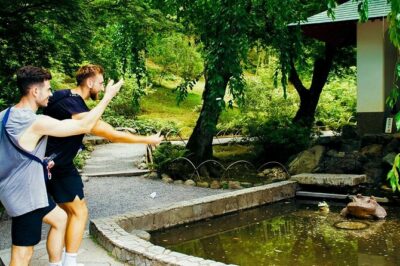
Arashiyama Bamboo Forest, Monkeys, Matcha & Temple Tour
Read our review →
Osaka/Kyoto: Arashiyama, Nara & Fushimi Inari Shrine w/Lunch
Read our review →
Nijo, Kinkaku-ji, Arashiyama, Kiyomizu & Fushimi Inari
Read our review →Browse the lists this tour appears in