
Reviewed · TOKYO TOURS
Samurai Experience – Learn Bushido through Kendo, in Tokyo
Kendo is more than swinging a bamboo sword at a target. This two-hour session takes you from the quiet bow at the start to a full-gear match and a sharp instructor demonstration. Daichi and Makoto teach in English and Japanese, keeping the group to eight people so beginners get real attention.
I like the careful order of the lesson: respect first, then spirit, body, sword, and finally combat. I also like the practical extras, including Kendo clothing, protective equipment, water, photos, and a souvenir. The main consideration is physical effort. The armor and warm dojo can make this a sweaty activity, so wear light clothes underneath and expect more exercise than a simple costume photo.
Key points to know before you book
- The lesson builds from etiquette to combat: You learn how to bow, move, hold the shinai, and combine spirit, body, and sword before facing an instructor.
- Small groups mean personal help: The class is limited to eight people, and some sessions have only three participants with two instructors.
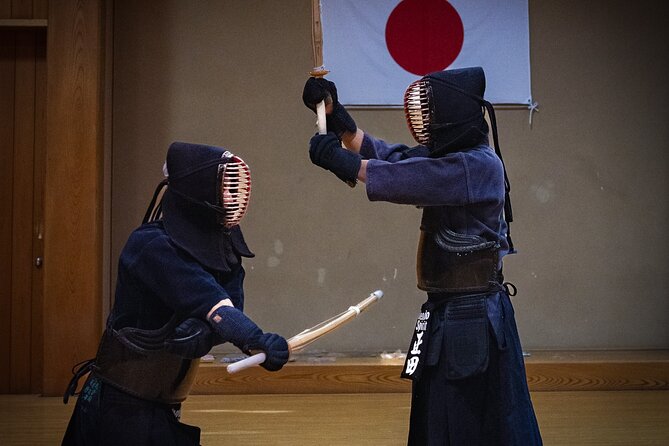
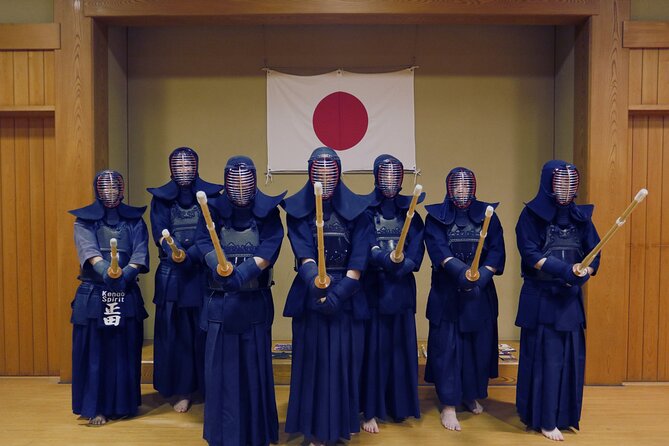
- You get into full Kendo equipment: The practical session includes protective armor and a helmet before the friendly match.
- The instructors make the tradition understandable: Daichi and Makoto explain Bushido and Kendo in English, with demonstrations and step-by-step practice.
- The final match is a real highlight: You can challenge an instructor at a controlled level, then watch the teachers perform an intense demonstration.
- The $103 price covers more than instruction: Clothing, shinai, drinks, souvenirs, photos, videos, and a certificate with your photo may be included in the experience.
Kendo near Tokyo Station, with a serious purpose
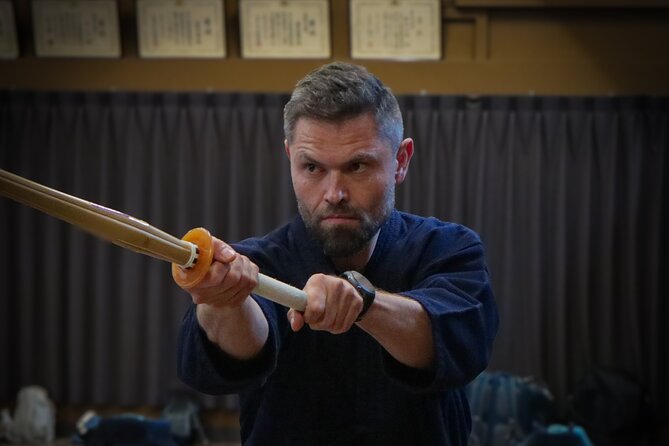
This experience is for anyone who wants more from Tokyo than dressing up in samurai armor for a quick picture. Kendo uses the bamboo sword, called a shinai, but the lesson begins with the mindset behind the movements.
The central idea is Bushido, the samurai code associated with discipline, respect, courage, and self-control. Kendo is not a museum piece. It is a living martial art shaped by samurai practice and carried forward through training. You will not become a samurai in two hours, of course, but you will get a physical sense of why Kendo places such weight on conduct and control.
The dojo is within about 15 minutes of Tokyo Station, which makes this easy to fit into a central Tokyo day. You do not need to plan a long ride to a distant suburb. The training room is described as a large sports-center dojo, with lockers available, so you can arrive without carrying your sightseeing bag onto the practice floor.
The group limit is eight. That number matters here. Kendo movements can look simple when performed by an expert, but foot placement, posture, timing, and the sound of a proper strike all take correction. A small class gives you a better chance to receive help rather than simply copy the person in front of you.
More Samurai and Ninja Experiences in Tokyo
- Tokyo: Samurai Restaurant Show Ticket with 2 Drinks
★ 4.5 · 1,307 reviews - Tokyo: Samurai Ninja Museum Guided tour and Experience
★ 4.6 · 1,010 reviews - Tokyo: Samurai Sword & Archery Class from Samurai Descendant
★ 5.0 · 603 reviews
First lesson: bowing, respect, and the Kendo mindset
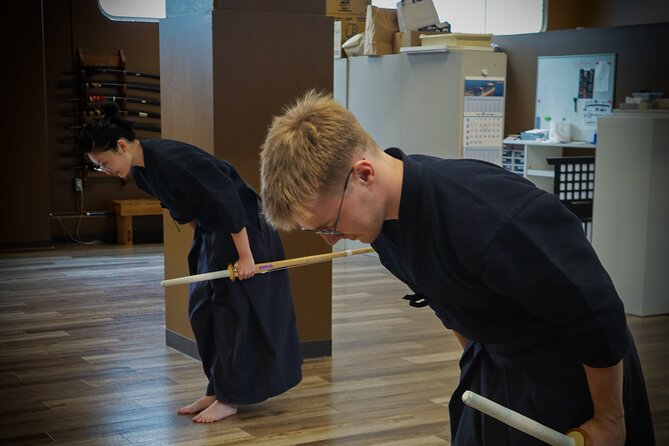
The class does not begin with a sword. You first learn how to enter the practice mentally, including the etiquette of bowing, known as rei. This is not treated as a decorative Japanese custom. It sets the tone for the entire session.
You will be asked to calm your mind and show respect to your partners, instructors, and training space. That may feel unfamiliar if you have never taken part in a Japanese martial art, but it gives the experience a clear shape. The bow before and after practice is part of the lesson, not a pause between more exciting activities.
The instructors also introduce the idea of ki, or spirit. In Kendo, this does not mean shouting in anger or trying to look fierce. It means focused intent and presence. You learn that a strike is not just an arm movement. Your attitude, posture, timing, and commitment all matter.
I like this beginning because it prevents the class from becoming sword-play theater. You are given a reason for the gestures before you repeat them. That makes the later match easier to understand, even if your own technique remains very basic.
Footwork first, then the shinai
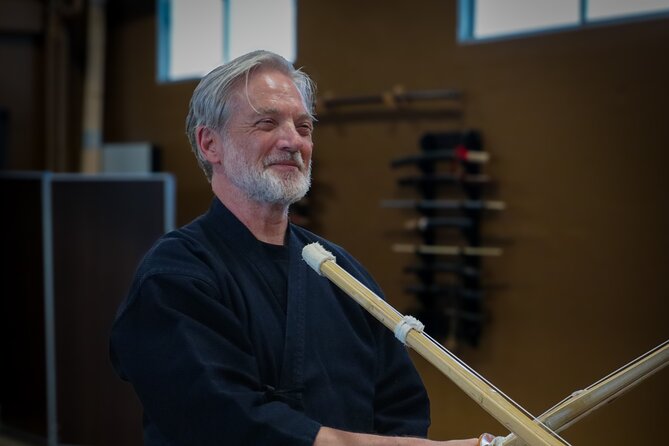
The next stage focuses on the body. You practice traditional steps designed to keep you balanced, grounded, and ready to move. This part may sound less exciting than picking up the shinai, but it is where many beginners discover that Kendo is harder than it looks.
The footwork asks you to coordinate your lower body with your posture and direction. You add movements gradually, then work toward combining them with a strike. The instruction is paced for people with no martial arts background, so you do not need to arrive fit or experienced.
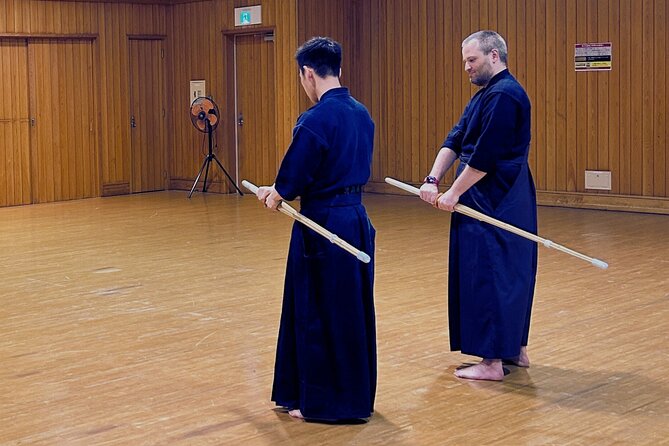
After the steps come the sword basics. You learn how to hold the bamboo sword, how to swing it, and how to move while using it. One useful detail from the training is that the class covers how to draw and fold the shinai, along with basic Kendo terms and the main attack points.
The exact number of techniques you will practice can depend on the pace of your group, but the lesson includes basic attack techniques and four main points of attack. Instructors demonstrate each part before asking you to try it. That matters because Kendo form is precise, and a quick verbal explanation would not be enough for most first-time students.
Ki-Ken-Tai-Itchi, the heart of the lesson
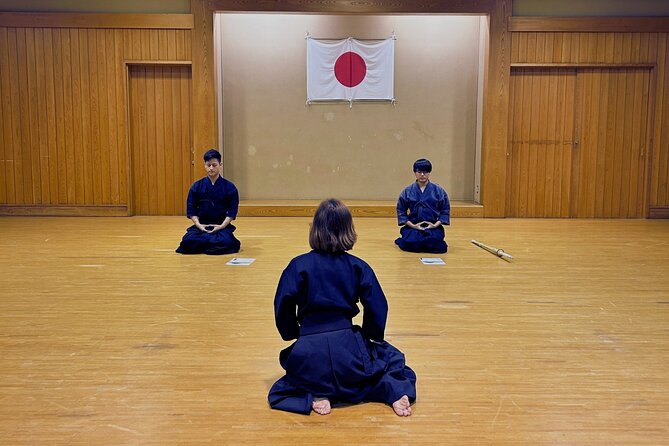
One of the most useful concepts in this session is Ki-Ken-Tai-Itchi. The phrase refers to spirit, sword, and body coming together in one action.
For a beginner, this means you are not simply learning to hit with a stick. Your intent, body movement, footwork, and sword must arrive together. The idea gives structure to the drills and helps explain why a technically correct-looking swing may still lack force or purpose.
You will practice the separate parts, then join them. This gradual method is one reason the class works well for first-timers. You are not thrown straight into a sparring match before learning how to stand, move, and handle the shinai safely.
The class can still be demanding. Several people found the session to be a genuine workout, especially once the protective equipment went on. Rest periods and cold water are available, but I would not schedule this as a gentle activity if you dislike heat or exercise.
Wear comfortable clothing suitable for movement under the Kendo uniform. The supplied information does not require you to bring equipment, and all the necessary gear is provided. You should still arrive ready to move rather than dressed for a formal dinner.
More samurai and ninja sessions in Tokyo:
- Best Samurai Experience in Tokyo
★ 5.0 · 458 reviews - Ninja Experience (Family Friendly) at Samurai Ninja Museum TOKYO
★ 5.0 · 441 reviews - Tokyo: Samurai Entertainment Night Show in Kanda Shrine
★ 4.6 · 417 reviews - Tokyo Sword Experience – includes Museum Ticket/Ninja Experience
★ 5.0 · 314 reviews
Putting on the armor and facing an instructor
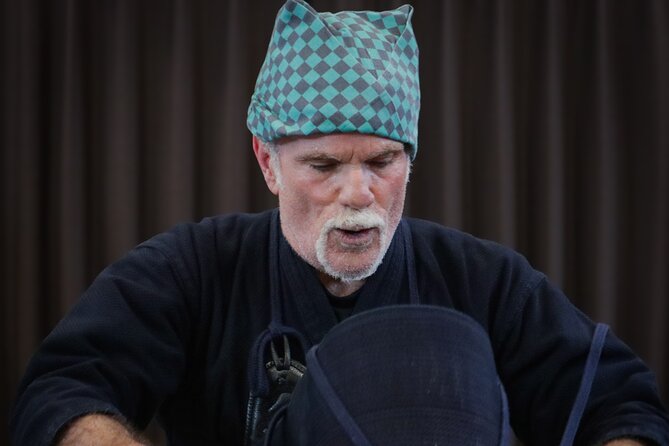
Once you have learned the basics, you put on Kendo protective gear. This is a major change in the feel of the session. The uniform and armor help you understand how Kendo is practiced, while the helmet and protection make a controlled match possible.
The equipment can feel warm and somewhat heavy, especially in Tokyo’s warmer months or in an active dojo. One participant specifically found the heat to be the only drawback, while also noting that water and rest periods helped. That is useful advice: plan for a workout, not a photo opportunity.
The match is friendly and carefully guided. You use the movements practiced earlier and face an instructor wearing protective equipment. Those with the courage to challenge a veteran instructor can feel the pressure of an advancing opponent at close range.
This is where the lesson’s earlier ideas become physical. A sword pointed toward you can make you freeze for a moment, even when you know the match is controlled. The experience gives you a small sense of the concentration required to remain calm, move correctly, and commit to an attack.
You should not expect an equal contest or a full tournament bout. The purpose is to apply the fundamentals and feel the rhythm of Kendo. The instructor adjusts the encounter so beginners can participate safely and enjoyably.
The instructors’ demonstration brings Kendo into focus
After your own practice, Daichi and Makoto perform a match for the group. This demonstration is usually the most striking part of the afternoon.
At beginner level, your movements will be slow and deliberate. The instructors show what happens when the same principles are practiced at a high level: quick footwork, sharp timing, controlled strikes, strong presence, and exact distance. The contrast helps you understand the difference between learning a movement and mastering it.
The demonstration is not just added entertainment. It gives context to the drills you have been repeating. When you hear the bamboo swords strike and see the instructors move with speed and control, the connection between ki, ken, and tai becomes easier to grasp.
This is also why the experience feels more substantial than putting on armor for a picture. The photo is a nice memory, but the lesson asks you to participate in the discipline behind the appearance.
What is included for the $103 price
At $103 per person, this is not the cheapest two-hour activity in Tokyo. The value depends on what you want from your time in Japan.
You receive the full two-hour Kendo experience, Kendo clothing, a bamboo sword, drinks, and souvenirs. The team also takes photos and videos during the session, with the files sent to you by email afterward. One participant also received a certificate with a photo, though you should confirm whether that is provided on every booking.
The price makes more sense if you compare it with the amount of handling and instruction involved. You are not paying only for a short demonstration. You receive an explanation of Kendo and Bushido, supervised drills, equipment, a match, and an instructor performance.
The small group limit adds value too. In some sessions, three participants have trained with two instructors. That kind of ratio can make a major difference when you are trying to remember footwork, sword position, attack points, and etiquette at the same time.
If your goal is simply to hold a sword for a few minutes, this will probably feel too expensive and too serious. If you want a guided introduction to a Japanese martial art, the combination of instruction, equipment, and personal attention makes the cost easier to justify.
Who will get the most from this experience
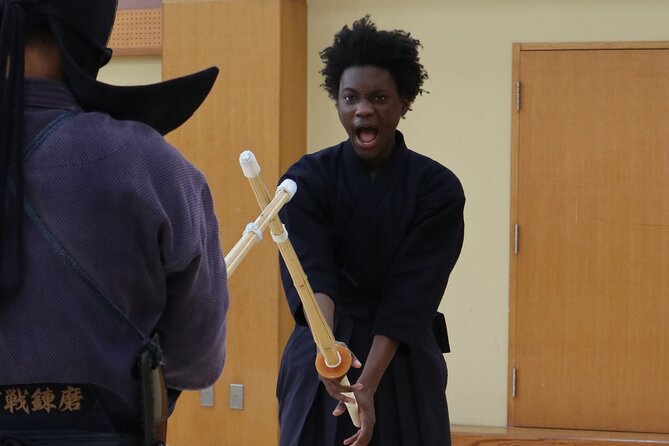
You do not need previous Kendo experience, athletic ability, or Japanese language skills. Most participants are beginners, and the instructors explain the activity in English and Japanese.
This is a good match for:
- Anyone curious about Japanese martial arts and samurai culture
- People who prefer learning by doing rather than watching a cultural show
- Families with older children and teenagers who can follow instructions and take part physically
- Visitors who want a focused activity near central Tokyo
- Martial arts fans considering Kendo for the first time
- Anyone interested in discipline, respect, and self-improvement
The activity is not suitable for pregnant women, babies under one year old, or people over 95. Alcohol and drugs are not allowed.
You should also think about your energy level. The pace is beginner-friendly, but the session includes repeated movement, sword practice, armor, and sparring. If you are not athletic, you can still join. If you have a condition that makes exercise or heat difficult, consider that before booking.
Small details that make the session work
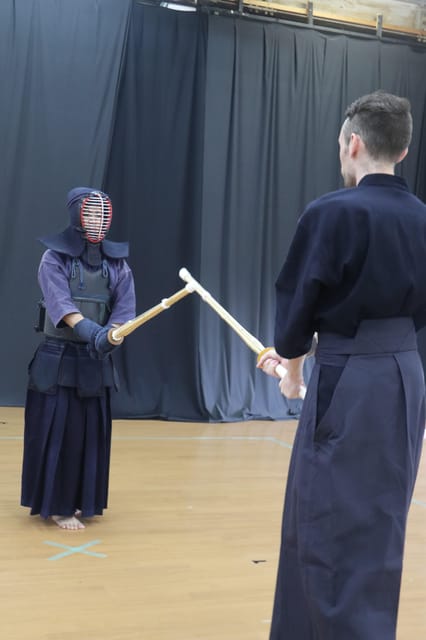
The best part of the format is its progression. The class does not rush to the flashy section. You bow, learn the purpose of Kendo, practice spirit and posture, work on footwork, add the shinai, and only then enter a match.
That order helps you stay oriented. You understand why the instructor keeps correcting a step or asking for a certain posture. You also have a better chance of remembering the lesson after leaving the dojo.
The instructors’ manner is another strength. Daichi and Makoto are described as friendly, patient, clear, and encouraging. Their English allows you to ask questions during the session, which is important when etiquette and technique are both new.
The final bow closes the activity in the same spirit as the first. You finish by showing respect to the people you trained with and to the practice itself. It is a small detail, but it keeps the experience from ending with the usual tourist rush toward the next attraction.
Booking, timing, and private sessions
The standard session lasts two hours, and starting times depend on the date you select. The group is limited to eight people.
You can request an exclusive private session by adding the private option before payment. Private sessions are available only on dates that still show eight available spots, with one private-session add-on allowed per group.
If the published schedule does not fit your plans, the team may be able to arrange another date. Large groups can also be accommodated with advance contact.
You can cancel up to 24 hours in advance for a full refund. The reserve-now, pay-later option is useful if your Tokyo plans are still changing.
Is this a good choice for your Tokyo itinerary?
Book it if you want to understand Kendo through your own body, not just hear a short talk about samurai. The experience gives you etiquette, cultural context, footwork, sword handling, armor, a controlled match, and a demonstration in a compact two-hour format.
Skip it if you want a relaxed activity, dislike heat, or only want a quick samurai photo. This is active and focused, with plenty of repetition before the exciting final section.
For most curious first-timers, I think the strongest reason to book is the balance between meaning and participation. You learn why Kendo values respect and self-control, then feel how difficult it is to put those ideas into a single clean movement. Near Tokyo Station, with equipment supplied and English instruction available, it is a practical way to meet a living part of Japanese culture.
FAQ
Do I need previous Kendo experience?
No. The experience is designed for beginners, and most participants have no previous martial arts experience. The instructors introduce the movements step by step.
Is the experience conducted in English?
Yes. Instruction is available in English and Japanese, and you can ask questions during the session.
How far is the dojo from Tokyo Station?
The dojo is located within approximately 15 minutes of Tokyo Station.
What equipment is provided?
Kendo clothing, a bamboo sword called a shinai, and protective equipment for the practical match are provided. You do not need to bring equipment.
Will I receive photos or videos?
Yes. The team takes photos and videos during the experience and sends the files to you by email afterward.
Can I book a private session?
Yes. Add the option for an exclusive private session before payment. Private sessions are available only on dates that still show eight available spots, and one add-on is allowed per group.
Is the activity physically demanding?
It is suitable for beginners and people who are not athletic, but it includes footwork, sword practice, armor, and a match. The equipment and activity can feel warm, so expect a workout and use the provided water and rest periods.
Just added around Tokyo
- Private Arrival Transfer : Narita International Airport to Central Tokyo City★ 4.5 · 12 reviews
- Narita Airport(NRT): Private Transfer to Tokyo/Yokohama 1-9pax★ 5.0 · 47 reviews
- Private Transfer from Narita Airport to Yokohama Port and City★ 4.5 · 17 reviews
- 3 Day Japan Highlights Tour: Tokyo, Mt.Fuji, Nara, Kyoto, Osaka★ 5.0 · 22 reviews
- [Narita Airport Terminals 1, 2] 40-60km Sawara Itako Historic Bike Tour★ 5.0 · 13 reviews
- Small Town in the Big City: Tasting Tokyo’s Kichijoji★ 5.0 · 195 reviews
- Small Town in the Big City: Tasting Tokyo’s Kichijoji★ 5.0 · 16 reviews
- The 10 Tastings of Tokyo With Locals: Private Street Food Tour★ 5.0 · 48 reviews
Tokyo Tours, compared.

Mt Fuji and Hakone 1-Day Bus Tour Return by Bullet Train
Read our review →

teamLab Planets TOKYO Digital Art Museum Entry Ticket
Read our review →
Mt Fuji & Hakone Cruise, Drum Show Bullet Train 1 Day from Tokyo
Read our review →
Sumo Show Experience with Chicken Hot Pot and a Photo
Read our review →
Shinjuku Food Tour (13 Dishes at 4 Local Eateries)
Read our review →
Tokyo Mt Fuji 5th St & Hakone Cruise Bus Tour w/Bullet Train
Read our review →
Flagship 2-Hours Official Street Go-Kart Tour – Tokyo Bay Shop
Read our review →Browse the lists this tour appears in