
Reviewed · TOKYO TOURS
Tokyo: 3-Hour Food Tour of Shinbashi at Night
Shinbashi after dark is less about postcard Tokyo and more about office workers loosening their ties over ramen, grilled meat, sake, and a few drinks. This three-hour walk takes you into the narrow streets behind the station, where the city’s working crowd eats and unwinds. Ramen, Wagyu, sake, and dessert make up the edible route.
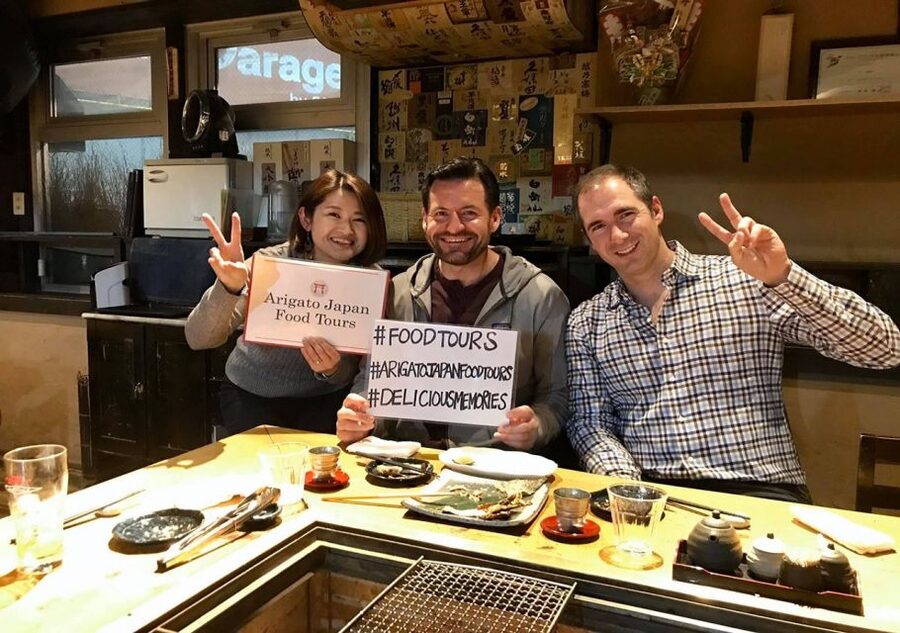
I like the small group of up to 10 because it suits tiny restaurants and makes conversation with your guide easy. I also like the local focus: guides such as Ray, Yappy, Francois, and Tommy add food advice, pub customs, and tips you can use for the rest of your time in Tokyo.
The main drawback is the price, $170 per person, with transportation, gratuity, and extra food or drinks not included. Shinbashi also permits smoking in most areas, and the tour is strictly for adults aged 20 and over.
Key points before you book
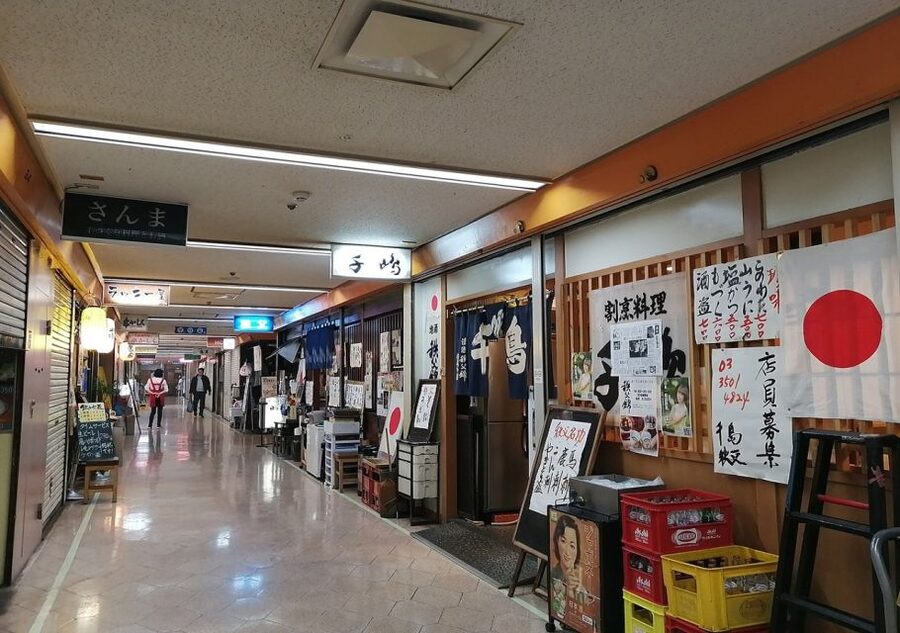
- Shinbashi after work: Walk the backstreets where Japan’s office workers gather at the end of the day.
- Several food stops: Expect local dishes, a steaming ramen course, buttery seared Wagyu, sake, and a traditional dessert.
- Regional sake tasting: Compare crisp, aromatic styles and learn to think of sake as nihonshu, not simply as one standard drink.
- Small-group format: The group is limited to 10 people, useful in compact pubs and narrow restaurant spaces.
- English-speaking food guide: Guides including Ray, Yappy, Francois, Tommy, and others explain food and pub manners as you go.
- Strict timing: Meet at the steam engine outside the Hibiya exit of Shinbashi Station. The guide waits only five extra minutes.
Why Shinbashi is the right place for a night food walk
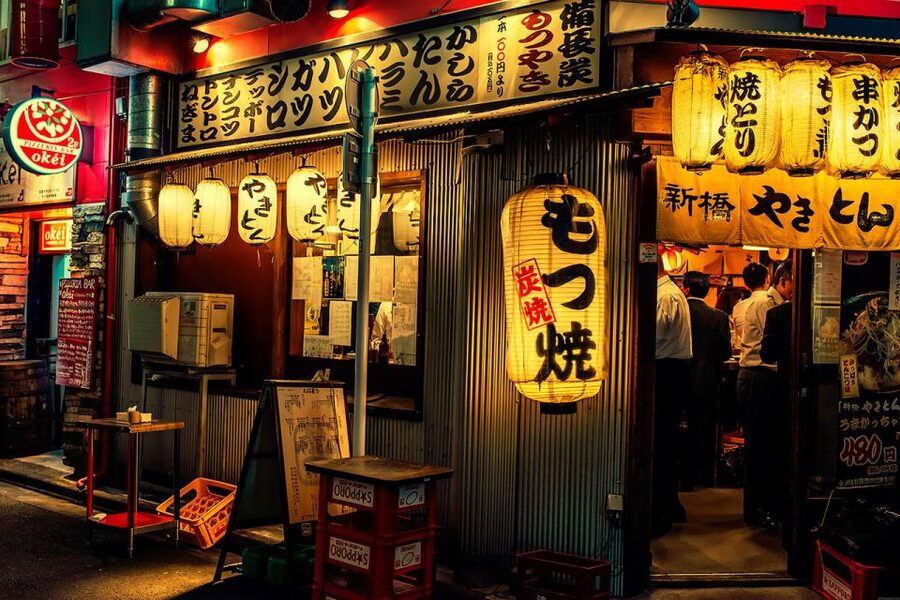
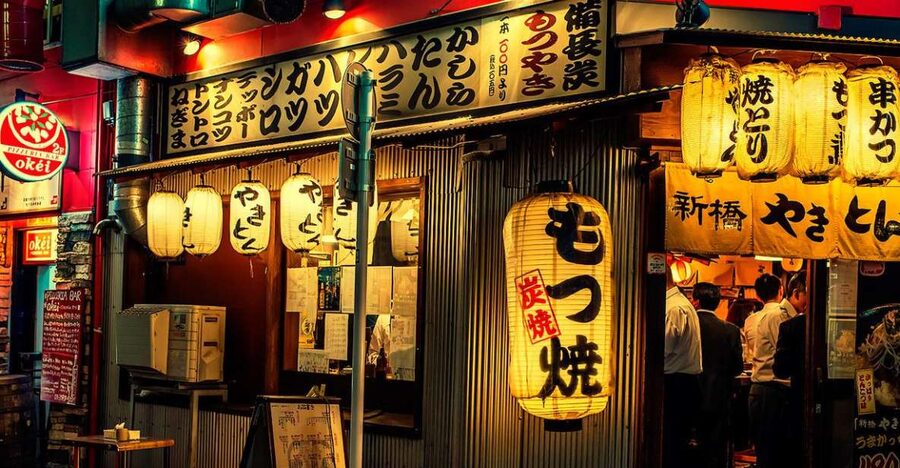
Shinbashi offers a different side of Tokyo from the polished avenues around Ginza or the neon spectacle of Shinjuku. It is a major commuter district, and its evening character comes from people finishing work, meeting colleagues, and settling into small places for dinner and drinks.
That makes the neighborhood a good setting for a food tour. You are not simply moving between famous restaurants. You are learning how food fits into the working day. The narrow lanes, compact pubs, and after-work rhythm give the meal a social context that you would miss if you only ordered dishes from a menu.
Your guide leads you through backstreets that can be hard to understand on your own. A first-time visitor might pass these lanes without knowing which door leads to a restaurant, which place is meant for a quick bowl of noodles, or how to behave in a tiny pub. The guide handles that uncertainty and helps you pay attention to the neighborhood.
The walk is also a useful introduction to Japanese pub culture. This is the world of eating several small dishes, ordering another drink, and staying a while rather than rushing through one large meal. The exact route and restaurants can vary, but the purpose is clear: connect the food with the people and places that serve it.
More Food Tours in Tokyo
- Tokyo: Shinjuku Food Tour (13 Dishes at 4 Local Eateries)
★ 5.0 · 6,603 reviews - Tokyo: Shinjuku Food Tour (15 Dishes and 4 Eateries)
★ 4.9 · 2,033 reviews - Best of Shinjuku: Izakaya Food Tour (4 Stops, 14+ Tastings)
★ 5.0 · 1,863 reviews
Meeting the guide beside Shinbashi’s old steam engine
The meeting point is easy to identify: the decommissioned steam engine at the Hibiya exit of Shinbashi Station. Shinbashi is served by a major station, but you should still allow time to find the correct exit and walk to the engine. Large stations in Tokyo can have several exits and plenty of foot traffic.
Arrive early. The guide can wait only five minutes after the scheduled start, then must leave to keep the restaurant arrangements on schedule. Once the walk has begun, the guide cannot provide directions by phone. This is one of those small Tokyo logistics that matters more than it might appear on a booking page.
Wear comfortable shoes. You will walk through several food stops and side streets over three hours, though the route is not presented as a long-distance hike. Bring a passport or ID card, especially since the tour is restricted to people aged 20 and over.
The group size is capped at 10. That is large enough for a social evening but still small enough for a guide to explain dishes, answer questions, and help the group enter compact venues. If you prefer a private dining experience or dislike meeting other people, this may not be your best match.
Ramen first: a warm start to the evening
A steaming bowl of ramen is one of the most appealing anchors of the tour. Ramen gives you a fast lesson in Japanese eating culture: broth, noodles, toppings, texture, and timing all matter, and the dish is best understood at the counter or table where it is served.
The experience description emphasizes the umami in the broth and the comfort of holding a hot bowl in your hands. You should expect ramen to be one of the substantial food moments rather than a token sample. It helps set the pace for the night, particularly if you arrive hungry after sightseeing.
Your guide can explain what you are eating and how the restaurant fits into local life. That added context is useful because ramen shops can seem simple from the outside. You may see people eating quickly, but the meal is not without ritual. Learning how to begin, finish, and thank the staff can make your later stops feel more natural.
One practical point: this is a multi-stop food walk, not an unlimited dinner. The listed inclusions cover local dishes at several stops, but additional food and drinks cost extra. If you tend to eat large portions, have a light snack earlier rather than assuming every course will be a full meal.
Seared Wagyu and the pleasure of a small portion
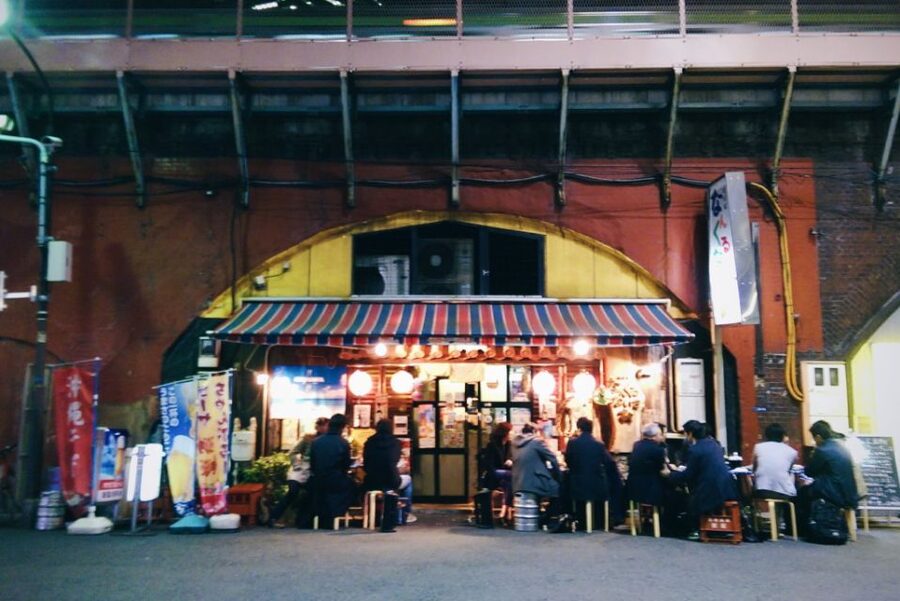
The Wagyu stop brings a different texture and mood. The meat is described as buttery and tender, with a smoky char from searing. That contrast with ramen is part of the tour’s appeal: you move from noodles and broth to carefully cooked beef, then on to sake and dessert.
Wagyu can be expensive, so its inclusion helps explain part of the $170 cost. You are not paying only for a guide to point out restaurants. The price also covers a sequence of food experiences, the guide’s time, and access to local places that may be difficult to choose or enter without Japanese language help.
Still, keep your expectations sensible. The information does not specify the cut, serving size, or grade of the Wagyu. Think of it as one tasting within a broader evening rather than a steak dinner. If your main goal is a large Wagyu meal, a dedicated restaurant reservation may offer better value.
This is where a good guide adds real value. A food-focused guide can explain the cooking method, help you notice the smoky edge and soft texture, and tell you how the dish fits within Japanese dining habits. Previous guide names connected with this experience include Ray, Yappy, Francois, Marc, Tommy, Yoko, Ryan, and Anne.
Same base, a completely different sort of day:
- Mt Fuji and Hakone 1-Day Bus Tour Return by Bullet Train
★ 5.0 · 26,383 reviews - 1-Day Tokyo Bus Tour
★ 5.0 · 14,250 reviews - Tokyo: TOKYO SKYTREE® Admission ticket
★ 4.5 · 11,192 reviews - Tokyo: teamLab Planets TOKYO Digital Art Museum Entry Ticket
★ 4.6 · 9,779 reviews
Regional sake tasting, with room to change your mind
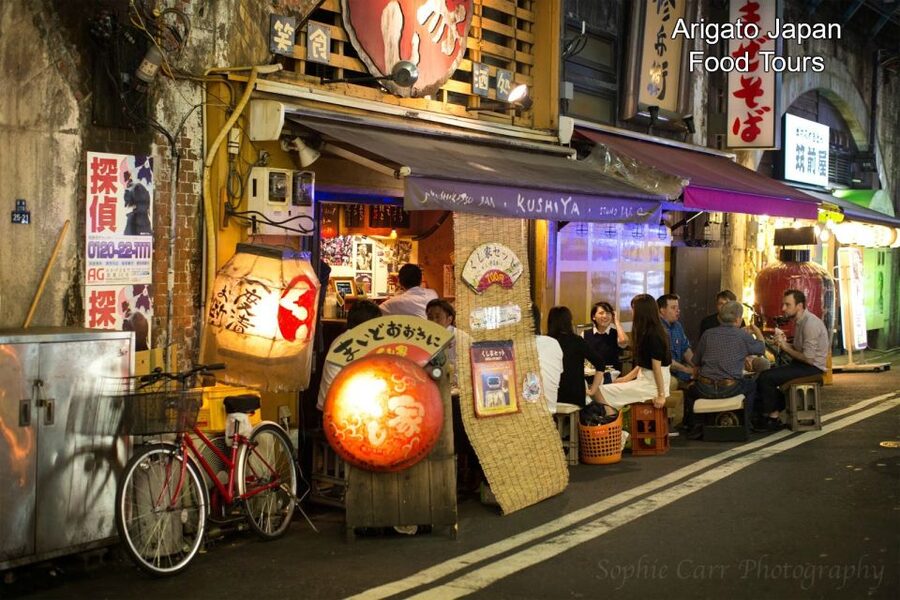
The sake tasting is a central feature, not an afterthought. You will sample regional varieties described as crisp and aromatic, with different flavors developing from one sip to the next. The experience can help you move past the idea that sake has one fixed taste.
One useful detail comes from the tour’s past: a participant who expected not to like sake discovered an appreciation for it after the tasting, using the more precise Japanese term nihonshu. That is exactly the kind of small shift a good tasting can produce. You do not need to arrive as a sake expert. You only need to pay attention to how the drinks differ.
The guide can also explain how sake fits into pub culture. You might learn which flavors work with food, how regional production affects taste, or why a drink feels dry, fragrant, or smooth. The supplied details do not identify the exact breweries or number of pours, so do not book this expecting a formal winery-style flight with a fixed technical lecture.
You should also plan responsibly. The tour includes a sake-tasting experience, but additional drinks are paid separately. Since the evening moves through several venues, pace yourself and remember that you still need to return to your hotel under your own arrangements.
Dessert brings the night to a gentle close
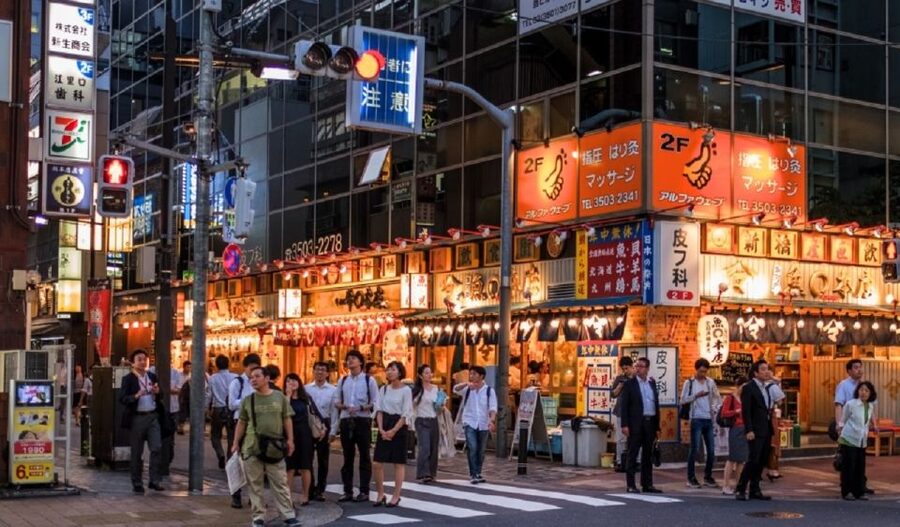
The final traditional dessert gives the evening a clean finish. After salty broth, grilled meat, and sake, something sweet changes the rhythm and keeps the tour from feeling like a pub crawl built only around alcohol.
The exact dessert is not specified, so you should treat it as a local sweet rather than book the experience around one particular item. Your guide can explain what it is and how it fits into Japanese food traditions. That explanation matters because many traditional sweets use textures and levels of sweetness that may differ from familiar Western desserts.
This last stop also gives you a chance to ask for practical food advice. Guides such as Tommy have offered recommendations for the rest of a Tokyo stay, while Yappy and other guides have been praised for making the evening feel friendly and relaxed. Those conversations can be as useful as the formal tasting, particularly if you still have several nights in Japan.
The guide makes the difference
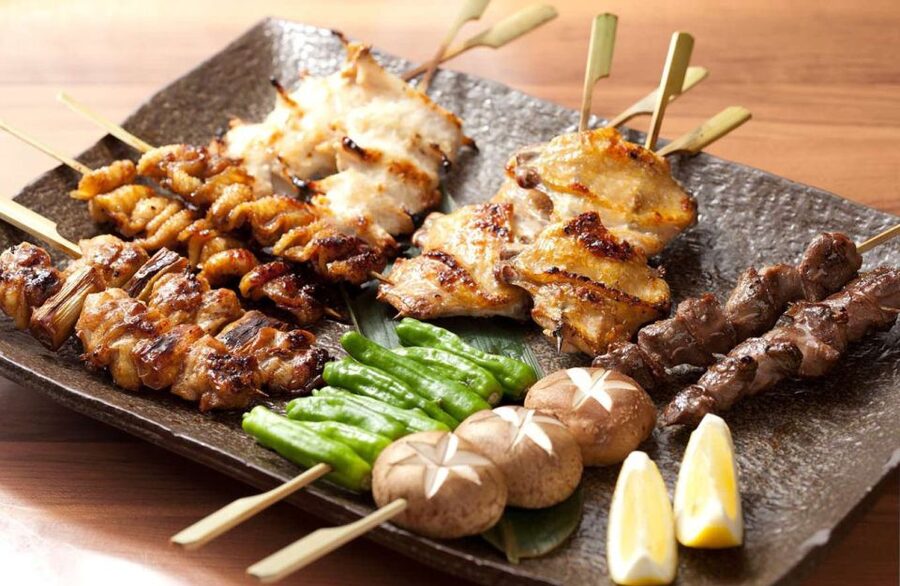
The food is important, but the guide determines how much you get from the evening. You want someone who can explain ingredients, manage the route, introduce pub customs, and notice when a dish needs more context.
The guide names associated with past departures include Ray, Francois, Tommy, Marc, Yappy, Yoko, Ryan, and Anne. Their styles may differ, so you should not assume every departure feels identical. What remains consistent is the English-language format and the food-centered route.
Ray used visual aids to teach simple ways to bless a meal and thank restaurant staff when leaving. That sort of practical detail is easy to remember and useful beyond this one night. Francois has also handled personal touches, including arranging a birthday surprise and joining a karaoke outing afterward when the group booked that separately.
Karaoke is not included in the listed tour. However, the past experience of continuing to a private karaoke room shows how the night can lead naturally into more of Shinbashi’s entertainment culture. Treat that as an optional add-on, not part of the $170 package.
Several guides have also been praised for being warm, funny, flexible, and attentive. One guide adjusted ordering for a daughter, which is useful to know if someone in your party has a preference or limitation. The supplied information does not promise that every dietary request can be met, so raise any concerns before booking rather than relying on an evening adjustment.
Is $170 fair for three hours?
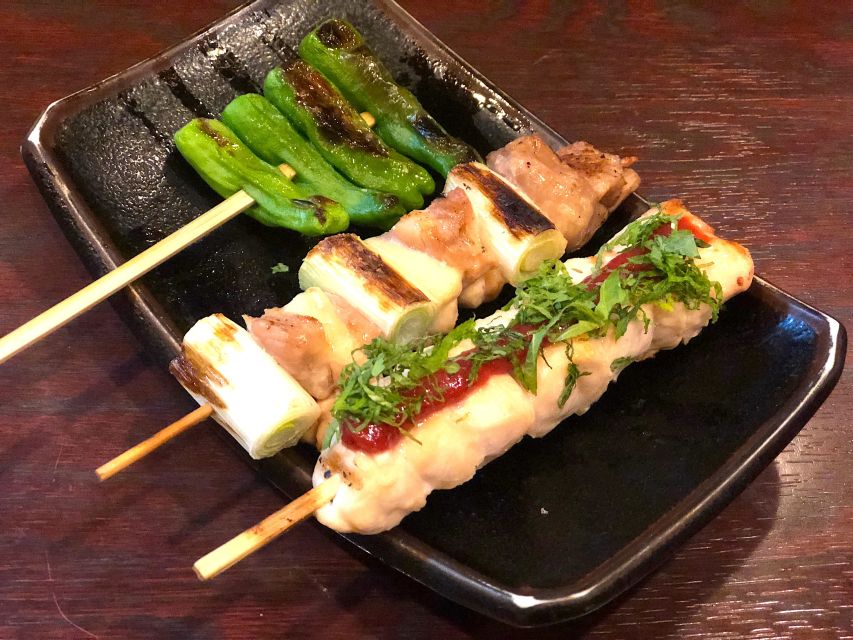
At $170 per person, this is not a cheap way to get dinner. You are paying a premium for a guided route, several tastings, a sake experience, English explanations, and the chance to enter local-style places without having to work out the system yourself.
The value is strongest if you are new to Tokyo, enjoy trying several foods in one evening, and want a social introduction to Japanese pub culture. A guide can save you the time and uncertainty of choosing venues, translating menus, and deciding what to order. The small group also makes the price more reasonable than a large bus-style food excursion.
The value is weaker if you already know Shinbashi, speak Japanese, or mainly want a single large meal. Transportation is not included, nor are gratuities or extra food and drinks. Hotel pickup is not included, though it can be arranged for an additional charge.
You can reserve now and pay later, which helps if your Tokyo schedule is still changing. Cancellation is free up to 24 hours in advance for a full refund. Check the available starting times before booking, since the tour lasts three hours and takes place at night.
Practical matters you should know
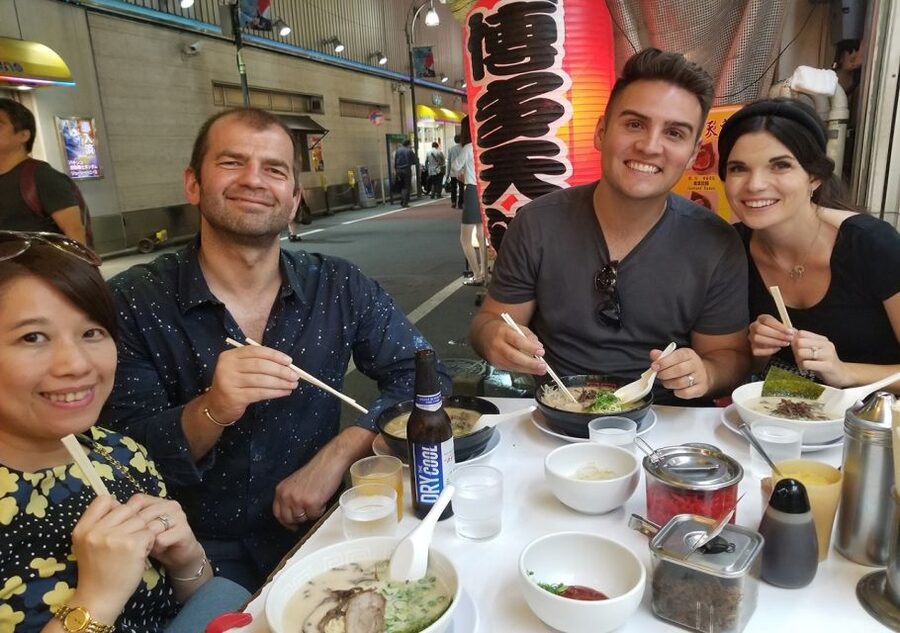
Smoking is allowed in most areas of Shinbashi. If cigarette smoke bothers you, this is an important consideration, since the tour is built around local after-work pubs and restaurants rather than smoke-free tourist venues.
Only adults aged 20 and over may join. That is both a legal and practical limit for a tour centered on sake and evening pub culture. Families with younger children will need another food experience.
The activity is conducted in English with a live guide. It is not a self-guided food map, so arriving late means missing the group. Comfortable walking shoes are recommended, and you should bring identification.
The tour has a very strong overall rating of 4.9 from 45 reviews. More important than the number is the pattern of praise: food quality, guide personality, local knowledge, the backstreet walk, and useful advice for the rest of a Tokyo visit all receive repeated attention.
Who should book this Shinbashi food tour?
I would choose this tour for a first or second Tokyo visit, especially if you want your first evening meal to teach you something about the city. It suits curious eaters who like small portions, several stops, and conversation with a guide rather than a formal restaurant tasting.
It is also a good fit for couples, friends, and solo visitors who enjoy joining a small group. The adult-only rule makes the atmosphere suitable for sake and pub culture, while the food mix gives you more variety than a standard dinner reservation.
I would think twice if you need a smoke-free setting, have strict dietary requirements that have not been confirmed, or want control over every dish and drink. You should also skip it if $170 feels too high for a three-hour meal and walk, since transportation, tips, and extras add to the final cost.
Should you book it?
Book this Shinbashi night tour if you want a guided introduction to Tokyo’s office-worker food culture, with ramen, Wagyu, regional sake, dessert, and a walk through side streets you might otherwise miss. The strongest reason to go is the combination of food and explanation. You are not just sampling dishes; you are learning how locals eat, drink, and unwind after work.
The price is high, but the small group and guide-led access make it defensible for visitors who value ease and context. Arrive early, wear good shoes, bring ID, expect smoking, and leave room in your budget for gratuity or another drink. For an adult who wants to eat Tokyo in company rather than simply photograph it, this is a smart first-night choice.
FAQ
Where does the Shinbashi food tour meet?
Meet in front of the decommissioned steam engine at the Hibiya exit of Shinbashi Station.
How long does the tour last?
The tour lasts three hours.
What food is included?
The tour includes local dishes at several food stops, including ramen, Wagyu, and a traditional dessert.
Is sake included?
Yes. A sake-tasting experience is included.
Is hotel pickup included?
No. Hotel pickup is not included, but it can be arranged for an additional charge.
Are transportation costs included?
No. Transportation costs are not included.
Can I buy extra food or drinks?
Yes. Additional food and drinks may be purchased at your own expense.
What happens if I arrive late?
The guide can wait only five extra minutes after the scheduled start. After that, the tour departs, and the guide cannot give directions by phone.
Can people under 20 join?
No. Only adults aged 20 and over are permitted on the tour.
More 3-Hour Experiences in Tokyo
- Tokyo Top Highlights 3h Guided E-bike Tour
★ 5.0 · 714 reviews - 3h Tokyo E-Bike Tour: Hidden Gems, and Local Life with guide
★ 5.0 · 670 reviews - Tokyo: 3-Hour Bike or E-Bike City Highlights Tour
★ 4.8 · 435 reviews - Tokyo: 3-hour Guided E-Bike Tour of the City’s Hidden Gems
★ 4.8 · 251 reviews
More Evenings Out in Tokyo
- Tokyo Night Foodie Tour in Shinjuku – Seasonal Sushi, Wagyu Beef
★ 5.0 · 1,161 reviews - Tokyo: Daikoku JDM Car Meet & Night Car Culture Tour
★ 4.8 · 626 reviews - Tokyo After 5: Authentic Japanese Food & Drink Night Tour
★ 4.5 · 560 reviews - Tokyo: Samurai Entertainment Night Show in Kanda Shrine
★ 4.6 · 417 reviews
Just added around Tokyo
- Private Arrival Transfer : Narita International Airport to Central Tokyo City★ 4.5 · 12 reviews
- Narita Airport(NRT): Private Transfer to Tokyo/Yokohama 1-9pax★ 5.0 · 47 reviews
- Private Transfer from Narita Airport to Yokohama Port and City★ 4.5 · 17 reviews
- [Narita Airport Terminals 1, 2] 40-60km Sawara Itako Historic Bike Tour★ 5.0 · 13 reviews
- 3 Day Japan Highlights Tour: Tokyo, Mt.Fuji, Nara, Kyoto, Osaka★ 5.0 · 22 reviews
- Small Town in the Big City: Tasting Tokyo’s Kichijoji★ 5.0 · 195 reviews
- Small Town in the Big City: Tasting Tokyo’s Kichijoji★ 5.0 · 16 reviews
- The 10 Tastings of Tokyo With Locals: Private Street Food Tour★ 5.0 · 48 reviews
Tokyo Tours, compared.

Mt Fuji and Hakone 1-Day Bus Tour Return by Bullet Train
Read our review →

teamLab Planets TOKYO Digital Art Museum Entry Ticket
Read our review →
Mt Fuji & Hakone Cruise, Drum Show Bullet Train 1 Day from Tokyo
Read our review →
Sumo Show Experience with Chicken Hot Pot and a Photo
Read our review →
Shinjuku Food Tour (13 Dishes at 4 Local Eateries)
Read our review →
Tokyo Mt Fuji 5th St & Hakone Cruise Bus Tour w/Bullet Train
Read our review →
Flagship 2-Hours Official Street Go-Kart Tour – Tokyo Bay Shop
Read our review →Browse the lists this tour appears in