
Reviewed · TOKYO TOURS
Tokyo: Samurai Experience with a real sword
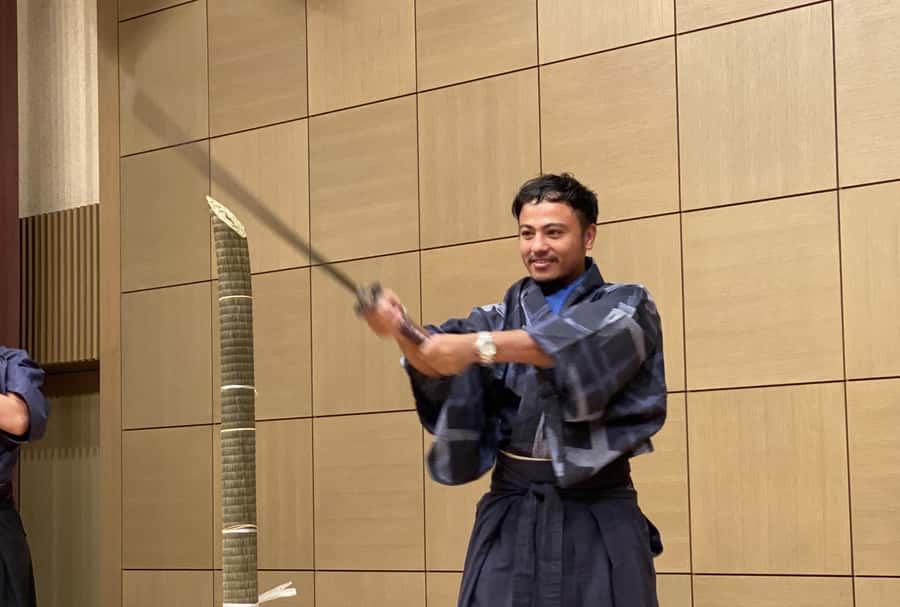
A real sword, a kimono, and a short lesson in samurai discipline make this more than a costume photo stop. You learn how to draw and sheath a katana, practice basic forms, face an opponent in a controlled sword-to-sword exercise, and cut objects under supervision.
I like the hands-on format and the fact that you leave with both photos and a video, not just a quick staged pose. I also like the focus on zarei, the seated bow and etiquette, because it gives the activity a little cultural meaning beyond swinging a sword.
The main consideration is that this is a two-hour introduction, not serious martial arts training. Some English communication may require patience or Google Translate, and the real-sword cutting portion is only available to participants aged 12 and older.
Key points at a glance
- Real sword handling: Learn how to hold, draw, sheath, and use a genuine samurai sword under a professional coach.
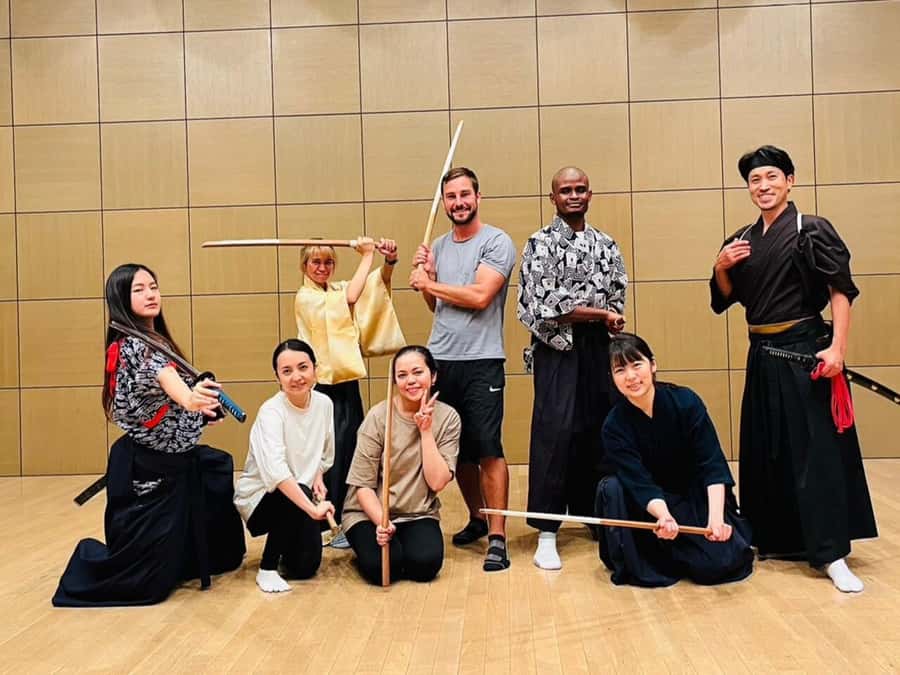
- Full samurai clothing: Change into a traditional kimono and hakama before practicing forms and taking photos.
- Shiden-ryu demonstration: Watch trained practitioners present iai and swordsmanship before you try the movements yourself.
- Controlled sword combat: Take part in uchikomi, a guided sword-to-sword exercise rather than an unsupervised fight.
- Video of the action: Record your sword work and object cutting, then take the footage home.
- Cultural touches: Zarei, calligraphy, and a small meal may be included in the session, depending on the arrangement on your date.
What the Tokyo samurai session is really like
This activity gives you a compact introduction to samurai swordsmanship in Tokyo. It combines clothing, etiquette, movement, demonstration, and supervised practice, so the two hours feel more like a short class than a simple photo opportunity.
You begin at the appointed meeting point and are taken to the training center. The meeting instructions are specific: after leaving the station ticket gates, go through the west exit and down to ground level, where you should find McDonald’s. Look for staff holding a meeting board.
That location can change within Tokyo depending on the date, so check your final instructions rather than relying only on the general meeting point. Arrive 20 minutes early. This matters because the session has several stages, and arriving late could cut into your dressing or instruction time.
The activity ends back at the meeting point. Transportation to the center is not listed as a separate paid item, so you should read the meeting instructions carefully and allow time to follow the staff.
More Samurai and Ninja Experiences in Tokyo
- Tokyo: Samurai Restaurant Show Ticket with 2 Drinks
★ 4.5 · 1,307 reviews - Tokyo: Samurai Ninja Museum Guided tour and Experience
★ 4.6 · 1,010 reviews - Tokyo: Samurai Sword & Archery Class from Samurai Descendant
★ 5.0 · 603 reviews
Changing into kimono and hakama
The first practical step is reception and dressing. You change into a kimono and hakama, the traditional pleated trousers associated with formal martial arts clothing. The outfit changes the feel of the session right away, but it also affects how you move.
Wear comfortable clothes underneath and bring a change of clothes for afterward. You should also tell the operator your height and weight on the reservation form. That information helps the staff prepare suitable clothing before you arrive.
The clothing is not just for photographs. You practice sitting, standing, stepping, and handling a sword while wearing it. Move with care, especially when stepping over the hakama fabric. The coach will guide you, but comfortable footwear and a little patience are useful.
The clothing session is one of the strongest parts of the activity for families and couples who want a shared cultural memory. It is also a good fit for anyone who enjoys staged photography. If you want an extended lesson in Japanese dress, this is not the main purpose, since the clothing is part of a broader sword session.
Zarei and the etiquette of the sword
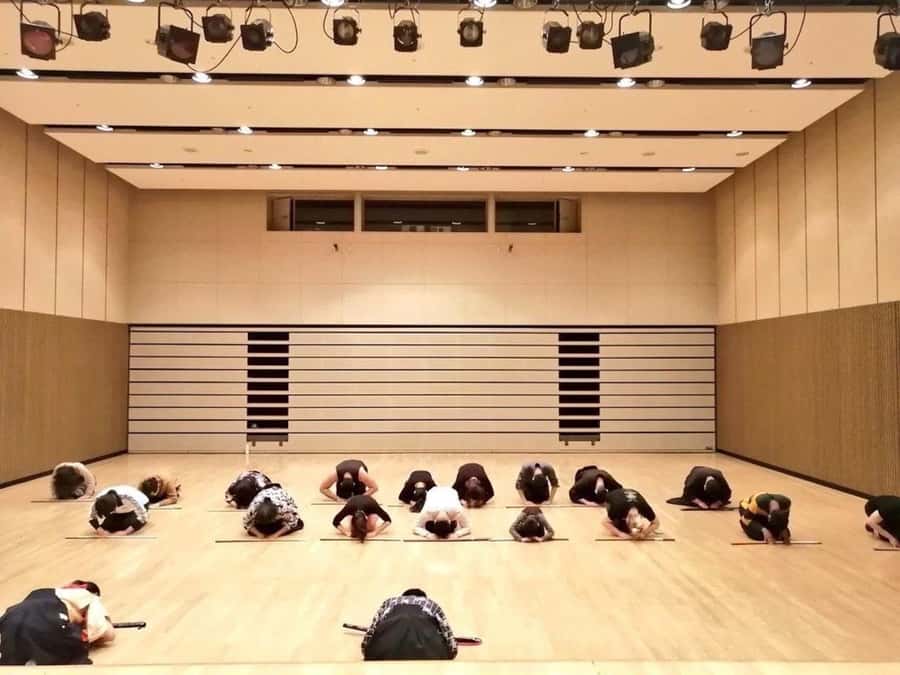
Before you handle the weapon, you learn basic samurai etiquette. This includes zarei, the seated bow used to show respect. That detail gives the activity a useful frame: the sword is presented as part of a disciplined tradition, not simply a prop for action photos.
You are introduced to rules for handling the sword and to basic forms and movements. The coach explains how to stand, how to hold the weapon, and how to move with control. Expect an introductory lesson, not a full study of Japanese martial arts.
I appreciate this opening because it slows the activity down. You do not simply put on a costume and begin posing. You learn that posture, attention, and manners are part of the performance.
The quality of the lesson will depend partly on communication. English-speaking staff are provided, but one participant found that the hosts were not fully fluent and used Google Translate. That does not make the session impossible, but you should expect demonstrations, repetition, and simple instructions to do some of the work.
Watching the Shiden-ryu sword demonstration
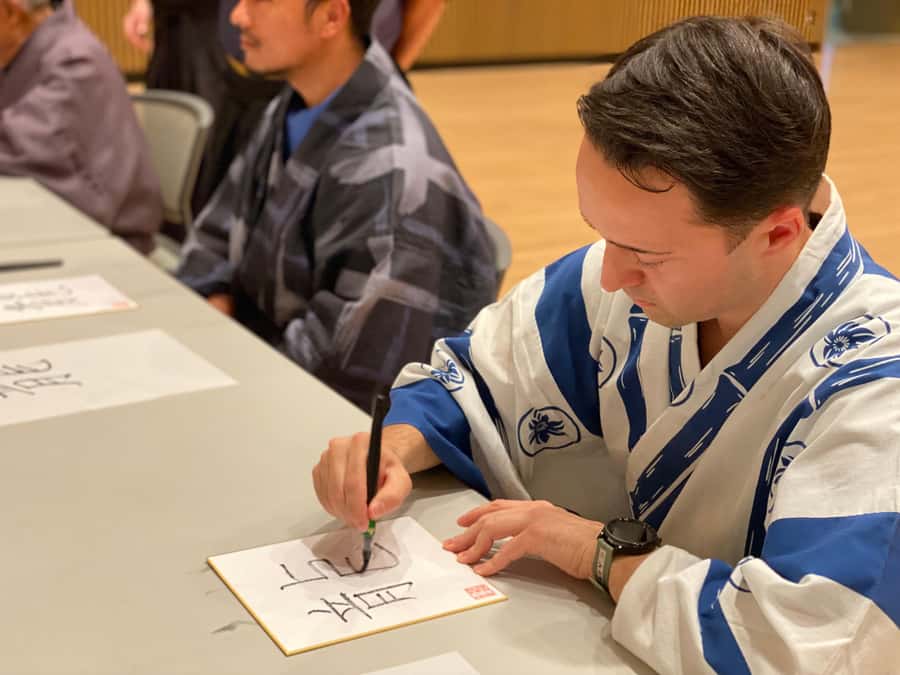
Next comes a demonstration of iai and swordsmanship by Shiden-ryu practitioners. Iai focuses on drawing the sword, using it with precision, and returning it to its sheath. Watching first is important because many of the movements are controlled and deliberate rather than fast chopping motions.
This is where you get a better feel for the difference between a movie fight and formal sword work. The draw, stance, timing, and return all matter. The demonstration also gives you a reference for the shapes you will practice later.
The session is not designed to turn you into a swordsman in two hours. Instead, it lets you copy a few basic movements with guidance. That makes it accessible if you have never handled a sword before.
One particularly praised instructor is Hiryu, who has been described as offering context about samurai philosophy and history. If he leads your session, you may receive more explanation around the movements. Staff and instructors can vary, so do not book solely on the expectation of meeting one named person.
More samurai and ninja sessions in Tokyo:
- Best Samurai Experience in Tokyo
★ 5.0 · 458 reviews - Ninja Experience (Family Friendly) at Samurai Ninja Museum TOKYO
★ 5.0 · 441 reviews - Tokyo: Samurai Entertainment Night Show in Kanda Shrine
★ 4.6 · 417 reviews - Tokyo Sword Experience – includes Museum Ticket/Ninja Experience
★ 5.0 · 314 reviews
Learning the basic forms and sword handling
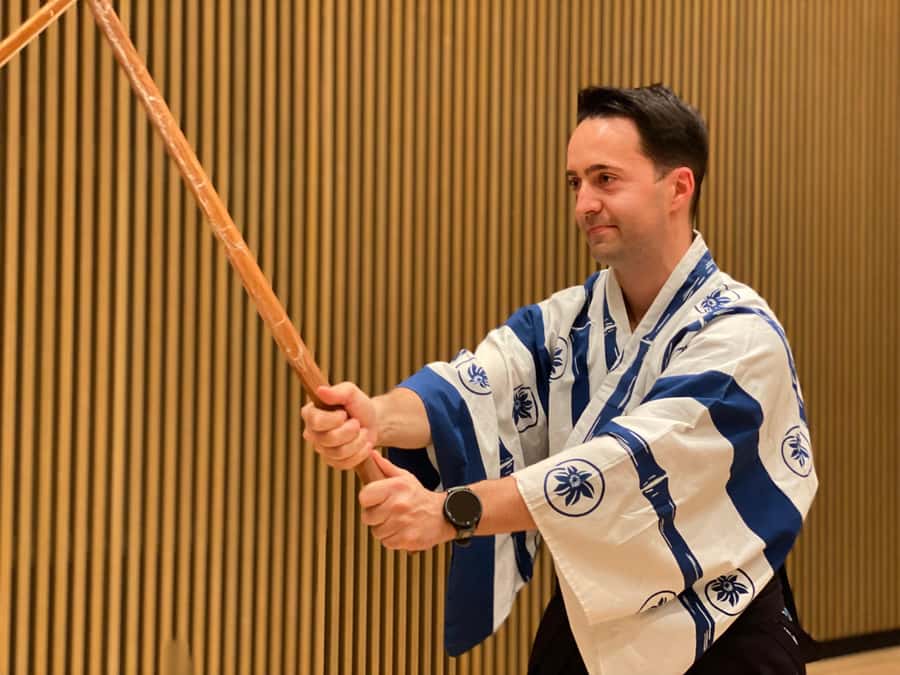
Once you have seen the demonstration, you practice handling techniques and samurai forms. The coach shows you how to grip the sword and how to move through the basic positions.
This portion requires attention. A genuine sword has weight and needs careful handling, even when it is being used in a controlled setting. Follow the coach’s instructions closely, keep your movements measured, and do not treat the lesson like a free-form duel.
The practical value here is simple: you learn enough to understand the mechanics behind a samurai performance. You also get a better appreciation for how difficult it is to make a sword movement look calm and precise.
The word real is important in the description, but it should not be read as permission to handle the sword casually. The activity is supervised, and the professional coach sets the pace. The object-cutting segment has an age limit of 12 and older, which signals that this part requires extra care.
Taking part in uchikomi, the sword-to-sword exercise
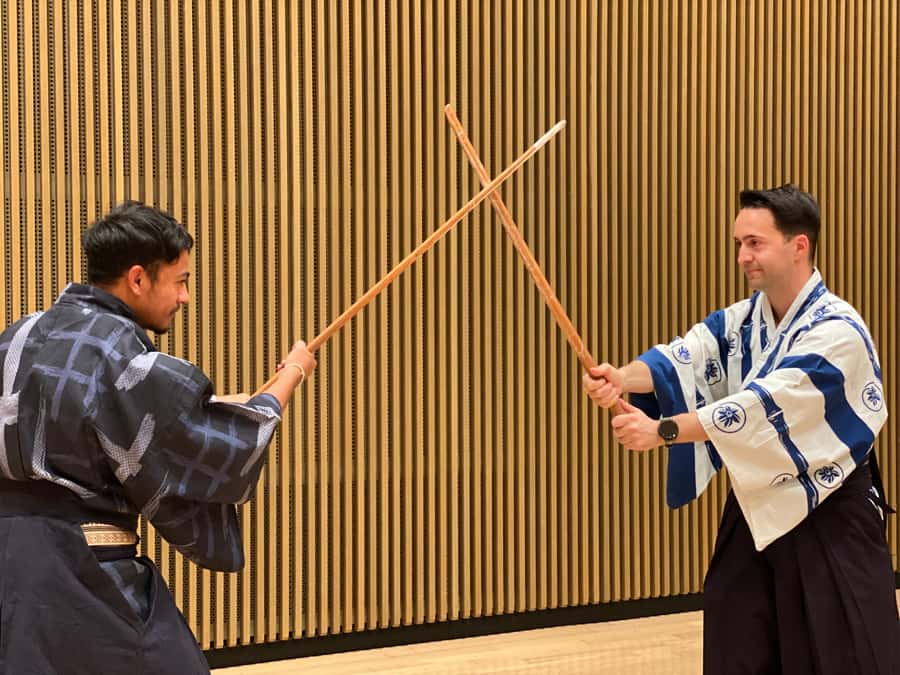
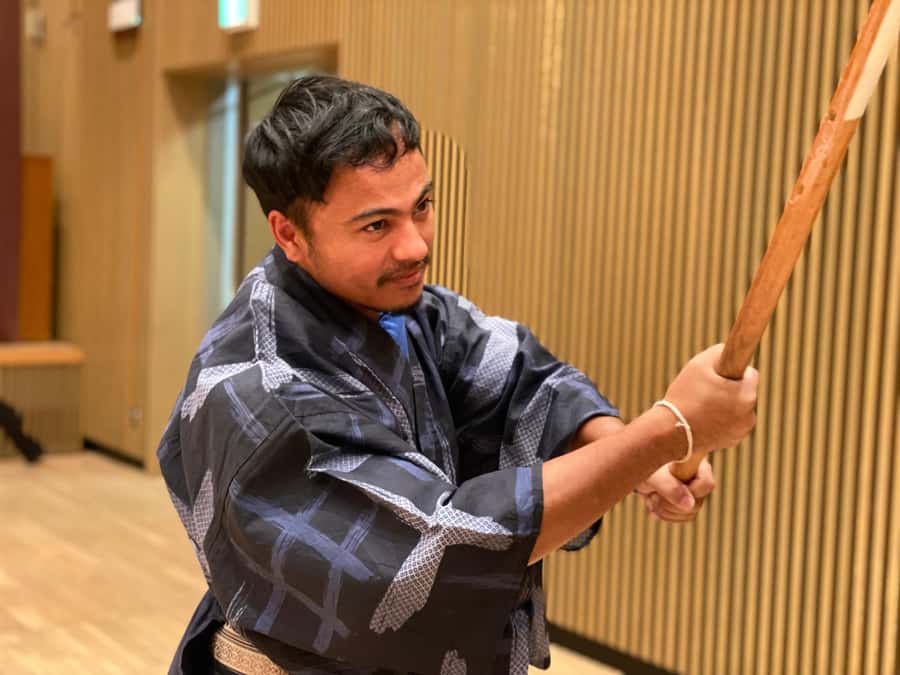
The most theatrical part is uchikomi, a guided sword-to-sword combat exercise. You face an opponent and practice the movements taught earlier. It is meant to feel like a samurai fight while remaining controlled and supervised.
Do not expect a long action scene. You are learning a small set of forms and using them in a structured exchange. The satisfaction comes from remembering the sequence, holding your stance, and responding at the right time.
This section works well for couples, friends, and families with older children because it adds interaction. You are not just watching a demonstration. You have to take part.
It may be less appealing if you want a quiet museum-style cultural activity. The session involves movement and concentration, and you should be comfortable following physical instructions. Pregnant women and wheelchair users are specifically advised not to book this activity.
Cutting objects with a genuine samurai sword
The real-sword cutting segment is likely to be the moment you remember most. Under instruction, you try cutting objects with a genuine samurai sword. The action can be recorded, giving you a video souvenir that shows more than a posed photograph.
This is also the part that deserves the most respect. Listen to every instruction, wait for the coach’s signal, and keep the sword pointed where you are told. The activity does not present this as a casual trick, and you should not approach it like a theme-park game.
Only participants aged 12 and above may take part in the cutting portion. Younger participants may still be able to enjoy the clothing, etiquette, demonstrations, and photo session, but you should confirm the exact arrangements before booking for a child.
The video has real value here. A photograph can show your costume, while video captures the movement and the final cut. Ask how the footage is delivered during the session, since the supplied information confirms that you take it home but does not specify the exact file-transfer method.
Photos, video, calligraphy, and the small meal
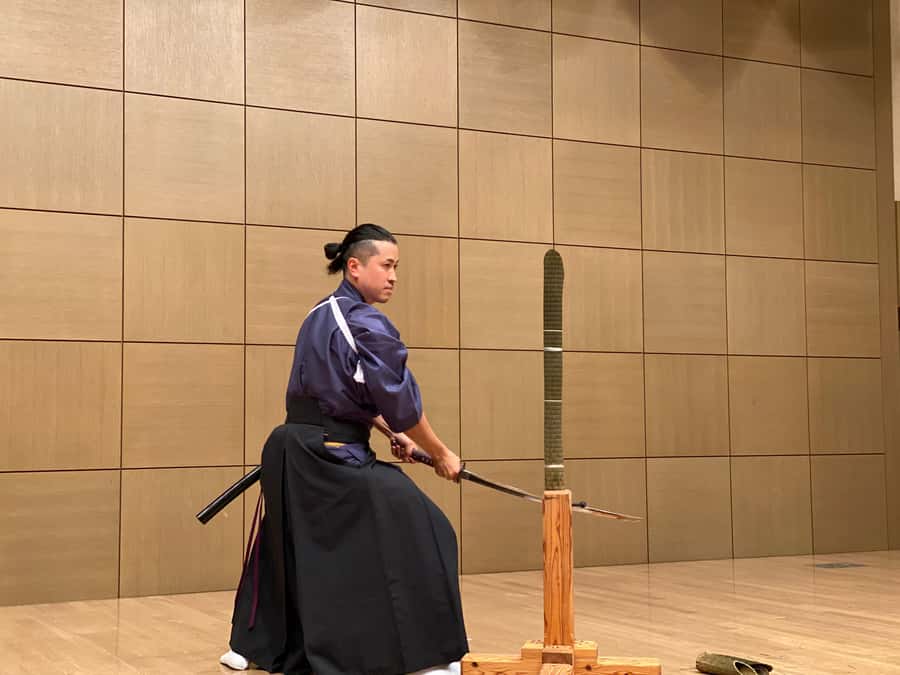
The session includes photography and a commemorative photo period. This gives you time to record the costume and posture without rushing through the whole activity.
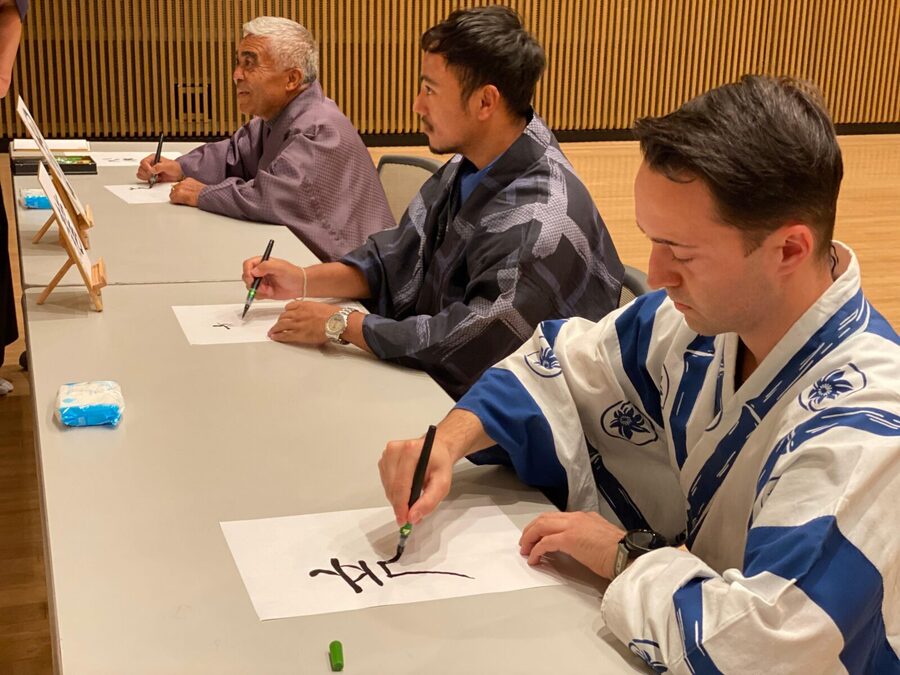
Some sessions also include calligraphy and a small meal. These extras appear in the reported experience of a couple who found the food a pleasant surprise and enjoyed the calligraphy lesson. They are worth treating as possible additions rather than guaranteed elements for every booking, since the core description centers on swordsmanship, clothing, photos, and video.
Calligraphy fits the activity well because it offers a calmer contrast to the combat practice. It also gives you another way to think about samurai discipline, through controlled brush movement rather than sword movement.
The small meal, when offered, adds a friendly hospitality element. Still, food is not listed among the included items, so do not book this as a food tour or assume a meal is part of every departure.
Is $102 a fair price?
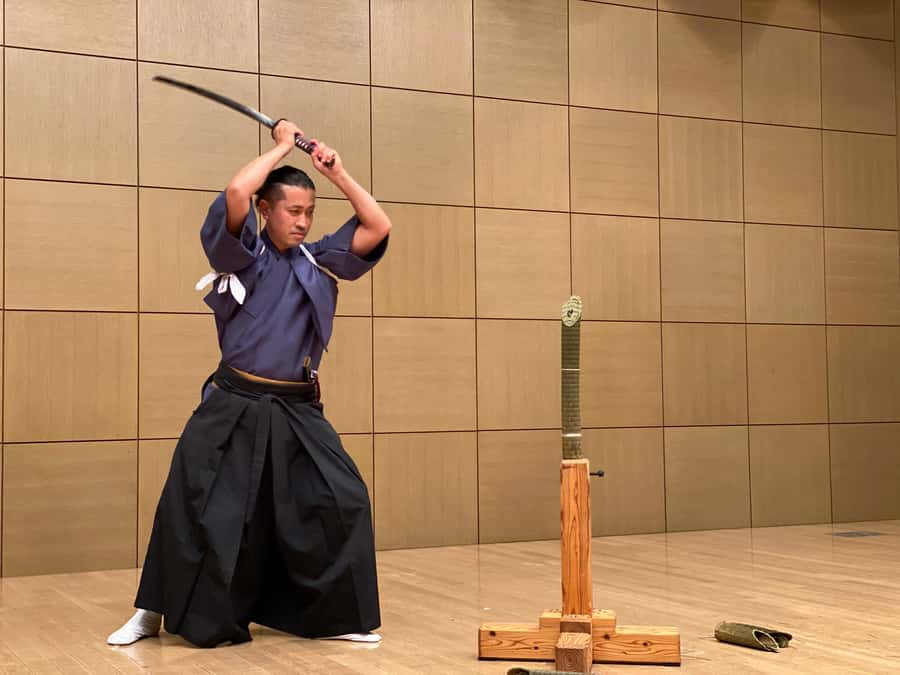
At $102 per person, this is not a budget activity, but the price covers more than a costume rental. You receive a professional coach, English-speaking staff, venue use, the experience itself, photography, and a video souvenir.
The value depends on what you want from Tokyo. If you only want to wear a kimono for a quick photograph, a less expensive dressing or photo activity may suit you better. If you want to handle a real sword, learn basic forms, practice a guided fight, and record the object-cutting session, the price is easier to justify.
The two-hour duration is also a useful middle ground. It is long enough to include changing, instruction, a demonstration, combat practice, cutting, and photos without taking a full day from your Tokyo plans.
I would compare the cost with other hands-on cultural activities, not with a museum admission ticket. This is a coached performance and physical activity, with a take-home video that adds lasting value.
Who will enjoy this most?
I would recommend this to adults, couples, families with older children, and anyone interested in Japanese martial arts. It is especially suitable if you want a memorable shared activity rather than another sightseeing stop.
You should be comfortable wearing traditional clothing, following physical instructions, and handling a sword under supervision. The session is not suitable for pregnant women or wheelchair users.
Children under 12 may not use the real sword for cutting objects. If your group includes younger children, ask in advance which parts of the session they can join.
This is also a good choice for people who enjoy photos but want some substance behind them. The zarei lesson, sword demonstration, and basic forms give the photographs a clearer cultural setting.
Practical advice before you go
Bring water in a bottle with a secure lid. The activity specifically asks for a drink that will not spill, which is sensible around clothing and equipment.
Wear comfortable clothes and bring a change of clothes. You will be changing into and out of kimono and hakama, so avoid anything difficult to remove or replace.
Give your height and weight on the reservation form. Arrive 20 minutes before the scheduled meeting time, and check for any updated meeting location within Tokyo.
Smoking is not allowed. Alcoholic drinks are not permitted in the vehicle used for the transfer to the training center.
Cancellation is free up to 14 days before the activity for a full refund. That generous cutoff helps if your Tokyo plans are still changing, but it does not remove the need to check the exact meeting instructions close to the date.
Should you book this samurai experience?
Book it if you want an active cultural activity with a strong souvenir at the end. The real-sword cutting, guided sword exchange, traditional clothing, and recorded video make this more memorable than a standard costume session.
Skip it if you want a quiet historical tour, a long martial arts course, or a fully polished English-language presentation with no need for translation help. The lesson is short, physical, and introductory.
For most suitable participants, I think $102 is reasonable for the amount of instruction and the included photos and video. Go in with respect for the weapon, arrive early, and treat the sword work as a disciplined lesson rather than a movie stunt. That approach gives you the best chance of enjoying both the spectacle and the cultural details.
FAQ
How long does the samurai experience last?
The activity lasts two hours. Starting times vary, so check availability for the date you want.
Where do I meet the staff?
After leaving the station ticket gates, use the west exit and go down to ground level, where you should find McDonald’s. Meet staff holding a meeting board.
Can the meeting location change?
Yes. The meeting location may vary within Tokyo depending on the date. You will be notified if it changes.
Is the activity offered in English?
Yes. English-speaking staff and an English-speaking instructor are provided. Some communication may still require simple explanations or translation assistance.
Do I wear a kimono during the activity?
Yes. Reception and kimono dressing are included, along with traditional hakama clothing for the samurai session.
Can I cut objects with a real sword?
Yes, but real-sword cutting is available only to participants aged 12 and older. It is done under instruction and can be recorded on video.
Are photos and video included?
Photography charges are included, and you receive commemorative photos. A video of your samurai experience is also provided to take home.
What should I bring?
Bring comfortable clothes, a change of clothes, and water in a bottle with a secure lid. Arrive 20 minutes before the scheduled meeting time.
Is the activity suitable for everyone?
It is not suitable for pregnant women or wheelchair users. Smoking is not allowed, and alcohol is not permitted in the vehicle.
Just added around Tokyo
- Private Arrival Transfer : Narita International Airport to Central Tokyo City★ 4.5 · 12 reviews
- Narita Airport(NRT): Private Transfer to Tokyo/Yokohama 1-9pax★ 5.0 · 47 reviews
- Private Transfer from Narita Airport to Yokohama Port and City★ 4.5 · 17 reviews
- [Narita Airport Terminals 1, 2] 40-60km Sawara Itako Historic Bike Tour★ 5.0 · 13 reviews
- 3 Day Japan Highlights Tour: Tokyo, Mt.Fuji, Nara, Kyoto, Osaka★ 5.0 · 22 reviews
- Small Town in the Big City: Tasting Tokyo’s Kichijoji★ 5.0 · 195 reviews
- Small Town in the Big City: Tasting Tokyo’s Kichijoji★ 5.0 · 16 reviews
- The 10 Tastings of Tokyo With Locals: Private Street Food Tour★ 5.0 · 48 reviews
Tokyo Tours, compared.

Mt Fuji and Hakone 1-Day Bus Tour Return by Bullet Train
Read our review →

teamLab Planets TOKYO Digital Art Museum Entry Ticket
Read our review →
Mt Fuji & Hakone Cruise, Drum Show Bullet Train 1 Day from Tokyo
Read our review →
Sumo Show Experience with Chicken Hot Pot and a Photo
Read our review →
Shinjuku Food Tour (13 Dishes at 4 Local Eateries)
Read our review →
Tokyo Mt Fuji 5th St & Hakone Cruise Bus Tour w/Bullet Train
Read our review →
Flagship 2-Hours Official Street Go-Kart Tour – Tokyo Bay Shop
Read our review →Browse the lists this tour appears in