
Reviewed · TAKAYAMA TOURS
Magome & Tsumago Nakasendo Trail Day Hike with Government-Licensed Guide
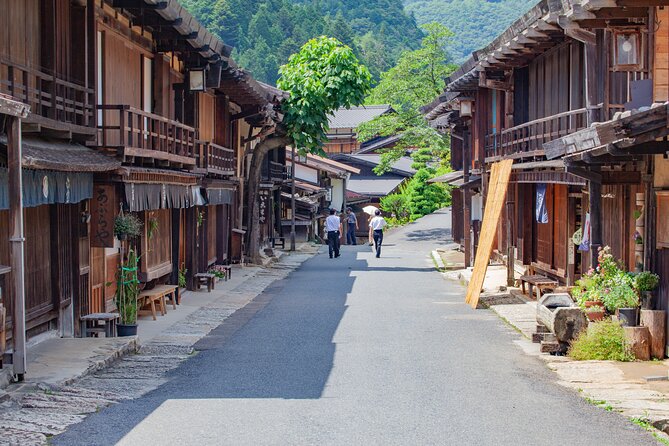
The best part of this experience is the chance to walk an old highway through the Kiso Valley, then finish in two carefully preserved post towns. Magome’s sloping stone street gives you valley views and craft shops, while Tsumago’s quiet lanes and old inns feel like a preserved slice of Edo-period Japan.
I like two things here. First, a private guide can explain what you are seeing instead of leaving you to guess at the trail’s purpose. Second, the hike is active without being an all-day ordeal. You walk about 5 miles, or 8 kilometers, yet the total outing lasts roughly six hours, leaving time for village stops and lunch.
The main catch is that the price does not include public transportation, meals, entrance fees, or a private vehicle. You also need to accept that the trail is easy in hiking terms, but stone paths and hills still require sensible shoes. Winter bookings are not available from December through February because of ice.
Key points to know before booking
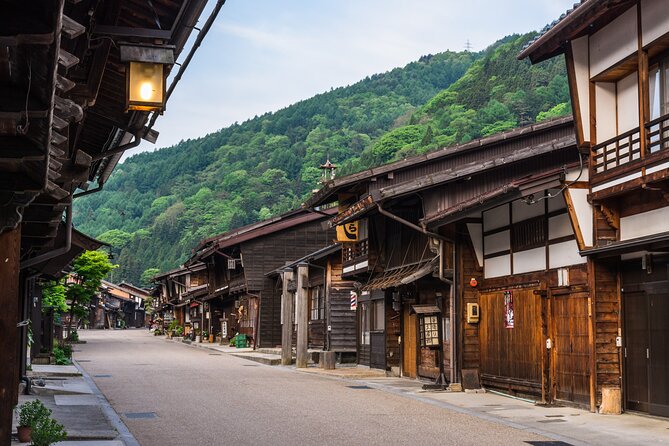
- Walk between two historic post towns: Follow the Nakasendo route from Magome to Tsumago, with time to explore both ends.
- Expect a private experience: Only your own group participates, so the guide can adjust the pace and answer your questions.
- Plan for about 5 miles of walking: The hike is considered easy, but Magome sits on a slope and the trail includes uneven stone surfaces.
- Use the guide for context: Guides including Hiroshi, Matt, Yumi, and Elvis have provided explanations about the route, villages, inns, and Japanese customs.
- Bring cash for transport: Public buses or trains used to reach or leave the trail cost extra, as do lunch and some admissions.
- Avoid the icy season: This hiking version is unavailable from December through February.
Why the Nakasendo Trail is worth your limited time
The Nakasendo was one of Japan’s major inland routes, linking Kyoto and Tokyo during the days of the shogunate. Magome and Tsumago served travelers moving along that road, offering food, lodging, and a place to rest before the next stretch.
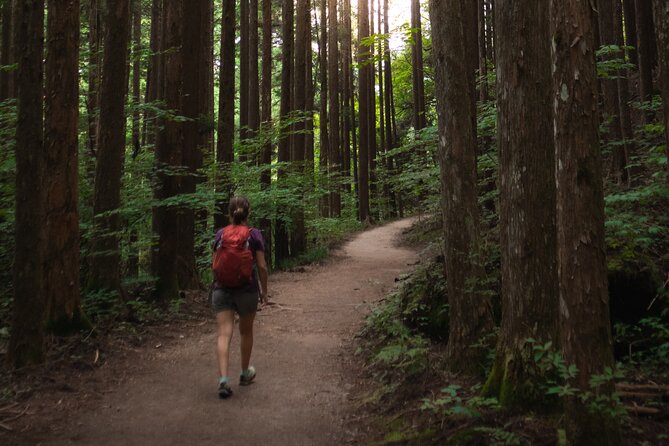
You do not need to be a serious history enthusiast to enjoy the route. The appeal is physical and visual too. You walk through rural Japan, pass old buildings, and move between two villages that have taken very different approaches to preservation.
A guide adds useful depth. Instead of treating the trail as a pretty walk with old houses, you can learn why post towns mattered, how inns served different ranks of travelers, and how the route fit into Japan’s older transport system. Guides have also discussed details such as the long processions of feudal-era officials and Princess Kazunomiya, whose procession reportedly stretched for many kilometers.
The private format matters more than it might at first seem. You are not tied to a large group’s pace or forced to listen to a speech at every stop. You can ask about architecture, local life, temples, food, or the trail itself. The best guides, based on the experience described by past participants, also help with practical choices such as where to stop for soba or how to arrange a bento lunch.
More licensed-guide days in Takayama:
- Magome & Tsumago Nakasendo Full-Day Private Trip with Government-Licensed Guide
★ 5.0 · 20 reviews - Tokyo 6hr Private Tour with Government-Licensed Guide
★ 5.0 · 3,902 reviews - Tokyo 4hr Private Tour with Government-Licensed Guide
★ 5.0 · 1,394 reviews
Starting in Magome, a post town on the slope
Magome is the more theatrical of the two villages. Its broad stone walkway rises along a hillside, lined with traditional houses, trees, small museums, restaurants, and craft shops. The slope gives the village a sense of movement and provides views across the surrounding valley.
This is a good place to begin because your guide can explain the Nakasendo before you start walking in earnest. One guide, Hiroshi, has been praised for giving a history lesson before the hike and for communicating comfortably in English after living in the United States. That sort of introduction helps you notice the old road as more than a scenic path.
Allow about two hours for Magome. The village is compact, but it rewards a slow start. You may want to pause at one of the small museums, browse the craft shops, or simply look at the traditional façades. Your guide can help you decide how much time to spend inside and how much to save for Tsumago.
Food and drink are part of the pleasure here. The upper part of the village offers places to eat with views over the valley. The lower part gives you a chance to see more of local village life. Lunch is not included, so ask your guide about timing before ordering a large meal. You still have a walk ahead.
Magome’s charm comes with a practical drawback: its incline. The route is not described as difficult, but a slope can feel more demanding than a flat village street, especially if you are carrying a day bag or walking in warm weather. Take your time, and do not mistake an easy rating for a completely level stroll.
The trail between Magome and Tsumago
The connecting route is the heart of the day. The advertised walk is around 5 miles, or 8 kilometers, and the hiking portion is described as roughly two hours. The complete experience lasts about six hours because it includes meeting the guide, village visits, stops, meals or refreshments if arranged, and transport connections.
This is a useful middle ground for you if a full-day mountain hike sounds too demanding but a standard sightseeing tour feels too passive. You get several hours outside and enough distance to feel that you have traveled from one place to another on foot.
The guide’s role is especially helpful at the junctions and points of interest. You are less likely to waste time wondering which way to go, and you can ask for a slower pace or a pause when needed. One Japanese-language comment raised a fair concern: if a group walks at different speeds, explanations can finish before the slowest person arrives. On a private tour, this issue should be easier to manage, but you should still tell the guide clearly if you need more time.
The path includes old stone sections, forested stretches, and rural scenery. Exact conditions vary by season. In spring, one guide noted cherry blossoms and moderate temperatures. In autumn, another guide described colorful leaves and dried persimmons hanging outside village homes. These seasonal details give the walk character, but they also mean you should choose footwear and clothing for the date of your visit.
A waterfall viewing point has not always delivered a clear view. Trees can block the sight, so do not book this experience expecting a major waterfall stop. The trail itself, the villages, and the explanations about the old highway are the dependable attractions.
Tsumago and its careful preservation
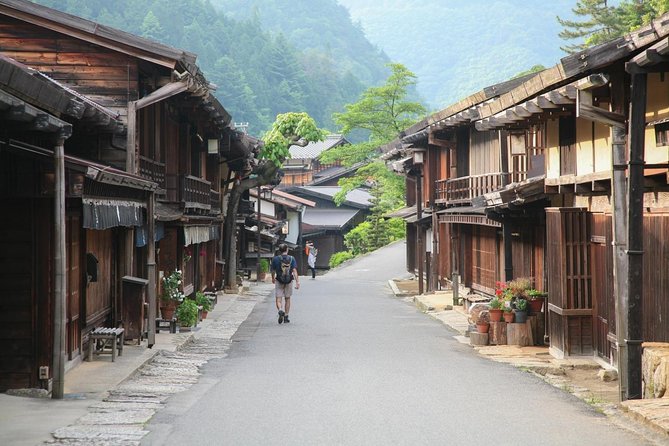
Tsumago feels different from Magome almost at once. It is flatter, quieter, and less focused on the broad stone street and valley outlook. Its unpaved lanes, traditional houses, and concealed utility cables help maintain the sense of an old post town.
Tsumago was among Japan’s early historical preservation projects. Rather than allowing modern signs and wires to dominate the village, the community worked to protect its older appearance. You can see that effort in the low wooden buildings and restrained streetscape.
Plan on about two hours here. The village contains several important structures, including the Honjin, the principal inn used by high-ranking visitors, and the Wakihonjin, a secondary inn. A guide can explain the difference between them and why the distinction mattered on the Nakasendo.
You can also see an old notice board that once displayed official orders from the shogunate. A Buddhist temple dating to the 16th century adds another layer to the visit. These sites are more meaningful when you understand their former roles, so this is where a well-prepared guide earns the fee.
Tsumago is particularly appealing when the day quiets down. Lanterns can light the streets, and the village takes on a calm evening atmosphere. The standard tour schedule may not be designed around a late-night visit, so consider this a reason to ask about timing rather than a promise that you will see the village after dark.
More walks and treks around Takayama:
- Frozen fall trekking
★ 5.0 · 21 reviews - Fushimi Inari Hidden Hiking Tour (Private Option Available)
★ 5.0 · 1,750 reviews - Kyoto: 3-Hour Fushimi Inari Shrine Hidden Hiking Tour
★ 4.9 · 270 reviews - Hiroshima Local guided Hiking Tour&Open-air Tea Ceremony
★ 5.0 · 213 reviews
What the private guide changes
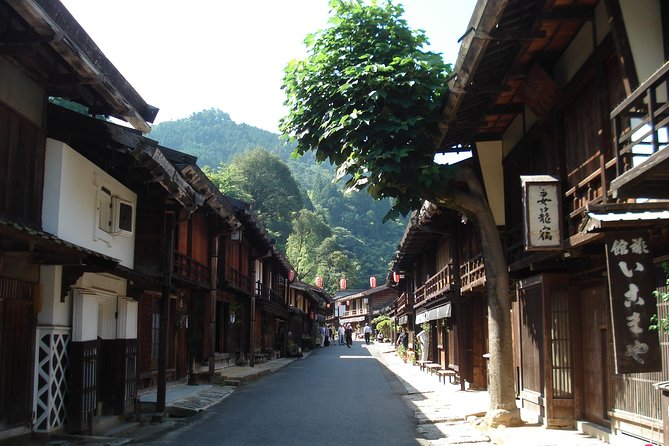
A self-guided walk is possible, and you will likely see people doing it. The path is popular enough that you may not feel alone. Still, a private guide changes the day from a route-finding exercise into a cultural walk.
Several guides have received especially warm praise for their personal approach. Hiroshi arranged a soba lunch and a visit to a Wakihonjin museum. Matt, also called Enomoto Masatake, has helped arrange bento lunches at an old public teahouse and has sometimes offered to extend the walk instead of taking the bus from Tsumago to Nagiso. Yumi has been praised for patiently explaining the important sites and keeping the mood light. Elvis has been noted for guiding the route and helping with onward travel.
These details are not guaranteed parts of every booking, but they show what a strong guide can add. You might receive help choosing lunch, learn why dried persimmons hang in front of homes, or get advice for reaching your next destination safely.
Because the tour is private, you should use that flexibility. Tell the guide if you want more historical detail, more time for photographs, a slower pace, or fewer stops. If you prefer to keep moving, say so. The guide cannot change every feature of the route, but a private booking gives you a better chance of shaping the day around your interests.
Price, transport, and the real value
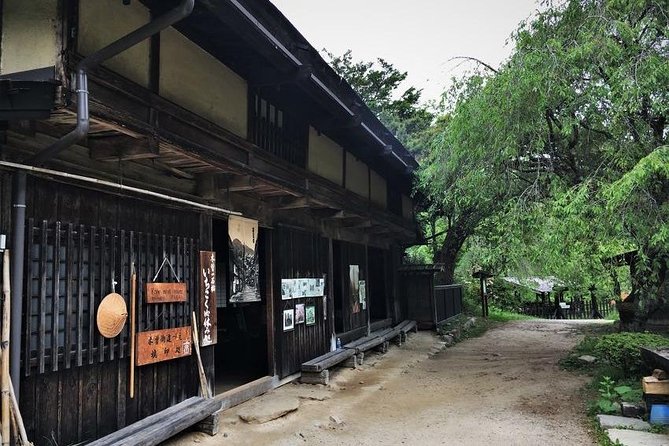
At $155.22 per person, this is not the cheapest way to walk the Nakasendo. The price makes more sense if you are traveling as a small private group and want a licensed English-speaking guide rather than a basic route map.
Your payment covers the guide and the private arrangement. It does not cover public transport, lunch, entrance fees, personal spending, or a private vehicle. The meeting is on foot at a designated point, and pickup is not by car. You should budget separately for the buses or trains needed to reach the trail and continue afterward.
Group discounts may improve the per-person value, but multiple tour groups cannot be combined. This is a genuine private activity for your own party, not a small seat in a larger shared excursion.
The tour is a sensible buy if you value explanation and convenience more than the lowest possible cost. A self-guided walk will save money, but it will not provide the same help with village history, lunch planning, trail navigation, or onward transport. If you already know the Nakasendo well and are comfortable managing public transport, the guide may feel less essential.
Who will enjoy this six-hour walk
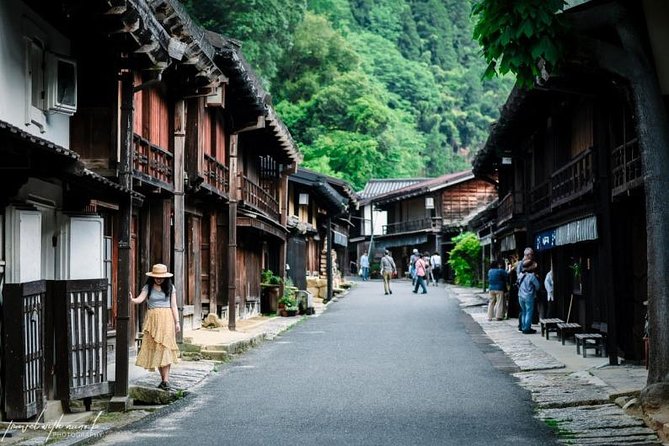
This experience fits you best if you want an active half-day with a strong cultural side. It works well for couples, families with older children, friends, and solo visitors who prefer personal attention.
You do not need advanced hiking skills. The walk is rated easy, and most people can participate. Still, you should be comfortable walking around 8 kilometers on uneven surfaces and handling some incline around Magome.
It is also a good choice for visitors with limited time in the Kiso Valley. You see both major villages in one outing instead of arranging the route yourself. The six-hour schedule gives you more than a quick photo stop but does not consume an entire day in the mountains.
This is less suitable if you want a strenuous wilderness hike, a luxury vehicle tour, or a fully inclusive package with meals and admissions already paid. It is also not the right seasonal choice from December through February. In that period, the hiking version is unavailable because of icy conditions, and the alternative full-day trip uses buses instead of the trail.
Practical ways to make the day better
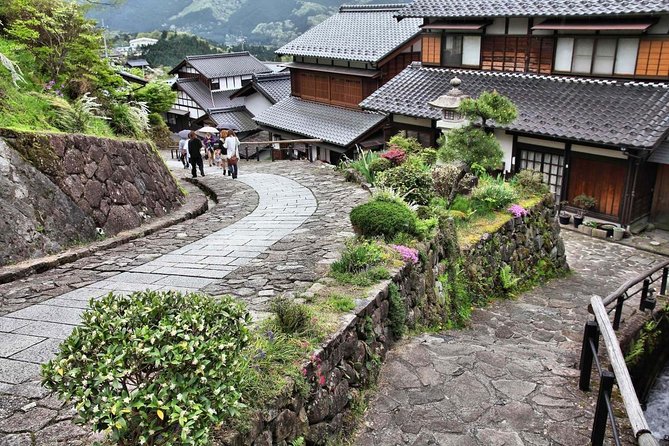
Wear shoes with a firm sole. The trail is easy, but old stone paths are not as forgiving as a paved sidewalk. Carry water and keep your day bag light.
Bring cash. Transportation costs extra, and small village purchases or food may be easier with cash available. Lunch is not included, though guides have arranged soba and bento meals for past groups.
Ask about the meeting point and transport plan before the day begins. Since pickup is on foot and no private vehicle is included, you need to understand where you are meeting the guide and how you will reach the starting village.
If your group includes different walking speeds, say so at the start. One person’s concern about explanations ending before the slowest walker arrived is practical and easy to address with clear communication.
Leave room for photographs. Magome’s valley views, the old streets of Tsumago, seasonal blossoms, autumn leaves, and traditional houses are central to the pleasure of the route. Rushing from point to point would miss much of what you are paying to see.
Free cancellation is available if you cancel at least 24 hours before the local start time. Changes or cancellations made later are not accepted for a refund.
Should you book the Magome and Tsumago hike?
Book it if you want to walk through rural Japan with a guide who can explain the old road and adjust the day to your group. The strongest reasons are the private format, the manageable distance, and the chance to connect Magome and Tsumago in one well-planned outing.
I would especially recommend it for first-time visitors to the Nakasendo, history fans, and anyone who wants a taste of countryside Japan without committing to a difficult trek. The guides’ help with soba, bento, museums, and transport can make the day easier and more personal.
Skip it if you are determined to spend as little as possible, dislike walking on uneven paths, or expect every cost to be included. Also check the season carefully. From December through February, choose the bus-based alternative instead of booking this hiking tour.
FAQ
How long does the tour last?
The experience lasts approximately six hours.
How far is the hike?
The walk is around 5 miles, or 8 kilometers.
Is the hike difficult?
It is described as an easy hike, but you should still be comfortable walking on stone paths and managing the slope around Magome.
Which villages does the tour visit?
The tour visits Magome-juku and Tsumago-juku, two former post towns on the Nakasendo route.
Is the tour private?
Yes. Only your own group participates, and multiple tour groups cannot be combined.
Is an English-speaking guide included?
Yes. A licensed local English-speaking guide is included. Guides who have led this experience include Hiroshi, Matt, Yumi, and Elvis.
Is transportation included?
No. Public transportation fees are extra, and the tour does not include a private vehicle. The guide meets you on foot at a designated meeting point.
Are lunch and entrance fees included?
No. Lunch, entrance fees, transportation, and personal expenses are not included. Guide entry fees are covered only for sights specifically listed as included.
Can I take this tour in winter?
The hiking tour is unavailable from December through February because of icy conditions. A separate full-day trip using buses is recommended during that period.
What is the cancellation policy?
You can cancel at least 24 hours before the experience begins for a full refund. Cancellations or changes made less than 24 hours before the local start time are not refunded or accepted.
Just added around Takayama
- Private Afternoon Cycling Tour in Hida-Furukawa★ 5.0 · 109 reviews
- Gifu Samurai Sword Town;Japanese Damascus Knife Making Experience★ 5.0 · 27 reviews
- Private-group Morning Cycling Tour in Hida-Furukawa★ 5.0 · 105 reviews
- Short Morning Cycling Tour in Hida★ 5.0 · 17 reviews
- Magome & Tsumago Nakasendo Full-Day Private Trip with Government-Licensed Guide★ 5.0 · 20 reviews
- Frozen fall trekking★ 5.0 · 21 reviews
- Explore Kiso Valley : Magome – Tsumago Mountain Trail Walk★ 5.0 · 33 reviews
- Takayama: Private Night Walking Tour with Dinner★ 4.5 · 13 reviews
Takayama Tours, compared.
World Heritage Shirakawa-go Morning Guided Tour
Read our review →
World Heritage Shirakawa-go & Two Local Experience
Read our review →
Kanazawa/Takayama: Shirakawago & Takayama Private Day Tour
Read our review →![Departing from Takayama [Regular sightseeing bus] World Heritage Sites Shirakawago and Gokayama Ainokura](https://media3.thejapanesetraveller.com/wp-content/uploads/departing-from-takayama-regular-sightseeing-bus-world-heritage-sites-shirakawago-and-gokayama-ainokura-400x267.jpg)
Departing from Takayama [Regular sightseeing bus] World Heritage Sites Shirakawago and Gokayama Ainokura
Read our review →
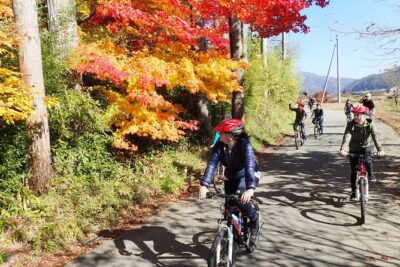
Private Afternoon Cycling Tour in Hida-Furukawa
Read our review →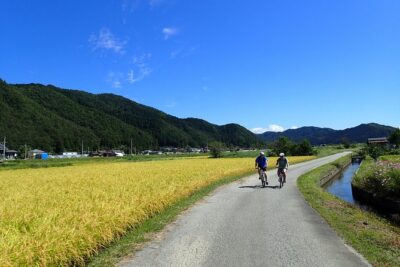
Private-group Morning Cycling Tour in Hida-Furukawa
Read our review →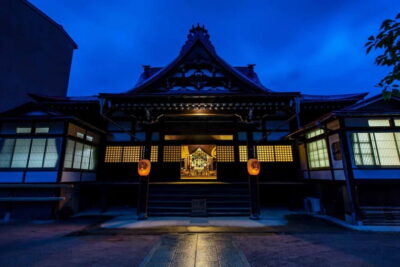
Onigiri and miso soup making at a buddhist temple
Read our review →Browse the lists this tour appears in