
Reviewed · KYOTO TOURS
Kyoto Hiking Tour: The Nature and Legends of Kurama and Kibune
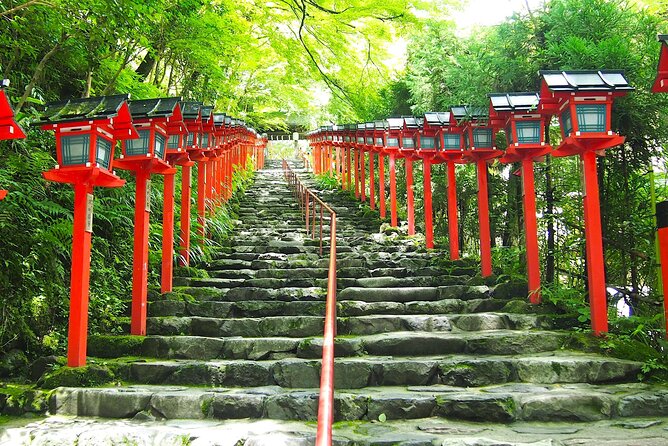
Mount Kurama gives you a very different Kyoto: cedar woods, steep stone steps, mountain shrines, and cool air instead of crowded lanes and city traffic. The day’s central walk links Yuki Shrine, Kurama-dera, and Kifune Shrine, with local stories supplied by a private English-speaking guide.
I like the door-to-door hotel pickup and the fact that your guide can adjust the walking pace. I also like the mix of nature and belief, from the 800-year-old cedar at Yuki Shrine to the Reiki traditions connected with Mount Kurama. The main catch is simple: this is a stair-heavy hike, not a gentle stroll, and wet weather can change the route.
Key points to know before you book
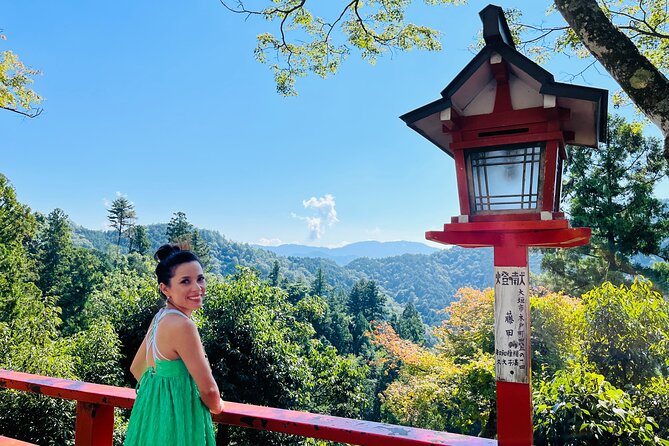
- Kurama to Kibune on foot: The tour connects mountain temples and shrines through forest trails rather than treating them as separate sightseeing stops.
- Private guiding: Only your group takes part, so guides such as Mariko, Ryoma, Yuki, Miyo, Akari, and Yoji can explain details and adjust the pace.
- Hotel pickup included: Pickup and drop-off are offered in Kyoto’s urban area and the Kurama area, saving you the work of arranging the start.
- Temple admission included: Entry to Kurama-dera and the listed shrine sites is covered, though lunch is not.
- A real physical workout: Expect many steps, uneven ground, and uphill and downhill walking. Moderate fitness is required.
- Weather matters: Poor weather can lead to a new date or a full refund, and guides may alter the route for safety.
Why Mount Kurama feels far from central Kyoto
Kyoto is famous for temples, but much of the city experience is urban: busy station areas, packed shopping streets, and well-known temple compounds. Mount Kurama offers a quieter setting in the northern hills, where religious sites appear along a forest path and the walk itself becomes part of the visit.
The tour lasts about eight hours and begins at 9:00 a.m. With hotel pickup included from Kyoto’s urban area and the Kurama area, you do not need to find a meeting point. That matters here because the mountain sites sit away from central Kyoto and the day involves several stops.
The experience is private, which is one of its strongest features. Your guide can talk with you rather than deliver a fixed speech to a large group. Guides named in past bookings include Mariko, Ryoma, Yuki, Etsuko, Miyo, Akira, Miki, Mizuho, Michiko, Akari, and Yoji. Their role is especially useful on a route where a small shrine detail, a religious symbol, or a local legend can easily be missed.
This is not just a walk through trees. Kurama has links to Japanese Buddhism, mountain worship, healing traditions, and folklore. Your guide helps connect those subjects, making the forest feel like a place of belief rather than simply a scenic patch of countryside.
More walks and treks around Kyoto:
- Fushimi Inari Hidden Hiking Tour (Private Option Available)
★ 5.0 · 1,750 reviews - Kyoto: 3-Hour Fushimi Inari Shrine Hidden Hiking Tour
★ 4.9 · 270 reviews - Kyoto: Hike and Hot Springs in Kurama
★ 5.0 · 49 reviews
Yuki Shrine and its ancient cedar
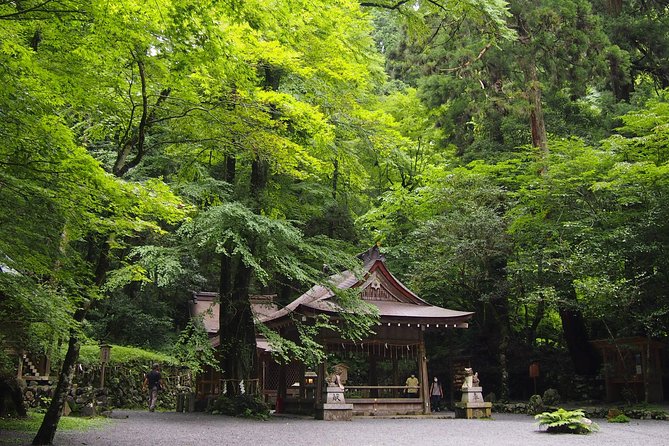
The first stop is Yuki Shrine, visited for about 20 minutes with admission included. The shrine was originally built in central Kyoto and moved to Kurama in 940 to protect the area from mysterious evil. That origin gives the site a useful connection to Kyoto’s wider religious and political past.
The most striking detail is an 800-year-old cedar tree. You will not need a long visit to appreciate Yuki Shrine, but this is the sort of stop where a guide adds real value. A quick look at a gate or tree can feel ordinary when you are alone. With an explanation of why the shrine was moved and what role it played, the visit has more purpose.
Allow yourself time to look up. The mountain setting is part of Yuki Shrine’s appeal, and the tall trees frame the buildings in a way that feels very different from Kyoto’s larger city temples. This first stop also eases you into the day before the main climb.
The forest climb toward Kurama-dera
After Yuki Shrine, the route continues through the forest on a walk of about 25 minutes to Kurama-dera. That time estimate describes one section, not the full physical effort of the day. The entire hike includes many stairs, uphill and downhill sections, and uneven surfaces.
Several people have described the route as manageable with regular pauses, but you should not mistake that for effortless. One 70-plus participant found the walk felt more like a stroll because the guide combined the climb with stories and stopped often. That is encouraging, but your comfort will depend on your fitness, the weather, and how your knees handle steps.
Wear shoes suited to uneven ground. The information provided does not set a specific footwear rule, but the repeated warning about stairs and rough surfaces is enough reason to avoid smooth-soled shoes. Carry water, and remember that lunch is not included.
The forest is one of the tour’s best features. The walk gives you time away from Kyoto’s most crowded sights, and the changing pace lets you notice the trees, slopes, shrines, and small viewpoints. Guides have also adapted their pace for older participants and for people managing an injury, though you should share any limits before the tour begins.
Kurama-dera and the Reiki connection
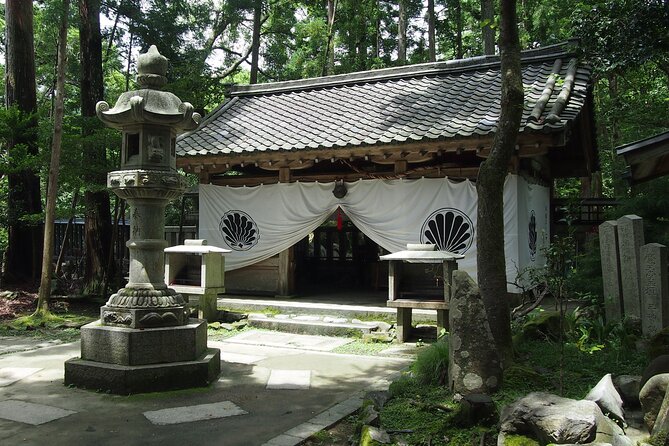
Kurama-dera is the main temple on Mount Kurama. Founded in the eighth century, it is dedicated to the worship of a mountain deity and is reached as part of the forest walk from Yuki Shrine. Admission is included.
The temple is important for two different reasons. First, it is a religious site with centuries of local importance. Second, Mount Kurama is presented as the birthplace of Reiki, the holistic healing practice. In the early 1900s, Mikao Usui is said to have meditated on the mountain for 21 days and received Reiki healing energy.
You do not need to practice Reiki to enjoy this part of the tour. The value is in seeing how spiritual ideas overlap in this setting. Buddhist devotion, mountain worship, healing traditions, and local folklore all meet here. If you are interested in Japanese religion or the way places collect legends over time, this is likely to be the intellectual center of the day.
The one-hour Mount Kurama portion gives the guide time to explain the setting rather than rush you through it. Ask questions if you want more context about Reiki or the temple’s religious traditions. The private format makes that conversation easier than it would be in a large walking group.
A few more Kyoto half-days to weigh up
- PERFECT KYOTO 1-Day Bus Tour
★ 5.0 · 13,518 reviews - Kyoto: Fushimi Inari, Kinkakuji, Bamboo Grove 1 Day Bus Tour
★ 4.8 · 4,316 reviews - Kyoto: Tea Ceremony in a Traditional Tea House in Kiyomizu
★ 4.9 · 3,519 reviews - Kyoto Geisha Walking Tour: Gion District & Hidden Gems
★ 4.7 · 3,273 reviews
Okunoin Maoden and the darker side of the mountain
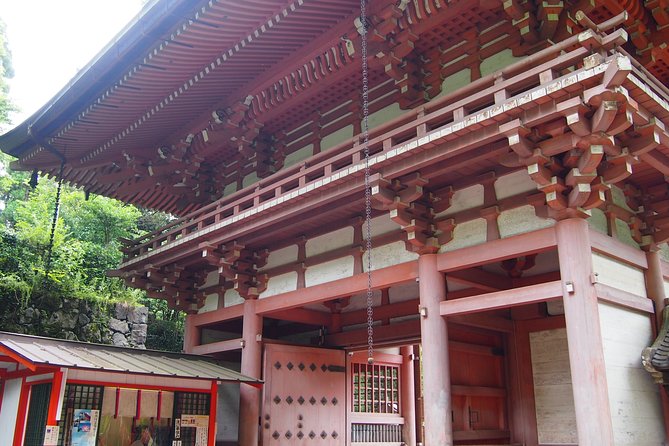
The tour continues to Okunoin Maoden, a small temple site visited for about 10 minutes. It sits farther into the mountain and is associated with demons and a mysterious atmosphere.
This is a short stop, but it changes the mood. Yuki Shrine introduces protection, Kurama-dera brings in formal religious practice and Reiki traditions, and Okunoin Maoden adds the supernatural. The mountain feels less like a tidy sequence of monuments and more like a place shaped by stories passed down over time.
Do not expect a large temple complex or a long independent visit here. Ten minutes is enough for a look and an explanation, especially since the walk and the larger sites carry more of the day. The appeal is atmosphere and folklore, not the size of the building.
Reaching Kifune Shrine and the water god
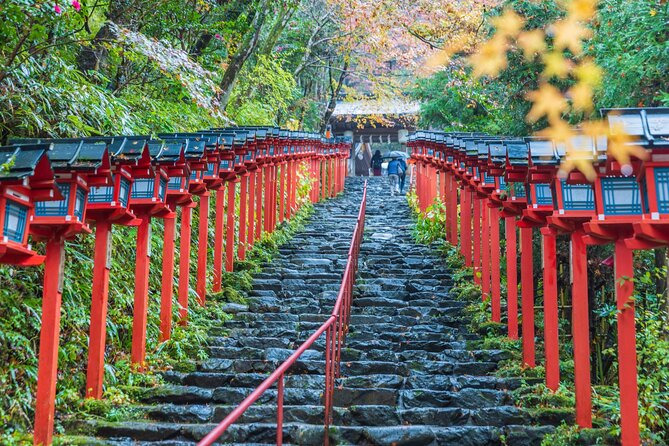
Kifune Shrine is visited for about 30 minutes. It is associated with sailors seeking luck on voyages and is dedicated to the god of water and rain. The mountain water is considered pure, and there are places where you can drink it fresh from the source.
This stop gives the day a clear change in focus. Kurama is tied to mountain spirituality and Reiki, while Kifune turns toward water, travel, rain, and safe passage. Your guide can help you see how the setting shapes the shrine’s purpose.
The water theme is not just a label. The shrine’s connection to rain and waterways makes sense in a wooded mountain valley, and the fresh water adds a physical detail to the visit. Take a moment to notice how different the atmosphere feels from the higher forest sections.
Kifune is also a popular place to eat, and one guide-led day included a soba lunch in the area. Lunch is not part of the tour price, so plan to pay separately. The provided details do not guarantee a particular restaurant or meal, but the town offers a natural point to pause after the climb.
The inner shrine and its boat legend
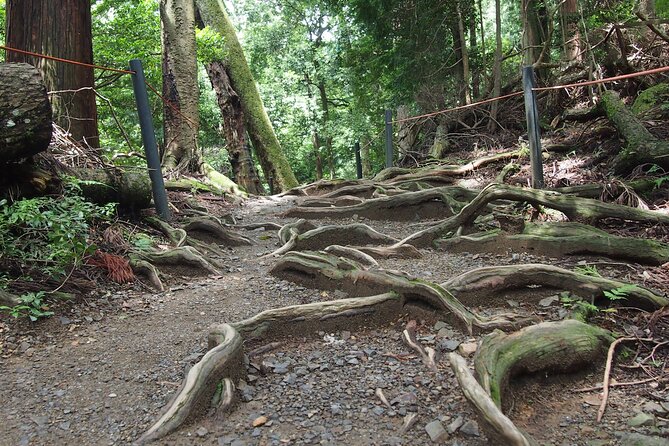
A second visit to Kifune Shrine lasts about 25 minutes and focuses on the inner shrine. Local legend says that a goddess traveled by boat from Osaka up the river into these mountains. The inner shrine is said to house the boat she used.
This story gives the Kifune visit a memorable finish. You have already encountered a protective shrine, a sacred mountain, a Reiki tradition, and a temple associated with demons. The boat legend adds a journey story tied directly to the river and the shrine’s location.
The two Kifune stops should not be confused as duplicate visits. The first centers on the water god, sailors, and mountain water. The second focuses on the inner shrine and the goddess’s boat. Together, they provide more context than a quick photo stop would.
What the $191.60 price includes
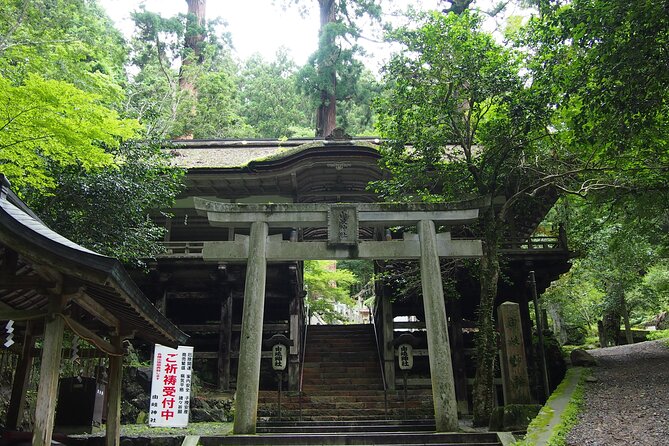
At $191.60 per person, this is not a budget walking tour. The price makes more sense if you value a private guide, hotel transfers, included temple admission, and the time saved by not arranging your own route through the northern mountains.
The included services are:
- Hotel pickup and drop-off from Kyoto’s urban area and the Kurama area
- An English-speaking guide
- Entrance to Kurama-dera
- Entrance fees and taxes
- Photos of tour participants
Lunch is not included. Private transportation by taxi, private car, or bus may also require an extra fee. Since the package includes hotel transfers but lists private transportation as an optional additional cost, confirm exactly how the day’s transport will work for your booking.
The strongest value is convenience. You are paying to have a guide connect several mountain sites, explain their meaning, keep the route moving, and handle the practical details. If you are comfortable using public transportation and researching the route yourself, you may find the price high. If you have limited time in Kyoto or want a private cultural guide, the cost is easier to justify.
The included admission also removes small extra charges during the day. That will not transform the price into a bargain, but it makes the total easier to understand.
How hard is the hike?
The tour requires moderate physical fitness. The most important warning is the stairs. The route includes many steps, uneven surfaces, and sections both up and down. A description of the walk as short can be misleading if you picture a flat woodland path.
You should be prepared for:
- A substantial number of stairs
- Uphill and downhill walking
- Uneven forest surfaces
- An eight-hour day with several sightseeing stops
- Weather that can affect trail conditions and the schedule
The tour can work for older people who walk regularly, especially with a patient guide and frequent pauses. Mizuho helped make the climb feel manageable for a pair in their seventies, and Miyo was praised for keeping a steady, patient pace. Still, you should not book this if stairs are a serious problem.
Guides have also changed plans for injuries and heavy rain. Michiko adjusted a rainy-day route to use shrines with easier access and arranged other cultural stops when the forest walk was canceled. That flexibility is useful, but it also means you should accept that the advertised route depends on safe conditions.
Weather, timing, and useful planning advice
The start time is 9:00 a.m., and the full experience runs about eight hours. Hotel pickup removes much of the morning planning, but you still need to be ready for a full day outside.
Good weather matters. If poor weather forces cancellation, you can receive a different date or a full refund. If rain begins during the day, the route may be changed rather than completed as planned. One wet-weather plan replaced the forest walk with more accessible shrine visits and an additional cultural site.
Pack for conditions rather than for a city sightseeing day. Comfortable walking shoes are the first priority. A light rain layer, water, and a small towel are sensible choices, though the tour information does not specify a required packing list. In hot weather, the mountain air may feel cooler than central Kyoto, but the climb still takes effort.
Autumn can make the views especially appealing, while spring may bring blossoms. Those seasonal details are not guaranteed, but the forest setting gives the tour more variety than a temple visit in the city.
Who will get the most from this private day?
I would choose this tour if you want Kyoto’s countryside and religious traditions in the same day. It suits you especially well if you prefer conversation, questions, and a flexible pace to a large group with a fixed script.
It is a good match for:
- Couples and families who want a private guide
- Hikers with moderate fitness
- People interested in Japanese religion and folklore
- Visitors who want to leave central Kyoto for a day
- Older walkers who can manage stairs with rest stops
- Anyone who values hotel pickup and route planning
It is less suitable if you want a flat walk, a short outing, or a day built around long temple visits with little exertion. It is also not ideal if you dislike changing plans in bad weather.
The guide can make a major difference. Names such as Akari, Yoji, Yuki, Miki, and Michiko appear in the experience’s guiding team, and the strongest pattern is personal attention: adjusting pace, explaining local customs, finding lesser-known points of interest, and helping with practical needs. Your guide is not just there to point out buildings. The guide is the person who turns the climb into a connected story.
Should you book the Kurama and Kibune hike?
Book it if you want a full day that combines forest walking, shrines, temples, legends, and a private English-speaking guide. The route offers a welcome break from central Kyoto, and the included pickup and admission make a complicated mountain outing much easier.
Skip it if you are looking for a relaxed stroll. The route has real stairs and uneven ground, and the weather can force changes. At $191.60, the value depends on how much you want convenience and personal guiding. For a fit visitor who wants a meaningful day beyond Kyoto’s busiest sights, this is a strong choice. Just bring good shoes, allow time for pauses, and treat the climb as the main event rather than an inconvenience.
FAQ
How long does the Kyoto hiking tour last?
The tour lasts approximately eight hours.
What time does the tour start?
The scheduled start time is 9:00 a.m.
Is hotel pickup included?
Yes. Hotel pickup and drop-off are included from the Kyoto urban area and the Kurama area.
Is this a private tour?
Yes. Only your group takes part in the private activity.
Is an English-speaking guide included?
Yes. An English-speaking guide is included.
Which sites are visited?
The tour visits Yuki Shrine, Mount Kurama, Kurama-dera, Okunoin Maoden, and two areas of Kifune Shrine.
Are temple admission fees included?
Yes. Kurama-dera admission is included, along with the listed entrance fees and taxes.
Is lunch included?
No. Lunch is not included in the tour price.
How difficult is the hike?
You should have moderate physical fitness. The route includes many stairs, uphill and downhill walking, and uneven surfaces.
What happens if bad weather cancels the tour?
If poor weather causes cancellation, you will be offered another date or a full refund. Free cancellation is available when made at least 24 hours before the start time.
Just added around Kyoto
- Kyoto: Zen Meditation at a Private Temple with a Monk★ 5.0 · 25 reviews
- Kyoto: Gion Geisha District & Sake-in-Hand Walking Tour★ 5.0 · 37 reviews
- Private Pewter Sake Cup Experience with a Kyoto Artisan★ 5.0 · 31 reviews
- Your Private Vacation Photography Session In Kyoto★ 5.0 · 110 reviews
- Private Guided Traditional Buddhist Cooking in Japan★ 5.0 · 16 reviews
- Kyoto Wagashi(Japanese sweets) Cooking Class near Fushimiinari★ 5.0 · 60 reviews
- Traditional Japanese Music show & Experience Tour in Kyoto★ 5.0 · 57 reviews
- Kyoto:Family-Friendly Kimono & Yukata Experience at WARGO★ 5.0 · 147 reviews
Kyoto Tours, compared.


Fushimi Inari, Kinkakuji, Bamboo Grove 1 Day Bus Tour
Read our review →
Tea Ceremony in a Traditional Tea House in Kiyomizu
Read our review →
Kyoto Geisha Walking Tour: Gion District & Hidden Gems
Read our review →

Gion Magical Night Walking Tour with Geisha Trivia
Read our review →

Gion Geisha District Walking Tour – Stories of Geisha
Read our review →Browse the lists this tour appears in