
Reviewed · KYOTO TOURS
Kyoto UNESCO World Heritage Site Private Tour with a Premium Van
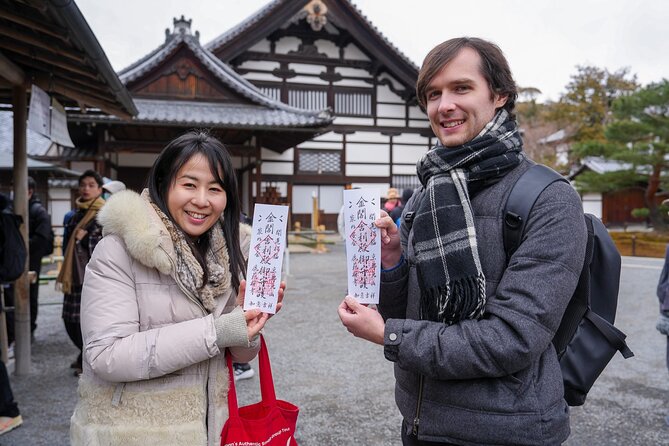
Kyoto’s grandest sights are spread across the city, and this private nine-hour tour tackles them by premium van, not by a tiring chain of trains, buses, and long walks. You move from Nijo Castle to the Golden Pavilion, Zen gardens, Kiyomizu-dera, and Fushimi Inari with a guide and driver handling the route.
I like the private format, which lets your group ask questions and adjust the pace. I also like the practical touches: lunch is arranged, dietary needs can be requested in advance, and guides such as Meri are praised for friendly explanations and good photographs.
The main tradeoff is time. Most temple stops are listed at about 30 minutes, so this is a smart first look at Kyoto rather than a slow, contemplative day at every site. The $525.50 per-person price also makes the most sense for families or small groups that value comfort and convenience.
Key points at a glance
- Six major cultural sights in one day: Visit Nijo Castle, Kinkakuji, Ryoanji or Ninnaji, Tenryuji, Kiyomizu-dera, and Fushimi Inari.
- A private driver and guide: Your group travels together in a comfortable vehicle instead of managing Kyoto’s busy public transport.
- About 30 minutes at most major stops: The schedule gives you a broad view of Kyoto, but not extensive time inside each temple.
- Lunch with dietary planning: Vegetarian, vegan, and gluten-free options are available when requested ahead of time.
- Photography is part of the service: The guide can take photos at scenic spots, including the Golden Pavilion and Fushimi Inari.
- A strong fit for a first Kyoto day: You see many famous places quickly, with hotel pickup offered and the stated meeting point at Kyoto Station.
Why a private van helps in Kyoto
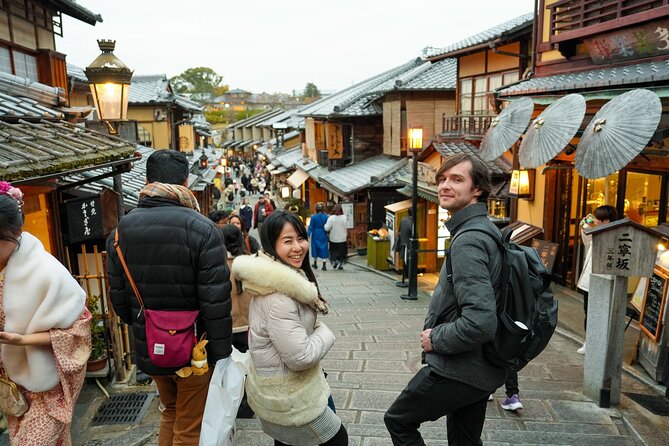
Kyoto’s famous sights sit in different parts of town. Nijo Castle is central, Kinkakuji is farther northwest, Tenryuji is in Arashiyama, and Fushimi Inari is southeast. Kiyomizu-dera adds another major stop on the eastern hills.
On your own, this route means keeping track of trains, buses, walking directions, and ticket lines. A private vehicle changes the day’s feel. You can settle into the van, listen to your guide, and save your energy for the temple grounds.
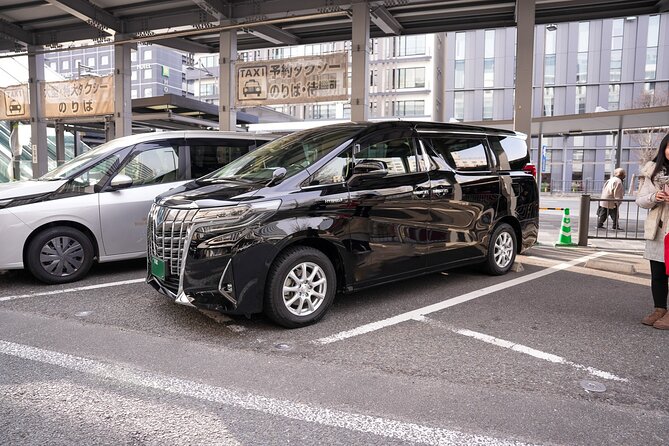
The vehicle is one of the clearest reasons to consider this tour. Several stops involve walking, stairs, gardens, or sloping temple approaches. A driver who takes you close to the next sight is especially useful for families, older relatives, and anyone with limited time in Kyoto.
This is a private activity, so only your group participates. That matters more than it may sound. You can ask for more background at a site that interests you, request a short break, or let the guide know if someone in your group needs a slower pace.
The tour begins at 9:00 a.m. at the General Taxi Rank by Kyoto Station’s Karasuma Entrance. Hotel pickup is also offered, so check the exact pickup arrangement when you book. The experience ends back at the meeting point.
More history-led days in Kyoto:
- Kyoto Gion: 2-Hour Geisha Culture & History Walking Tour
★ 5.0 · 1,186 reviews - Kyoto Gion Historical Walking Tour
★ 5.0 · 188 reviews - Historical Kyoto E-Bike Tour
★ 5.0 · 181 reviews
Nijo Castle begins the history lesson
Nijo Castle is a useful first stop because it gives you a look at Kyoto’s political past before the day turns toward temples and shrines. The grounds introduce you to castle architecture, formal gardens, and the power of the Tokugawa shoguns.
You have about 30 minutes here, with admission included. That is enough for a brisk introduction and photographs, but it may feel short if you want to study every room or garden detail.
Your guide’s opening introduction is also useful. At this point, you can explain food restrictions, mobility concerns, or any places you especially want to understand. Since the day covers a lot of ground, speaking up early helps the guide shape the experience around your group.
Kinkakuji gives you Kyoto’s classic photograph
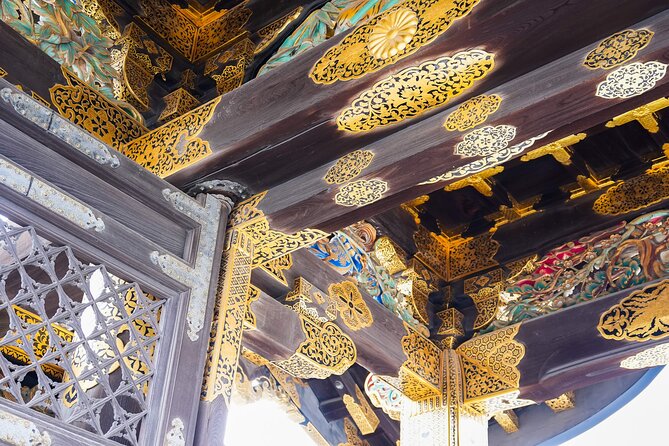
Kinkakuji, the Golden Pavilion, is one of Kyoto’s most recognizable sights. Its gold-covered upper stories reflect in the pond, creating the picture most people associate with the temple.
The appeal is immediate, but the stop is not designed for a long visit. You have around 30 minutes, which should allow time to reach the main viewing area, take photographs, and hear the basic story of the temple. The pavilion is viewed from outside rather than explored room by room.
This is one place where a guide who also takes photographs can be handy. You can concentrate on the view instead of arranging group shots or asking strangers to take pictures. Ask for a few different angles, since the pond and garden provide more than one good frame.
Kinkakuji has been registered as a UNESCO World Heritage site since 1994. That designation is part of the wider group of properties known as the Historic Monuments of Ancient Kyoto.
Ryoanji offers a quieter change of pace
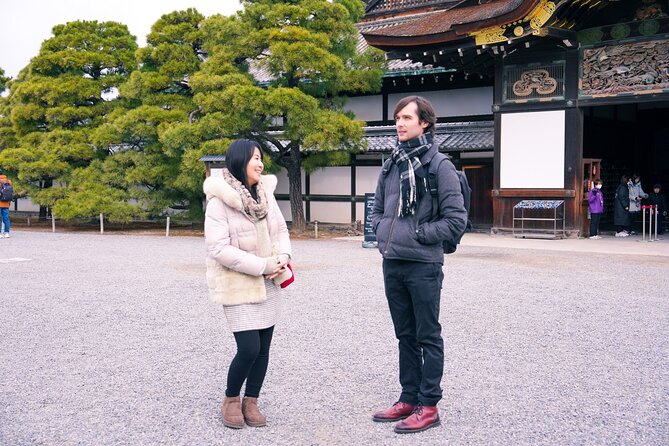
Ryoanji brings the day into the world of Zen gardens. Its famous rock garden looks simple at first: rocks, gravel, and open space. The effect comes from the lack of decoration, and from the way the composition changes as you sit and look.
The planned 30-minute visit gives you time to see the garden and learn why it matters. It is a short pause after the bright, highly recognizable Golden Pavilion.
You should know that this stop works best if you enjoy stillness. If your group wants nonstop sightseeing and photographs, the garden may feel restrained. If you like design, symbolism, or a place that asks you to slow down, it can be one of the day’s most memorable stops.
The tour information also allows Ryoanji or Ninnaji in this part of the route. Confirm which temple is scheduled for your date, since they offer different experiences.
A few more Kyoto half-days to weigh up
- PERFECT KYOTO 1-Day Bus Tour
★ 5.0 · 13,518 reviews - Kyoto: Fushimi Inari, Kinkakuji, Bamboo Grove 1 Day Bus Tour
★ 4.8 · 4,316 reviews - Kyoto: Tea Ceremony in a Traditional Tea House in Kiyomizu
★ 4.9 · 3,519 reviews - Kyoto Geisha Walking Tour: Gion District & Hidden Gems
★ 4.7 · 3,273 reviews
Tenryuji and Sogenchi Teien add gardens and bamboo
The Arashiyama portion brings a different kind of scenery. Tenryuji is a major Zen temple, while Sogenchi Teien provides the garden setting. The stop also includes bamboo groves, one of Kyoto’s most sought-after photo locations.
The description of this stop repeats the rock-garden wording, but the actual attractions here are Tenryuji, its garden, and the bamboo area. Expect another 30-minute visit, so you will get a taste of Arashiyama rather than a full afternoon in the district.
That distinction matters. Arashiyama has enough to occupy a much longer visit, and you may wish to return later if bamboo paths or gardens are high on your list. On this tour, the benefit is seeing the area without spending the day working out transport connections.
The garden setting also gives the guide a chance to explain how temple grounds use ponds, borrowed scenery, paths, and carefully placed plants. Ask questions if garden design interests you, since this is a place where a few good explanations can add a lot.
Lunch is a useful reset in the middle of the day
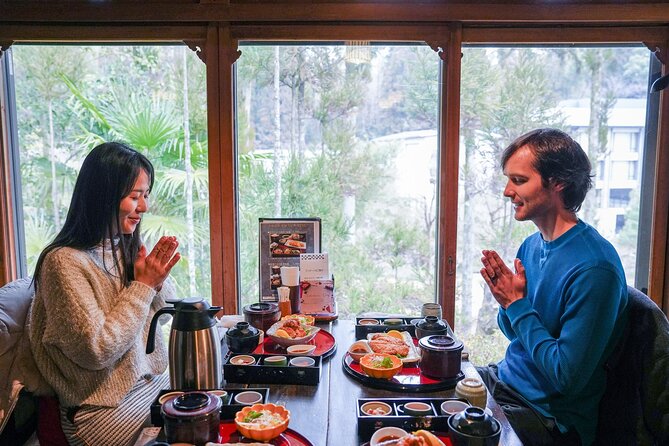
A locally recommended restaurant provides a one-hour lunch break in Kyoto. The meal is more than a gap between temple visits. It gives your group time to sit down, talk with the guide, and recover before the afternoon stops.
Vegetarian, vegan, and gluten-free choices are available with advance notice. Tell the operator before the tour rather than waiting until the morning of departure. The information provided does not name the restaurant or specify the exact menu, so you should treat this as a planned local meal rather than a particular culinary destination.
The lunch stop has practical value because the sightseeing schedule is full. Six cultural sites in one day can become a blur if you never pause. A full hour gives you a proper break, though it also means the overall day remains tightly timed.
Kiyomizu-dera brings hills, views, and old Kyoto
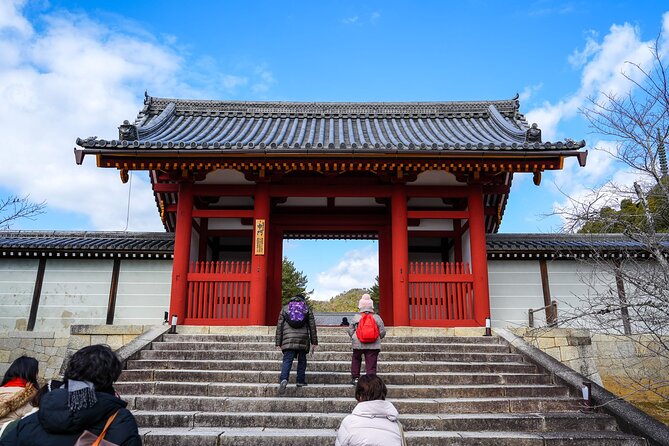
Kiyomizu-dera is one of Kyoto’s best-known temples, set on the eastern side of the city. The grounds contain national treasures and important cultural properties, and the temple became part of the UNESCO-listed Historic Monuments of Ancient Kyoto in 1994.
You have about 30 minutes here. That is enough to take in the main approach and major views, but not enough to explore every building, lane, and nearby shop at leisure. The temple area can reward a separate visit if you want time for the surrounding streets.
For many people, Kiyomizu-dera is the point where Kyoto’s setting becomes clear. The temple, hillside position, traditional buildings, and broad views give you a strong sense of the city’s old character.
Comfortable transport is especially helpful before this stop. After a full morning, you arrive with more energy for the approach and temple grounds. Wear shoes suitable for walking, since the tour does not remove the need to walk once you arrive.
Fushimi Inari ends with vermilion torii gates
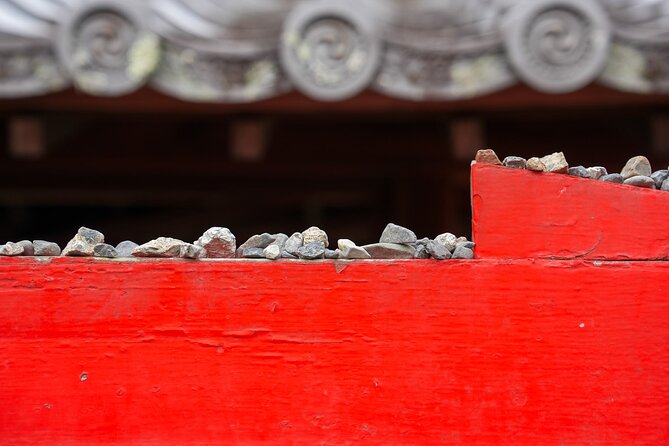
The final stop is Fushimi Inari-taisha, famous for its long corridors of vermilion torii gates. The gates climb into the wooded mountain behind the shrine, but this tour allows about 30 minutes, so you will see only part of the route.
That short visit is both a strength and a limitation. You get the dramatic entrance and a chance to walk beneath the gates without committing to the full mountain hike. If you want to reach the upper sections, you will need much more time than this schedule provides.
Fushimi Inari is dedicated to Inari, associated with rice, commerce, and prosperity. There are said to be about 30,000 Inari shrines throughout Japan. Your guide can help put the shrine into that wider context while pointing out details you might otherwise pass.
Ending here works well for photographs. The red-orange gates create a strong final scene, and the guide can help take group pictures before you return to Kyoto Station.
What makes the guide and driver important
The strongest personal touches come from the guide and driver pairing. Guides identified as Meri are described as friendly, lively, flexible, and good at explaining what you are seeing. One account uses the name Mari, so the guide assigned to your date may differ.
The driver is just as important on a route this full. Drivers named Mr. Yamashita and Kyomi are specifically noted for making the day easy and getting the group where it needed to go. You are not simply hiring a car. You are paying for a coordinated day in which the guide handles interpretation and the driver handles the road.
The photography service is a nice extra. It will not replace a dedicated photo shoot, but it can solve a common problem: one person in the group is always missing from the picture. Tell the guide which people should appear in the photos and which locations matter most.
The guide can also point out details you might pass without noticing. The value here depends on the individual guide, but the repeated praise for friendliness, flexibility, and clear explanations suggests that the human side of the tour is a major part of its appeal.
Is $525.50 per person good value?
At $525.50 per person, this is not a budget sightseeing option. The price needs to be judged against what it replaces: private transportation, a full day of route planning, a guide, included admission at several listed sites, lunch, and the convenience of keeping only your own group together.
For a couple, the total cost is substantial. For a family or small group, the per-person price may feel more reasonable, especially if public transportation would be tiring or confusing. The value improves if you have only one full day in Kyoto and want to see the major landmarks in a single sweep.
The tour is less compelling if you prefer slow temple visits, inexpensive buses and trains, or choosing your own lunch and schedule. You could spend a full day in one district for less money, with more time to sit in gardens and wander side streets.
I see this as a comfort-and-coverage purchase. You are paying to reduce friction and fit a lot into nine hours. It is not the best choice for deep study of each site, but it is a strong option for a first orientation to Kyoto.
Who should book this Kyoto day?
This tour suits first-time visitors who want the major UNESCO sights without mastering Kyoto’s transport system. It also works well for families, couples, solo visitors who prefer a private guide, and groups with different food needs.
The private format is useful when people in your group have different interests. One person can ask about castle history, another can focus on gardens, and someone else can request help with photographs. You share the vehicle and guide only with your own party.
I would be more cautious if your priority is a slow spiritual experience. Thirty minutes at each major stop leaves little room for lingering. Ryoanji, Tenryuji, Kiyomizu-dera, and Fushimi Inari can all reward more time than this schedule allows.
Book well ahead if your dates are fixed. The experience is booked an average of 64 days in advance, which suggests that planning early is sensible, particularly during busy Kyoto seasons.
Practical details before you reserve
Confirmation is provided at booking, and mobile tickets are supported. The listed start time is 9:00 a.m., with the General Taxi Rank at Kyoto Station’s Karasuma Entrance given as the meeting point.
Hotel pickup is offered, but you should confirm the exact arrangement for your accommodation. The tour ends back at the meeting point, so plan the rest of your evening from Kyoto Station unless the operator tells you otherwise.
Most people can participate, and the activity is near public transportation. The route does include walking through temple grounds, gardens, shrine paths, and likely some slopes or steps, so comfortable shoes are a sensible choice.
Free cancellation is available up to 24 hours before the local start time for a full refund. Changes or cancellations made inside that 24-hour window are not accepted for a refund. The tour requires good weather, and if poor weather forces cancellation, you are offered another date or a full refund.
Should you book it?
Book this tour if you want maximum Kyoto coverage with minimum transport hassle. The private van, attentive guide, arranged lunch, included admissions, and photo help make it especially useful for a first day or a family group.
Skip it if your ideal Kyoto day means choosing one temple district and wandering without a clock. At this price and pace, you are buying a polished overview, not a leisurely study of six sites.
For most first-time visitors with limited time, I would consider it a practical splurge. Ask in advance which guide and temple substitution you will receive, provide dietary needs early, and accept that each stop is a preview. Used that way, the tour gives you a clear map of Kyoto’s big sights and helps you decide where to return on your own.
FAQ
How long does the Kyoto UNESCO private tour last?
The tour lasts approximately nine hours. It starts at 9:00 a.m. and ends back at the stated meeting point.
Where does the tour start?
The listed meeting point is the General Taxi Rank at Kyoto Station’s Karasuma Entrance in Kyoto. Hotel pickup is also offered, so confirm the pickup details when booking.
Is this a private tour?
Yes. Only your own group participates in the activity.
Which sights are included?
The route includes Nijo Castle, Kinkakuji, Ryoanji or Ninnaji, Tenryuji and Sogenchi Teien, Kiyomizu-dera, and Fushimi Inari-taisha Shrine.
Is lunch included?
A one-hour local lunch stop is included in the tour plan. Vegetarian, vegan, and gluten-free options are available with an advance request.
Are admission tickets included?
Admission tickets are included for Nijo Castle, Kinkakuji, Ryoanji, Tenryuji, and Kiyomizu-dera. Fushimi Inari-taisha has no admission ticket listed.
What happens if the weather is poor?
The experience requires good weather. If it is canceled because of poor weather, you are offered a different date or a full refund.
Just added around Kyoto
- Kyoto: Zen Meditation at a Private Temple with a Monk★ 5.0 · 25 reviews
- Kyoto: Gion Geisha District & Sake-in-Hand Walking Tour★ 5.0 · 37 reviews
- Private Pewter Sake Cup Experience with a Kyoto Artisan★ 5.0 · 31 reviews
- Your Private Vacation Photography Session In Kyoto★ 5.0 · 110 reviews
- Private Guided Traditional Buddhist Cooking in Japan★ 5.0 · 16 reviews
- Kyoto Wagashi(Japanese sweets) Cooking Class near Fushimiinari★ 5.0 · 60 reviews
- Traditional Japanese Music show & Experience Tour in Kyoto★ 5.0 · 57 reviews
- Kyoto:Family-Friendly Kimono & Yukata Experience at WARGO★ 5.0 · 147 reviews
Kyoto Tours, compared.


Fushimi Inari, Kinkakuji, Bamboo Grove 1 Day Bus Tour
Read our review →
Tea Ceremony in a Traditional Tea House in Kiyomizu
Read our review →
Kyoto Geisha Walking Tour: Gion District & Hidden Gems
Read our review →

Gion Magical Night Walking Tour with Geisha Trivia
Read our review →

Gion Geisha District Walking Tour – Stories of Geisha
Read our review →Browse the lists this tour appears in