
Reviewed · KYOTO TOURS
Kyomai Dance by Maiko Geiko and Visits of Gion Art Museum Kyoto
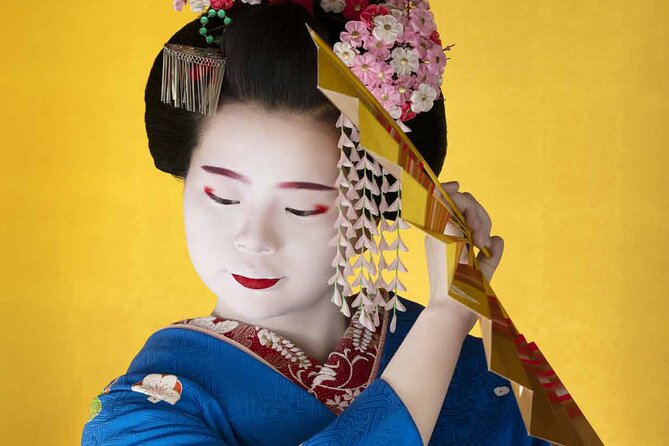
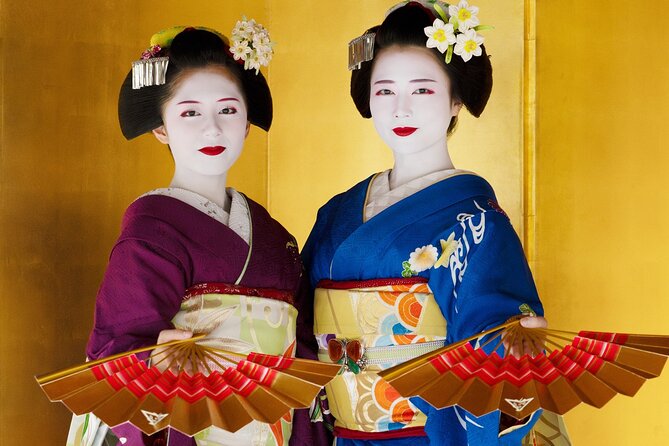
A maiko or geiko performing two Kyomai dances is the heart of this visit. The dance lasts about 15 minutes, but it gives you a close look at the controlled gestures, formal kimono, and quiet ceremony of Kyoto’s Kagai entertainment districts.
I like the small-scale setting, where you can see the performer without the distance of a large theater. I also like the museum’s excellent costume and personal-item displays, which help you understand what you are watching instead of treating the dance as a mystery show.
The main drawback is the short running time. If you expect a full evening of music, conversation, or several performers, this will feel more like a carefully chosen introduction than a complete portrait of geiko life.
Key Points Before You Book
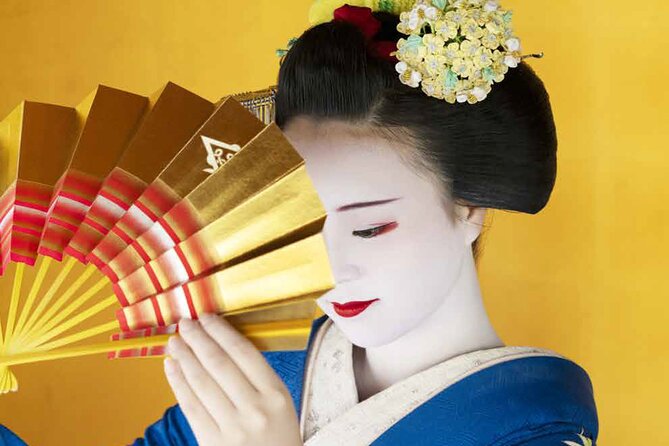
- The dance lasts about 15 minutes: You see two Kyomai songs in the Inoue style, performed by a maiko or geiko.
- The museum visit is included: Admission covers the permanent exhibition on Kagai art and culture.
- The displays make the dance easier to understand: Look for yuzen kimono, Nishijin brocade obi, seasonal kanzashi, makeup tools, and formal black kimono.
- The full visit takes about 20 minutes: Arrive early enough to explore the museum before the performance.
- Shoes must be removed: One practical detail to remember before entering the building.
- Photos of the dance are not allowed: A separate photo session costs 2,000 yen per group of up to five people.
What This Gion Performance Really Gives You
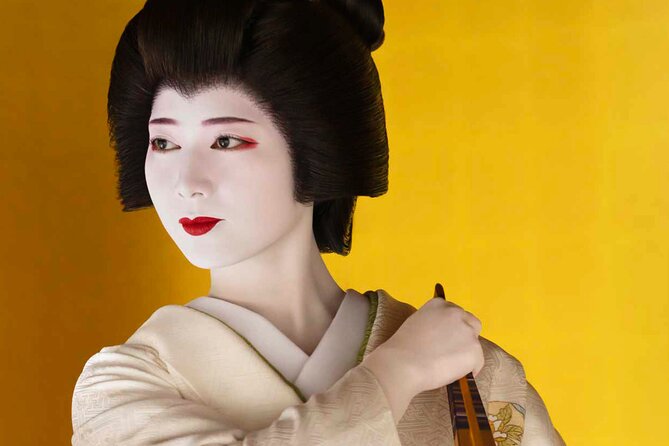
Kyoto’s Kagai districts are traditional entertainment quarters where geiko and maiko train in music, dance, etiquette, and seasonal arts. Gion Kobu is one of the best known, and this experience offers a brief, public window into that world.
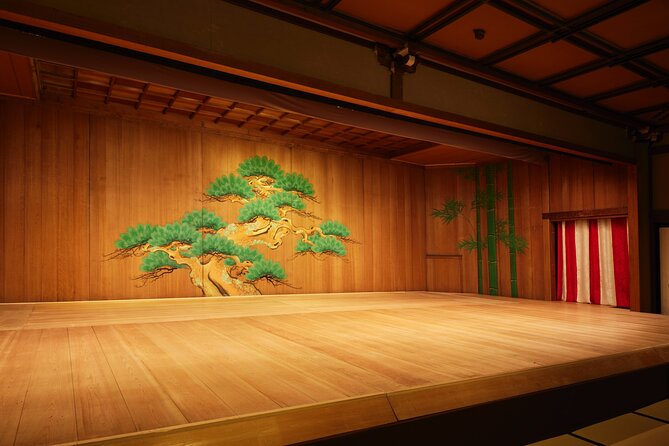
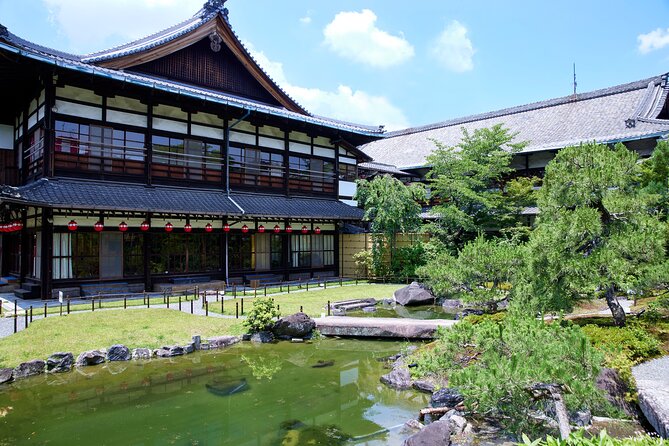
The event is held at the Gion Kagai Art Museum, also identified with the Gion Kobu Kaburenjo Theater area. The meeting point is Yasaka Club, at 570-2 Gionmachi Minamigawa in Kyoto’s Higashiyama Ward. The setting matters. You are not watching a generic stage performance in a modern concert hall. You are entering a place built around the arts of Kyoto’s Kagai districts.
The experience is sold as about 20 minutes in total. The dance itself takes approximately 15 minutes and includes two songs. That leaves only a short period for entering, settling in, and seeing the exhibits, so I would not treat this as a long museum visit. It works best as a compact cultural stop during an afternoon in Gion.
The performance is presented in the Inoue style of Kyomai, the refined Kyoto dance tradition associated with Gion Kobu. The movements are measured rather than theatrical in the Western sense. Small turns, hand positions, fan movements, posture, and timing carry much of the meaning. If you prefer high-energy entertainment, the quiet pace may take some adjustment. If you enjoy detail and ceremony, the restraint is the point.
More geisha-district evenings:
- Kyoto Geisha Walking Tour: Gion District & Hidden Gems
★ 4.7 · 3,273 reviews - Kyoto: Gion Magical Night Walking Tour with Geisha Trivia
★ 4.9 · 2,393 reviews - Kyoto: Gion Geisha District Walking Tour – Stories of Geisha
★ 4.7 · 2,187 reviews
Entering the Gion Kagai Art Museum
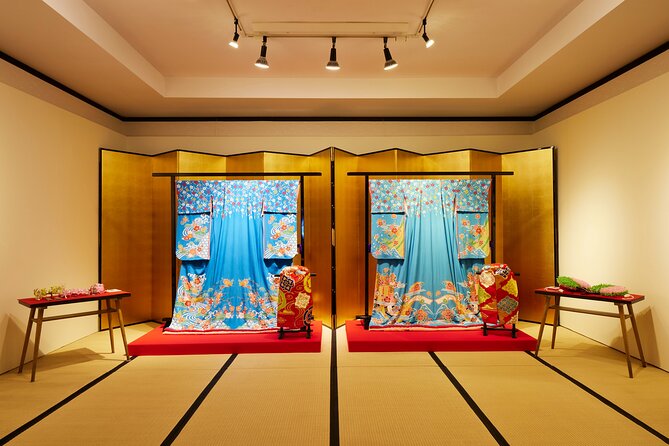
The museum’s permanent exhibition introduces the world of geiko and maiko through objects used in performance and daily preparation. You can see hand-painted yuzen kimono, Nishijin brocade obi sashes, seasonal kanzashi hair ornaments, makeup items, and personal belongings.
These objects give useful context before the dance. A kimono is not simply a costume here. Fabric, color, pattern, and accessories can reflect season, rank, occasion, and the polished standards expected in the Kagai districts. The display of kanzashi is especially helpful because the hair ornaments change with the seasons and are easy to miss when you are watching a performer from a distance.
The museum also shows black crested formal kimono, items rarely seen in the Gion quarter itself. That is important for visitors who want more than a quick photograph of a dressed performer. The exhibition helps explain the work behind the appearance: clothing, hair, makeup, objects, and formal presentation all support the performance.
I recommend arriving early and seeing the displays before the dance. This simple change improves the visit. Once you know what a Nishijin obi or seasonal hair ornament is, you have more to notice when the performer enters. The museum is not just something to fill time before the show. It gives the show a frame.
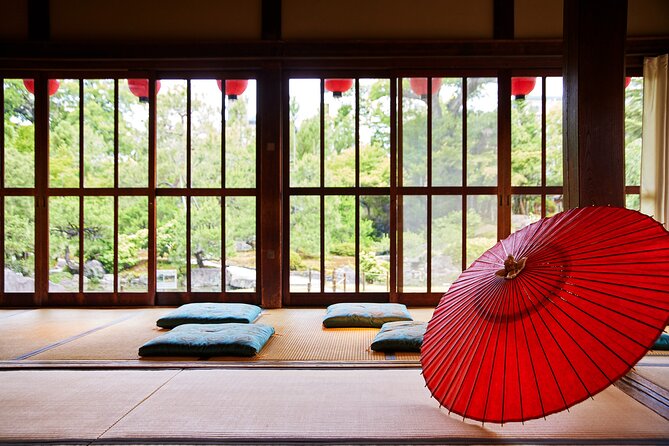
A small garden adds to the visit. It offers a quieter place to pause, and it can be useful for families with children who need a moment outside the exhibition room. The museum itself may be less engaging for young children after the performance, particularly if they are not interested in clothing or historical objects. The garden helps balance that.
Watching Two Kyomai Songs
The performance is the clear highlight for most people who choose this experience. A geiko or maiko performs two Kyomai songs in the Inoue style, with the entire dance lasting around 15 minutes.
Do not expect a long narrative production. This is a short demonstration of a traditional art, not a full stage program with several scenes and performers. One person described the simple format as disappointing, and that is a fair warning if your expectations are too high. The dance can feel brief and understated.
At the same time, the short format is one reason the event fits well into a busy Kyoto schedule. You can see a live performance without committing an entire evening or paying for a formal dinner program. The timing is also manageable for many first-time visitors who want an introduction to geiko and maiko traditions.
The viewing arrangement is close enough to make details visible. A show-size note indicates that performances can accommodate roughly 40 to 50 people, while the activity information lists a maximum of 25 travelers. Since those figures do not match perfectly, you should expect the exact audience size to depend on the scheduled presentation. Either way, this is intended to be a relatively intimate performance rather than a huge public show.
The dance is also a good lesson in patience. You may see only two songs, yet the performer’s gestures are carefully controlled. The pleasure comes from watching the precision of the movement and the effect of the formal kimono, hair ornaments, and setting together. It is closer to observing a traditional art form than attending a variety show.
Please keep quiet during the dance. That is basic courtesy in any performance, but it matters especially here because the format is small and quiet. Children can attend, and one family found the experience suitable for a 10-year-old, but younger children may lose interest once the dance is over.
Why the Museum Makes the Short Show Better
If this were only a 15-minute dance, I would consider the visit a narrow purchase. The museum changes the value.
Kyoto’s geiko and maiko culture is often reduced to surface images: elaborate kimono, white makeup, and old streets. The exhibition adds practical detail. You can see the tools and clothing that support the public image, and you get a clearer sense that this is a disciplined performing tradition rather than a costume display.
The displays also give you something to do before or after the show. That matters because the dance itself is short. If you rush in just for the performance, you may leave feeling that the experience ended too quickly. If you allow time for the permanent exhibit, the visit feels more rounded.
The museum is especially useful for first-time visitors who have not seen geiko or maiko performance before. You do not need prior knowledge of Japanese dance. The objects provide a visual introduction, and then the live performance shows how that world appears in motion.
I would give the museum more attention than its brief schedule may suggest. Study the seasonal hair ornaments. Look closely at the obi weaving. Notice the formal black kimono and the makeup items. These details are easy to overlook in Gion, where you may catch only a passing glimpse of a performer on the street.
More museums and galleries in Kyoto:
- Kyoto: Tea Museum Tickets and Matcha Grinding Experience
★ 4.9 · 739 reviews - Skip the lines Basic Ticket at SAMURAI NINJA MUSEUM KYOTO
★ 4.5 · 632 reviews - Kyoto : Geiko Maiko Dance of Kyoto & Visits of Gion Museum
★ 4.6 · 415 reviews - Kyoto Sword Experience – includes Museum Ticket/Ninja Experience
★ 4.5 · 149 reviews
Price, Timing, and Practical Value
The listed price is $20, with admission, the dance, fees, and taxes included. For that amount, the experience offers a live traditional performance plus a museum visit. I consider it good value for a visitor who specifically wants a glimpse of geiko and maiko culture without booking a costly dinner or private entertainment.
The value is less clear if you want a long museum visit or a substantial dance program. Twenty minutes goes by quickly, and the performance is intentionally simple. You are paying for access to a rare cultural setting and a short live presentation, not for hours of entertainment.
The activity uses a mobile ticket, and confirmation is received when you book. It begins and ends at the Gion Kagai Art Museum, so there is no guided walking route or complicated transfer between stops. The location is near public transportation, which makes it easy to fit into a Gion sightseeing day.
There are many performance time slots during the day, according to practical booking information connected with the experience. If you have flexibility, check the available times and consider buying directly at the museum as well. One useful observation is that direct admission may sometimes cost less, though you should compare the current price and availability before deciding.
Plan for the shoe-removal rule. You must take off your shoes before entering the building, so wear socks you are comfortable being seen in. This is a small detail, but it can catch you by surprise after a day of walking Kyoto.
Photography is restricted during the dance. If you want a keepsake photograph with the performer, a separate session costs 2,000 yen per group, with a maximum of five people. The photo option is not included in the $20 admission.
The activity allows service animals, and most people can participate. The group limit is listed as 25, although the size of individual dance presentations may vary. Free cancellation is available if you cancel at least 24 hours before the scheduled start time. Inside that window, the payment is not refunded, and changes are not accepted.
How to Plan Your Visit in Gion
I would place this experience near other Gion sights rather than travel across Kyoto only for the 20-minute program. The museum is in Gionmachi Minamigawa, in the Higashiyama area, and the activity begins and ends at the same point.
Arrive with enough time to explore the permanent exhibition before the dance. You can also use the extra minutes to settle in, remove your shoes, and avoid entering at the last moment. The show is too short to waste part of it finding your place.
If you are visiting with children, explain beforehand that the dance requires quiet attention and that the museum portion includes clothing, ornaments, and makeup objects. The garden provides a useful break, but it should not be treated as a children’s attraction. The strongest reason to bring a child is curiosity about Japanese culture, not nonstop activity.
Couples and solo visitors may appreciate the calm, focused format. It is also a sensible first-night activity in Kyoto because it introduces a local tradition without demanding a full evening. One particularly effective use is to visit early in your trip, then notice Gion’s clothing, architecture, and performance culture with better context afterward.
Who Will Enjoy This Experience Most
I would recommend this visit to you if you want a brief, respectful introduction to geiko and maiko arts. It suits first-time Kyoto visitors, culture-focused families, photographers who understand the dance itself cannot be photographed, and anyone who wants a traditional performance without a large time commitment.
It is also a good choice if you value seeing real objects alongside a live presentation. The museum’s kimono, obi, kanzashi, and makeup displays are more than decoration. They help explain the care behind the performer’s appearance.
I would be cautious about booking it if you expect an expansive show, a private encounter, or a long conversation with a maiko or geiko. The listed experience does not promise an interview, meal, guided tour, or multiple performances. It gives you two songs and a museum visit.
The strongest praise goes to the beauty of the dance, the informative museum, the garden, and the feeling of seeing an authentic Kyoto tradition at close range. The most common concern is simply that the performance is short and restrained. Both points can be true. Go with realistic expectations, and the compact format works in its favor.
Should You Book the Kyomai Dance Visit?
Book it if the idea of seeing a live Kyomai performance appeals to you and you want museum context at a modest price. The combination is stronger than either part alone: the exhibition tells you what to look for, and the dance lets you see those traditions practiced.
Skip it if you want a full evening program or a more dramatic performance. At about 20 minutes, this is a short cultural stop. For the right visitor, though, it offers a graceful and practical introduction to Gion’s geiko and maiko world, with enough substance to make the $20 worthwhile.
FAQ
Where does the experience begin?
It begins at Gion Kagai Art Museum, Yasaka Club, located at 570-2 Gionmachi Minamigawa, Higashiyama Ward, Kyoto, 605-0074, Japan.
Where does the experience end?
The activity ends back at the meeting point, the Gion Kagai Art Museum.
How long does the whole experience take?
The experience lasts approximately 20 minutes.
How long is the Kyomai dance?
The Kyomai performance lasts approximately 15 minutes and includes two songs.
Who performs the dance?
A geiko or maiko performs the Kyomai dance in the Inoue style.
Is museum admission included?
Yes. Admission to the Gion Kagai Art Museum and the dance performance are included, along with fees and taxes.
What can I see in the permanent exhibition?
The exhibition includes hand-painted yuzen kimono, Nishijin brocade obi sashes, maiko makeup items, personal belongings, seasonal kanzashi hair ornaments, and black crested formal kimono.
Are photographs allowed during the dance?
Photography during the dance is not allowed. A separate photo session costs 2,000 yen per group of up to five people.
Do I need to remove my shoes?
Yes. You must remove your shoes before entering the building.
Can I cancel for a refund?
You can cancel at least 24 hours before the start time for a full refund. Cancellations or changes made less than 24 hours before the start time are not accepted and are not refunded.
Just added around Kyoto
- Kyoto: Zen Meditation at a Private Temple with a Monk★ 5.0 · 25 reviews
- Kyoto: Gion Geisha District & Sake-in-Hand Walking Tour★ 5.0 · 37 reviews
- Private Pewter Sake Cup Experience with a Kyoto Artisan★ 5.0 · 31 reviews
- Your Private Vacation Photography Session In Kyoto★ 5.0 · 110 reviews
- Private Guided Traditional Buddhist Cooking in Japan★ 5.0 · 16 reviews
- Kyoto Wagashi(Japanese sweets) Cooking Class near Fushimiinari★ 5.0 · 60 reviews
- Traditional Japanese Music show & Experience Tour in Kyoto★ 5.0 · 57 reviews
- Kyoto:Family-Friendly Kimono & Yukata Experience at WARGO★ 5.0 · 147 reviews
Kyoto Tours, compared.


Fushimi Inari, Kinkakuji, Bamboo Grove 1 Day Bus Tour
Read our review →
Tea Ceremony in a Traditional Tea House in Kiyomizu
Read our review →
Kyoto Geisha Walking Tour: Gion District & Hidden Gems
Read our review →

Gion Magical Night Walking Tour with Geisha Trivia
Read our review →

Gion Geisha District Walking Tour – Stories of Geisha
Read our review →Browse the lists this tour appears in