
Reviewed · KYOTO TOURS
Kyoto Shogun Cycling Tour
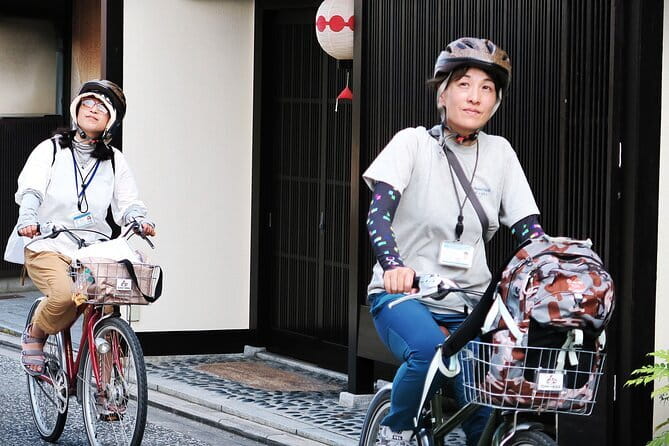
Kyoto’s shogun-era story makes more sense when you move through it by bicycle. This mostly downhill route links Kinkakuji, Toji-in, and Nijo Castle, replacing a string of bus rides with quiet streets, temple lanes, and a clear sense of how the old capital fits together. I like the private format and the small guide-to-rider ratio. I also like that admission to all three major stops is included.
The main catch is that this is not a cheap bike ride at $153.50 per person, and the sightseeing stops take up most of the three-and-a-half-hour schedule. You should also be comfortable riding on roads without help. The route is described as easy, but children must be at least 10 years old and 145 centimeters tall.
Key points to know before you book
- Three major sights in one morning: Kinkakuji, Toji-in, and Nijo Castle each receive a proper visit rather than a quick photo stop.
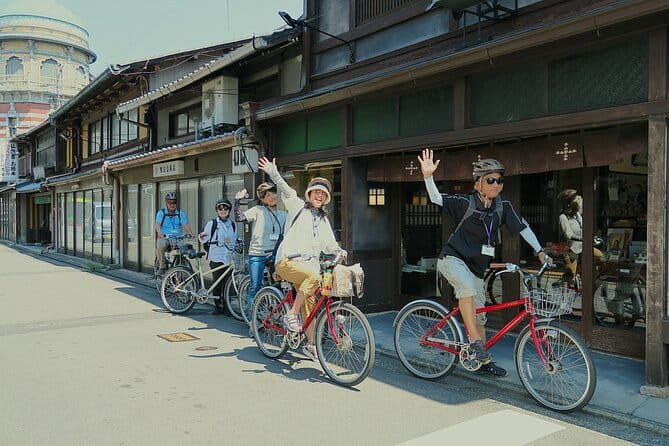
- A private small-group outing: Two to six people are accepted per guide, with an extra guide available for groups of seven to 12.
- Mostly downhill riding: This makes the route easier than a demanding city cycling excursion, though you still need to control a bicycle safely on public roads.
- Strong guiding is central to the experience: Guides connected with this operator include Seiya, Makoto, Nozomi, Yutaka Kaneda, Yasunobu Yagyu, Kaz, and JJ.
- Rain does not automatically cancel the ride: You can continue with free rainwear or switch to a walking outing using public transportation.
- The finish is near Kyoto Station: You start at Wara Tenjin mae and finish at the Kyoto Cycling Tour Project terminal south of the station.
Why this route works for seeing Kyoto
Kyoto can be tiring to explore. The famous temples are spread across different parts of the city, and a day spent changing buses can leave you with plenty of pavement but little sense of place. This tour solves part of that problem by linking three important sites on one route.
The ride begins at Wara Tenjin mae in northern Kyoto and ends at the Kyoto Cycling Tour Project terminal near Kyoto Station. That point-to-point design matters. You do not need to cycle back uphill to where you started, and you finish in a useful part of town for lunch, a train, or the next part of your day.
The bicycle also gives you a better view of the spaces between the sights. You pass from temple country toward the central city rather than treating each attraction as an isolated island. The route is built around the Ashikaga and Tokugawa shoguns, so the stops form a real historical sequence.
The Ashikaga family is tied to Kinkakuji and Toji-in. Nijo Castle then brings the story into the Tokugawa period and the final years of shogunal rule. You are not just collecting three famous Kyoto photographs. You are following several centuries of political power, religious life, gardens, and architecture.
More bike days around Kyoto:
- Hidden Kyoto E-Biking tour
★ 5.0 · 1,843 reviews - Bike Tour Exploring North Kyoto plus Lunch
★ 5.0 · 1,087 reviews - Arashiyama Bamboo Forest & Hidden Gems Bike Tour (Early Bird)
★ 5.0 · 613 reviews
Kinkakuji: one hour with Kyoto’s Golden Pavilion
The first stop is Kinkakuji, better known as the Golden Pavilion. Admission is included, and you have about an hour to walk through the grounds with your guide.
The pavilion is famous for its gold-covered exterior reflected in the pond. That image is the reason most people come, but the surrounding gardens help explain why the site has such lasting appeal. Your guide can connect the building to the Ashikaga shoguns, for whom this area was once a center of political and cultural power.
An hour is a sensible amount of time here. It gives you room to see the pavilion, follow the garden path, and pause at the main viewpoints without turning the visit into a rushed camera stop. At the same time, Kinkakuji is a controlled route, and you should not expect a long, wandering temple visit.
This is also the busiest-feeling section of the outing simply because the Golden Pavilion is one of Kyoto’s best-known sights. The bike tour does not give you a private opening or a quiet, after-hours visit. Its advantage is that your guide can help you read the site, then get you moving to the next place instead of leaving you to manage the city’s connections alone.
Bring comfortable shoes for the walking portions. You ride between stops, but this is not three hours spent sitting on a bicycle.
Toji-in: a quieter look at Zen design
Toji-in receives another hour, including time inside the historic temple. For many people, this will be the more peaceful stop of the day.
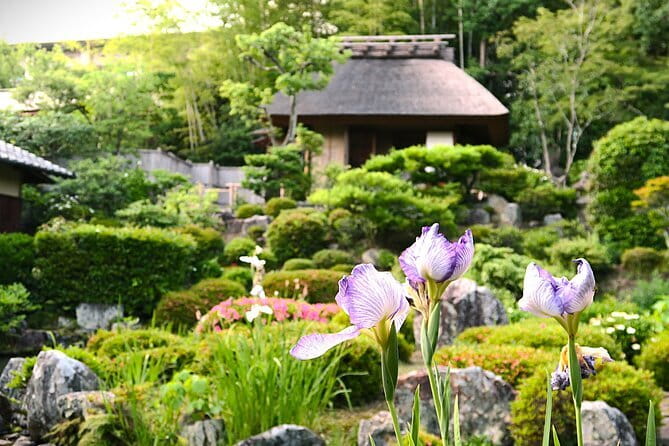
The temple is linked with the Ashikaga family and is known for its garden and small teahouse. Here, the focus shifts away from the bright spectacle of Kinkakuji. You get a calmer setting in which to look at clipped greenery, arranged views, simple interiors, and the deliberate quiet of a Zen temple.
The tour description places special weight on wabi-sabi, the Japanese appreciation of simplicity, age, restraint, and imperfection. That idea is easier to grasp in a modest temple room or garden than in a crowded lecture. Your guide takes you through the interior and explains how Zen practice shaped the way these spaces were used and viewed.
I like the contrast between the first two stops. Kinkakuji gives you the dramatic exterior everyone recognizes. Toji-in gives you time to slow down and look more closely. The temple hall, garden, and teahouse create a different kind of visit, one based less on spectacle and more on proportion and mood.
The drawback is that the value of Toji-in depends heavily on the guide. A garden can be beautiful without explanation, but the cultural meaning of its design is not always obvious. Guides associated with the operator, including Makoto, Nozomi, and Yasunobu Yagyu, have been praised for explaining temples, Shinto, Buddhism, Kyoto culture, and local history in clear English. Your exact guide is not guaranteed, so it is sensible to view the guiding quality as a major part of what you are paying for.
Nijo Castle: the shogun story reaches its turning point
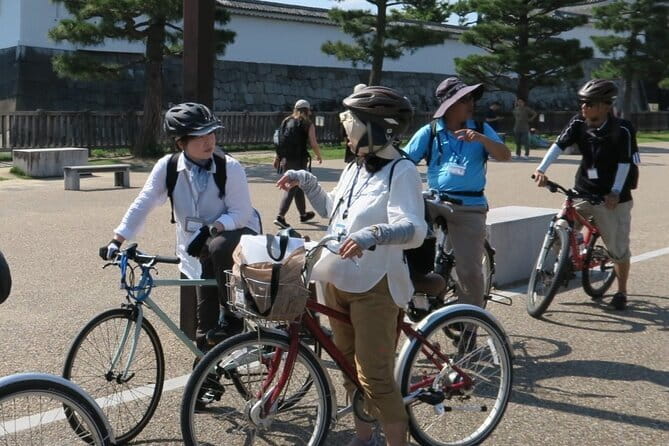
The final stop is Nijo Castle, with about an hour and a half set aside for the grounds and buildings. This is the longest visit of the three, and rightly so.
Nijo Castle was the Kyoto residence of the Tokugawa shoguns. Its buildings, carved decoration, formal spaces, and defensive layout show how political authority was displayed in the old capital. The castle is also tied to the beginning of the end of the shogunate, making it a fitting final stop for a tour centered on Japan’s military rulers.
You should expect more than a look at an exterior wall. Your guide leads you through the grounds and points out the ornamental details and major buildings. The extra half-hour gives you more breathing room than the first two stops, though the total schedule still requires you to keep moving.
Nijo Castle is especially useful after Kinkakuji and Toji-in because it changes the scale of the story. The first two sites bring you close to a shogun family’s religious and artistic world. Nijo Castle shows how that authority operated in practice, through residence, ceremony, design, and controlled access.
This stop also makes the tour useful for first-time visitors who want context rather than a list of names. A guide can explain why the castle mattered in Kyoto and how it fits into the shift away from shogunal government. Without that help, some of the buildings may look like attractive but disconnected rooms.
A few more Kyoto half-days to weigh up
- PERFECT KYOTO 1-Day Bus Tour
★ 5.0 · 13,518 reviews - Kyoto: Fushimi Inari, Kinkakuji, Bamboo Grove 1 Day Bus Tour
★ 4.8 · 4,316 reviews - Kyoto: Tea Ceremony in a Traditional Tea House in Kiyomizu
★ 4.9 · 3,519 reviews - Kyoto Geisha Walking Tour: Gion District & Hidden Gems
★ 4.7 · 3,273 reviews
What the guides add to the day
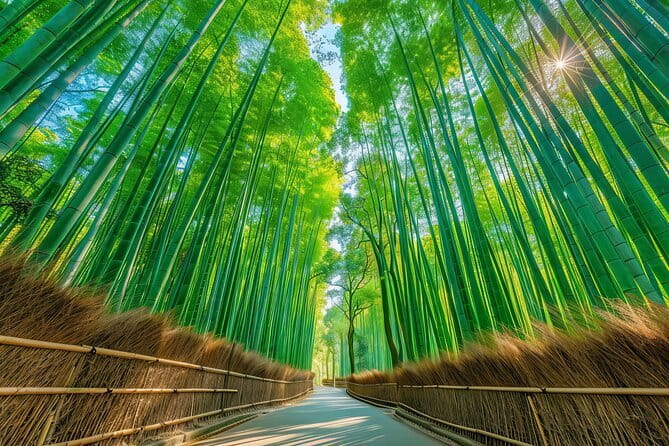
The bicycle is useful, but the guide is the real difference between this outing and renting a bike on your own.
Guide names associated with Kyoto Cycling Tour Project outings include Seiya, Yanai-san, Makoto, Yutaka Kaneda, Nozomi, Yasunobu Yagyu, Kaz, and JJ. Their styles may vary, but the strongest pattern is clear: visitors value guides who explain Kyoto in good English, keep the ride comfortable, and adjust the day to the people in front of them.
Seiya has been noted for handling a mixed-age group that included a 12-year-old. Makoto has made extra time for a local festival, while Nozomi has explained Shinto and Buddhist temples, Gion, and the Imperial Palace on related rides. Yasunobu Yagyu has been praised for sharing local insight about Kyoto, its people, and its culture.
Do not assume every name belongs to this exact shogun route. The operator runs more than one cycling program, and the guide assigned to your date can change. Still, these examples show what to look for: a guide who can explain the sites, manage road riding, and make the experience feel personal instead of rehearsed.
The private format helps. Only your group participates, and the standard limit is two to six people per guide. That gives you a better chance to ask questions or request a short pause than you would on a large city tour. Groups of seven to 12 can be accepted if an extra guide is arranged.
The riding itself: easy does not mean effortless
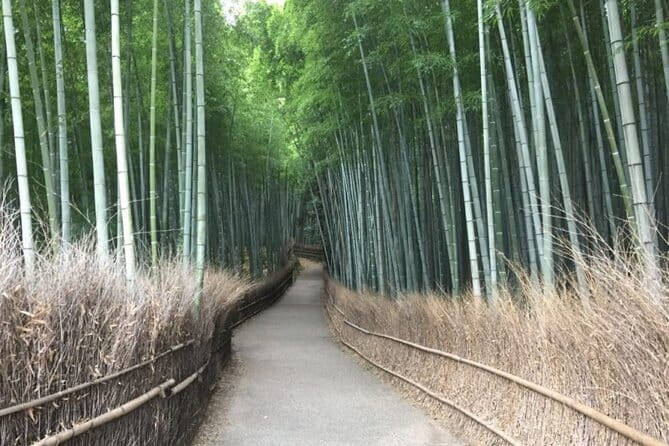
The route is described as easy and downhill, which is good news if you want to cycle in Kyoto without signing up for a serious athletic outing. You receive a bicycle, helmet, and rainwear.
Still, you need to ride safely on the road without assistance. The age and height rules are clear: children must be at least 10 years old, at least 145 centimeters tall, and able to handle a bicycle safely on their own.
That makes the tour a better fit for confident casual cyclists than for someone who has not ridden in years. The downhill profile reduces strain, but it does not remove traffic, intersections, or the need to pay attention. Ask about the bike setup before setting out if you have concerns about fit.
The schedule is also active in a different way. You spend roughly three hours and 30 minutes combining cycling, temple walks, castle grounds, and explanations. This is not a relaxed ride with long café breaks. The supplied information does not include a food stop, and matcha service is not included, so eat beforehand if you need a proper breakfast.
The tour ends at the Kyoto Cycling Tour Project terminal near Kyoto Station, not back at the starting point. That is convenient, but it means you should plan your day around the southern finish rather than leaving a bag or other transport arrangement at Wara Tenjin mae.
Rain plans and the practical fine print
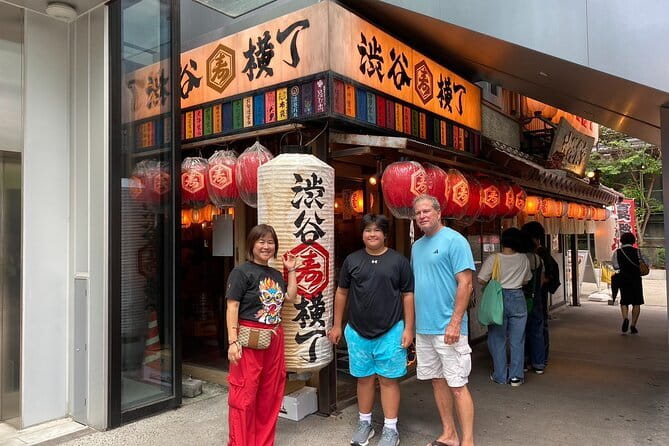
The tour operates in rain. You can continue by bicycle with a free rain poncho, or choose a walking tour using buses or the metro, with public transportation included in the tour fee.
That flexibility is valuable in Kyoto, where a wet day can make temple paths and cycling less pleasant. I would decide based on the forecast and your comfort level rather than treating rain as a minor detail. A rainy ride may be manageable, but the walking option could be the better choice for families or anyone uneasy on wet roads.
Confirmation is sent within 48 hours of booking, subject to availability. Public transportation is nearby, and most people can participate, but the cycling ability and child requirements still apply.
The cancellation terms need careful attention. One set of booking information says you should cancel at least three days before the tour date, by 18:00 Japan time, to receive a refund. Another states that the experience is non-refundable and cannot be changed for any reason, except when the minimum number is not met and the operator cancels. Because those terms conflict, confirm the policy directly before paying.
The minimum group size is two people. A solo booking is not accepted. If the minimum is not met and the operator cancels, you can be offered another date or experience, or receive a full refund.
Is $153.50 a fair price?
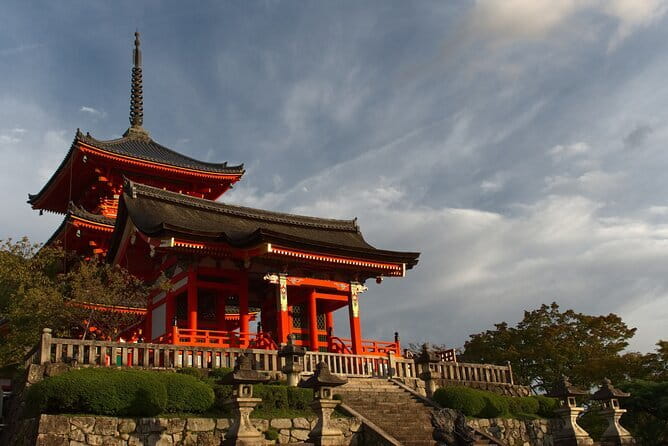
At $153.50 per person, this is a premium half-day activity. You are paying for more than bicycle use. The price covers the guide, bicycle, helmet, rainwear, admission to Kinkakuji, Toji-in, and Nijo Castle, plus the convenience of a private point-to-point route.
For two people, the cost can make sense if you want a focused introduction to Kyoto and would otherwise spend time arranging several admissions, bus rides, and directions. The private format is also useful for families or couples who value flexibility and direct access to a guide.
The price is harder to justify if you mainly want to pedal around town or see the temples from outside. You could spend less using public transportation and visiting attractions independently, though you would lose the route planning and historical explanations.
I see the best value here for someone with limited time who wants three major sites tied together by one clear story. The price also becomes more reasonable when the guide is strong, since the explanations are what turn a pleasant bike ride into a meaningful Kyoto experience.
Who should book this cycling tour?
I would recommend it to confident cyclists who want a guided introduction to Kyoto’s shogun-era sights. It suits couples, small families with older children, and private groups that prefer a personal guide to a large coach outing.
It is particularly useful early in a Kyoto stay. The ride gives you a broad sense of the city, while the three temples and castle provide enough detail to help you choose what to revisit later.
You may want another plan if you dislike cycling on roads, need a fully accessible sightseeing format, want a food-focused day, or prefer to spend hours at one temple. The tour is also not designed for solo bookings, and the conflicting cancellation wording deserves clarification before purchase.
Final call: a strong choice for active Kyoto sightseeing
Book this tour if you want history, temples, and city views without spending your morning working out Kyoto’s transport system. The route is well chosen: Kinkakuji supplies the famous image, Toji-in brings quiet Zen design, and Nijo Castle gives the shogun story its political ending.
I especially like the small private groups, the downhill format, the included admissions, and the rain alternative. Just remember that the value depends on your guide, your comfort on a bicycle, and your willingness to pay a premium for a carefully arranged half-day. Confirm the cancellation terms, eat before you start, and treat this as active sightseeing rather than a slow leisure ride.
FAQ
How long does the Kyoto Shogun Cycling Tour last?
The tour lasts approximately three hours and 30 minutes.
Which sights are included?
The tour visits Kinkakuji Temple, also called the Golden Pavilion, Toji-in Temple, and Nijo Castle.
Are admission tickets included?
Yes. Admission tickets for Kinkakuji, Toji-in, and Nijo Castle are included.
What equipment is provided?
The tour includes use of a bicycle, a helmet, and rainwear.
Is matcha included?
No. Matcha service is not included in the tour price.
Can children join the tour?
Children must be at least 10 years old, at least 145 centimeters tall, and able to ride a bicycle safely on the road without assistance.
What happens if it rains?
The tour operates in rain. You can continue by bicycle with a free rain poncho or switch to a walking tour using buses or the metro, with public transportation included in the tour fee.
Just added around Kyoto
- Kyoto: Zen Meditation at a Private Temple with a Monk★ 5.0 · 25 reviews
- Kyoto: Gion Geisha District & Sake-in-Hand Walking Tour★ 5.0 · 37 reviews
- Private Pewter Sake Cup Experience with a Kyoto Artisan★ 5.0 · 31 reviews
- Your Private Vacation Photography Session In Kyoto★ 5.0 · 110 reviews
- Private Guided Traditional Buddhist Cooking in Japan★ 5.0 · 16 reviews
- Kyoto Wagashi(Japanese sweets) Cooking Class near Fushimiinari★ 5.0 · 60 reviews
- Traditional Japanese Music show & Experience Tour in Kyoto★ 5.0 · 57 reviews
- Kyoto:Family-Friendly Kimono & Yukata Experience at WARGO★ 5.0 · 147 reviews
Kyoto Tours, compared.


Fushimi Inari, Kinkakuji, Bamboo Grove 1 Day Bus Tour
Read our review →
Tea Ceremony in a Traditional Tea House in Kiyomizu
Read our review →
Kyoto Geisha Walking Tour: Gion District & Hidden Gems
Read our review →

Gion Magical Night Walking Tour with Geisha Trivia
Read our review →

Gion Geisha District Walking Tour – Stories of Geisha
Read our review →Browse the lists this tour appears in