
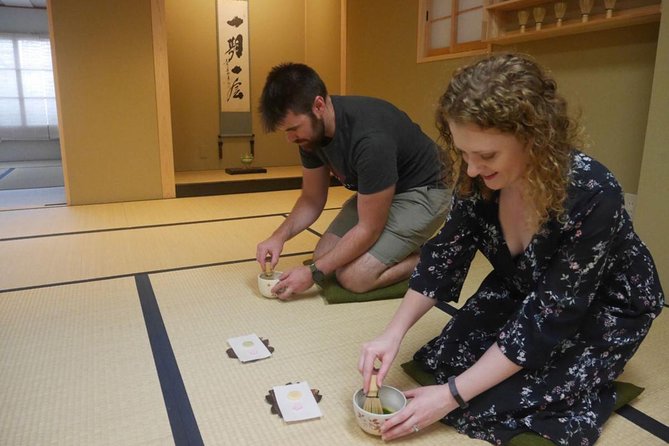
Reviewed · KYOTO TOURS
Kyoto Tea Ceremony & Kiyomizu-dera Temple Walking Tour
Kiyomizu-dera is the star here, but the traditional tea ceremony gives this three-hour walk its special shape. You’ll see the temple’s wooden stage, drink from Otowa Waterfall, wander Kyoto’s old shopping lanes, and take part in a calm cultural ritual rather than simply checking another temple off your list.
I like two things right away: the small maximum of six people, and the way the route links famous sights with everyday Kyoto details such as sweets shops, pickle stores, sundried foods, and old teahouses. Guides such as Hide have also made the walk feel easygoing, adding clear explanations, photos, and even a few baseball chats along the way.
The main caution is the steep, busy walking route around Kiyomizu-zaka, Sannenzaka, and Ninenzaka. Summer heat can be severe, food substitutions are not guaranteed for allergies or dietary restrictions, and the meeting point at Yasaka Shrine may need a little extra attention to find.
Key points to know before booking
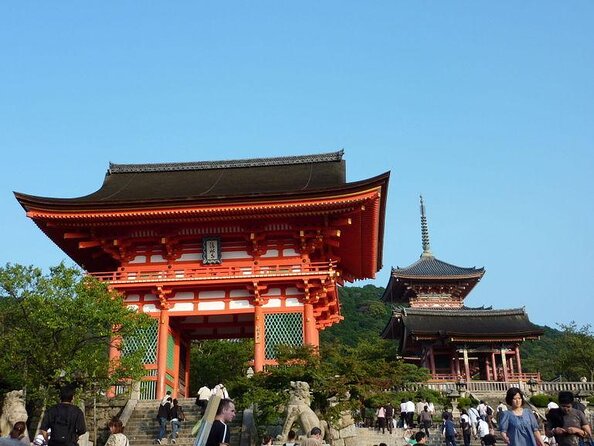
- Kiyomizu-dera with a guide: Visit the UNESCO World Heritage temple without studying a map first, and ask questions as you go.
- A tea ceremony included: Drink matcha and learn about the formal gestures and meaning behind the ritual.
- Small group size: The tour has a maximum of six people, which leaves room for questions and conversation.
- A scenic old-Kyoto route: Walk through Kiyomizu-zaka, Sannenzaka, and Ninenzaka, with time for photographs.
- Otowa Waterfall tradition: Choose one of three streams and drink its water using the long-handled temple cup.
- Useful morning timing: The tour begins at 9:00 am and ends back at Yasaka Shrine after about three hours.
Why this Kyoto morning walk works
Kyoto has temples in every direction, but a first visit can feel scattered. You can spend half a day crossing town for one famous gate, then miss the small lanes and customs that give the area its character. This tour keeps the focus tight: Yasaka Shrine, the old approach roads, Kiyomizu-dera, Otowa Waterfall, and tea.
The route also offers a good mix of looking and doing. You are not only viewing temple buildings. You’ll learn how worshippers approach the waterfall, take part in a tea ceremony, sample a few snacks, and hear about Shinto and Buddhist traditions from a local guide.
That balance matters. Kiyomizu-dera can be visually impressive, but its meaning is easier to grasp when someone explains why the temple sits above Otowa Waterfall, how the approach developed, and what visitors are doing at the various religious sites.
The tour is advertised at $109.39 per person. That is not a bargain-priced stroll, but the cost includes Kiyomizu-dera admission, a tea ceremony, matcha, snacks, photos during the walk, and three hours with a local guide. For a small group capped at six, the price can make sense if you want an organized introduction and personal help with the customs.
If you already know eastern Kyoto well, speak Japanese, and prefer to set your own pace, you may find the price harder to justify. You will also have less freedom to linger in shops or stop wherever you wish. This is a guided sampler, not a full-day temple and shopping tour.
More Tea Ceremonies in Kyoto
- Kyoto: Tea Ceremony in a Traditional Tea House in Kiyomizu
★ 4.9 · 3,519 reviews - Kyoto: Tea Ceremony Ju-An at Jotokuji Temple
★ 4.9 · 3,207 reviews - Kyoto: 45-Minute Tea Ceremony Lesson Experience
★ 4.3 · 2,378 reviews
Meeting at Yasaka Shrine at 9:00 am
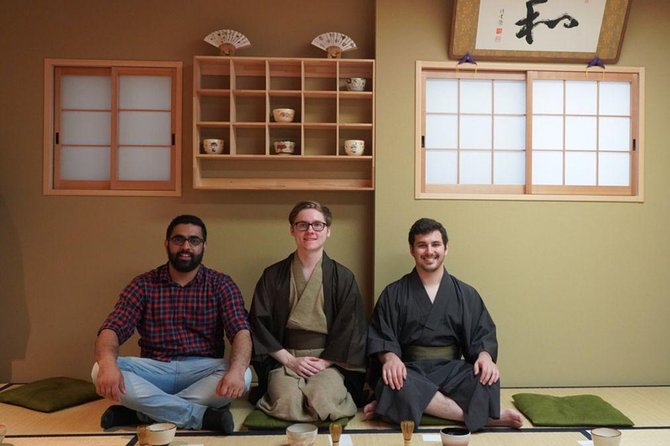
The walk begins at the Yasaka Jinja Nishiromon Gate, also called the Western Tower Gate, at 625 Gionmachi Kitagawa in Kyoto’s Higashiyama Ward. The activity ends at the same meeting point, so you do not need to arrange a separate pickup or learn a new return route.
Allow a little time to identify the correct gate. One participant initially had trouble locating the guide, which suggests that the meeting instructions could be clearer. Bring your booking confirmation on your phone, arrive before 9:00 am, and look for the guide near the stated gate.
Starting at Yasaka Shrine gives the tour a useful sense of place. This is not just a random assembly point. The shrine sits near Gion and the eastern temple district, putting you close to the older streets that lead toward Kiyomizu-dera.
The mobile ticket is convenient, especially if you are moving between several Kyoto stops during a busy trip. Confirmation is provided at booking, and the meeting point is near public transportation.
Kiyomizu-zaka and the old Kyoto streets
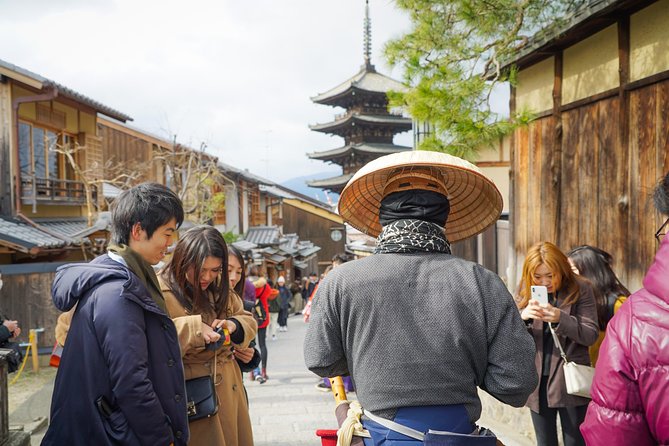
After meeting your guide, you head through the streets around Kiyomizu-zaka. This part of Kyoto is known for traditional-style buildings, teahouses, Japanese sweets shops, and stores selling local foods such as pickles and yatsuhashi.
The route has a strong visual appeal. Wooden facades, sloping lanes, shop displays, and glimpses of people in kimono create the old-Kyoto setting many visitors hope to see. Maiko and geisha may pass through the area, though no sighting is promised, so treat that as a possibility rather than a planned feature.
Your guide helps turn a pretty walk into a more useful one. You can ask about the buildings, the shops, local customs, and the religious sites along the way. This is especially helpful on a first morning in Kyoto, when the streets can seem like a maze of nearly identical slopes and lanes.
The route is also a shopping corridor. Stores call out to people as they climb toward the temple, and you may want to pause for sweets or souvenirs. The tour includes a few food samplings, but any extra food or drinks are at your own expense.
One practical point: this is a walking tour on sloping streets. The route from the lower approach to Kiyomizu-dera rises steadily, and the surface can be crowded near the temple. Comfortable shoes will serve you better than stylish but thin-soled footwear.
A colorful pause at Yasaka Koshindo
The walk includes a visit to Yasaka Koshindo, described as one of Kyoto’s most colorful temples. It offers a change of mood from the pale stone, wood, and muted colors found at many religious sites.
This is one of the route’s smaller but useful stops. Kiyomizu-dera draws the main crowds and the biggest photographs. Yasaka Koshindo gives you a more compact place to notice Kyoto’s decorative side and take pictures without making the entire morning about one major monument.
Your guide can also provide context for the religious customs you see. The tour specifically addresses Shinto and Buddhist traditions, which helps explain why Kyoto’s shrines and temples can feel close together while serving different roles.
The information is not meant to turn you into a scholar in three hours. Instead, it gives you enough background to recognize the difference between a shrine visit and a temple visit and to approach each place with more care.
Same base, a completely different sort of day:
- PERFECT KYOTO 1-Day Bus Tour
★ 5.0 · 13,518 reviews - Kyoto: Fushimi Inari, Kinkakuji, Bamboo Grove 1 Day Bus Tour
★ 4.8 · 4,316 reviews - Kyoto Geisha Walking Tour: Gion District & Hidden Gems
★ 4.7 · 3,273 reviews - Kyoto: Gion Magical Night Walking Tour with Geisha Trivia
★ 4.9 · 2,393 reviews
Entering Kiyomizu-dera and its wooden stage
Kiyomizu-dera was founded on the site of Otowa Waterfall about 1,200 years ago. Its name comes from the waterfall’s pure water, and that connection becomes clear when you reach the temple grounds.
The most famous view comes from the large wooden stage, about 13 meters above the ground. From here, you can look across the surrounding trees toward Kyoto in the distance. Cherry trees make the view appealing in spring, while maple leaves add color in autumn.
The stage is a fine example of why a guide can help. You will get the major view on your own, but a guide can point out what you are seeing and explain the temple’s place in Kyoto. You also avoid spending your first visit trying to work out which paths lead to the most important areas.
Kiyomizu-dera is a UNESCO World Heritage Site, so it carries both cultural importance and high demand. That means the experience may feel busy, especially around the main gate, the stage, and the approach road. The 9:00 am start is useful because it gets you moving before the day becomes even more crowded, though the tour does not promise an empty temple.
Admission is included, which helps the price. You are paying for more than a guide walking beside you, but you should still think of this as a focused visit. Three hours must cover the shrine meeting point, street walk, temple grounds, waterfall, tea ceremony, food samples, and return.
Drinking from Otowa Waterfall
Otowa Waterfall is the tour’s most hands-on temple stop. Its water is divided into three streams, and each is associated with a different benefit. You choose one stream, then use a cup attached to a long pole to drink the water.
This is a simple ritual, but it gives you a direct way to participate in Japanese religious tradition. Your guide can show you how to approach the area and explain the custom, so you are not left guessing what to do.
The three-stream choice is also a good reminder to keep the ritual respectful and brief. The waterfall is a popular stop, and others will be waiting to use the cups. Follow the guide’s instructions and avoid treating the area as only a photo opportunity.
The water stop may appeal to you if you like cultural activities that involve a small action rather than passive sightseeing. If you prefer to observe from a distance, it remains easy to understand and watch without taking part.
The tea ceremony and matcha
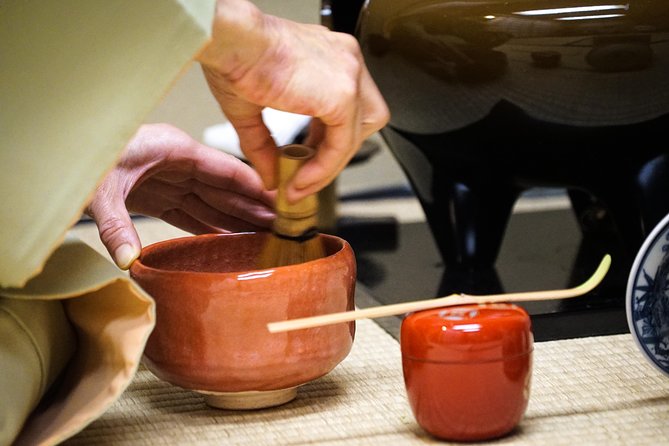
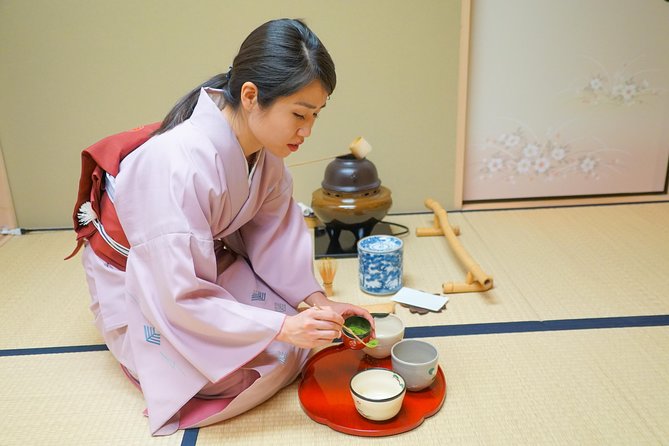
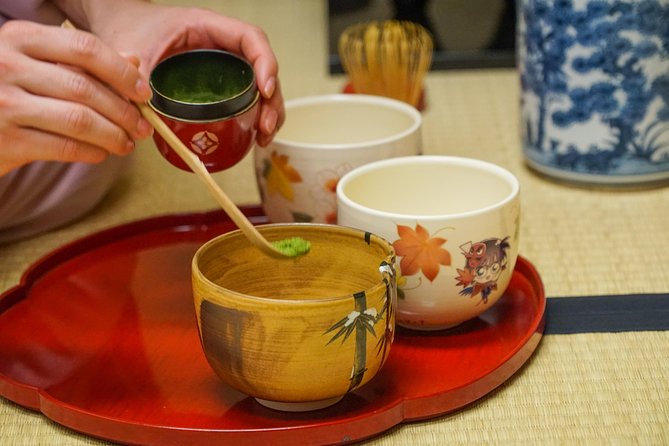
The tea ceremony is the experience’s strongest cultural counterpoint to the temple walk. After the noise and movement of the old streets, you sit down for a more measured activity, drink matcha, and learn about the formal gestures involved.
The ceremony is not presented as a long lesson in every school of tea. It is a practical introduction to the art, manners, and care behind the preparation. That makes it suitable for first-time visitors who want a taste of the tradition without committing to a much longer specialist session.
Several guides and tea hosts have left a strong impression through warmth and clear instruction. Hide has been praised for making the whole morning relaxed and enjoyable, while Haruki has been described as sweet and entertaining during the tea portion. Another account especially appreciated watching a woman perform the ceremony and seeing the skill involved.
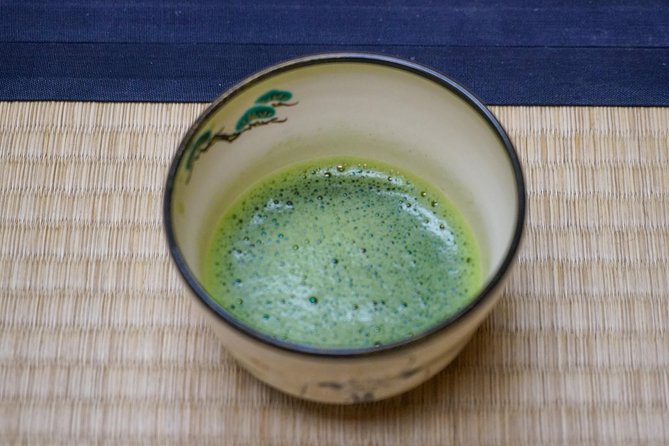
The tea itself is matcha, and the experience includes a few snacks. Additional food and drinks are not included. If you have a serious allergy or dietary restriction, take the warning seriously: the food is prepared in kitchens outside the tour company’s control, substitutions may not be possible at every stop, and an allergy-free experience cannot be guaranteed.
For many people, this will be the part they remember most. The temple provides the grand setting, but the ceremony gives the morning a quiet human focus. It is also a good chance to ask questions in a calmer setting than the busy approach streets.
What the small group changes
The maximum group size is six. That is a meaningful limit on a route where the streets can narrow and temple areas can become crowded.
A small group makes it easier to hear the guide, ask about Shinto and Buddhism, and get help with the waterfall ritual. It also gives the guide a better chance to take photos during the tour, a detail that matters if you are visiting alone or do not want to hand your phone to a stranger.
The tone can vary with the guide and the group, but the strongest examples point to a relaxed style rather than a stiff lecture. Hide, in particular, has been noted for mixing temple explanations with humor and personal conversation, including baseball.
Do not expect a private tour. Six people plus a guide can still move at different speeds, and the itinerary covers several stops in a fixed three-hour window. You will have less control than on an independent visit, but you gain a clearer route and someone to answer questions.
Timing, weather, and practical comfort
The 9:00 am start is one of the tour’s better practical choices. You begin before the hottest part of the day and reach Kiyomizu-dera early in your Kyoto schedule. That can help you get oriented before returning later on your own.
Summer in Japan is hot and humid. Bring water and wear a hat, as the tour specifically warns about heat illness. Light clothing and good walking shoes are sensible choices, though the supplied details do not promise water or special equipment during the tour.
Most people can participate, but children under six are not allowed. The route includes slopes and a substantial amount of walking, so consider your comfort with hills before booking.
The tour is generally accessible by public transportation because the meeting point is near transit. No hotel pickup is included, and the activity returns to Yasaka Shrine rather than ending at Kiyomizu-dera.
Free cancellation is available if you cancel at least 24 hours before the 9:00 am start time. A later cancellation or late change is not eligible for a refund, with cut-off times based on local Kyoto time.
Is $109.39 a fair price?
At $109.39, this is a convenience-and-context purchase. The admission fee, tea ceremony, matcha, snacks, photos, and three hours of guiding are bundled together, and the group size is kept to six.
I would consider it fair for a first Kyoto visit if you want a single morning to handle the route, explain the customs, and introduce you to Kiyomizu-dera. The combination of a major UNESCO site and a tea ceremony gives you more variety than a basic temple walk.
The value is weaker if your main goal is shopping. You pass through excellent shopping streets, but the tour is not built around long browsing stops. It is also less useful for repeat visitors who already know the temple district and would rather spend a full morning at their own pace.
The high rating of 4.9 from 115 reviews and a 97 percent recommendation rate fit the tour’s strongest qualities: friendly guiding, good orientation for a first Kyoto day, a calming ceremony, and a route with plenty of scenery. Those numbers do not remove the practical concerns about hills, heat, meeting-point clarity, or food restrictions.
Who should book this experience?
I would choose this tour for a first-time Kyoto visitor who wants a manageable introduction to eastern Kyoto. It suits solo visitors, couples, and small families with children six or older who value explanation over complete independence.
It is also a good choice if temple etiquette feels unfamiliar. The guide can explain worship customs, help at Otowa Waterfall, and give you a clearer sense of how the religious sites fit together.
You may want to skip it if you dislike scheduled walking, have severe dietary restrictions, or want a quiet private temple visit. The famous streets can be busy, and the three-hour format leaves limited time for independent shopping and lingering.
For the right person, this is a well-shaped Kyoto morning: one major temple, one small colorful temple, old streets, a local ritual, matcha, and snacks, all tied together by a guide who can make the details easier to understand.
FAQ
How long does the Kyoto tea ceremony and Kiyomizu-dera tour last?
The tour lasts approximately three hours and ends back at the Yasaka Shrine meeting point.
What time does the tour begin?
The tour begins at 9:00 am local time.
Where does the tour meet?
You meet at the Yasaka Jinja Nishiromon Gate, also called the Western Tower Gate, at 625 Gionmachi Kitagawa in Kyoto’s Higashiyama Ward.
Is Kiyomizu-dera admission included?
Yes. The entrance fee for Kiyomizu-dera Temple is included.
Does the tour include a tea ceremony and matcha?
Yes. The experience includes a traditional tea ceremony and a drink of matcha, or green tea.
Are food and drinks included?
A few food samplings and snacks are included. Additional food and drinks are not included.
Can children join the tour?
Children under six years old are not allowed to participate. The activity has a maximum of six travelers, including the guide’s small-group format.
What happens if I need to cancel?
You can receive a full refund if you cancel at least 24 hours before the experience start time. Cancellations or changes made less than 24 hours before the start are not accepted for a refund.
More Walking Tours in Kyoto
- Kyoto: Gion Geisha District Walking Tour – Stories of Geisha
★ 4.7 · 2,187 reviews - Night Walk in Gion: Kyoto’s Geisha District
★ 4.5 · 2,003 reviews - Kyoto Gion Geisha District Walking Tour – The Stories of Geisha
★ 5.0 · 1,441 reviews - Nishiki Market Brunch Walking Tour (7 Tastings + Brunch)
★ 5.0 · 1,355 reviews
Just added around Kyoto
- Kyoto: Zen Meditation at a Private Temple with a Monk★ 5.0 · 25 reviews
- Kyoto: Gion Geisha District & Sake-in-Hand Walking Tour★ 5.0 · 37 reviews
- Private Pewter Sake Cup Experience with a Kyoto Artisan★ 5.0 · 31 reviews
- Your Private Vacation Photography Session In Kyoto★ 5.0 · 110 reviews
- Private Guided Traditional Buddhist Cooking in Japan★ 5.0 · 16 reviews
- Kyoto Wagashi(Japanese sweets) Cooking Class near Fushimiinari★ 5.0 · 60 reviews
- Traditional Japanese Music show & Experience Tour in Kyoto★ 5.0 · 57 reviews
- Kyoto:Family-Friendly Kimono & Yukata Experience at WARGO★ 5.0 · 147 reviews
Kyoto Tours, compared.


Fushimi Inari, Kinkakuji, Bamboo Grove 1 Day Bus Tour
Read our review →
Tea Ceremony in a Traditional Tea House in Kiyomizu
Read our review →
Kyoto Geisha Walking Tour: Gion District & Hidden Gems
Read our review →

Gion Magical Night Walking Tour with Geisha Trivia
Read our review →

Gion Geisha District Walking Tour – Stories of Geisha
Read our review →Browse the lists this tour appears in