
Reviewed · KYOTO TOURS
Kyoto Zen Meditation & Garden Tour at a Zen Temple with Lunch
Kyoto has plenty of temples you can visit in an hour. This tour asks you to slow down. You walk through the Tofukuji area, study a carefully arranged dry garden, then sit for a proper zazen meditation session led by a Zen monk. That quiet hour is the heart of the experience, not a quick tourist demonstration.
I like the small group limit of seven, which gives guides such as Yutaka and Hikari room to explain Buddhist and Shinto traditions in plain English. I also like that the price includes temple admission and a traditional Buddhist lunch. The main drawback is timing: for the 10:45 departure, lunch comes at about 2:15 p.m., and the meditation requires silence, patience, and sitting still.
Key points before you book
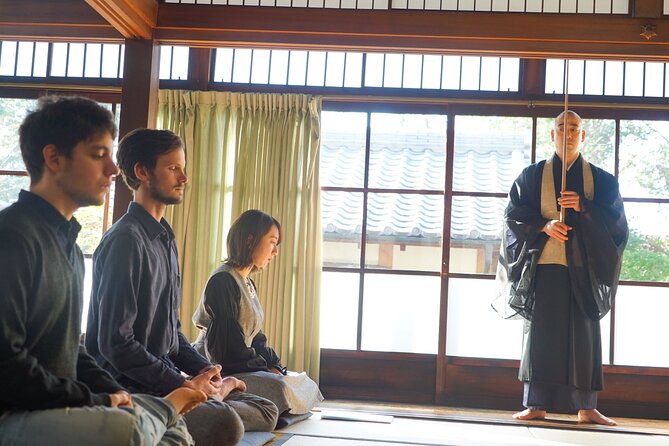
- Meditation with a resident monk: Learn the basic posture, breathing, and mindset of zazen in a real temple setting.
- Tofukuji temple area: Walk among important Kyoto religious sites with a local guide who explains what you are seeing.
- Quiet garden time: Visit a dry Zen garden and hear how its simple design supports reflection.
- Traditional Buddhist lunch: Eat a vegetarian meal of the kind historically served by Zen monks.
- Small group of seven: Ask questions easily and receive more personal help from your guide.
- Plan around the clock: The 10:45 start pushes lunch to about 2:15 p.m., so eat a good breakfast.
Why the meditation is the main event
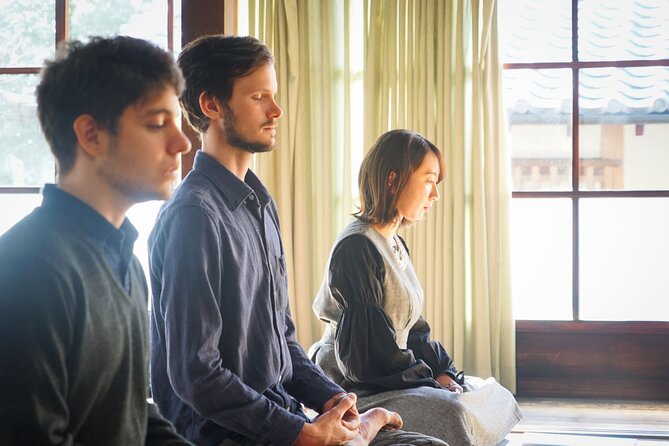
Many temple visits in Kyoto are visual. You admire a gate, snap a photo, and move on to the next stop. Here, you are asked to take part in a practice instead of simply looking at one.
The zazen session lasts about an hour, according to the detailed experience descriptions. A monk introduces the method and guides you through the process. The monk may speak Japanese, with your English-speaking guide preparing you beforehand and translating questions or additional explanations afterward.
That arrangement matters. You do not need to arrive with a background in Buddhism or meditation. Your guide explains what will happen before you enter the meditation space, so you can focus on the exercise rather than wonder if you are sitting correctly.
You can expect a quiet period with no private conversation. Materials may be provided for silent reading, but this is not a time for chatting with your companion or asking the guide constant questions. Treat the silence as part of the experience, not as an inconvenience.
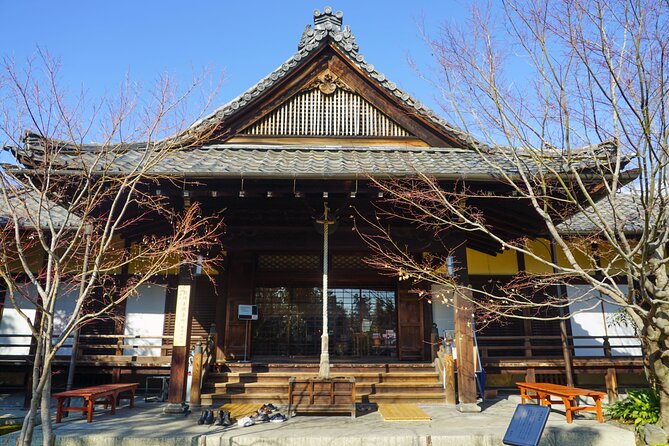
The setting also changes the feel of the session. Sitting in a temple used for Zen practice, under the direction of a monk, gives the hour more weight than a casual wellness class. It does not promise a life-changing revelation, and you should not expect advanced instruction. It is an introduction, but a serious and carefully handled one.
If you have never meditated, the session gives you a clear first step. If you already practice, you may value the setting, the monk’s approach, and the chance to ask questions through the guide.
More lunch stops in Kyoto:
- Bike Tour Exploring North Kyoto plus Lunch
★ 5.0 · 1,087 reviews - Osaka/Kyoto: Arashiyama, Nara & Fushimi Inari Shrine w/Lunch
★ 4.4 · 754 reviews - 4.5-Hour Kyoto Bike Tour with Lunch and UNESCO Zen Temples
★ 5.0 · 122 reviews
Walking through Tofukuji with Yutaka or Hikari
The tour begins at the FamilyMart near Tofukuji, at 12-chome-232 Honmachi in Kyoto’s Higashiyama Ward. The meeting point is near public transportation, but you should still allow extra time. The operator is strict about starting on time. If you miss the group, you cannot join later, reschedule, or receive a refund.
From the meeting point, your guide leads you through the Tofukuji area and nearby temple sites. The emphasis is not simply on checking off buildings. Guides explain the relationship between Buddhism and Shinto, the organization of temple grounds, and the purpose of the spaces you visit.
Yutaka is often praised for his enthusiasm for Kyoto and Zen Buddhism. Hikari has also provided careful preparation and translation during the meditation session. The guide’s role is especially useful here because Zen temples can look simple to an untrained eye. A guide points out details in the garden, architecture, religious customs, and daily practice that you might otherwise miss.
The tour has received repeated praise for its calm tone. That is partly the subject matter, but it is also the way the guides handle the group. You get time to pause, ask questions, and look around rather than being hurried from one photo stop to another.
The route includes visits to Buddhist temples and a famous shrine in the Tofukuji area. The exact order can vary, and the supplied information does not name every stop. You should think of this as a guided walk centered on Zen practice, not a fixed list of major sightseeing sites.
Reading a Zen garden without rushing
A dry Zen garden uses stones, gravel, and carefully placed plants instead of ponds or elaborate flower displays. Its restraint is the point. The garden gives you a place to look quietly and consider how space, balance, and absence can carry meaning.
Your guide provides commentary while you view the garden. This is helpful because the design may seem almost too spare at first. With context, the lack of decoration becomes easier to understand. The garden is not meant to entertain you with constant color or movement. It gives the eye fewer things to chase.
I like this part of the tour because it links sightseeing to meditation. You first hear about Zen ideas while walking, then encounter them in a physical setting, and later practice stillness yourself. The pieces support one another.
Photography is possible during parts of the walk, and one account particularly valued the garden as a place for pictures. Still, bring the right attitude. The garden is a place of religious practice, not just a backdrop. Follow your guide’s instructions, keep your voice low, and do not let photography take over the visit.
The tour is also a useful choice for anyone who has already seen Kyoto’s most famous temples. You may still recognize the basic forms, but the guide helps you consider why the spaces are arranged as they are and how they fit into Zen life.
A traditional Buddhist lunch after the quiet hour
Lunch is included, which gives the tour a practical advantage over many short temple walks. The meal is a traditional Buddhist style of food, historically served by Zen monks, and is vegetarian.
This is not merely a snack between attractions. The meal is part of the cultural lesson. Buddhist cooking traditions place value on seasonal ingredients, careful preparation, and respect for food. You get a chance to experience that tradition at the table rather than only hearing about it.
The lunch has been described as generous, and even people who are usually selective about food have enjoyed it. Still, keep your expectations sensible. This is a traditional meal prepared at kitchens outside the tour company’s control, not a menu designed around every modern dietary preference.
Allergy-free preparation cannot be guaranteed. Substitutions may not be possible at every stop, though the guide will try to make up for limitations elsewhere. If you have a dietary request, send it by the day before the tour. Requests made on the day cannot be accepted.
Timing deserves special attention. On the 10:45 departure, lunch is scheduled for about 2:15 p.m., after meditation. Have a full breakfast or brunch before meeting the group. If you are accustomed to an early lunch, the gap may feel long.
A few more Kyoto half-days to weigh up
- PERFECT KYOTO 1-Day Bus Tour
★ 5.0 · 13,518 reviews - Kyoto: Fushimi Inari, Kinkakuji, Bamboo Grove 1 Day Bus Tour
★ 4.8 · 4,316 reviews - Kyoto: Tea Ceremony in a Traditional Tea House in Kiyomizu
★ 4.9 · 3,519 reviews - Kyoto Geisha Walking Tour: Gion District & Hidden Gems
★ 4.7 · 3,273 reviews
Is $110.10 a fair price?
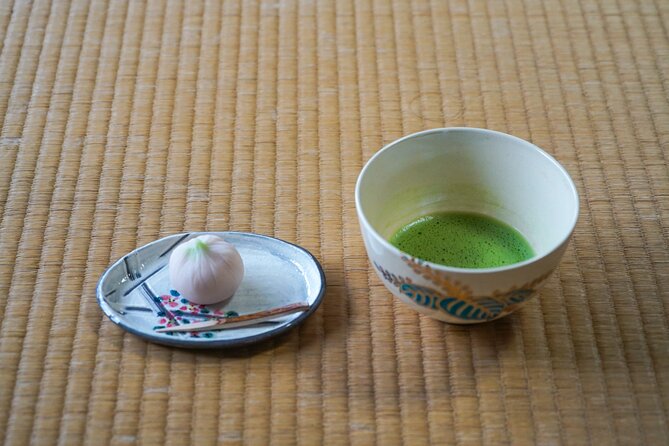
At $110.10 per person, this is not the cheapest way to see a Kyoto temple. You are paying for more than admission, though. The price covers about four and a half hours, a local guide, temple entry, a small group capped at seven people, a monk-led meditation session, and lunch.
That combination gives the tour reasonable value for the right person. Temple admission alone would not provide the explanations, translation, meal, or structured meditation. Booking these pieces separately could also mean dealing with several schedules and uncertain access.
The value is lower if you only want to photograph temples or prefer to explore at your own pace. The tour has a set schedule, and the meditation period limits conversation. You are paying for guidance and structure, so independent sightseers may find it too managed.
For someone curious about Buddhism, Zen design, or meditation, the cost is easier to justify. The monk-led session is the part that is difficult to arrange on your own. A regular temple visit can show you a meditation hall, but it rarely gives you instruction inside one.
The small group also matters. With no more than seven people, the guide can answer questions without the feel of a large bus tour. You may still share the meditation space with other participants, but the format is personal enough for a calm conversation during the walking portions.
Practical details that affect your day
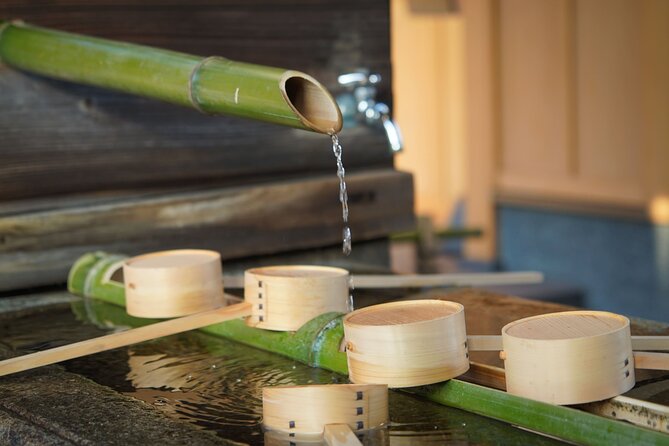
The experience lasts about four hours and 30 minutes. It is available to people aged 12 and older. A mobile ticket makes entry and meeting simple, but the more important preparation is arriving early.
The stated meeting point is the FamilyMart near Tofukuji. The information also says the activity ends near Chishaku-in Temple, while another note says the group returns toward the meeting point and disbands at the last shop. Treat the final stop as flexible rather than assuming you will be escorted all the way back to the convenience store.
That matters if you have a train reservation, evening dinner booking, or another timed activity. Leave a little room after the scheduled end, especially if you need to navigate from the final shop.
Wear comfortable shoes for the walking sections. In summer, Kyoto can be hot and humid, so bring water and a hat. In winter, temple floors can be cold. Thick socks are a smart choice, especially during the meditation session.
The tour is not a good match for anyone who needs to leave early or dislikes fixed schedules. You must remain quiet during zazen, and private conversation is generally not allowed. That rule protects the other people in the room and helps preserve the proper tone of the session.
Who will get the most from this tour?
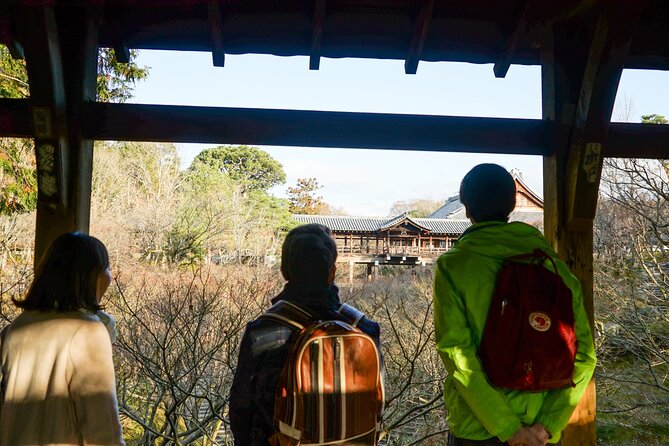
I would recommend it first to people who want a more reflective side of Kyoto. Solo visitors are especially well suited because the small group and calm pace make it easy to participate without feeling out of place.
It also suits first-time meditators. You receive an explanation before the session, instruction from a monk, and translation help from the guide. You do not have to know Buddhist terms or meditation techniques in advance.
Couples and friends should book it if they are comfortable spending an hour in silence. This is not an ordinary social excursion. You will have time to talk while walking, but the central practice asks you to set conversation aside.
The tour may also work well for repeat visitors. One experienced Kyoto visitor found that the temple explanations and meditation offered a new side of the city. That is the appeal: you move beyond the familiar image of Kyoto as a collection of beautiful old buildings and consider the ideas that shaped them.
I would hesitate to recommend it to children under 12, since they cannot join. I would also think twice if food allergies are severe, because the kitchens cannot guarantee an allergy-free meal. Anyone who dislikes vegetarian food should read the meal details carefully before booking.
Should you book the Kyoto Zen tour?
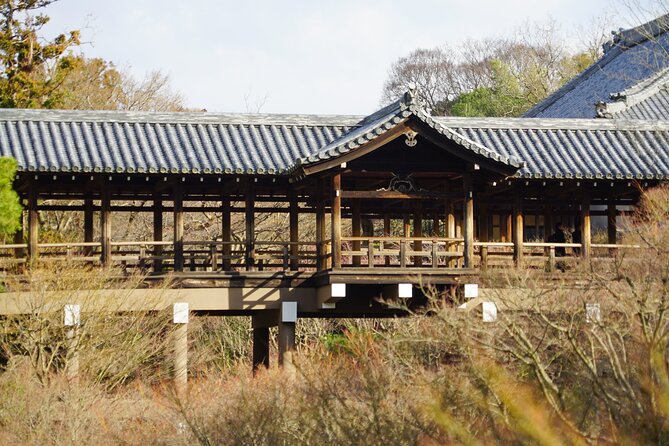
Book this experience if you want to do more than look at temples. The strongest reasons are the monk-led meditation, the small group, and the chance to connect the garden, temple buildings, Buddhist ideas, and meal into one half-day outing.
Choose a different activity if you want a flexible photo walk, an early lunch, or a private experience. You must arrive on time, accept a late lunch with the 10:45 start, and respect silence during zazen.
For the right visitor, this is one of the more meaningful ways to spend four and a half hours in Kyoto. It gives you a real practice, not just an explanation, while still providing the cultural background needed to understand what you are doing.
FAQ
Where does the Kyoto Zen meditation tour start?
It starts at the FamilyMart near Tofukuji, located at 12-chome-232 Honmachi in Kyoto’s Higashiyama Ward.
How long does the experience last?
The tour lasts approximately four hours and 30 minutes.
How much does the tour cost?
The listed price is $110.10 per person.
How many people can join the tour?
The maximum group size is seven people.
Is temple admission included?
Yes. You do not need to pay separate admission fees for the temples included in the activity.
Is lunch included?
Yes. A traditional Buddhist vegetarian meal is included.
What time is lunch for the 10:45 departure?
For a tour beginning at 10:45, lunch is scheduled for about 2:15 p.m., after the meditation session. Eat a sufficient breakfast or brunch beforehand.
Can people with dietary restrictions join?
Dietary requests must be made by the day before the tour. Allergy-free preparation cannot be guaranteed, and substitutions may not be possible at every stop.
What happens if I arrive late?
The tour starts on time. If you miss the group, you cannot join the experience, reschedule, or receive a refund.
What should I wear in summer and winter?
Bring water and a hat during Kyoto’s hot, humid summer. In winter, wear thick socks because temple floors can be cold.
Can children join?
Only people aged 12 and older can participate.
Where does the tour finish?
The activity is described as ending near Chishaku-in Temple. The group may return toward the meeting area, but the plan is to disband at the last shop, so allow flexibility for your onward journey.
Just added around Kyoto
- Kyoto: Zen Meditation at a Private Temple with a Monk★ 5.0 · 25 reviews
- Kyoto: Gion Geisha District & Sake-in-Hand Walking Tour★ 5.0 · 37 reviews
- Private Pewter Sake Cup Experience with a Kyoto Artisan★ 5.0 · 31 reviews
- Your Private Vacation Photography Session In Kyoto★ 5.0 · 110 reviews
- Private Guided Traditional Buddhist Cooking in Japan★ 5.0 · 16 reviews
- Kyoto Wagashi(Japanese sweets) Cooking Class near Fushimiinari★ 5.0 · 60 reviews
- Traditional Japanese Music show & Experience Tour in Kyoto★ 5.0 · 57 reviews
- Kyoto:Family-Friendly Kimono & Yukata Experience at WARGO★ 5.0 · 147 reviews
Kyoto Tours, compared.
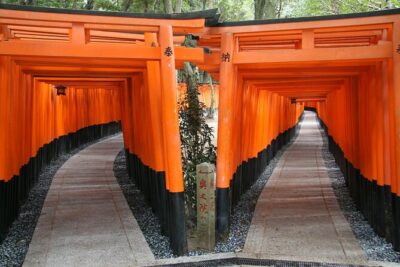
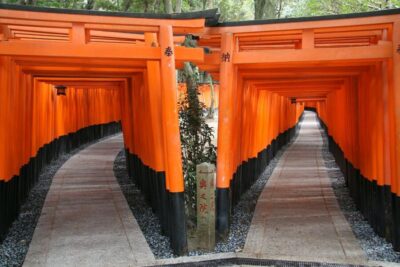
Fushimi Inari, Kinkakuji, Bamboo Grove 1 Day Bus Tour
Read our review →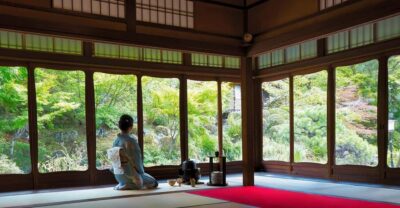
Tea Ceremony in a Traditional Tea House in Kiyomizu
Read our review →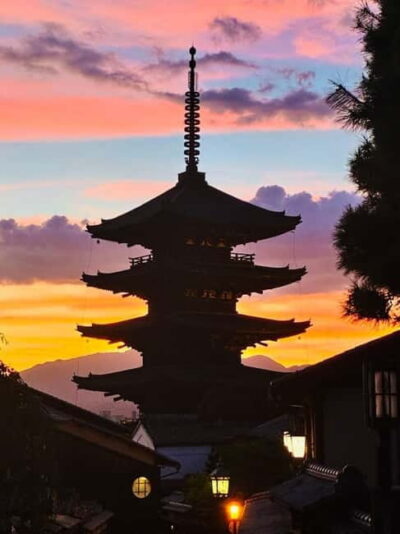
Kyoto Geisha Walking Tour: Gion District & Hidden Gems
Read our review →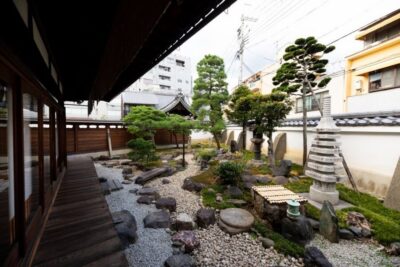
Gion Magical Night Walking Tour with Geisha Trivia
Read our review →
Gion Geisha District Walking Tour – Stories of Geisha
Read our review →Browse the lists this tour appears in