
Reviewed · KYOTO TOURS
Explore Hidden Alleyway with a Local Expert (Morning tour)
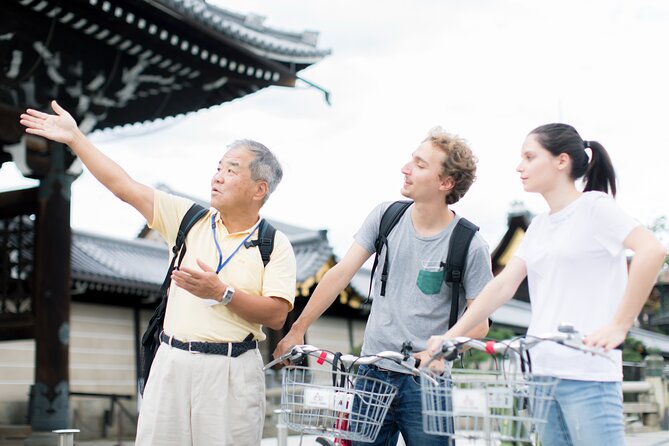
Kyoto’s old lanes make far more sense from a bicycle seat. This private three-hour e-bike tour links Miyagawacho, Gion, Tatsumi Bridge, the Imperial Palace, and the Kamo River without asking you to spend the morning marching between them. Your guide handles the route, traffic, and local context.
I like two things right away: the small private group, limited to six people per guide, and the easy pace made possible by electric assistance. Guides such as Rich, Annie, and Yuichi have helped make the ride personal, answering questions about history, culture, religion, and daily life. The main drawback is the fixed three-hour length. You cover a lot, but some riders will wish for another hour.
- Miyagawacho and Gion: Ride through two of Kyoto’s best-known geisha districts, with traditional wooden houses and quiet lanes.
- Private route: Your group alone takes the tour, with room to request a river ride, Palace visit, or coffee pause.
- Electric help: Included e-bikes make hot weather and a wide city route much easier than an ordinary bicycle.
- Imperial Palace grounds: Cycle gravel paths through the former imperial residence’s public garden.
- Rain backup: You can continue by bike with a free poncho or switch to buses and the metro.
- Useful limits: Groups need at least two people, and children must be at least 10 years old and 145 centimeters tall.
Why an E-Bike Makes Kyoto Easier
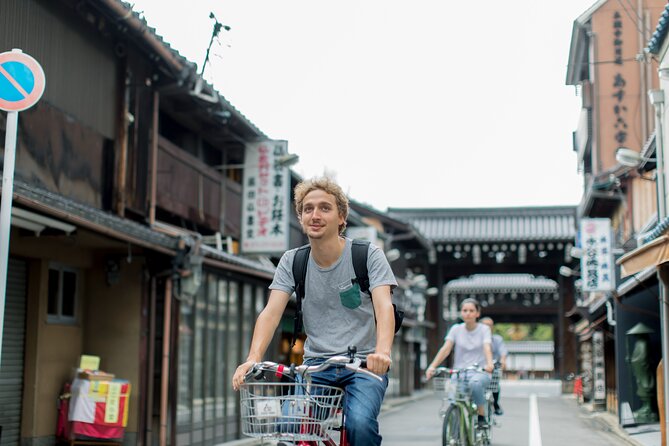
Kyoto looks manageable on a map, but its sights are spread across a broad city. Walking from the southern geisha quarters to the Imperial Palace can eat up much of your morning, especially in summer heat. An e-bike lets you cover that distance while keeping your energy for the places you actually want to see.
The electric motor is the practical star here. You still pedal, but the battery takes the sting out of longer stretches and makes the ride less tiring than a standard bicycle. One particularly hot morning, the easy ride mattered more than speed. You can see a large section of Kyoto without turning the day into a foot race.
This is not a high-speed cycling trip. The point is to move between old neighborhoods, pause at meaningful places, and ask questions as you go. A private guide can adjust the pace for your group, and a coffee break can fit in if you request one. That flexibility is worth more than a rigid list of stops.
You should still be comfortable riding on the road without help. The age and height rules are clear: children must be at least 10 years old, at least 145 centimeters tall, and able to cycle safely on the road unassisted. The tour is not designed for a child who is still learning to balance or steer.
Miyagawacho Shows Kyoto’s Wooden Side
The morning begins at 9:00 am from 552-13 Higashiaburanokōjichō in Shimogyo Ward. From the meeting point, the route heads toward Miyagawacho Kaburenjo, one of Kyoto’s five geisha districts and the city’s second largest.
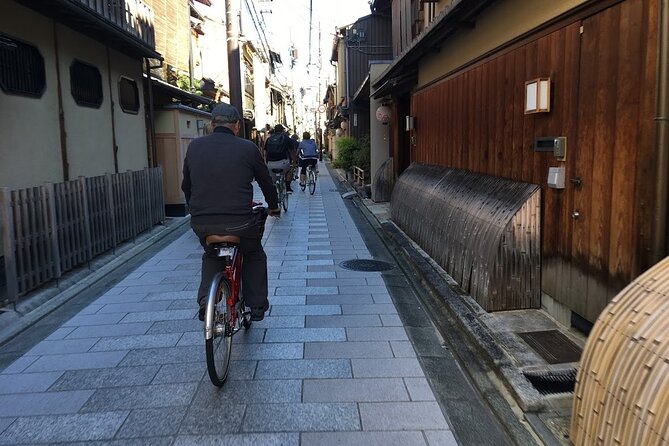
Miyagawacho is a fine first stop because its character comes from the buildings as much as the name. Traditional wooden houses line both sides of the narrow lane, creating a quiet setting that feels far removed from modern traffic. You spend about 15 minutes here, enough to take in the architecture and hear how the district fits into Kyoto’s performing arts culture.
Keep your expectations sensible. This is not a private geisha performance, and the tour does not promise close encounters with maiko or geiko. You are seeing a historic district in its everyday setting. That is the value: the wooden facades, restrained atmosphere, and narrow alleyways give you a better sense of old Kyoto than a quick photo stop on a wide commercial street.
A guide is especially useful here. Without context, you may see a row of handsome wooden houses and move on. With explanation, you can better understand why these districts developed and how they remain part of Kyoto’s cultural life.
More early starts in Kyoto:
- Kyoto Early Morning Tour with English-Speaking Guide
★ 5.0 · 1,427 reviews - Kyoto: Early Morning Tour with English-Speaking Guide
★ 4.9 · 1,128 reviews - From Kyoto: Nara Guided Morning Tour
★ 4.6 · 335 reviews
Gion Adds Kyoto’s Famous Atmosphere
The ride continues to Gion, perhaps Kyoto’s most recognizable geisha district. Gion grew around maiko and geiko culture, and its old-fashioned mood remains one of the city’s strongest visual experiences.
The stop lasts about 15 minutes. That is enough for an introduction and some photographs, but not enough for a long wander through every lane. The short visit works well as part of a larger ride because you are not spending the whole morning in one neighborhood.
Your guide can help you look beyond the obvious. Gion is more than a backdrop of wooden facades. It is a working district with customs and residents, so respectful behavior matters. Keep your voice low, do not block narrow lanes, and do not treat people as scenery. The guide’s presence helps you understand the area without turning the visit into a checklist.
This portion of the ride also shows why a private group can be better than a large one. Six riders or fewer can stop with less fuss, listen to an explanation, and move on before the lane becomes crowded. The tour is still short, so you should see Gion as an introduction rather than a full neighborhood tour.
Tatsumi Bridge Brings a Quiet Pause
At Tatsumi Bridge, the mood changes. A narrow stream runs beside the path, and willows move in the breeze. The setting offers a calm pause after the more famous geisha streets.
You spend around 15 minutes here. That may sound brief, but the stop gives the route a useful rhythm: old wooden neighborhoods, then water, shade, and a quieter view. It is a good place to slow the group down and notice details that are easy to miss from a bus.
The bridge is also a reminder that this experience is not only about major monuments. Kyoto’s character often appears in small waterways, low bridges, planted banks, and residential lanes. A guide can point out the setting’s connection to the city’s older sense of place, while the bicycle gets you there without a long transfer.
Do not expect a long riverside ride at this point. The stated stop is about 15 minutes, so the bridge is a scenic pause rather than a major cycling segment. If the river is one of your priorities, tell your guide at the start. The private format allows room for requests, though the morning still has a fixed end.
The Imperial Palace Grounds Give You Room to Breathe
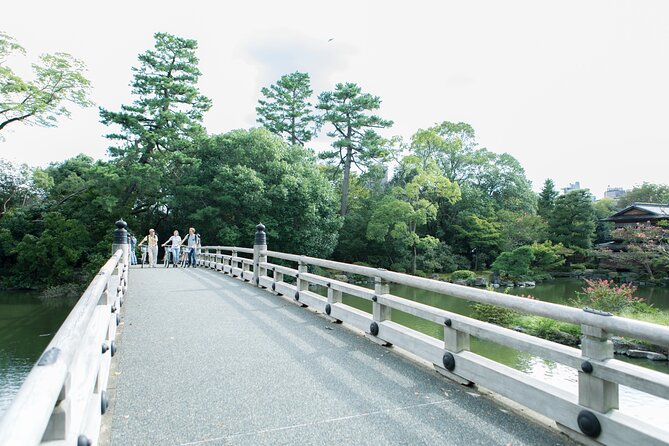
The Kyoto Imperial Palace was once the residence of Japan’s Imperial Family. Today, the public garden offers seasonal flowers, open space, and gravel paths where the tour cycles for about 20 minutes.
This is the largest stop on the route, and it provides a welcome change from narrow lanes. The Palace grounds give you space to look around without the tight turns and close buildings of Gion. The ride here is not simply a photo stop. You move through the garden area by bicycle, seeing more than you could comfortably cover on foot in the same time.
The gravel paths are worth noting. They are part of the setting, but they may feel less smooth than paved city streets. Follow the guide’s pace, keep control of the bike, and do not assume the electric motor makes every surface effortless.
The Palace grounds also add historical weight to the morning without requiring a long indoor visit. You see the former imperial setting from the public garden and hear the background from your guide. If you want detailed palace interiors or a formal museum visit, this tour is not meant to replace that. It gives you a concise outdoor look as one part of a broader Kyoto ride.
A few more Kyoto half-days to weigh up
- PERFECT KYOTO 1-Day Bus Tour
★ 5.0 · 13,518 reviews - Kyoto: Fushimi Inari, Kinkakuji, Bamboo Grove 1 Day Bus Tour
★ 4.8 · 4,316 reviews - Kyoto: Tea Ceremony in a Traditional Tea House in Kiyomizu
★ 4.9 · 3,519 reviews - Kyoto Geisha Walking Tour: Gion District & Hidden Gems
★ 4.7 · 3,273 reviews
Kamo River Is the Morning’s Best Reset
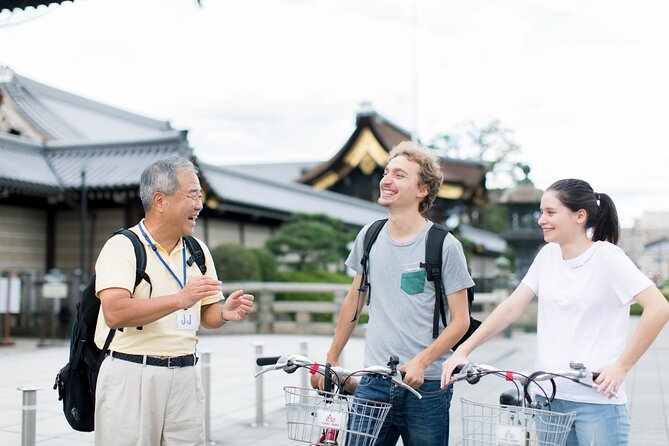
The last main stop is Kashiwayacho, beside the Kamo River. This is a place where local residents come to relax, and it works well as the tour’s final pause.
You have about 20 minutes here. After several historic districts and a stretch through the Palace grounds, sitting near the river gives the morning a softer finish. You can rest, talk with your guide, and decide what parts of Kyoto you want to revisit later.
The river stop is also where the private format can pay off. A group may prefer a quiet break, a longer chat, or a quick coffee stop earlier in the ride. The guide can respond to those preferences more easily than a large scheduled group can. One morning included a coffee break at the group’s request, which made room for both conversation and local tips.
If your main goal is cycling along the river, make that clear at the beginning. A guide has already designed a route that includes several districts, so your wish may need to be balanced against the other stops.
Guides Make the Short Route More Useful
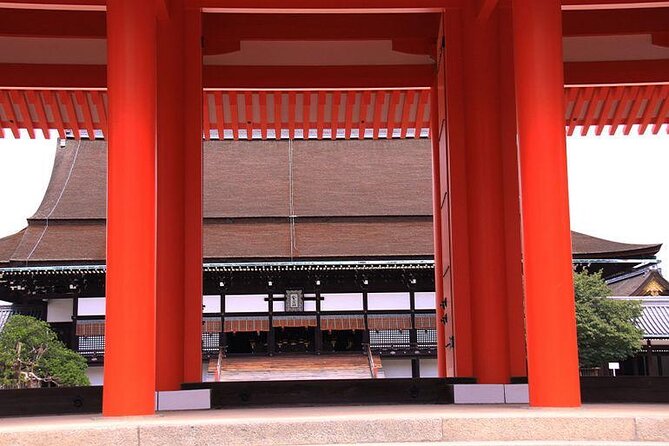
The quality of the guide matters a great deal on a three-hour tour. You are not paying only for a bicycle. You are paying for someone who can explain what you are seeing, answer questions, and keep the route moving.
Rich has been praised for answering questions throughout the morning and explaining Kyoto and Japan in a clear way. Annie has led a ride that balanced historical stops with relaxed sightseeing, while Yuichi has adjusted a route to include the Imperial Gardens and a riverside ride. Guide availability is not guaranteed, so treat these names as examples rather than a promise of who will lead your group.
The strongest feature is the open conversation. You can ask about history, culture, religion, or practical Kyoto tips instead of waiting for a scripted speech. That makes the ride useful early in a trip, when you are still deciding how to spend the rest of your time.
Language ability can vary by guide. In heavy rain, one group found that communication in English was not strong enough for a full exchange about the sights. That issue may be less noticeable while riding, but it is worth keeping in mind if detailed English discussion is central to your decision.
What the $103.04 Price Buys You
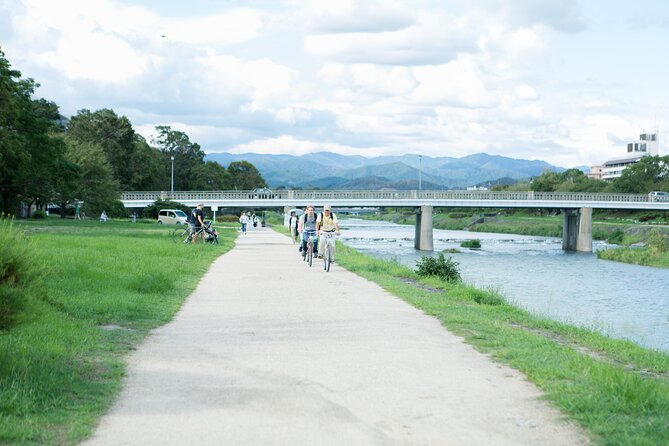
At $103.04 per person, this is not a bargain bicycle rental. It is a guided private activity with an e-bike and equipment included. The value depends on how much you want help with routing, interpretation, and pace.
For a small group, the price can make sense. You avoid planning a route between distant parts of Kyoto, you do not have to manage navigation, and you get a guide who can respond to requests. The electric bike also matters on a hot day, when a regular rental could leave you tired before lunch.
The value is strongest if you take this tour on your first or second day in Kyoto. You see several parts of the city in one morning, learn what interests you, and receive tips that can shape the rest of your visit. If you already know Kyoto well and simply want a long independent ride, renting a bicycle on your own may cost less.
The tour lasts approximately three hours and returns to the starting point. That makes it easy to pair with another afternoon activity, though you should not expect a leisurely full-day outing. The route moves at a comfortable pace, but the number of districts covered means each stop remains fairly short.
Rain Plans Are Practical, Not Perfect
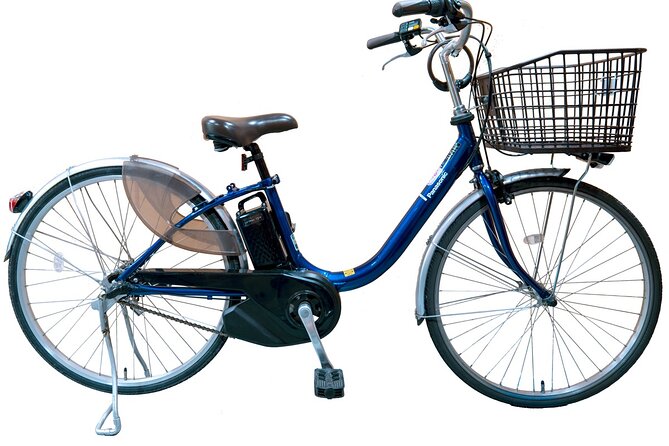
The tour operates in rain, which gives you two choices. You can continue by bicycle with a free rain poncho, or switch to a walking tour that uses public transport, with bus or metro costs included in the tour fee.
That policy is useful for light rain, but a serious downpour changes the experience. You will spend less time enjoying quiet lanes and more time dealing with wet conditions or transfers. One group chose buses and the metro during heavy rain and found the guide pleasant, but the weather and limited English exchange reduced the value of the outing.
If the forecast looks poor, ask yourself how much you care about cycling. The walking and public transport backup keeps the booking from becoming a total loss, but it is not the same activity. If you want the best version of the ride, a dry morning matters.
There is a policy conflict in the supplied booking information. One section says you can cancel at least three days before the tour date by 6:00 pm Japan time for a refund. Another says the experience is non-refundable and cannot be changed for any reason. Confirm the current rule with KCTP before paying, especially if rain or schedule changes could affect your plans.
Who Should Book This Kyoto Ride
I would choose this tour if you want a broad first look at Kyoto without walking several miles. It suits couples, families with older children, and small groups who prefer a private pace to a large organized ride.
It is also a good fit for curious riders. The best use of the morning is to ask questions and let the guide connect the places you pass. If you are interested in how geisha districts, imperial sites, waterways, and ordinary streets fit together, the route gives you a useful citywide frame.
You should skip it if you dislike cycling near traffic, cannot ride safely without assistance, or want long visits at each sight. The route is active, the stops are short, and the e-bike does not remove the need for basic road confidence.
Groups must have at least two people and no more than six per guide. For seven to twelve people, an additional guide can be arranged. The experience is private, so only your group participates, and it ends back at the meeting point.
Should You Book It?
Book this Kyoto e-bike tour if you want efficient sightseeing with real conversation, especially near the start of your stay. The combination of Miyagawacho, Gion, Tatsumi Bridge, the Imperial Palace, and the Kamo River gives you a varied morning rather than one narrow theme.
The $103.04 price is fair for a private guided ride with an electric bicycle, but less compelling if you only want transportation or already know Kyoto’s backstreets. Choose it for the guide, the route, and the ease of covering ground. Confirm the cancellation terms, check the weather, and wear comfortable clothing. If those points work for you, this is a smart way to get your bearings while seeing a side of Kyoto that is easy to miss from a tour bus.
FAQ
What time and where does the tour start?
The tour starts at 9:00 am at 552-13 Higashiaburanokōjichō, Shimogyo Ward, Kyoto, 600-8235, Japan.
How long does the e-bike tour last?
The experience lasts approximately three hours and returns to the original meeting point.
Is the tour private?
Yes. Only your group participates. Each guide accepts a minimum of two and a maximum of six people. Groups of seven to twelve can arrange an additional guide.
What happens if it rains?
You can continue by bicycle with a free rain poncho, or switch to a walking tour using buses or the metro. Public transport is included in the tour fee.
Can children join the tour?
Children must be at least 10 years old, at least 145 centimeters tall, and able to ride a bicycle safely on the road without assistance.
Is the tour refundable if I cancel?
The supplied information gives conflicting cancellation terms. One section says cancellation at least three days before the tour date by 6:00 pm Japan time may qualify for a refund, while another says the experience is non-refundable and cannot be changed. Confirm the current policy with KCTP before booking.
Just added around Kyoto
- Kyoto: Zen Meditation at a Private Temple with a Monk★ 5.0 · 25 reviews
- Kyoto: Gion Geisha District & Sake-in-Hand Walking Tour★ 5.0 · 37 reviews
- Private Pewter Sake Cup Experience with a Kyoto Artisan★ 5.0 · 31 reviews
- Your Private Vacation Photography Session In Kyoto★ 5.0 · 110 reviews
- Private Guided Traditional Buddhist Cooking in Japan★ 5.0 · 16 reviews
- Kyoto Wagashi(Japanese sweets) Cooking Class near Fushimiinari★ 5.0 · 60 reviews
- Traditional Japanese Music show & Experience Tour in Kyoto★ 5.0 · 57 reviews
- Kyoto:Family-Friendly Kimono & Yukata Experience at WARGO★ 5.0 · 147 reviews
Kyoto Tours, compared.


Fushimi Inari, Kinkakuji, Bamboo Grove 1 Day Bus Tour
Read our review →
Tea Ceremony in a Traditional Tea House in Kiyomizu
Read our review →
Kyoto Geisha Walking Tour: Gion District & Hidden Gems
Read our review →

Gion Magical Night Walking Tour with Geisha Trivia
Read our review →
