
Reviewed · KYOTO TOURS
Japanese Traditional Sweets ”Nerikiri” making
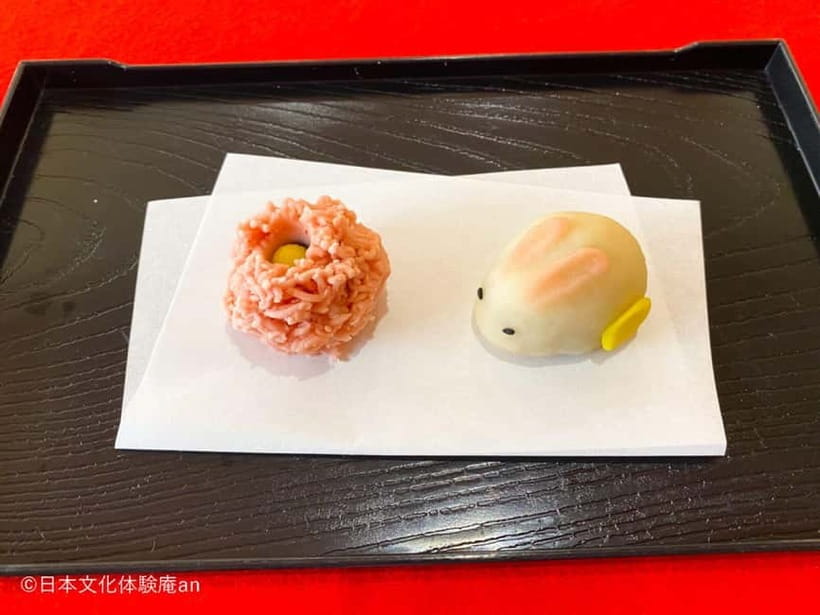
Making nerikiri turns a small sweet into a hands-on piece of Japanese culture. In 65 minutes near Gojo Station, you shape two seasonal wagashi using white and red bean paste from long-established Kyoto shops, then eat your work fresh.
I like the short, calm format and the fact that you make two different designs, not just one. I also like the honest connection to Kyoto ingredients: this is not a generic candy workshop. The main consideration is language support. The instructor teaches in Japanese, with English translation provided as much as possible, so careful demonstrations matter.
Key points
- Two seasonal sweets: Make a flower-shaped nerikiri and a kinton nerikiri.
- Kyoto bean paste: Use white and red bean paste produced by long-established shops in Kyoto.
- Easy Gojo access: The venue is one minute from Exit 1 of Gojo Station on the Karasuma Subway Line.
- Eat your work: The sweets are served for you to enjoy after the making session.
- Good for mixed ages: The activity suits solo visitors, groups, and children old enough to follow a hands-on demonstration.
- Short booking window: The workshop lasts 65 minutes, making it easy to fit into a Kyoto day.
What You Actually Make in 65 Minutes
This is a compact workshop with a clear beginning, middle, and end. The session starts with an explanation of Japanese traditional sweets, followed by the making of two nerikiri designs. You then have picture time and finish by eating what you made.
The two sweets give you different kinds of practice. The flower-shaped nerikiri focuses on forming a neat, recognizable design. The kinton nerikiri has a different look and texture, so you are not simply repeating the same steps twice.
Nerikiri is a type of wagashi made from a smooth sweet bean paste mixture. It is often shaped to reflect flowers, seasons, or other natural forms. Here, the seasonal theme gives the activity a Japanese calendar connection, although the exact designs can vary with the time of year.
You are not expected to arrive with pastry-making experience. The activity is designed around direct participation, and the finished sweets are edible even when your shaping is less than perfect. That is part of the charm. You make something attractive enough for a photograph, then you get to eat it instead of carrying home an unwanted souvenir.
The schedule is efficient:
- Start with an explanation of Japanese sweets.
- Make the flower-shaped nerikiri.
- Make the kinton nerikiri.
- Photograph the finished sweets.
- Eat them before leaving.
The making portion ends at about 55 minutes, with the full room time lasting 65 minutes. That final eating period keeps the workshop from feeling rushed.
A few more Kyoto half-days to weigh up
- Kyoto: Japanese Traditional Sweets Making and Tea Ceremony
★ 4.4 · 314 reviews - Kyoto Wagashi(Japanese sweets) Cooking Class near Fushimiinari
★ 5.0 · 60 reviews - Kyoto: Wagashi (Japanese sweets) Cooking near Fushimiinari
★ 5.0 · 40 reviews
Why Kyoto Bean Paste Matters
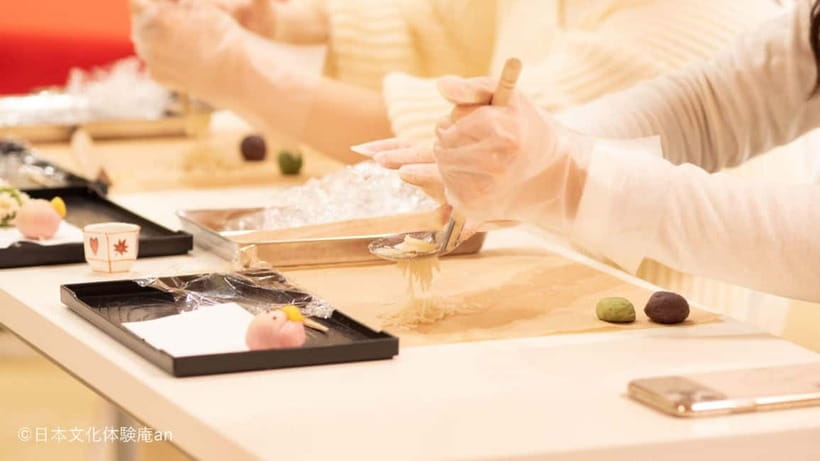
The ingredient detail is one of the strongest reasons to choose this class. You work with white and red bean paste produced by long-established Kyoto shops. The paste is not just a filler hidden inside a decorative shell. It provides the sweetness, body, and smooth texture that define the finished sweet.
Using prepared paste also makes sense for a short workshop. You can focus on shaping rather than spending the entire hour cooking beans, grinding ingredients, and waiting for mixtures to cool. The result is a practical introduction to nerikiri rather than a full confectionery apprenticeship.
The activity also gives you a small lesson in how Japanese sweets balance appearance and taste. Nerikiri is made to look delicate, but it is still food. The flower and kinton designs are meant to suggest something seasonal while keeping the bean paste at the center.
I would not book this expecting a detailed recipe for recreating every ingredient at home. The class centers on making and presentation, not on producing the paste from raw beans. One visitor found the process enjoyable but wished for more explanation of the materials and more close-up guidance at the tables. That is useful to know if you want technical instruction you can repeat in your own kitchen.
The Flower Shape: A Gentle First Step
The flower-shaped nerikiri comes first, which is a sensible progression. You begin with a design that gives you a clear visual goal. The form is recognizable, and the seasonal connection makes it feel like more than a random sweet-making exercise.
You will handle the paste and work toward a clean flower form. The appeal is in the small adjustments: getting the shape balanced, keeping the surface smooth, and making the petals look intentional. You do not need professional skill, but you do need to pay attention to the demonstration.
This part should suit people who enjoy quiet, careful crafts. It is not a loud cooking show or a fast group competition. The pace is relaxed, and the work gives you something to concentrate on for a while.
English support is available as much as possible, but Japanese is the stated language of instruction. If you do not speak Japanese, watch the instructor’s hands closely and ask for added English help before the session begins. A person who expects constant English narration may find the class less useful than someone comfortable learning through demonstration.
The Kinton Nerikiri Adds a Second Texture
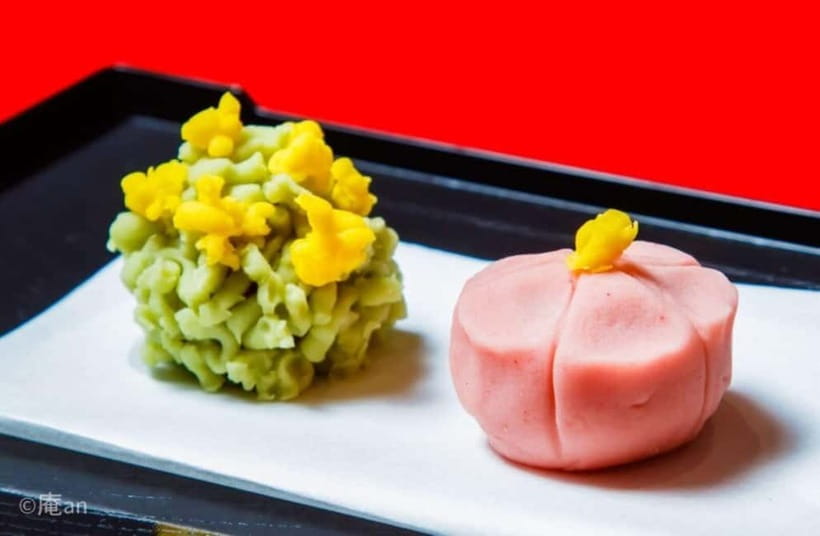
The second sweet is kinton nerikiri. It gives the class variety because it is presented differently from the flower design. Making two seasonal sweets also gives you a better sense of how one base ingredient can be shaped into different visual styles.
This is where the session begins to feel like a small art lesson. You are not only following a cooking method. You are arranging a sweet so that it looks balanced on the plate. The finished presentation is part of the experience, and picture time is built into the schedule before you eat.
That photograph is worth taking. The sweets are designed to be attractive, and a picture preserves the result after the food is gone. You may find the contrast amusing: a carefully formed little artwork that lasts only until dessert time.
The class does not promise advanced decoration techniques, and I would keep expectations at the beginner level. It is best understood as an accessible introduction to nerikiri, not a professional wagashi course.
Same base, a completely different sort of day:
- PERFECT KYOTO 1-Day Bus Tour
★ 5.0 · 13,518 reviews - Kyoto: Fushimi Inari, Kinkakuji, Bamboo Grove 1 Day Bus Tour
★ 4.8 · 4,316 reviews - Kyoto: Tea Ceremony in a Traditional Tea House in Kiyomizu
★ 4.9 · 3,519 reviews - Kyoto Geisha Walking Tour: Gion District & Hidden Gems
★ 4.7 · 3,273 reviews
Eating Time Is Part of the Value
You can eat both sweets on the spot. This sounds simple, but it improves the experience. You immediately connect the appearance and texture of the sweets instead of leaving with an object whose taste remains unknown.
At $11 per person, the value is strong for a one-hour Kyoto activity. The price includes the nerikiri-making experience, and you receive two sweets that you have shaped yourself. Many Kyoto attractions cost more and give you a passive look at culture. Here, you spend less and take part directly.
The value is especially clear for a short stay or a busy day. A 65-minute class does not take over your schedule, and the venue is close to public transportation. You can add it between sightseeing stops without committing to a half-day program.
There are a few optional costs. A take-out box is 100 yen, an experience completion certificate is 300 yen, and Tatedashi Matcha is 500 yen. None is required for the basic activity. I would choose the box only if you need to carry the sweets away, since eating them at the venue is already included.
Gojo Station Makes the Meeting Point Simple
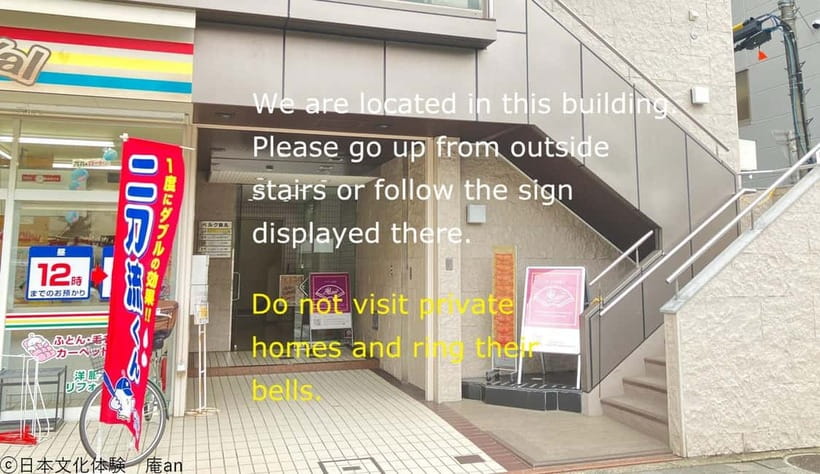
The venue is one minute on foot from Exit 1 of Gojo Station on the Karasuma Subway Line. The entrance faces the main street, Gojo-dori. That last detail matters because a convenient station location is less helpful when the entrance is hard to identify.
Plan to arrive on time. The event will not be held for late arrivals, and the provider does not compensate travel expenses if you miss the session. In practical terms, allow enough time to find Exit 1, walk to the building, and identify the street-facing entrance.
The operation hours are 10:00 to 17:00. Reservations received after 17:00 are processed the next day, so do not expect an evening class or a late-night booking response.
The building has no elevator, and stairs are required to reach each venue. The activity is described as wheelchair accessible, but the stair information needs clarification before booking if you use a wheelchair or have difficulty climbing stairs. Contact the provider in advance rather than relying on the general accessibility label.
Who Will Enjoy This Workshop Most
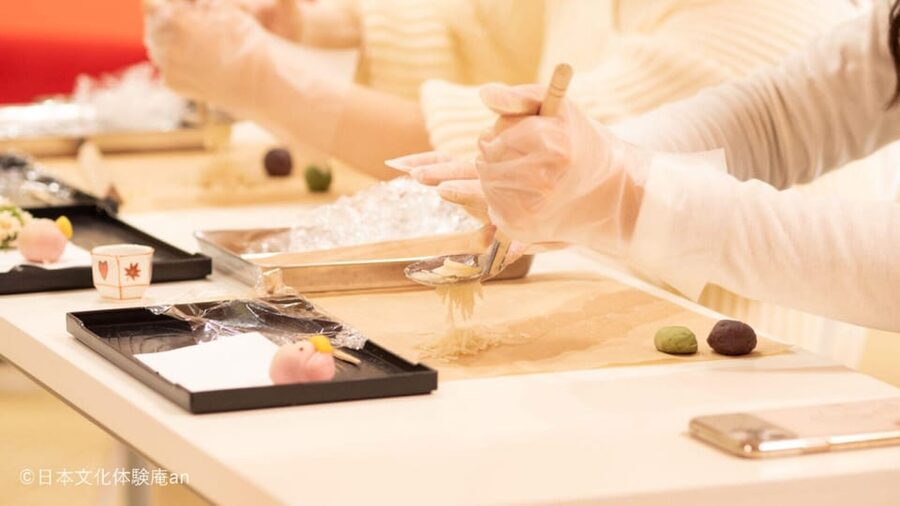
I would recommend this class to people who want a small, focused cultural activity rather than a long cooking course. It works well for solo visitors because the task gives you something to do without requiring a group. It also suits friends, couples, and families looking for a quiet break from temples and shopping streets.
Children can take part if they can follow the demonstration and handle the activity safely. Children under two who sit on a parent’s lap are free. Other non-participants cannot enter, so do not book a place for only one adult if another family member plans to sit and watch inside.
The class can also work for different skill levels. One recent participant found it accessible to most ages and abilities, and that is a fair description. The goal is not perfection. You are given a chance to make two attractive sweets and enjoy them afterward.
I would be more cautious if you need detailed English instruction. The instructor is Japanese, and English translation is offered as much as possible. One Italian-speaking participant found the instructor kind and helpful but noted that the instructor did not speak English and did not come close to each table to show every detail. That does not make the workshop a poor choice, but it does mean you should be ready to learn visually.
A Relaxed Hour, With Some Limits
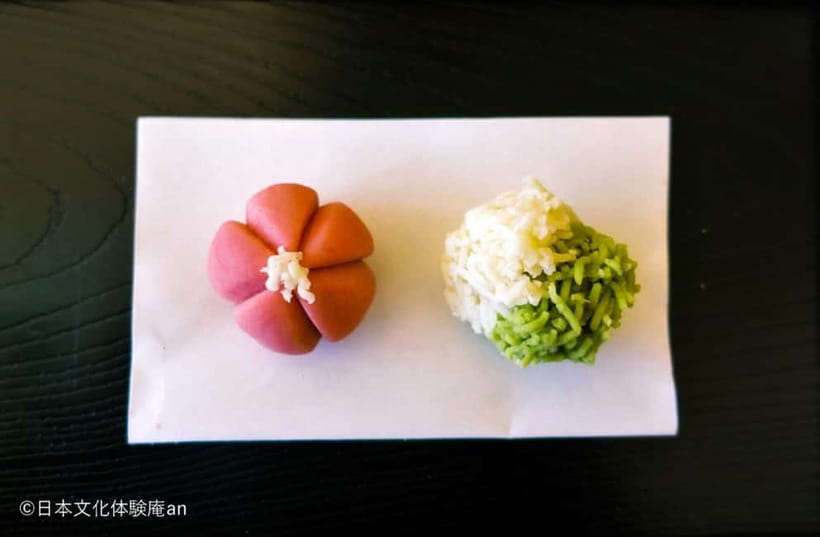
The strongest praise for this experience centers on its relaxing pace, attractive presentation, and friendly guidance. Those qualities make sense for nerikiri. The activity asks for concentration, but not speed or physical effort.
The main weakness is consistency of communication. Your experience may depend on how much English assistance is available during your particular session. If the instructor’s demonstration is easy to see, you can follow along without much trouble. If you need close-up help with fine details, ask early and clearly.
The class is also not designed around taking a large amount of food home. The sweets are intended to be eaten at the venue, and the optional 100-yen box is a practical extra if needed. This is a make-and-eat experience, not a packaged souvenir workshop.
The overall rating is 4.3 from 17 ratings, which fits the picture: strong enjoyment for many people, with language and close instruction as the main points to consider.
Booking, Cancellation, and Practical Details
You can reserve now and pay later, which helps if your Kyoto schedule is still changing. Free cancellation is available up to 24 hours in advance for a full refund. After that point, cancellation fees apply, and changing the date or time after a fee has been incurred can bring another specified charge.
The provider asks you to contact them if you want to reserve the property, and reservations made after 17:00 are handled the following day. Do not count on changing plans at the last minute without a cost.
Wear something comfortable for sitting and working with sweet paste. The supplied information does not specify a dress code or a list of equipment to bring, so you should not need to prepare special tools. The experience set itself is included.
Should You Book the Nerikiri Class?
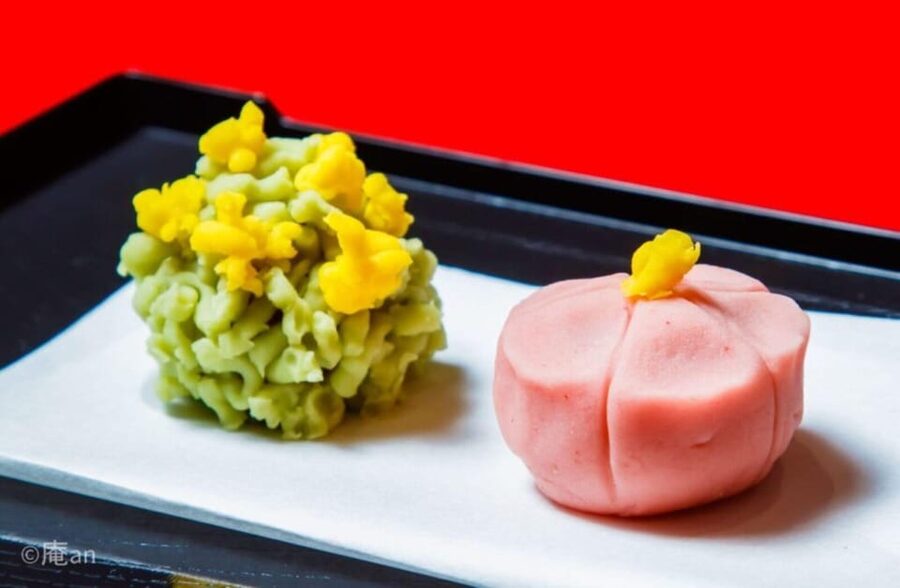
Book it if you want a reasonably priced, one-hour cultural activity near central Kyoto that lets you make and eat something seasonal. The two designs, Kyoto bean paste, convenient Gojo location, and relaxed pace give the class real value at $11.
I would especially choose it for a family with an older child, a solo visitor wanting a quiet hands-on activity, or anyone curious about wagashi but short on time. I would hesitate only if you require fluent English teaching, cannot manage stairs, or want a detailed recipe and professional pastry instruction.
For most people, this is a pleasant small-scale Kyoto experience. Arrive early, watch the demonstration closely, ask about English support ahead of time, and treat the finished sweets as edible art rather than a test of technique.
FAQ
How long does the nerikiri-making experience last?
The full experience lasts 65 minutes. The making and picture time finish at about 55 minutes, followed by eating time before departure.
How many sweets will I make?
You will make two seasonal Japanese sweets called nerikiri. The designs are a flower-shaped nerikiri and a kinton nerikiri.
Can I eat the sweets at the venue?
Yes. Eating the handmade sweets on the spot is included in the experience.
What ingredients are used?
The workshop uses white and red bean paste produced by long-established shops in Kyoto.
Where is the meeting point?
The venue is a one-minute walk from Exit 1 of Gojo Station on the Karasuma Subway Line. The entrance faces Gojo-dori.
What language is the class taught in?
The instructor’s language is Japanese. English translation is provided as much as possible, and you can contact the provider if you would like to request additional English support.
Is the building wheelchair accessible?
The activity is listed as wheelchair accessible, but the building has no elevator and stairs are required to reach each venue. Contact the provider before booking to discuss your specific needs.
Can I buy a box to take the sweets away?
Yes. A sweets take-out box costs 100 yen. It is not included in the basic price.
Are any optional extras available?
You can purchase an experience completion certificate for 300 yen or Tatedashi Matcha for 500 yen. These are not included in the activity price.
What is the cancellation policy?
You can cancel up to 24 hours in advance for a full refund. Cancellation fees apply after that point. Reservations received after 17:00 are processed the next day.
Just added around Kyoto
- Kyoto: Zen Meditation at a Private Temple with a Monk★ 5.0 · 25 reviews
- Kyoto: Gion Geisha District & Sake-in-Hand Walking Tour★ 5.0 · 37 reviews
- Private Pewter Sake Cup Experience with a Kyoto Artisan★ 5.0 · 31 reviews
- Your Private Vacation Photography Session In Kyoto★ 5.0 · 110 reviews
- Private Guided Traditional Buddhist Cooking in Japan★ 5.0 · 16 reviews
- Kyoto Wagashi(Japanese sweets) Cooking Class near Fushimiinari★ 5.0 · 60 reviews
- Traditional Japanese Music show & Experience Tour in Kyoto★ 5.0 · 57 reviews
- Kyoto:Family-Friendly Kimono & Yukata Experience at WARGO★ 5.0 · 147 reviews
Kyoto Tours, compared.


Fushimi Inari, Kinkakuji, Bamboo Grove 1 Day Bus Tour
Read our review →
Tea Ceremony in a Traditional Tea House in Kiyomizu
Read our review →
Kyoto Geisha Walking Tour: Gion District & Hidden Gems
Read our review →

Gion Magical Night Walking Tour with Geisha Trivia
Read our review →

Gion Geisha District Walking Tour – Stories of Geisha
Read our review →Browse the lists this tour appears in