
Reviewed · TOKYO TOURS
Tokyo Sumo Morning Practice Tour at Stable
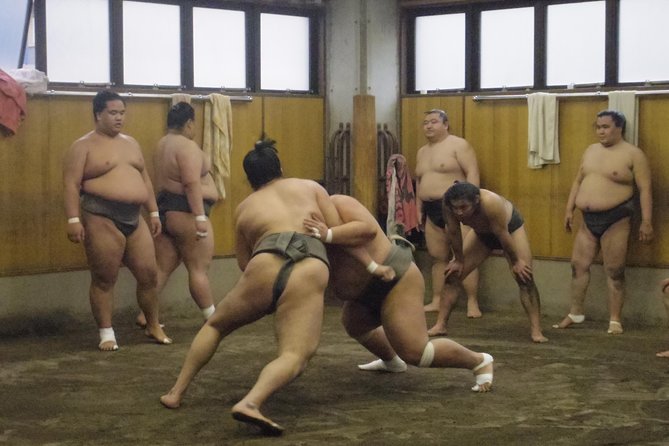
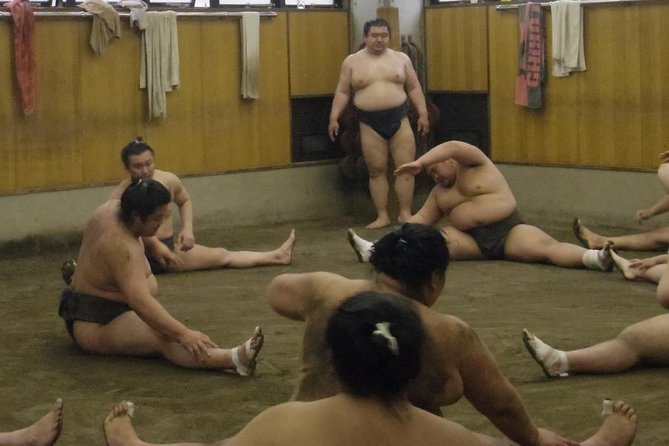
Watching professional sumo wrestlers train at arm’s length is very different from seeing a polished tournament bout. There is no big entrance ceremony and no stadium roar. You sit quietly inside a working stable while wrestlers stretch, stomp, collide, and repeat the same punishing movements until their bodies and minds are ready for competition.
I like the close view of real training, often just a few rows from the ring. I also like the guide’s running explanation of sumo customs, rankings, Shinto roots, and the six annual Grand Tournaments. The main drawback is the early start and strict etiquette. Seating can affect your view, the audio equipment has not always been clear, and the stable can be very hot in summer.
Key Points to Know Before Booking
- Morning practice, not a staged show: You watch wrestlers follow their normal training routine inside a working stable.
- Meet near Ryogoku at 7:45am: The group may then take a train to the stable, depending on the plan.
- Close but quiet viewing: You may be only a few rows from the ring, but silence and respectful behavior are required.
- Guides add useful context: Seiji, Yumi, Cameo, Noriko, and Nobu are among the guides associated with this experience.
- Photography has strict limits: Photos may be allowed without flash or shutter sounds, but video is forbidden.
- Plan for heat and floor-level seating: There is no air conditioning, and hats and sunglasses cannot be worn inside.
Why a Sumo Stable Is More Interesting Than a Tournament
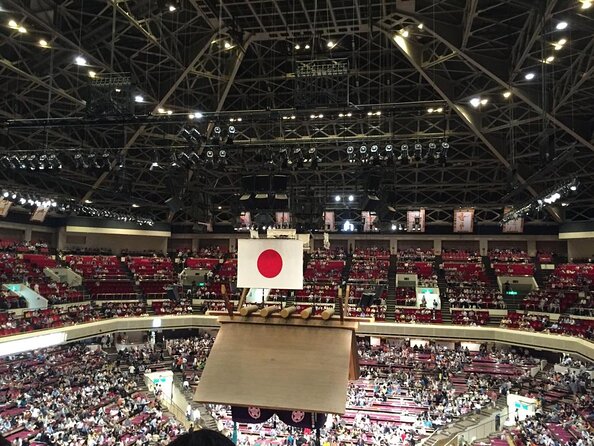
A tournament gives you the full pageantry of sumo. Wrestlers enter the ring by rank, ceremonies take time, and each bout may last only seconds. At a stable, you see the work behind those few dramatic moments.
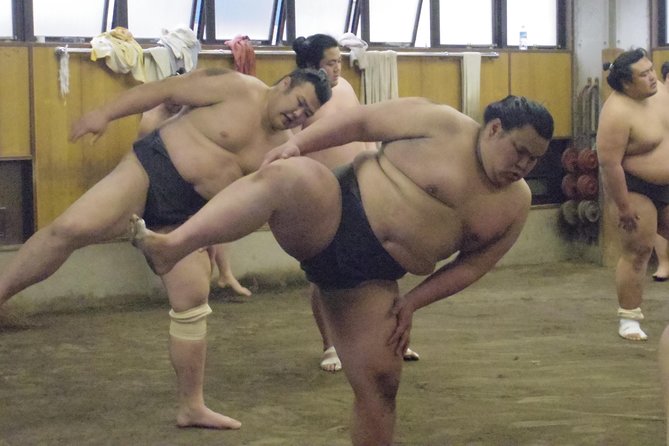
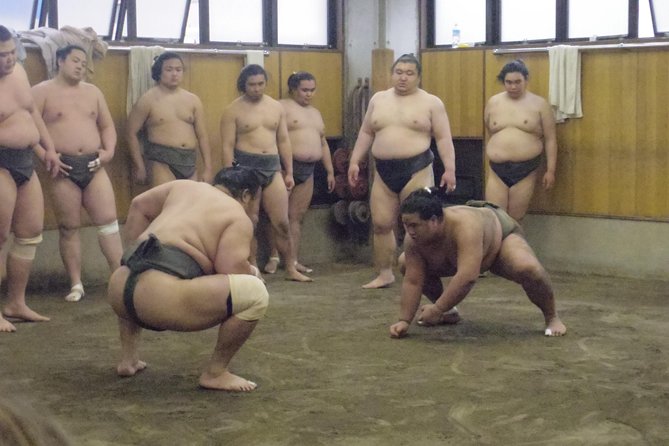
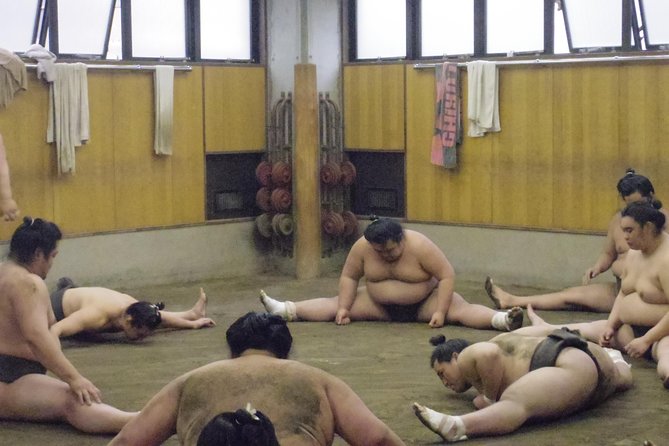
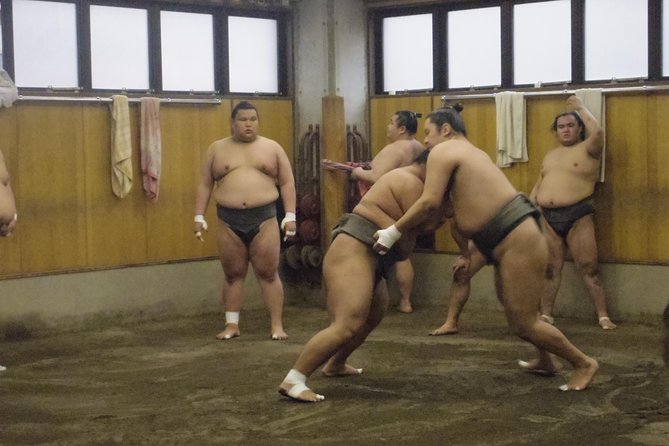
Training includes stretching, footwork, repeated body exercises, and practice bouts. The strongest wrestlers may collide again and again, while others work on balance, timing, and endurance. You see how much effort goes into a sport that can look almost effortless when a match ends with one sharp push.
This also helps explain why the experience can feel more active than watching a tournament. During a formal event, the ceremony between bouts is part of the tradition, but it also means less wrestling per hour. At practice, you might see many exchanges in a row, with little pause once the session gets going.
The setting matters. A sumo stable is not simply a gym with a ring in it. The ring is sacred, and the routines preserve links to Shinto practice. Your guide explains these customs before you sit down, giving meaning to gestures and rituals that might otherwise seem mysterious.
More Sumo Experiences in Tokyo
- Tokyo: Sumo Show Experience with Chicken Hot Pot and a Photo
★ 4.8 · 6,678 reviews - Tokyo: Sumo Show and Dining Experience
★ 4.8 · 2,742 reviews - the SUMO show
★ 5.0 · 1,960 reviews
Meeting at Ryogoku Station Gallery at 7:45am
The morning begins near Ryogoku Station Gallery. The stated meeting time is 7:45am, so this is not an activity for a relaxed breakfast or a late start. I would allow extra time to find the exact meeting point, especially since the confirmation may specify a different location depending on the option you book.
Ryogoku is the center of Tokyo’s sumo world, so the area feels like a fitting place to begin. From there, your guide leads the group toward the stable. In some cases, the group takes a train, so keep your ticket or transit plans ready and wear shoes that are easy to manage.
The first part lasts about 15 minutes. This is when the guide sets the scene, covering sumo’s connection with Shinto, its long development as a Japanese sport, and the structure of the professional competition calendar.
You will hear about the six Grand Tournaments, each lasting 15 days. Three take place in Tokyo, with one each in Osaka, Nagoya, and Fukuoka. If you plan to watch sumo on television later, this short introduction makes the rankings, tournament schedule, and individual bouts easier to follow.
A small logistical warning is worth noting. One person had trouble finding the representative at the station and went directly to the stable. That is not the kind of uncertainty you want at 7:45am, so read your confirmation carefully and keep the meeting instructions available on your phone.
Inside the Stable: What the 90 Minutes Really Feel Like
Once inside, you take your place around the training ring. Seating details can vary. Some people have sat on stools, while other arrangements may involve sitting close to floor level. Front positions can be reserved for sponsors or other special parties, so arriving early can improve your chances of a better view.
You are close enough to see the wrestlers’ preparation, not just the final collision. Their size is striking, but the more impressive part is the control required to move that much weight with speed and precision. You can watch foot placement, hand position, balance, and the way each wrestler reacts to pressure.
The best viewing requires restraint. Cellphones must be silent, and you are asked to watch without talking. Do not step onto the ring or sandy area, stretch your legs toward the ring, or distract the wrestlers. Showing the soles of your feet toward the ring is considered impolite, so sit in a way that keeps your feet pointed elsewhere.
This is not a casual drop-in activity. You are expected to remain for the practice and avoid leaving halfway through. Once you leave the stable, you cannot re-enter. That rule makes sense in a training room where wrestlers need concentration, but it also means you should use the restroom beforehand.
The practice can be a little shorter or longer than two hours overall, depending on what is happening inside the stable. The advertised viewing period is about 90 minutes, but the session follows the wrestlers’ routine rather than a fixed stage schedule.
That uncertainty is part of the appeal. A sponsor or supporter of the stable may arrive, or an especially intense group of wrestlers may train longer than expected. You should not book this expecting every minute to follow a rigid timetable.
The Guide and Headset Commentary
The guide is a major part of the value, especially if you know little about sumo. Guides named in detailed accounts include Seiji, Yumi, Cameo, Noriko, and Nobu, although you should not assume a particular person will lead your departure.
The strongest guiding approach combines a clear introduction with short explanations during practice. You learn about the lifestyle, rankings, training methods, and rituals, then connect those ideas to what is happening in front of you. Some guides also offer questions and answers after practice.
Headsets are used so the guide can speak without forcing conversation inside the stable. That is a smart idea in a room where everyone must remain quiet, and several guides have been praised for explaining the action in clear English.
Still, headset quality can vary. Static or low volume has made it hard for some people to listen, and constant commentary can compete with the physical action. You may find yourself trying to watch a bout while processing an explanation about history or rules.
I would prefer the guide to save general background for the introduction and use the headset mainly for key moves, rankings, and details that are happening at that moment. If the audio is clear, it adds a lot. If it is not, the experience remains visually powerful, but you lose part of the educational side.
There is also a useful distinction between a guide and a lecturer. A good guide helps you notice what matters without turning every second into a lesson. The named guides have been praised for enthusiasm and clear explanations, but the style may differ from one departure to another.
More sumo mornings and shows:
- Tokyo Shinjuku Sumo Show & Experience with Photo
★ 5.0 · 1,750 reviews - Tokyo: Sumo Show and Experience in Shinjuku
★ 4.8 · 1,001 reviews - Tokyo: Sumo Tournament Tour with Chair Seat Tickets
★ 4.6 · 753 reviews - Tokyo:Luxury Sumo Show Experience & Japanese cuisine & Drink
★ 4.7 · 577 reviews
Photos, Questions, and Stable Etiquette
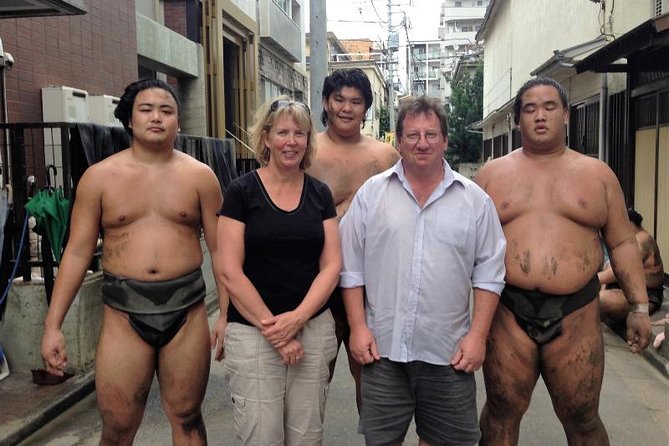
A short photo opportunity may take place after practice, sometimes with one or more wrestlers. This can be a memorable finish, but do not treat it as guaranteed or expect a long personal meeting. Photo time may last only a few minutes, and the group may be moved along quickly.
During practice, do not ask wrestlers to pose. Their concentration comes first. Photos are allowed only without flash or shutter sounds, and video is not allowed.
The image rules are strict for a reason. Unauthorized use of photographs is prohibited, including violations of privacy and image rights. Take pictures for personal memories, but do not assume you can publish or use them commercially.
Questions are best saved for an appropriate pause or the end. Some departures include a useful question-and-answer session, while the standard structure focuses more on observation and commentary. If you want a detailed lesson on every rule of sumo, this may leave gaps. A short handout or advance reading would make the practice easier to follow.
Summer Heat and Other Practical Limits
Tokyo’s summer heat deserves serious planning. The stable has no air conditioning, and you may be seated in a warm room for a long stretch. During summer, water and sports drinks are allowed, but eating and drinking are normally prohibited.
Bring a cold towel or ice pack if you are visiting in hot weather. If you feel unwell, do not join the activity. This is a quiet indoor setting, but the heat and the fixed seating can still make the morning tiring.
You cannot wear sunglasses or a hat inside. Dress for comfort and modesty, and avoid anything that makes noise or needs constant adjustment. Since the activity takes place in a working stable, practical clothing is more useful than dressing for photographs.
The minimum age is 12. Children 11 and under cannot enter the stable, even if they are interested in sumo. Most people can participate, but the information provided does not promise special arrangements for every mobility need, so ask before booking if you have specific access concerns.
The group maximum is 20 people. That is small enough to keep the experience fairly personal, though seating position still matters. Arriving early is a sensible idea if you want a better chance at a clear view.
Is $83.57 Fair Value?
At $83.57 per person, this is not a cheap way to fill two hours. You are paying for access to a setting that ordinary sightseeing does not provide, plus the guide, coordination, and small-group entry. The value depends on how much you care about seeing the training behind the sport.
For a serious sumo fan, the price is easier to justify. You may see professional wrestlers practice at close range, learn how the stable system works, and gain context that a casual tournament seat may not provide. It can also be a strong choice if tournament tickets are unavailable during your visit.
For a casual observer, the cost may feel high if the commentary is difficult to hear or the seating angle is poor. The actual activity is watching practice, not participating in a bout, meeting a champion, or receiving a long private lesson.
I think the price is reasonable for a rare cultural access experience, but only if you understand the limits. This is not a performance designed around your comfort. It is a chance to observe athletes at work, under rules that protect the stable’s routine.
The free cancellation policy helps reduce the risk. You can cancel for a full refund at least 24 hours before the local start time. Changes or cancellations inside that window are not accepted for a refund.
Who Will Enjoy This Sumo Morning Most?
I would choose this for anyone who wants a close look at Japanese sport and tradition rather than another polished stage attraction. It suits first-time Tokyo visitors who want one unusual morning in Ryogoku, as well as people already familiar with sumo who want to see the daily work behind the tournament.
You will get the most from it if you can sit quietly, wake early, follow directions, and accept that the schedule may shift with the practice. It is also a good fit if you prefer repeated live action over formal ceremony.
I would think twice if you dislike confined seating, heat, silence, or guided commentary. It is also not ideal for children under 12, since they cannot enter the stable.
My Verdict on the Tokyo Sumo Morning Practice Tour
This is a rare chance to see sumo as a discipline, not just a spectacle. The close view, real training, Shinto customs, and explanations of the ranking system give you a better sense of why sumo matters in Japan.
The experience is strongest when the headset works well, the seating gives you a clear angle, and the stable has an active practice session. Its weaknesses are real: early timing, limited movement, uneven audio, little time for photographs, and a price that may feel steep for a short visit.
I would book it if you want an authentic look behind the tournament and are willing to follow the stable’s rules. Arrive early, use the restroom first, prepare for heat, and read the meeting instructions twice. If those conditions suit you, this can become one of your most memorable mornings in Tokyo.
FAQ
How long does the Tokyo Sumo Morning Practice Tour last?
The tour lasts approximately two hours. The introduction near the meeting point takes about 15 minutes, and the practice viewing lasts about 90 minutes. The exact length may vary depending on the practice.
Where do I meet the guide?
The listed meeting point is near Ryogoku Station Gallery at 7:45am. The exact location may differ depending on the option selected, so check your confirmation email carefully.
Can children join the sumo stable tour?
The minimum age is 12. Children aged 11 and under cannot enter the sumo stable.
Are photos and videos allowed?
Photos may be taken without flash or shutter sounds. Videos are not allowed. You must also respect the stable’s image and privacy rules.
Can I eat or drink inside the stable?
Eating and drinking are not allowed under normal conditions. During Tokyo’s summer months, water and sports drinks are permitted because the stable has no air conditioning.
Do I need to remain inside for the entire practice?
You should make every effort to stay until the practice ends and avoid leaving in the middle. Once you leave the stable, you cannot re-enter.
What is the cancellation policy?
You can cancel at least 24 hours before the local start time for a full refund. Cancellations or changes made less than 24 hours before the experience are not accepted for a refund.
More Morning in Tokyo
- Tokyo: Sumo Morning Practice Viewing Tour
★ 4.8 · 570 reviews - Tokyo: Sumo Morning Training Visit
★ 4.4 · 370 reviews - Tokyo: Sumo Morning Practice Tour at Sumida City
★ 4.8 · 308 reviews - Tokyo Ryogoku Sumo Morning Practice + Photo Shoot with Wrestlers
★ 4.5 · 277 reviews
Just added around Tokyo
- Private Arrival Transfer : Narita International Airport to Central Tokyo City★ 4.5 · 12 reviews
- Narita Airport(NRT): Private Transfer to Tokyo/Yokohama 1-9pax★ 5.0 · 47 reviews
- Private Transfer from Narita Airport to Yokohama Port and City★ 4.5 · 17 reviews
- [Narita Airport Terminals 1, 2] 40-60km Sawara Itako Historic Bike Tour★ 5.0 · 13 reviews
- 3 Day Japan Highlights Tour: Tokyo, Mt.Fuji, Nara, Kyoto, Osaka★ 5.0 · 22 reviews
- Small Town in the Big City: Tasting Tokyo’s Kichijoji★ 5.0 · 195 reviews
- Small Town in the Big City: Tasting Tokyo’s Kichijoji★ 5.0 · 16 reviews
- The 10 Tastings of Tokyo With Locals: Private Street Food Tour★ 5.0 · 48 reviews
Tokyo Tours, compared.

Mt Fuji and Hakone 1-Day Bus Tour Return by Bullet Train
Read our review →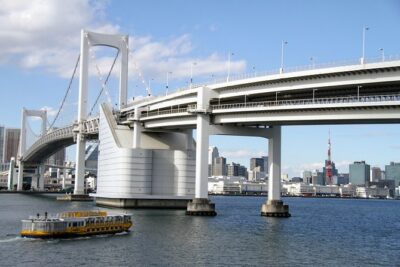
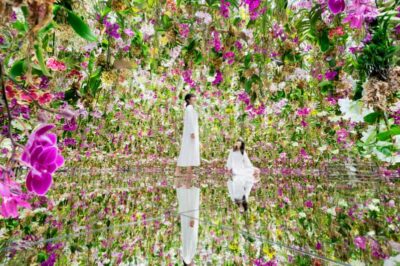
teamLab Planets TOKYO Digital Art Museum Entry Ticket
Read our review →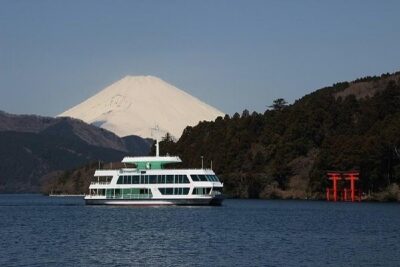
Mt Fuji & Hakone Cruise, Drum Show Bullet Train 1 Day from Tokyo
Read our review →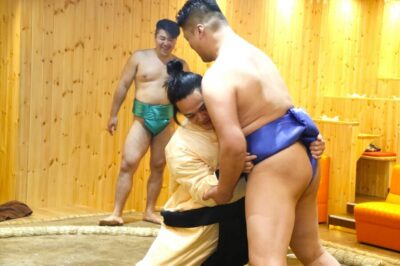
Sumo Show Experience with Chicken Hot Pot and a Photo
Read our review →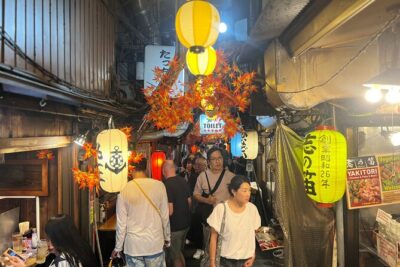
Shinjuku Food Tour (13 Dishes at 4 Local Eateries)
Read our review →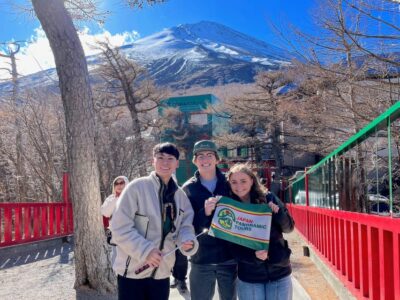
Tokyo Mt Fuji 5th St & Hakone Cruise Bus Tour w/Bullet Train
Read our review →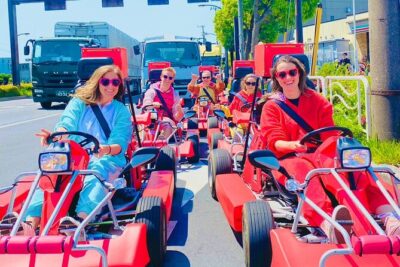
Flagship 2-Hours Official Street Go-Kart Tour – Tokyo Bay Shop
Read our review →Browse the lists this tour appears in