
Reviewed · KYOTO TOURS
Kyoto: Non-Verbal Theatre Show Tickets at GEAR
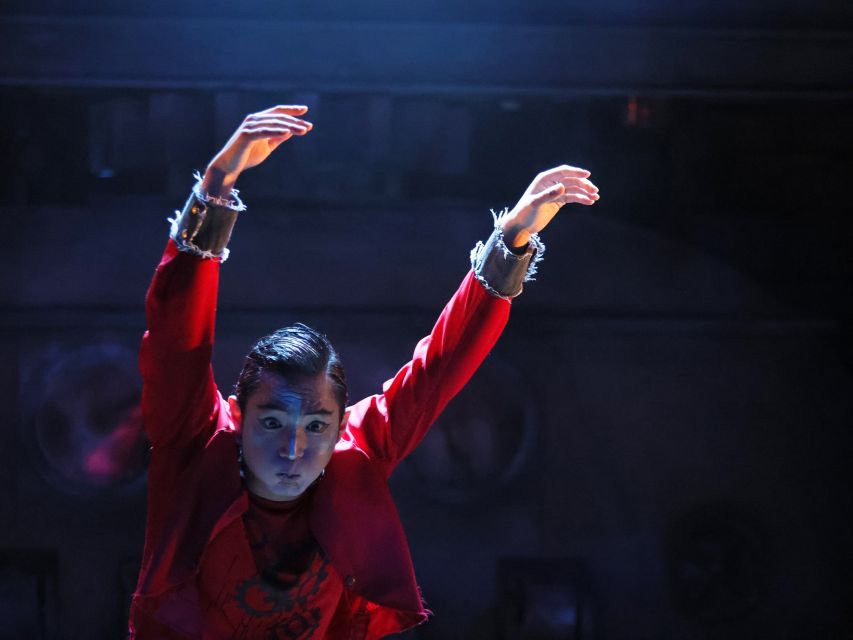
A broken toy factory, a doll that comes to life, and a cast that tells the whole story without speaking: that is the clever hook behind GEAR, Kyoto’s long-running nonverbal theatre show. Mime, magic, juggling, breakdance, music, lighting, and tight choreography carry the action instead of dialogue.
I like the way the small 72-seat theatre puts you close to the performers, and I like that the story is easy to follow even if you speak no Japanese. The main thing to consider is the venue’s compact seating, with seats measuring about 18 by 18 inches, and the show is more universal than specifically traditional Japanese.
Key points
- A wordless story for international audiences: Robot workers discover human feeling after meeting a living doll.
- Five performance styles in one show: Expect mime, magic, juggling, breakdance, and highly physical acting.
- Clever effects in a 1928 building: Kabuki-inspired stage methods meet modern lighting and technology.
- Close-up theatre: The venue has only 72 seats, and every seat is designed to face the stage well.
- A 90-minute evening activity: The compact running time fits neatly into a Kyoto sightseeing day.
- Useful booking detail: Doors open 30 minutes before showtime, and only S, or Premium, seats are currently sold.
A toy factory where robots learn to feel
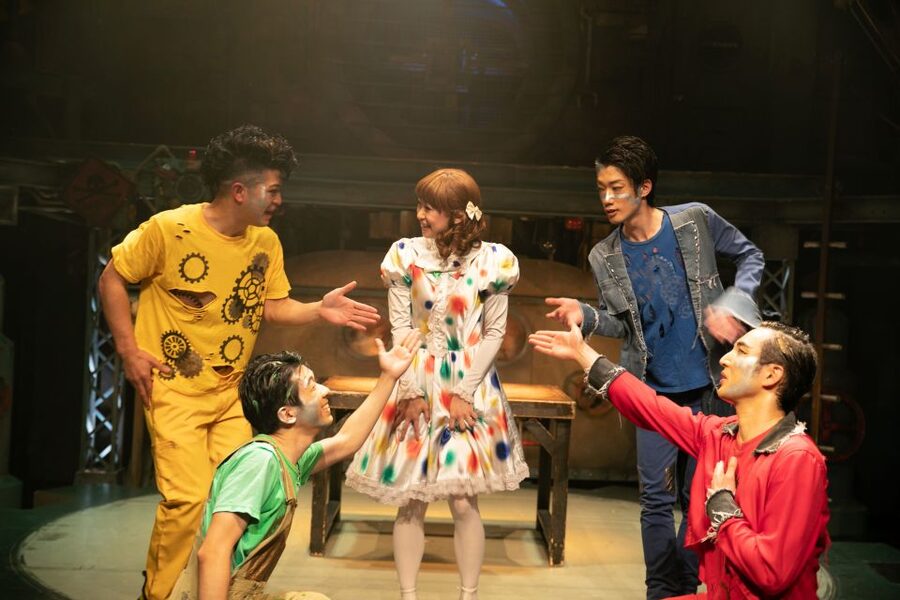
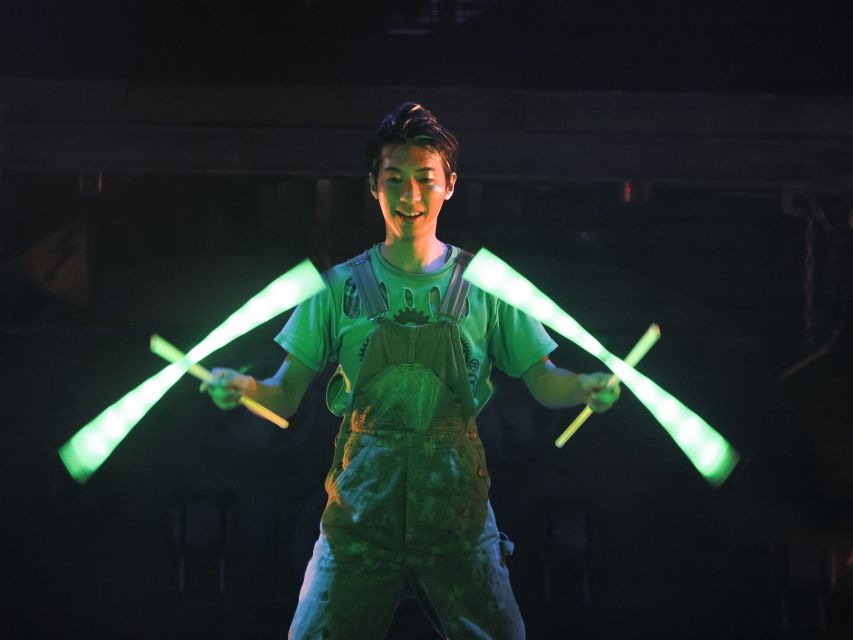
GEAR takes place in a broken toy factory somewhere in the future. The workers are robots, moving with stiff, precise bodies as they carry out their routines. Their world changes when a doll comes to life.
That simple setup gives the performers a clear job: show the difference between a machine and a person without using spoken language. The plot is built around touch, curiosity, surprise, humor, and the gradual discovery of emotion. You do not need a translation or a long explanation before the curtain rises.
I like this kind of storytelling in Kyoto because it gives you a break from temple visits and historical sites without asking you to give up a sense of place. GEAR is not a traditional Japanese performance, but it draws on Japanese stage ideas while using modern theatrical tools.
The show’s broad appeal comes from its clarity. A toddler, a retiree, and a professional theatre fan can each follow the central action at a different level. You might focus on the story, the tricks, the dance, or the small details in the actors’ movements. The show gives you several ways in.
More shows in Kyoto:
- Kyoto Gion Cultural Walk & Geisha Show with Dining Options
★ 5.0 · 518 reviews - Kyoto Gion Cultural Walk & Geisha Show with Dining Options
★ 5.0 · 483 reviews - 1 Hour Geisha Show in Kyoto
★ 5.0 · 452 reviews
What happens during the 90-minute performance
The experience is one continuous theatrical presentation rather than a guided tour with several stops. You arrive at the GEAR theatre, take your assigned seat, and watch the factory world come alive through movement, sound, lighting, and stage effects.
The opening establishes the robots and their unusual working environment. Their physical style matters here. The performers do not simply act like robots by moving slowly. They use controlled, exact gestures and repeated patterns to make the characters feel mechanical.
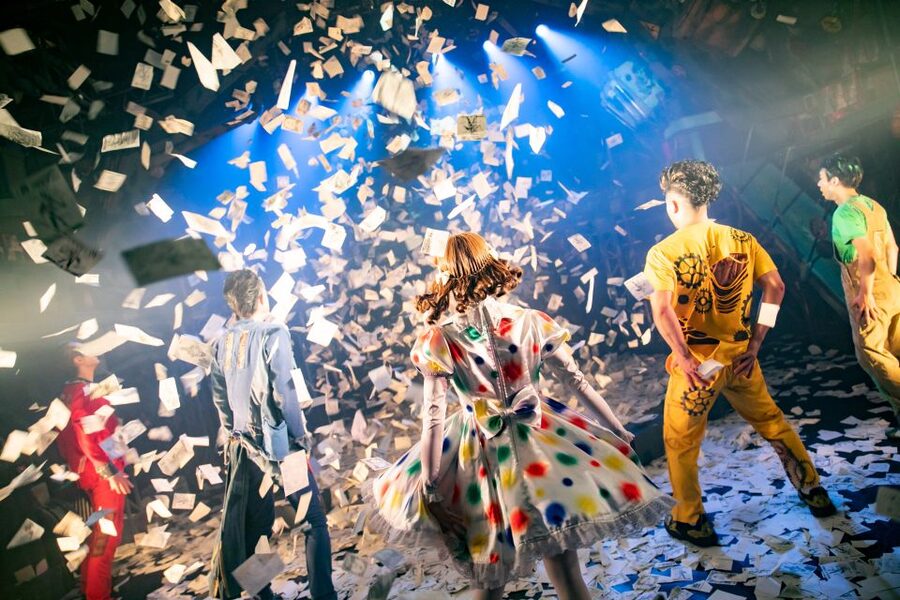
Then the doll enters the story and changes the mood. Her presence gives the robot workers something they do not understand at first: spontaneity, play, and emotional response. From there, the performance mixes character scenes with specialist acts.
You can expect mime and physical comedy to carry much of the plot. The actors need no spoken lines to show confusion, rivalry, affection, fear, or delight. Facial expressions and body language do the heavy work, which is why the show remains accessible to an international audience.
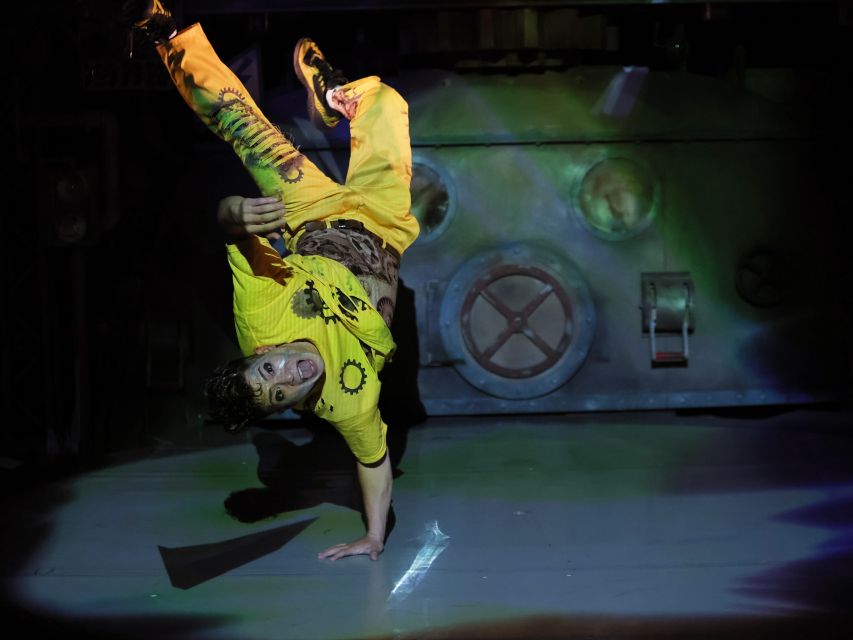
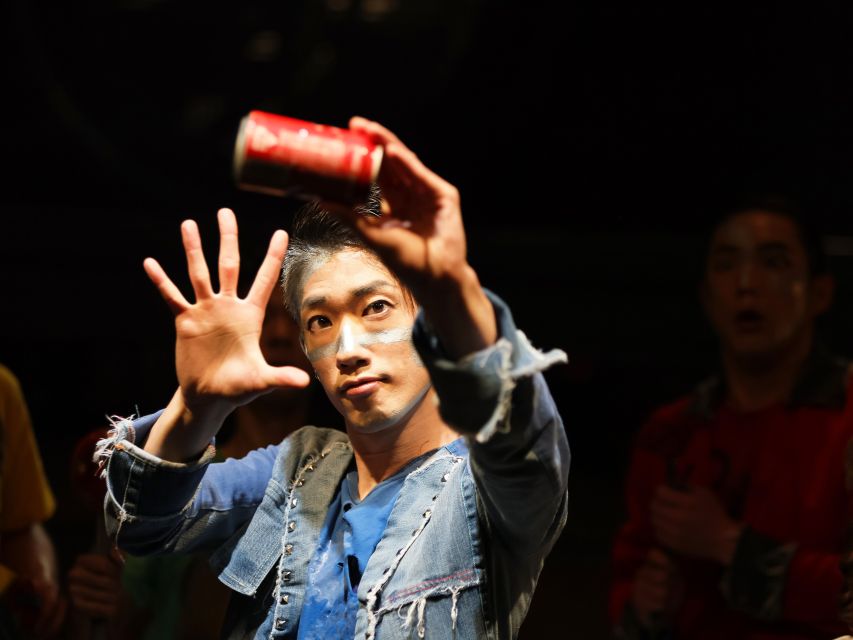
The entertainment also includes magic, juggling, breakdance, and acrobatic-style movement. These are not random acts placed between scenes. They help define the characters and keep the pace moving. One performer may create a comic surprise with a magic trick, while another uses dance or juggling to show skill and personality.
The stage effects are a major part of the experience. The production combines methods associated with Kabuki theatre with current technology, lighting, sound, and moving stage elements. You may find yourself watching the set as closely as the cast, trying to work out how a visual trick was done.
The story builds toward the robots’ discovery of their humanity. Since the production depends on gesture rather than speech, the emotional moments are broad and readable. You are not required to understand every detail to understand the basic feeling.
Why the small theatre changes the experience
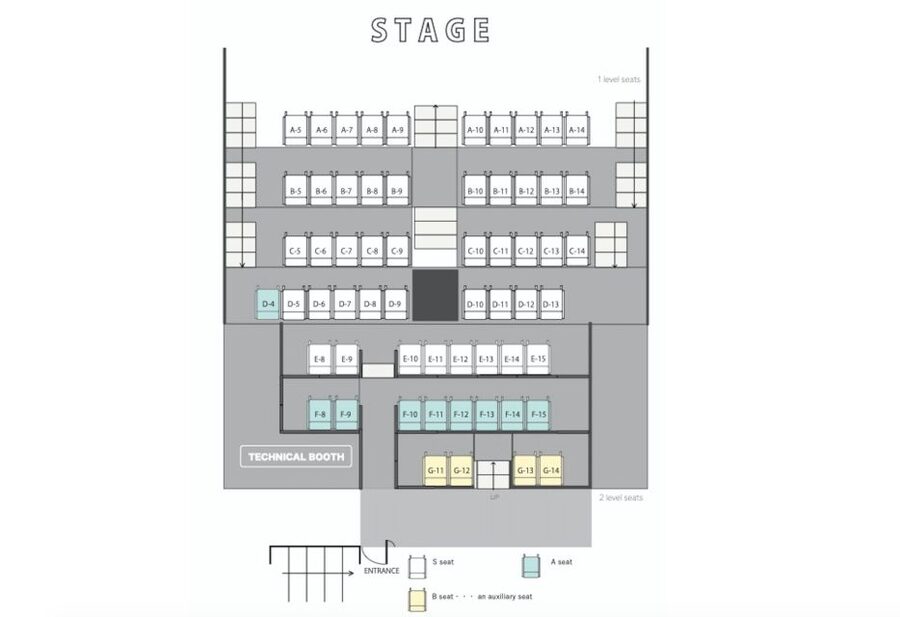
GEAR is presented in an old building dating from 1928, with space for only 72 seats. That small capacity is not a minor footnote. It shapes the entire show.
You are close enough to see the performers’ expressions and the precision of their movements. A large arena could show the lighting and set effects, but it would soften the human detail. Here, the actors’ eyes, posture, and timing remain part of the performance.
The venue also gives the evening a slightly unusual feel. This is not a giant modern theatre designed to process a crowd. It is an intimate room in an older building, and the limited seating helps explain why advance booking matters.
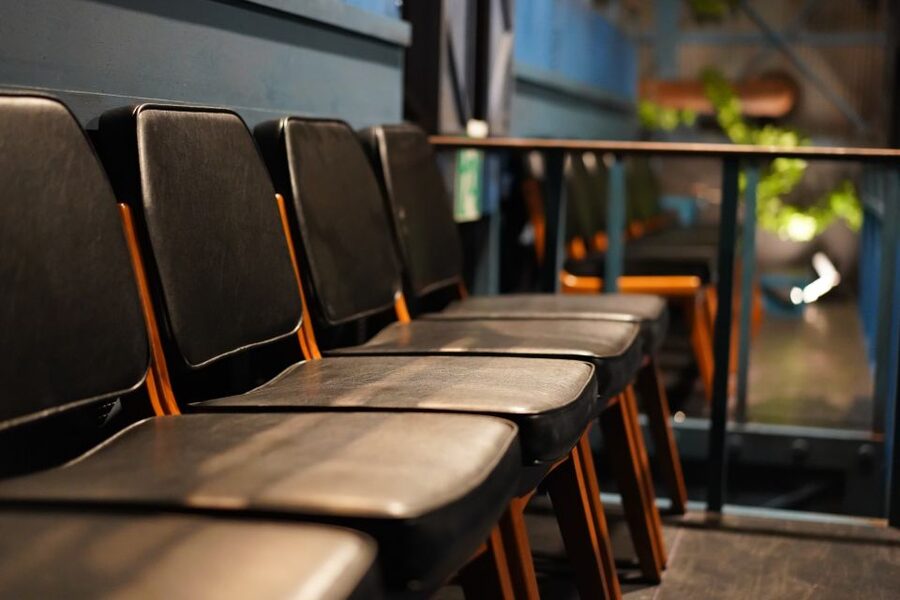
The seats are compact, around 18 by 18 inches. One visitor specifically found them comfortable enough even for larger European bodies, but you should still take the measurement seriously if you need extra room. The theatre does not allow children under four for security reasons, and food and drink are prohibited inside.
Doors open 30 minutes before the performance. I would use that time rather than arrive at the last second. You can settle into the narrow seat, look over the unusual room, and get ready for a show that depends on visual surprises. Seat numbers cannot be selected, but the venue’s layout means you should have a good view from any seat.
Stage tricks with a Kyoto connection
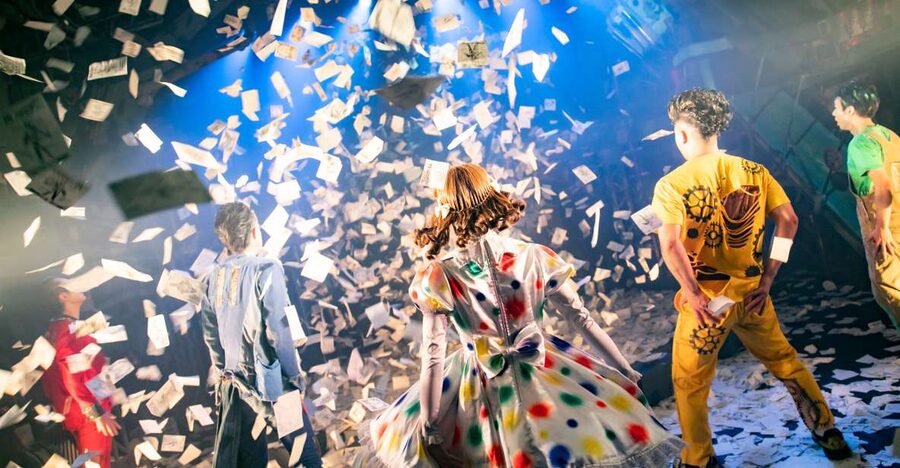
GEAR is rooted in a Kyoto idea: use the past as a starting point for new work. The production takes techniques associated with Kabuki stagecraft and acting, then places them alongside modern theatrical technology.
That does not mean you will watch a Kabuki performance. You will not see a conventional historical drama or a lesson in Japanese theatre. Instead, the connection appears in the production’s sense of transformation, stylized movement, visual reveal, and carefully controlled stage action.
This matters because the show is not just a collection of circus skills. The technology and stage machinery support the story of a world that looks artificial but begins to feel human. A robot’s movement, a doll’s gesture, and a sudden change in the set all become part of the same idea.
The production also gives you something that is hard to get from a standard English-language stage show in Japan. You do not need to choose between understanding the dialogue and watching the action. The communication is physical from the start.
That makes GEAR a good pick for the middle of a Japan trip, when your brain may be tired from signs, train announcements, menus, and guided explanations. You can simply watch.
A few more Kyoto half-days to weigh up
- PERFECT KYOTO 1-Day Bus Tour
★ 5.0 · 13,518 reviews - Kyoto: Fushimi Inari, Kinkakuji, Bamboo Grove 1 Day Bus Tour
★ 4.8 · 4,316 reviews - Kyoto: Tea Ceremony in a Traditional Tea House in Kiyomizu
★ 4.9 · 3,519 reviews - Kyoto Geisha Walking Tour: Gion District & Hidden Gems
★ 4.7 · 3,273 reviews
The performers carry the show
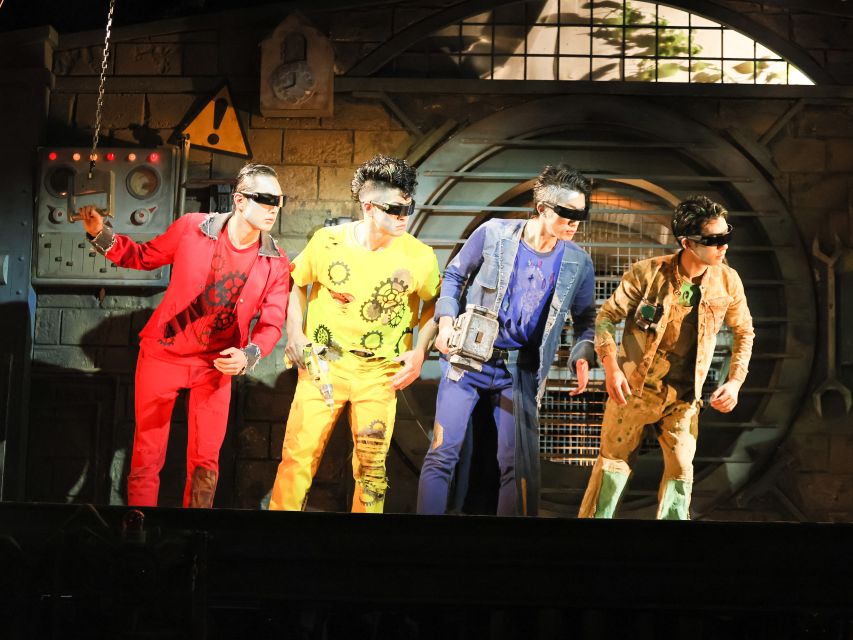
The set may provide the surprises, but the cast has to make the characters believable. The performers work across several disciplines, including mime, dance, magic, and juggling. Their timing needs to be exact because there is no spoken dialogue to cover a missed cue.
The robot characters are especially dependent on precision. Their movements must look artificial without becoming dull. The doll, by contrast, brings softness and unpredictability into the factory. That contrast gives the story its emotional engine.
The best parts are likely to be the moments when a technical skill reveals character. A juggling sequence can show confidence or playfulness. A magic trick can create wonder. Breakdance can bring a burst of energy into the factory’s controlled world.
The cast also uses humor to keep the more sentimental scenes from becoming heavy. The production is designed to make you laugh, clap, and perhaps feel unexpectedly emotional in the same 90 minutes.
A child may even be invited into a magic portion of the show, but do not count on a particular audience interaction. The important point is that the performance has an interactive spirit and does not feel like a distant display behind a barrier.
A strong choice for a no-language evening
Kyoto has plenty of cultural activities that require context. A tea ceremony, temple visit, or traditional performance can be rewarding, but you may need background information to understand what you are seeing.
GEAR asks less of you. The story is deliberately nonverbal, and the physical comedy travels well across cultures. You can book it for an evening when the group speaks several languages, or when you simply want entertainment without subtitles.
The lack of dialogue also makes it practical for families with older children. The show is not aimed only at children, though. The technical skill, stage design, and emotional arc give adults plenty to watch.
I would be more cautious with very young children. Anyone under four is not admitted, and the theatre’s compact seats may not suit every family. A 90-minute performance is manageable, but the show contains concentrated action and theatrical effects rather than a slow, quiet story.
The show may also suit couples looking for something different from another restaurant meal. A birthday month can bring special gifts or discounts for a partner, according to one booking experience, but you should confirm that offer when you reserve because such promotions can change.
Is $46 good value in Kyoto?
At about $46 per person, GEAR is not a budget attraction. The real question is what you are comparing it with.
For the price, you receive a 90-minute S-seat performance in a limited-capacity theatre. You are paying for a complete stage production with a professional cast, original set design, sound, lighting, magic, dance, and mechanical effects. It is closer to buying a theatre ticket than to joining a short sightseeing stop.
I think the value is strongest if you enjoy live performance or want one memorable evening activity during a Kyoto stay. The close seating gives the ticket more weight than a distant seat at a large venue. You are not just watching a screen or a demonstration. You are seeing skilled performers manage difficult movement and timing in front of you.
The value is less clear if your main goal is strictly traditional Japanese culture. GEAR uses Kabuki-related ideas, but its tone is contemporary and international. One visitor enjoyed the show but felt it was not particularly Japanese in style. That is a fair warning.
You should also account for the fact that only the S, or Premium, category is currently available. You cannot select a seat number, although the small room is designed so that each seat has a good view. The limited capacity can make the price easier to accept, especially if you prefer close theatre over a large production viewed from far away.
Where GEAR fits in a Kyoto day
Because the show lasts 90 minutes, it is easy to pair with other plans. You could schedule it after sightseeing and dinner, provided you leave enough time to reach the theatre. The doors open half an hour before the start, so avoid planning a distant attraction right up to curtain time.
The area around the theatre is worth allowing time for. It has unique shops, and arriving early gives you a chance to look around rather than wait in a line with your attention on the clock.
I would not book GEAR as a replacement for Kyoto’s temples, gardens, or traditional arts. I would book it as a change of pace. After several days of shrines, wooden streets, and carefully arranged gardens, a robot factory full of stage tricks can be exactly the right contrast.
The production also works well on a rainy evening. You get a fixed, indoor activity with a clear start and finish. Since food and drink are not allowed in the theatre, eat beforehand or plan a meal afterward.
What may not work for you
GEAR has a distinctive style, but it will not suit every visitor. If you prefer spoken theatre, detailed historical storytelling, or a traditional Japanese performance, you may find the show too modern and visually driven.
The emotional story is simple rather than complex. That is part of its international appeal, but it may feel predictable if you want a dense plot with layered dialogue. The production concentrates on movement, visual effects, and character expression.
The small seats are the most practical concern. At roughly 18 by 18 inches, they are not generous. You should also remember that seat numbers cannot be chosen, even though the venue is arranged for good views.
Finally, the show’s magic and stage effects depend on surprise. You will get more from it if you avoid reading a detailed plot before going. Knowing the basic setup is enough: robots, a broken factory, and a doll that comes to life.
Who should book GEAR?
I would recommend it to you if you want:
- A language-free theatre experience in Kyoto
- An evening activity that lasts 90 minutes
- A mix of mime, dance, magic, juggling, and stage technology
- An intimate theatre with close views
- A family-friendly show for children aged four and older
- A break from temples and more formal cultural activities
- A performance that can make you laugh and turn unexpectedly touching
I would think twice if you need roomy seating, want a deeply traditional Japanese show, or dislike physical theatre. The production is contemporary, stylized, and built around visual action.
The near-perfect overall rating is understandable because the most praised elements are consistent: talented performers, inventive scenery, polished music and lighting, clear storytelling, and a surprising emotional payoff. Those strengths are also the reason to book. GEAR offers a type of theatre you may not encounter elsewhere on your Japan itinerary.
Should you book Kyoto’s GEAR show?
Yes, if you want something unusual and easy to understand without Japanese. The $46 price is reasonable for a 90-minute professional production in a 72-seat venue, especially when you value close views and polished stage work.
Book it as a modern Kyoto experience, not as a traditional culture lesson. Arrive 30 minutes early, allow for the compact seats, eat before entering, and keep the plot details to a minimum. If you are choosing between another ordinary evening out and a wordless show where robots discover human feeling, GEAR is the more memorable choice.
FAQ
How long is the GEAR theatre show?
The performance lasts 90 minutes.
What language is used in the performance?
GEAR is a nonverbal theatre show, so it does not depend on spoken dialogue. The story is told through movement, mime, music, visual effects, and acting.
What is included in the ticket?
The ticket includes admission with an S, or Premium, seat.
How many seats are in the theatre?
The GEAR Theatre has only 72 seats.
Can I choose my seat number?
No. Seat numbers cannot be selected because the venue has a limited number of seats. Each seat is intended to provide a good view of the stage.
Are young children allowed to attend?
Children under four years old cannot enter the theatre for security reasons.
When should I arrive?
The doors open 30 minutes before the show begins. Food and drinks are not allowed inside the theatre.
Just added around Kyoto
- Kyoto: Zen Meditation at a Private Temple with a Monk★ 5.0 · 25 reviews
- Kyoto: Gion Geisha District & Sake-in-Hand Walking Tour★ 5.0 · 37 reviews
- Private Pewter Sake Cup Experience with a Kyoto Artisan★ 5.0 · 31 reviews
- Your Private Vacation Photography Session In Kyoto★ 5.0 · 110 reviews
- Private Guided Traditional Buddhist Cooking in Japan★ 5.0 · 16 reviews
- Kyoto Wagashi(Japanese sweets) Cooking Class near Fushimiinari★ 5.0 · 60 reviews
- Traditional Japanese Music show & Experience Tour in Kyoto★ 5.0 · 57 reviews
- Kyoto:Family-Friendly Kimono & Yukata Experience at WARGO★ 5.0 · 147 reviews
Kyoto Tours, compared.


Fushimi Inari, Kinkakuji, Bamboo Grove 1 Day Bus Tour
Read our review →
Tea Ceremony in a Traditional Tea House in Kiyomizu
Read our review →
Kyoto Geisha Walking Tour: Gion District & Hidden Gems
Read our review →

Gion Magical Night Walking Tour with Geisha Trivia
Read our review →
