
Reviewed · KYOTO TOURS
Kyoto: Tea Ceremony Ju-An at Jotokuji Temple
The most rewarding part of this Kyoto experience is not simply drinking matcha. It is learning why each movement matters, from the temple purification ritual to the careful turning of the tea bowl. Kate and the tea masters make the ceremony understandable without stripping away its calm, formal character.
I like the quiet setting inside Jotokuji Temple, and I like that you do more than watch: you get to prepare your own matcha under guidance. The main consideration is comfort. The tearoom has three steps and uses a traditional floor-seated arrangement, though stools and seats can be provided.
Key points
- A 70-minute introduction to chanoyu: You see the ceremony, learn its meaning, and practice making matcha yourself.
- Jotokuji Temple adds real atmosphere: Enter through the temple gates, pause at the purification fountain, and take in the architecture before the workshop.
- English guidance is clear and friendly: Hosts such as Kate explain the ritual, answer questions, and help bridge Japanese customs and Western expectations.
- Small groups keep the lesson personal: Numbers are limited to 10, so you can follow the demonstration and ask questions.
- Matcha comes with traditional sweets: The tea and sweets provide a gentle introduction to the flavors of the ceremony.
- The setting has limits: The tearoom is reached by three steps, and the main seating is on the floor, though alternative seats are available.
Entering Jotokuji Temple before the tea
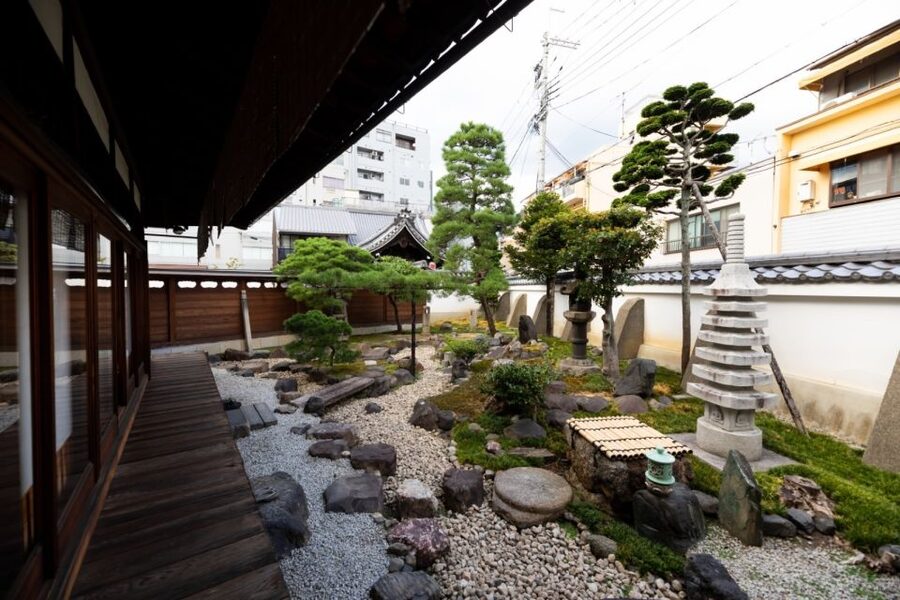
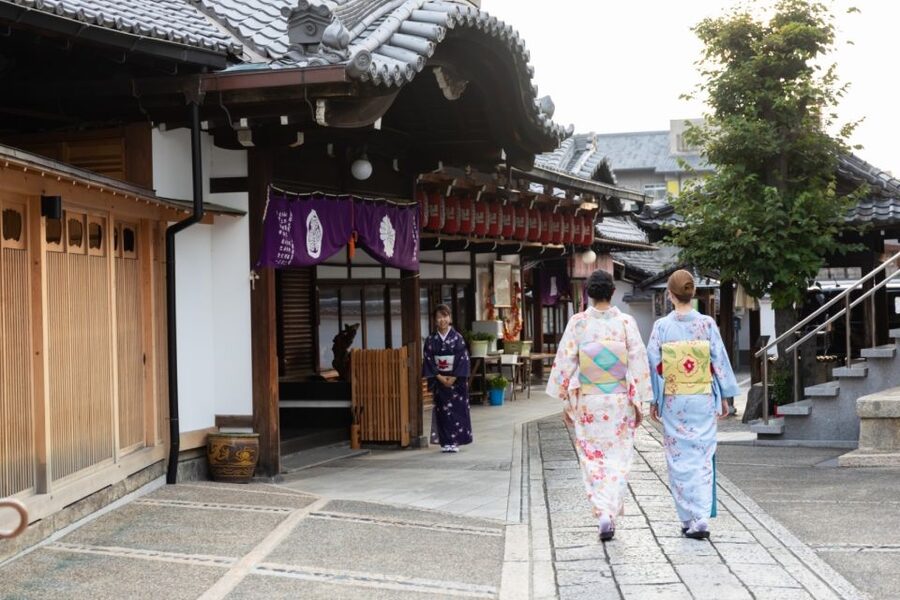
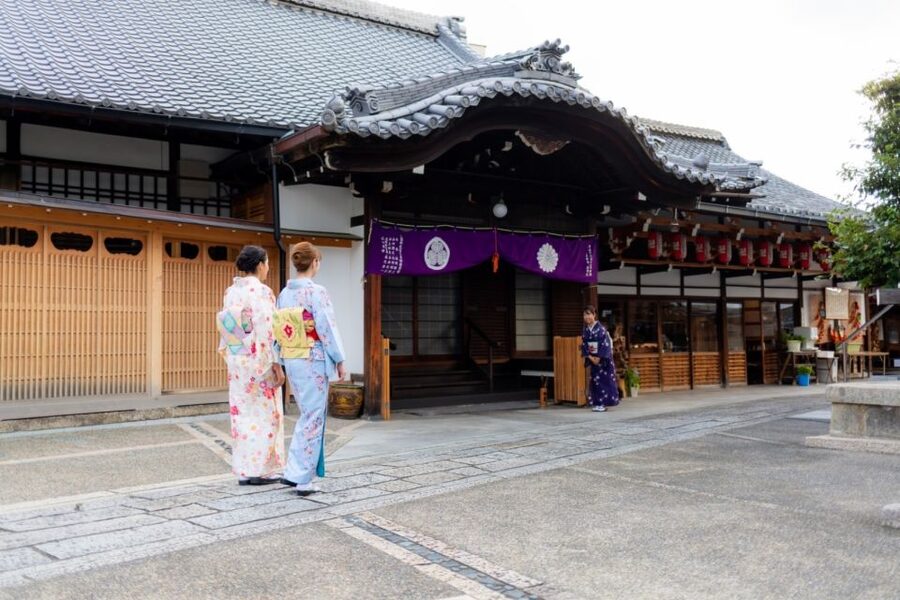
This experience begins at the main gates of Jotokuji Temple. Once inside, you face the Main Hall. Look to the left for a few steps leading up to the tea room area. The Grand Tearoom is on your left as you enter, with a parish shop beside it.
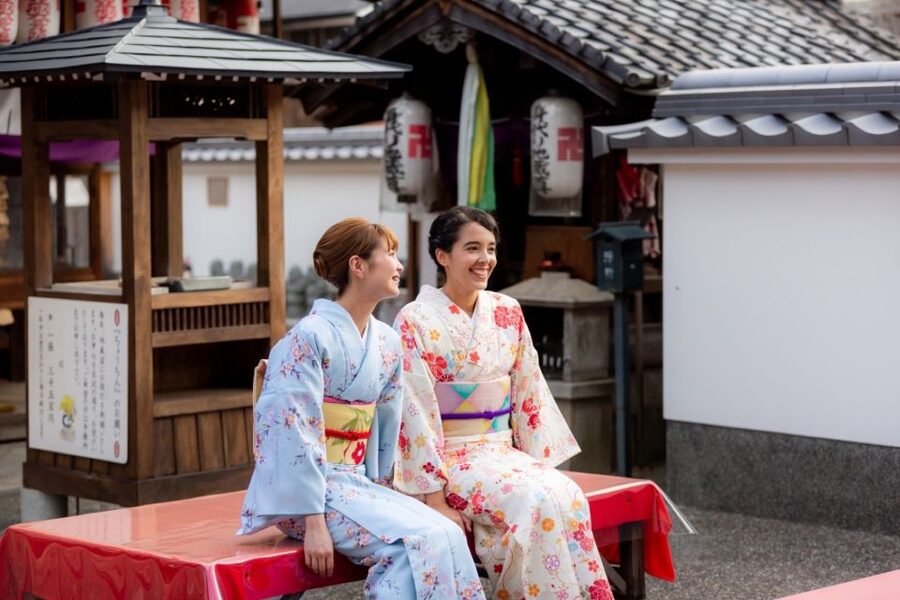
You do not rush straight into the workshop. Instead, you meet near the red benches, where your guide waits. This short pause is useful. It gives you time to get your bearings, notice the temple buildings, and settle into a slower rhythm before the formal part begins.
You can look around the grounds and stand near the purification fountain. If the weather is pleasant, the red benches offer a simple place to sit and absorb the setting. In rainy weather, you can wait beneath the shop’s gable or inside the Grand Tearoom.
That small weather detail matters. Kyoto rain can arrive at an inconvenient moment, and this arrangement means you are not left searching for shelter or wondering where the group has gone. Still, the temple visit is an introduction rather than a full temple tour. If you want a long look at every building, garden, or display, arrive with enough time before the scheduled start.
More Tea Ceremonies in Kyoto
- Kyoto: Tea Ceremony in a Traditional Tea House in Kiyomizu
★ 4.9 · 3,519 reviews - Kyoto: 45-Minute Tea Ceremony Lesson Experience
★ 4.3 · 2,378 reviews - Kyoto: Table-Style Tea Ceremony at a Kyo-Machiya
★ 4.9 · 1,211 reviews
The purification ritual and its meaning
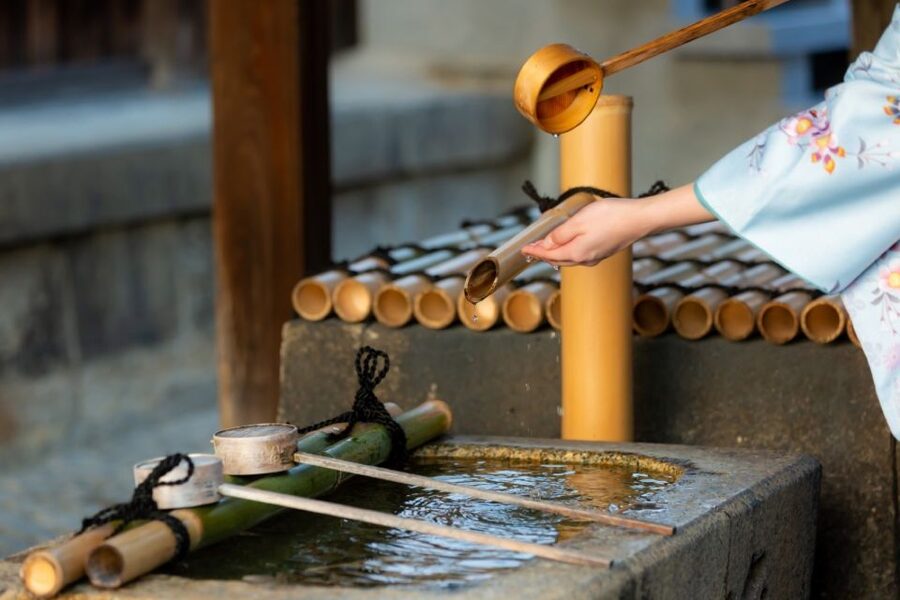
The first formal step is a traditional purification ritual. For many visitors from outside Japan, this is a completely new experience, and the guide explains what you are doing rather than leaving you to guess.
The ritual sets the tone for the rest of the session. It asks you to pay attention before you enter the tearoom, much as the ceremony itself asks you to notice small actions, objects, and pauses. I find this more useful than beginning with a long lecture because the idea becomes physical and easy to understand.
You also get a brief introduction to the temple site before entering the tearoom. The architecture provides a fitting backdrop, but the emphasis stays on the tea ceremony. This is not a general sightseeing walk through Kyoto. It is a focused cultural activity with a short temple setting to frame it.
Removing your shoes at the Grand Tearoom
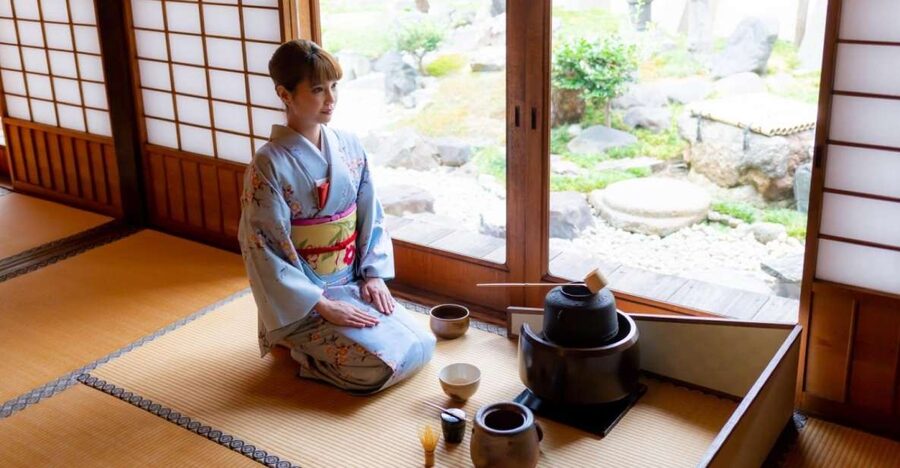
At the entrance to the Grand Tearoom, you remove your shoes. The group then proceeds inside and takes its seats. This is one of the practical details to remember when deciding if the activity suits you.
Traditional tea ceremony seating is low to the floor. You are not expected to remain uncomfortable for the full 70 minutes, however. Seats and stools can be provided for people who are not comfortable sitting in the traditional position. Tell the host early if you need one, so the arrangement is clear before the ceremony starts.
The tea room itself is not wheelchair accessible because of three steps, even though the temple grounds are accessible. The activity is therefore not suitable for wheelchair users according to the stated conditions. Anyone with limited mobility should contact the provider before booking, since the tea room is the essential part of the experience.
Watching the tea master work
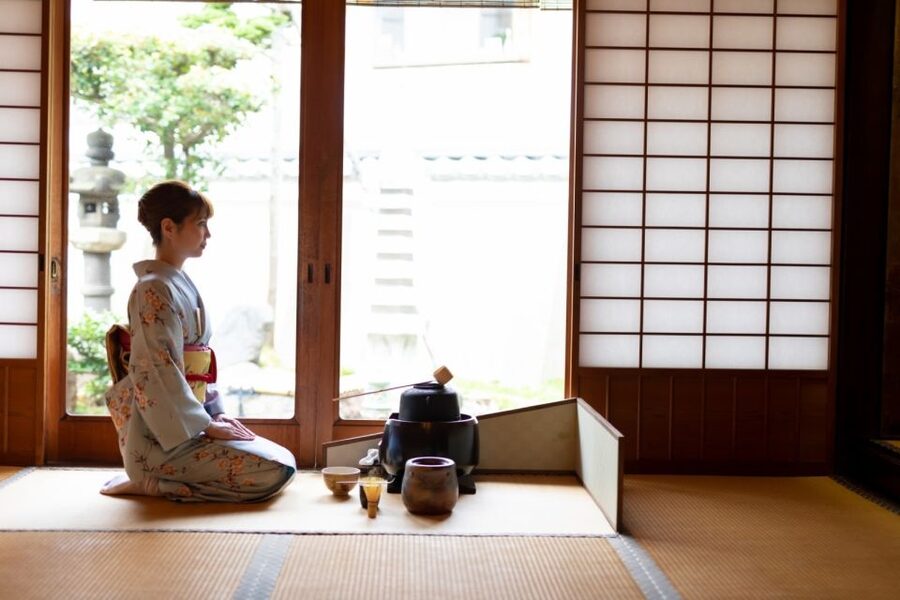
Once everyone is seated, the tea master demonstrates the preparation of matcha. The appeal is in the precision. Each action is measured, and the ceremony feels deliberate rather than hurried.
Your English-speaking guide explains what is happening and why. Hosts including Kate have been praised for making the presentation easy to follow, while tea masters show the practical details of the preparation. The best part of this arrangement is that the guide can explain cultural context while the tea master focuses on the ceremony itself.
You learn about the importance of chanoyu, the Japanese tea ceremony, rather than receiving only a recipe for powdered tea. That difference is important. You can learn to whisk matcha in a few minutes at home, but you cannot recreate the setting, manners, objects, and sequence that give the ceremony its meaning.
The teaching style is meant to be welcoming. You do not need previous knowledge of Japanese customs, and there is time to ask questions. Past sessions have been especially praised for clear explanations, patient hosts, and a warm atmosphere that does not make the formal ritual feel intimidating.
Same base, a completely different sort of day:
- PERFECT KYOTO 1-Day Bus Tour
★ 5.0 · 13,518 reviews - Kyoto: Fushimi Inari, Kinkakuji, Bamboo Grove 1 Day Bus Tour
★ 4.8 · 4,316 reviews - Kyoto Geisha Walking Tour: Gion District & Hidden Gems
★ 4.7 · 3,273 reviews - Kyoto: Gion Magical Night Walking Tour with Geisha Trivia
★ 4.9 · 2,393 reviews
Drinking matcha and tasting the sweets
The matcha is served during the ceremony, usually with traditional sweets. The sweets are not just an extra snack. Their sweetness helps balance matcha’s bitter, grassy flavor and makes the tea easier to appreciate if you are trying it for the first time.
The tea itself can be an acquired taste. Some people love its clean bitterness right away; others may find it stronger than the matcha drinks sold in cafes. That is part of the point. This is a chance to taste matcha in the setting and manner connected to the ceremony, not a sweet modern latte.
You are taught how to drink the tea properly, including the fine points of handling the bowl and respecting the preparation. The host explains the customs so you can participate with confidence instead of copying everyone else and hoping you have it right.
I especially like that the experience connects taste with attention. You are not simply handed a cup and sent on your way. The tea, sweets, utensils, movements, and quiet room all work together.
Making your own cup under guidance
The hands-on portion gives this workshop its practical edge. After watching the tea master, members of the group get the chance to prepare their own matcha using ceremonial implements.
This is where the lesson becomes memorable. You can feel how the whisk works, see the texture change, and understand why the tea master’s movements look so controlled. The host remains nearby to explain and encourage you, so mistakes are treated as part of learning.
The small group size helps here. With no more than 10 participants, you are not lost in a large crowd when it is your turn. You can watch other people practice, ask questions, and notice how small changes affect the final cup.
It is also a good activity for people who usually avoid formal cultural demonstrations. You are not required to sit silently while an expert performs. You take part, but the ceremony still keeps its dignity and structure.
Why the temple setting matters
Kyoto has many ways to drink matcha, from casual cafes to polished cultural shows. This experience earns its price through the combination of place, instruction, and participation.
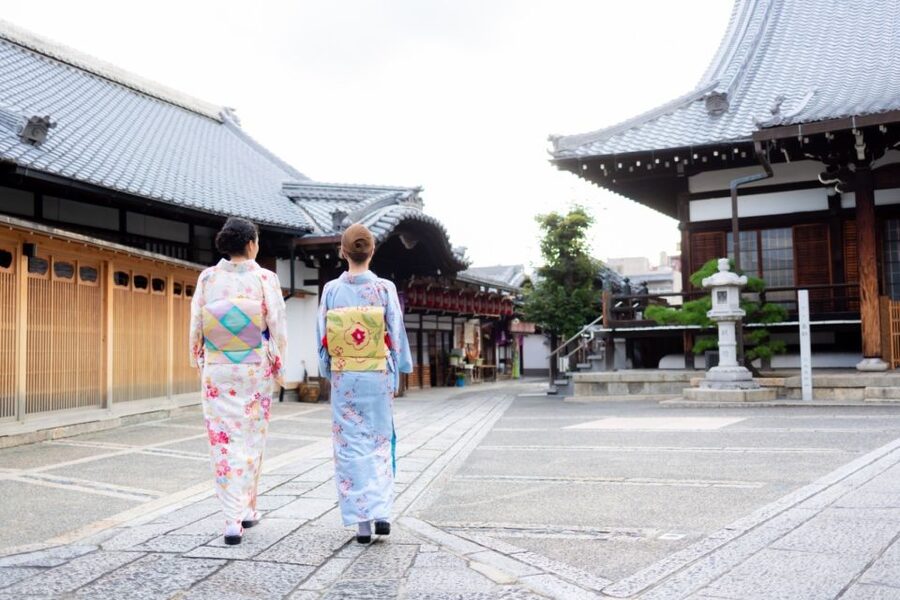
Jotokuji Temple gives the workshop a genuine religious and architectural setting. The purification ritual and the walk through the temple grounds help you understand that tea ceremony is linked to more than a beverage. It is tied to conduct, hospitality, focus, and respect for the moment.
The atmosphere is also a welcome change from Kyoto’s crowded sightseeing routes. The ceremony offers about an hour of quiet concentration, which can reset your day after busy temples, shopping streets, or long train rides. It is not silent in an absolute sense, since the instructor speaks and questions are welcome, but the pace is calm.
Do keep your expectations sensible. A formal Japanese tea ceremony can last much longer than this introduction. One participant described this type of session as a shorter introduction compared with a full ceremony of around four hours. At 70 minutes, this is designed for visitors who want a meaningful first look without giving up half a day.
The English instruction and hosts
The language of instruction is English. This matters because the ceremony includes customs that can be difficult to understand from gestures alone.
Kate has been singled out for clear, engaging explanations, and Taka has also been named as an excellent host. Depending on the session, you may meet more than one guide or tea master. The exact combination can vary, but the structure remains the same: an English-speaking host provides context while the tea master leads the preparation.
The strongest teaching combines history, etiquette, and practical action. You learn what the objects are for, why the steps are performed in a certain order, and how to take part without feeling overly formal. Hosts also make room for questions, which is valuable if you want to understand the difference between a staged demonstration and a traditional practice.
The tone is friendly, but not casual to the point of losing the ceremony’s character. That balance is hard to get right. You can enjoy yourself and still treat the setting respectfully.
Is $29 good value for Kyoto?
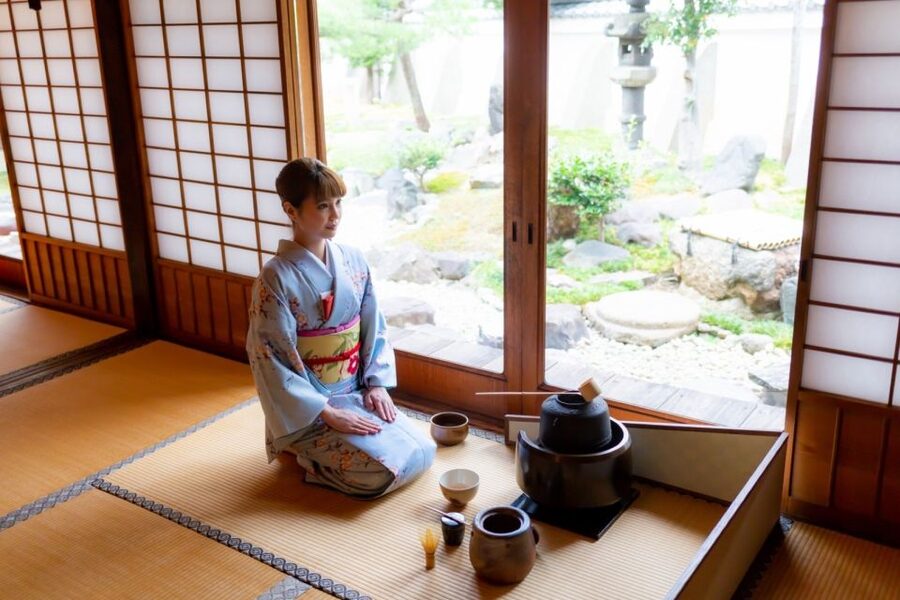
At $29 per person, this is a reasonable price for a 70-minute cultural activity in Kyoto. You are paying for more than a cup of tea. The fee includes the guide, the chanoyu workshop, the temple setting, the demonstration, the matcha tasting, and the chance to prepare your own tea.
The value is strongest if you want explanation and participation. If you only want to sample matcha, a tea shop will cost less and take less time. If you want a photo in a kimono, this booking does not include one, though a kimono can be rented separately.
For a first visit to Japan, I think the workshop makes sense because it gives you cultural context in a compact format. You leave with a better sense of why Japanese hospitality can be expressed through careful, repeated actions. That is more lasting than a quick drink from a cafe.
The rating is 4.9 from 3,207 reviews, with repeated praise for the calm atmosphere, kind hosts, clear explanations, delicious tea and sweets, and interactive format. The consistency of those strengths suggests that the experience is well suited to people who want a gentle, organized introduction rather than an obscure or demanding lesson.
Who should book this experience?
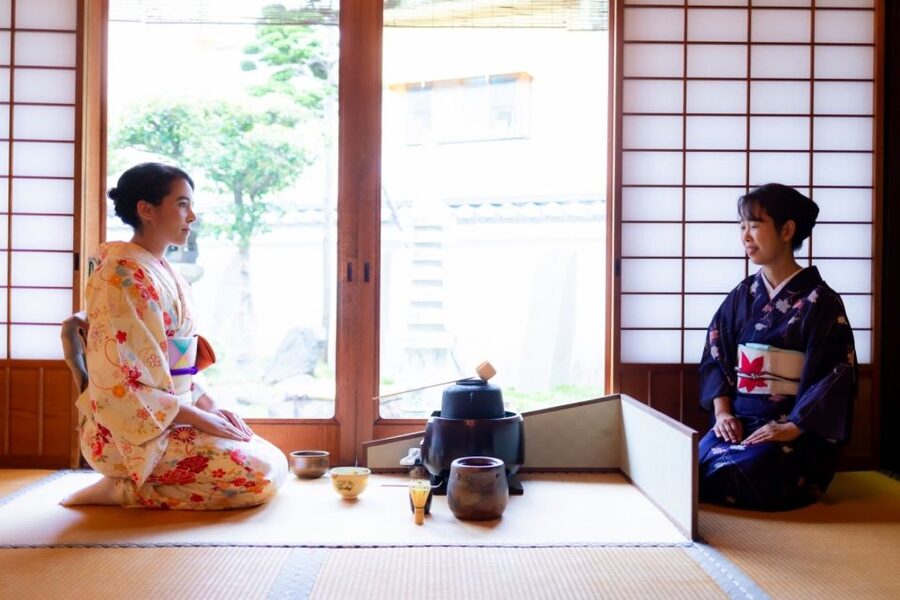
You should consider it if you are curious about Japanese customs but do not know where to begin. It works well for couples, families with older children, solo visitors, and anyone who wants a quiet activity between larger Kyoto sights.
It is also a good choice if you normally dislike group tours. The group is capped at 10, and the workshop gives you something active to do. You are not simply following a guide from one landmark to another.
The experience may suit you particularly well if you enjoy:
- Cultural activities with a hands-on element
- Calm settings and careful instruction
- Learning the reason behind traditions
- Matcha and traditional sweets
- Short activities that fit into a busy Kyoto schedule
You may want to skip it if you dislike floor-based seating, cannot manage three steps, or have no interest in ceremony and etiquette. The alternative seating helps with comfort, but it does not change the access issue at the tearoom entrance.
Practical timing and meeting advice
Plan to arrive at Tea Ceremony Juan at 556 Gojo-sagaru, Tominokoji Dori, Shimogyo-Ku, Kyoto. Once inside the temple, face the Main Hall and look left for the steps leading to the tea room.
The activity lasts 70 minutes, and starting times depend on availability. Give yourself enough time to find the entrance and enter the temple without rushing. The red benches are the meeting area, and the guide waits nearby.
The temple grounds can be enjoyed before the workshop, but the scheduled ceremony is the main event. If rain is forecast, you still have shelter under the shop’s gable or inside the Grand Tearoom. Wear shoes that are easy to remove, and mention your need for a stool or seat before the group settles.
Free cancellation is available up to 24 hours before the activity for a full refund. You can also reserve now and pay later, which is useful when you are arranging several Kyoto plans at once.
Should you book Tea Ceremony Ju-An?
I would book this if you want an authentic-feeling, well-explained introduction to Japanese tea ceremony without committing to a much longer formal event. The combination of Jotokuji Temple, the purification ritual, the tea master’s demonstration, matcha and sweets, and your own turn with the whisk gives the 70 minutes real substance.
The choice is less clear if your main goal is temple sightseeing or a kimono experience. This is a focused tea workshop, not a broad tour of Kyoto and not a costume package. For most visitors who want to understand and respectfully try a traditional ceremony, though, the $29 price is fair and the small group makes it easier to learn.
FAQ
How long does the tea ceremony experience last?
The activity lasts 70 minutes.
How much does the experience cost?
The listed price is $29 per person.
Where does the experience take place?
It takes place at Jotokuji Temple in Kyoto, at Tea Ceremony Juan, 556 Gojo-sagaru, Tominokoji Dori, Shimogyo-Ku.
How do I find the tea room inside the temple?
Enter through the temple gates and face the Main Hall. Look to the left for a few steps leading to the tea room.
What language is the ceremony taught in?
The instructor and guide provide the experience in English.
How many people are in each group?
The group is limited to 10 participants.
Is matcha included?
Yes. The workshop includes matcha tea, and traditional sweets are served with it.
Can I make my own matcha?
Yes. After the tea master demonstrates the process, you can prepare your own tea under guidance.
Is the tea room wheelchair accessible?
No. The temple is wheelchair accessible, but the tearoom is not because it has three steps. The activity is not suitable for wheelchair users.-vesm
Just added around Kyoto
- Kyoto: Zen Meditation at a Private Temple with a Monk★ 5.0 · 25 reviews
- Kyoto: Gion Geisha District & Sake-in-Hand Walking Tour★ 5.0 · 37 reviews
- Private Pewter Sake Cup Experience with a Kyoto Artisan★ 5.0 · 31 reviews
- Your Private Vacation Photography Session In Kyoto★ 5.0 · 110 reviews
- Private Guided Traditional Buddhist Cooking in Japan★ 5.0 · 16 reviews
- Kyoto Wagashi(Japanese sweets) Cooking Class near Fushimiinari★ 5.0 · 60 reviews
- Traditional Japanese Music show & Experience Tour in Kyoto★ 5.0 · 57 reviews
- Kyoto:Family-Friendly Kimono & Yukata Experience at WARGO★ 5.0 · 147 reviews
Kyoto Tours, compared.
Fushimi Inari, Kinkakuji, Bamboo Grove 1 Day Bus Tour
Read our review →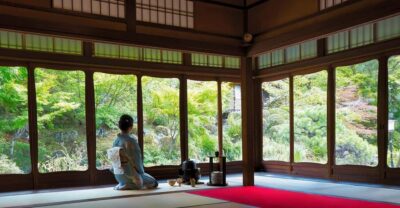
Tea Ceremony in a Traditional Tea House in Kiyomizu
Read our review →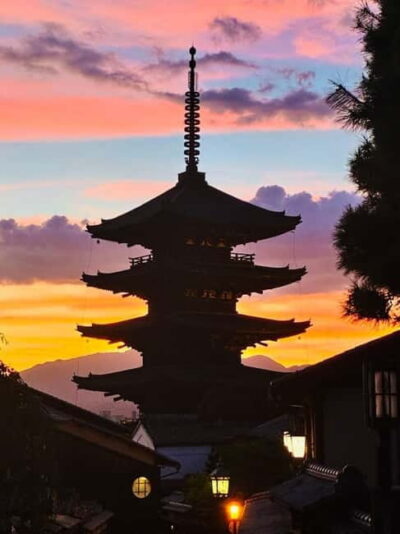
Kyoto Geisha Walking Tour: Gion District & Hidden Gems
Read our review →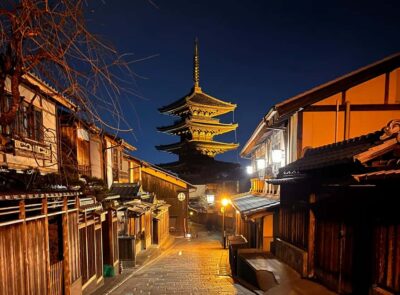
Gion Magical Night Walking Tour with Geisha Trivia
Read our review →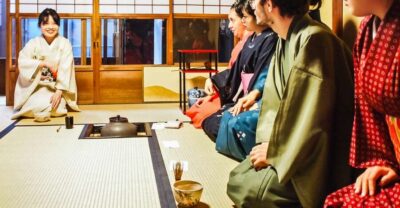
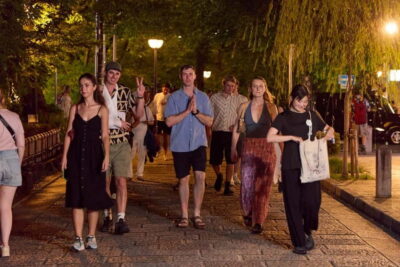
Gion Geisha District Walking Tour – Stories of Geisha
Read our review →
Best of Kyoto: Gion, Geisha, Pagodas & Cobblestones
Read our review →Browse the lists this tour appears in