
Reviewed · KYOTO TOURS
Kyoto: Tea Museum Tickets and Matcha Grinding Experience
The best part of this Uji activity is that you do not simply drink matcha, you help make it. You turn tea leaves through a stone mill, watch the powder gather, then whisk the fresh matcha under a Japanese tea instructor’s guidance. I especially like the hands-on work and the included museum, which gives the cup some useful context. The main drawback is the strict timing: arrive 15 minutes early, because late entry can mean missing the class without a refund.
I also like how easy this is to pair with Uji’s major sights. Chazuna is a short walk from the Keihan station and within walking distance of Byodoin Temple and the town’s matcha shops. English support is available, though one instructor may rely on prepared notes at times, so this feels more like a friendly cultural workshop than a polished theatrical show.
Key points
- Fresh matcha from a stone mill: Grind tencha into powder, then whisk and drink your own tea.
- A museum ticket is included: Explore digital screens, touchable displays, tea exhibits, and a playful matcha photo spot.
- Warm, hands-on instruction: Guides including Hideko, Keiko, Yano-san, and Sukimoto have helped make the class clear and good-humored.
- A useful Uji location: Chazuna is four minutes from Keihan Uji Station and about 12 minutes from JR Uji Station.
- A seasonal summer treat: At 2:45 p.m. only, you may pour your freshly ground matcha over ice cream.
- Good value at $23: The one-hour workshop and museum admission together make this a strong short activity for tea fans.
Grinding Tencha Into Matcha at Chazuna
Uji is one of Japan’s best-known tea towns, and Chazuna gives you a practical way to understand why. Instead of stopping at a shop for a matcha latte or a packet of powder, you see part of the process from leaf to cup.
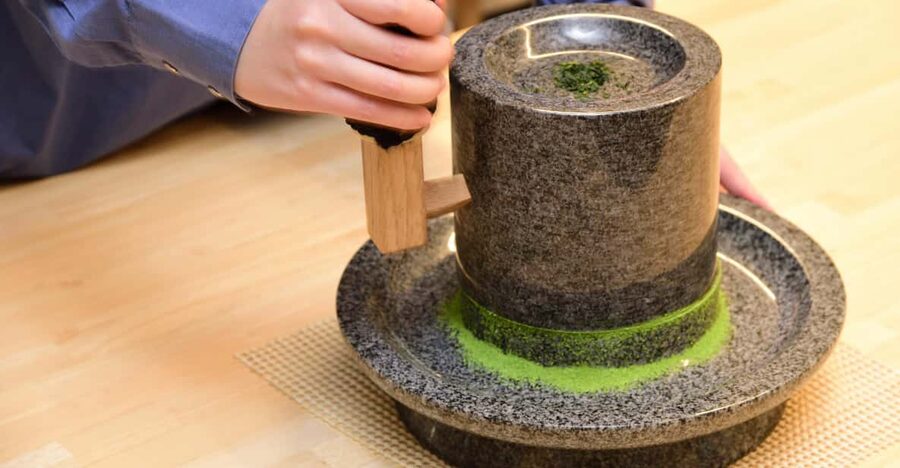
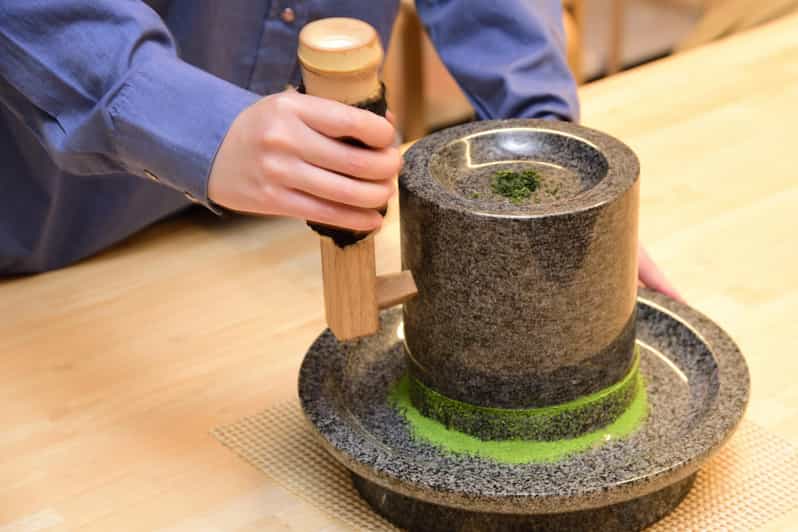
The class centers on tencha, the tea used to make matcha. You grind the leaves in a tea mill until they become a fine green powder. This is not a quick crank-and-finish task. The pace is intentionally calm, and the physical act helps you notice that matcha is a food made with care, not just a bright green drink.
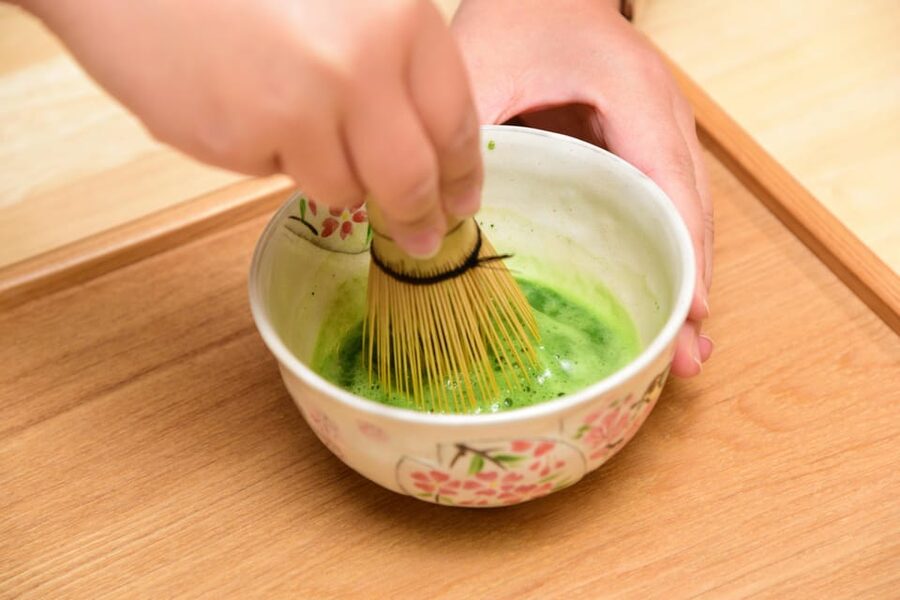
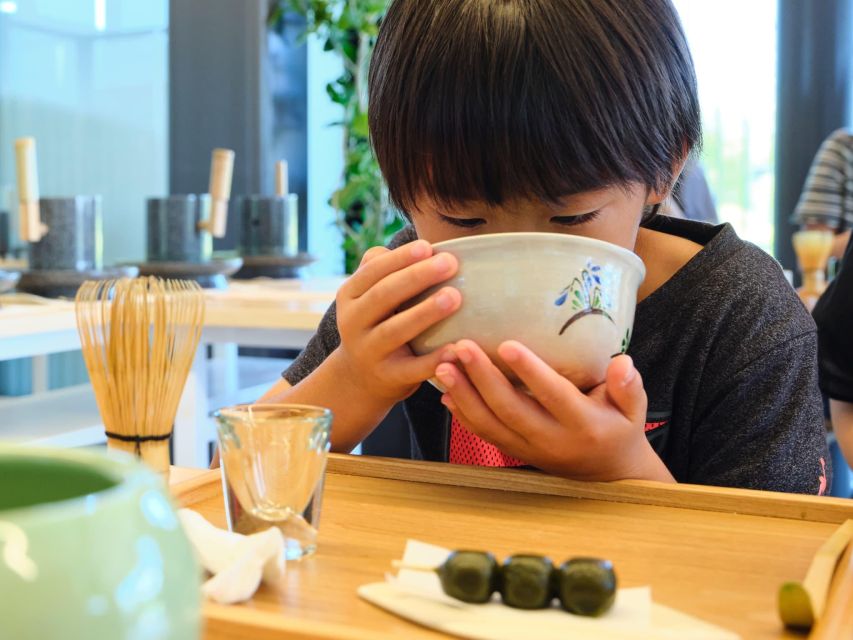
Your instructor then shows you how to prepare the tea. You learn how to whisk the powder and enjoy the bowl you made. The format is welcoming for beginners, so you do not need prior knowledge of Japanese tea customs.
The instructors are a major part of the appeal. Names that appear in the teaching team include Hideko, Keiko, Yano-san, and Sukimoto. Keiko and Sukimoto are especially noted for mixing clear explanations with humor, while Hideko is described as warm and encouraging. The exact instructor can vary, but you can expect a personal, patient teaching style rather than a distant lecture.
More museums and galleries in Kyoto:
- Skip the lines Basic Ticket at SAMURAI NINJA MUSEUM KYOTO
★ 4.5 · 632 reviews - Kyoto : Geiko Maiko Dance of Kyoto & Visits of Gion Museum
★ 4.6 · 415 reviews - Kyoto Sword Experience – includes Museum Ticket/Ninja Experience
★ 4.5 · 149 reviews
The One-Hour Schedule, Step by Step
The experience lasts about one hour, with the museum visit included in the booking. The precise order can depend on the session, but the central rhythm is consistent: introduction, tea grinding, matcha preparation, tasting, and time with the museum displays.
You begin at the first-floor reception area in Chazuna, inside the Historical Park of Tea and Uji Town. Arrive 15 minutes before your booked time. This matters here. Entry can be refused after 30 minutes from the start, and the participation fee is not refundable if you miss the session.
The introduction places Uji tea in its local setting. You learn about tea types, cultivation, harvesting, and the steps that lead to matcha. The explanation is designed to be easy to follow, and instructors use demonstrations as well as spoken guidance.
Next comes the mill. You grind the tea leaves yourself, which is the most memorable part of the class for many people. The task is simple enough for children and first-time tea drinkers, but still interesting for anyone who already buys matcha at home.
After grinding, you prepare the tea. The instructor demonstrates the method, then helps you make your own bowl. You drink the result with sweets, according to the experience setup and the details shared by people who attended. The freshly ground powder gives the tasting a clear sense of place and timing.
At the end, you can spend time with the attached museum. If your schedule allows, do not rush away after the cup. The museum is not huge, but it adds useful background and gives the visit more substance than a short tasting alone.
Why the Museum Matters
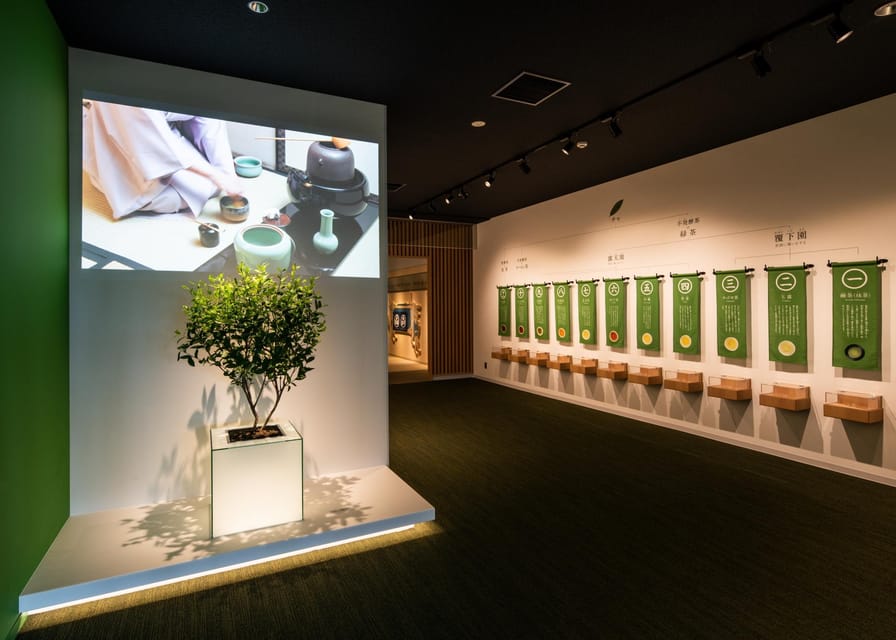
The Chazuna museum covers the beginnings and production of Uji tea through digital and touch-friendly exhibits. It is built for participation rather than quiet, label-heavy viewing, which makes it a good match for families and visitors who prefer learning by doing.
In the History Room, a large 10-yen coin featuring Byodoin Phoenix Hall provides an amusing welcome. Uji’s famous temple image also helps connect the tea story to the town itself.
One of the main displays uses a large 4K digital screen with modern drawings of the townscape, based on traditional Meisho-zue illustrations. This gives you a visual sense of Uji and its past without requiring long reading in Japanese.
The museum also explains tea production in a way that supports the workshop. After you grind and whisk matcha, the displays help answer the natural questions: how is the tea grown, how is it harvested, and how do different Japanese teas vary?
There is also a photo spot where you can create the playful impression of swimming in matcha. It is not a serious historical exhibit, but it gives the museum a lighter finish and works well for families or groups of friends.
The View, Setting, and Feel of the Workshop
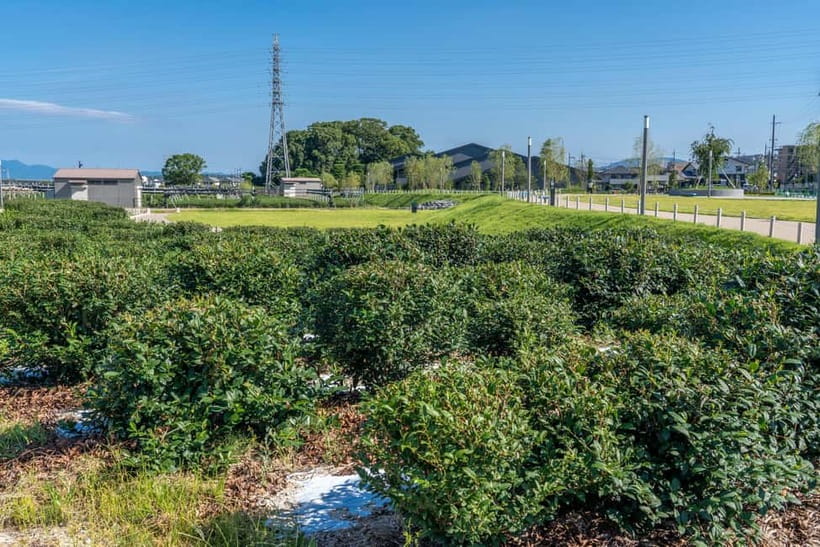
Chazuna sits in a park setting with tea fields and gardens around it. The workshop space is described as clean, peaceful, and intimate, which suits the slow rhythm of grinding and whisking.
The view of the tea fields and gardens adds something important. You are not only handling a finished product in a shop. You are learning about tea in the same Uji area associated with its cultivation and production.
That said, this is not a farm visit. The supplied details do not promise a full walk through tea fields or a detailed agricultural tour. The setting gives you atmosphere and visual context, while the main instruction takes place indoors at the museum and workshop facility.
The class can work well for solo visitors. Seating arrangements may place you with other individual participants, giving you a small social setting without requiring you to arrive with a group. Couples, families, and friends also have enough shared activity to keep the hour lively.
A few more Kyoto half-days to weigh up
- PERFECT KYOTO 1-Day Bus Tour
★ 5.0 · 13,518 reviews - Kyoto: Fushimi Inari, Kinkakuji, Bamboo Grove 1 Day Bus Tour
★ 4.8 · 4,316 reviews - Kyoto: Tea Ceremony in a Traditional Tea House in Kiyomizu
★ 4.9 · 3,519 reviews - Kyoto Geisha Walking Tour: Gion District & Hidden Gems
★ 4.7 · 3,273 reviews
English Instruction and What to Expect
The experience is offered in Japanese and English. The level of English may vary by instructor. One account describes an instructor returning often to a prepared script because she felt nervous speaking English, though the explanations remained clear. This is worth knowing if you expect a fully improvised English lecture.
In practice, the workshop format helps. Demonstrations, written material, and repeated steps make the process understandable even when an instructor is working from notes. The tea grinding and whisking are visual activities, so you can follow along rather than depend on every sentence.
The teaching style is generally warm and involved. Guides help with questions, explain the technique, and keep the mood relaxed. If you want a formal, silent tea ceremony with strict traditional etiquette, this may feel more casual than you expect. If you want to understand the basics and take part yourself, the casual approach is a strength.
The Summer Ice Cream Option at 2:45 p.m.
During summer, the restaurant offers a special cool treat at 2:45 p.m. You can pour some of your freshly ground matcha over ice cream, then eat it, while also drinking matcha prepared from your powder.
This seasonal option is available only at that stated time, so it should shape your booking choice if it is important to you. It is not something to assume will be offered in every session.
The ice cream addition makes sense on a hot day and gives the tasting a more playful finish. It also adds variety for children or anyone who finds straight matcha too strong. Outside the summer offering, the main experience remains the grinding, whisking, and drinking of your own tea.
Is $23 a Fair Price?
At $23 per person, this is good value for a one-hour activity in Uji, especially because the Chazuna museum ticket is included. You receive instruction, tea preparation, a tasting, and a cultural exhibit in one booking.
The value is strongest if you already plan to visit Uji. You can fit the workshop into a day that also includes Byodoin Temple, the main shopping street, tea foods, and souvenirs. The town is described as easy to explore on foot, with the market street and temple both reachable from Chazuna.
It is less compelling if you only want a quick cup of matcha. Uji has plenty of places to buy tea and sweets, but this experience charges for participation and explanation rather than just refreshment.
You should also know that the ground matcha is used during the session. One person wished for a larger amount to take home, and the standard format does not appear to promise that you can bring your portion home. If you want souvenirs, Chazuna or nearby shops may sell tea and matcha tools, but those purchases are separate.
Some attendees have bought tea and matcha sets afterward, and the nearby shopping street is useful for finding matcha foods and gifts. A small tea-themed souvenir may sometimes be offered, but it should not be treated as a guaranteed inclusion.
Getting to Chazuna in Uji

The meeting point is the first-floor reception area at Chazuna, located in the Historical Park of Tea and Uji Town.
From Keihan Uji Station, it is about a four-minute walk. From the south exit of JR Uji Station, allow about 12 minutes. One practical tip is to leave extra time if you are walking from the farther station, especially when coordinating a tight connection or visiting in hot weather.
By car from Osaka, use the Keiji Bypass Uji Nishi IC and follow the side road toward Uji. The drive from the exit takes about 10 minutes. From Tokyo or Nagoya, use the Uji-higashi IC, then turn left at the traffic light after the exit. The listed drive time from there is about three minutes.
The site is wheelchair accessible. Still, arriving early is important for everyone because the reception check-in and class start are tightly managed.
Who Will Enjoy This Most?
I would recommend this to matcha drinkers who want to understand what sits behind the powder in their bowl. You get the satisfying part of making something yourself, plus enough background to make the process meaningful.
It also suits families. The mill, whisking, touchable displays, digital town drawings, and matcha photo spot give children several ways to stay involved. The museum is short enough not to become tiring, while the workshop has a clear task to follow.
Couples and small groups will find it easy to share, and solo visitors should not feel out of place. The class naturally puts people together at tables or work areas, and the instructors help keep the mood friendly.
I would be more cautious if you dislike green tea, want a long museum visit, or expect a full traditional tea ceremony. The museum is compact, the workshop is introductory, and the matcha flavor can be strong if you are not used to it.
Practical Booking Advice

Book a time that leaves room around the class. Arrive 15 minutes early at reception, and do not plan to arrive just as the activity begins. Entry is refused after 30 minutes, with no refund for the missed participation.
The activity offers free cancellation up to 24 hours before the booking and a reserve-now, pay-later option. If you need to change the date or time, changes must be made through the website procedure. Phone staff cannot handle those schedule changes.
A one-hour booking is easy to combine with a larger Uji day. You might visit the museum and workshop first, then walk toward Byodoin Temple and the market street, or reverse that order if you prefer to explore before tea.
Should You Book the Uji Matcha Grinding Experience?
Book it if you want more than a photo and a sweet drink. The strongest reasons are the chance to grind tencha yourself, the patient instruction, and the included museum that explains how Uji tea fits into the town’s identity.
At $23, it offers a useful amount of activity for a short visit, and the location makes it easy to pair with Uji’s temple, shops, and food. I would skip it only if your schedule is too tight for a strict arrival time or if you are looking for an advanced ceremony rather than a friendly introduction.
For most visitors with an interest in Japanese tea, this is a smart, practical addition to a Kyoto itinerary. It lets you leave Uji with a better understanding of matcha, not just another cup of it.
FAQ
Where does the matcha experience take place?
It takes place at Chazuna, in the Historical Park of Tea and Uji Town. Meet at the first-floor reception area.
How long does the activity last?
The experience lasts one hour.
What is included in the price?
The $23 price includes the Chazuna Museum ticket, the matcha-making experience, and an instructor.
Is the activity available in English?
Yes. The experience is offered in Japanese and English.
How far is Chazuna from the train stations?
Chazuna is about a four-minute walk from Uji Station on the Keihan Uji Line. From the south exit of JR Uji Station on the Nara Line, the walk takes about 12 minutes.
Do I need to arrive early?
Yes. Arrive 15 minutes before your reservation and go to the reception counter. Entry can be refused after 30 minutes from the start, and the participation fee cannot be refunded in that situation.
Is Chazuna wheelchair accessible?
Yes, the activity is listed as wheelchair accessible.
Can I cancel or change my booking?
You can cancel up to 24 hours in advance for a full refund. Schedule changes must be made through the website’s change procedure, since phone inquiries cannot handle those changes.
Just added around Kyoto
- Kyoto: Zen Meditation at a Private Temple with a Monk★ 5.0 · 25 reviews
- Kyoto: Gion Geisha District & Sake-in-Hand Walking Tour★ 5.0 · 37 reviews
- Private Pewter Sake Cup Experience with a Kyoto Artisan★ 5.0 · 31 reviews
- Your Private Vacation Photography Session In Kyoto★ 5.0 · 110 reviews
- Private Guided Traditional Buddhist Cooking in Japan★ 5.0 · 16 reviews
- Kyoto Wagashi(Japanese sweets) Cooking Class near Fushimiinari★ 5.0 · 60 reviews
- Traditional Japanese Music show & Experience Tour in Kyoto★ 5.0 · 57 reviews
- Kyoto:Family-Friendly Kimono & Yukata Experience at WARGO★ 5.0 · 147 reviews
Kyoto Tours, compared.
Fushimi Inari, Kinkakuji, Bamboo Grove 1 Day Bus Tour
Read our review →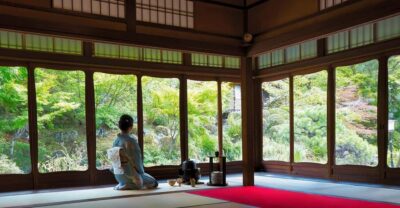
Tea Ceremony in a Traditional Tea House in Kiyomizu
Read our review →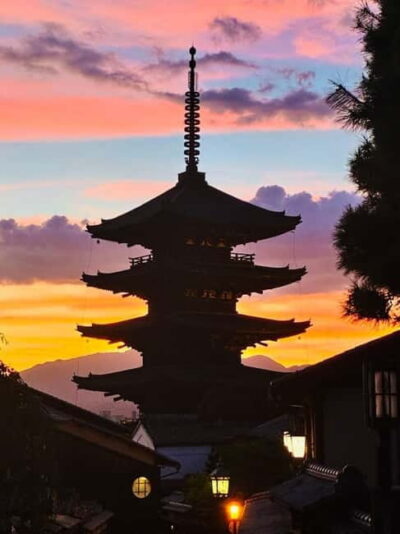
Kyoto Geisha Walking Tour: Gion District & Hidden Gems
Read our review →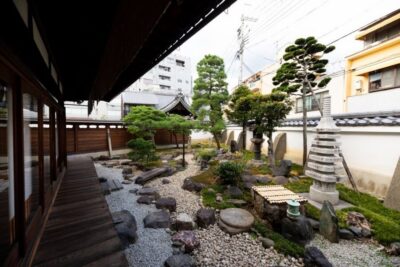

Gion Magical Night Walking Tour with Geisha Trivia
Read our review →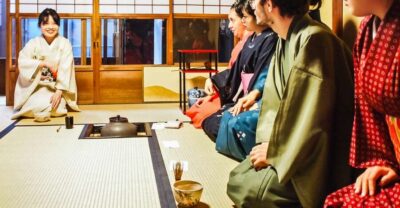

Gion Geisha District Walking Tour – Stories of Geisha
Read our review →Browse the lists this tour appears in