
Reviewed · KYOTO TOURS
Concerts Played with Traditional Instruments in Kyoto
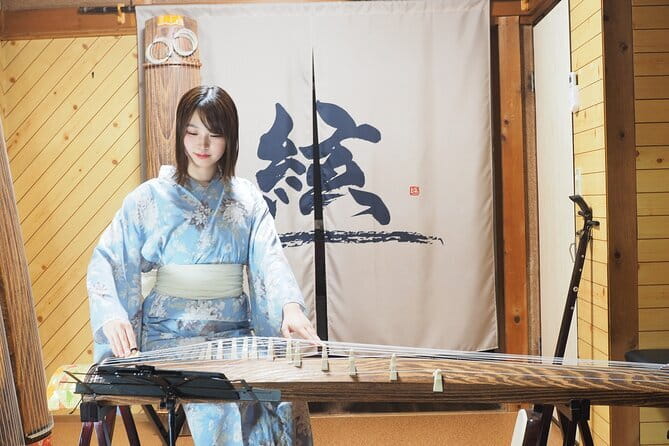
Kyoto has plenty of places to hear Japanese music, but this 50-minute concert in a private home offers a more personal setting. At Gen Home Saiin, the room becomes a small stage for koto and shamisen performances, with classical pieces such as Chidori no Kyoku, Rokudan no Shirabe, and Kajimakura, plus modern and original works.
I like the clear introduction before the music, and I like that the performance does not simply end with a final note. You get time for questions and photos, and an optional upgrade lets you try a simple koto piece yourself. The main consideration is the short running time, especially if you want a long lesson rather than a concert with a brief hands-on element.
Key points to know before booking
- A Kyoto home becomes the concert hall: The setting gives the music a close, personal feel rather than the scale of a large theater.
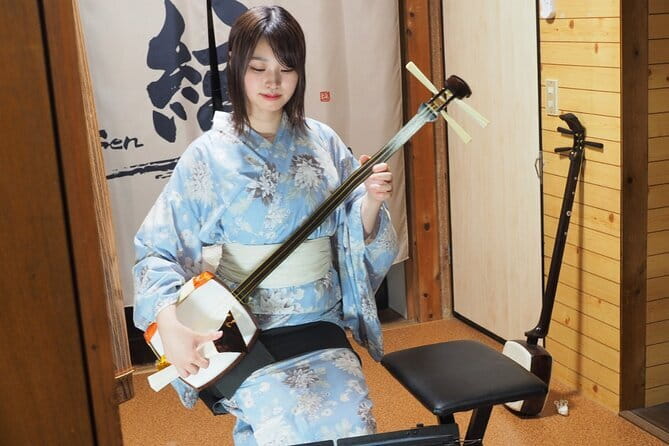
- Koto and shamisen are both explained: You receive a short introduction to the instruments before the performance begins.
- The program mixes old and new: Expect classical works connected with composers such as Yoshizawa Kengyo, Yatsuhashi Kengyo, and Kikuoka Kengyo, along with modern and original compositions.
- The music is followed by conversation: A Q&A and photo time give you direct contact with the professional musicians.
- You can play the koto: An upgrade includes a hands-on session in which you try a simple piece.
- Several times are available: Multiple session options during the day make it easier to fit the concert into a Kyoto sightseeing plan.
Entering Gen Home Saiin for a small Kyoto concert
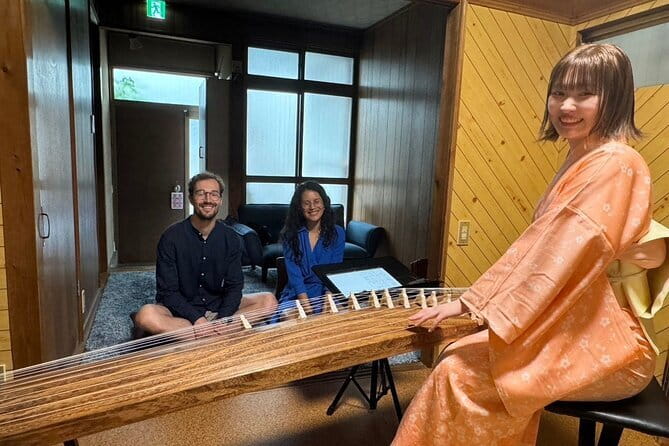
The first thing to understand is the setting. You are not heading into a grand concert hall with rows of seats and a distant stage. The performance takes place in a traditional Japanese home at Gen Home Saiin, where the space is adapted for music.
That setting matters. The koto and shamisen are not presented as museum objects or background decoration. You see them used in a working musical performance, at close range, with explanations that help you understand what you are hearing.
The format can be private or small group, depending on the option you book. That makes the experience feel more direct than a standard public performance. You can focus on the instruments, the players’ technique, and the sound of the strings without the distractions that come with a large venue.
The location is near public transportation, but private transportation is not included. You will need to make your own way there. Since the address details are important for a home-based activity, check the meeting information carefully after booking and allow enough time to find Gen Home Saiin.
More live music in Kyoto:
- Kyoto: Traditional Concert at Townhouse or Bathhouse
★ 4.9 · 224 reviews - Kyoto: Japanese Koto & Shamisen Concert and Koto Class
★ 4.9 · 31 reviews
Understanding the koto and shamisen before the music begins
The concert starts with a brief explanation of the koto and shamisen. This is a useful part of the experience, not filler before the main event.
The koto is a long, zither-like instrument with strings stretched across a wooden body. The shamisen is a three-stringed instrument with a distinctive shape and sound. Hearing their names is one thing. Seeing how each instrument is played, and then hearing the difference in tone, gives you a better way to follow the concert.
The introduction also helps if traditional Japanese music is unfamiliar to you. Instead of sitting through a series of pieces with no context, you get a basic guide to what the instruments do and how the music fits together.
The explanation is provided in English, and the experience is organized around the concert, not around a long lecture. That balance works well for a short cultural activity. You gain enough background to listen with more interest, but the music remains the focus.
Classical pieces with a modern turn
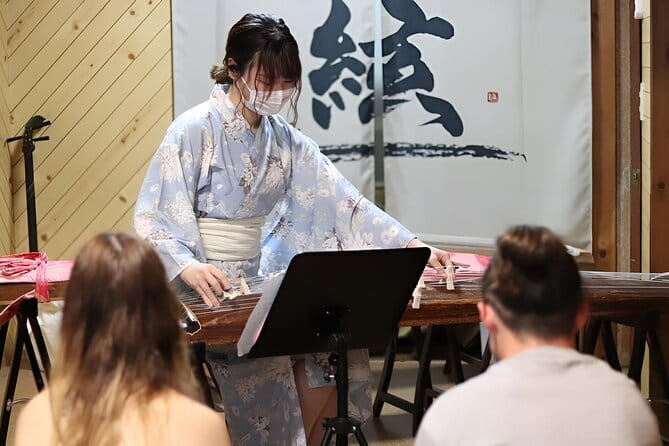
The program includes traditional compositions such as Chidori no Kyoku, Rokudan no Shirabe, and Kajimakura. These works connect the concert to established koto and shamisen traditions.
The program also reaches beyond older compositions. Modern and original pieces are included, so the performance is not presented as a frozen display of the past. That mix gives you a broader view of Japanese string music and lets you hear how these instruments can work in different musical settings.
Several major figures are linked to the works presented, including Yoshizawa Kengyo, Yatsuhashi Kengyo, and Kikuoka Kengyo. You do not need prior musical knowledge to appreciate that background. The names simply help place the pieces within a longer artistic tradition.
One practical point: the exact balance between classical, modern, and original music may vary by session. The description promises all three types, but it does not give a fixed running order or complete program. If you have your heart set on one particular piece, ask about it during the Q&A rather than assuming it will appear at every performance.
Why Chidori no Kyoku may be the emotional high point
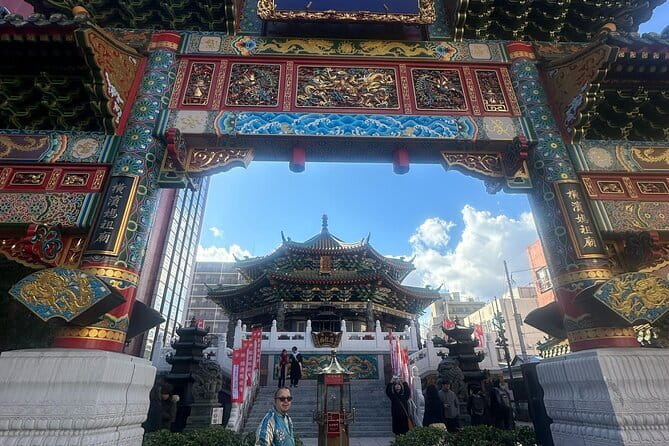
Among the pieces named, Chidori no Kyoku has a particularly strong emotional reputation. One account of the experience describes it as moving enough to bring tears. That response will not be the same for everyone, but it gives you a clue about the tone of the performance.
The piece is part of a program designed to show feeling through the sound of the instruments, rather than through a large production. In a home setting, subtle changes in rhythm and tone may come across with unusual force.
I would treat the music as a listening experience first, not as a quick photo opportunity with Japanese instruments in the background. The photographs and questions come later. Give the performance your full attention, especially if you want to understand why a piece such as Chidori no Kyoku affects people so strongly.
A few more Kyoto half-days to weigh up
- PERFECT KYOTO 1-Day Bus Tour
★ 5.0 · 13,518 reviews - Kyoto: Fushimi Inari, Kinkakuji, Bamboo Grove 1 Day Bus Tour
★ 4.8 · 4,316 reviews - Kyoto: Tea Ceremony in a Traditional Tea House in Kiyomizu
★ 4.9 · 3,519 reviews - Kyoto Geisha Walking Tour: Gion District & Hidden Gems
★ 4.7 · 3,273 reviews
The Q&A and photo time add real value
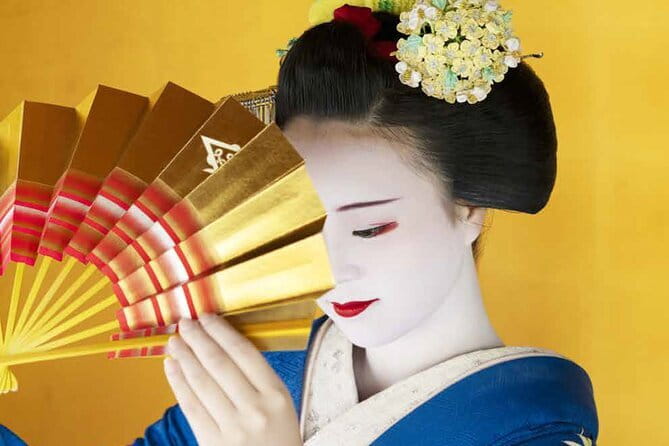
After the concert, you have an opportunity to ask questions and take photos with the musicians and instruments. This is one of the strongest parts of the format because it turns a one-way performance into a conversation.
You can use the Q&A to ask about the instruments, the pieces, or the origins of the music. The supplied information does not list a fixed set of questions, so the quality of this part will depend partly on what you want to know. Think of a few questions before you arrive if you want to make the most of the time.
The photo session also matters for a practical reason. At many cultural performances, you watch the show and leave with little chance to look closely at the instruments. Here, you have time after the music to take pictures and study the details at a slower pace.
Still, remember that the full experience lasts about 50 minutes. The Q&A and photos are part of that compact format, so do not expect an extended musician interview or a long studio visit.
Upgrading for a simple koto lesson

The optional hands-on koto session is the best choice for anyone who wants to do more than listen. With the upgrade, you try to play a simple piece yourself.
This is not described as a full music lesson, and the short duration makes that clear. You are getting a taste of the instrument, not a course in koto technique. That is still valuable. Even a simple attempt can change the way you hear the professional performance that follows or precedes it.
I especially recommend the upgrade for families, curious beginners, and anyone who enjoys activities with a practical element. It gives children and adults a way to take part without requiring musical training.
If your main goal is a quiet concert, skip the upgrade and keep the focus on listening. If you want a stronger memory of the visit, the hands-on option adds something that a standard performance cannot.
How the 50-minute schedule fits a day in Kyoto
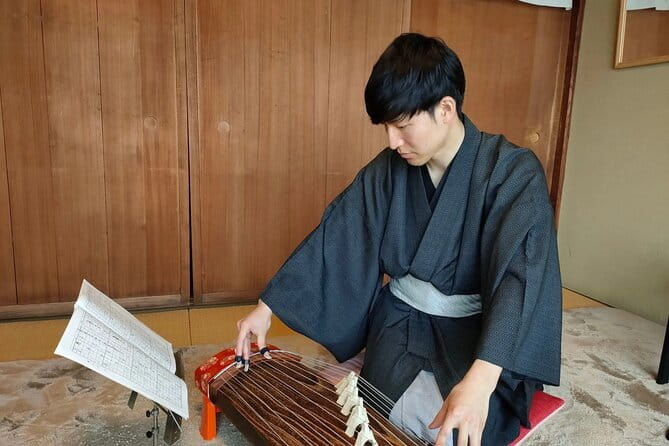
A 50-minute session is easy to place between larger Kyoto sights. You could use it as a calm break from temple visits, shopping, or neighborhood walks. Because multiple options are offered throughout the day, you have some flexibility when building your schedule.
The short length is also the main limit. This is a focused introduction to koto and shamisen, not an afternoon devoted to Japanese music. You will not receive a long historical lecture, a full technical workshop, or a broad survey of every traditional instrument.
That compact structure may be a benefit if you have only a few days in Kyoto. It gives you a genuine cultural experience without consuming half a day. If you are a serious music enthusiast, you may wish the concert were longer, but the session is priced and planned as a brief encounter.
Book ahead if your Kyoto schedule is tight. The experience is booked an average of 33 days in advance, which suggests that popular time slots can fill well before the day itself.
Is $39.63 a fair price?
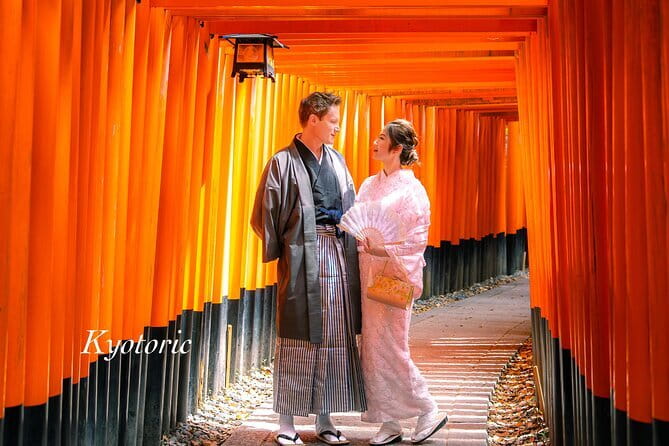
At $39.63 per person, the value depends on what you want from the outing. You are paying for a live koto and shamisen concert, an introduction to the instruments, access to a Q&A, photo time, and, with the appropriate upgrade, a simple koto activity.
For a 50-minute performance, this is not the cheapest music option you could find in Kyoto. The value comes from the home setting and the direct format. You are not just buying a seat in a large room. You are visiting a place where the instruments, musicians, explanations, and conversation are brought together in a small-scale experience.
The price makes the most sense if you care about context and access. It is less compelling if you only want to hear a few minutes of traditional music or if you expect a full concert lasting several hours.
Coffee and tea are not included, and private transportation is also excluded. WiFi and facility fees are included, but neither is likely to be the main reason you book. Judge the cost mainly by the music, the setting, and the chance to speak with the performers.
Who will enjoy this most?
I would recommend this experience to you if you want a manageable introduction to Japanese traditional music. It suits first-time visitors who might otherwise find it hard to choose between unfamiliar cultural performances.
It also works well for people who prefer small settings to major venues. The home location and direct contact after the concert give the activity a personal quality that a large theater may not offer.
The hands-on upgrade makes it a good fit for families and curious beginners. Most people can participate, according to the activity information, and the experience is near public transportation.
You may want to choose something else if you need step-free access or have specific mobility concerns that are not covered in the available details. Most people can take part, but a traditional home does not automatically provide the same access features as a modern concert hall. Contact the provider before booking if you need a precise accessibility answer.
Booking, timing, and cancellation advice
A mobile ticket is provided, and confirmation arrives at the time of booking. Since this is a home-based concert with several daily options, save the meeting details on your phone and check the local start time carefully.
Free cancellation is available if you cancel at least 24 hours before the experience begins. A cancellation made less than 24 hours before the start time is not refunded, and changes inside that window are not accepted. The cut-off follows Kyoto local time.
That policy is fairly workable for a planned sightseeing day, but it leaves little room for a last-minute change. If rain, fatigue, or a shifting temple schedule might affect your plans, book a time you can protect.
Should you book the Gen Home Saiin concert?
Book it if you want a close look at Japanese music in an intimate home setting, especially if you like the idea of hearing both traditional and newer compositions. The explanations, Q&A, photos, and optional koto session give the 50-minute visit more substance than a short staged performance.
Skip it if you are seeking a long concert, a full music class, or included refreshments and transport. For most visitors, the best value comes from treating it as a focused cultural stop, then adding the koto upgrade if you want to take part rather than only listen.
FAQ
Where does the concert take place?
The concert takes place at Gen Home Saiin, a traditional Japanese home in Kyoto that is arranged as a performance space.
How long does the experience last?
The experience lasts approximately 50 minutes.
What instruments will I hear?
You will hear the koto and shamisen, and you will receive a brief introduction and explanation of both instruments.
What kind of music is performed?
The program includes classical pieces such as Chidori no Kyoku, Rokudan no Shirabe, and Kajimakura, along with modern and original compositions.
Is there a chance to meet or speak with the musicians?
Yes. After the concert, you can take part in a Q&A session and have time for photos with the professional musicians.
Can I try playing the koto?
Yes, but the hands-on koto session requires an upgrade. The session allows you to try playing a simple piece.
Is the experience offered in English?
Yes. The explanations and organization of the experience are available in English.
How much does the experience cost?
The listed price is $39.63 per person. The hands-on koto session is an upgrade, so check the selected option for its final price.
Is transportation included?
Private transportation is not included. The venue is near public transportation, so you will need to arrange your own route to Gen Home Saiin.
Can I cancel for a full refund?
Yes, if you cancel at least 24 hours before the scheduled start time. Cancellations made less than 24 hours before the start time are not refunded, and changes inside that period are not accepted.
Just added around Kyoto
- Kyoto: Zen Meditation at a Private Temple with a Monk★ 5.0 · 25 reviews
- Kyoto: Gion Geisha District & Sake-in-Hand Walking Tour★ 5.0 · 37 reviews
- Private Pewter Sake Cup Experience with a Kyoto Artisan★ 5.0 · 31 reviews
- Your Private Vacation Photography Session In Kyoto★ 5.0 · 110 reviews
- Private Guided Traditional Buddhist Cooking in Japan★ 5.0 · 16 reviews
- Kyoto Wagashi(Japanese sweets) Cooking Class near Fushimiinari★ 5.0 · 60 reviews
- Traditional Japanese Music show & Experience Tour in Kyoto★ 5.0 · 57 reviews
- Kyoto:Family-Friendly Kimono & Yukata Experience at WARGO★ 5.0 · 147 reviews
Kyoto Tours, compared.


Fushimi Inari, Kinkakuji, Bamboo Grove 1 Day Bus Tour
Read our review →
Tea Ceremony in a Traditional Tea House in Kiyomizu
Read our review →
Kyoto Geisha Walking Tour: Gion District & Hidden Gems
Read our review →

Gion Magical Night Walking Tour with Geisha Trivia
Read our review →
