Reviewed · KYOTO TOURS
Kyoto: Traditional Concert at Townhouse or Bathhouse
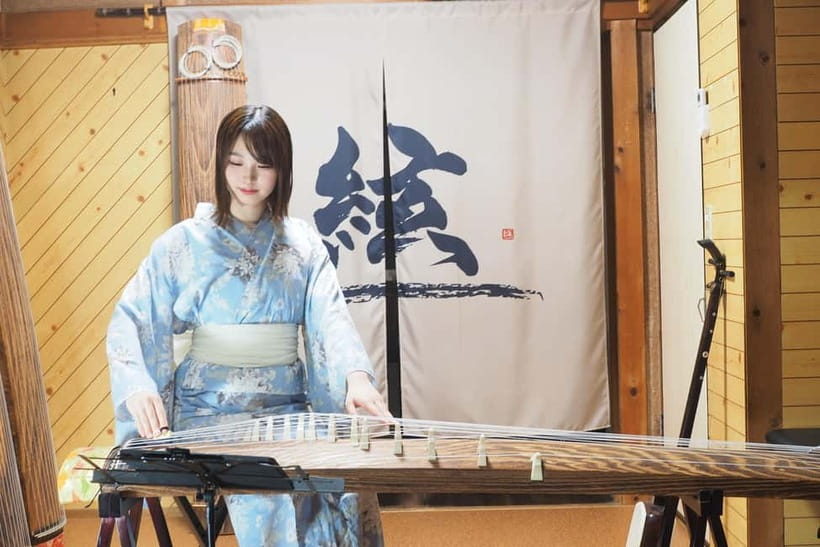
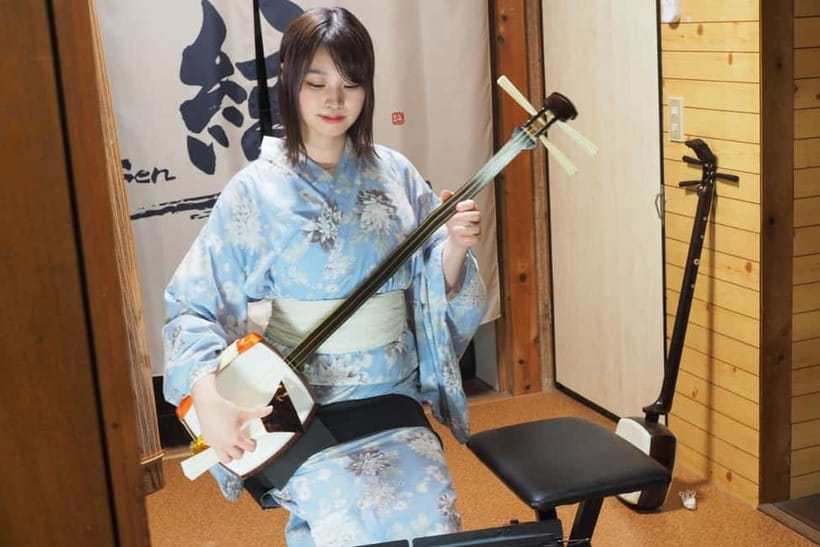
A professional musician playing koto and shamisen a few feet away in a Kyoto townhouse is a far cry from a large stage show. I like the tiny audience, sometimes as few as several people, and the plain, friendly explanations that make the music easier to follow. The optional koto lesson is another real treat: you sit down, pluck the strings, and play a short phrase yourself.
You can also choose the larger bathhouse hall, where tiled walls give a koto duet a strong echo. That setting sounds more dramatic, but dates are irregular and the townhouse is the safer choice if you want flexible scheduling. One small caution: both meeting points can take some effort to find, so allow time and check your booking details carefully.
Key points at a glance
- Two very different Kyoto venues: Pick a cozy traditional home for solo music or a former bathhouse hall for resonant duets.
- Small groups make a difference: The townhouse holds about 11 people, making it easy to see the player’s hands and ask questions.
- Music for beginners: Bilingual commentary covers the instruments, picks, bridges, notation, materials, and the meaning of the pieces.
- A hands-on ending: Townhouse bookings can include a 35 to 40 minute koto workshop with sanitized instruments.
- A varied program: Expect four or five pieces, moving between Japanese classical music, newer arrangements, songs, and original works.
- Good cultural value for $32: You get a concert, explanations, a Q&A, photographs, and possibly a lesson without committing half a day.
Why this small Kyoto concert works so well
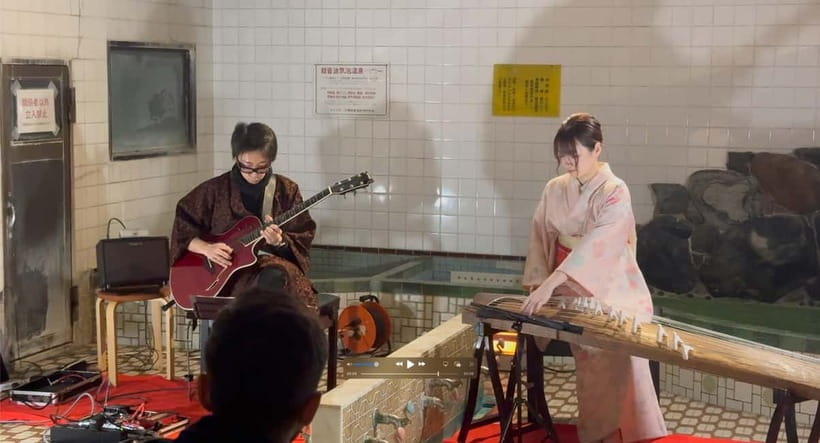
Kyoto has plenty of temples, gardens, and formal cultural attractions. This concert gives you something different: a close look at how traditional Japanese music is made. You are not simply sitting in the dark while an unfamiliar program passes by. The host explains what you are seeing, and the performer shows how the instruments work before playing.
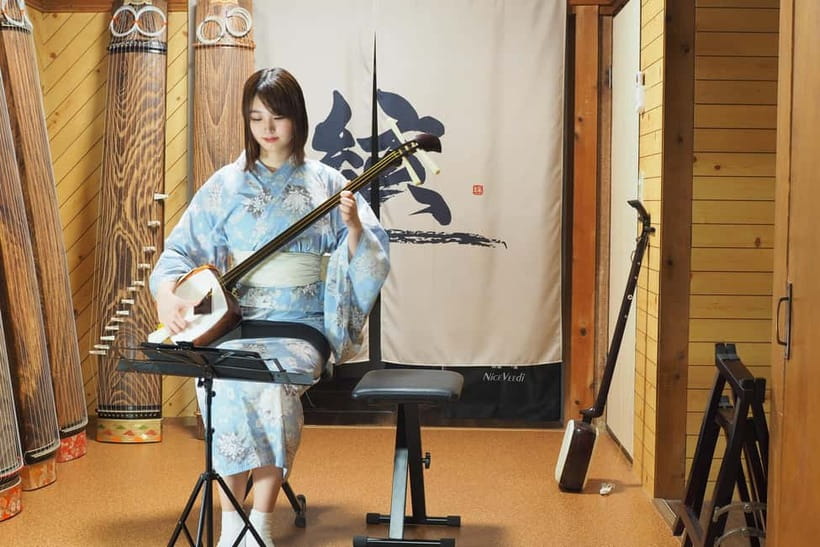
That preparation matters. A koto looks simple at first, a long wooden instrument with strings stretched across movable bridges. The details become clear when someone points out the bridges, the hand position, the picks, and the unusual notation. The shamisen has its own character, with a three-string design and a broad pick that produces a sharper, more percussive sound.
The program usually includes four or five pieces. The music may move from a classical work to a contemporary arrangement, then to a song or a piece written by the performer. That variety helps if you are new to Japanese music. You hear the older sound, then notice how musicians still use these instruments in newer settings.
The strongest part is the sense of contact. At the end, you can ask questions, take photographs, and speak with the artists through the English and Japanese support. The performers are not presented as distant figures. The evening feels personal, which is exactly what makes the townhouse option so appealing.
More live music in Kyoto:
- Concerts Played with Traditional Instruments in Kyoto
★ 5.0 · 50 reviews - Kyoto: Japanese Koto & Shamisen Concert and Koto Class
★ 4.9 · 31 reviews
The traditional townhouse: the best choice for closeness
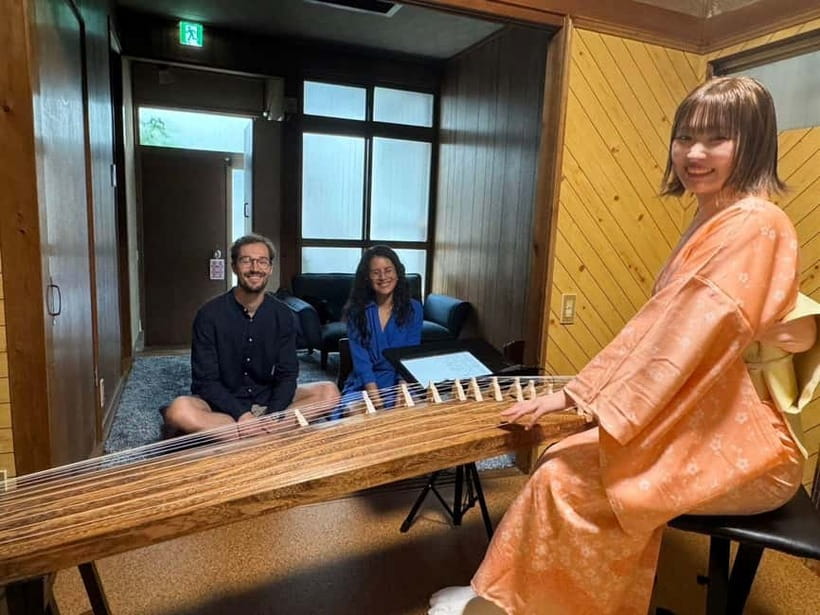
The townhouse program takes place in a real Japanese home with room for about 11 people. Cushions or chairs provide the seating, and the small room creates a living-room feeling rather than a formal concert hall. You may find yourself close enough to notice the movement of each finger and the changing pressure on the strings.
This is the option I would choose for a first introduction to the koto and shamisen. The scale makes it easy to understand the technique. When the performer changes from a light, ringing passage to a stronger attack, you hear the difference without the distance or distraction of a large venue.
Solo sets usually feature four or five classical and contemporary pieces. Names that may appear in the program include Kajimakura, Chidorino Kyoku, and Kaede no Hana, though the exact selection changes by musician and season. That rotating program is useful because it gives each performer room to show a personal style rather than forcing every concert into one fixed script.
Past performances have included both instrumental playing and singing. A musician such as Kyoko or Furan may handle koto, shamisen, and vocals, while another performer may focus on a different combination. The booking information does not promise one specific artist for every date, so check the schedule if a particular performer matters to you.
The townhouse also offers the hands-on workshop. It adds 35 to 40 minutes, bringing the total visit to roughly 80 to 105 minutes depending on the option and schedule. You learn how to sit, place the hands, pluck the strings, and follow a short phrase. The goal is not to turn you into a koto player in one afternoon. It is to let you feel how much control and practice the music requires.
I especially like this add-on for families with older children, couples, and anyone who learns better by trying something. The instruments are sanitized, and guidance is provided. You might even produce something that sounds like a tune, though nobody expects a concert-ready performance.
The limitation is space. An audience of about 11 is part of the charm, but it can feel tight when the room is full. If you prefer a broad stage, formal rows, or a polished theater setting, this may feel informal. That is also its strength.
The historic bathhouse hall: sound with more drama
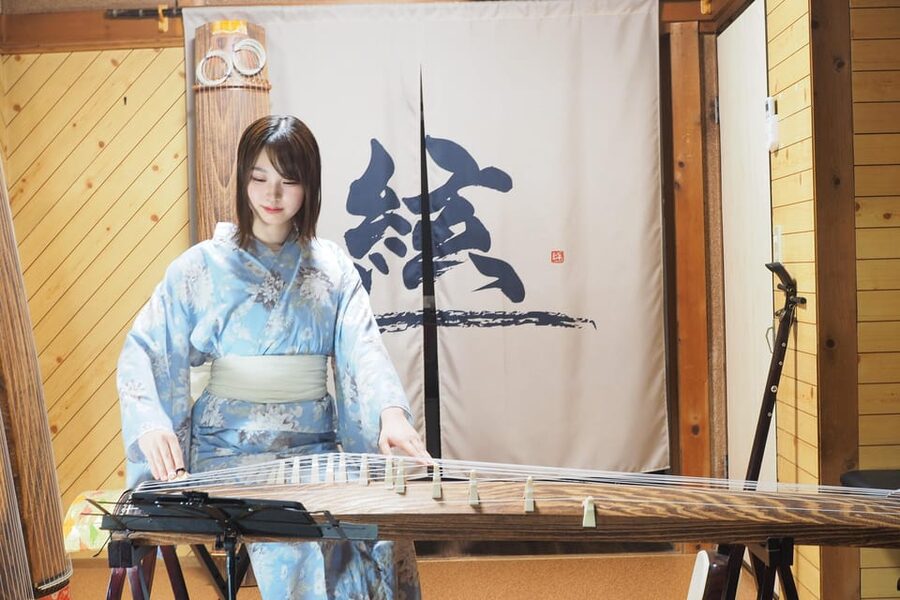
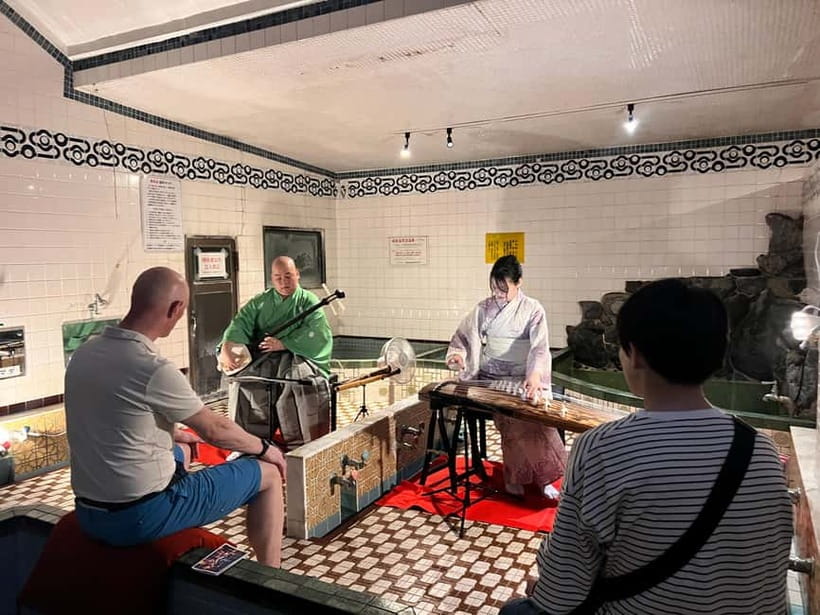
The second venue is a historic bathhouse hall, not a bathing experience. There is no access to bathing facilities, and food and drinks are not included. You come for the music and the unusual acoustics.
The hall can hold about 30 people, with seating arranged in rows. Tiled walls create natural reverberation, so the sound lingers longer than it does in the townhouse. A solo koto can sound spacious here, while a duet gains extra force as the notes bounce around the room.
This program pairs the koto with another instrument. Depending on the date, that may be shamisen, shakuhachi, taishōgoto, flute, or guitar. The mix gives the performance a wider musical range and can make the hall feel more like a formal concert.
The repertoire is chosen for the room and for the artists. A lyrical solo can take advantage of the lingering sound, while a koto and shamisen duet can create a livelier exchange. A koto paired with shakuhachi offers a very different color from a guitar collaboration. The booking information promises four or five pieces, excluding the opener, but the exact combination varies.
The tradeoff is availability. The bathhouse option is offered irregularly on Mondays, so you need to check the calendar instead of building your day around an assumed schedule. It also gives you less of the home-like contact found in the townhouse. You still receive commentary and a Q&A, but the larger room naturally creates more distance.
Choose the bathhouse if acoustics and variety matter most. Choose the townhouse if you want the artists close, a more relaxed setting, and the chance to play the koto yourself.
What happens from check-in to the final question
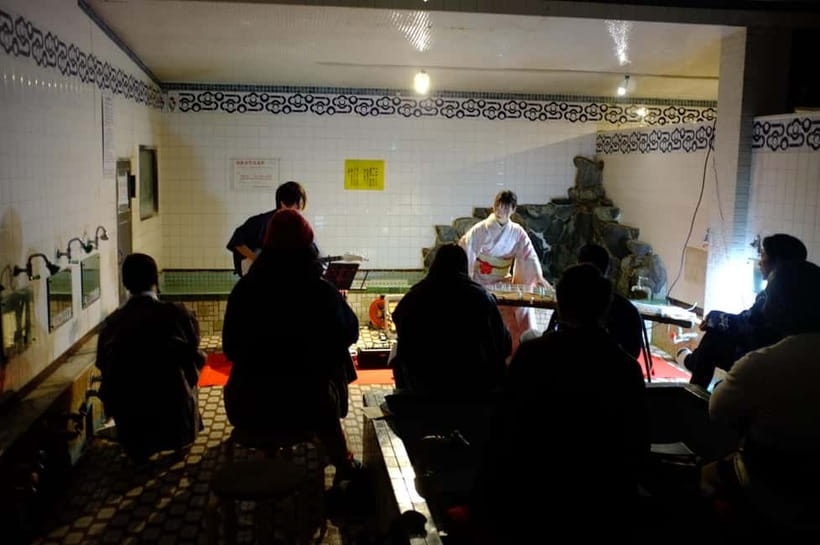
The visit is organized in clear stages, and the short concert portion runs about 45 minutes without the workshop.
A few more Kyoto half-days to weigh up
- PERFECT KYOTO 1-Day Bus Tour
★ 5.0 · 13,518 reviews - Kyoto: Fushimi Inari, Kinkakuji, Bamboo Grove 1 Day Bus Tour
★ 4.8 · 4,316 reviews - Kyoto: Tea Ceremony in a Traditional Tea House in Kiyomizu
★ 4.9 · 3,519 reviews - Kyoto Geisha Walking Tour: Gion District & Hidden Gems
★ 4.7 · 3,273 reviews
Check-in and seating
Allow five to ten minutes for arrival, seating, and a quick explanation of venue etiquette. The meeting point depends on the option you book, so do not assume the townhouse and bathhouse use the same address.
Several people have found the townhouse a little difficult to locate. Use the exact location information supplied after booking, and give yourself extra time rather than arriving at the last minute. One late arrival was handled kindly, but punctuality is still the courteous choice for a small room.
Instrument introduction
The host spends about 10 to 15 minutes explaining the instruments, how they are made, and how they are played. You learn about strings, bridges, picks, hand positions, and Japanese music notation.
This section is not aimed at experts. Most people arrive with little or no background in traditional Japanese instruments. The English and Japanese commentary makes the performance easier to appreciate, especially when the music shifts between older and newer styles.
Hosts have included Gen, Shohei, and other English-speaking presenters. Their approach can vary by date. Some explanations are polished, while another may feel more relaxed and conversational. I see that informality as part of the small-group character, but anyone expecting a scripted museum presentation should know the tone is friendly rather than formal.
The concert
The main performance lasts about 25 to 30 minutes. A solo program may move among koto, shamisen, and voice. The musician may explain a piece before playing it, giving you a clue about its period, style, or story.
The koto’s sound can be gentle and flowing, but it is not always soft. The player can bend notes, sharpen attacks, and create strong rhythmic passages. The shamisen brings a more direct, crisp sound. Hearing both in the same compact program helps you understand why they occupy different places in Japanese music.
The performers are the main reason to book this experience. Furan, Aoi, Kyoko, and other artists named in past programs have been praised for expressive playing, strong singing, and clear command of the instruments. Since the roster and program can change, treat those names as examples, not guarantees.
Q&A and photographs
The final five to ten minutes allow for questions and photographs. This is a useful chance to ask about the music, the instruments, the performer’s training, or the meaning of a particular piece.
You are also given time for a photo opportunity with the musicians. Photography and filming have been allowed during some townhouse programs, but follow the host’s instructions on the day, especially in the smaller room.
What makes the explanations worth your time
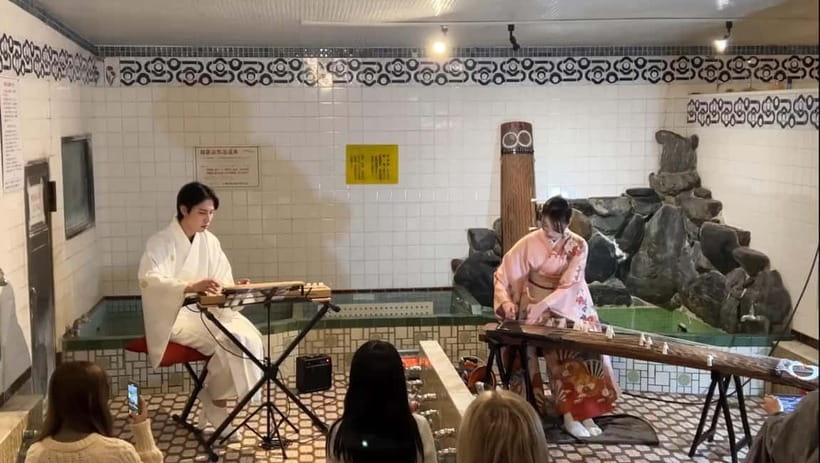
A concert of unfamiliar music can be beautiful but hard to place. Without context, you may hear a fine performance and remember only that it sounded calm or unusual. The short introduction gives your ears something to listen for.
You begin to notice the difference between a plucked note and a bent note, the way a pick changes the attack, and how the player uses the body of the instrument. The notation is also an interesting detail. It does not look like the staff notation most Western listeners know, so seeing it before the performance makes the musician’s skill more visible.
The commentary is bilingual, but this is not a language class. The English support is there to make the culture accessible without turning the music into a lecture. That balance is one of the experience’s best features.
Getting there and pairing it with Kyoto sightseeing
Transportation is not included, and the exact meeting point varies. Plan the concert as one stop in your day, not as a venue you can casually locate while rushing from another attraction.
The listed approximate travel times make several combinations possible:
- Arashiyama, about 25 minutes: Use the local rail connections listed for Saiin, Katsura, and the Randen Line. The concert can work before or after a visit to the bamboo area and riverside district.
- Nijō Castle, about 20 minutes: This is a practical pairing if you want a cultural morning or afternoon with a concert afterward.
- Kinkaku-ji, about 20 minutes: The bus from Nishioji Sanjō is listed at about 16 minutes, followed by a short walk.
- Nishiki Market, about 25 minutes: A direct Hankyu ride toward Karasuma or Kawaramachi makes this a natural combination with lunch or snack shopping.
These times are approximate, not door-to-door guarantees. Kyoto traffic can slow buses, and the venue may sit away from the main sightseeing routes. I would avoid scheduling the concert immediately after a major attraction with a strict timed entry.
The experience works particularly well in the evening, when the quiet music gives you a change of pace after busy streets and crowded sights. The townhouse has been described as a calm, reflective setting. The bathhouse hall offers a more theatrical finish to the day.
Is $32 a fair price?
At $32 per person, the short concert is good value if you want more than a performance alone. You receive live music by professional artists, bilingual explanations, a Q&A, time for photographs, and seating in a distinctive venue.
The townhouse workshop may make the value even stronger, especially if you compare it with a standard cultural demonstration. The lesson adds time and participation without requiring previous knowledge. You are not paying for a long sightseeing route, transportation, or a meal, so the value depends on your interest in music and direct cultural contact.
The price is less attractive if you want a full evening of entertainment. The standard visit lasts only 45 to 55 minutes, depending on the precise schedule. Food, drinks, transfers, and bathing are not part of the deal. Think of it as a focused cultural appointment, not a half-day tour.
For a private or very small group, $32 is particularly reasonable. A full townhouse can hold around 11 people, and some bookings may have only a handful of participants. That close scale is difficult to reproduce in a large public concert.
Free cancellation up to 24 hours before the start and a reserve-now, pay-later option also help if your Kyoto schedule is still moving around. Check the current calendar and meeting point before paying.
Who should book this experience?
I would recommend it to:
- First-time visitors who want a clear introduction to koto and shamisen
- Music lovers who care about technique as much as atmosphere
- Couples and families looking for a quiet activity away from crowded sights
- Visitors who enjoy asking questions and meeting performers
- People who want a small, personal setting rather than a large stage show
- Anyone interested in trying a traditional instrument
The townhouse is the better fit for children old enough to sit quietly and take part in a short lesson. Babies under one year are not suitable for the activity. The bathhouse hall may suit someone who prefers rows of seats and a stronger concert-room sound.
You may want to skip it if you need a highly predictable program, a major tourist landmark, or a performance lasting several hours. The artist, repertoire, venue, and tone can change by date. That flexibility is part of the appeal, but it means you should read the selected option carefully.
FAQ
How long does the Kyoto concert last?
The experience lasts between 45 and 105 minutes, depending on the venue and whether you add the koto workshop. The concert itself includes check-in, an instrument introduction, 25 to 30 minutes of music, and a short Q&A.
Which venue should I choose?
Choose the traditional townhouse for a small solo concert, a cozy home setting, and the optional hands-on koto lesson. Choose the historic bathhouse hall for a larger audience, duet programs, and natural reverberation from the tiled walls.
Is the koto workshop included?
The workshop is optional and available only with traditional townhouse bookings. It lasts about 35 to 40 minutes and teaches basic koto techniques and a short phrase using sanitized instruments.
Do I need to know anything about Japanese music?
No. The activity is designed for people with little prior knowledge. Bilingual commentary explains the instruments, materials, notation, and repertoire in accessible terms.
Is the bathhouse visit a bathing experience?
No. The bathhouse is used as a concert hall. Bathing and entry to bathhouse facilities are not included.
Can I cancel or pay later?
You can cancel up to 24 hours in advance for a full refund. A reserve-now, pay-later option is also available, subject to the booking conditions shown when you select a date.
My recommendation
Book the townhouse if you want the most personal version of the experience. The close seating, direct questions, solo playing, and optional koto lesson give you the clearest connection to the music. It is also offered almost every day, making it easier to fit into a Kyoto itinerary.
Book the bathhouse hall if you have a Monday date that works and you care most about sound, duets, and a more dramatic room. Either way, $32 buys a thoughtful introduction to Japanese music rather than a quick photo stop. For a short, quiet, genuinely local-feeling break from Kyoto’s famous sights, this is an easy recommendation.
Just added around Kyoto
- Kyoto: Zen Meditation at a Private Temple with a Monk★ 5.0 · 25 reviews
- Kyoto: Gion Geisha District & Sake-in-Hand Walking Tour★ 5.0 · 37 reviews
- Private Pewter Sake Cup Experience with a Kyoto Artisan★ 5.0 · 31 reviews
- Your Private Vacation Photography Session In Kyoto★ 5.0 · 110 reviews
- Kyoto Wagashi(Japanese sweets) Cooking Class near Fushimiinari★ 5.0 · 60 reviews
- Private Guided Traditional Buddhist Cooking in Japan★ 5.0 · 16 reviews
- Traditional Japanese Music show & Experience Tour in Kyoto★ 5.0 · 57 reviews
- Kyoto:Family-Friendly Kimono & Yukata Experience at WARGO★ 5.0 · 147 reviews
Kyoto Tours, compared.
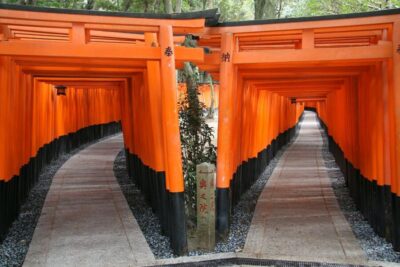
Fushimi Inari, Kinkakuji, Bamboo Grove 1 Day Bus Tour
Read our review →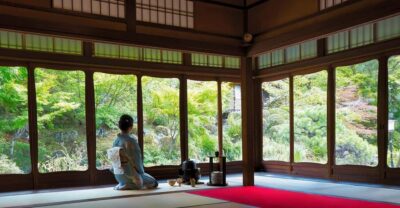
Tea Ceremony in a Traditional Tea House in Kiyomizu
Read our review →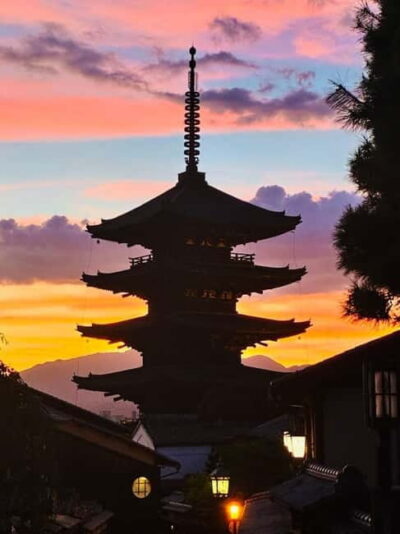
Kyoto Geisha Walking Tour: Gion District & Hidden Gems
Read our review →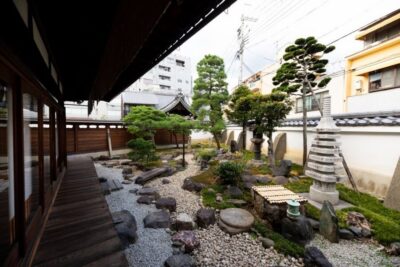
Gion Magical Night Walking Tour with Geisha Trivia
Read our review →