
Reviewed · KYOTO TOURS
Kyoto Gion Night Walk & Geisha District Guided Tour
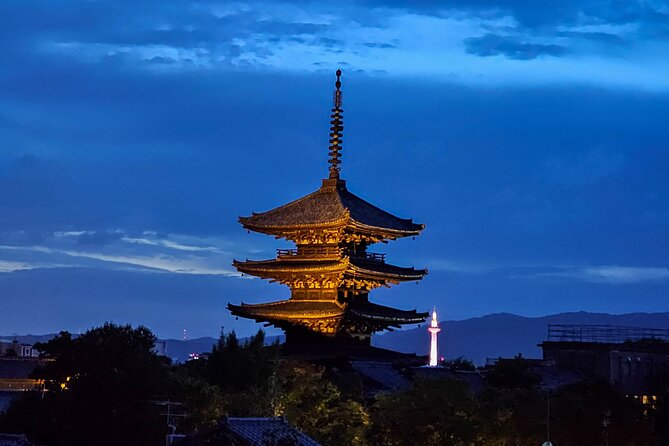
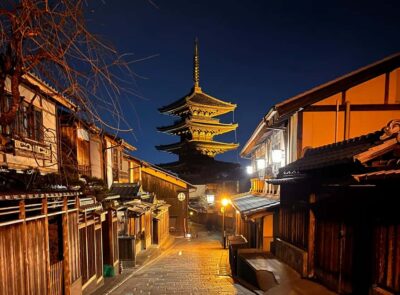
Gion is at its most atmospheric after sunset, when paper lanterns glow over narrow lanes and old teahouses. This three-hour evening walk brings you through Kyoto’s famous geisha district, Hanamikoji Street, Yasaka Shrine, and quieter corners that are easy to miss on your own.
I like the low price and the chance to hear cultural context while you walk, rather than simply taking photos and moving on. I also like the range of guides, including Jasmine, Naoki, Miyake, Shingo, and Raphael, who have earned praise for clear explanations, patience, humor, and restaurant advice.
The main catch is that this is a walking tour held around dinner time. You may finish hungry, and winter evenings can be cold. Meeting the group at Kyoto Kawaramachi Garden may also take a little care because several guides and groups can gather on a busy street.
Key points to know before booking
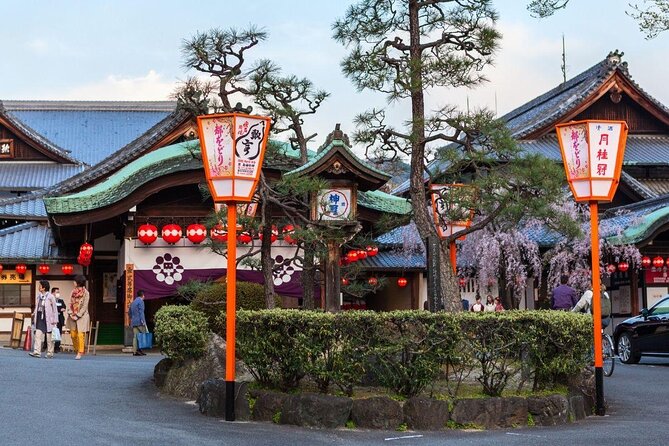
- Gion after dark: Lanterns, teahouses, restaurants, and narrow lanes give the district a very different mood from daytime Kyoto.
- Hanamikoji Street: This well-preserved historic street is one of the tour’s central stops and a likely place to spot a maiko or geisha, though sightings are never promised.
- Yasaka Shrine: You get a useful introduction to one of Kyoto’s major shrines, its architecture, customs, and place in local life.
- About three hours on foot: Expect a steady walk with limited sitting time, so comfortable shoes matter.
- Small-group option: The outing is promoted for groups of no more than nine, while the wider activity information allows up to 25 people. Confirm the expected size when booking.
- Strong value at $18: An English-speaking guide, a walking route, and local explanation make this a sensible first-night activity, especially for a first visit.
Why Gion works best after sunset
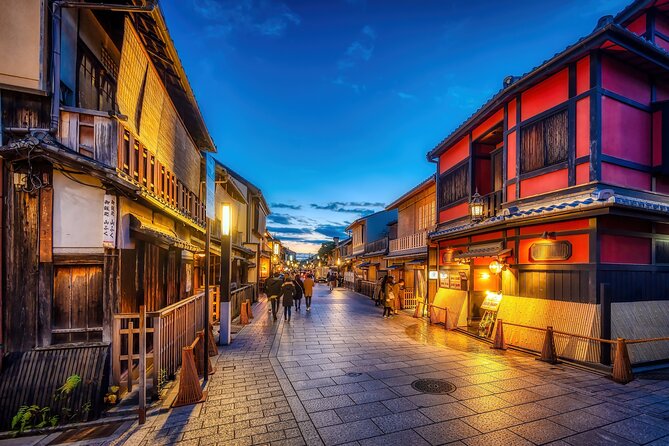
Gion can feel like a stage set during the day, but nighttime gives the district a softer, more convincing mood. Lanterns mark restaurant entrances, wooden buildings take on warm color, and the narrow streets make you slow down. You are not seeing a museum display. You are walking through a working district with restaurants, bars, teahouses, shrines, and private homes.
That distinction matters. Gion is often treated as a place where you go to chase a photo of a geisha. A good guide helps you understand that the district is also about etiquette, architecture, religious customs, and the long relationship between entertainment districts and Kyoto’s urban life.
You may see a maiko or geisha, especially around Hanamikoji Street, but treat this as luck rather than the tour’s main product. The route can still be worthwhile on a quiet evening when no performers appear. One outing produced a geisha and two maiko near Hanamikoji Street, while another had no sightings at all. The difference comes down to timing, season, holidays, and chance.
More geisha-district evenings:
- Kyoto Geisha Walking Tour: Gion District & Hidden Gems
★ 4.7 · 3,273 reviews - Kyoto: Gion Magical Night Walking Tour with Geisha Trivia
★ 4.9 · 2,393 reviews - Kyoto: Gion Geisha District Walking Tour – Stories of Geisha
★ 4.7 · 2,187 reviews
Starting near Kyoto Kawaramachi Garden
The meeting point is Kyoto Kawaramachi Garden at 68 Shinchō in Shimogyo Ward. It is near public transportation and accessible by bus, but give yourself extra time to identify the correct guide. Several groups may gather nearby, and one group found the meeting area slightly confusing on a busy street.
Your ticket is mobile, and confirmation arrives at booking. The tour ends at Sanjō Ōhashi Bridge, not at Kyoto Station, so plan your evening from that point. This is useful if you want to continue around central Kyoto, but you should not expect a hotel transfer or a ride back to your accommodation.
The walk lasts about three hours. The route includes Gion for about two hours, Hanamikoji Street for roughly 30 minutes, and Yasaka Shrine for another 30 minutes. Those times are approximate, but they show the shape of the evening: most of the experience is spent moving through the district rather than stopping for a long formal presentation.
Gion’s lantern-lit lanes and working teahouses
The first and longest part of the walk introduces you to Gion itself. Your guide explains the district’s customs, buildings, and connection to geisha culture while leading you down its better-known streets and less obvious side lanes.
The quieter lanes are important. Anyone can find Hanamikoji Street on a map, but a guide can point out small temples, shrines, tucked-away streets, and details that do not announce themselves in English. Several guides have also added small extras, such as restaurant suggestions or stops connected with Kyoto’s past.
The quality of this portion depends heavily on the person leading your group. Guides such as Naoki, Miyake, Shingo, Jasmine, Vincent, Raphael, and Eloise have been praised for making the walk personal and easy to follow. Specific strengths vary. Naoki has been especially appreciated for his Kyoto and samurai stories, while Jasmine has been praised for patient answers and a comfortable pace. Miyake is known for detailed explanations and a good sense of humor.
That variety can be a strength, but it also means the tone will not be identical every night. Some guides build a clear story from one stop to the next. Others offer many small facts that can feel less connected. If you want a polished lecture, this may feel loose. If you prefer to ask questions and follow local details, the format works better.
You should also follow your guide’s instructions closely around private establishments. One poor experience involved a group being directed toward a private teahouse, which made the guests uncomfortable. The lesson is simple: do not enter a restaurant, teahouse, or private property unless your guide clearly confirms that it is open to the public and part of the planned route.
Hanamikoji Street, Kyoto’s best-preserved old street
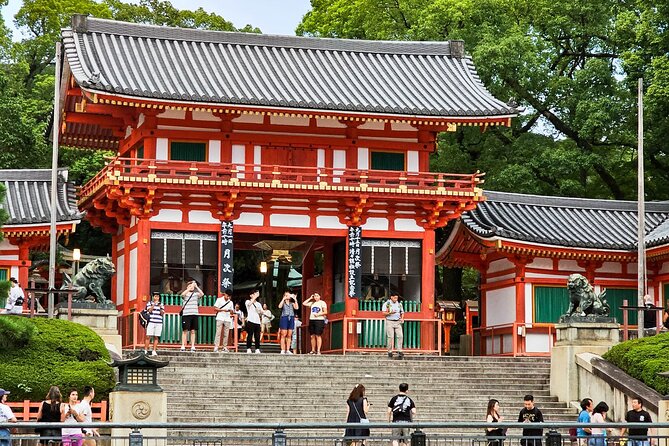
Hanamikoji Street is one of Gion’s most recognizable lanes. Traditional wooden facades, narrow entrances, and carefully maintained streetscapes make it a natural place for photographs. It is also tied closely to the area’s entertainment culture, so your guide can explain the difference between a maiko and a geisha and discuss the customs that shape this district.
This is the portion where you may see a performer heading to an appointment. If that happens, be respectful. A sighting is not an invitation to crowd the person, block the lane, or use flash photography. The value of the tour is partly that it gives you a better sense of how to behave in a place where residents and working professionals still use the streets.
Hanamikoji is also a good point to ask questions. You can ask your guide about clothing, training, tea houses, seasonal events, or the role of the district today. The best guides welcome that exchange and explain ideas in plain English. Shingo, Raphael, Vincent, and Jasmine have all been praised for answering questions and making the culture easier to understand.
The drawback is that Hanamikoji can be busy, and the meeting point problem has a parallel here: groups may gather in the same area. Stay close enough to hear your guide and keep your phone handy if the group becomes separated.
More walking tours in Kyoto:
- Night Walk in Gion: Kyoto’s Geisha District
★ 4.5 · 2,003 reviews - Kyoto Gion Geisha District Walking Tour – The Stories of Geisha
★ 5.0 · 1,441 reviews - Nishiki Market Brunch Walking Tour (7 Tastings + Brunch)
★ 5.0 · 1,355 reviews - Kyoto Arashiyama Walking Tour: Bamboo, Monkeys, Gardens & Secrets
★ 5.0 · 1,216 reviews
Yasaka Shrine and the religious side of Gion
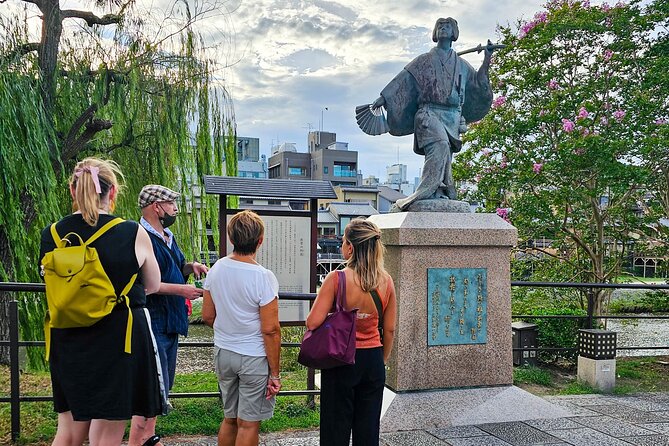
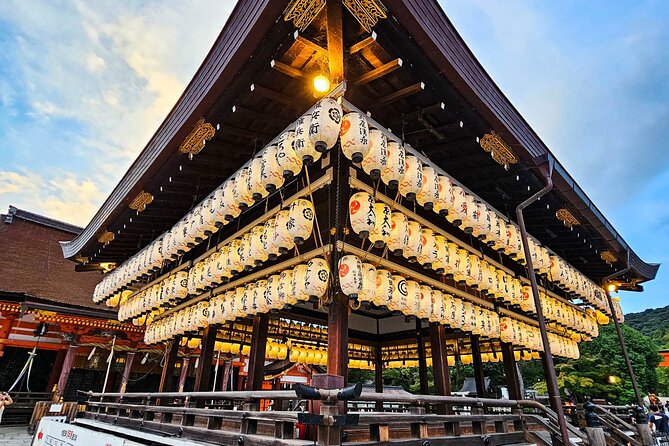
Yasaka Shrine, also called Gion Shrine, gives the walk a change of pace. Instead of focusing only on entertainment culture and old streets, the tour turns to a major religious site with its own architecture, customs, and local importance.
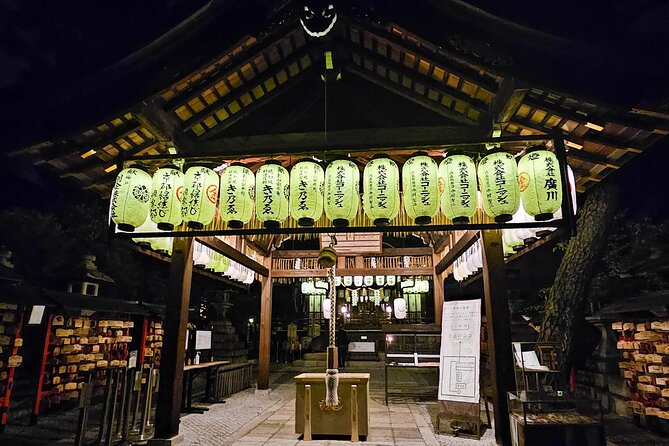
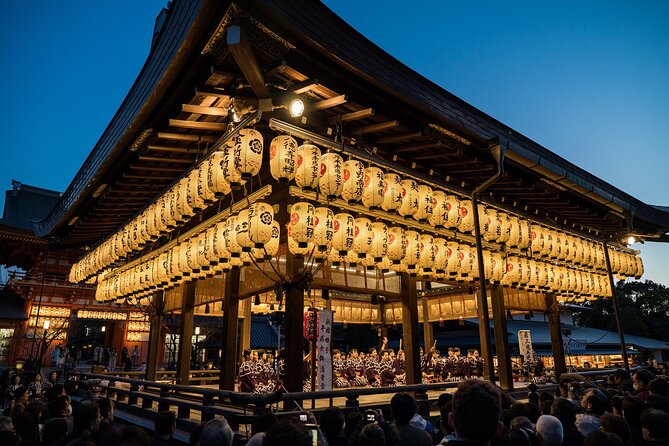
The shrine is especially useful for putting Gion into a wider Kyoto setting. Your guide can explain what you are seeing and connect the shrine to Japanese traditions that may otherwise seem hard to read from the outside. At night, the lighting creates a striking setting, though you should remember that this remains a place of worship, not just a photo stop.
The stop lasts around 30 minutes. That is long enough for an introduction and questions, but not long enough for an extensive religious lecture. One criticism of the tour is that the information can sometimes feel like separate pieces instead of one clear account of Kyoto culture. I would treat this as an accessible introduction, not a specialist course in Japanese religion.
What the guide can add
This tour’s strongest feature is the human layer. The streets are attractive by themselves, but an English-speaking guide can explain why they look the way they do and how the district functions.
Guide feedback points to several qualities worth seeking:
- Jasmine: Patient, sociable, and careful to include the whole group. She has also offered restaurant advice and kept the pace comfortable for families.
- Naoki: A strong choice for people interested in Kyoto, samurai, and local historical stories.
- Miyake: Praised for detailed explanations, humor, and patience, including helping a guest who was lost on the way to the meeting point.
- Shingo: Appreciated for his pleasant manner, strong English, and ability to show places people might otherwise miss.
- Raphael or Rafael: Praised for clear English and an understanding of Kyoto’s past and geisha culture.
- Eloise: Described as engaging, friendly, and good at explaining more than the sights directly in front of you.
Guide assignments can change, so you should not book on the assumption that one named person will lead your walk unless the booking specifically guarantees it. Still, the repeated praise for these guides shows what makes the experience work: a friendly pace, cultural explanation, and willingness to answer questions.
Three hours on foot, with dinner timing to consider
This is not a short stroll. You will walk up and down Gion’s streets for approximately three hours, with limited breaks. One family found the length difficult for younger children, while another group with children aged 12 to 16 enjoyed the evening. That suggests the tour suits older children and active adults better than very young children.
Wear comfortable shoes. In winter, add warm layers. One useful detail is that the tour may run across normal dinner hours, and the included refreshment is not a substitute for a meal. The supplied information lists a snack for Premium Group and Private Tour bookings, while the general inclusions list only a snack for those upgraded options. Water and snack details therefore depend on the package you select, so check the exact option before paying.
There is no hotel pickup or drop-off. You meet in central Kyoto and finish at Sanjō Ōhashi Bridge. That arrangement keeps the price low, but you need to handle your own transport before and after the walk.
Is $18 a good value?
At $18 per person, this is an inexpensive way to get your bearings in one of Kyoto’s most talked-about districts. You are paying for a guide, a planned route, and an explanation of places that can be difficult to interpret alone. The price is particularly fair if this is your first evening in Kyoto and you want ideas for restaurants or other places to visit later.
The value drops if you expect entry into teahouses, a guaranteed geisha sighting, a meal, or a private experience. Admission to the listed stops is included, but meals, drinks beyond the stated package, hotel transfers, and personal spending are not.
A private upgrade is available, with multiple language options. That makes sense for couples, families, or anyone who wants to ask many questions without slowing a larger group. The regular group option is better for keeping costs down, but check the group-size wording carefully. The experience is described as having no more than nine people per outing, while the general activity information gives a maximum of 25. That may reflect different booking categories, so confirm before you reserve.
The overall score is 4.8 out of 5 from 786 ratings, with 94 percent recommending it. Those numbers point to a strong experience, but the lower scores reveal the practical limits: uneven communication, a possible lack of clear overall story, long walking time, confusing meeting arrangements, and the chance of a quiet night with closed restaurants and no geisha sighting.
Who should book this evening walk?
I would choose this tour for a first visit to Kyoto, especially on your first or second night. It gives you a useful introduction to Gion, shows you where Hanamikoji Street and Yasaka Shrine fit into the area, and may help you plan later meals and sightseeing.
It also suits anyone who enjoys cultural explanation more than a simple photo walk. History fans may especially enjoy a guide such as Naoki or Miyake, while families may prefer a guide who keeps the pace gentle and welcomes questions.
I would think twice if you have limited walking ability, need regular sitting breaks, or have small children who tire quickly. I would also skip it if your only goal is to see a geisha. No responsible tour can guarantee that, and an evening with closed restaurants or a national holiday may feel subdued.
You can cancel for a full refund up to 24 hours before the start time. Changes made inside that window are not accepted, and poor weather may lead to a different date or a full refund. That policy gives you some flexibility, but remember that cut-off times use Kyoto local time.
Should you book the Kyoto Gion Night Walk?
Book it if you want an affordable, guided introduction to Gion after dark and are happy to walk for three hours. The combination of lantern-lit streets, Hanamikoji Street, Yasaka Shrine, and local storytelling gives you more than a quick look at the district.
Go in with realistic expectations. You might see a maiko or geisha, but you might not. You might receive a neatly connected account of Kyoto culture, or you might get a series of useful local stories shaped by your guide. Bring warm clothing in winter, eat before or after the tour, arrive early at the meeting point, and confirm the group size and snack package.
For $18, I consider it a good first-night choice, provided you want orientation and conversation rather than a guaranteed performance or luxury experience.
FAQ
How long does the Kyoto Gion night walk last?
The tour lasts approximately three hours.
Where does the tour start?
The meeting point is Kyoto Kawaramachi Garden at 68 Shinchō, Shimogyo Ward, Kyoto, 600-8001, Japan.
Where does the tour end?
The walk ends at Sanjō Ōhashi Bridge in Nakagyo Ward, Kyoto.
Is hotel pickup included?
No. Hotel pickup and drop-off are not included.
Is the tour conducted in English?
The standard experience includes an English-speaking guide. A private upgrade is available in multiple languages.
Will I definitely see a geisha or maiko?
No. You may see a maiko or geisha, particularly around Hanamikoji Street, but sightings are not guaranteed.
Are meals included?
No meals are included. A snack is listed for Premium Group and Private Tour bookings, while regular inclusions may vary by package. Other drinks and personal expenses are not included.
How many people are in the group?
The experience is promoted as a small outing with no more than nine people, but the general activity information lists a maximum of 25 participants. Confirm the size for your selected booking option.
Can I cancel for a full refund?
Yes. You can cancel at least 24 hours before the start time for a full refund. Cancellations or changes made less than 24 hours before the experience are not accepted for a refund.
More Evenings Out in Kyoto
- Kyoto Night Foodie Tour in Gion (9+ dishes + 6 Sake tastings)
★ 5.0 · 1,762 reviews - Kyoto Ghost Tour: Dark Tales, Urban Legends, Bamboo Forest Night
★ 5.0 · 625 reviews - Kyoto Bar Hopping Night Tour
★ 5.0 · 613 reviews - Kyoto Night All-Inclusive Eats and Streets, Gion and Beyond
★ 4.7 · 601 reviews
Just added around Kyoto
- Kyoto: Zen Meditation at a Private Temple with a Monk★ 5.0 · 25 reviews
- Kyoto: Gion Geisha District & Sake-in-Hand Walking Tour★ 5.0 · 37 reviews
- Private Pewter Sake Cup Experience with a Kyoto Artisan★ 5.0 · 31 reviews
- Your Private Vacation Photography Session In Kyoto★ 5.0 · 110 reviews
- Private Guided Traditional Buddhist Cooking in Japan★ 5.0 · 16 reviews
- Kyoto Wagashi(Japanese sweets) Cooking Class near Fushimiinari★ 5.0 · 60 reviews
- Traditional Japanese Music show & Experience Tour in Kyoto★ 5.0 · 57 reviews
- Kyoto:Family-Friendly Kimono & Yukata Experience at WARGO★ 5.0 · 147 reviews
Kyoto Tours, compared.
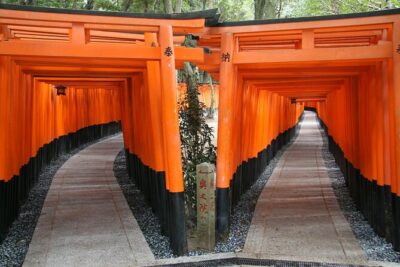
Fushimi Inari, Kinkakuji, Bamboo Grove 1 Day Bus Tour
Read our review →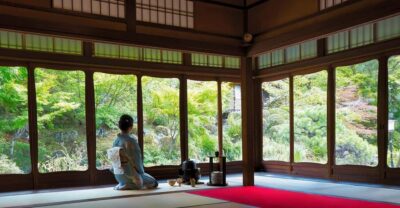
Tea Ceremony in a Traditional Tea House in Kiyomizu
Read our review →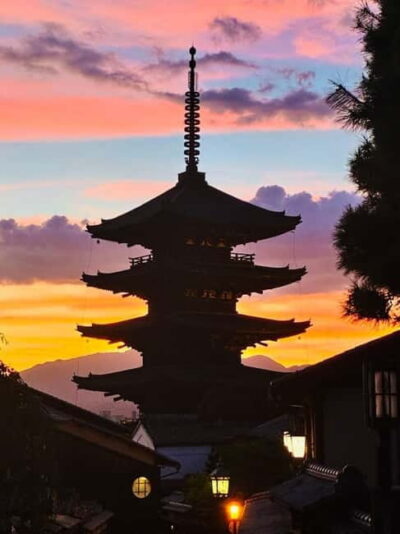
Kyoto Geisha Walking Tour: Gion District & Hidden Gems
Read our review →
Gion Magical Night Walking Tour with Geisha Trivia
Read our review →
Gion Geisha District Walking Tour – Stories of Geisha
Read our review →Browse the lists this tour appears in