
Reviewed · KYOTO TOURS
Kyoto: Japanese Archery Workshop with Experienced Instructor
Kyudo is not a quick archery stunt. It is a careful sequence of posture, breathing, hand position, and release, taught here by Yamaguchi-sensei, a Kyudo Kyoshi instructor with more than 50 years of practice. In one hour, you get a real taste of the discipline rather than a photo opportunity with a bow.
I like the small groups of up to four, which give you repeated hands-on guidance instead of a rushed demonstration. I also like the calm, local setting and the chance to learn why each movement matters. The main consideration is communication: the instructor teaches in Japanese, so you’ll rely on English materials, gestures, and an assistant for translation.
Key points at a glance
- Learn from a 6th-grade Kyudo Kyoshi: Yamaguchi-sensei brings more than five decades of practice to a beginner lesson.
- Shoot in a group of four or fewer: The compact class allows close correction of your stance, grip, and movements.
- Expect hands-on instruction: The teacher may physically guide your stance and bow hold, so mention any preference in advance.
- Study more than target shooting: You’ll learn about kyudo’s history, formal movements, discipline, and peaceful spirit.
- Use full equipment at no extra cost: The bow, arrows, and other required kyudo gear are provided.
- Reach the studio on foot: The meeting point is about 10 minutes from JR Tambaguchi, Hankyu Omiya, and Randen Shijo-Omiya stations.
Why kyudo feels different from ordinary archery
Japanese kyudo uses a tall bow and a formal sequence that can feel closer to a martial arts routine than casual target shooting. You do not simply pick up a bow, pull the string, and fire. The preparation is part of the practice.
You’ll work on your stance, the way you hold the bow, the position of your arms, and the controlled motion leading to release. The early steps may remind you of a karate kata. That is useful context, because kyudo places as much value on composure and form as it does on hitting the target.
The experience also has a quiet, reflective quality. You are encouraged to relax, pay attention, and move with control. A successful shot is satisfying, but the lesson is really about learning the process.
That makes this a good choice if you want to see a side of Japanese culture that is not built around temples, food, or costume. It is also a good fit if you enjoy activities that reward patience. If you want fast action and lots of arrows in the air, this may feel slow.
More hands-on workshops in Kyoto:
- Kyoto: 45-Minute Tea Ceremony Lesson Experience
★ 4.3 · 2,378 reviews - Ramen Cooking Class at Ramen Factory in Kyoto
★ 5.0 · 1,937 reviews - Kyoto : Chopsticks Making Workshop in Gion with Engraving Option
★ 5.0 · 958 reviews
Meeting Yamaguchi-sensei in a four-person class
The central strength of this experience is the instructor. Yamaguchi-sensei has practiced kyudo for more than 50 years and holds the rank of Kyudo Kyoshi, 6th grade. That level of experience matters in a beginner lesson because small errors in posture or grip can make the bow feel awkward and difficult.
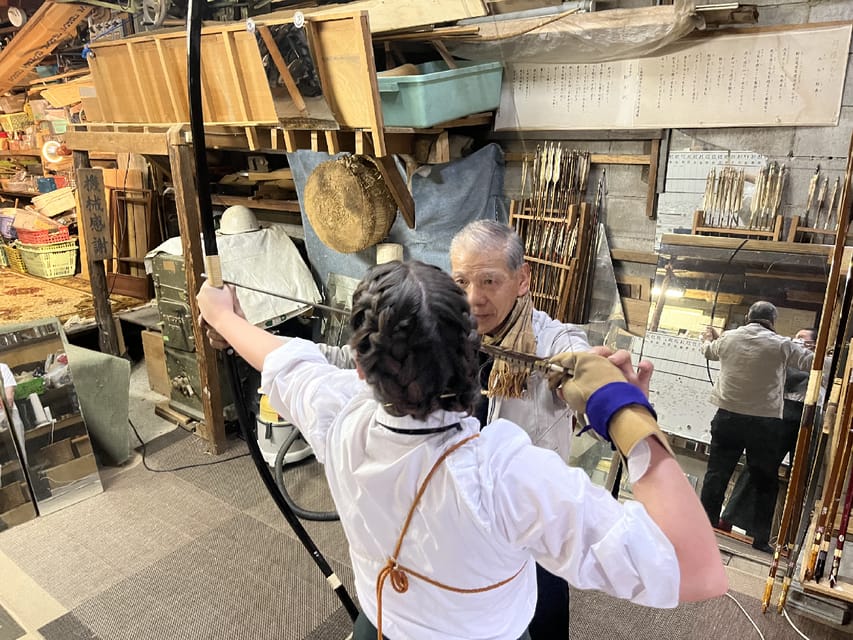
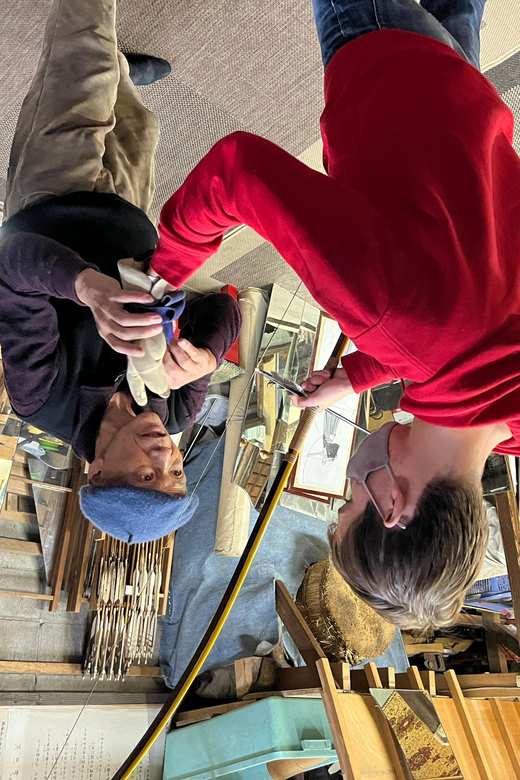
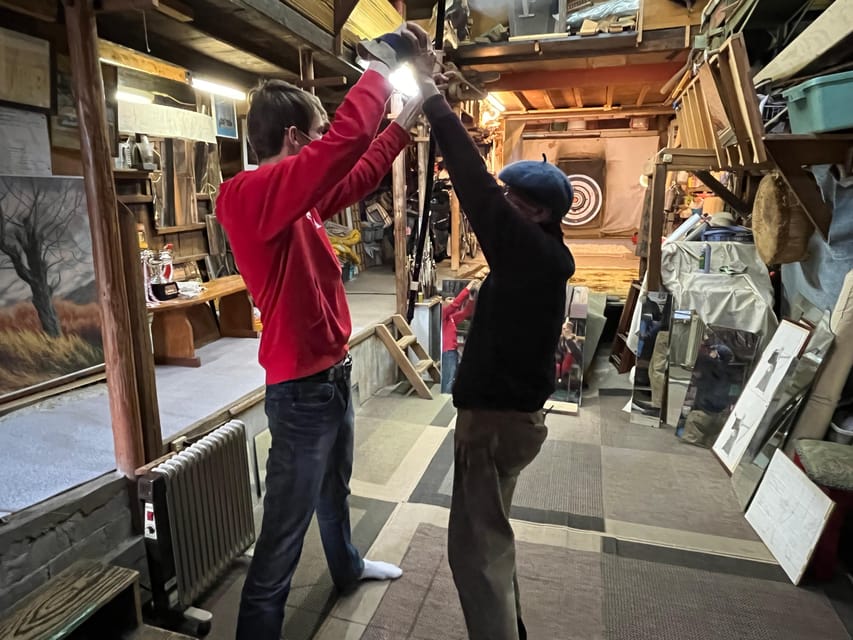
You’ll receive close attention from the start. The teaching is hands-on, with the instructor demonstrating and correcting your stance and how you hold the bow. This is helpful when spoken explanations alone are not enough, but you should know about it before arriving. If you prefer not to receive physical guidance, contact the provider ahead of time.
The class limit of four is a real advantage. You are not lost in a large room waiting for a turn. Each person has time to try the movements, receive corrections, and build confidence gradually. The small size also gives the lesson a personal, almost private feel.
The instructor speaks Japanese rather than fluent English. English materials are provided, and an assistant can help explain the history and cultural meaning of kyudo. Communication relies partly on translation, gestures, demonstrations, and shared enthusiasm. For a physical activity, that works reasonably well, but you should not expect a long English lecture from the master himself.
What your one hour looks like
The session begins with an introduction to kyudo and its tools. You’ll learn that the bow and shooting process are part of a larger discipline, not just equipment for hitting a target.
Next comes the basic form. You’ll be shown how to stand, position your feet, hold the bow, and prepare your body. The instructor may adjust your arms or shoulders so you can feel the correct position. This is where comfortable clothing matters. Wear clothes that allow free movement, rather than stiff jeans or anything restrictive.
The formal movements may seem complicated at first. That is normal. One purpose of the lesson is to show how much control is required to make the sequence look simple.
You’ll then begin handling the bow and shooting arrows under supervision. The bow can feel larger and heavier than the type of equipment many people have used in Europe or North America. You may need some arm strength, especially when holding the draw position.
Do not judge the lesson by your first attempt. Beginners can struggle with the weight, the grip, and the timing all at once. The instructor’s patient corrections help you make sense of the process. Some participants manage to hit the target during the session, but accuracy should be treated as a bonus rather than the main goal.
The final part brings the physical practice and cultural explanation together. You’ll have a better sense of why kyudo is linked with calmness, discipline, and self-control. In only one hour, you will not become a kyudo practitioner, but you can leave with a clear respect for the skill involved.
The local studio and finding the entrance
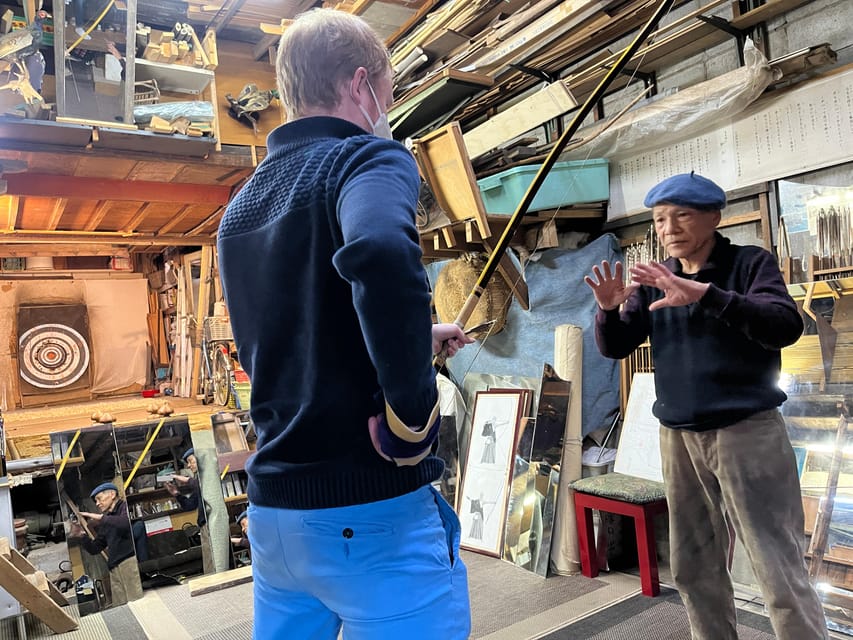
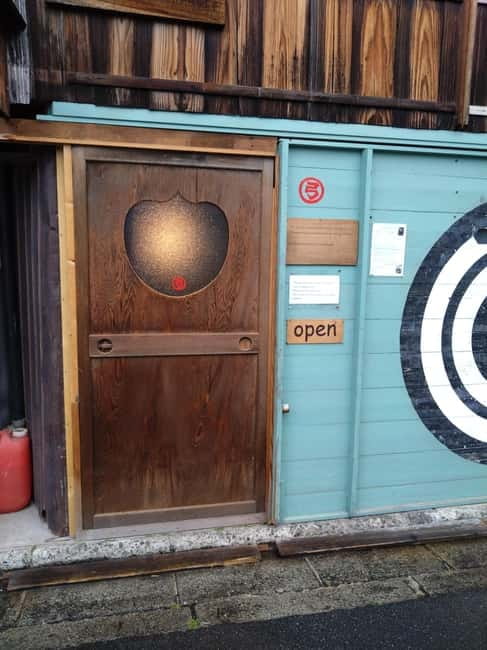
The meeting point is Karakuri Kyudo Experience Hall, identified in Japanese as からくり弓道体験場. It is about 10 minutes on foot from JR Tambaguchi, Hankyu Omiya, or Randen Shijo-Omiya station.
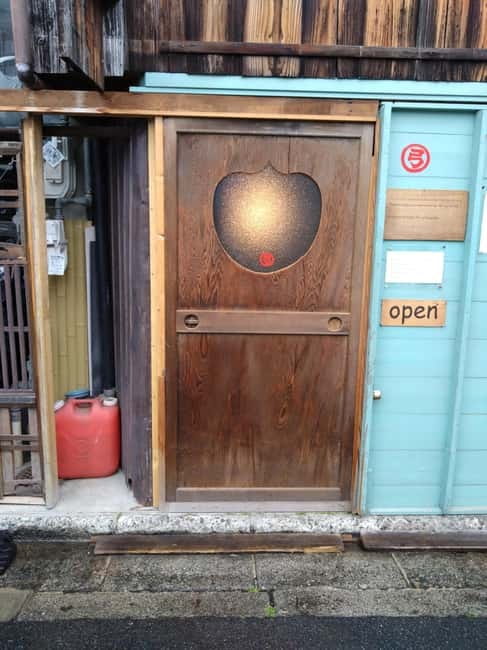
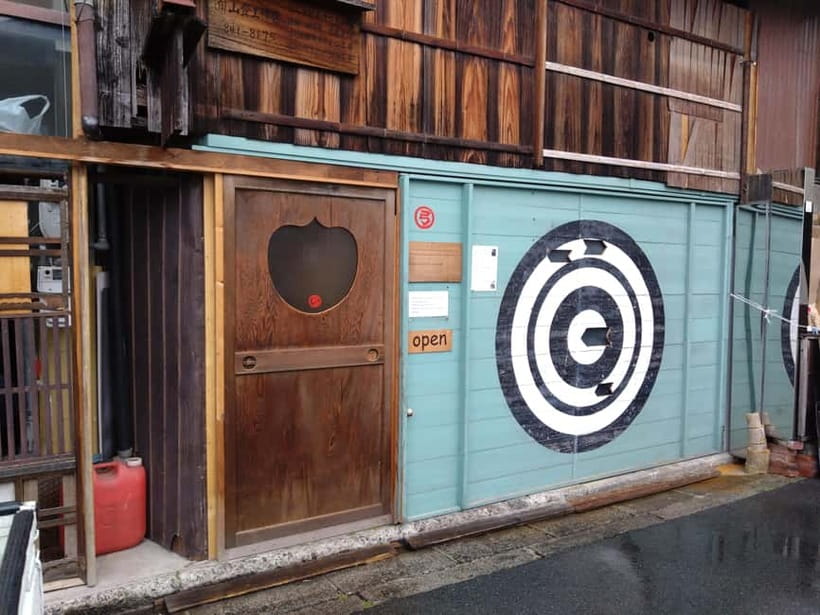
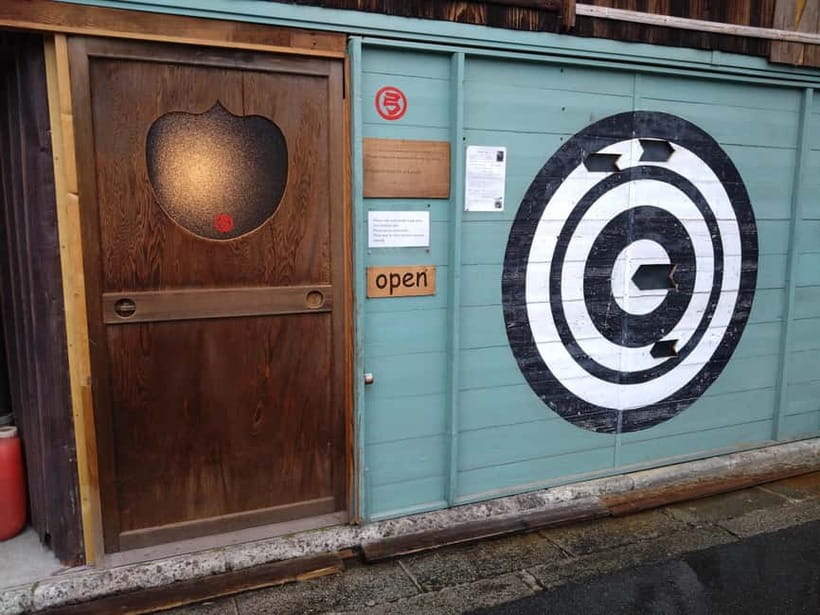
The entrance instructions deserve careful attention. There are no doorbells at the entrance, and the correct door is on the side of the building, opposite a small parking lot. Do not enter through other doors or ring doorbells.
For Google Maps, search using the Japanese name only, or use Kyoto Kyudo Experience. Compare the result with the supplied address before setting out. If you take a taxi, tell the driver Mibugawa-street, Takatsuji-street rather than relying on the full address.
This is the kind of arrival detail that can save you unnecessary confusion. Allow enough time to walk from the station and locate the side entrance calmly. A one-hour class leaves little room for getting lost.
Because the studio has limited space, only booked participants should attend. Family members or friends who are not taking part should make other plans during the session.
A few more Kyoto half-days to weigh up
- PERFECT KYOTO 1-Day Bus Tour
★ 5.0 · 13,518 reviews - Kyoto: Fushimi Inari, Kinkakuji, Bamboo Grove 1 Day Bus Tour
★ 4.8 · 4,316 reviews - Kyoto: Tea Ceremony in a Traditional Tea House in Kiyomizu
★ 4.9 · 3,519 reviews - Kyoto Geisha Walking Tour: Gion District & Hidden Gems
★ 4.7 · 3,273 reviews
What makes the cultural lesson worthwhile
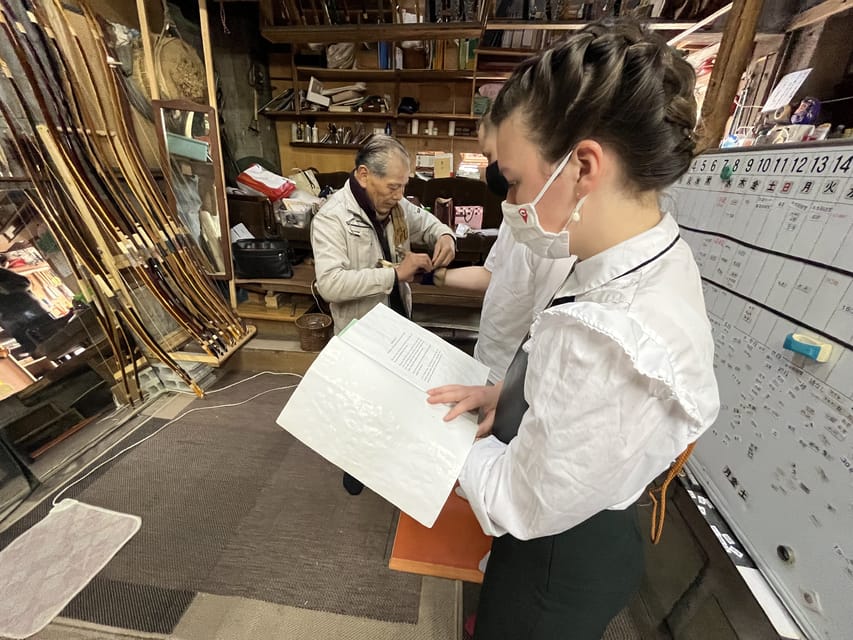
Kyudo’s appeal is not simply that it is old. The lesson shows how a physical activity can carry an ethical and spiritual purpose.
The movements ask you to slow down and focus on what your body is doing. You learn to prepare carefully, keep your form steady, and release without forcing the moment. That emphasis gives the activity a meditative side, even when you are concentrating hard on not dropping your elbow or twisting your grip.
The English explanations add useful context. You’ll learn about the traditions behind the movements and the peaceful message associated with kyudo. The assistant’s role is especially useful here, since the cultural ideas can be harder to understand through gestures alone.
I would not book this expecting a full academic history of Japanese archery. The session is short and practical. Still, you get more than a basic bow-and-arrow lesson, which is what gives the activity its value.
Price, time, and overall value
At $38 per person for one hour, this is reasonably priced for a small-group cultural activity that includes an experienced instructor and all required equipment. You do not need to rent a bow, bring arrows, or arrange a separate lesson.
The value comes from access to Yamaguchi-sensei and the close instruction. A large tourist workshop could offer a similar photo and a few quick shots, but this class gives you time to work on form and understand the tradition behind it.
The one-hour length is both a benefit and a limit. It fits neatly into a Kyoto sightseeing day and does not consume half your afternoon. At the same time, kyudo is difficult, so the lesson can feel short just as you begin to understand the basics.
You can cancel up to 24 hours ahead for a full refund, and the reserve-now, pay-later option keeps your plans flexible. Starting times vary, so check availability when booking.
Who will enjoy this most
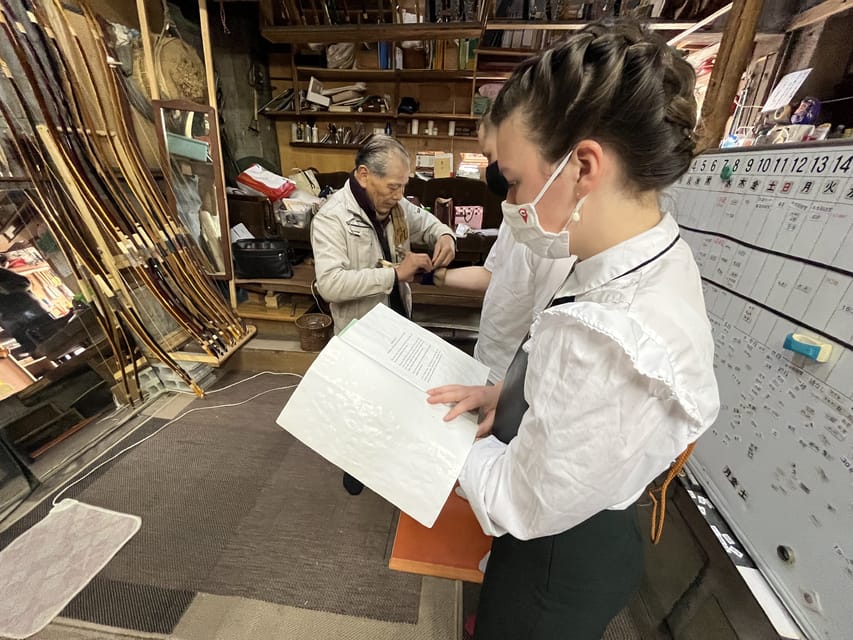
I’d recommend this to adults and older children who like trying a traditional skill rather than watching a staged cultural show. It works particularly well for couples, families, and small groups of friends because everyone receives attention.
Children can take part. A smaller bow was available for a seven-year-old, and teenagers aged 12 and 15 handled the experience well. Since the lesson includes physical guidance and a relatively heavy bow, parents should consider the child’s comfort, strength, and willingness to follow careful instructions.
You do not need previous archery experience. In fact, beginners are the natural audience for this class. You should arrive ready to listen, repeat movements, and accept that the first attempts may be difficult.
This is less suitable if you dislike hands-on teaching, have concerns about an instructor guiding your body position, or need detailed instruction entirely in English. Contact the provider in advance if that teaching style may be a concern.
Small details that improve your visit
Wear comfortable clothes that let you move your shoulders and arms freely. Avoid arriving in clothing that restricts the draw or makes it difficult to adopt the required stance.
Keep your expectations realistic. You may hit the target, but you may not. The more useful achievement is understanding why the shot requires so much preparation.
Pay close attention to the sequence before you focus on the arrow. Beginners naturally want to aim right away, but the instructor’s corrections about posture and grip are the foundation of the lesson.
Ask questions during the session. The instructor is described as friendly and eager to teach, and the assistant can help with translation. Simple questions about the bow, the movements, or kyudo’s purpose can make the experience more meaningful.
Plan this as a focused activity, not something relatives can watch from the studio. Space is limited, and only participants should attend.
Should you book the Kyoto kyudo workshop?
I would book this if you want a quiet, hands-on cultural experience led by a highly seasoned teacher. The small class, included equipment, patient instruction, and English support make it a strong value at $38.
You should choose something else if your main goal is fast-paced shooting or a fully English-speaking lesson. Kyudo takes patience, and the one-hour class gives you only an introduction.
For most people, the best reason to go is not the chance to hit the target. It is the chance to feel how much care goes into every movement. Add the convenient station access and modest price, and this is an easy choice for a different kind of Kyoto memory.
FAQ
How long is the Japanese archery workshop?
The session lasts one hour.
How much does the experience cost?
The price is $38 per person.
What is kyudo?
Kyudo is the Japanese practice of archery. The lesson covers its form, tools, techniques, history, and cultural or spiritual meaning.
Who teaches the class?
Yamaguchi-sensei teaches the class. He has practiced kyudo for more than 50 years and holds Kyudo Kyoshi, 6th grade.
Is the instructor fluent in English?
The instructor teaches in Japanese. English materials are provided, and an assistant can help with translation and explanations.
Is the class suitable for beginners?
Yes. The experience is designed as a beginner lesson and includes instruction in stance, bow hold, form, and shooting technique.
Is kyudo equipment provided?
Yes. The lesson includes all required kyudo equipment.
Where do I meet the instructor?
Meet at Karakuri Kyudo Experience Hall, からくり弓道体験場. The studio is about 10 minutes on foot from JR Tambaguchi, Hankyu Omiya, and Randen Shijo-Omiya stations. Use the side entrance opposite the small parking lot, since there are no doorbells.
Just added around Kyoto
- Kyoto: Zen Meditation at a Private Temple with a Monk★ 5.0 · 25 reviews
- Kyoto: Gion Geisha District & Sake-in-Hand Walking Tour★ 5.0 · 37 reviews
- Private Pewter Sake Cup Experience with a Kyoto Artisan★ 5.0 · 31 reviews
- Your Private Vacation Photography Session In Kyoto★ 5.0 · 110 reviews
- Private Guided Traditional Buddhist Cooking in Japan★ 5.0 · 16 reviews
- Kyoto Wagashi(Japanese sweets) Cooking Class near Fushimiinari★ 5.0 · 60 reviews
- Traditional Japanese Music show & Experience Tour in Kyoto★ 5.0 · 57 reviews
- Kyoto:Family-Friendly Kimono & Yukata Experience at WARGO★ 5.0 · 147 reviews
Kyoto Tours, compared.
Fushimi Inari, Kinkakuji, Bamboo Grove 1 Day Bus Tour
Read our review →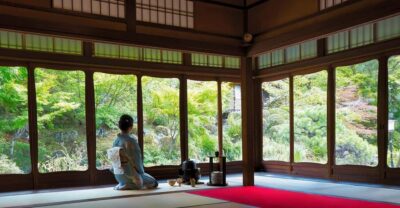
Tea Ceremony in a Traditional Tea House in Kiyomizu
Read our review →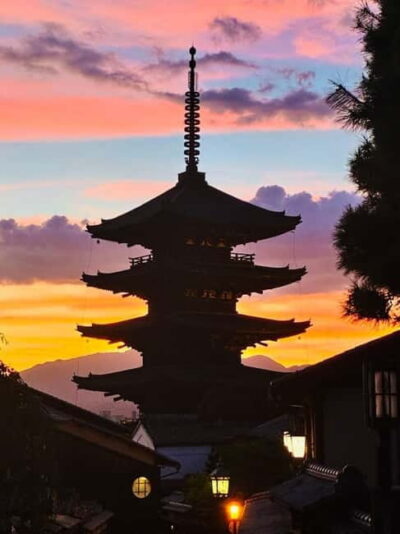
Kyoto Geisha Walking Tour: Gion District & Hidden Gems
Read our review →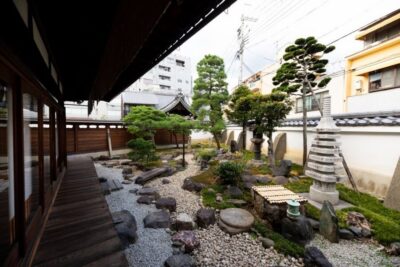
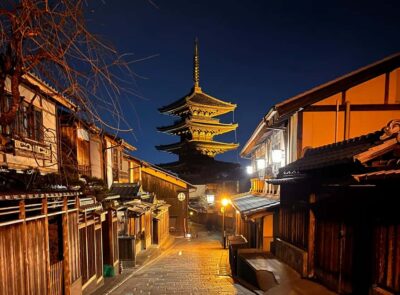
Gion Magical Night Walking Tour with Geisha Trivia
Read our review →
Gion Geisha District Walking Tour – Stories of Geisha
Read our review →Browse the lists this tour appears in