
Reviewed · KYOTO TOURS
Kyoto: Japanese Calligraphy Class
Japanese calligraphy is much more than copying unfamiliar symbols. In this one-hour class near Kyoto Station, you learn how brush pressure, ink, and stroke order turn a few marks into a personal keepsake. You can write basic Kanji, then work with the instructor to create your name and a favorite word in Japanese characters or the alphabet.
I like two things right away: English instruction makes the class easy to follow, and you leave with physical souvenirs rather than only a few photographs. The teachers also spend time explaining the meanings behind the characters, which gives the activity more purpose than simply painting attractive lines.
The main consideration is time. One hour goes quickly, especially if you want to practice several characters and decorate more than one item. The meeting point can also vary by booking option, so check your confirmation carefully even though the main location is in front of Kyoto Station.
Key points to know before booking
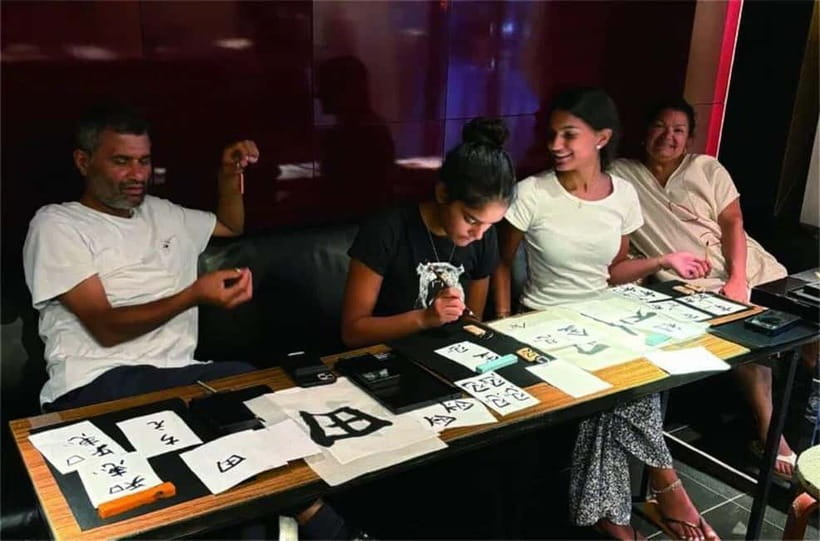
- Create your own Kanji name: The staff help turn your name into Japanese characters and explain the meanings behind the choices.
- Practice before making souvenirs: You first learn brush and ink technique, then use your work on items such as a scroll, fan, picture frame, postcard, or stationery.
- English-speaking instruction: You can ask questions about Japanese writing and culture throughout the session.
- A calm break from sightseeing: The slow, careful brushwork gives you a quieter hour between Kyoto’s temples, shopping streets, and train connections.
- Private and small-group options: The class is offered for private bookings or small groups, with individual help available.
- Convenient Kyoto Station setting: The advertised location is in front of Kyoto Station, though the exact meeting point may depend on the option you choose.
Why this Kyoto calligraphy class works well
I see this activity as a good answer to a common Kyoto problem: you want a cultural experience, but you do not always want another long temple visit or a full-day excursion. Calligraphy gives you a hands-on hour with a clear result. You sit down, learn a few basic ideas, and make something that belongs to you.
The class also avoids a common weakness of short cultural activities. You are not simply watching an instructor perform. You handle the brush, apply the ink, practice strokes, and make your own finished pieces. That matters, especially if you have already spent several days looking at Japanese art without taking part in it.
The setting near Kyoto Station is useful for practical reasons. You can fit the class around trains, shopping, or a visit to nearby sights. It may suit an arrival day, when you want a structured activity without committing to a long outing, or a final day, when you want a compact souvenir to take home.
The class has a rating of 4.8 from 89 bookings, and the strongest pattern in the feedback is clear: the staff are patient, friendly, and generous with individual help. That is important here. Japanese writing can look intimidating at first, but the teachers break it into manageable steps.
More hands-on workshops in Kyoto:
- Kyoto: 45-Minute Tea Ceremony Lesson Experience
★ 4.3 · 2,378 reviews - Ramen Cooking Class at Ramen Factory in Kyoto
★ 5.0 · 1,937 reviews - Kyoto : Chopsticks Making Workshop in Gion with Engraving Option
★ 5.0 · 958 reviews
Starting with the brush, ink, and washi paper
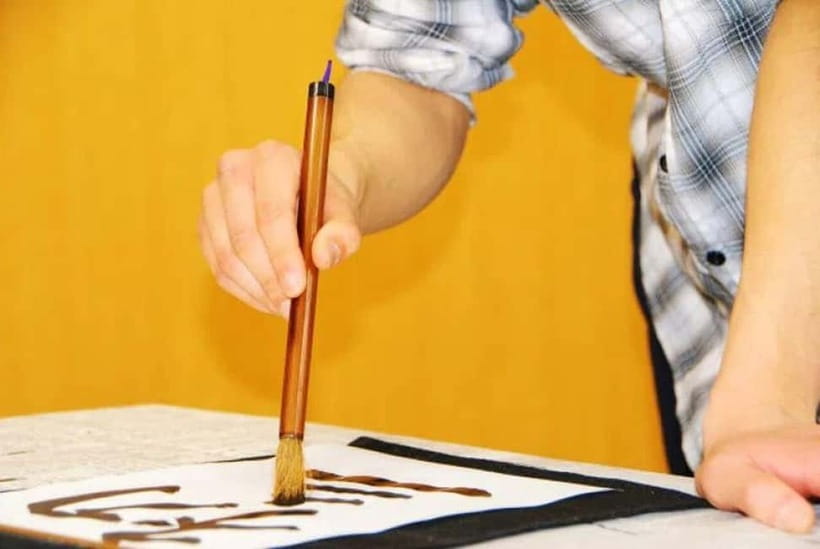
The session begins with an explanation of how to hold and use the brush. You also learn how to apply ink and work with washi paper, the traditional Japanese paper used for the activity.
This opening lesson is short but valuable. A brush does not behave like a pencil. Pressure changes the width of a line, and the amount of ink affects the look of each stroke. You are not expected to arrive with artistic training, and the instruction is designed to get beginners started quickly.
I would pay close attention during this first stage rather than rushing toward the final souvenir. A few minutes of practice can make your later characters look more deliberate. It also helps you understand why calligraphy is treated as a discipline, not just decorative handwriting.
The teaching style appears to be one of the class’s best features. Rena is specifically praised for making complex language and calligraphy feel accessible, while Lana and Waka are noted for patient one-to-one help with stroke placement. Yoshia Kobayashi and Kou are also named as helpful instructors during one session.
Instructor names and staffing may vary by date, but the useful point is the teaching format. You can ask questions as you work, rather than trying to keep up with a large demonstration.
Writing basic characters before making your keepsake
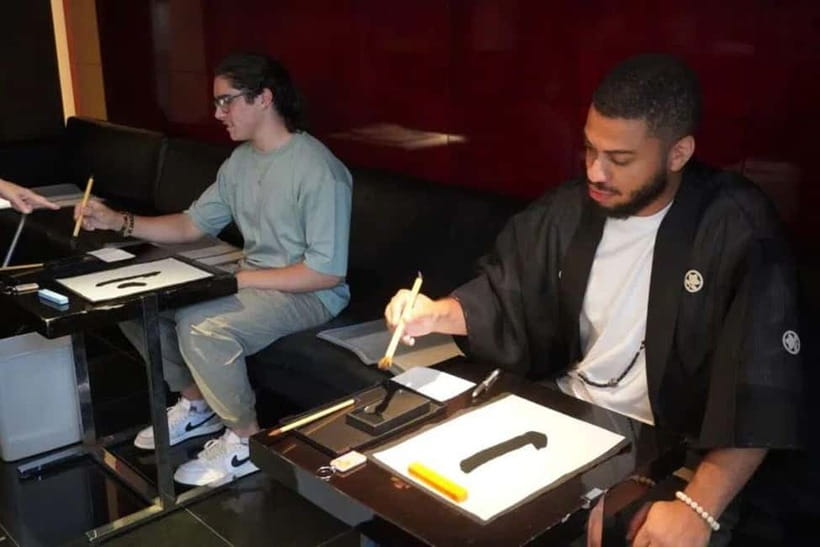
After the brush lesson, you practice basic characters. This gives you a chance to adjust your grip, pressure, and pace before putting your work on a finished item.
The basic-character section is where the class becomes more than a souvenir workshop. Each Kanji character carries meaning, and the staff explain the ideas associated with the symbols you write. Even a simple character can open a small window into how Japanese writing combines sound, shape, and meaning.
You can then make a scroll from the Kanji characters you write and take it home. A scroll is a particularly fitting souvenir because it shows your actual brushwork. It will not look like a perfect professional piece, and that is part of its appeal. The unevenness records the fact that you made it during your time in Kyoto.
If you are hoping to produce museum-quality calligraphy, keep your expectations in check. This is an introductory class lasting about an hour, not a long artistic course. The value is in learning the basics and creating a personal object, not in mastering the writing system in one sitting.
Turning your name into Japanese characters
The most personal part of the class is writing your name and a favorite word in Kanji characters or alphabets. The staff help you select possible Kanji and explain what they mean.
This is not a direct letter-for-letter translation in the way you might expect from the Roman alphabet. The staff choose characters that can represent the sound of a foreign name while also carrying separate meanings. For example, Brian may become 武礼安, with associations including bravery or military command, courtesy or gratitude, and peace. Liz may become 梨図, using characters connected with pear and painting.
These examples show why the explanation matters. You are not simply receiving a Japanese spelling. You are making choices about the qualities and images attached to your name. I would ask the instructor about several possible characters if time allows, especially if you want your souvenir to reflect a particular idea such as peace, courage, kindness, or gratitude.
You can also write a favorite word. This works well for couples, families, and friends because each person can choose something different. Children may enjoy seeing their names transformed into unfamiliar symbols, while adults often appreciate the chance to ask how Japanese writing handles foreign names.
The class is suitable for beginners because you do not need to arrive knowing Hiragana, Katakana, or Kanji. The instruction is in English, and the staff assist with both the writing and the meaning.
A few more Kyoto half-days to weigh up
- PERFECT KYOTO 1-Day Bus Tour
★ 5.0 · 13,518 reviews - Kyoto: Fushimi Inari, Kinkakuji, Bamboo Grove 1 Day Bus Tour
★ 4.8 · 4,316 reviews - Kyoto: Tea Ceremony in a Traditional Tea House in Kiyomizu
★ 4.9 · 3,519 reviews - Kyoto Geisha Walking Tour: Gion District & Hidden Gems
★ 4.7 · 3,273 reviews
Making fans, cards, frames, and stationery
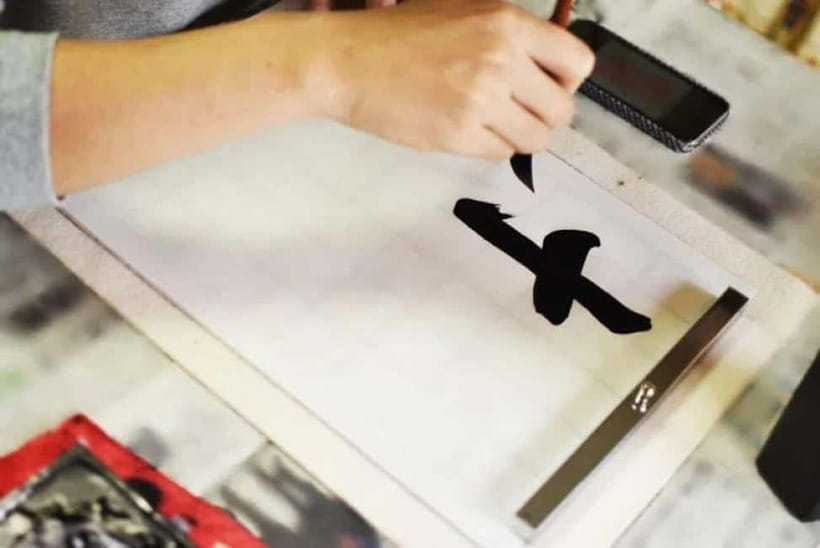
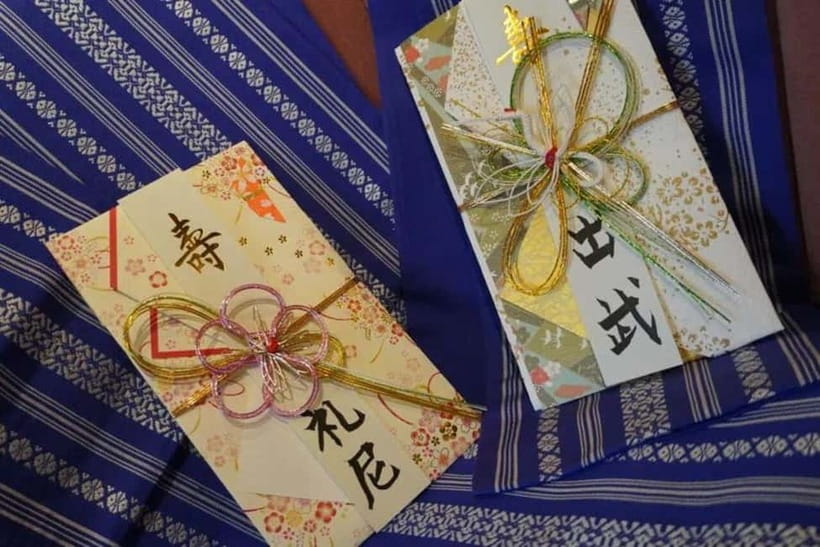
Once you have practiced, you use your calligraphy to make souvenirs. The exact items can vary, but the activity information lists possibilities such as a Japanese fan and picture frame. One family made a fan, postcard, and stationery, while another group enjoyed creating a special card and fan.
This variety is one reason the class offers good value at $51 per person. You are paying for guided instruction, brush and ink use, washi paper, and items you can take with you. The finished pieces also give you more than one way to display your work. A scroll may suit someone interested in traditional presentation, while a fan or card can be easier to pack and share.
Do keep the one-hour limit in mind. The more pieces you make, the less time you have to practice each character. I would rather produce one careful main piece and one small extra item than hurry through several souvenirs. Ask at the beginning what options are available so you can plan your time.
The finished objects are especially useful for families. A small child may not have the patience for a formal art lesson, and children under five are not suitable for this class. Older children can take part, though the best experience will depend on their ability to sit, listen, and handle ink carefully.
The pace, atmosphere, and teaching style
Calligraphy rewards patience. You make a stroke, look at the result, and try again. That slower rhythm creates a pleasant change from Kyoto sightseeing, where you may spend much of the day walking, reading signs, boarding trains, and moving through crowded areas.
The class has been described as calm and comfortable, with time to work at your own pace. That does not mean the hour is passive. You receive instruction, practice, ask questions, and make finished items. The balance is helpful: enough guidance to prevent frustration, but enough independence to make the work feel like your own.
I would not book this if you want a fast, high-energy activity with constant movement. The appeal lies in concentration and careful handwork. If you enjoy crafts, quiet cultural activities, or learning through direct practice, the format should suit you well.
The teachers also discuss Japanese writing and culture as questions come up. One session included explanations about the history of calligraphy and the wider culture around Japanese writing. The depth will depend on your questions and the pace of your group, but English instruction makes it possible to ask for more context.
Private and small-group options are available. That can make a difference if you want individual support, are traveling with family, or prefer not to work in a large class. The strongest feedback repeatedly points to one-to-one assistance, so check the option details if personal instruction is a priority.
Is $51 per person a fair price?
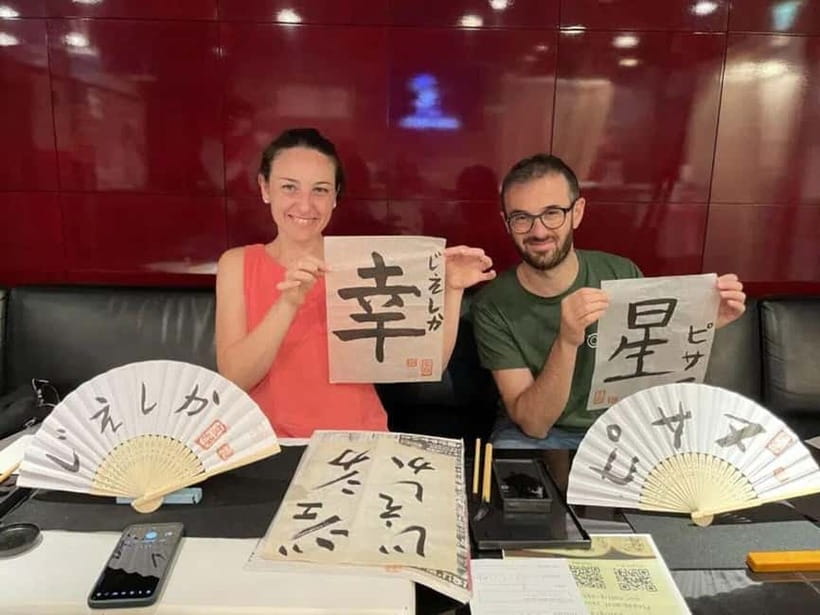
At $51 per person, this is not the cheapest way to spend an hour in Kyoto. You can see calligraphy in museums and temples without paying for a class. The comparison is not quite fair, though, because this activity includes materials, instruction, and souvenirs you make yourself.
I think the price is reasonable if you value participation and a finished keepsake. The class gives you a structured cultural experience, English help, and several possible items to take home. It also saves you the effort of finding materials and trying to understand the technique on your own.
The value is strongest for people who would otherwise buy a generic souvenir. A fan or card with your own calligraphy has a personal story attached to it. The work may be imperfect, but it connects the object to your time in Kyoto.
The value is weaker if you have little interest in crafts or Japanese writing. You could find the activity too short for serious artistic progress, especially if your main goal is to learn the language rather than practice brushwork. Think of it as an introduction and creative souvenir session, not a full language lesson.
Who should book this class
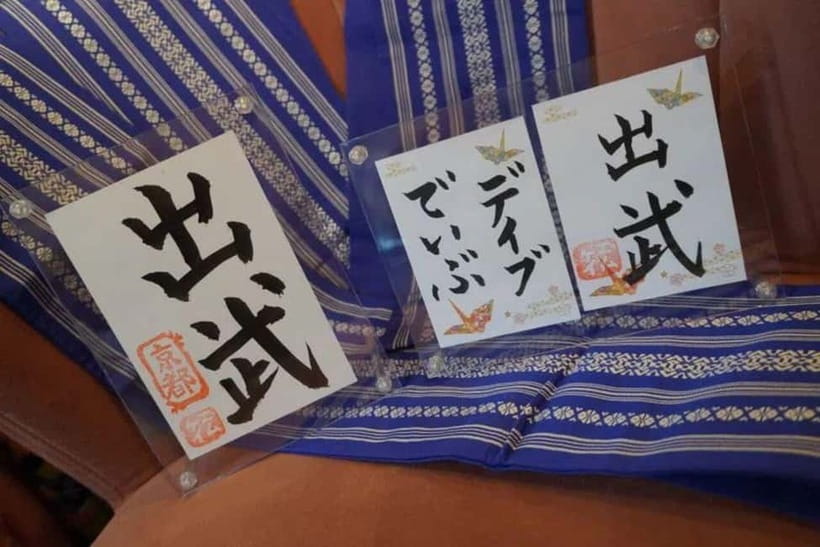
I would recommend it to couples, families with school-age children, friends, and solo visitors who want a short cultural activity. It is also a smart choice for anyone who likes bringing home handmade objects rather than mass-produced goods.
Families should note the age restriction. Children under five cannot take part, and younger children above that age may need close help with brush and ink. The class has worked well for families of four, and the patient teaching style is useful when skill levels differ.
It also suits people who are curious about their names in Japanese. The Kanji-name activity is more personal than simply copying a standard character. You can ask about different meanings and choose a word that reflects your own interests.
I would be more cautious about booking it for a large group unless you confirm the group arrangement. Private and small-group formats are available, but the supplied details do not specify the maximum group size or how much individual time each booking receives.
Practical planning near Kyoto Station
The main location is in front of Kyoto Station, which makes this one of the easier Kyoto activities to place in a busy schedule. Still, the exact meeting point may vary by option, so read the booking information carefully and allow enough time to find the instructor.
The class lasts about one hour, although the total time can vary depending on how quickly your group completes the activities. If you have a train to catch, avoid scheduling the session too close to departure. Your souvenirs may also need a little care while you continue sightseeing.
The booking includes brushes, ink, and washi paper. Some souvenir items are also included, such as a Japanese fan or picture frame, though the exact selection can vary. The information does not specify a dress code or storage service, so keep your belongings organized and be mindful around ink.
Free cancellation is available up to 24 hours in advance for a full refund. You can also reserve now and pay later, which helps if your Kyoto plans are still shifting. Check the selected option for its meeting point and starting time before you finalize the booking.
My call: book it for a personal Kyoto souvenir
I would book this class if you want to make something yourself, have about an hour near Kyoto Station, and enjoy learning the meaning behind Japanese characters. The combination of English instruction, patient assistance, and take-home work gives the experience a clear purpose.
The class will not make you a calligrapher, and one hour is too short for that. But it can teach you the feel of the brush, introduce you to the logic and beauty of Kanji, and leave you with a scroll, fan, card, frame, or stationery made during your visit.
Choose it for participation, not passive sightseeing. If that sounds like your kind of Kyoto memory, $51 is a fair price for the instruction, materials, and personal souvenirs.
FAQ
Where is the Japanese calligraphy class held?
The main location is in front of Kyoto Station in Kyoto, Japan. The exact meeting point may vary depending on the booking option.
How long does the class last?
The class takes about one hour. The exact length may vary depending on how quickly the activities are completed.
Is instruction available in English?
Yes. The instructor language is English, and staff assist with questions about Japanese writing, Kanji meanings, and culture.
Do I need previous calligraphy experience?
No previous experience is required. The staff first explain how to use the brush and apply ink, then guide you through basic characters.
Can I write my name in Japanese?
Yes. The staff help you select possible Kanji characters for your name and explain their meanings. You can also write your name in the alphabet.
What materials are included?
Brushes, ink, and washi paper are included. Some souvenir items are included as well.
What souvenirs can I make?
Possible souvenirs include a Kanji scroll, Japanese fan, picture frame, postcard, card, and stationery. The exact items may vary by activity option.
Is the class suitable for children?
Children under five are not suitable for the class. The activity has also been enjoyed by families and older children.
Can I cancel or pay later?
You can cancel up to 24 hours before the activity for a full refund. A reserve-now, pay-later option is also available.
Just added around Kyoto
- Kyoto: Zen Meditation at a Private Temple with a Monk★ 5.0 · 25 reviews
- Kyoto: Gion Geisha District & Sake-in-Hand Walking Tour★ 5.0 · 37 reviews
- Private Pewter Sake Cup Experience with a Kyoto Artisan★ 5.0 · 31 reviews
- Your Private Vacation Photography Session In Kyoto★ 5.0 · 110 reviews
- Private Guided Traditional Buddhist Cooking in Japan★ 5.0 · 16 reviews
- Kyoto Wagashi(Japanese sweets) Cooking Class near Fushimiinari★ 5.0 · 60 reviews
- Traditional Japanese Music show & Experience Tour in Kyoto★ 5.0 · 57 reviews
- Kyoto:Family-Friendly Kimono & Yukata Experience at WARGO★ 5.0 · 147 reviews
Kyoto Tours, compared.


Fushimi Inari, Kinkakuji, Bamboo Grove 1 Day Bus Tour
Read our review →
Tea Ceremony in a Traditional Tea House in Kiyomizu
Read our review →
Kyoto Geisha Walking Tour: Gion District & Hidden Gems
Read our review →

Gion Magical Night Walking Tour with Geisha Trivia
Read our review →

Gion Geisha District Walking Tour – Stories of Geisha
Read our review →Browse the lists this tour appears in