
Reviewed · KYOTO TOURS
Kyoto: Meet the Geisha Maiko with Gion Walking Tour
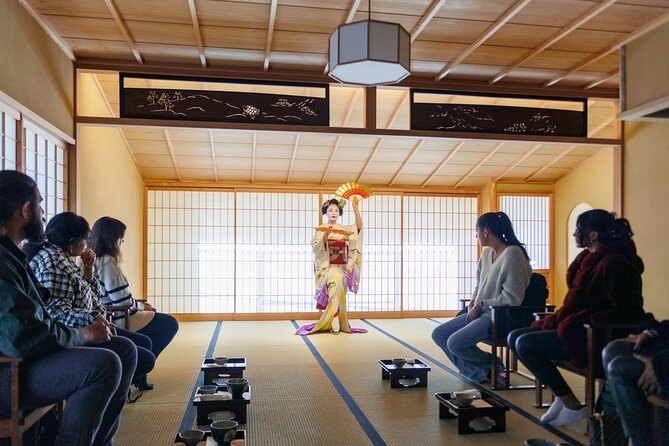
Kyoto’s geisha world is usually kept behind closed doors, but this tour gives you a rare, respectful look inside. You walk through Gion first, then visit a private ochaya, or traditional tea house, for a live maiko performance and a conversation with a maiko and former geiko.
I like the small-group setting and the chance to ask real questions instead of simply watching a staged show. I also like the walking route through Shirakawa, Hanamikoji Street, and Miyagawasuji, which gives the performance useful context. The main consideration is timing: the dance may last only a few minutes, while the full experience can run longer than expected.
Key points at a glance
- A private ochaya visit: Enter a traditional venue that most independent visitors cannot access without an introduction or membership.
- One or two live dances: A maiko performs traditional dance, with a former geiko also taking part in the program.
- Actual conversation: Use the Q&A to ask about training, daily life, clothing, customs, and the path from maiko to geiko.
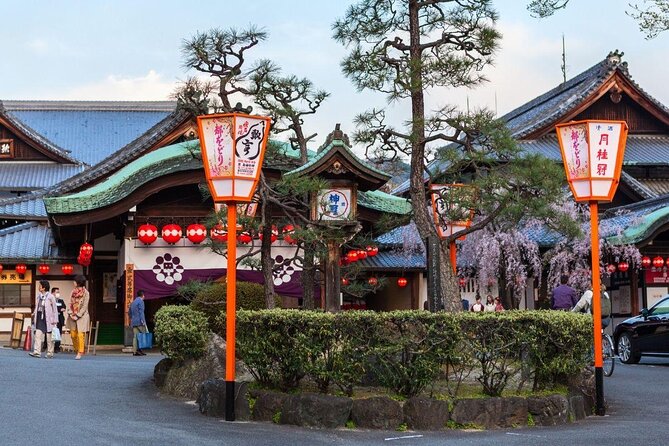
- A 70 to 80-minute Gion walk: See the Shirakawa Canal, Tatsumi-jinja Shrine, Hanamikoji Street, Gion Corner, Kenninji Temple, and Miyagawasuji.
- Guides who add real value: Guides including Mika, Naomi, Tom, Takuma, Yuko, Chiko, and Eric have been praised for clear English, local knowledge, and patient translation.
- Practical limits: You need socks, must climb stairs to the second floor, and cannot use photography or video freely throughout the visit.
Why the private tea house visit matters
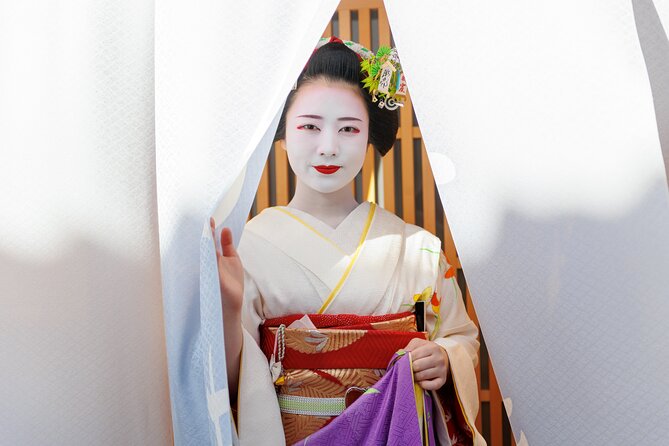
The most important part of this experience is not simply seeing a woman in formal kimono perform a dance. It is entering a private ochaya and learning how the geisha tradition works from people connected to it.
A maiko is an apprentice geisha, while a geiko is the term commonly used for a fully trained geisha in Kyoto. The distinction matters because the clothing, hairstyle, makeup, training, and stage of life can differ. A former geiko and the venue owner help explain those differences in plain terms, while the maiko offers a firsthand view of her current training.
The format also helps correct the cartoon version of geisha culture that many first-time visitors bring with them. This is a world of music, dance, conversation, discipline, hospitality, and long practice. The Q&A is where the experience becomes personal. You can ask about how a maiko trains, what her clothing means, and how the profession fits into modern Kyoto.
Your guide translates questions and answers between English and Japanese. That role is important. Without translation, you would see a beautiful performance but miss much of the meaning behind it. Guides such as Tom, who has been praised for handling several languages, and Naomi, Mika, Yuko, Chiko, and Takuma, who have all been noted for clear explanations, can make the conversation easier to follow.
More geisha-district evenings:
- Kyoto Geisha Walking Tour: Gion District & Hidden Gems
★ 4.7 · 3,273 reviews - Kyoto: Gion Magical Night Walking Tour with Geisha Trivia
★ 4.9 · 2,393 reviews - Kyoto: Gion Geisha District Walking Tour – Stories of Geisha
★ 4.7 · 2,187 reviews
Starting beside the Kamo River or in a rented kimono
You may begin at the Izumo-no-Okuni statue near Gion-Shijo, or at the Wargo Kyoto Kimono Rental Gion-Shijo store if you choose the kimono option. The meeting point depends on the booking choice.
If you rent a kimono, you change at the shop and then walk to the statue on your own. The walk takes about three minutes, but allow enough time to avoid arriving flustered. Your guide waits at the statue, not inside the rental shop.
Walking through Gion in kimono can make the day feel more special, and several people have enjoyed combining the rental with the maiko visit. It also creates good photo opportunities along the route. Still, Kyoto summers can be very hot, and walking in layered clothing is not for everyone. Bring water and dress for the weather beneath the kimono.
The regular tour does not require a kimono. You can enjoy the walk in ordinary clothes, which may be the more comfortable choice in rain, heat, or cold.
Shirakawa Canal and Tatsumi-jinja Shrine
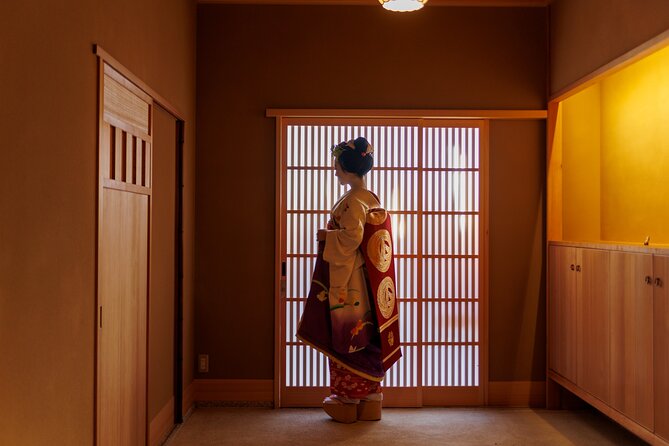
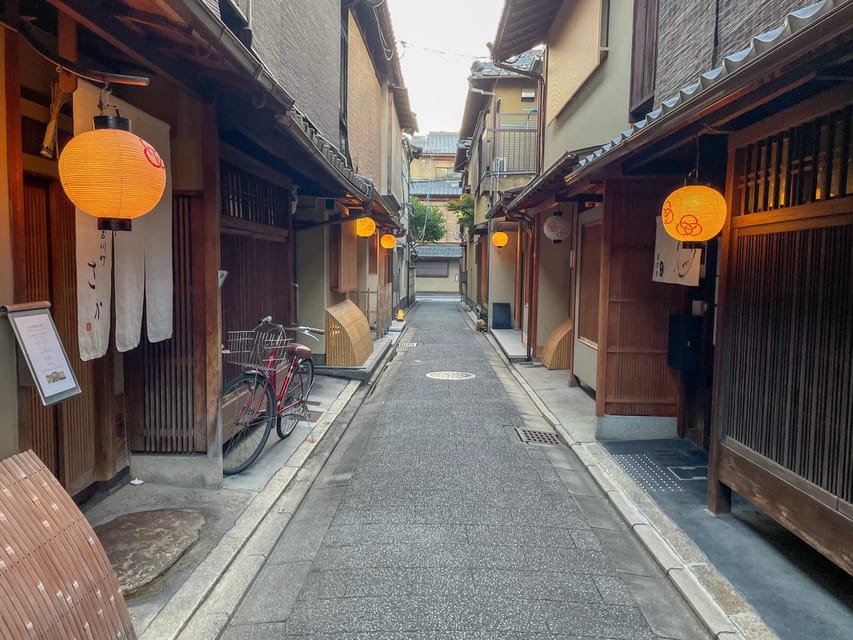
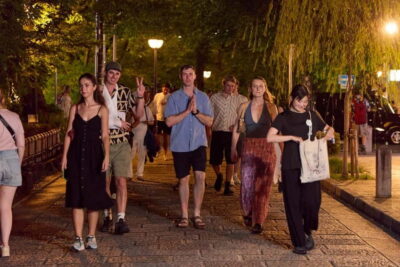
The route moves toward the Shirakawa Canal, one of Gion’s most atmospheric streets. The canal, traditional buildings, and narrow lanes help you understand why this district has remained strongly linked with Kyoto’s performing arts.
Your guide explains where maiko and geiko work and practice, along with the customs that shape the district. This is not a long historical lecture. It is a short introduction to the setting you are about to enter, and it helps you notice details that might otherwise pass by.
The group then pauses at Tatsumi-jinja Shrine for about five minutes. It is a brief stop, so think of it as a point of orientation rather than a full shrine visit. If you want quiet time for photographs or a detailed look at every building, you may need to return independently.
Hanamikoji Street and Gion Corner
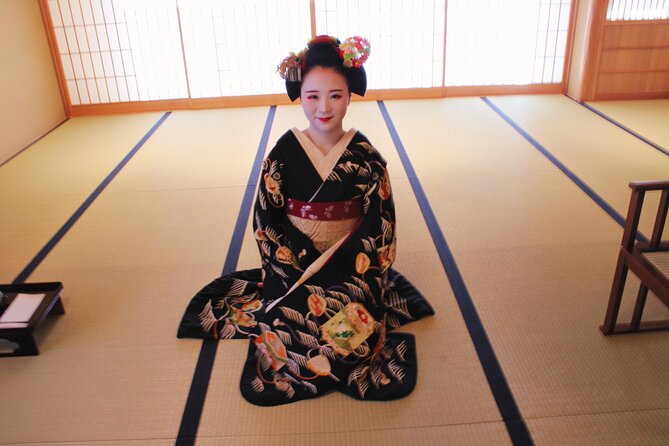
Hanamikoji Street offers another look at Gion’s traditional architecture and carefully maintained lanes. The guided stop lasts about ten minutes, with more time spent explaining the district than visiting a specific interior.
You then pass Gion Corner, a useful reference point for Kyoto’s traditional performing arts. The guide connects the public face of cultural performance with the private world you will see later. That contrast is one of the route’s strengths: you begin among streets familiar to sightseers, then move toward a much more restricted setting.
Some of the historical information may overlap with other Gion walks you have already taken. If you have visited the district at night or joined another cultural tour, the walking portion may feel familiar. The private tea house meeting remains the distinct reason to choose this experience.
More walking tours in Kyoto:
- Night Walk in Gion: Kyoto’s Geisha District
★ 4.5 · 2,003 reviews - Kyoto Gion Geisha District Walking Tour – The Stories of Geisha
★ 5.0 · 1,441 reviews - Nishiki Market Brunch Walking Tour (7 Tastings + Brunch)
★ 5.0 · 1,355 reviews - Kyoto Arashiyama Walking Tour: Bamboo, Monkeys, Gardens & Secrets
★ 5.0 · 1,216 reviews
Kenninji Temple and the short photo stop
Kenninji Temple is included as a sightseeing and photo stop of about fifteen minutes. The temple grounds add a quieter pause to the walk and place Gion’s entertainment district beside one of Kyoto’s major religious sites.
Do not book this tour expecting a long temple visit. The stop is brief, and the focus remains the maiko experience. If you want to explore Kenninji’s buildings and grounds properly, plan a separate visit rather than relying on this tour for it.
That limitation is easy to manage. The walking route is designed to build a story, not to provide full tours of every location. You get a series of useful glimpses before the main appointment in Miyagawasuji.
Miyagawasuji and the main cultural exchange
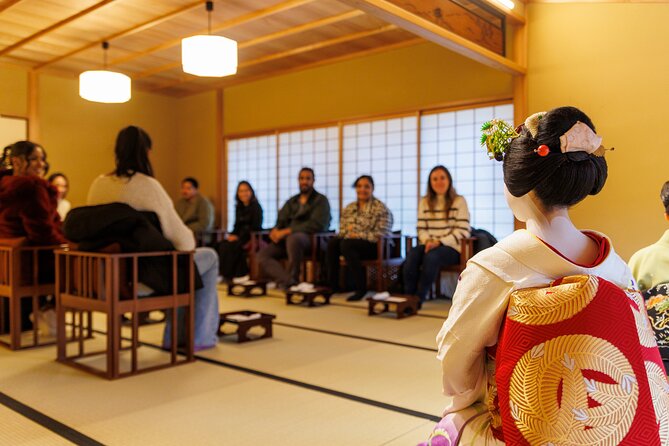
The tour ends in Miyagawasuji, a flower district associated with Kyoto’s geiko and maiko tradition. Here you spend about ninety minutes in the meeting and performance portion, though the entire activity can last three to five hours depending on the schedule and the day.
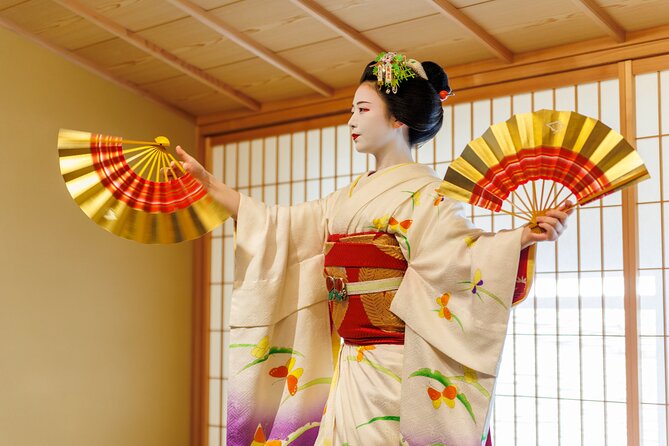
Inside the private venue, expect a formal performance by a maiko and a former geiko. The program includes one or two dances. The movement is precise and restrained, with meaning carried through posture, hand gestures, fans, costume, and music rather than through a large stage or theatrical spectacle.
Keep your expectations realistic about duration. The performance itself may take less than five minutes in some sessions. The rest of the time is devoted to conversation, translation, questions, and photographs. For me, that is a strength rather than a weakness, provided you want cultural contact rather than a long show.
The maiko’s entrance is part of the impact. Formal hair, makeup, and kimono create a striking visual impression, but the Q&A gives you the chance to see the person behind the presentation. A former geiko or venue owner adds another perspective, often with stories about training and the customs of the ochaya.
Some accounts of the visit also describe tea, traditional sweets, or a tea preparation demonstration. These details may depend on the session, so treat them as possible additions rather than guaranteed features. The stated core includes the performance, conversation, Q&A, and photo session.
Photos, manners, and what to bring
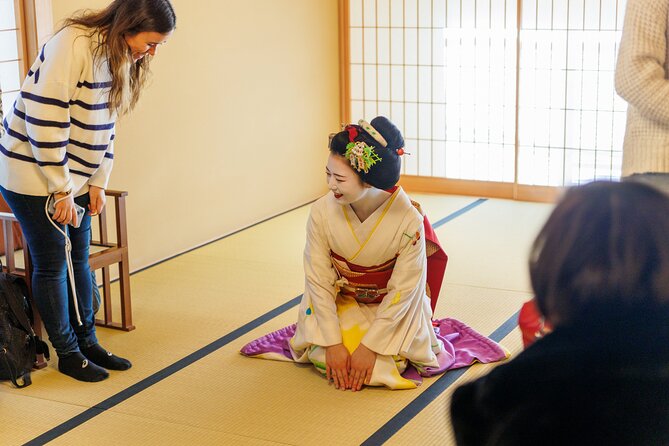
Photography and video are allowed only during the performance and the designated photo session. You cannot film throughout the visit, and you cannot upload any video online.
If you want to post a photograph of the maiko online, ask her directly for permission first. This is not a minor rule. The setting is private, and respectful conduct helps protect the trust that makes the meeting possible.
Bring socks. You must wear them inside the performance venue, and bare feet are not allowed. On rainy days, arrive with dry clothes and socks. Wet clothing and wet socks are not permitted inside, so use an umbrella during the walk and give yourself time to dry off before entering.
The performance takes place on the second floor of a private house. You must climb stairs. The activity is not suitable for children under ten, wheelchair users, or people with mobility impairments.
How the guides affect the experience
The guide is more than someone who leads you from one street to another. The guide explains the difference between maiko, geiko, and related terms, points out suitable photo locations, keeps the group moving, and translates at the tea house.
English ability can vary somewhat because the guides are working in a second language, but the strongest feedback has repeatedly centered on clear explanations, patience, and warmth. Mika has been praised for handling hot weather with care, while Naomi has been noted for storytelling and translation. Takuma brings an energetic approach, and Tom has been especially useful for multilingual groups.
The group size can be small, with one group reported at seven people. That matters at the tea house. A smaller group gives you a better chance to hear the answers, see the performance clearly, and take a personal photo without turning the meeting into a crowded photo line.
Ask questions as they occur to you, but keep them polite and relevant. The guide can help you phrase them. This is a cultural exchange, not a celebrity meet-and-greet.
Is $106 a fair price?
At $106 per person, this is not a cheap walking tour. You could walk through Gion and see the outside of many traditional buildings for free. You could also visit public cultural performances elsewhere in Kyoto for less money.
The price makes more sense when you separate the experience into its parts. You receive a guided Gion walk of roughly seventy to eighty minutes, an English-speaking guide, access to a private venue, one or two live dances, a translated Q&A, conversation with a maiko and former geiko or venue owner, and a photo opportunity.
The real value is access. Most independent visitors cannot simply walk into an ochaya and arrange this kind of meeting. Traditional tea houses often rely on private introductions, established relationships, or membership. This tour offers a structured way to enter that world while preserving the private setting.
I would not choose it if your main goal is a long dance performance. I would choose it if you value explanation and direct conversation as much as the dance itself. The personal stories and translation are what justify the cost.
Timing, weather, and planning around trains
The advertised duration is three to five hours, and the day can run longer than expected. Build a generous buffer after the tour, especially if you have a bullet train, airport transfer, or timed reservation.
One person became anxious about a train after the activity ran beyond the expected end time. The practical lesson is simple: do not schedule a tight departure immediately afterward. The walking section, group movement, translation, and Q&A can all affect the finish time.
The tour operates rain or shine. Kyoto’s weather can change the comfort level quickly. In summer, the walk may feel tiring in a kimono or during the hottest part of the day. In wet weather, protect your socks and clothing because the venue will not accept wet items.
The route includes stairs and walking on city streets. Comfortable footwear is sensible for the regular option. If you choose a kimono, remember that appearance and ease of movement are different things.
Free cancellation is available up to twenty-four hours before the start time, and you can reserve now and pay later. Organizer-related cancellations are refundable, but incidental hotel or bullet train costs are not. That makes flexible planning useful, but it does not remove the need to protect your onward schedule.
Who should book this Gion experience?
I recommend this activity most strongly to first-time visitors who want cultural context rather than a quick photograph of a maiko. It is also a good fit if you have wondered how geiko and maiko train, work, dress, and relate to Kyoto’s older entertainment districts.
It suits adults and families with children aged ten or older who can manage a walking tour, stairs, and a formal indoor setting. The small-group option is especially appealing to anyone who dislikes large demonstrations.
You may want to skip it if you have limited time in Kyoto and prefer temples, gardens, or a longer stage performance. You may also find the walking portion repetitive if you have already taken several Gion tours.
Should you book it?
Book this tour if private access, conversation, and cultural explanation matter more to you than the length of the dance. The performance is the visual high point, but the stories, translation, and chance to ask questions give the visit its lasting value.
Allow extra time, bring socks, follow the photography rules, and do not plan a train departure right afterward. If you approach the ochaya with curiosity and respect, this can become one of the most personal ways to understand Kyoto’s living geiko and maiko tradition.
FAQ
Where does the tour start?
There are two possible starting points: the Izumo-no-Okuni statue or the Wargo Kyoto Kimono Rental Gion-Shijo store. The exact meeting point depends on the option booked.
What happens if I choose the kimono rental option?
After changing into a kimono, walk to the Izumo-no-Okuni statue by yourself. The rental store is about three minutes from the statue, where your guide will be waiting.
How long does the experience last?
The total duration is listed as three to five hours. The Gion walk takes about seventy to eighty minutes, and the maiko meeting takes about ninety minutes, but the activity may run longer on some days.
Is the tour conducted in English?
Yes. The tour includes a live English-speaking guide. The guide also translates questions and answers during the meeting at the venue.
How long is the walking tour?
The guided walk lasts about seventy to eighty minutes. Stops include the Shirakawa Canal, Tatsumi-jinja Shrine, Hanamikoji Street, Gion Corner, Kenninji Temple, and Miyagawasuji.
What performance will I see?
You will see one or two traditional dances performed by a maiko and a former geiko. The exact length can vary, and the rest of the meeting includes conversation, Q&A, and photographs.
Can I take photographs and videos?
Photography and video are allowed only during the performance and the photo session. You cannot upload video online, and you must ask the maiko directly before posting her photographs online.
Do I need to bring anything special?
Bring socks. You must wear socks at the performance venue. On rainy days, do not arrive in wet clothes or wet socks, and use an umbrella during the walk.
Is the tour accessible to everyone?
No. The activity is not suitable for children under ten, wheelchair users, or people with mobility impairments. The performance is on the second floor of a private house, accessible only by stairs.
Just added around Kyoto
- Kyoto: Zen Meditation at a Private Temple with a Monk★ 5.0 · 25 reviews
- Kyoto: Gion Geisha District & Sake-in-Hand Walking Tour★ 5.0 · 37 reviews
- Private Pewter Sake Cup Experience with a Kyoto Artisan★ 5.0 · 31 reviews
- Your Private Vacation Photography Session In Kyoto★ 5.0 · 110 reviews
- Private Guided Traditional Buddhist Cooking in Japan★ 5.0 · 16 reviews
- Kyoto Wagashi(Japanese sweets) Cooking Class near Fushimiinari★ 5.0 · 60 reviews
- Traditional Japanese Music show & Experience Tour in Kyoto★ 5.0 · 57 reviews
- Kyoto:Family-Friendly Kimono & Yukata Experience at WARGO★ 5.0 · 147 reviews
Kyoto Tours, compared.
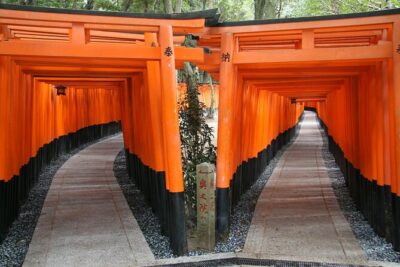
Fushimi Inari, Kinkakuji, Bamboo Grove 1 Day Bus Tour
Read our review →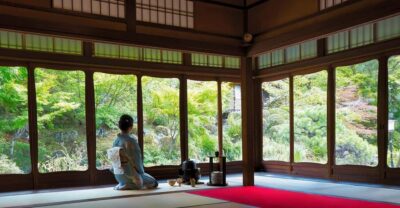
Tea Ceremony in a Traditional Tea House in Kiyomizu
Read our review →
Kyoto Geisha Walking Tour: Gion District & Hidden Gems
Read our review →
Gion Magical Night Walking Tour with Geisha Trivia
Read our review →
Gion Geisha District Walking Tour – Stories of Geisha
Read our review →Browse the lists this tour appears in