
Reviewed · KYOTO TOURS
Kyoto: Zen Meditation and Garden Tour at a Temple with Lunch
Kyoto’s best Zen experience here is not just sitting quietly for an hour. You first learn how to look at a Zen garden, then visit Tofukuji’s grand temple grounds before practicing zazen with a monk in a smaller temple. I like that the tour gives you cultural context before asking you to meditate, and I like the small group, limited to seven people, which lets the guide answer real questions.
The main caution is that the meditation room may not always feel tiny or private. One participant found roughly 30 people in the room, despite booking a small-group tour, and another was disappointed that the monk did not speak English. Your guide can explain the process and translate questions, but the meditation itself is meant to be quiet.
Key points at a glance
- A garden comes before meditation: Kōmyō-in gives you a calm introduction to Zen ideas before the formal zazen session.
- You practice for a full hour: The session covers posture, breathing, methods, and the basic ideas behind Zen meditation.
- The monk conversation is a valuable extra: After zazen, you may discuss the experience through your English-speaking guide.
- Tofukuji offers more than a famous name: Expect the San-mon gate, dragon ceiling paintings, and an old temple toilet among the sights.
- Lunch is part of the cultural lesson: The Shojin Ryori meal includes vegetables, mushrooms, seaweed, and dashi, with some dairy.
- Timing matters: A 10:45 start puts lunch at about 14:15, so eat a proper breakfast and arrive early.
Why this Kyoto Zen tour feels different
Many temple visits in Kyoto are quick affairs: enter, take pictures, admire a garden, and move on. This experience slows the pace and gives you a way to understand what you are seeing.
The first lesson is that Zen is not simply a synonym for relaxation. Even in Japan, the idea can be hard to explain in one sentence. Your guide uses the garden to introduce the connection between space, attention, restraint, and meditation. That makes the later sitting session easier to understand.
I especially like the order of the day. You are not dropped into an unfamiliar meditation hall without preparation. You begin by looking carefully at a garden, hear basic background from your guide, and then see temple buildings before attempting zazen. The experience builds step by step.
The tour lasts 270 minutes, or four and a half hours. At $107 per person, that is not a bargain-basement temple visit. Still, the fee covers several admissions, a local English-speaking guide, photographs, the meditation session, and lunch. If you would otherwise pay separately for a guide, temple visits, and a traditional meal, the price is fair for the amount packed into the morning or early afternoon.
More lunch stops in Kyoto:
- Bike Tour Exploring North Kyoto plus Lunch
★ 5.0 · 1,087 reviews - Osaka/Kyoto: Arashiyama, Nara & Fushimi Inari Shrine w/Lunch
★ 4.4 · 754 reviews - Kyoto Zen Meditation & Garden Tour at a Zen Temple with Lunch
★ 5.0 · 441 reviews
Starting at Tofukuji Station
The meeting point is outside Exit 2 of Tofukuji Station, beside Family Mart. This detail matters. One participant arrived by taxi and was taken to the temple rather than the station, then had to hurry to find the group.
From Kyoto Station, take the JR line to Tofukuji. Both rapid and local trains are allowed. From Shijo Keihan, use the Keihan line, but do not take an express train. Sub-express, semi-express, and local services are the correct choices.
Arrive early. The company is strict about starting on time, and you cannot join later or receive a refund if you miss the group. That is reasonable for a tour built around a silent meditation appointment, but it leaves little room for a wrong turn or a delayed train.
The group is advertised as no more than seven people. That small size is one of the strongest reasons to book a guided version of this experience. It gives you a better chance to ask about Buddhist symbols, temple customs, Japanese religious life, or meditation technique without turning the morning into a lecture.
English-speaking guides have included Yutaka, Louis, Eri, and Tammy. Yutaka receives especially warm praise for his humor, calm manner, and clear explanations. The assigned guide can vary, so do not book on the assumption that one particular person will lead your date.
Kōmyō-in and the first look at Zen gardens
The first formal stop is Kōmyō-in Temple, where you spend about 40 minutes. This is the right place to begin because the garden asks you to pay attention before you are asked to control your breathing.
Your guide explains how to approach a Zen garden and points out the ideas that shape its design. The value is not just visual. You learn why an apparently spare garden can reward quiet observation, and how the arrangement of stones, gravel, plants, and open space encourages a certain state of mind.
Do not expect a long historical lecture at every stop. The useful part is the connection between the setting and the practice. The garden becomes a practical introduction to the idea of noticing what is in front of you rather than chasing every thought.
This is also one of the calmer parts of the route. Kyoto’s major sights can feel crowded, but the tour is designed around temple areas that are less hectic than the city’s biggest attractions. The gardens are particularly appealing in a busy itinerary because you are given time to sit, look, and listen.
Photography is included during the tour, which is handy if you want a few photos without constantly interrupting your attention. Still, treat the temple as a place of worship rather than a photo set. Your guide will help you understand the proper tone.
Tofukuji Temple and its remarkable details
After Kōmyō-in, the route moves to Tofukuji Temple for about 10 minutes. That may sound brief, but it works as a focused look at a major Zen institution rather than a full temple tour.
Tofukuji has served as a home and training place for Zen monks since the 13th century. The complex is known for its large San-mon gate, an impressive example of temple architecture. You will also see detailed dragon paintings on a ceiling and the oldest surviving toji, or temple toilet.
The short visit gives you a useful sense of scale and tradition. Tofukuji is not only a peaceful garden with a few attractive buildings. It is a working religious complex tied to centuries of monastic practice.
The trade-off is time. Ten minutes is enough to see selected features with a guide, but not enough to explore every corner at a slow pace. If Tofukuji is high on your personal must-see list, plan a separate visit on another day or return after the tour. This experience is built around meditation, not a complete architectural survey.
A few more Kyoto half-days to weigh up
- PERFECT KYOTO 1-Day Bus Tour
★ 5.0 · 13,518 reviews - Kyoto: Fushimi Inari, Kinkakuji, Bamboo Grove 1 Day Bus Tour
★ 4.8 · 4,316 reviews - Kyoto: Tea Ceremony in a Traditional Tea House in Kiyomizu
★ 4.9 · 3,519 reviews - Kyoto Geisha Walking Tour: Gion District & Hidden Gems
★ 4.7 · 3,273 reviews
Shōrin-ji and the one-hour zazen session
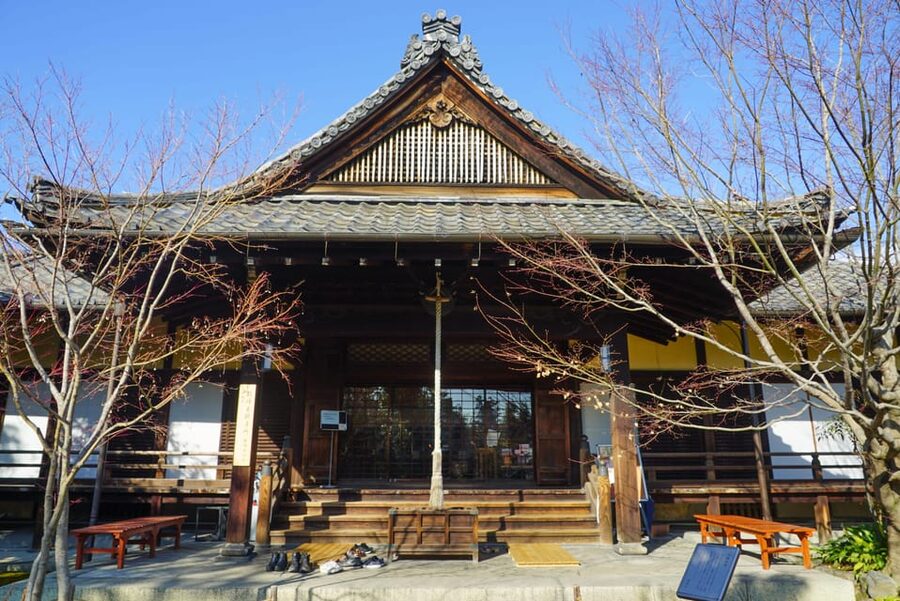
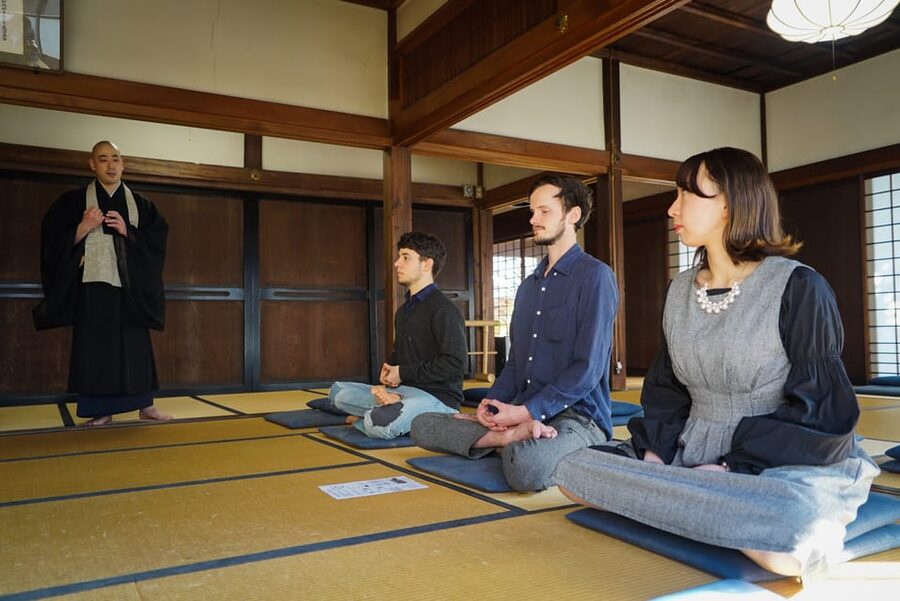
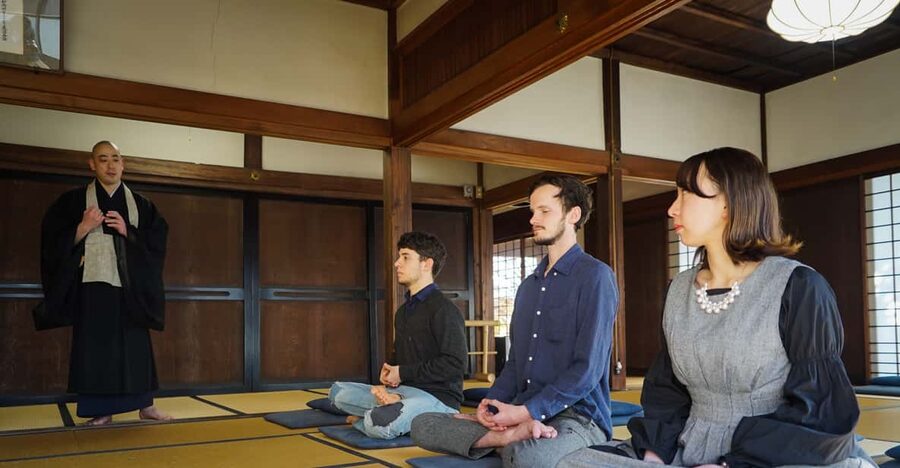
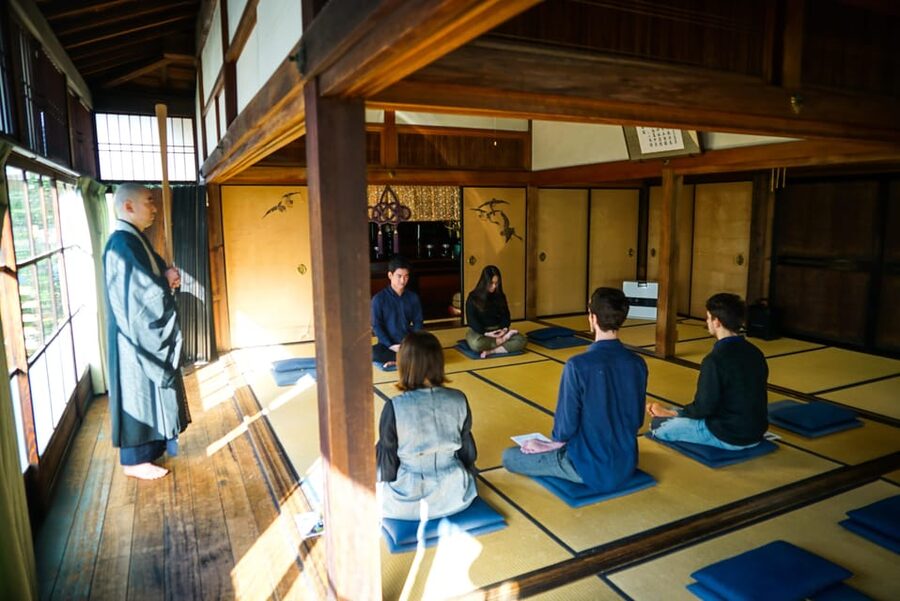
The heart of the day is Shōrin-ji, also called Bishamon-dō Temple. You spend about 70 minutes here, including the zazen experience. The smaller temple setting gives the session more character than a generic meditation class in a hotel or studio.
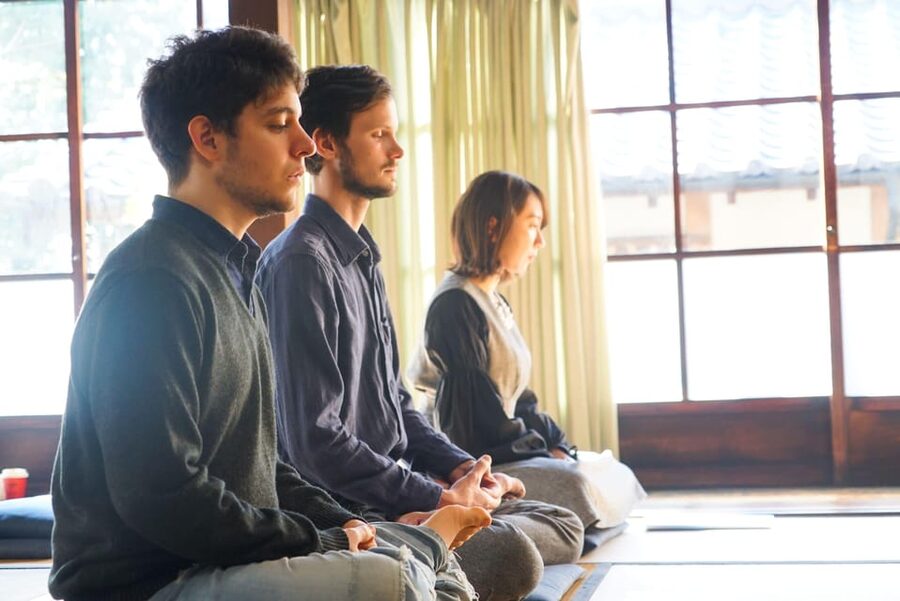
Before sitting, your guide explains the basics of posture and breathing. You learn how to position yourself, how to handle the silence, and what to do when your mind wanders. The lesson is aimed at beginners, but people who already meditate can still gain something from practicing in a functioning Zen temple.
The formal session lasts one hour. That is long enough to move past the novelty of sitting still and notice the real challenge: staying with the breath while thoughts, sounds, discomfort, and impatience come and go.
During zazen, the guide remains silent. You receive written material that you can read quietly, but you should not expect ongoing commentary or casual conversation. This is important. The tour offers instruction before meditation, not a guided audio meditation once the sitting begins.
The monk may not speak English. In that case, your guide can translate questions before or after the session. The language limit is worth considering if direct conversation with the monk is your main reason for booking. The strongest part of the encounter is the practice itself, along with the setting and the chance to discuss your impressions afterward.
After meditation, there is a short conversation with the monk. This gives the session a human finish. You are not simply shown how to sit and then sent away. You can reflect on what happened and ask questions through the guide.
One point deserves a clear warning: the meditation room may be larger than you expect. Although the paid tour is limited to seven, one participant reported sitting with about 30 other people in an L-shaped room. Group size can therefore mean the tour group, not the total number of people in the meditation hall.
Shojin Ryori lunch near the temple district
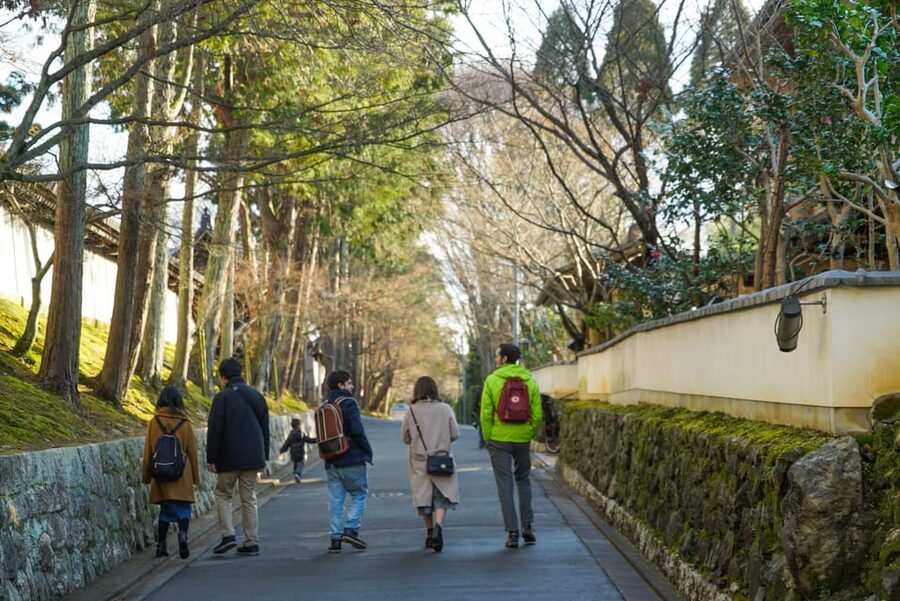
After zazen and the temple discussion, you take a short walk to a local restaurant for a 45-minute meal. Lunch is Shojin Ryori, the traditional Buddhist cuisine associated with Japanese monks.
The meal centers on vegetables, mushrooms, and seaweed. It is meant to show how a Buddhist monastic diet can be satisfying without the usual focus on meat. Expect several small dishes rather than one large plate, giving you a chance to try different textures and flavors.
The description needs one important clarification. The meal includes dashi made with fish broth, and a little dairy may be used. It is therefore not strictly vegan, despite the broad use of the word vegetarian. People with gluten intolerance should not book this activity, and anyone with strict dietary rules should ask for clarification before paying.
The lunch timing can also affect your morning. With a 10:45 departure, the meal is scheduled for around 14:15. That is late for lunch, so have a solid breakfast or brunch. You will not want hunger to become your main meditation challenge.
Lunch is more than a convenient ending. It ties the day to the everyday life of Buddhist institutions. The restaurant is beside a temple that once housed up to 1,200 monks in training, giving the meal a connection to the scale of the religious community that shaped this cuisine.
The final conversation takes place over lunch and turns back to the ideas from the day. That informal setting is useful. Some questions only occur after you have seen the garden, sat in silence, and tried the food.
What the $107 price really covers
At $107, this is a mid-priced half-day cultural experience. You are paying for structure and access rather than transportation across Kyoto. The tour does not simply take you to a temple and leave you to read a sign.
Your fee includes:
- Zen meditation instruction and the one-hour zazen session
- Shojin Ryori lunch
- Temple and garden admission
- An English-speaking local guide
- Photos taken during the tour
- A small group capped at seven participants
The best value comes from the guide’s interpretation. Zen gardens can be beautiful without explanation, but the guide helps you connect what you see with the practice that follows. The temple discussion, translated questions, and lunch conversation add layers that are difficult to arrange independently.
The value is lower if you only want to visit Tofukuji’s famous buildings. In that case, a regular temple visit would cost less and give you more time to explore. This tour earns its price through the meditation session, guide, monk encounter, and meal.
Who should book it, and who should skip it
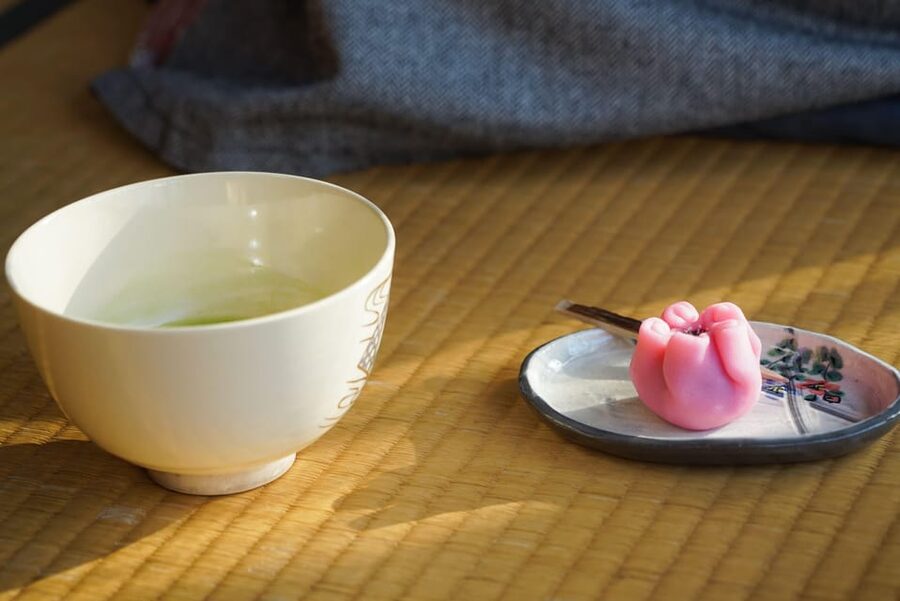
I would recommend this tour to adults and older teenagers who want a calm cultural experience with some structure. It suits you especially well if you have wondered what Zen meditation actually involves but do not know how to begin.
It is also a good choice if you want more than sightseeing. The tour explains Buddhism, temple symbols, garden design, posture, breathing, and food traditions in one morning. Several guides have also shared suggestions for other places to visit in Kyoto, which can make the experience useful beyond the scheduled route.
You should think twice if you dislike sitting still, need constant conversation, or expect a private meditation appointment. The formal session is quiet, and the hall may include many other people.
Children under 12 cannot take part. The tour is also unsuitable for people with gluten intolerance. Summer visitors should bring water and wear a hat because Kyoto can be hot and humid. In winter, temple floors can feel cold, so thick socks are a smart choice.
You can cancel or change the date free of charge up to 24 hours before the start time, subject to availability. That is helpful, but it does not protect you from arriving late on the day.
My verdict on this Tofukuji meditation experience
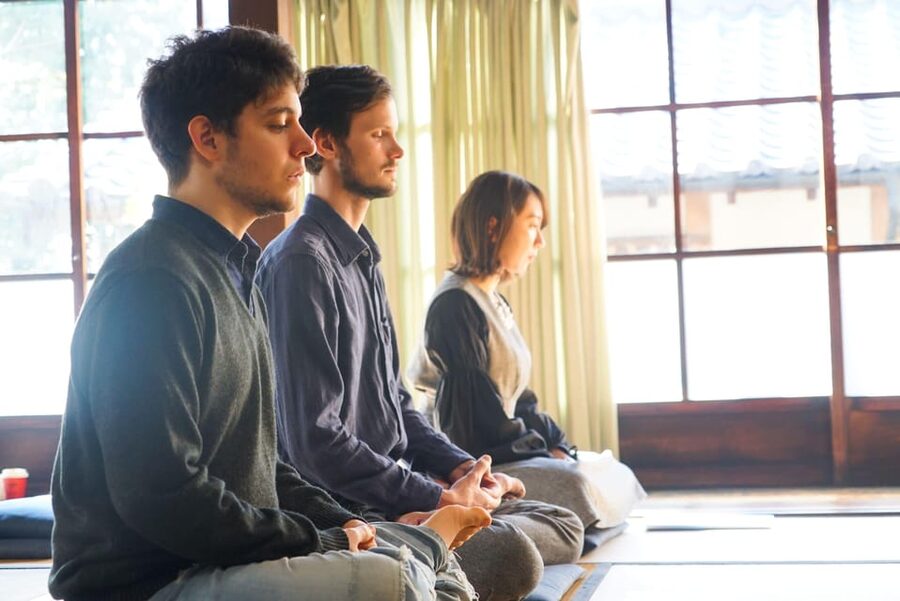
Book this tour if you want to understand Zen through several senses: looking at a garden, walking through historic temples, sitting in meditation, speaking with a monk, and eating a traditional Buddhist meal.
Its strongest features are the careful progression, the capable English-speaking guides, and the chance to practice zazen in a real temple rather than a tourist studio. Yutaka in particular has been praised for combining humor with clear explanations, while guides such as Eri and Tammy have also been noted for thoughtful cultural commentary and practical help.
The main limitations are real. The monk may not speak English, the meditation hall may be shared with a larger crowd, and lunch is not suitable for gluten-free diners. Still, for someone willing to accept those conditions, $107 buys a thoughtful four-and-a-half-hour introduction to Kyoto’s Zen tradition.
If you want a quiet, well-explained look at Buddhist culture and do not mind following temple rules, this is a strong pick. If you want a private retreat or a full day devoted only to Tofukuji’s architecture, choose a different plan.
FAQ
Where does the Kyoto Zen meditation tour meet?
Meet outside Exit 2 of Tofukuji Station, next to Family Mart. From Kyoto Station, use the JR line. From Shijo Keihan, use the Keihan line, but avoid express trains.
How long does the experience last?
The tour lasts 270 minutes, or four and a half hours. The listed stops include Kōmyō-in, Tofukuji, Shōrin-ji, and a local restaurant.
Is the tour conducted in English?
Yes. The tour has a live English-speaking guide. Guides have included Yutaka, Louis, Eri, and Tammy.
How many people are in the tour group?
The tour group is limited to seven participants. The meditation hall may include additional people taking part in zazen at the same time.
What kind of lunch is served?
You receive Shojin Ryori, a traditional Buddhist meal based on vegetables, mushrooms, and seaweed. The meal includes fish-based dashi and a little dairy, and the activity is not suitable for people with gluten intolerance.
What time is lunch for the 10:45 departure?
For a tour starting at 10:45, lunch is scheduled for about 14:15. Eat a substantial breakfast or brunch before the tour.
Is the tour suitable for children?
No. The activity is not suitable for children under 12 years old.
Can I cancel or change the booking?
You can cancel for a full refund up to 24 hours before the start time. A free date or time change is also available up to 24 hours before the start, subject to availability.
Just added around Kyoto
- Kyoto: Zen Meditation at a Private Temple with a Monk★ 5.0 · 25 reviews
- Kyoto: Gion Geisha District & Sake-in-Hand Walking Tour★ 5.0 · 37 reviews
- Private Pewter Sake Cup Experience with a Kyoto Artisan★ 5.0 · 31 reviews
- Your Private Vacation Photography Session In Kyoto★ 5.0 · 110 reviews
- Private Guided Traditional Buddhist Cooking in Japan★ 5.0 · 16 reviews
- Kyoto Wagashi(Japanese sweets) Cooking Class near Fushimiinari★ 5.0 · 60 reviews
- Traditional Japanese Music show & Experience Tour in Kyoto★ 5.0 · 57 reviews
- Kyoto:Family-Friendly Kimono & Yukata Experience at WARGO★ 5.0 · 147 reviews
Kyoto Tours, compared.


Fushimi Inari, Kinkakuji, Bamboo Grove 1 Day Bus Tour
Read our review →
Tea Ceremony in a Traditional Tea House in Kiyomizu
Read our review →
Kyoto Geisha Walking Tour: Gion District & Hidden Gems
Read our review →

Gion Magical Night Walking Tour with Geisha Trivia
Read our review →

Gion Geisha District Walking Tour – Stories of Geisha
Read our review →Browse the lists this tour appears in