
Reviewed · KYOTO TOURS
Private eBike Tour Exploring Fushimi with Torii Red Gate Ride
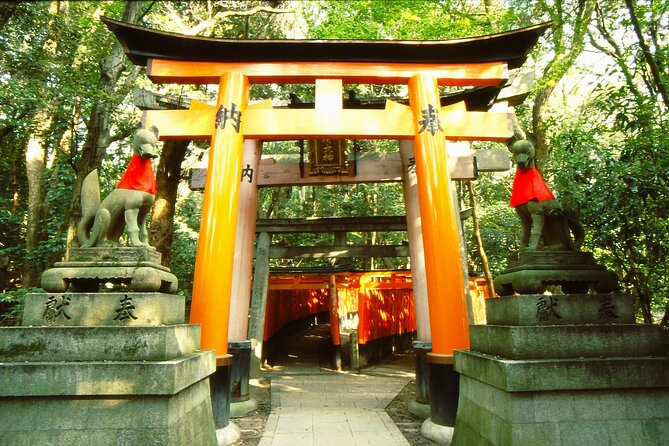
Fushimi Inari’s red torii gates are one of Kyoto’s most famous sights, but reaching them by e-bike through quiet back streets gives you a better feel for the city than simply arriving by train with the crowds. This private ride also links two striking temples and a peaceful stretch of the Kamo River in one well-paced outing.
I like the mix of major sights and ordinary Kyoto streets. I also like the personal scale: two to six people share one guide, so guides such as Kaz, Yuichi, Tibor, JJ, Kay, Kas, and Y Yagyu can adjust the pace, answer questions, and take photos. The main drawback is that you need to ride safely on public roads, and the tour runs in rain, so this is not a good fit if you want a fully indoor or effortless sightseeing morning.
Key points to know before you book
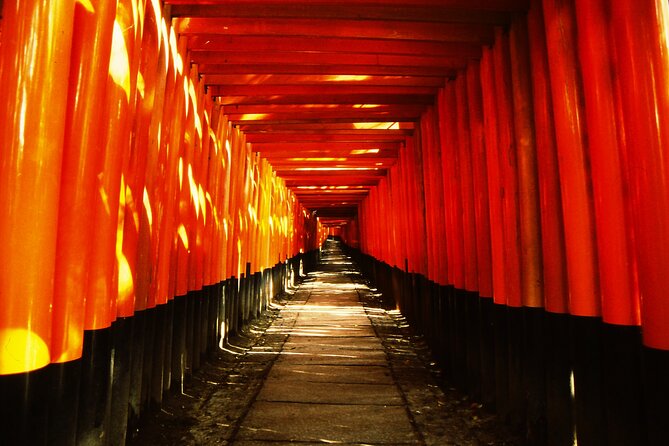
- Fushimi Inari by bicycle: Ride toward the shrine on quieter streets, then walk through the famous rows of red torii gates.
- A rare look inside Sanjusangen-do: The guide accompanies you into the temple and explains its remarkable thousand Buddha statues.
- Private groups of two to six: You avoid the feel of a large tour and can keep a relaxed pace.
- A scenic Kamo River return: The final ride follows a calm embankment with nature and wildlife.
- Three and a half hours door to door: Cycling time is included, so the stops are enjoyable but not endless.
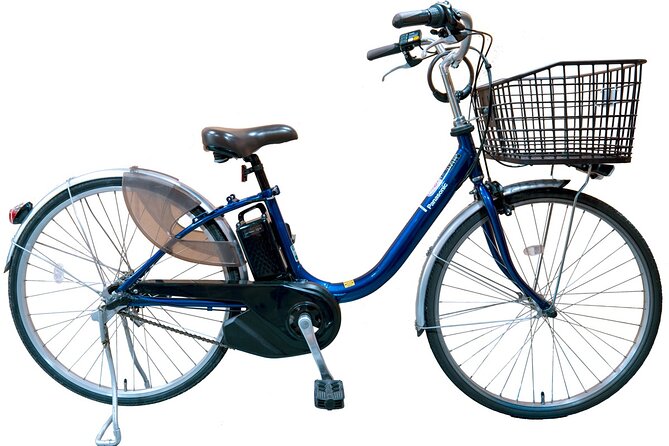
- Useful practical extras: Bike, helmet, rain poncho, accident insurance, English-speaking guide, and cycling map are included.
Why a bike works so well in southern Kyoto
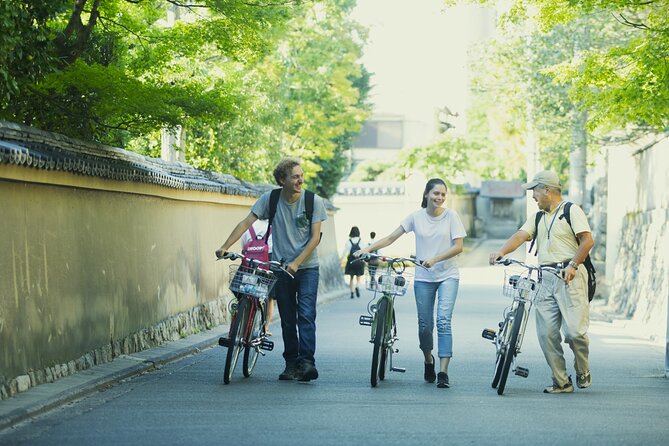
Kyoto is famous for its temples, but the city is not best understood from a tour bus. Many of the most pleasant connections run through narrow side streets, residential lanes, and river paths. A bicycle lets you move between sights without spending the whole morning waiting for a taxi or riding public transport.
This tour begins at the Kyoto Station Cycle Terminal, a handy starting point for visitors staying near the station. From there, you ride past the former Nintendo building, a quick photo stop that connects modern Kyoto with one of Japan’s best-known companies. It is not a major sightseeing stop, but it adds a fun local detail before the temples begin.
The e-bike matters most on the longer portions of the route. You still pedal, but the assisted ride makes the three-and-a-half-hour outing less demanding than a standard bicycle tour. The experience is still active, though. You must ride on the road, pay attention to the guide, and be comfortable handling a bicycle without help.
The tour is private, but it is not designed for a large family reunion or a big bus group. Two to six people can join one guide. For seven to twelve people, an extra guide can be arranged without an added fee. That small-group format is useful in Kyoto, where a compact line of bicycles is easier to manage than a long procession.
More bike days around Kyoto:
- Hidden Kyoto E-Biking tour
★ 5.0 · 1,843 reviews - Bike Tour Exploring North Kyoto plus Lunch
★ 5.0 · 1,087 reviews - Arashiyama Bamboo Forest & Hidden Gems Bike Tour (Early Bird)
★ 5.0 · 613 reviews
Sanjusangen-do and its thousand Buddha statues
The first major stop is Sanjusangen-do, also called Rengeo-in. You spend about an hour here, and your guide goes inside with you to explain the temple’s story and meaning.
The temple is best known for its long wooden hall filled with a thousand statues of Kannon, the Buddhist figure associated with compassion. The repeated figures create a powerful visual effect, but the experience is not just about counting statues. The quiet corridors and scale of the hall give you time to slow down after the ride.
I consider this the most valuable stop for visitors who want more than a quick photo. Fushimi Inari is instantly recognizable, yet Sanjusangen-do offers a more contemplative encounter with Kyoto’s religious art. The guide’s explanation helps you understand what you are seeing instead of walking through a dark hall and moving on.
Plan to behave quietly and follow temple rules. This is a sacred interior, not a place for a rushed group conversation. Your guide can add context, but you still need to give the setting the respect it deserves.
The one-hour visit also shapes the pace of the day. You are not simply stopping for five minutes at every landmark. One temple receives real attention, while the other stops are shorter. That balance works well if you want depth at one major site and a broad look at several parts of southern Kyoto.
A quick look at Tofuku-ji
After Sanjusangen-do, the route continues to Tofuku-ji, where you have about 15 minutes for photographs. This is a shorter visit, so you should think of it as an exterior look and a chance to appreciate the temple’s strong Zen design rather than a full temple tour.
Tofuku-ji is imposing even when viewed briefly. Its scale and clean lines provide a sharp contrast to the ornate red gates at Fushimi Inari and the statue-filled hall at Sanjusangen-do. The stop breaks up the ride and gives you another view of Kyoto’s religious architecture without packing too much into the schedule.
Fifteen minutes goes quickly. If you want a long visit inside Tofuku-ji or hope to explore every garden, this tour will feel too short. If you mainly want photographs and a guide who can point out what makes the temple important, the stop works.
The short timing is also a practical advantage. Kyoto has many temples, and trying to see each one in detail can turn a pleasant bike ride into a checklist. Here, Tofuku-ji adds variety without taking the whole morning away from Fushimi Inari.
Riding into Fushimi Inari’s red gates
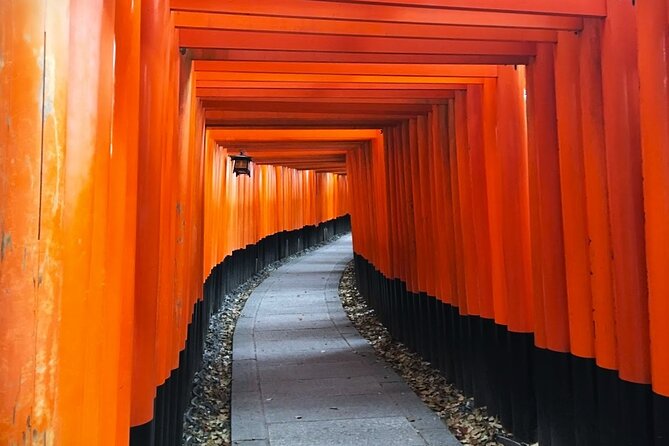
The main event is Fushimi Inari-taisha, reached by bicycle before you continue on foot through the torii gates. Your guide explains the shrine and leads you along the gate-lined paths. Admission to the shrine is free.
The first gates near the shrine are usually the most crowded part of the visit, but the route allows you to arrive with a better sense of place. You have already passed through local streets and seen the area change as you approach the shrine. That transition is part of the pleasure.
Fushimi Inari is dedicated to Inari, the Shinto deity linked with rice, agriculture, and business. The torii gates are donated by individuals and companies, and each one carries a name and date on its back. You do not need a long lecture to appreciate the path, but a guide can help you notice details you might otherwise miss.
The tour gives you about an hour here. That is enough to walk through the famous gate corridors and take photographs, but not enough to explore every section of the mountain trail. Fushimi Inari extends far beyond the first photogenic tunnel, so keep your expectations realistic. You are getting a focused introduction, not a complete hike to the summit.
After the shrine, you can wander around the nearby shops and stalls and try local specialties. Snacks are not included, so bring money if you want to sample something. This flexible pause is useful because Fushimi Inari’s approach has a different feel from the quiet temple interiors. It is a chance to browse, eat, and take in the shrine area at street level.
More e-bike rides in Kyoto:
- 5 Top Highlights of Kyoto Full Day Bike Tour (E-bike option)
★ 5.0 · 511 reviews - E-Bike Tours of the highlights of Kyoto!!!
★ 5.0 · 291 reviews - Kyoto: City Secrets eBike Tour
★ 4.9 · 196 reviews - Pedal Adventure Kyoto’s iconic landmarks on an e-bike tour
★ 5.0 · 189 reviews
The Kamo River ride back to Kyoto Station
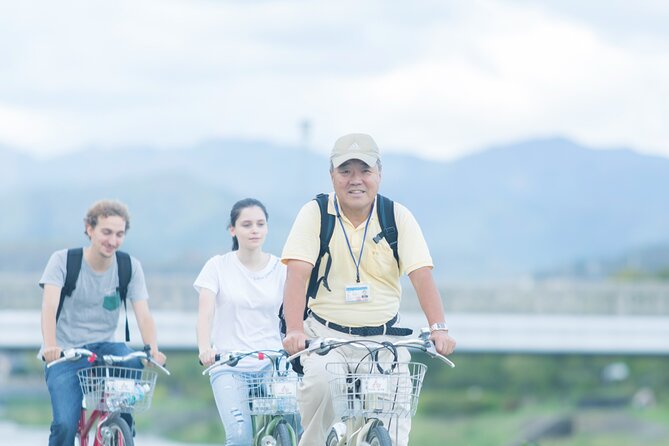
The return follows the Kamo River embankment. This is one of the tour’s nicest changes of mood. After the crowds, gates, and temple halls, you get a calmer ride with open views, greenery, and wildlife along the water.
The river section is not simply transportation between stops. It gives you room to pedal at an easier pace and see a less monumental side of Kyoto. You may find birds and other small signs of city wildlife along the embankment, while the water and broad path provide a welcome contrast to the tight shrine lanes.
Because the tour ends where it begins, you do not need to arrange a separate ride back to your hotel or station. The complete route takes approximately three hours and thirty minutes, including time spent cycling between locations. That point matters when planning the rest of your day. You should allow the full half-day window rather than treating the stated duration as three and a half hours of temple visits.
What the $111.05 price gets you
At $111.05 per person, this is not the cheapest way to see Fushimi Inari. You can visit the shrine without paying admission, and Kyoto’s trains and buses cost far less than a private guided ride.
The price makes more sense when you value the package rather than the entrance tickets. You are paying for the e-bike, helmet, rain poncho, accident insurance, original cycling map, certified English-speaking guide, private format, and route planning. Sanjusangen-do admission is included as well.
For a couple or small family, the private setup can be worthwhile. You do not have to match the pace of a large group, and you can ask questions as the day develops. The personal help can also matter in unexpected ways. JJ, for example, was praised for spending two hours of personal time helping with a small medical emergency and navigating the local health system. That is not something you should book a tour expecting, but it shows the kind of practical support a committed guide may provide.
The value is weaker if you only want the torii gates. In that case, take public transport to Fushimi Inari and spend the money on a longer shrine visit or another activity. This tour earns its price by combining transport, interpretation, equipment, and several stops into one private outing.
The fact that it is often booked about 24 days ahead is a useful planning clue. With only a few places per guide, you should not leave it until the last minute if your Kyoto dates are fixed.
Guides, pace, and the human side of the ride
The guide can make or break a cycling tour, and the strongest reports about this experience focus on warmth, humor, patience, and local explanation. Kaz has been praised for bringing energy and local knowledge to the ride. Yuichi is noted for keeping the outing relaxed, taking photographs, and creating time to sit quietly at a temple.
Tibor has been especially good with children, answering questions patiently and keeping younger riders engaged. JJ and Y Yagyu are also associated with friendly, well-informed guiding and a good sense of humor. Your actual guide depends on availability, but the experience is built around having one person with you throughout the route rather than handing you a map and sending you off.
You should tell the guide at the start if you prefer more temple explanation, more time for photographs, or a gentler pace. The description promises a leisurely ride, but leisurely does not mean stationary. You will still cover several kilometers and navigate public streets.
Rain does not automatically cancel the outing. The tour operates in wet weather and provides a rain poncho, but you should consider your own comfort. A wet bicycle ride beside the river may be memorable, but it will not suit everyone. Comfortable clothing and shoes are sensible choices, though no special clothing is listed as required.
Who should book this Kyoto e-bike tour
I would recommend this experience to you if you want to see Fushimi Inari but also care about how the shrine fits into Kyoto. The ride gives you local streets, two very different temples, a famous Shinto site, and a river return instead of one isolated attraction.
It is a particularly good choice for:
- Couples who want a private half-day outing.
- Families with children aged 10 or older who can ride safely.
- First-time visitors who want a guide to explain religious sites.
- Active visitors who find walking tours too slow or public transport too limiting.
- People who like photography and want a guide who can help take pictures.
- Small groups that want a shared experience without a large tour crowd.
It is less suitable if you dislike road cycling, need step-free access throughout, want to spend several hours hiking up Fushimi Inari, or prefer a tour with no fixed pace. Children must be at least 10 years old, at least 145 centimeters tall, and able to ride unassisted on the road.
The tour is also not ideal for a solo booker because at least two people are required. Most participants can take part, but the bicycle requirement remains important. You need to be confident enough to ride safely and follow directions.
Booking details worth checking before you pay
The meeting point is the Kyoto Cycling Tour Project at the Kyoto Station Cycle Terminal, 552-13 Higashiaburanokojicho, Shimogyo Ward. The tour returns to that same point, which simplifies the start and finish.
You receive confirmation within 48 hours, subject to availability. Since the experience needs a minimum number of participants, the operator may cancel if that minimum is not reached. In that case, you are offered another date or experience, or a full refund.
The cancellation information supplied with the experience is not fully consistent. One note says you can request a refund by contacting the operator at least three days before the tour date by 6 p.m. Japan time, while the stated policy says the experience is non-refundable and cannot be changed. I would ask the operator to confirm the rule before booking, especially if your plans may shift.
My verdict: book it for the route, not just the gates
I like this tour because it treats Fushimi Inari as part of Kyoto rather than the whole show. The e-bike route connects the red torii, Sanjusangen-do’s thousand statues, Tofuku-ji, local streets, and the Kamo River in a compact half-day outing.
Book it if you want active sightseeing, a private guide, and useful cultural context. Skip it if your only goal is a long, unhurried climb through Fushimi Inari or if $111.05 feels too high for a shrine visit that is free to enter.
For most small groups who want to cover southern Kyoto without spending the morning in transit, this is a strong choice. Just confirm the cancellation terms, arrive ready to ride, and leave room afterward for a longer look at Fushimi Inari if the gates capture your imagination.
FAQ
Where does the e-bike tour start and finish?
It starts and ends at the Kyoto Cycling Tour Project, Kyoto Station Cycle Terminal, located at 552-13 Higashiaburanokojicho, Shimogyo Ward, Kyoto, 600-8235, Japan.
How long does the tour last?
The tour lasts approximately three hours and thirty minutes. That time includes cycling between the different locations.
What sights are included?
The route passes the former Nintendo building, visits Sanjusangen-do Temple, stops at Tofuku-ji Temple, and visits Fushimi Inari-taisha Shrine. The return includes cycling along the Kamo River embankment.
Is the tour private?
Yes. Only your group participates. One guide can accept a minimum of two and a maximum of six guests. For groups of seven to twelve, an extra guide can be arranged without an additional fee.
What is included in the price?
The price includes use of the bicycle, helmet, rain poncho, accident insurance, an original cycling map, a licensed or certified English-speaking guide, and admission to Sanjusangen-do Temple.
Can children join the ride?
Children must be at least 10 years old, at least 145 centimeters tall, and able to ride a bicycle safely on the road without assistance.
Does the tour operate in rainy weather?
Yes. The tour operates in rain, and a rain poncho is provided.
Just added around Kyoto
- Kyoto: Zen Meditation at a Private Temple with a Monk★ 5.0 · 25 reviews
- Kyoto: Gion Geisha District & Sake-in-Hand Walking Tour★ 5.0 · 37 reviews
- Private Pewter Sake Cup Experience with a Kyoto Artisan★ 5.0 · 31 reviews
- Your Private Vacation Photography Session In Kyoto★ 5.0 · 110 reviews
- Private Guided Traditional Buddhist Cooking in Japan★ 5.0 · 16 reviews
- Kyoto Wagashi(Japanese sweets) Cooking Class near Fushimiinari★ 5.0 · 60 reviews
- Traditional Japanese Music show & Experience Tour in Kyoto★ 5.0 · 57 reviews
- Kyoto:Family-Friendly Kimono & Yukata Experience at WARGO★ 5.0 · 147 reviews
Kyoto Tours, compared.


Fushimi Inari, Kinkakuji, Bamboo Grove 1 Day Bus Tour
Read our review →
Tea Ceremony in a Traditional Tea House in Kiyomizu
Read our review →
Kyoto Geisha Walking Tour: Gion District & Hidden Gems
Read our review →

Gion Magical Night Walking Tour with Geisha Trivia
Read our review →

Gion Geisha District Walking Tour – Stories of Geisha
Read our review →Browse the lists this tour appears in