
Reviewed · KYOTO TOURS
South Kyoto in a Nutshell: Gentle Backstreet Bike Tour!
South Kyoto is best seen at street level, and this small-group bike tour gets you there without making you wrestle with a city map. You pedal quiet lanes, follow the Takase Canal, pause in Gion, and reach Fushimi Inari before returning to the shop.
I like two things right away: the route mixes major sights with ordinary Kyoto streets, and the included Cannondale bike, helmet, and bottled water keep the morning simple. Guides such as Jay, Indra, Juan, Kevin, and Sam have been praised for clear cycling advice and personal stories about Japanese culture.
The main tradeoff is time. Three to four hours covers a lot of ground, but some stops are brief, especially Tofukuji and Gion. If you want long temple visits or plenty of time for photos, you may feel hurried.
Key points at a glance
- Quiet lanes instead of a bus window: Ride streets that large tours cannot reach, with a guide handling the route.
- A useful South Kyoto sampler: See Nishi Honganji, Takase Canal, Gion, Tofukuji Temple, and Fushimi Inari in one morning.
- Small group, capped at eight: The group size makes it easier to hear directions and ask questions.
- Good bikes included: A high-quality Cannondale bike, helmet, bottled water, and bicycle use are part of the price.
- Mostly gentle riding: The route is described as manageable, but you must be at least 13 and comfortable on a bike.
- Flexible guiding: The route can shift with crowds and group needs, though that flexibility may shorten time at some sights.
Why a bike works so well in South Kyoto
Kyoto can be awkward to cover. Buses are useful but often slow, and walking between the major sights takes time. A bike gives you a middle path: you cover more ground than on foot, yet you still notice small lanes, canals, wooden buildings, and neighborhood temples.
This is not a hard cycling workout. The route is described as relaxed, with easy terrain and mostly side streets. You will still pedal for several hours, so you should be comfortable riding in a city and following traffic instructions. One guide was specifically praised for explaining how to interact with pedestrians and traffic, which is important in Kyoto’s narrow streets.
The group limit of eight is another practical advantage. You are not trying to keep up with a large pack of riders, and the guide can respond to questions or adjust the pace. The ride has been enjoyed by families, older riders, and first-time bike-tour participants, but the minimum age is 13.
The tour starts at 9:00 a.m. at Cycle Kyoto, at 7 Higashikujō Nishisannōchō in Minami Ward. It ends back at the same shop after roughly three to four hours. Since the activity requires good weather, rain or poor conditions can lead to a new date or a full refund.
More bike days around Kyoto:
- Hidden Kyoto E-Biking tour
★ 5.0 · 1,843 reviews - Bike Tour Exploring North Kyoto plus Lunch
★ 5.0 · 1,087 reviews - Arashiyama Bamboo Forest & Hidden Gems Bike Tour (Early Bird)
★ 5.0 · 613 reviews
Starting with a fitted Cannondale bike
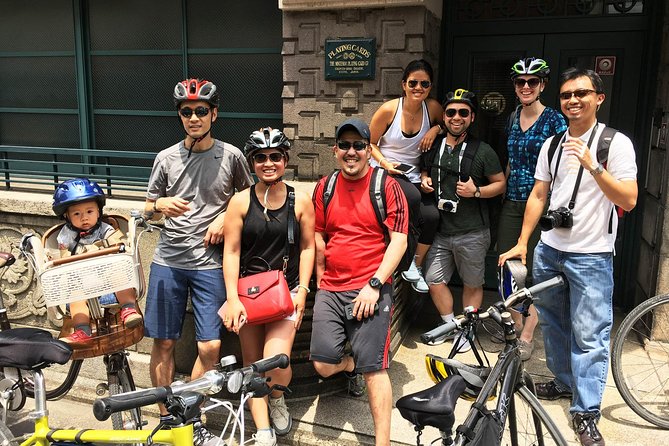
The morning begins at the Cycle Kyoto shop, where you meet the guide and the rest of the group. You get fitted for a bike, receive a helmet, and prepare for the ride. Bike use and bottled water are included, so you do not need to arrange separate rental equipment.
The provided bike matters more than it may sound. A comfortable, reliable bicycle makes a half-day ride feel easy, while a poor rental can turn the same route into work. The bikes have been singled out as being in good condition, and an e-bike upgrade has also been used by at least one rider. The supplied details list a standard Cannondale bike, while the upgrade may involve an added cost, so check the booking terms if you prefer electric assistance.
Use the opening minutes to tell your guide about any concerns. If you are not used to cycling in a city, ask for a clear reminder about stopping, turning, and riding near pedestrians. You should also bring clothing suited to the weather. Kyoto summers can be very hot, and a past outing took place in 36-degree Celsius heat. Bottled water is supplied, but sun protection and extra water may still be sensible on a hot day.
Nishi Honganji, Kyoto’s enormous wooden temple
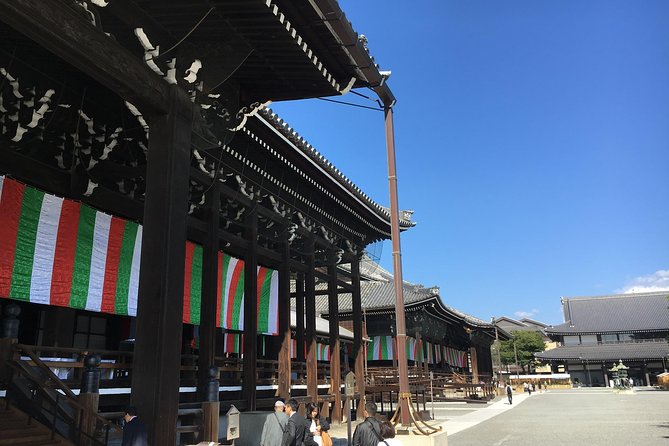
The first major stop is Nishi Honganji, one of Kyoto’s less-visited religious sites and one of the largest wooden buildings in the world. You get about 15 minutes here, enough to enter, look around, and hear the basic story of the temple.
This is a good early stop because it gives you a sense of Kyoto beyond the most photographed attractions. The scale of the wooden structure is the point. It is a place to notice architecture, open space, and religious practice rather than chase a long list of picture spots.
The short visit is also the limitation. You will not have time for a slow, detailed examination of every hall or feature. Think of Nishi Honganji as an introduction, not a full temple tour. Your guide’s explanation adds value because a large Japanese religious complex can be difficult to read without context.
Following the Takase Canal by bicycle
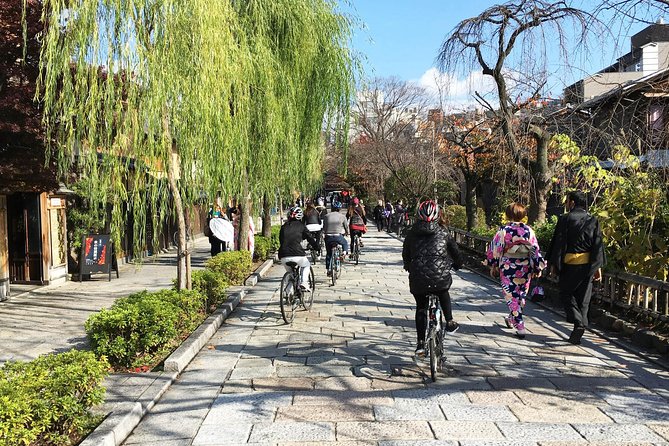
The route then follows the serene Takase Canal. This stretch is one of the tour’s best examples of why a bike beats a coach. You move beside the water, hear about the canal’s place in Kyoto’s past, and can stop for photographs without dealing with a large vehicle.
The canal gives the morning a change of rhythm. After the size of Nishi Honganji, you get a calmer ride through the city. This is where you may notice the ordinary texture of Kyoto: small streets, low buildings, and quiet corners that are easy to miss from a bus.
Do not expect a long riverside picnic or an extended break. The canal is part of the moving route, with photo opportunities along the way. Your guide sets the pace, and the exact amount of stopping can depend on the group and the conditions.
A few more Kyoto half-days to weigh up
- PERFECT KYOTO 1-Day Bus Tour
★ 5.0 · 13,518 reviews - Kyoto: Fushimi Inari, Kinkakuji, Bamboo Grove 1 Day Bus Tour
★ 4.8 · 4,316 reviews - Kyoto: Tea Ceremony in a Traditional Tea House in Kiyomizu
★ 4.9 · 3,519 reviews - Kyoto Geisha Walking Tour: Gion District & Hidden Gems
★ 4.7 · 3,273 reviews
Gion at street level
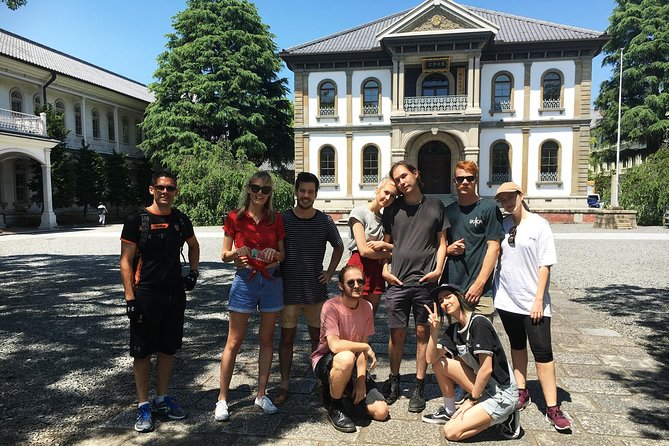
Gion is Kyoto’s famous geisha district, and the tour uses the bicycle to approach it through quieter streets. You stop for around 15 minutes and learn about the district’s traditions, including the world of geisha and maiko. If you are lucky, you might catch sight of one of these entertainers moving between appointments, but that is never something a tour can promise.
Gion is a place where good behavior matters. Follow your guide’s instructions about pedestrians and photography, and avoid treating the district like a stage set. The best part of seeing Gion with a local guide is getting cultural context rather than simply passing rows of traditional buildings.
The short stop may frustrate photographers. One rider felt the time in Gion was rushed and chose to pause separately for pictures. If your priority is quiet observation and careful photography, keep your camera ready and take advantage of the moments when the group stops.
Still, Gion works well in this format. You get a concise introduction, see the district as part of a living neighborhood, and avoid spending the whole morning on one attraction.
Tofukuji Temple and its famous bridge
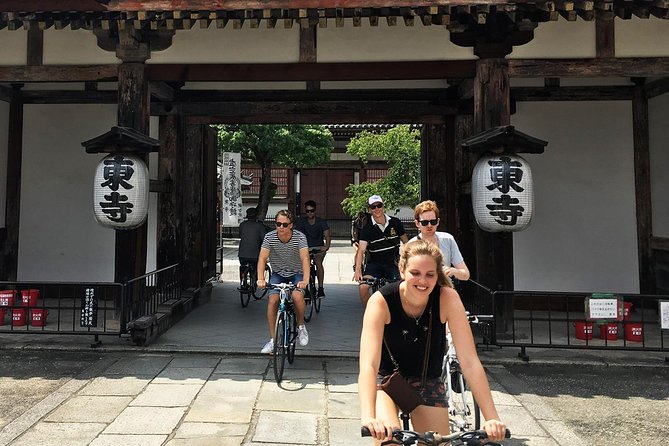
The ride continues to Tofukuji Temple, one of Kyoto’s oldest and largest Zen temples. The stop is listed at about five minutes, with views from the bridge and a look at the temple’s broad surroundings.
That timing tells you how to think about Tofukuji. You are getting a scenic preview rather than a temple visit. The bridge offers an attractive viewpoint, and the spacious grounds help explain why Tofukuji is such a major site, but you will not have time to explore the complex at a leisurely pace.
For many people, this quick stop is enough to mark the temple on a later Kyoto day. If you already plan a separate visit, the bike tour gives you orientation and a useful first look. If Tofukuji is high on your list, plan to return independently with more time.
Fushimi Inari, reached without the usual fuss
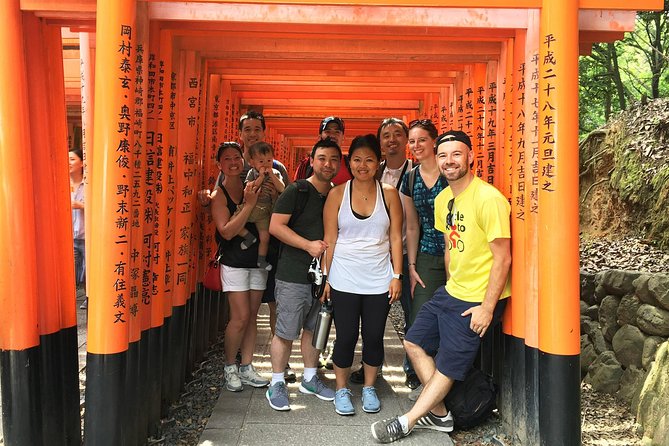
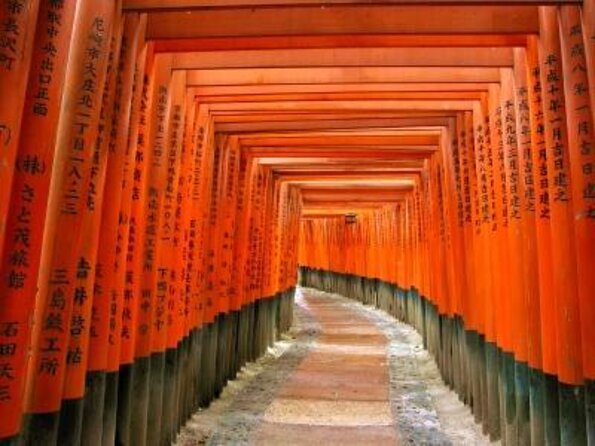
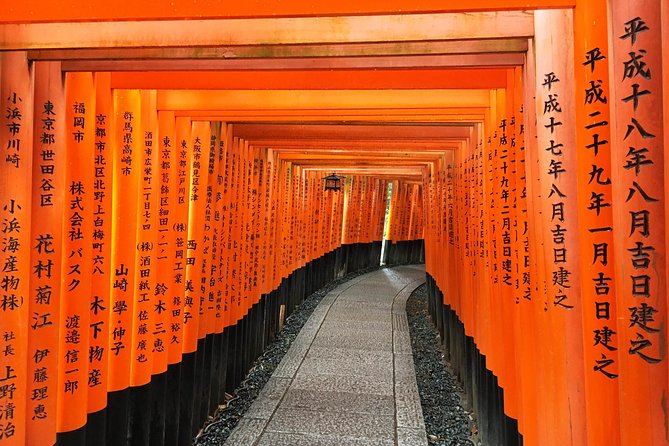
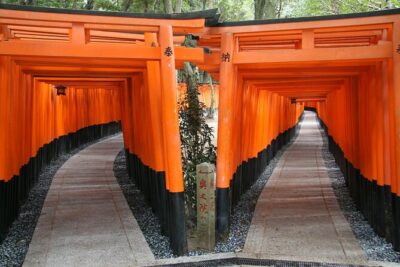
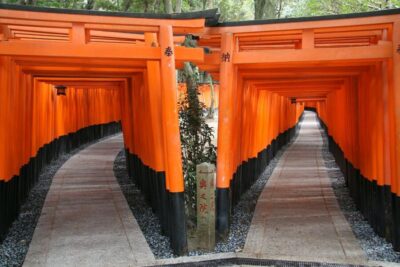
The morning’s headline stop is Fushimi Inari-taisha Shrine, known for its long corridors of orange torii gates. The tour allows about 25 minutes here, and the guide helps you choose a path through the crowds.
That guidance is valuable. Fushimi Inari is free to enter, but the shrine can be confusing and packed near the lower gates. A guide who knows how to move through the site can help you see more without wasting the limited stop time.
You should set your expectations carefully. Twenty-five minutes is enough for an introduction and photographs near the lower section, but not for a full climb through the torii trails. Fushimi Inari’s mountain paths extend much farther than this tour can cover within a half-day route.
The bike also solves a transport problem. Fushimi Inari is in South Kyoto, and combining it with Gion, Nishi Honganji, and Tofukuji by public transport can take planning. Here, the route connects the sights for you, with the guide adjusting the ride around crowds and the group’s pace.
What the guides add to the ride
The strongest part of this experience is the guiding. Several guides have been praised by name for making the ride more than simple transportation. Jay is described as funny and well informed, while Indra is noted for friendly storytelling and careful attention to safety. Juan has been remembered for personal warmth and even adding a special stop connected with Nintendo after learning about a child’s interest.
Kevin, Sam, Jaime, Carl, Thierry, Julian, Paul, and Quin are also named in individual praise for their stories, cultural explanations, route guidance, and friendly manner. One guide was an ordained Shinto priest, offering a particularly personal view of religion and the meaning of the shrines and temples. Another guide helped with a restaurant reservation, and Jaime offered lunch suggestions.
These details point to a useful feature of the tour: your experience depends partly on who leads it. The company’s guides appear to bring different backgrounds and personalities, so you may receive anything from formal historical explanation to personal stories about life in Japan. The common thread is clear instruction, cultural context, and a willingness to answer questions.
There is one caution. A group tour has to serve everyone. One rider felt that side conversations used time that could have gone to another stop. Your guide may also change the route because of crowds or the group’s schedule. That flexibility can improve the ride, but it means the tour is not a rigid, minute-by-minute sightseeing plan.
Is $79.59 a fair price?
At $79.59 per person, the price is reasonable if you value convenience and local guidance. You are paying for roughly half a day of access to a good bike, helmet, bottled water, route planning, and a guide who connects several parts of South Kyoto.
The comparison is simple. You could rent a bike and visit some of these sights yourself for less, but you would need to work out the route, understand local riding conditions, decide how to approach Fushimi Inari, and provide your own historical background. A walking tour might offer more time at each stop but would cover less ground.
The tour is especially good value on a first Kyoto visit. You see enough of South Kyoto to understand how the districts fit together, then you can return later to the places that deserve more time. It is less valuable if you already know the city well, dislike group pacing, or want a deep visit inside every temple.
The 99 percent recommendation rate and 5 out of 5 rating from 225 reviews indicate a very strong record, but the one lower score is useful to keep in mind. The route favors variety and movement over long pauses. Pay for the experience as a guided overview, not as five separate attraction visits.
Who should book this South Kyoto ride?
I would choose this tour for a first morning in Kyoto, especially if you want to get oriented quickly. It gives you a broad look at religious sites, traditional districts, canals, and everyday backstreets without asking you to spend hours planning connections.
It suits active couples, families with children aged 13 or older, and solo riders who like having a guide nearby. It also works well for anyone who finds city buses confusing or wants a more personal alternative to a standard sightseeing coach.
You should think twice if you are not comfortable on a bicycle, need a long rest at each stop, or want to climb far into the Fushimi Inari gates. Hot weather can make the ride harder, and rain can cancel it. The experience is gentle, but it is still a bike ride.
Free cancellation is available up to 24 hours before the 9:00 a.m. start for a full refund. Changes or cancellations inside that window are not accepted, and no refund is provided. The tour also needs a minimum number of participants, so a cancellation for that reason brings an alternative date, another experience, or a full refund.
My call: book it for the route, not the checklist
Book this tour if you want a friendly, active introduction to South Kyoto and like the idea of connecting famous sights by quiet streets. The small group, included equipment, strong guiding, and useful mix of Gion, Fushimi Inari, Tofukuji, Nishi Honganji, and the Takase Canal make the $79.59 price sensible.
Do not book it expecting a full tour of every temple or an unhurried photography session. The smart plan is to use the ride as your Kyoto orientation, listen closely to the guide, and mark two or three places for a later visit. For that purpose, it is one of the more efficient ways to get your bearings while still feeling the city under your own power.
FAQ
Where does the South Kyoto bike tour start and finish?
The tour starts at Cycle Kyoto, 7 Higashikujō Nishisannōchō, Minami Ward, Kyoto, 601-8003, Japan. It ends back at the same meeting point.
What time does the tour begin?
The start time is 9:00 a.m.
How long does the bike tour last?
The experience lasts approximately three to four hours.
What equipment is included?
The price includes a high-quality Cannondale bike, helmet, bottled water, and use of the bicycle.
How old must I be to join?
Riders must be at least 13 years old and comfortable riding a bike.
What happens if the weather is poor?
The tour requires good weather. If it is canceled because of poor conditions, you will be offered a different date or a full refund.
Just added around Kyoto
- Kyoto: Zen Meditation at a Private Temple with a Monk★ 5.0 · 25 reviews
- Kyoto: Gion Geisha District & Sake-in-Hand Walking Tour★ 5.0 · 37 reviews
- Private Pewter Sake Cup Experience with a Kyoto Artisan★ 5.0 · 31 reviews
- Your Private Vacation Photography Session In Kyoto★ 5.0 · 110 reviews
- Private Guided Traditional Buddhist Cooking in Japan★ 5.0 · 16 reviews
- Kyoto Wagashi(Japanese sweets) Cooking Class near Fushimiinari★ 5.0 · 60 reviews
- Traditional Japanese Music show & Experience Tour in Kyoto★ 5.0 · 57 reviews
- Kyoto:Family-Friendly Kimono & Yukata Experience at WARGO★ 5.0 · 147 reviews
Kyoto Tours, compared.
Fushimi Inari, Kinkakuji, Bamboo Grove 1 Day Bus Tour
Read our review →
Tea Ceremony in a Traditional Tea House in Kiyomizu
Read our review →
Kyoto Geisha Walking Tour: Gion District & Hidden Gems
Read our review →
Gion Magical Night Walking Tour with Geisha Trivia
Read our review →
Gion Geisha District Walking Tour – Stories of Geisha
Read our review →Browse the lists this tour appears in