
Reviewed · TOKYO TOURS
The Dark Side of Tokyo – Night Walking Tour Shinjuku Kabukicho
Tokyo’s so-called dark side is not a horror show. It is Shinjuku after sunset, where drinking alleys, adult businesses, tiny bars, shrines, neon signs, and LGBTQI nightlife sit close together. This walking tour gives you the local map and the social context before you head out on your own.
I like the small groups, capped at 12, and the way the tour covers several very different corners of Shinjuku on foot. I also like the plainspoken explanations of Japanese nightlife laws, local customs, adult entertainment, food, hotels, and the people who work in the area. Guides including Polina, Gray, Danny, Daniel, Kumi, and Loc are repeatedly praised for warmth, humor, and clear English.
The main drawback is practical: this is not a loop. The tour begins at Shinjuku Station’s East Exit and ends around Shinjuku 3 Chome, so you need to orient yourself for the return trip. Rain can also make the group harder to follow in crowded streets, and food and drinks cost extra.
Key points to know before you book
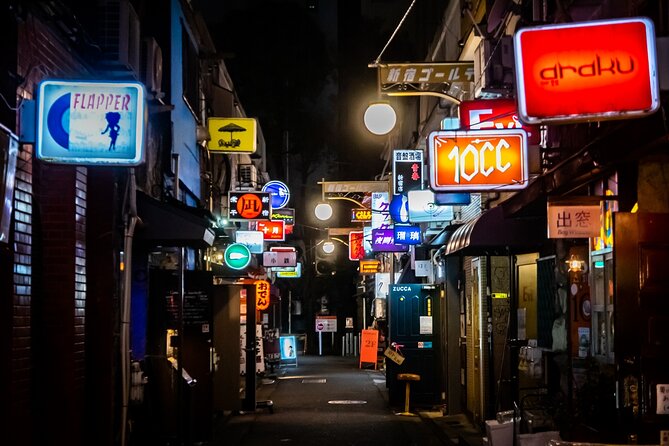
- Omoide Yokocho starts the evening with old-school drinking lanes and a close look at one of Tokyo’s most famous narrow food districts.
- Kabukicho is explained rather than merely photographed, including its nightlife rules, adult businesses, and local ways of working around regulations.
- Godzilla Head provides a memorable landmark, with time to see its show during the walk.
- The tiny bar district and LGBTQI area add variety, showing that Shinjuku nightlife is not one single scene.
- The tour is capped at 12 people, with some departures becoming much smaller, even four people in total.
- The $25 price buys a useful orientation, but you should budget separately for dinner, drinks, and any nightlife you choose afterward.
What the Dark Side of Tokyo tour is really about
The title sounds sensational, but the experience is better understood as a guided introduction to parts of Tokyo that can be confusing to a first-time visitor. You walk through Shinjuku’s nightlife areas while your guide explains what you are seeing and how the districts fit together.
That matters here. A street full of glowing signs may look exciting, but it can be hard to tell which places are ordinary restaurants, which are bars, which cater to adult entertainment, and which are aimed at a particular local crowd. English information is limited in many spots, so a good guide gives you context you would not easily get by wandering alone.
This is also a walking tour, not a pub crawl. The guide fee is included, but dinner and drinks are not. You will look at the districts, hear about their culture and subculture, and finish near Shinjuku 3 Chome with ideas for continuing your evening.
More walking tours in Tokyo:
- Tokyo Tsukiji Fish Market Food and Culture Walking Tour
★ 5.0 · 3,184 reviews - Tokyo: Imperial Palace and Shogun Historical Walking Tour
★ 5.0 · 2,251 reviews - Tokyo: Shinjuku Local Bar and Izakaya Guided Walking Tour
★ 4.9 · 1,794 reviews
Meeting at Shinjuku East Exit
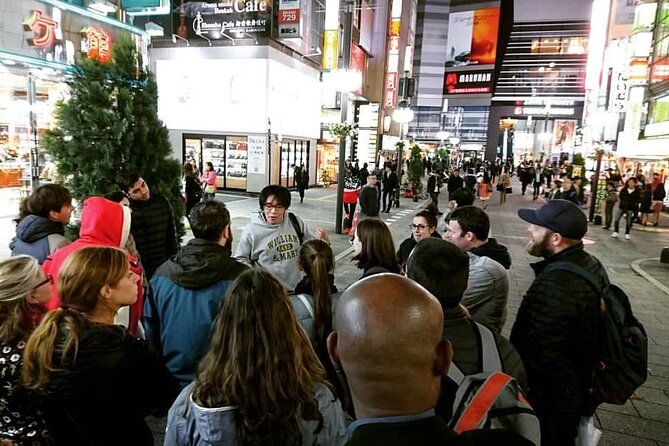
The starting point is the police box at Shinjuku Station’s East Exit, listed as 3 Chome 38-1 Shinjuku. Pay close attention to the wording: this is a police box, not a telephone box. One person had trouble finding it because they expected the wrong kind of landmark.
Shinjuku Station is large and can feel disorienting, especially after dark. Give yourself enough time to reach the East Exit, then look for the small police facility rather than searching for a public phone. Your mobile ticket and booking confirmation should be available when you arrive.
The tour is limited to 12 people. That cap makes a real difference in narrow lanes, where a large group would block the walkway and make conversation difficult. Some departures are much smaller. One group had only four people, which allowed plenty of room for questions and direct conversation with the guide.
Omoide Yokocho and Tokyo’s drinking alleys
The first major stop is Omoide Yokocho, the famous drinking alley near Shinjuku. Its name is often translated as Memory Lane, and its appeal is physical as much as historical: narrow passages, small eateries, compact counters, and a strong sense that this is a place built for local evening meals rather than grand sightseeing.
You will see why Tokyo’s small drinking districts can feel both inviting and intimidating. The lanes are close, the entrances are small, and each establishment has its own rhythm. A guide can explain what kind of place you are looking at and suggest how the area connects to the wider food and nightlife culture of Shinjuku.
Do not expect dinner to be part of the tour. The guide fee covers the walk, while food and drinks are extra. If you want to eat in Omoide Yokocho, you can treat this section as a preview and return later, though the tour itself continues through several districts rather than stopping for a full meal.
Kabukicho, Tokyo’s biggest nightlife district
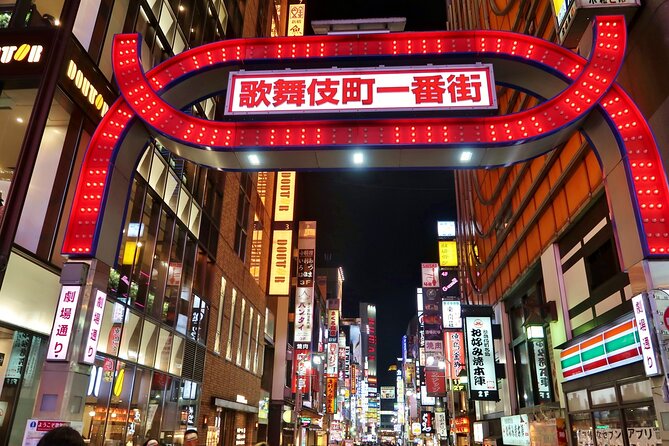
From the drinking lanes, the walk moves into Kabukicho, the largest nightlife area in Tokyo. This is the part of the experience most connected to the tour’s title, but the value is in understanding the area rather than simply gawking at it.
Your guide explains the legal structure around nightlife and adult entertainment, along with how businesses and workers operate within those rules. This practical information helps you read the streets more sensibly. You learn why certain businesses look the way they do, how the district developed, and what separates ordinary nightlife from places designed to sell a particular kind of company or service.
The subject can be sensitive. The tour discusses sex work and the adult industry in a direct but educational way. That makes it a better fit for adults who want cultural context, not for anyone seeking a sanitized family sightseeing walk.
Several guides are praised for making this material approachable. Danny is described as funny and friendly while giving a detailed introduction to Kabukicho. Daniel is noted for explaining the area clearly and offering suggestions for food and drinks. Gray is repeatedly singled out for an inclusive, entertaining approach.
More evenings out in Tokyo:
- Tokyo Night Foodie Tour in Shinjuku – Seasonal Sushi, Wagyu Beef
★ 5.0 · 1,161 reviews - Tokyo: Daikoku JDM Car Meet & Night Car Culture Tour
★ 4.8 · 626 reviews - Tokyo After 5: Authentic Japanese Food & Drink Night Tour
★ 4.5 · 560 reviews - Tokyo: Samurai Entertainment Night Show in Kanda Shrine
★ 4.6 · 417 reviews
Godzilla Head and the neon core
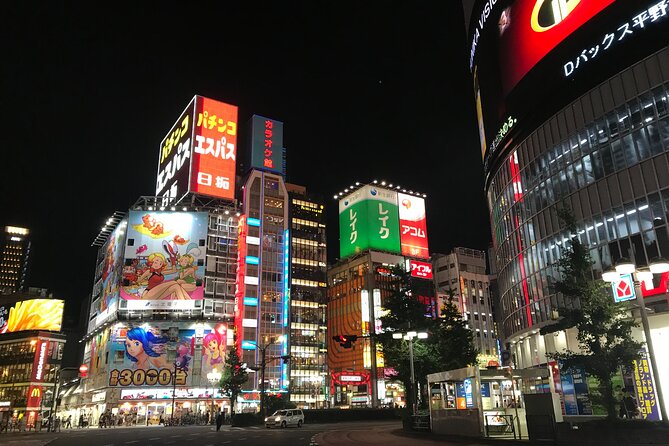
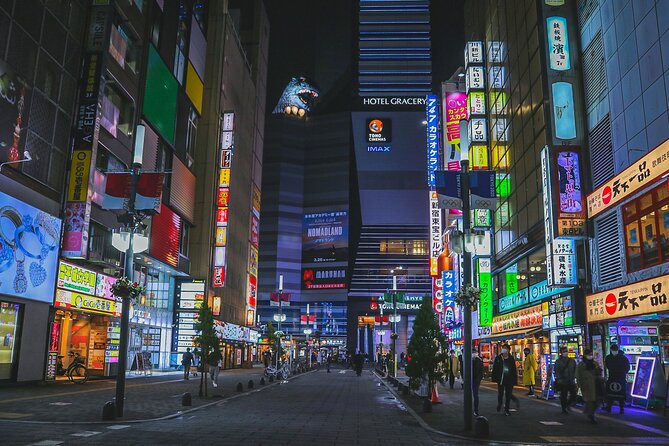
The route includes the famous Godzilla Head, one of Kabukicho’s easiest landmarks to recognize. You will have a chance to see its show, adding a lighter and more theatrical moment to an otherwise discussion-heavy walk.
Godzilla Head is useful beyond the photo opportunity. In a district filled with signs and side streets, a large, familiar landmark helps you understand where you are. It also shows how Kabukicho mixes commercial spectacle with ordinary city life.
After dark, hundreds of neon signs create the visual drama that brings many people to Shinjuku in the first place. You will get close to that glow on foot instead of viewing it from a lookout or passing through in a taxi. The tradeoff is that the streets can be crowded, and the group may need to stay close to the guide.
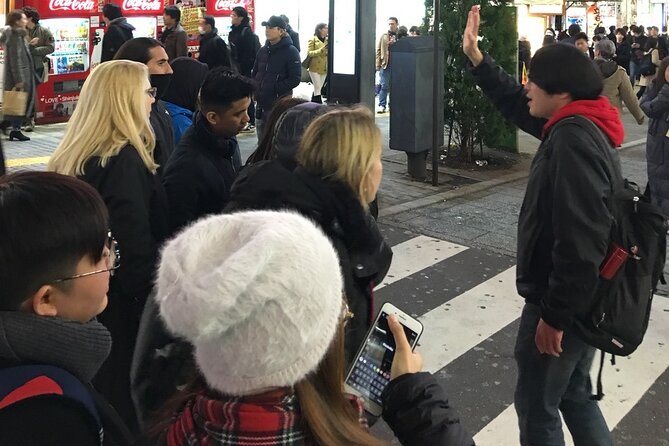
Rain makes this harder. One rainy evening, members of the group became spread out among other walking groups and pedestrians. A brightly colored sign or raised marker would have helped. If the weather is poor, wear something easy for the guide to spot and keep the person leading the group in view.
The narrow bar district
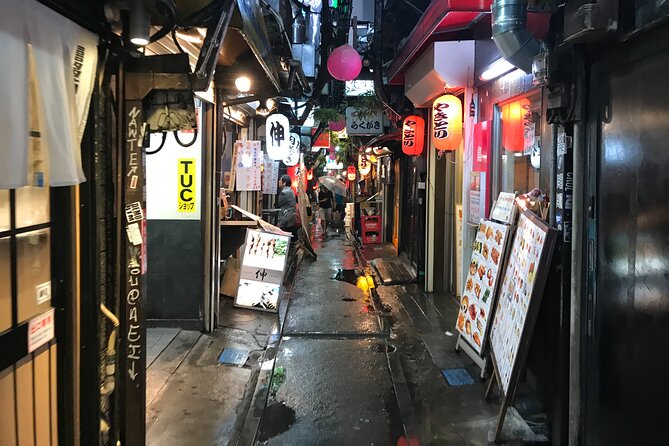
The itinerary also includes a narrow bar district, a useful counterpoint to the larger streets of Kabukicho. Here, the scale changes. Instead of broad commercial roads and large illuminated buildings, you see compact lanes and very small bars.
This stop helps explain why Shinjuku nightlife cannot be reduced to one giant entertainment zone. The district contains different kinds of venues, different audiences, and different expectations about how an evening works. Your guide can point out those differences while you walk, giving you a clearer sense of the local layout.
The narrow lanes are also where a small group earns its keep. Twelve people is the maximum, and a smaller group will be easier to manage. Keep your walking pace steady and avoid falling behind while taking photos. The tour is designed to keep moving through the neighborhood rather than wait at every storefront.
A Shinto shrine in the middle of nightlife
A Shinto shrine is another stop on the route. Its inclusion gives the evening a welcome change of tone. In only a short walk, you move from entertainment signs and bar streets to a place connected with Japanese religious tradition.
The shrine also helps put Shinjuku in perspective. Tokyo’s nightlife does not exist in a separate bubble. Older customs, neighborhood life, commerce, worship, and modern entertainment can sit side by side. A guide can explain the contrast and the local setting in a way that a quick photograph cannot.
This is one reason I would choose the tour early in a Tokyo stay. The walk gives you a mental map of Shinjuku, then shows how different parts of the district relate to one another. Afterward, you can return to the places that interest you most with less risk of getting lost or wandering into an area that feels uncomfortable.
Tokyo’s LGBTQI district
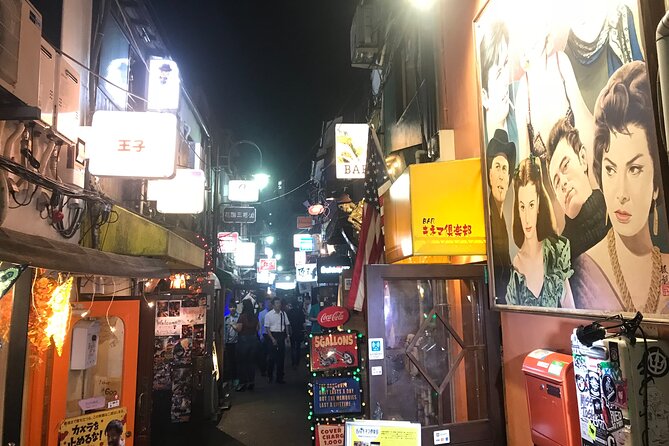
The final major theme is Shinjuku’s LGBTQI district, often called Gay Town. The tour presents it as one part of the wider nightlife culture, not as a separate curiosity.
This area is known for narrow bars and a strong sense of community, but the important point for you is that it has its own character and social codes. A guide can explain the district respectfully and help you understand why it matters within Tokyo’s nightlife scene.
The inclusion of the LGBTQI area makes the route more rounded. You are not seeing only the commercial or adult side of Shinjuku. You are also learning about a community district, traditional religious space, food streets, and popular urban entertainment. That range gives the two-hour walk more substance.
What the guides add to the evening
The guide is the deciding factor on a tour like this. The streets are easy enough to walk, but the meaning behind them is not always obvious. The strongest guide reports point to clear English, humor, openness to questions, and solid knowledge of Japanese history and present-day culture.
Polina, also referred to as Paulina in some feedback, is described as softly spoken but easy to hear over the city noise. She explains less familiar parts of Japanese culture clearly and answers questions without rushing. Gray is praised for humor, an inclusive manner, and useful explanations of the area. Danny and Danni are noted for keeping the group engaged, while Loc is praised for friendly, fluent answers.
Names and guide assignments can change, so you should not book on the assumption that one particular person will lead your departure. Still, the range of positive comments points to a consistent strength: the guides do more than lead you between landmarks. They interpret the neighborhood.
The tour can also run longer than the advertised two hours in some circumstances. One particularly enthusiastic account describes more than three hours at a fast pace. Treat two hours as the approximate plan, and avoid scheduling a tight dinner reservation immediately afterward.
Is $25 a fair price?
At $25 per person, this is a reasonable buy if you want local explanation rather than a simple nighttime stroll. You are paying for a guide who can explain laws, history, social customs, food districts, hotels, and adult entertainment while leading you through a difficult area to interpret alone.
The value is strongest for a first visit to Tokyo. A guide can help you get your bearings on the first day, then you can decide where to spend the rest of your evening. Several people specifically used the experience as a starting point for a night out.
The price does not include food or drinks. That keeps the basic cost low, but your actual evening budget will rise if you stop for dinner or continue into bars afterward. Think of the $25 as an orientation fee, not the cost of a complete night on the town.
Who should book this walk?
I would recommend it to adults who want a less polished view of Tokyo and who enjoy learning how a city works behind its famous signs. It is especially useful if you are staying in or near Shinjuku, arriving early in your trip, or feeling unsure about navigating nightlife areas alone.
It also suits curious visitors who want more than temples, department stores, and standard sightseeing stops. The mix of Omoide Yokocho, Kabukicho, Godzilla Head, the narrow bar district, a Shinto shrine, and the LGBTQI area gives you a broad introduction in a short time.
I would skip it if you want a relaxed meal, a conventional history walk, or a tour with no adult themes. You should also reconsider if you dislike walking in crowded streets, need a fully fixed two-hour schedule, or expect the tour to return to the meeting point.
The tour requires good weather. If poor weather cancels it, you are offered another date or a full refund. You can cancel for a full refund up to 24 hours before the start time, but cancellations or changes inside that window are not accepted.
Should you book the Dark Side of Tokyo tour?
Book it if you want to understand Shinjuku before exploring it on your own. The best reasons are the small group, the practical explanation of nightlife laws and customs, and the chance to see several contrasting districts in one evening.
Go in with realistic expectations. You will not receive dinner, drinks, or a guided return to the starting point. You will walk through adult-oriented areas, stay alert in crowds, and finish around Shinjuku 3 Chome rather than at Shinjuku Station East Exit.
For $25, I think it is a smart first-night choice for curious adults. It gives you a safer sense of the area, useful landmarks, and enough background to make better choices with the rest of your Tokyo evening.
FAQ
How long does the Dark Side of Tokyo tour last?
The tour lasts approximately two hours, although the exact length can vary. One account describes a much longer, fast-paced experience, so avoid making an immediately timed reservation afterward.
Where does the tour start?
The meeting point is the police box at Shinjuku Station’s East Exit, at 3 Chome 38-1 Shinjuku, Shinjuku City, Tokyo 160-0022, Japan.
Where does the tour finish?
The tour finishes around Shinjuku 3 Chome. It does not return to the starting point at the Shinjuku Station East Exit police box.
Is dinner included?
No. The tour includes the guide fee only. Dinner, food, and drinks cost extra.
How many people can join the tour?
The tour has a maximum of 12 participants. Some departures may be much smaller.
What areas does the walking tour visit?
The route includes Omoide Yokocho, Kabukicho, the Godzilla Head area, a narrow bar district, a Shinto shrine in Shinjuku, and the LGBTQI district often called Gay Town.
Is the tour suitable for people who want to learn about adult entertainment?
Yes. The tour explains the adult industry, local nightlife, and how workers and businesses operate within Japanese laws. It is intended as an educational look at the area.
Can I use a mobile ticket?
Yes. The experience provides a mobile ticket.
Can I cancel for a full refund?
Yes, if you cancel at least 24 hours before the experience start time. Cancellations made less than 24 hours before the start time are not refunded.
What happens if bad weather cancels the tour?
The experience requires good weather. If it is canceled because of poor weather, you are offered a different date or a full refund.
Just added around Tokyo
- Private Arrival Transfer : Narita International Airport to Central Tokyo City★ 4.5 · 12 reviews
- Narita Airport(NRT): Private Transfer to Tokyo/Yokohama 1-9pax★ 5.0 · 47 reviews
- Private Transfer from Narita Airport to Yokohama Port and City★ 4.5 · 17 reviews
- [Narita Airport Terminals 1, 2] 40-60km Sawara Itako Historic Bike Tour★ 5.0 · 13 reviews
- 3 Day Japan Highlights Tour: Tokyo, Mt.Fuji, Nara, Kyoto, Osaka★ 5.0 · 22 reviews
- Small Town in the Big City: Tasting Tokyo’s Kichijoji★ 5.0 · 195 reviews
- Small Town in the Big City: Tasting Tokyo’s Kichijoji★ 5.0 · 16 reviews
- The 10 Tastings of Tokyo With Locals: Private Street Food Tour★ 5.0 · 48 reviews
Tokyo Tours, compared.

Mt Fuji and Hakone 1-Day Bus Tour Return by Bullet Train
Read our review →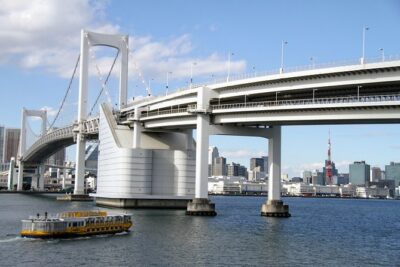
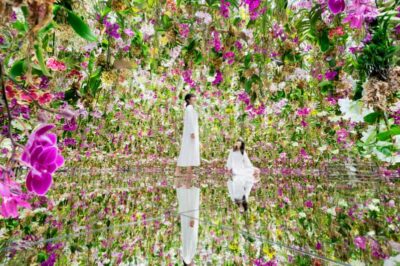
teamLab Planets TOKYO Digital Art Museum Entry Ticket
Read our review →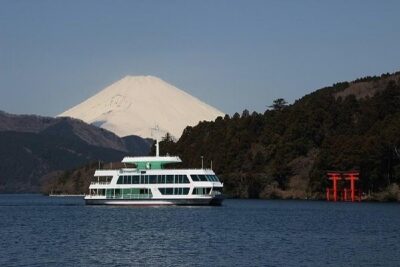
Mt Fuji & Hakone Cruise, Drum Show Bullet Train 1 Day from Tokyo
Read our review →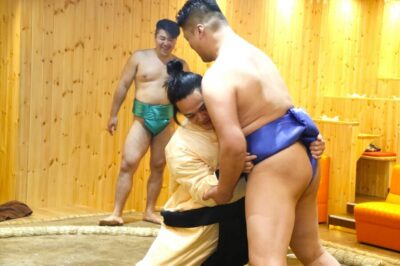
Sumo Show Experience with Chicken Hot Pot and a Photo
Read our review →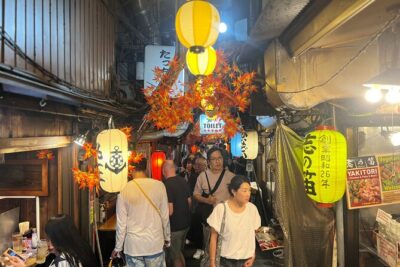
Shinjuku Food Tour (13 Dishes at 4 Local Eateries)
Read our review →
Tokyo Mt Fuji 5th St & Hakone Cruise Bus Tour w/Bullet Train
Read our review →
Flagship 2-Hours Official Street Go-Kart Tour – Tokyo Bay Shop
Read our review →Browse the lists this tour appears in