
Reviewed · TOKYO TOURS
Tokyo: Samurai Kendo Practice Experience
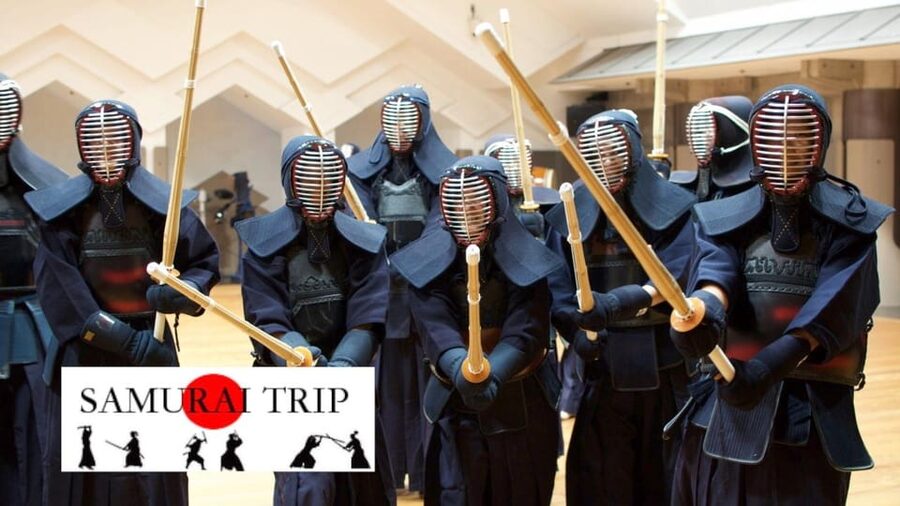
Tokyo’s Samurai Kendo Practice Experience puts you inside a real dojo, not a staged samurai show. In two hours, you learn etiquette, footwork, and basic strikes before trying light combat in rented armor with a bamboo sword. Nagamatsu-sensei and his assistants teach beginners with enough structure to make the session feel like genuine training.
I like the small group size, limited to six, because it gives you room to practice rather than simply watch. I also like the balance of discipline and play: you learn the formal strikes called men, kote, and do, then test them in friendly games and light sparring. The main concern is communication. Instruction is in English and Japanese, and some visitors found the English explanations fast or hard to follow.
Kendo in Tokyo: Key Points
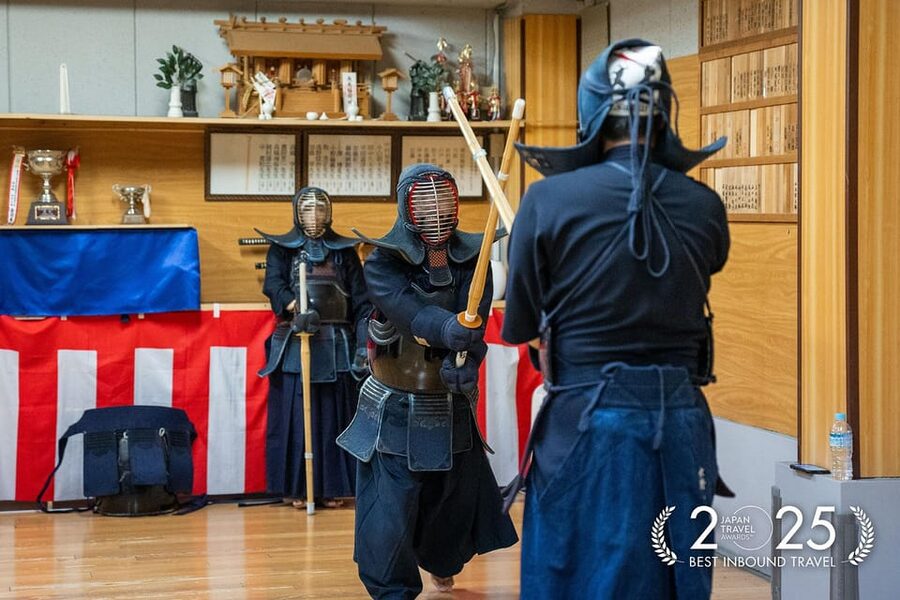
- Real dojo setting: Train at Seidokan, a house-style dojo about 10 to 12 minutes from JR Uguisudani Station.
- Full protective equipment: Put on rented kendo armor and use the equipment provided for the session.
- Beginner-friendly combat: Learn basic techniques, then try light sparring and playful practice games.
- Experienced instruction: Nagamatsu-sensei and his assistants teach kendo rules, movement, etiquette, and sword technique.
- Small class size: Groups are limited to six participants, giving you active practice time.
- Practical extras: Mineral water and a Japanese hand towel are included, but food and hotel pickup are not.
Entering the Seidokan Dojo Near Uguisudani
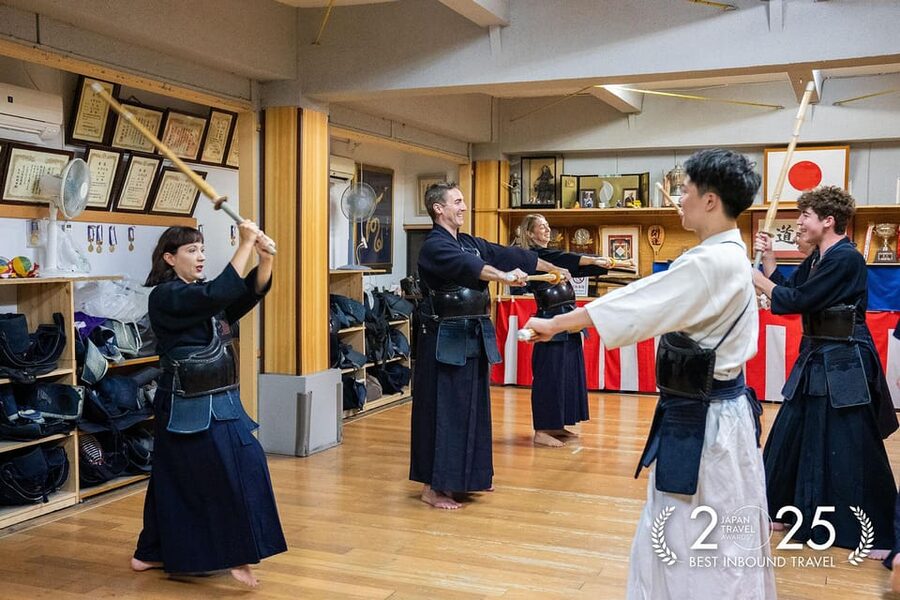
The meeting point is Seidokan, at 4-7-2 Higashinippori, Arakawa-ku, Tokyo. From the north exit of JR Uguisudani Station, allow about 10 to 12 minutes on foot.
This is not a large tourist attraction with bright signs and a polished reception desk. It operates from a house-style dojo, so finding the entrance can take a little patience. One participant had trouble locating it at first, and that is useful advice: give yourself extra time and arrive without rushing.
I like this setting because it supports the point of the activity. You are entering a working martial arts space, not a theater set built to resemble one. The quiet room, formal greetings, pictures, awards, and training equipment help you understand that kendo is a living discipline practiced by serious students.
The class size is limited to six people. That matters here. Kendo requires close attention to stance, footwork, distance, and timing, so a crowded class would reduce your practice time. A small group also makes it easier to ask for help, though the amount of English explanation can vary.
More Samurai and Ninja Experiences in Tokyo
- Tokyo: Samurai Restaurant Show Ticket with 2 Drinks
★ 4.5 · 1,307 reviews - Tokyo: Samurai Ninja Museum Guided tour and Experience
★ 4.6 · 1,010 reviews - Tokyo: Samurai Sword & Archery Class from Samurai Descendant
★ 5.0 · 603 reviews
The First Lesson: Etiquette, Stance, and Footwork
Kendo is not simply waving a bamboo sword at a target. The session begins with the basics that make the strikes safe and meaningful. You learn how to stand, hold the sword, move your feet, and follow dojo etiquette.
The teachers guide beginners as if they are preparing for a real match. That does not mean you are thrown into a serious contest at once. It means the movements have purpose, and you are expected to pay attention to form rather than treat the equipment as a costume.
Footwork is one of the less obvious challenges. The smooth forward movement looks simple when an expert performs it, but it takes concentration when you try it yourself. If you have previous martial arts experience, you may recognize some of the body control involved. If not, expect to learn quickly and repeat the same movement until it feels less awkward.
The instruction can feel strict. That is part of the experience, but the teachers also use humor and keep the mood friendly. One instructor has been practicing kendo for more than 60 years, according to the experience details shared during the class, so you get a clear reminder of the gap between a beginner’s first steps and an expert’s speed.
Wearing the Kendo Armor
You receive rental armor and equipment, then change into the traditional kendo uniform and protective gear. Putting on the armor is a major part of the experience because it changes the way you move and gives the practice a physical sense that a short demonstration cannot provide.
The head protector, or men, can be difficult to wear with glasses. The guidance specifically advises against wearing spectacles while using the head armor because of the fit and the risk of damage. If you rely on glasses, bring contact lenses if possible.
Wear loose exercise clothing. Uniform sizes may not cover every body type, and the equipment can feel restrictive even when it fits. A previous participant found the activity less suitable for a plus-size body, so it is sensible to contact the provider in advance if clothing or armor fit may be an issue.
You will also sweat. The session involves repeated movement and protective gear, so bring fresh clothes for afterward. Mineral water is included, but bringing your own water is still sensible, especially if you are visiting Tokyo in hot weather.
Learning Men, Kote, and Do
Once equipped, you work through three basic target areas:
- Men, the head
- Kote, the wrist
- Do, the torso
These are not random places to hit. Kendo has formal rules for where a valid strike lands and how the movement is completed. The teacher explains the official approach, then lets you practice the techniques with guidance.
The bamboo sword, called a shinai, is built for training. You still need control, timing, and awareness, but this is not a historical sword duel. The point is to learn how kendo uses distance, posture, speed, and discipline.
You may also be shown counter techniques. This adds useful depth to the session because you begin to see that kendo is not only about attacking first. You watch for an opening, respond to your partner, and keep the correct form while moving.
The class is active from the start. You will not spend two hours listening to a lecture about samurai history. Short explanations lead into physical practice, which is a better fit if you want to understand kendo through your body as well as your head.
More samurai and ninja sessions in Tokyo:
- Best Samurai Experience in Tokyo
★ 5.0 · 458 reviews - Ninja Experience (Family Friendly) at Samurai Ninja Museum TOKYO
★ 5.0 · 441 reviews - Tokyo: Samurai Entertainment Night Show in Kanda Shrine
★ 4.6 · 417 reviews - Tokyo Sword Experience – includes Museum Ticket/Ninja Experience
★ 5.0 · 314 reviews
Light Sparring and Playful Combat
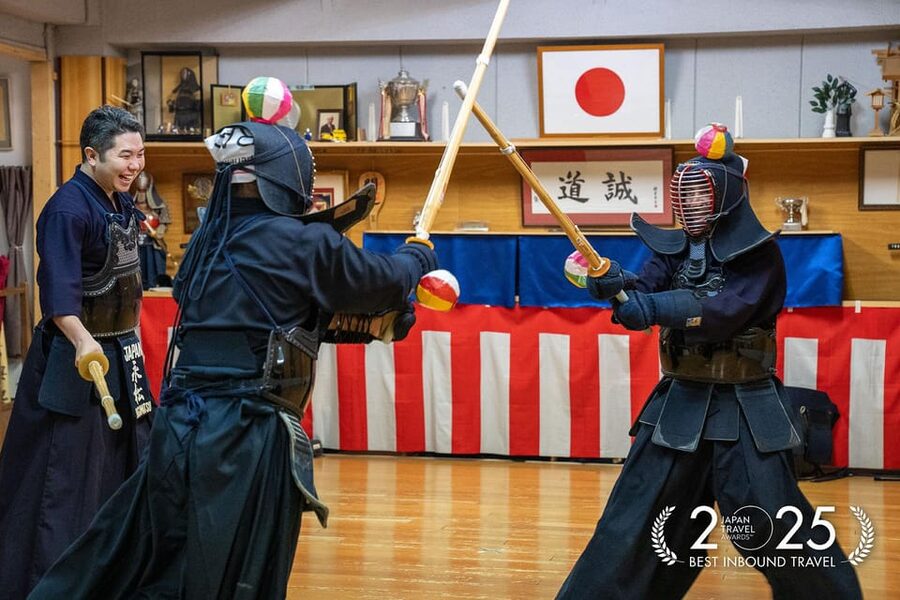
The most exciting part comes when you use what you have learned. Beginners may take part in light sparring, playful games, and simple combat exercises against one another or against the instructor.
Some sessions use balloons in the games. It sounds unusual, but it gives beginners a less intimidating way to work on accuracy and timing. Other exercises help you react to movement while keeping the atmosphere fun.
The word combat needs a little context. You are practicing kendo, not entering a full-contact competition. The session is designed for first-timers, but strikes to the protective helmet can still feel forceful. One family felt the instructor was too rough at times, particularly during helmet strikes. If you are traveling with children or anyone nervous about contact, explain your comfort level before the sparring begins.
The positive side is that you get more action than a typical cultural demonstration. You are not only told how kendo works. You try the techniques, make mistakes, laugh at the awkward moments, and discover how quickly an experienced practitioner can move.
That contrast is valuable. Movies make swordsmanship look easy. Kendo shows you how much control, stamina, and precision sit behind a single clean strike.
Meeting the Instructors
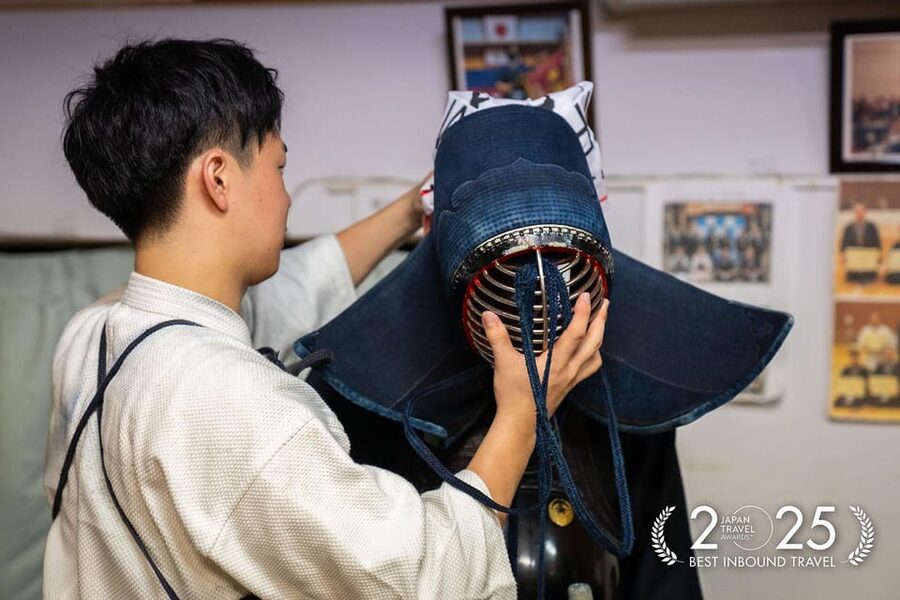
The teaching team includes Nagamatsu-sensei and other experienced instructors. Their approach is formal but approachable. You can expect correction, repetition, and clear expectations, along with humor and encouragement.
The English is sufficient for the basic session, but it is not always smooth. One participant found the instructor sometimes spoke too quickly, while another had trouble understanding certain explanations. You should watch demonstrations carefully and ask for a repeat when needed. Kendo is a physical activity, so you can often learn by copying the movement even when a sentence is unclear.
The direct manner may feel blunt to some people. I would not choose this activity if you want a soft, highly polished tourist presentation. I would choose it if you want a more authentic dojo tone and are comfortable with an instructor correcting your stance or telling you to repeat a movement.
The small class helps here. With no more than six people, the instructors can watch your footwork and strikes. You get a chance to practice rather than wait through long turns.
Handling a Real Katana
The main training uses bamboo swords and protective gear. Some sessions also include the chance to handle a real katana under instruction. This is a memorable contrast, but it should not be confused with using a sharp sword in combat.
The value is cultural and tactile. A real katana has a different presence from a lightweight training sword, and handling one helps you understand why control and etiquette matter. Follow the instructor’s directions closely and treat this part as a supervised demonstration, not a chance to perform your own sword tricks.
This detail may appeal to visitors who booked because of an interest in samurai culture. Still, the core of the experience is kendo practice, not a historical weapons display. If you mainly want to see antique swords, this is not the right activity. If you want to feel how formal sword training works and then practice its modern sporting form, it is a stronger match.
What the Two Hours Feel Like
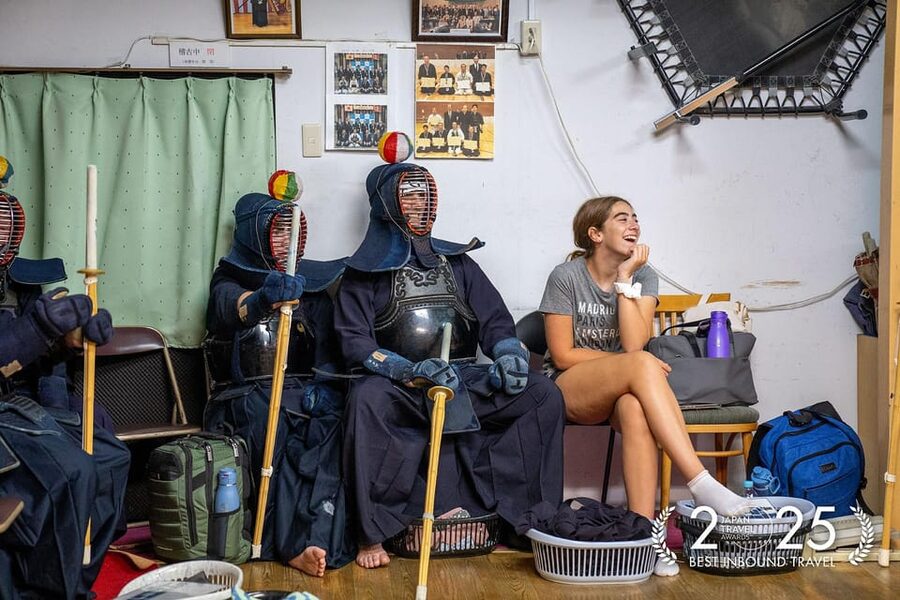
The stated duration is two hours, though the actual program can run a little shorter or longer depending on the class. One participant described about 90 minutes of pure activity, while another wished the session had lasted longer. Plan your schedule with some breathing room.
A typical flow is:
- Meet the instructors and settle into the dojo.
- Receive an introduction to kendo, its rules, and its etiquette.
- Change into the uniform and protective equipment.
- Practice stance, footwork, sword grip, and basic strikes.
- Learn men, kote, do, and selected counter techniques.
- Try light sparring and playful games.
- Watch experienced practitioners train, if other dojo members are practicing.
- Take photographs, talk with the instructors, and receive the included hand towel.
The exact order can change. You may spend more time on equipment, explanations, or practice depending on the group’s pace.
You should not book this as a tight stop between two timed attractions. The program asks you to focus, change clothes, and learn physical movements. Allow extra time before your next plan.
Is $116 a Fair Price?
At $116 per person, this is not a cheap way to fill an hour in Tokyo. It is a specialized class with professional instruction, rented armor and equipment, a small group of no more than six, mineral water, and a Japanese hand towel.
I think the price is reasonable if you value active participation and personal instruction. A large cultural show might cost less, but it will not give you the same chance to wear the equipment, practice formal strikes, or try light sparring.
The value drops if you only want photographs. You spend part of the session learning movement, listening to corrections, and working up a sweat. The real benefit comes from taking part.
The included towel is a small but useful souvenir. One visitor suggested that a Japanese inscription would make it feel more special, but it is still a practical reminder of the class. Food is not included, and there is no hotel pickup, so plan your meal and transportation separately.
Free cancellation up to 24 hours before the activity and the option to reserve now and pay later make the booking less risky. Still, check the starting time carefully and leave room in your day.
Who Will Enjoy This Kendo Class?
I would recommend it to adults, families with older children, and curious visitors who want more than a photograph in samurai clothing. You do not need previous kendo experience. The teachers build the session around beginners, though you will be expected to listen and pick up the movements fairly quickly.
It suits you especially well if you:
- Enjoy hands-on cultural activities
- Want a physical workout during a city break
- Like martial arts, Japanese history, or swordsmanship
- Prefer small classes to large group demonstrations
- Are comfortable with strict instruction and light contact
- Want to understand the difference between movie swordplay and real training
You may want to skip it if you have difficulty with protective headgear, cannot wear contact lenses when needed, or prefer a quiet cultural activity with no physical exertion. Fit can also be a concern, so ask about clothing and armor sizes before booking if necessary.
Children can enjoy the class, and one family brought two pre-teens who liked the workout and equipment. I would still make sure everyone in your group understands that the practice includes strikes against protective armor.
My Recommendation: Book It for Practice, Not Theater
Book this Tokyo kendo experience if you want to learn by doing. The best parts are the real dojo setting, the small class, the full armor, and the chance to practice basic strikes before facing a partner in light combat.
Go in with the right expectations. This is not a samurai theme-park show, a long lecture, or a polished English-language performance. The location may be tricky to find, the instructor’s English may be brief or fast, and the teaching style can be strict. Wear loose clothes, bring contact lenses if you need them, pack fresh clothing, and allow extra time.
For an active introduction to kendo, the $116 price buys more than a souvenir. You get a short but memorable lesson in discipline, movement, and respect, plus a better sense of how much skill lies behind a single sword strike.
FAQ
Where does the Tokyo kendo experience take place?
It takes place at Seidokan dojo, located at 4-7-2 Higashinippori, Arakawa-ku, Tokyo. The dojo is about a 10 to 12 minute walk from the north exit of JR Uguisudani Station.
How long does the activity last?
The stated duration is two hours. The actual program may take slightly more or less time, so leave extra room before your next activity.
Is the class suitable for complete beginners?
Yes. Beginners are taught basic kendo etiquette, stance, footwork, sword handling, and strikes before trying light sparring and practice games.
What language is used during the class?
Instruction is provided in English and Japanese only. The instructors can guide international participants, but some explanations may be quick or difficult to understand.
What should I wear and bring?
Wear loose-fitting exercise clothing. Bring fresh clothes because the session can be sweaty. Participants who wear glasses are advised to bring contact lenses because spectacles may be difficult to use with the kendo head armor.
What does the price include?
The $116 price includes a professional instructor, rental kendo armor and equipment, mineral water, and a Japanese hand towel. Food and hotel pickup are not included.
Just added around Tokyo
- Narita Airport(NRT): Private Transfer to Tokyo/Yokohama 1-9pax★ 5.0 · 47 reviews
- Private Transfer from Narita Airport to Yokohama Port and City★ 4.5 · 17 reviews
- Private Arrival Transfer : Narita International Airport to Central Tokyo City★ 4.5 · 12 reviews
- [Narita Airport Terminals 1, 2] 40-60km Sawara Itako Historic Bike Tour★ 5.0 · 13 reviews
- 3 Day Japan Highlights Tour: Tokyo, Mt.Fuji, Nara, Kyoto, Osaka★ 5.0 · 22 reviews
- Small Town in the Big City: Tasting Tokyo’s Kichijoji★ 5.0 · 195 reviews
- Small Town in the Big City: Tasting Tokyo’s Kichijoji★ 5.0 · 16 reviews
- The 10 Tastings of Tokyo With Locals: Private Street Food Tour★ 5.0 · 48 reviews
Tokyo Tours, compared.

Mt Fuji and Hakone 1-Day Bus Tour Return by Bullet Train
Read our review →

teamLab Planets TOKYO Digital Art Museum Entry Ticket
Read our review →
Mt Fuji & Hakone Cruise, Drum Show Bullet Train 1 Day from Tokyo
Read our review →
Sumo Show Experience with Chicken Hot Pot and a Photo
Read our review →
Shinjuku Food Tour (13 Dishes at 4 Local Eateries)
Read our review →
Tokyo Mt Fuji 5th St & Hakone Cruise Bus Tour w/Bullet Train
Read our review →
Flagship 2-Hours Official Street Go-Kart Tour – Tokyo Bay Shop
Read our review →Browse the lists this tour appears in