
Reviewed · TOKYO TOURS
Tokyo: Sumo Morning Practice with journalists. Not fake show
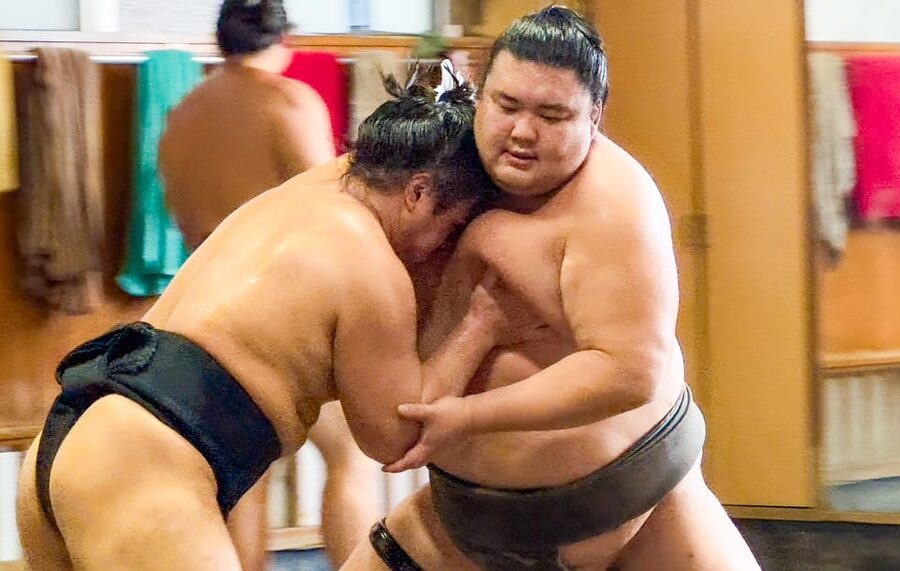
The best thing about this Tokyo sumo tour is that you watch real morning practice, not a staged show. At Takasago-beya, wrestlers train in their working surroundings, with the serious mood, repetition, and strict etiquette that make sumo more than a contest. I like the access to a place most visitors, and even many Japanese residents, cannot enter. I also like having a former sumo reporter such as Shinya Setsu explain what you are seeing, instead of leaving you to guess why each ritual matters.
The main consideration is comfort. You sit on the floor inside a traditional stable, must stay quiet during training, and cannot use flash photography. At $103 per person, this is not a cheap three-hour outing, but the stable access, specialist guide, and chance for photos with wrestlers make it a fair choice for serious sumo fans and curious visitors who cannot get tournament tickets.
Key points to know before booking
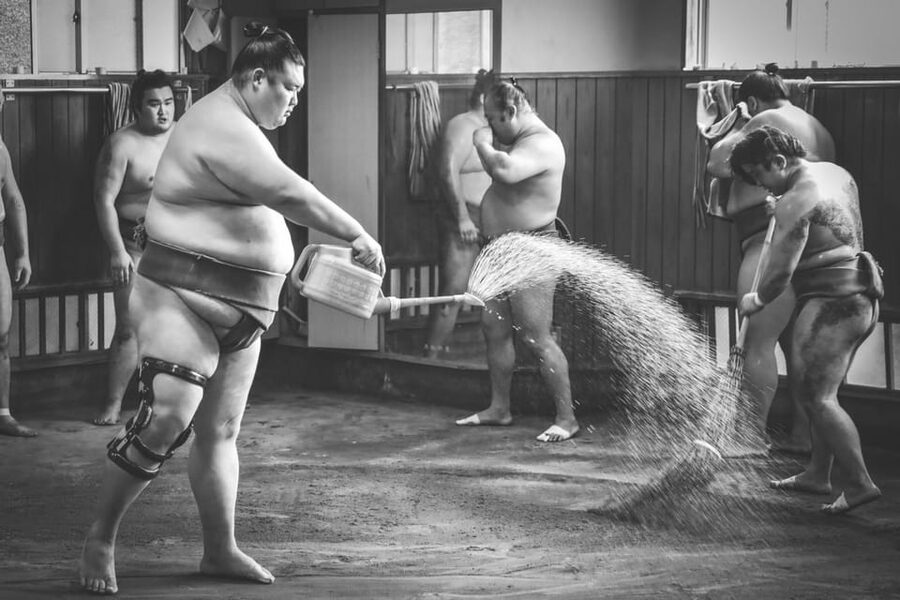
- Watch wrestlers train at Takasago-beya: This is a working sumo stable, not a theatrical performance arranged for tourists.
- Learn from a sumo reporter: Guides including Shinya Setsu bring years of reporting experience, stories, video clips, and answers to detailed questions.
- Expect floor seating and quiet observation: Wear comfortable clothes, sit still, and leave flash photography, food, and drinks outside.
- Take commemorative photos: A photo opportunity with wrestlers follows the practice, giving you a lasting reminder of the visit.
- Finish in sumo country: The walk includes Ryogoku Edo Noren, near the Kokugikan area, with time for more talk about the sport and its customs.
- Arrive early: The group leaves the meeting point on time, and late arrivals may miss the start.
Why authentic morning practice matters
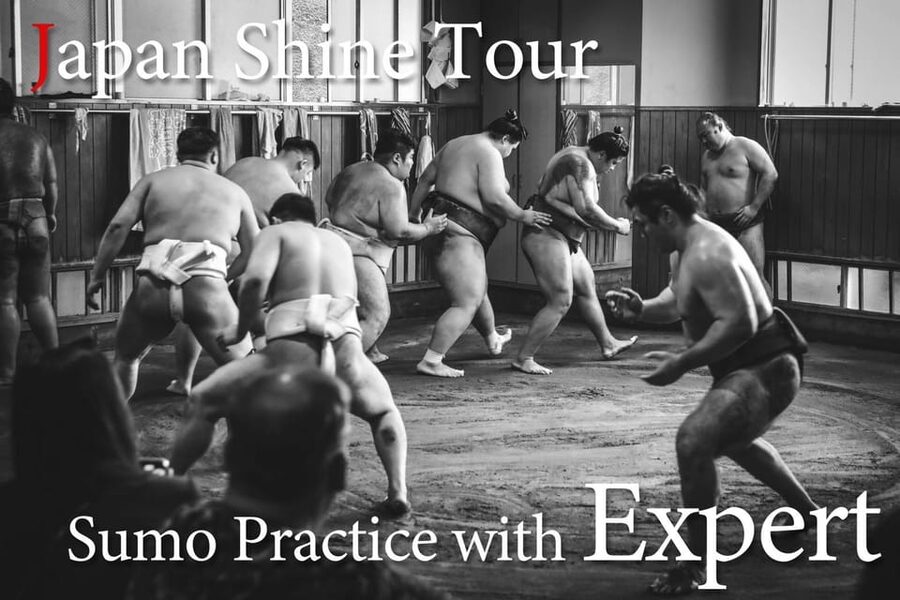
A sumo tournament gives you the excitement of official bouts, full ceremony, packed seats, and a clear winner. Morning practice gives you something different: a look at the work behind the spectacle.
You watch wrestlers repeat drills, push through demanding exercises, and follow the stable’s order and customs. The point is not a polished show. Some moments may be slow, repetitive, or hard to interpret without guidance. That is exactly why the guide matters.
The operator has special permission from the stable, an arrangement that is not simple for an independent visitor to secure. You are entering a private training world, so the rules are strict. Quiet observation is part of the deal. Your presence is allowed, but the wrestlers are not stopping their routine to perform for you.
That distinction gives the morning its value. You see the discipline of the rikishi, the Japanese term for sumo wrestlers, at close range. You also gain a better sense of how much preparation sits behind a few minutes of competition in the ring.
More Sumo Experiences in Tokyo
- Tokyo: Sumo Show Experience with Chicken Hot Pot and a Photo
★ 4.8 · 6,678 reviews - Tokyo: Sumo Show and Dining Experience
★ 4.8 · 2,742 reviews - the SUMO show
★ 5.0 · 1,960 reviews
Meeting in Ryogoku before the stable visit
The tour begins at the building called 両国HANAWAビル. The meeting point is near Toei Oedo Line Ryogoku Station, station E12, Exit A2 at ground level. From the east exit of JR Ryogoku Station, allow about five minutes on foot.
This is one place where you should not cut things close. The group leaves promptly, and one of the clearest practical lessons from the experience is to arrive early. The operator sends meeting details before the tour, so check those instructions rather than relying only on a map.
Ryogoku is the right setting for this outing. The district is closely tied to sumo, and the nearby Kokugikan area gives the tour a useful sense of place before you even enter the stable. You do not need to know the neighborhood in advance, but having a working phone and the meeting instructions ready will make the early start easier.
The first transfer is only about five minutes. The short journey keeps the morning focused on sumo rather than transport.
Inside Takasago-beya during morning training
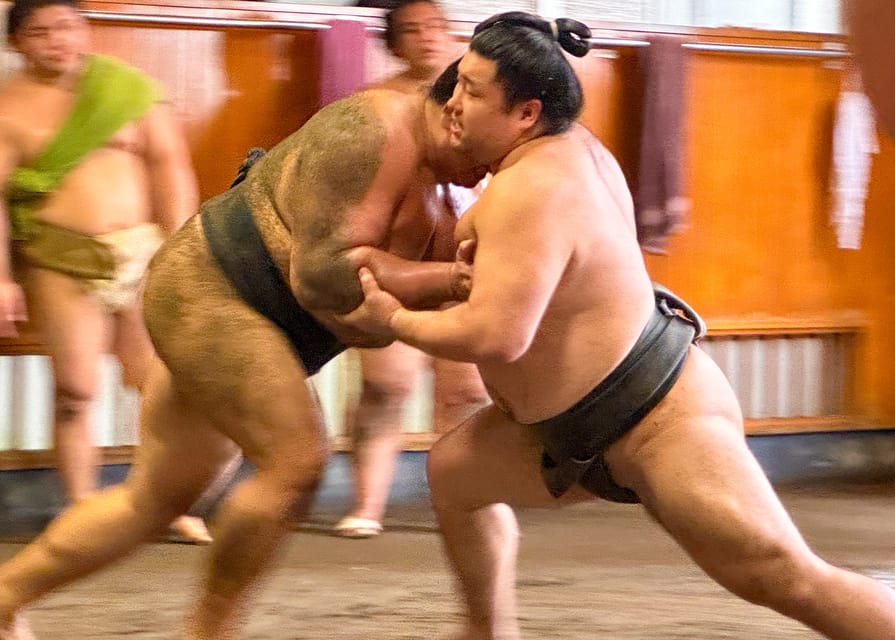
The central part of the tour takes place at Takasago-beya Sumo Stable. The stable visit lasts about two hours, with the actual practice occupying a large part of that time. One recent schedule described roughly 1.5 hours of training, though the exact routine and timing can vary.
You sit on the floor in the traditional setup. This is not the place for loose sightseeing habits. Keep your movements small, listen carefully, and follow the guide’s instructions. Food and drinks are not allowed, shoes must be removed indoors, and flash photography is forbidden.
The room can feel intimate because you are close to the action. That closeness is thrilling, but it also means you need to respect the stable’s atmosphere. The wrestlers are training, not posing for a crowd. You may see beginners working through basic movements alongside more experienced athletes, which helps show the hierarchy and progression within the sport.
The physical effort is one of the most striking parts. Sumo can look simple from a television seat: two large men push, pull, and try to force one another out of a ring. Practice reveals the repeated drills, balance work, strength, and concentration that make those few seconds possible.
Your guide should help identify what deserves your attention. Shinya Setsu is described as a national newspaper journalist and sumo specialist, while other tours have been led by guides such as Shin, Karen, and Ray. The exact guide may vary, but the useful feature is the reporting background. You can ask about a wrestler’s role, the stable hierarchy, training routines, rules, and the meaning of rituals as they appear.
Several people who follow sumo on television found that the practice added a new layer to the sport. That makes sense. Seeing training up close changes the way you watch a tournament later. Instead of seeing only the bout, you begin to notice preparation, posture, restraint, and the individual styles of the wrestlers.
Photos with the wrestlers after practice
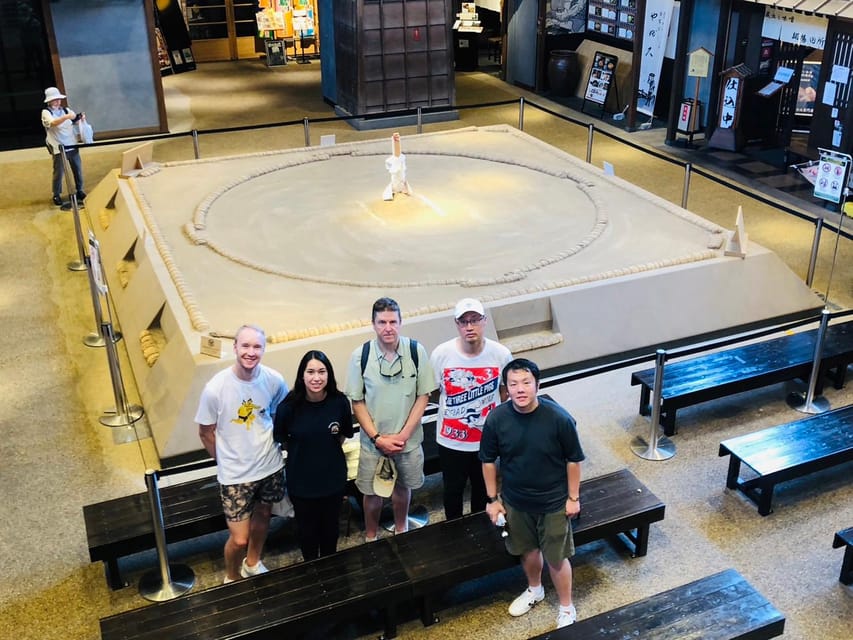
The commemorative photo session is a strong extra, but you should keep your expectations respectful. The stable’s routine comes first, and the photo opportunity follows the practice rather than interrupting it.
You may get a chance to take a picture with the wrestlers. This is a rare souvenir because most visitors never come close to a stable, let alone meet its athletes in their training environment. Bring a camera, but keep the flash turned off during practice and follow the guide’s directions for photos.
The best approach is to enjoy the training first and treat the picture as a bonus. The experience is not built around a long meet-and-greet. Its appeal lies in seeing the wrestlers at work, then receiving a brief personal memento afterward.
More sumo mornings and shows:
- Tokyo Shinjuku Sumo Show & Experience with Photo
★ 5.0 · 1,750 reviews - Tokyo: Sumo Show and Experience in Shinjuku
★ 4.8 · 1,001 reviews - Tokyo: Sumo Tournament Tour with Chair Seat Tickets
★ 4.6 · 753 reviews - Tokyo:Luxury Sumo Show Experience & Japanese cuisine & Drink
★ 4.7 · 577 reviews
The guide’s stories make the difference
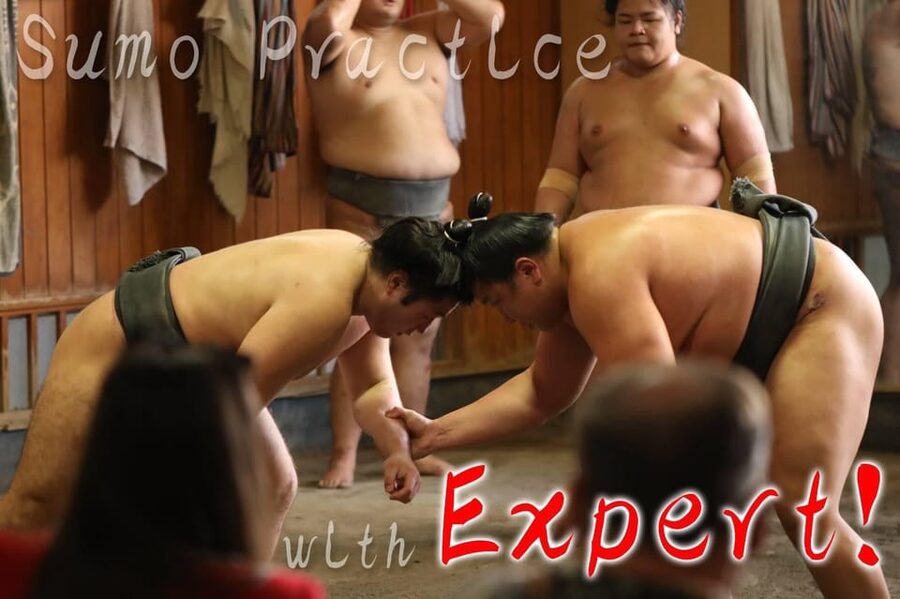
The training itself is powerful, but I would not book this tour without valuing the explanation afterward. Sumo customs can be difficult to read from the outside. A guide can explain the stable’s organization, the rules of the sport, the daily life of wrestlers, and the meaning of the rituals you have just watched.
Shinya Setsu’s background as a sumo reporter is especially useful for visitors who want more than basic facts. The guide has reportedly shared funny stories, famous match clips, documentary links, and personal observations from years of covering sumo. That kind of material gives the morning a human side.
You can also ask the questions that do not fit neatly into a museum display. Why do wrestlers follow such a strict hierarchy? How are training sessions organized? What separates a promising newcomer from an established champion? What does a stable mean to the people who live and train there?
The answer quality will depend partly on who leads your group, but the tour is designed around direct conversation. Guides have been praised for clear English, humor, patience, and willingness to answer questions well beyond the basic itinerary. Some have even offered general Tokyo advice after the tour, though that is a courtesy rather than a promised service.
The operator also sends useful material before or after the experience, including information about sumo and, in some cases, links to videos and documentaries. Read that material before the morning if you can. Since you need to remain quiet during practice, advance preparation helps you understand what is happening without constant explanation inside the stable.
Ryogoku Edo Noren and the Kokugikan area
After the stable, the group transfers for about five minutes to Ryogoku Edo Noren. The guided visit lasts around 30 minutes and continues the sumo theme.
This stop is less intimate than the stable, but it gives the morning a public setting where the guide can speak freely. The surrounding Ryogoku district is home territory for sumo, and the conversation may include the nearby Kokugikan, tournament customs, famous wrestlers, and the wider place of sumo in Japanese culture.
Some of the walk may include a sumo shop or related displays. One point to consider is that not everyone will value the shop stop equally. If your only goal is watching training, it may feel like an extra pause. If you want souvenirs or a broader introduction to the district, it adds useful context.
The tour ends near Ryogoku Station after a very short final transfer. From here, you can continue exploring the area on your own, though the experience does not include a meal or drinks.
What $103 buys you
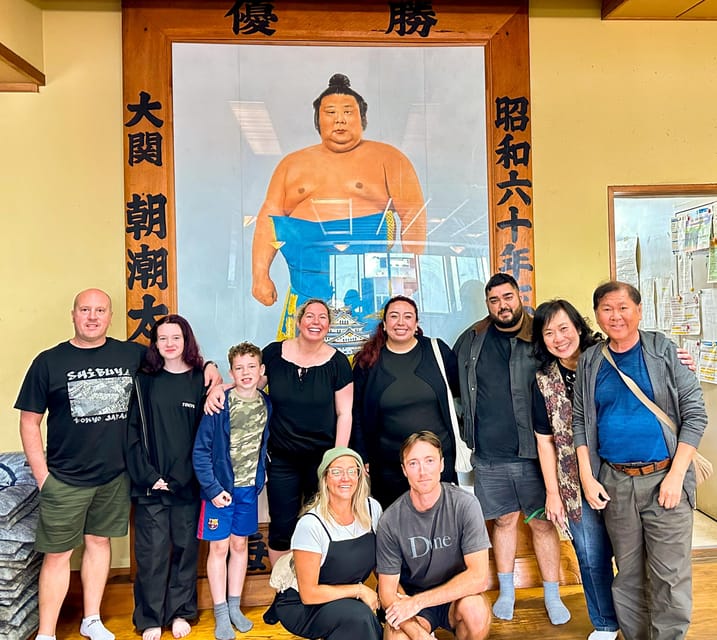
At $103, the tour costs more than an ordinary museum visit or neighborhood walk. The price needs to be judged against what you are actually buying.
You are paying for access to a private sumo stable, permission arranged with that stable, a three-hour guided experience, English explanations, specialist reporting insight, and commemorative photos. Calling a stable yourself is not a dependable way to arrange this. Access can be difficult even for local residents, and the special permission is a major part of the cost.
Compared with a tournament ticket, the experience can also be practical. Tournament seats are limited and may be difficult to secure, especially during popular travel periods. This tour does not replace the drama of a live tournament, but it can give you a more personal view of the sport when no tournament fits your schedule.
The value is strongest if you are already interested in sumo, Japanese customs, or behind-the-scenes sports culture. You will get less value if you want a fast photo stop, a theatrical performance, or a fully active tour with plenty of walking.
The price is also in line with comparable sumo practice experiences, according to the supplied information. That does not make it inexpensive, but it does suggest that the stable permission and limited access are real cost factors rather than an arbitrary premium.
Comfort, manners, and access
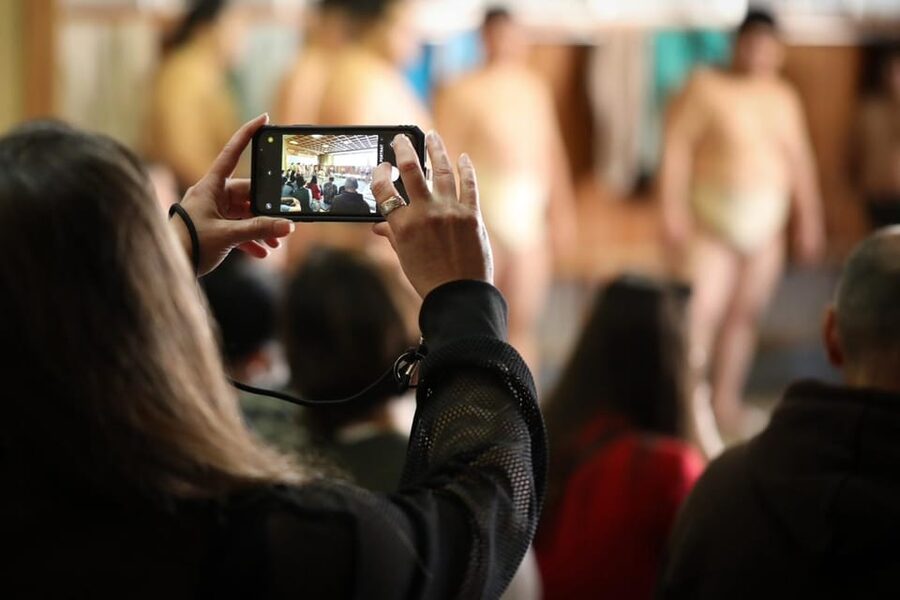
Wear comfortable clothes because you will be seated on the floor. If getting up and down from floor seating is difficult, think carefully before booking.
The activity information contains a mixed message about wheelchair access. It is marked as wheelchair accessible in one place, but the practical notes say that the traditional stable setup is not suitable for wheelchair users and that electric wheelchairs are not allowed. The more specific warning should guide your decision. Contact the operator before booking if you have any mobility concern.
Baby carriages are not allowed, and babies under one year are not suitable for the tour. Food, alcohol, drugs, fireworks, and shoes indoors are prohibited. These rules are not fussy extras. They protect the stable’s quiet working environment.
You should also be comfortable watching without constant commentary. Flash photography is not allowed, and silence during the training is important. The guide helps you understand the action before and after, but the practice itself is something you observe rather than narrate.
Free cancellation is available up to 24 hours before the start for a full refund, and you can reserve now and pay later. Check the available start time for your chosen date, since morning schedules are not listed as one fixed departure.
Who will enjoy this sumo experience most
I would choose this tour for someone who has tried and failed to find tournament tickets, or for someone visiting Tokyo outside the main tournament schedule. It is also a good fit if you watch sumo on television and want to understand what happens before the official bouts.
It suits curious first-time visitors too, provided you enjoy quiet observation and cultural explanation. The guide fills in the rules and customs, so you do not need to arrive as an expert.
Families with very young children may find the format difficult. Babies under one are not suitable, baby carriages are prohibited, and floor seating requires patience. Anyone who dislikes sitting still, removing shoes, or following strict photography rules should choose a more casual activity.
I would also separate this from a typical entertainment show. If you want lights, announcements, and a dramatic match atmosphere, buy a tournament ticket. If you want to see the hard work and routine behind the sport, the morning practice is the better match.
Should you book the Takasago-beya morning practice?
Book it if authentic access matters more than low cost. The combination of live training, a stable normally closed to casual visitors, and a journalist guide gives you a view of sumo that a museum or television broadcast cannot provide.
I especially like it for visitors who cannot attend a tournament. You may find the practice more revealing than expected because it shows the discipline, silence, hierarchy, and physical strain behind the public spectacle.
Skip it if you need wheelchair-friendly facilities, dislike floor seating, or want a performance built for an audience. For everyone else, the $103 fee is defensible when you treat it as a rare access experience rather than a standard sightseeing tour. Arrive early, prepare to sit quietly, and let the guide’s stories connect the training room to the sumo world beyond it.
FAQ
How long does the sumo morning practice tour last?
The full experience lasts three hours. The stable visit takes about two hours, followed by a guided visit to Ryogoku Edo Noren lasting about 30 minutes and short transfers.
Where is the meeting point?
The meeting point is at 両国HANAWAビル, near Toei Oedo Line Ryogoku Station E12, Exit A2 at ground level. It is about a five-minute walk from the east exit of JR Ryogoku Station.
Which sumo stable does the tour visit?
The tour visits Takasago-beya Sumo Stable.
Is the practice a staged tourist show?
No. The tour provides access to a real morning practice at a sumo stable. The wrestlers train as part of their normal routine, and visitors must remain quiet.
Can I take photographs?
You should bring a camera, and a commemorative photo opportunity is included. Flash photography is not allowed during practice.
Can I ask questions about sumo?
Yes. The English-speaking guide explains sumo history, rituals, rules, training, and daily life, and you can ask questions during the guided parts of the experience.
Who guides the tour?
The tour is guided in English by a sumo specialist who is also a national newspaper journalist. Guides associated with the experience include Shinya Setsu, Shin, Karen, and Ray, though the specific guide can vary.
Do I need to sit on the floor?
Yes. You should wear comfortable clothes because the traditional stable setup requires floor seating during practice.
Is the tour suitable for wheelchair users?
The traditional stable setup is not suitable for wheelchair users, and electric wheelchairs are not allowed. Although the activity information includes a wheelchair-accessible label, you should contact the operator before booking if you have mobility needs.
What is included in the price?
The price includes live morning practice viewing, commemorative photos, guidance from a sumo specialist and national newspaper journalist, and special permission for access to the stable. Food, drinks, and transportation to and from the stable are not included.
More Morning in Tokyo
- Tokyo: Sumo Morning Practice Viewing Tour
★ 4.8 · 570 reviews - Tokyo: Sumo Morning Training Visit
★ 4.4 · 370 reviews - Tokyo: Sumo Morning Practice Tour at Sumida City
★ 4.8 · 308 reviews - Tokyo Sumo Morning Practice Tour at Stable
★ 5.0 · 298 reviews
More Shows in Tokyo
- Mt Fuji & Hakone Cruise, Drum Show Bullet Train 1 Day from Tokyo
★ 4.0 · 7,413 reviews - Tokyo: Samurai Restaurant Show Ticket with 2 Drinks
★ 4.5 · 1,307 reviews - Mt Fuji & Hakone Cruise, Drum Show Bus 1 Day from Tokyo
★ 4.0 · 1,287 reviews - Tokyo Bay Yakatabune Dinner/Day Cruise with Japan Show and Drinks
★ 4.5 · 473 reviews
Just added around Tokyo
- Private Arrival Transfer : Narita International Airport to Central Tokyo City★ 4.5 · 12 reviews
- Narita Airport(NRT): Private Transfer to Tokyo/Yokohama 1-9pax★ 5.0 · 47 reviews
- Private Transfer from Narita Airport to Yokohama Port and City★ 4.5 · 17 reviews
- [Narita Airport Terminals 1, 2] 40-60km Sawara Itako Historic Bike Tour★ 5.0 · 13 reviews
- 3 Day Japan Highlights Tour: Tokyo, Mt.Fuji, Nara, Kyoto, Osaka★ 5.0 · 22 reviews
- The 10 Tastings of Tokyo With Locals: Private Street Food Tour★ 5.0 · 48 reviews
- Small Town in the Big City: Tasting Tokyo’s Kichijoji★ 5.0 · 195 reviews
- Small Town in the Big City: Tasting Tokyo’s Kichijoji★ 5.0 · 16 reviews
Tokyo Tours, compared.

Mt Fuji and Hakone 1-Day Bus Tour Return by Bullet Train
Read our review →

teamLab Planets TOKYO Digital Art Museum Entry Ticket
Read our review →
Mt Fuji & Hakone Cruise, Drum Show Bullet Train 1 Day from Tokyo
Read our review →
Sumo Show Experience with Chicken Hot Pot and a Photo
Read our review →
Shinjuku Food Tour (13 Dishes at 4 Local Eateries)
Read our review →
Tokyo Mt Fuji 5th St & Hakone Cruise Bus Tour w/Bullet Train
Read our review →
Flagship 2-Hours Official Street Go-Kart Tour – Tokyo Bay Shop
Read our review →Browse the lists this tour appears in