
Reviewed · TOKYO TOURS
:Tokyo,Shibuya/ Pro Photography in Kimono / English-Friendly
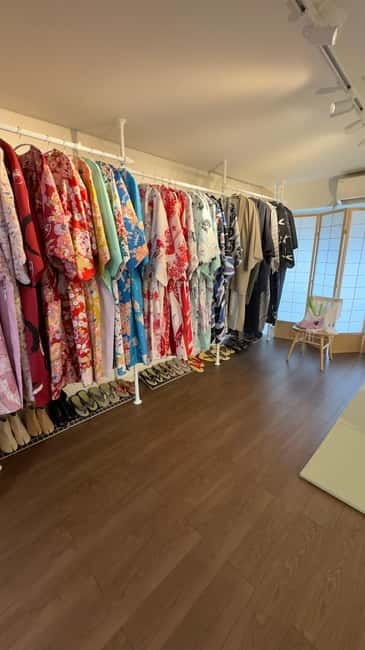
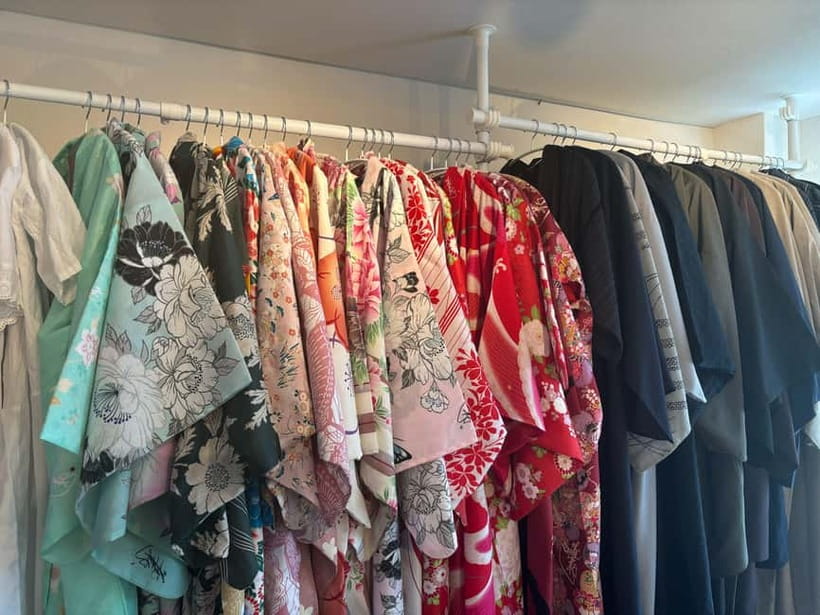
The best thing about this experience is the short, focused format. You get the pleasure of wearing a kimono and having professional photos taken without spending a whole day trying to walk around Tokyo in one. I like the large kimono selection for women, men, and children, and I like the English-speaking staff, who help with clothing choices and the dressing process. The main drawback is that the meeting point can be hard to spot, and hair styling costs extra.
I also like the location. The studio is a few minutes from Meiji Shrine and Takeshita Street, so you can pair the session with some of Harajuku’s best-known sights. Just keep in mind that the photoshoot itself lasts about 15 minutes inside a one-hour appointment, and outdoor photos depend on the location arranged with the staff.
Key points to know before booking
- Traditional setting near Harajuku landmarks: The meeting point is in Jingumae, about two minutes from Takeshita Street and three minutes from Meiji Shrine.
- Kimono, accessories, and dressing included: You choose your outfit, then a professional dresser helps put it on correctly.
- Studio or outdoor photos: The main session takes place in the studio, with outdoor options such as a nearby shrine, park, or street location.
- English-friendly service: Staff explain the process, clothing pieces, and photo options in English.
- Up to 140 digital images: Photos are sent by email or AirDrop, but the images are not edited.
- Hair styling costs extra: You can add it at the shop for 2,000 JPY per person.
Why this one-hour kimono session works well
Kimono rental in Tokyo can mean a full day of dressing, walking, eating, and sightseeing in formal clothing. That sounds appealing until you remember that a kimono is not casual travel wear. The sleeves need care, the layers can feel restrictive, and walking long distances may not be comfortable.
SHIBUI takes a different approach. You dress for the photographs, enjoy the cultural experience, and change back into your normal clothes within about an hour. I see this as a smart choice for a first kimono experience, especially if you want polished keepsake photos rather than a full day in costume.
The appointment is private, so you are not being photographed alongside a large group. That matters for families, couples, and solo visitors who want the session to feel personal. It also gives you more room to ask questions about the kimono and choose an outfit that suits your style.
The service costs $137 for a group of up to one person, according to the supplied pricing. That wording is unusual, so check the booking page carefully if you are booking for more than one person. The value is strongest if you care about professional photos, assistance with dressing, and a simple one-hour format. It is less attractive if your main goal is to rent a kimono cheaply for a full day of walking.
More Kimono Experiences in Tokyo
- Let’s make kimono !(Kimono is a gift for you
★ 5.0 · 252 reviews - Tokyo: Matcha and Kimono Experience
★ 4.7 · 219 reviews - Tokyo: Asakusa Kimono Dressing and Matcha Experience
★ 4.9 · 173 reviews
Finding the Jingumae meeting point
The meeting point is Jingumae Room 413 in the Harajuku Cope Annex. The location is close to Meiji Shrine and Takeshita Street, but the building does not have an obvious sign. You may be standing right outside and still wonder if you are in the right place.
I would save the exact meeting information before leaving your hotel and allow a few extra minutes. If you have trouble, call the shop. Staff can direct you, and the photographer may come out to meet you. That small step can save you from starting the appointment flustered.
The area is one of Tokyo’s easiest places to combine several activities. Takeshita Street is about two minutes away, while Meiji Shrine is about three minutes away. You can schedule the photoshoot before sightseeing, then change back into regular clothing and continue your day without carrying rental garments around.
The location is described as part of Shibuya, but the meeting point is in the Jingumae and Harajuku area. I would use Harajuku as your navigation reference. That is clearer when you are checking train directions or asking for help.
Choosing your kimono and accessories
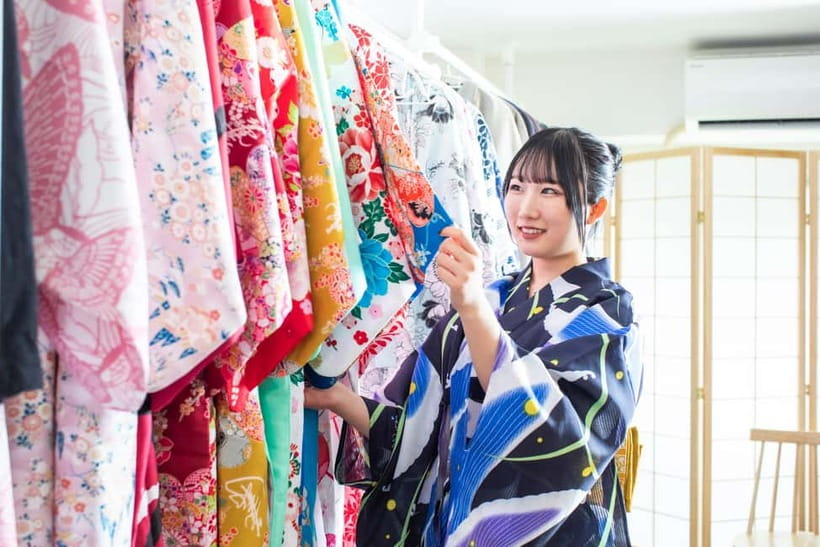
The appointment begins with an explanation of the service and a discussion of the photo location. Then you choose your kimono and accessories from the available collection.
The selection includes clothing for women, men, and children. That makes this more useful for a family or mixed group than a women-only rental shop. You can also adjust the look to fit your taste rather than accepting one fixed outfit.
The choice is part of the fun, but it can also take longer than expected. If you are booking a one-hour session, avoid arriving late. You need time for the consultation, clothing choice, dressing, photographs, and changing back.
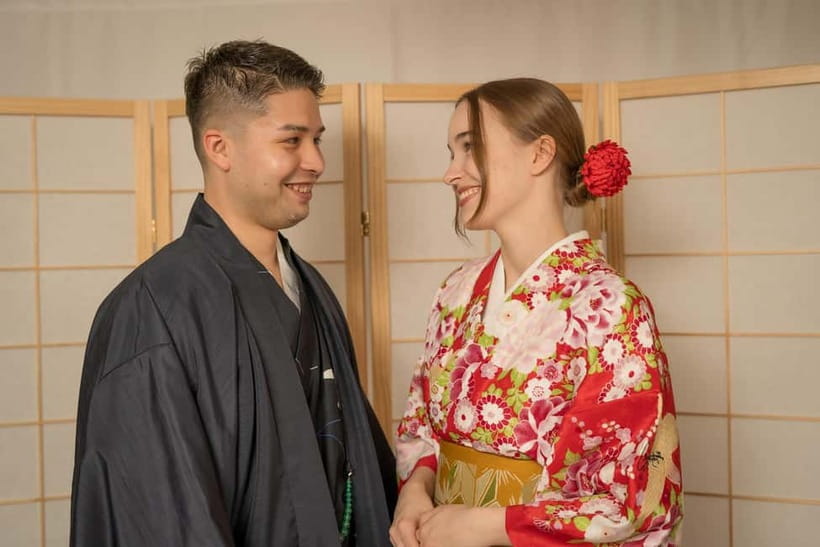
The staff can explain the parts of the outfit and some cultural details as they dress you. This is a valuable part of the appointment because a kimono is not simply a robe tied with a belt. The layers, sash, and accessories all affect how the final outfit looks in photographs.
Kimono and accessory rental are included in the listed price. The service also offers kimono sales, so you can ask about buying an outfit if you find one you particularly like. The supplied information does not give sales prices or details, so treat that as an option to discuss at the shop rather than a guaranteed part of the package.
The dressing process and the hair styling extra
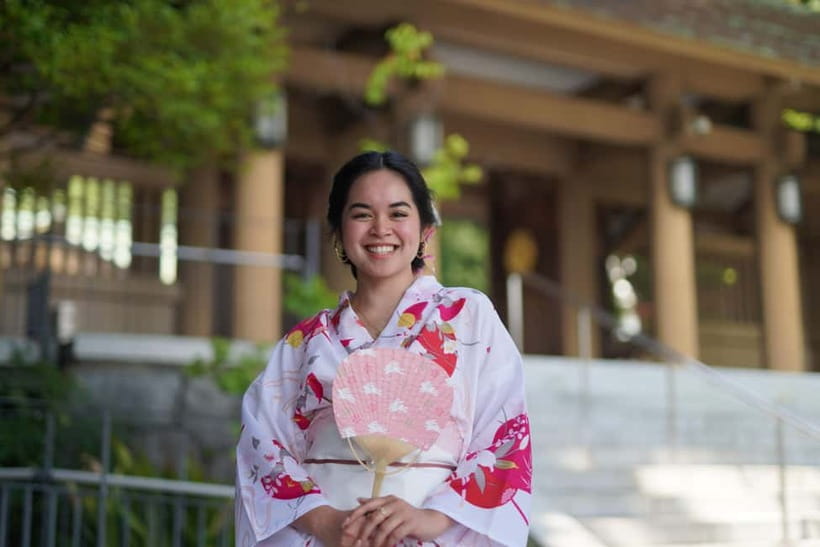
A professional dresser helps you put on the kimono. This is important. Getting the shape right takes more than slipping into a garment and tying it at the waist. The staff handle the dressing while you can focus on choosing the look and preparing for the camera.
The staff also explain the clothing as they work. That gives the session more substance than a quick costume change. You get a basic introduction to how the outfit is assembled and why the pieces matter.
Hair styling is not included. It costs an additional 2,000 JPY per person, payable at the shop. The supplied information is not fully consistent on this point, so I would budget for the add-on if a styled look is important to you and confirm exactly what is included before you arrive.
This extra charge is easy to overlook. The kimono and accessories are included, but hair is separate. If you are traveling with children or booking several people, those additional fees can affect the total price.
More kimono rentals in Tokyo:
- Asakusa: Kimono Tea Ceremony with Matcha and Sweet
★ 4.9 · 153 reviews - Tokyo Asakusa: Traditional Kimono Rental Experience at Wargo
★ 4.7 · 87 reviews - Tokyo Asakusa: Miu Kimono Rental and Optional Photoshoot
★ 4.9 · 54 reviews - Tokyo: Kimono Rental inside Shinjuku Gyoen National Garden
★ 4.9 · 39 reviews
What happens during the photo session
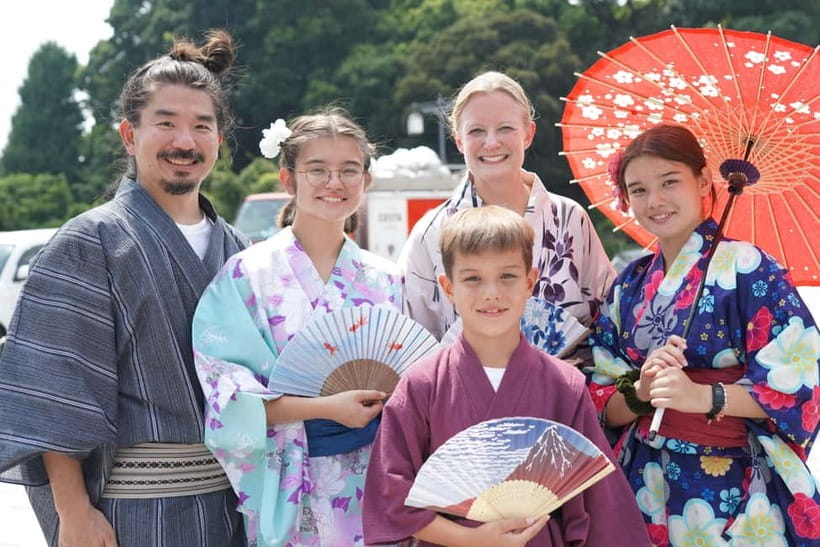
The photography portion lasts about 15 minutes in the studio. The studio has a traditional Japanese design, giving you a controlled setting and a more predictable appointment. You avoid worrying about crowds, weather, or random people walking through the background.
Outdoor photography may also be arranged. Possible settings include a shrine, a park, or streets in the surrounding Harajuku area. One customer described walking three to five minutes to a nearby park for the photographs, while another noted that the photographer guided the group through several neighborhood locations.
The outdoor option gives the images a stronger sense of place. You may get traditional gardens, shrine details, or the contrast of kimono against modern Harajuku streets. The tradeoff is that outdoor photos are less controlled. Weather, foot traffic, and the agreed location can affect the session.
The supplied information says outdoor places are negotiated with the staff. That means you should talk through your preference during the consultation rather than assume a specific shrine or park is guaranteed. If you want simple, reliable photographs, choose the studio. If you want a stronger Tokyo setting, ask about an outdoor option.
The photographer can take up to 140 images. That is a generous number for a 15-minute session, but remember that the photographs are not edited. You receive the digital files by email or AirDrop, apparently at or after the appointment. Check that your phone has enough storage and that AirDrop is ready if you plan to use it.
Unedited images may include variations in pose, expression, and framing. You will have plenty to choose from, but do not expect retouching, color correction, or a professionally designed album. The value here is in the number of photographs and the personal session, not in a finished studio portrait package with detailed editing.
What the staff add to the experience
The English-friendly service is one of the strongest reasons to choose this appointment. Staff guide you through check-in, the kimono selection, dressing, the photo location, and the changing process.
That matters even more when you are unfamiliar with Japanese clothing. You can ask what each piece is for, request help choosing colors, and understand what will happen next. The service is designed to be accessible to people who do not speak Japanese.
The tone also appears personal rather than rushed. Staff take an interest in where you come from, and the dressing team explains cultural details along the way. The photographer and dresser work together, which helps the session feel like a complete activity instead of a simple rental counter.
Solo visitors get a real benefit here. You can have professional photos taken without asking a stranger on the street to frame a quick snapshot. The private format also works well for couples and families who want everyone photographed together.
That personal attention does not mean the appointment is formal or elaborate. It is still a short session, and the photography time is limited. Arrive with a general idea of the look you want so you can use the appointment well.
Studio photos or Harajuku streets?
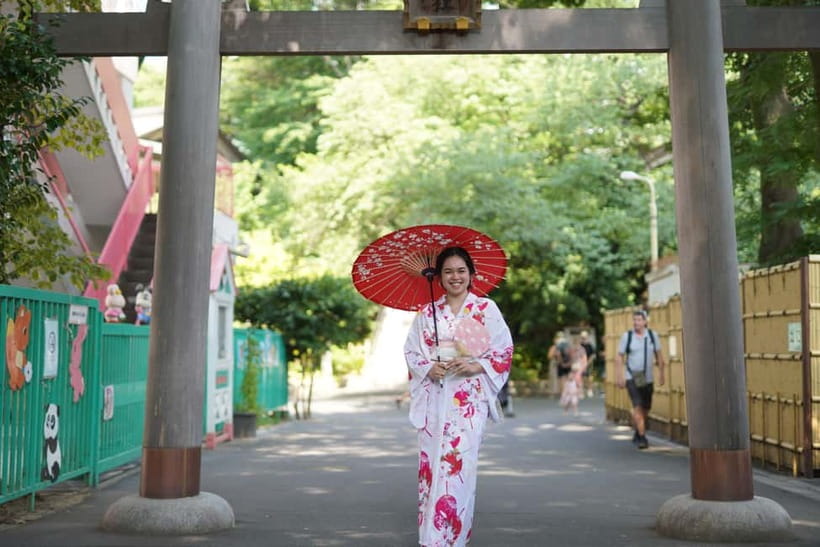
The studio is the safer choice for a short visit. It is indoors, traditionally designed, and easier to manage if the weather is poor. You can focus on the kimono and poses without spending appointment time moving between locations.
Outdoor photos are better if your goal is to remember the neighborhood as well as the clothing. Harajuku gives you several different settings close together, from shrine grounds to streets and nearby green spaces. The photographer may guide you to a location only a few minutes away.
I would ask three questions during the consultation:
- How long will the outdoor walk take?
- Which location is available that day?
- What happens if the weather changes?
These questions are especially useful because the outdoor location is negotiated rather than fixed in the package details. You should not assume that Meiji Shrine itself is included simply because the studio is nearby.
An outdoor session may also draw attention from people nearby. That can be part of the pleasure, and one customer particularly enjoyed the warm response from locals while wearing the kimono. Still, you may prefer the privacy of the studio if you feel shy in front of passersby.
Is $137 a fair price?
At the listed price of $137 per group up to one person, I would judge the value by what you want from the hour. The package includes the kimono, accessories, professional dressing, and the photo session. You also receive up to 140 digital images.
That is a reasonable bundle for someone who wants a short, managed cultural activity with professional photography. You are paying for the staff’s time, the outfit, the dressing skill, the camera work, and the convenience of receiving the images digitally.
The price is harder to justify if you only want to wear a kimono for a few casual phone pictures. In that case, a standard rental may suit you better, assuming you are willing to handle a longer period in the clothing yourself.
Remember the extra hair fee of 2,000 JPY per person. Also check how the booking system treats multiple people, since the supplied price says up to one person. Families should confirm the total before booking.
The free cancellation policy allows cancellation up to 24 hours in advance for a full refund. You can also reserve now and pay later, which helps if your Harajuku plans may change. Those policies add flexibility, but they do not remove the need to confirm the meeting point and group price.
Who should book this experience?
I would recommend it most strongly to:
- Solo visitors who want good photographs without asking strangers for help.
- Couples who want matching or coordinated kimono portraits.
- Families with children, thanks to the range of available sizes.
- First-time kimono wearers who want help with every step.
- Visitors who do not want to spend a full day walking in formal clothing.
- Anyone staying near Harajuku who wants to combine the session with Meiji Shrine or Takeshita Street.
I would be more cautious if you want fully edited photographs, a long outdoor shoot, or a guaranteed location such as a particular shrine. Those details are not promised in the supplied package.
The appointment also suits people who value a relaxed pace over a large commercial photo studio. The private-home or small-building setting may feel uncertain from the outside, but the interior is described as clean and professional. Call if you are unsure of the entrance.
Practical tips for a smoother appointment
Arrive early enough to find Room 413. The building can be difficult to identify, and losing ten minutes at the entrance takes time away from kimono selection and photographs.
Wear clothing that is easy to change out of. The staff will help you dress, but simple layers make the process less awkward before and after the session.
Have enough phone storage for the digital files. Up to 140 images can take space, especially if you receive them through AirDrop. You should also have a working email address available.
Decide ahead of time if you want hair styling. The add-on is 2,000 JPY per person and is paid at the shop. If you do not add it, the supplied package does not include hair styling.
Ask about studio and outdoor options before dressing. The photographer can explain what is possible that day, and you can choose the setting that fits your schedule and comfort level.
Finally, do not plan another appointment immediately afterward. The experience is only one hour, but a small buffer gives you time to find the studio and continue to your next stop without rushing.
Should you book SHIBUI?
Book this if you want a compact, private kimono experience with professional photographs and English-speaking help. The combination of dressing assistance, outfit choice, nearby Harajuku locations, and digital photos makes it especially useful for solo visitors and families.
Skip it if you are looking for an all-day kimono rental, edited portrait photography, or a fixed outdoor itinerary. The building can be hard to find, hair styling costs extra, and the outdoor setting is arranged rather than guaranteed.
For a one-hour Tokyo memory close to Meiji Shrine and Takeshita Street, I think SHIBUI offers a practical balance. Just confirm the group price, decide on hair styling, and call the shop if you cannot spot the entrance.
FAQ
Where is the meeting point?
The meeting point is Jingumae Room 413 in the Harajuku Cope Annex.
How long does the experience last?
The full activity lasts about one hour. The photography session itself takes approximately 15 minutes in the studio.
Is the experience private?
Yes. It is offered as a private group activity.
Are English-speaking staff available?
Yes. The host or greeter language is English, and the activity lists English as its available language.
Are kimono rental and accessories included?
Yes. The package includes choosing a kimono, renting accessories, and professional dressing.
Is hair styling included?
No. Hair styling is an optional extra costing 2,000 JPY per person, paid at the shop.
Where are the photographs taken?
Photography is mainly done in the traditional Japanese-designed studio. Outdoor locations, such as shrines, parks, or nearby streets, may be arranged with the staff.
How do I receive the photographs?
You can receive the photo data by email or AirDrop. The package allows up to 140 photographs, and the images are not edited.
More Photo Shoots in Tokyo
- Best Go Kart Experience in Shibuya Crossing with Iconic Photos
★ 5.0 · 348 reviews - Tokyo Go-Karting Experience: Shibuya Crossing with Photos
★ 4.8 · 190 reviews - Tokyo: Photo Shoot with a Private Vacation Photographer
★ 5.0 · 53 reviews - Tokyo Photoshoot Tour with a Local Photographer
★ 5.0 · 37 reviews
Just added around Tokyo
- Private Arrival Transfer : Narita International Airport to Central Tokyo City★ 4.5 · 12 reviews
- Narita Airport(NRT): Private Transfer to Tokyo/Yokohama 1-9pax★ 5.0 · 47 reviews
- Private Transfer from Narita Airport to Yokohama Port and City★ 4.5 · 17 reviews
- [Narita Airport Terminals 1, 2] 40-60km Sawara Itako Historic Bike Tour★ 5.0 · 13 reviews
- 3 Day Japan Highlights Tour: Tokyo, Mt.Fuji, Nara, Kyoto, Osaka★ 5.0 · 22 reviews
- Small Town in the Big City: Tasting Tokyo’s Kichijoji★ 5.0 · 195 reviews
- Small Town in the Big City: Tasting Tokyo’s Kichijoji★ 5.0 · 16 reviews
- The 10 Tastings of Tokyo With Locals: Private Street Food Tour★ 5.0 · 48 reviews
Tokyo Tours, compared.

Mt Fuji and Hakone 1-Day Bus Tour Return by Bullet Train
Read our review →

teamLab Planets TOKYO Digital Art Museum Entry Ticket
Read our review →
Mt Fuji & Hakone Cruise, Drum Show Bullet Train 1 Day from Tokyo
Read our review →
Sumo Show Experience with Chicken Hot Pot and a Photo
Read our review →
Shinjuku Food Tour (13 Dishes at 4 Local Eateries)
Read our review →
Tokyo Mt Fuji 5th St & Hakone Cruise Bus Tour w/Bullet Train
Read our review →
Flagship 2-Hours Official Street Go-Kart Tour – Tokyo Bay Shop
Read our review →Browse the lists this tour appears in