
Reviewed · KYOTO TOURS
Kyoto: Sushi Making Class with Sushi Chef
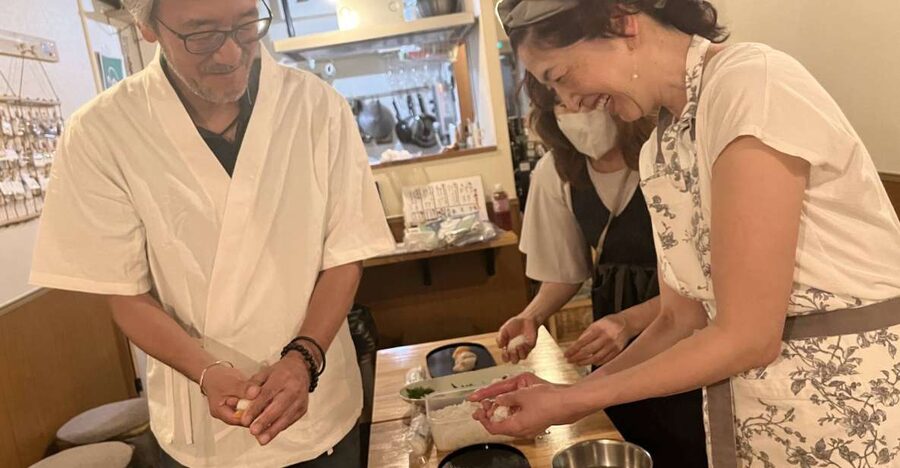
The best part of this Kyoto class is that you do not simply watch a chef work. You practice shaping nigiri sushi yourself, then make a roll with a special tool, using fish bought that morning at Kyoto Central Wholesale Market. It turns lunch into a hands-on lesson in one of Japan’s most exacting food crafts.
I like the small group size, capped at eight, and the patient teaching style reported with chefs such as Hide, Yutaka, Yune, and Nami. I also like the photo and video service, since you can focus on your rice, fish, and fingers instead of stopping to document every move.
The main consideration is that this is a sushi-making class, not a full market tour or a professional kitchen apprenticeship. You will not necessarily prepare the rice or cut the fish yourself, and people with food allergies should not book. Strong fragrances are also not allowed.
Key Points
- Fresh fish from Kyoto Central Wholesale Market: Fish is purchased early each morning and prepared shortly before class.
- Practice before handling real sushi: You first use a sushi sample toy to learn the hand movements.
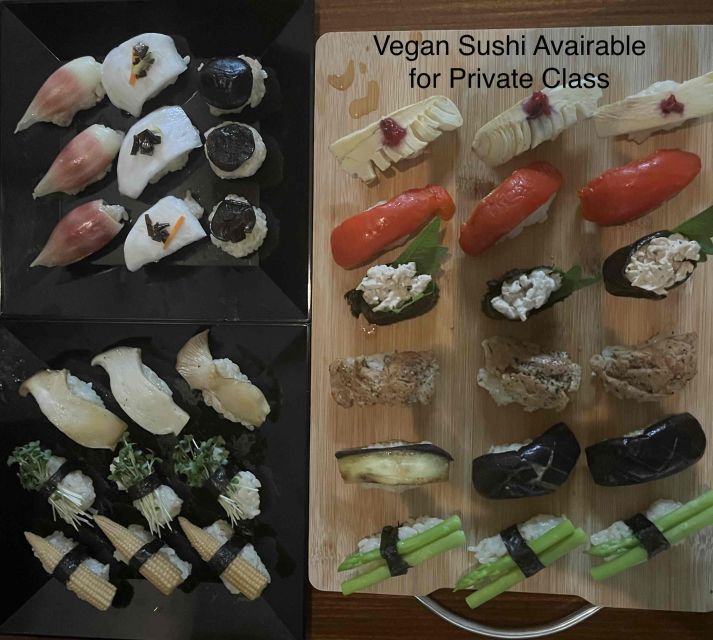
- Nigiri and maki are both included: You shape hand-pressed sushi, then make sushi rolls with a special tool.
- Small class with English support: The group is limited to eight, with instruction in English and Japanese.
- Lunch is the food you make: Sushi is served with tea or water and Japanese-style dashi soup.
- Photos and videos are provided afterward: You can stay focused on the lesson rather than taking pictures.
From Market Fish to Your Lunch Plate
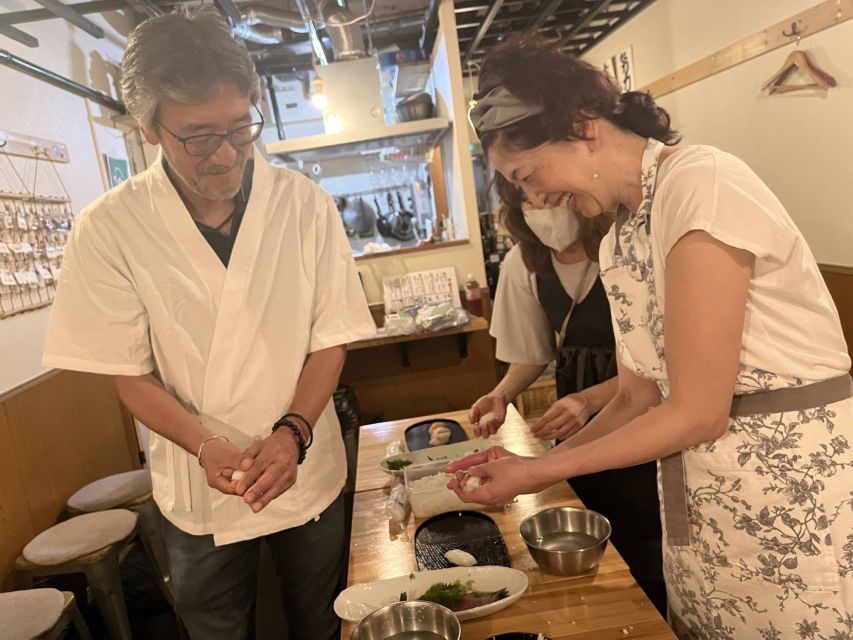
This experience gives you a useful look at sushi from the point where ingredients arrive to the moment they reach your plate. The fish comes from Kyoto Central Wholesale Market, purchased early in the morning and prepared just before class.
That timing matters. You are not working with a generic package of ingredients prepared days ahead. You handle fish selected for the day, and the class connects your meal to Kyoto’s working food culture. You may not visit the wholesale market itself, but the ingredient link adds real value.
The class lasts anywhere from 90 minutes to three hours, depending on the scheduled session and pace. Check the available start times carefully when booking. A short class may suit a packed sightseeing day, while a longer session gives the chef more room to explain technique, etiquette, and the ingredients.
The venue is one of two locations around Shijo Karasuma. The exact site depends on the number of people booked, and you receive a Google Maps link by email. At the meeting time, look for the welcome board. This setup is practical, but it means you should not assume the venue from the general area alone.
More sushi classes in Kyoto:
- Sushi Making in Kyoto! Same-day bookings welcome!
★ 5.0 · 713 reviews - The Original Small-Group Sushi Making Class in Kyoto
★ 5.0 · 436 reviews - Kyoto: Small-Group Authentic Sushi Making Workshop
★ 5.0 · 137 reviews
Learning Nigiri Without Feeling Lost
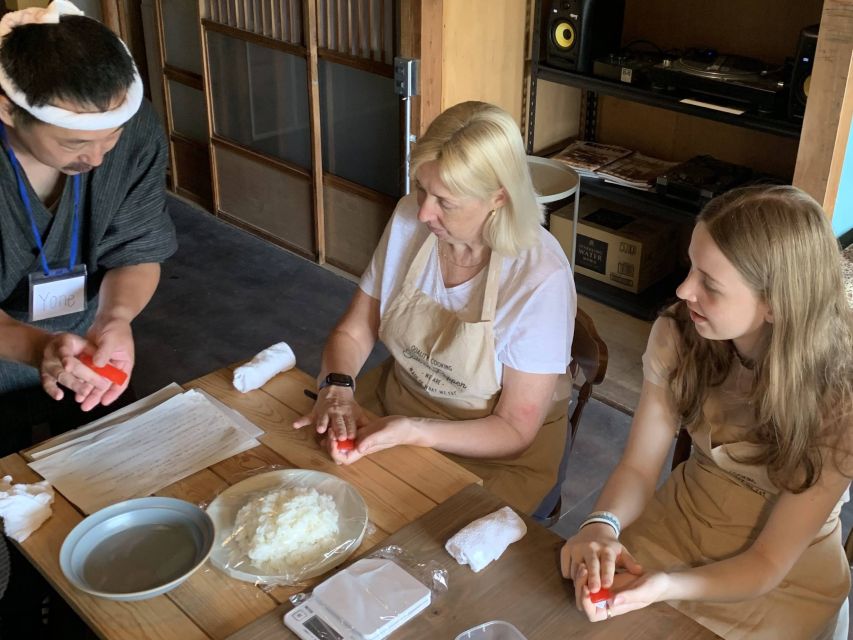
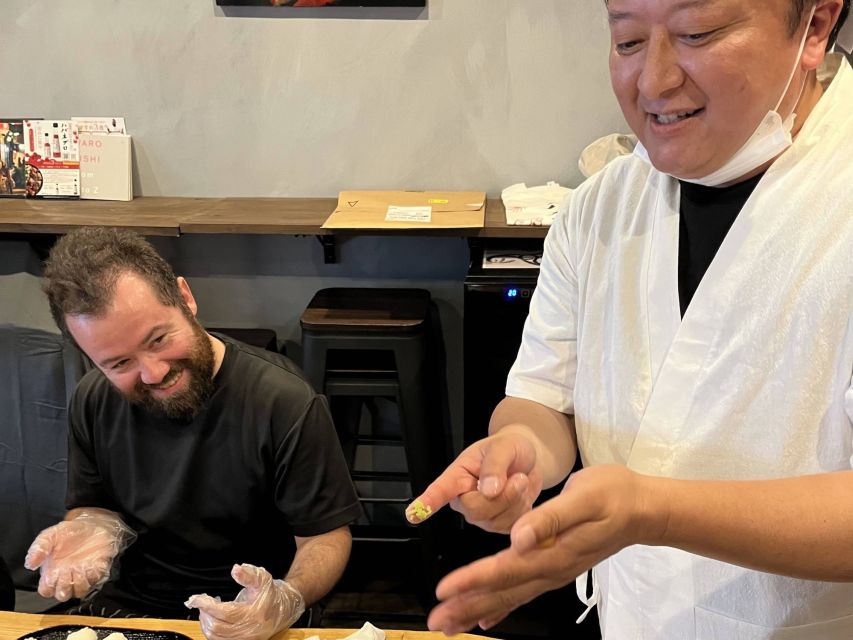
The class begins with a practice sushi sample toy. This is a smart choice, especially for children or anyone who has never shaped sushi before. You can learn the basic motion without worrying about wasting fish or rice.
The chef then guides you through real nigiri sushi step by step. Nigiri looks simple, but the shape depends on gentle, controlled pressure. Press too hard and the rice becomes dense. Use too little pressure and the piece falls apart. The class lets you see how much skill hides inside a small oval of rice and fish.
Several children have enjoyed the lesson, including a five-year-old whose family described it as a favorite activity in Japan. That does not mean every young child will sit happily for the full session, but the sample toy, clear demonstrations, and patient instruction make this more family-friendly than a lecture-style cooking class.
The instructors also explain how to eat sushi properly. That can include the role of chopsticks, how to handle a piece, and the etiquette used in a sushi restaurant. These details are useful because sushi customs can feel mysterious when you first arrive in Japan.
You may also hear about the different fish, the knives used by the chef, and why each knife serves a particular purpose. Hide, in particular, has been praised for explaining not only what to do, but why the technique matters. That extra context makes the class more useful once you return home.
Making Maki With a Special Tool
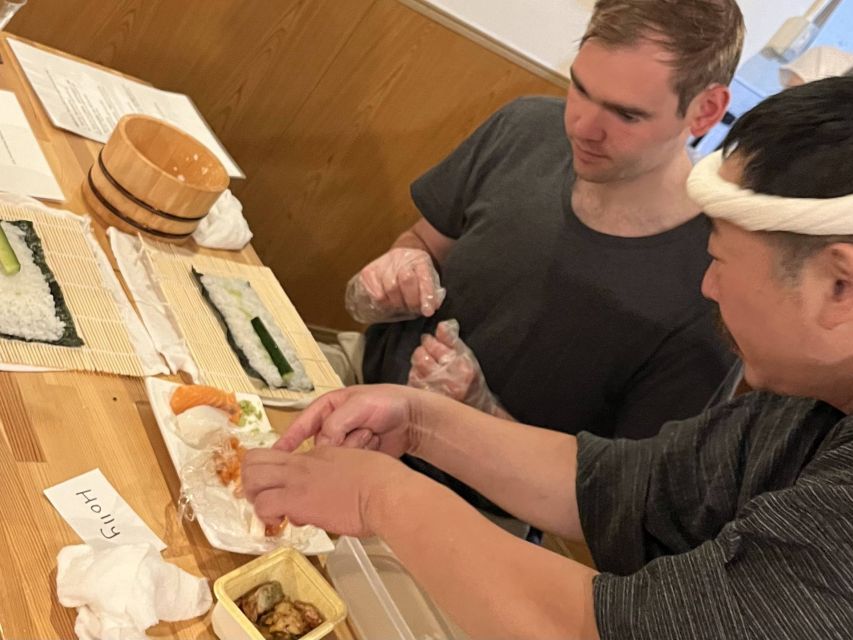
After nigiri, you make a sushi roll. The special tool helps you form the roll neatly, so you can focus on the ingredients and the basic sequence rather than struggle with perfect rolling technique from the start.
This part gives the class a nice change of pace. Nigiri requires careful hand shaping, while maki involves arranging ingredients and creating a firm roll. You get to make more than one style of sushi and compare the methods.
One point to keep in mind is that the class does not appear to include every stage of sushi production. You may not prepare the rice or cut the fish yourself. One participant specifically wished for those steps and said they would have paid extra for them.
That is a fair limitation to understand before booking. The class is designed to help you make and eat sushi under a chef’s direction, not train you in fish butchery or rice preparation. For most visitors, this keeps the session approachable and manageable. If you want a serious knife lesson, ask for details before reserving.
Plating the Sushi You Made
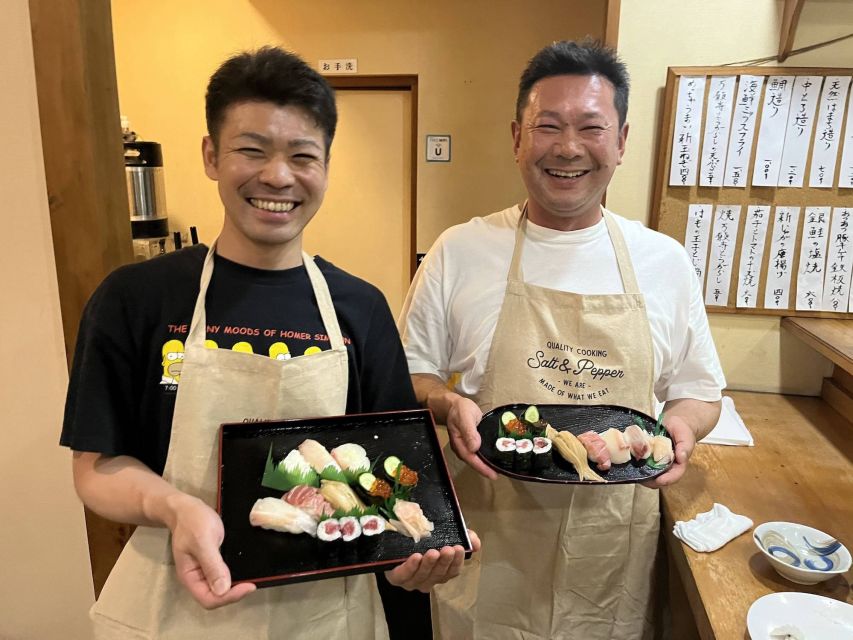
At the end, you arrange all your sushi on a plate. This is more than a photo moment. Plating is part of how sushi is presented, and it gives you a chance to see the full result of the work you have just done.
Then you eat your own lunch. The meal includes the sushi you prepare, tea or water, and Japanese-style dashi soup. The soup gives the meal a warm, savory side and helps make the class feel like lunch rather than a short demonstration followed by a snack.
Fresh fish is a major part of the appeal. Several participants described the fish as high quality, fresh, and nicely cut. Even one person who did not usually enjoy raw fish found the finished sushi enjoyable.
Still, you should know your own comfort level. This is not the right choice for people with food allergies, according to the activity information. If you have a dietary restriction, do not assume the kitchen can accommodate it simply because one past participant received help with gluten-free needs. Ask the provider directly before booking.
More hands-on workshops in Kyoto:
- Kyoto: 45-Minute Tea Ceremony Lesson Experience
★ 4.3 · 2,378 reviews - Ramen Cooking Class at Ramen Factory in Kyoto
★ 5.0 · 1,937 reviews - Kyoto : Chopsticks Making Workshop in Gion with Engraving Option
★ 5.0 · 958 reviews - Kyoto: Samurai Sword Class by Experts in Traditional Arts
★ 4.9 · 657 reviews
A Patient Chef Makes the Difference
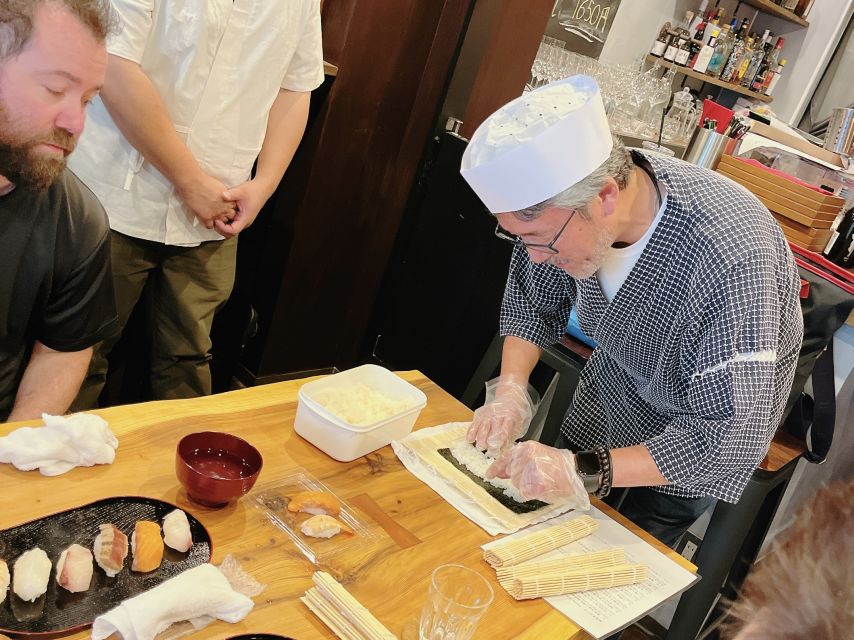
The strongest feature here is the teaching. The chefs are not presented as anonymous staff members. People have specifically praised Hide, Yutaka, Yune, Nami, Yukihide, and Yone for being friendly, calm, clear, and patient.
Hide appears often in the praise, with particular attention given to his decades of experience, relaxed manner, and detailed explanations. Yutaka has been praised for clear instruction and high-quality food. Nami was described as kind and patient with a young child, while Yune received praise for teaching both maki and nigiri in an easy-to-follow way.
Your instructor may be someone else from the team, so do not book expecting one guaranteed chef unless the provider confirms it. The useful point is the teaching approach: demonstrations are followed by your own attempt, and the chef helps you correct the technique.
The small group limit of eight matters here. You are not lost in a large crowd, and the chef can watch how you shape each piece. A small class also makes it easier to ask basic questions about rice, fish, knives, or dining customs without holding up a room full of people.
Instruction is available in English and Japanese. That should make the main steps accessible to English-speaking visitors, though the exact depth of conversation may depend on the instructor and the group.
Photos Without Putting Down Your Rice
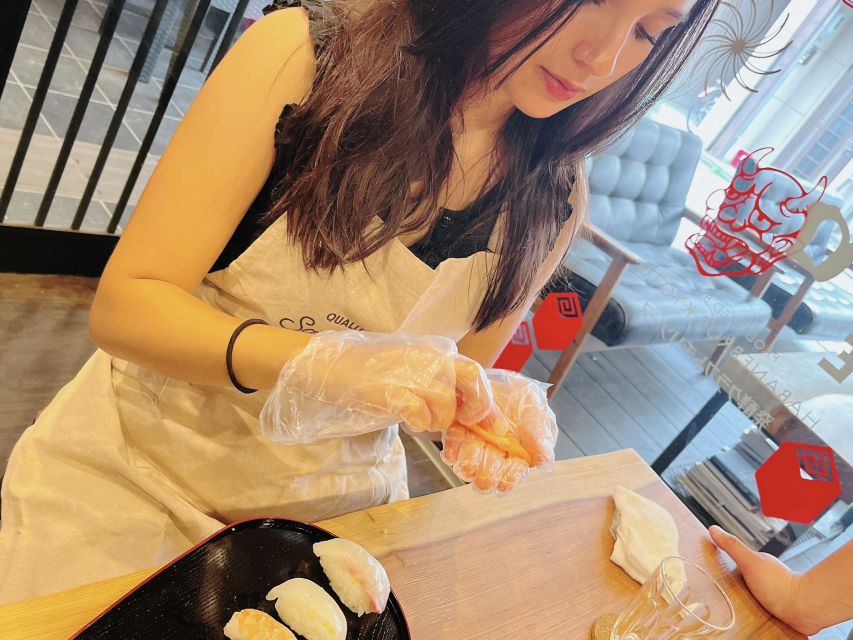
The provider takes photos and videos during the class, then shares the data afterward. I like this feature because cooking classes often create a small problem: you want pictures, but you also want clean hands and full attention.
Here, you can concentrate on following the chef’s movements. You can still remember the process later, including the moment you first shape nigiri, the roll-making stage, and the finished plate.
Do not treat this as a professional photo session. The useful benefit is simple documentation of the experience. You get to participate instead of asking a companion to photograph every step.
Is $74 a Fair Price?
At $74 per person, the price is reasonable if you value both the meal and the instruction. You are paying for a small-group class with a sushi chef, fresh fish bought from Kyoto Central Wholesale Market, lunch, dashi soup, tea or water, and shared photos and videos.
A restaurant meal alone would not give you the hands-on practice or the explanation of sushi etiquette. A cheaper cooking activity might offer a demonstration, but not necessarily fresh fish purchased that morning or a group limited to eight.
The value is strongest for families, first-time sushi makers, and visitors who want an activity they can talk about after the temples and shopping streets blur together. The skills may also travel home with you. Several participants planned to make sushi again in their own kitchens, and that is a good test of a cooking class: it should leave you with more confidence than you had at the start.
The value is weaker if you want a full market visit, advanced knife work, or a long professional training session. You are not paying for a complete sushi apprenticeship. You are paying for a guided introduction, a good lunch, and a pleasant Kyoto memory.
Who Should Book This Class?
I would recommend it for families with children, couples, small friend groups, and solo visitors who enjoy food and want an activity with a clear result. The five-year-old who enjoyed the class suggests that young children can take part, while teenagers also appear to appreciate the chance to produce food that looks and tastes good.
It is especially useful for people who already love sushi but know little about how it is made. You learn the difference between the hand pressure used for nigiri and the rolling method used for maki. You also get a basic lesson in how sushi is eaten, not just how it is assembled.
The class suits a busy Kyoto schedule because the shortest listed duration is 90 minutes. Still, the stated range extends to three hours, so allow space around the activity rather than booking a tight connection to another appointment.
People with food allergies should skip it unless the provider confirms a safe arrangement in advance. Strong fragrances are not allowed, so avoid perfume or heavily scented products when attending.
Meeting Near Shijo Karasuma
The two possible venues are around Shijo Karasuma, a useful central area for a Kyoto day. You are sent the exact Google Maps link by email, and the staff arrive with a welcome board.
One participant found the location easy to reach and close to Kyoto-Kawaramachi Station. That makes the class convenient if you are already shopping or sightseeing in central Kyoto, though you should still follow the emailed directions because the final venue can change with group size.
Do not wait until the last minute to check your email. The meeting area is broad, and the exact room is not fixed in advance. Save the map link and arrive with enough time to identify the welcome board.
Cancellation is flexible enough for normal trip planning: you can cancel up to two days in advance for a full refund. That is useful when you are still adjusting a Kyoto itinerary around weather, temple visits, or train plans.
Final Verdict: Book It If You Want to Make Lunch
Book this class if you want a personal food lesson rather than another meal at a restaurant. The fresh market fish, small group, patient chefs, and chance to eat your own nigiri and maki create a strong package for $74.
I would be cautious only if you expect to cut the fish, prepare the rice, or visit Kyoto Central Wholesale Market as part of the session. Those are not the main focus. For an accessible introduction to sushi craft, with real instruction and a satisfying lunch at the end, this is an easy pick for a Kyoto itinerary.
FAQ
How long does the Kyoto sushi-making class last?
The activity lasts from 90 minutes to three hours. The exact length and starting time depend on the session you choose, so check availability before booking.
How much does the experience cost?
The listed price is $74 per person.
What kinds of sushi will I make?
You make real nigiri sushi after practicing with a sushi sample toy. You also make a sushi roll, or maki, using a special tool.
Is lunch included?
Yes. You eat the sushi you make, along with tea or water and Japanese-style dashi soup.
Where does the class meet?
There are two venues around Shijo Karasuma. The provider chooses the venue based on the number of participants and sends a Google Maps link by email. Staff meet you with a welcome board.
Is the class taught in English?
Yes. Instruction is available in English and Japanese. The group is limited to eight participants.
Just added around Kyoto
- Kyoto: Zen Meditation at a Private Temple with a Monk★ 5.0 · 25 reviews
- Kyoto: Gion Geisha District & Sake-in-Hand Walking Tour★ 5.0 · 37 reviews
- Private Pewter Sake Cup Experience with a Kyoto Artisan★ 5.0 · 31 reviews
- Your Private Vacation Photography Session In Kyoto★ 5.0 · 110 reviews
- Private Guided Traditional Buddhist Cooking in Japan★ 5.0 · 16 reviews
- Kyoto Wagashi(Japanese sweets) Cooking Class near Fushimiinari★ 5.0 · 60 reviews
- Traditional Japanese Music show & Experience Tour in Kyoto★ 5.0 · 57 reviews
- Kyoto:Family-Friendly Kimono & Yukata Experience at WARGO★ 5.0 · 147 reviews
Kyoto Tours, compared.


Fushimi Inari, Kinkakuji, Bamboo Grove 1 Day Bus Tour
Read our review →
Tea Ceremony in a Traditional Tea House in Kiyomizu
Read our review →
Kyoto Geisha Walking Tour: Gion District & Hidden Gems
Read our review →

Gion Magical Night Walking Tour with Geisha Trivia
Read our review →

Gion Geisha District Walking Tour – Stories of Geisha
Read our review →Browse the lists this tour appears in