
Reviewed · TSUKIJI FISH MARKET TOURS
Tokyo: Tsukiji walk & sushi private tour with Uni Students
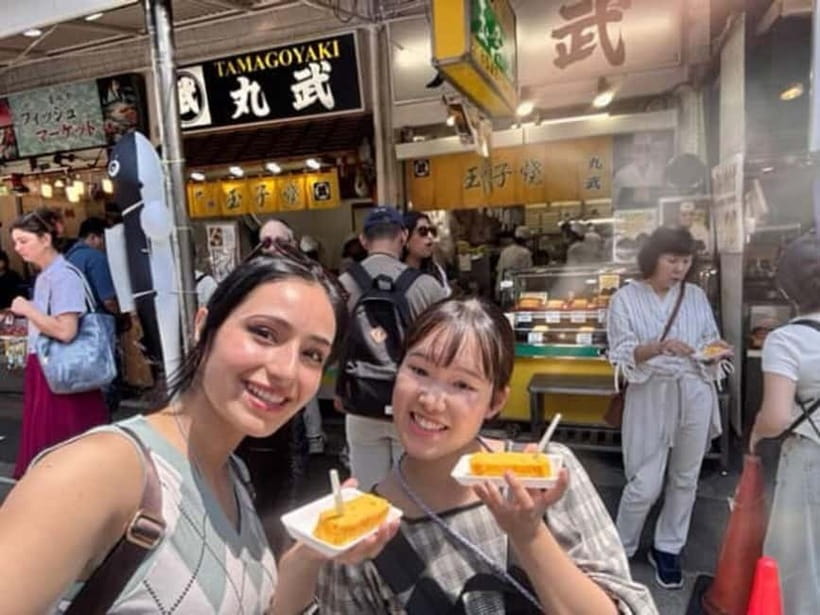
Tsukiji is best understood with someone who knows its side streets, family stalls, and food customs. This private walk pairs you with Tokyo university students, giving you a market tour and a relaxed chance to ask how young people in Japan see their city and country. Some guides, including Nonoka, have family businesses in Tsukiji and can point out places you would likely miss alone.
I like the mix of temple worship and market food, which gives the morning more shape than a simple eating tour. I also like that tamagoyaki and sushi are included, while guides such as Nono, Kiko, Teddy, and Yuri have been praised for their warmth and local connections.
The main consideration is communication. Your guide is practicing English, so conversation may be easier with patience, simple questions, and a sense of humor. The tour also includes raw seafood, and you will want comfortable shoes and a light breakfast, or no breakfast at all.
Key points to know before you book
- Family connections in Tsukiji: Some student guides have relatives who have operated market stalls for three generations.
- Temple and market in one walk: You visit Tsukiji Hongwanji Temple, the Outer Market, and Namiyoke Inari Jinja.
- Food is part of the price: Tamagoyaki and a sushi lunch are included, while drinks and extra snacks cost more.
- Private conversations: You have time to ask personal questions and learn about Japan from a young local.
- Three hours on foot: The pace is suited to people who can walk through narrow market streets in comfortable shoes.
- Small language tradeoff: English skills vary, but enthusiasm and local familiarity can make up for imperfect phrasing.
Why a student guide changes Tsukiji
Tsukiji is easy to visit on your own, but it is not always easy to understand. The Outer Market has food shops, narrow lanes, professional buyers, and plenty of tempting samples. A student guide gives you someone to explain what you are seeing and, just as useful, someone to talk with about daily life in Tokyo.
This is not a formal lecture with a fixed script. It is a private group experience, so you can ask about Japanese food, university life, customs, religion, or the way the market has changed. The best part is the exchange. You are not simply looking at Japan from the outside. You are speaking with a young person who lives and studies in Tokyo.
The guides are still studying English. That is worth taking seriously when you book. You may need to repeat a question or phrase it in a simpler way, and some explanations may be short. But the tradeoff can work well if you value a friendly local connection more than polished professional commentary.
Several guides have strong ties to Tsukiji. Nonoka, also called Nono, has family roots in the market, with a family store extending back three generations. That sort of connection can lead to useful introductions, practical food advice, and a better sense of which stalls matter to local people.
More fish market mornings:
- Tokyo Tsukiji Fish Market Food and Culture Walking Tour
★ 5.0 · 3,184 reviews - Tokyo: Tsukiji Fish Market Food and Walking tour
★ 5.0 · 1,724 reviews - Tokyo: Tsukiji Fish Market Guided Walking Tour
★ 4.9 · 1,397 reviews
Starting at Tsukiji Hongwanji Temple
Meet at the main gate of Tsukiji Hongwanji Temple, where your guide will hold a sign with your name. The location is convenient: it is just outside Exit 1 of Tsukiji Station on the Tokyo Metro Hibiya Line.
The temple is more than a meeting point. You spend about 30 minutes inside, learning about the building and taking part in a respectful visit. The tour includes worship, so dress and behave with the same care you would use at any active religious site.
Tsukiji Hongwanji has a distinctive presence, and beginning here gives you a quiet contrast before the market streets. I like this opening because it places the food you are about to see within a broader setting of Japanese customs. You get a short cultural introduction before your attention turns to sushi and snacks.
Do not expect a long temple history seminar. The temple visit is one part of a three-hour tour, not the main event. If your main interest is architecture or Buddhist practice, you may want extra time here on another visit.
Reading the Outer Market with local help
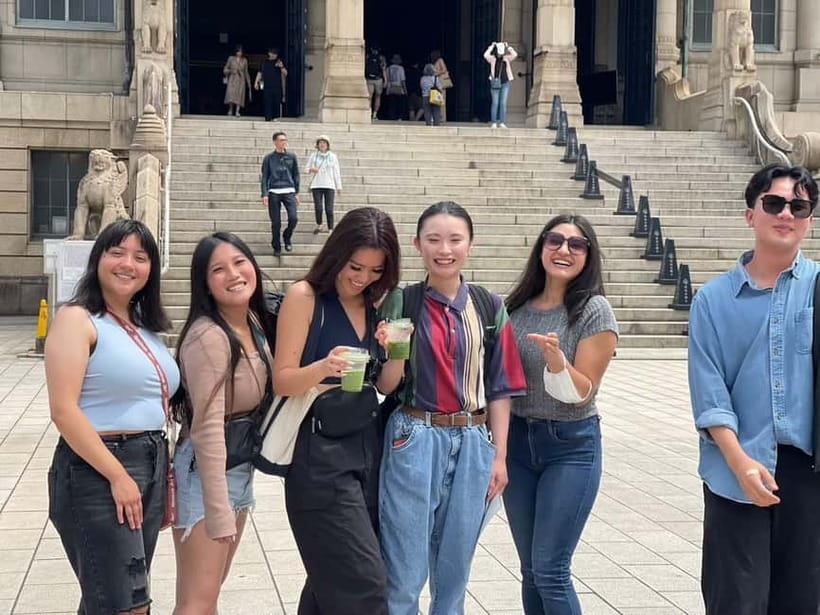
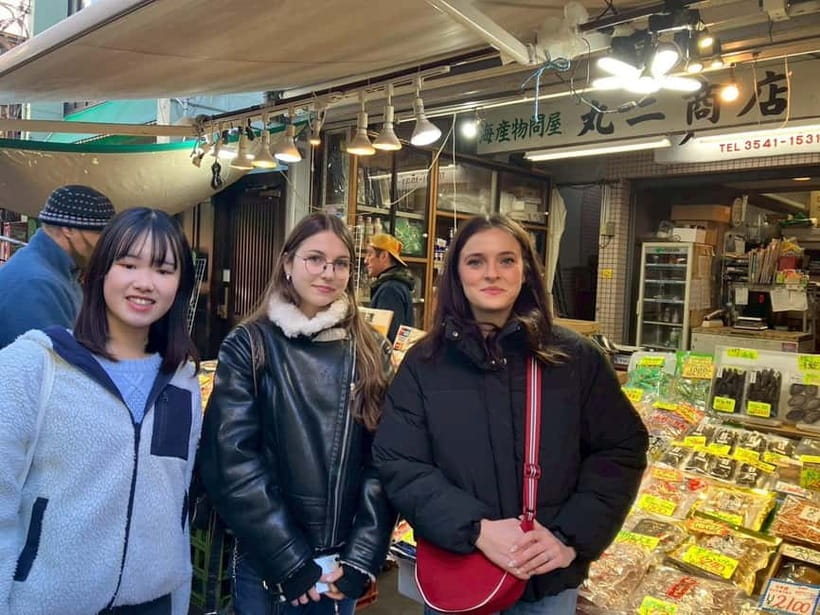
The main portion of the experience takes place in Tsukiji Outer Market, where you spend roughly an hour and a half walking and learning. The former wholesale fish market moved to Toyosu, but Tsukiji Outer Market remains a major place to buy seafood, prepared foods, kitchen goods, and Japanese ingredients.
Your guide helps you make sense of the market’s working rhythm. You will see food professionals and shopkeepers going about their business, so this is not simply a backdrop for photos. Stay aware of narrow lanes, keep your group close, and avoid blocking shop entrances while you look.
The value here is the guide’s ability to point out what deserves your attention. Past tours have included stops at family-run stalls, personal introductions, and suggestions for foods outside the set meal. If you want to try something not included, you can usually buy it yourself, but those extra purchases are your responsibility.
Nonoka’s family connection is especially useful. One guest was taken to her family’s store, while other guides helped with market introductions and waited in line at popular shops. That does not mean every departure will follow the same path, but it shows why the private format can offer more than a standard route.
You may also benefit from local timing and ordering help. One group was able to avoid a long sushi line through a guide’s connection. Do not book with the promise that every line will disappear, but understand that a local guide can make food stops less confusing.
Namiyoke Inari Jinja and the market’s spiritual side
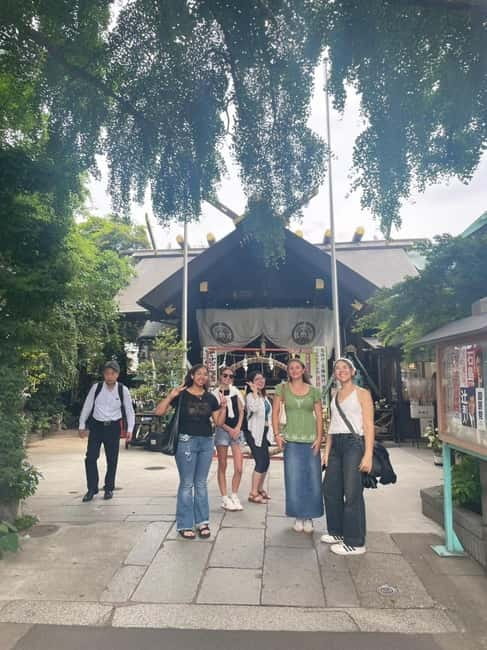
The walk also includes Namiyoke Inari Jinja, a small shrine associated with the Tsukiji area. It adds another religious stop after the larger Hongwanji Temple and helps show how spiritual places remain tied to everyday work and food communities.
The visit is guided, but the supplied details do not specify a fixed amount of time there. Treat it as a short stop within the market walk rather than a separate major attraction. Your guide can explain the customs and significance in a personal, conversational way.
This is one reason the experience suits someone visiting Tokyo for the first time. You get food, local streets, and religious sites in one compact morning. You do not have to organize several separate stops or work out how to connect them yourself.
More walking tours in Tokyo:
- Tokyo: Imperial Palace and Shogun Historical Walking Tour
★ 5.0 · 2,251 reviews - Tokyo: Shinjuku Local Bar and Izakaya Guided Walking Tour
★ 4.9 · 1,794 reviews - Tokyo: Asakusa Walking Tour with Sensoji Temple Visit
★ 4.8 · 1,583 reviews - Tokyo Castle & Imperial PalaceーShogun Walking Tour
★ 4.7 · 1,068 reviews
Tamagoyaki, sushi, and a very useful empty stomach
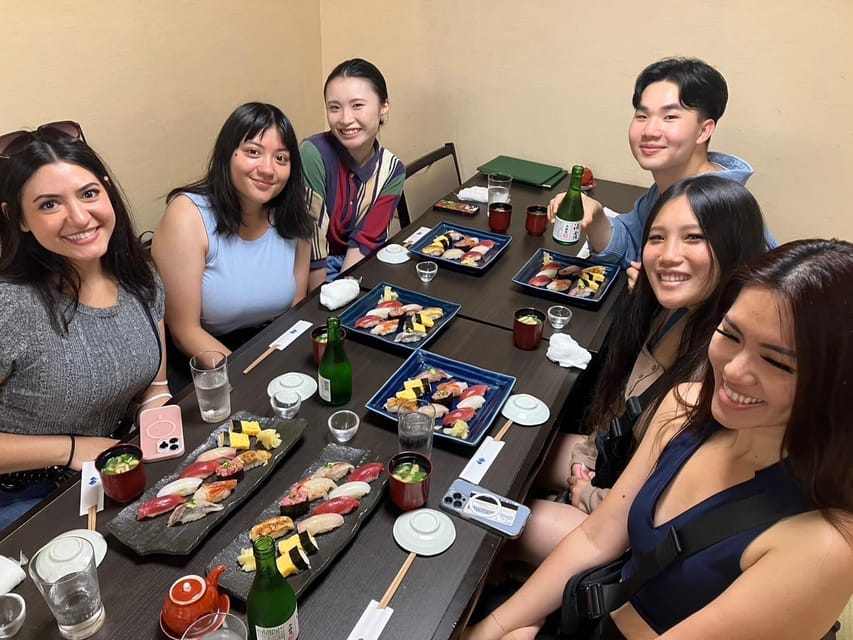
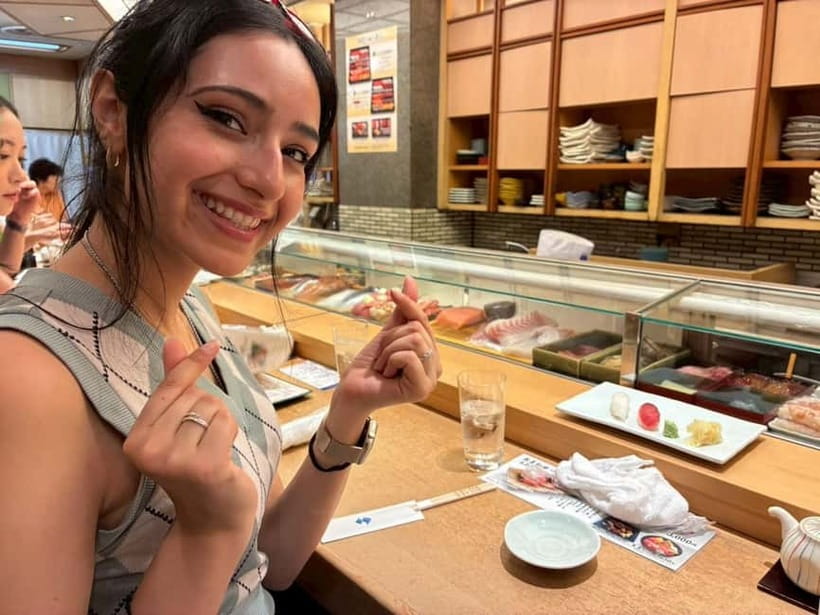
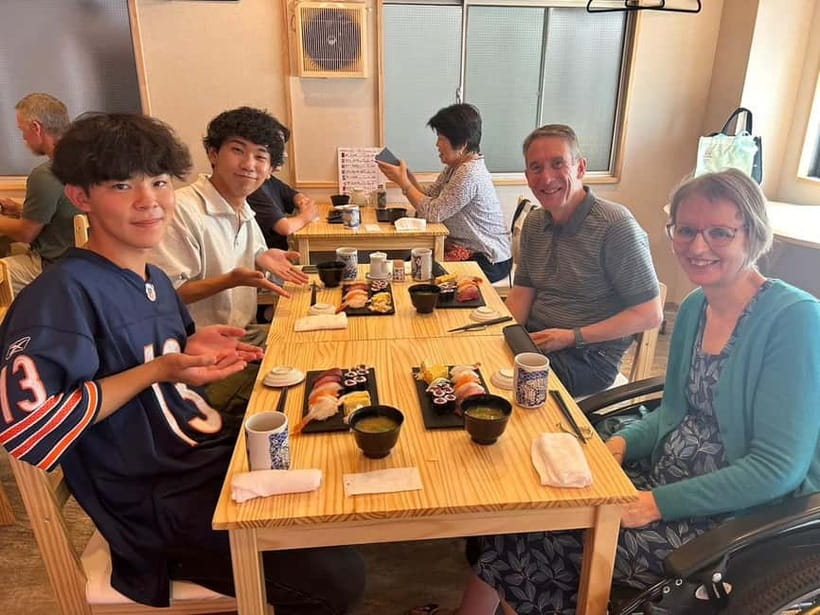
Food is not an optional extra here. Tamagoyaki, the rolled Japanese omelet, is included, along with sushi as lunch. The plan also allows time for a meal at a local sushi restaurant, where you can eat in the traditional style of a Japanese sushi shop.
The food coverage is a strong part of the $87 price. A private three-hour guide, temple and market orientation, tamagoyaki, and sushi lunch together make the cost reasonable for someone who wants both explanation and a meal. It is less suitable if you prefer to browse alone and choose every dish yourself.
Past food combinations have included sushi rolls, sashimi, dried scallops, red bean fish cake, and ice cream, but these extras are not guaranteed inclusions. The stated meal is tamagoyaki and sushi. Drinks are not included, so carry money for beverages and any additional items that catch your eye.
You should arrive hungry. The tour specifically recommends an empty stomach, and that advice makes sense. Tsukiji is full of food temptations, and the included meal comes after time spent sampling or seeing market specialties. If you eat a full breakfast, you may have to pass up some of the experience.
Raw food is part of the tour. If you do not eat raw seafood, tell your guide early and ask what alternatives may be possible, though the provided details do not promise substitutions. People who enjoy seafood will get the most from this outing.
How the private format affects the morning
A private group gives you room to set the tone. You can ask more questions than you could in a large group, pause when something interests you, and have a more natural conversation with the students. The experience is less about rushing through a checklist and more about seeing Tsukiji with personal guidance.
The three-hour length is well judged for a first look. It is long enough for the temple, market walk, shrine, and sushi meal, but short enough to fit into a wider Tokyo day. Plan on walking for most of the time. Comfortable shoes are important, and weather-appropriate clothing will make a difference.
The market can be crowded and its streets can be tight. This is not a slow, empty promenade. You need to watch where you step, respect working shopkeepers, and stay flexible if a food stop has a queue.
The route can change in rain. Light drizzle does not cancel the tour, but severe weather may affect the plan, and you will be notified by email if the status changes. Rain can also lead to an altered route, so bring suitable clothing rather than assuming every stop will happen exactly as planned.
What the guide experience is really like
The strongest reason to book is the chance to meet a young Tokyo local in a setting where conversation feels natural. Guides such as Teddy have been praised for outgoing hosting and broad information about Japan. U has been appreciated for friendly cultural exchange, while Nonoka, Kiko, Yuri, Risa, Kaho, and Yuta have each helped create a warm, personal experience.
You should not expect every guide to have the same style. Some departures have used two or even three students, and some guides are on their first tours. English ability varies because these guides are still studying the language. Clear questions help, and a patient attitude improves the experience for everyone.
The food knowledge can be especially practical. Guides have helped choose sashimi, explained market foods, introduced family shops, and suggested places to try. If you have a particular interest in seafood, ask early. If you want to know about student life or modern Japanese culture, this private setup gives you a good opening.
The tone is friendly rather than formal. There may be humor, pauses, or moments where a phrase needs explaining. For many people, that is part of the point. You are meeting a person, not listening to a perfectly polished audio guide.
Is $87 a fair price for three hours?
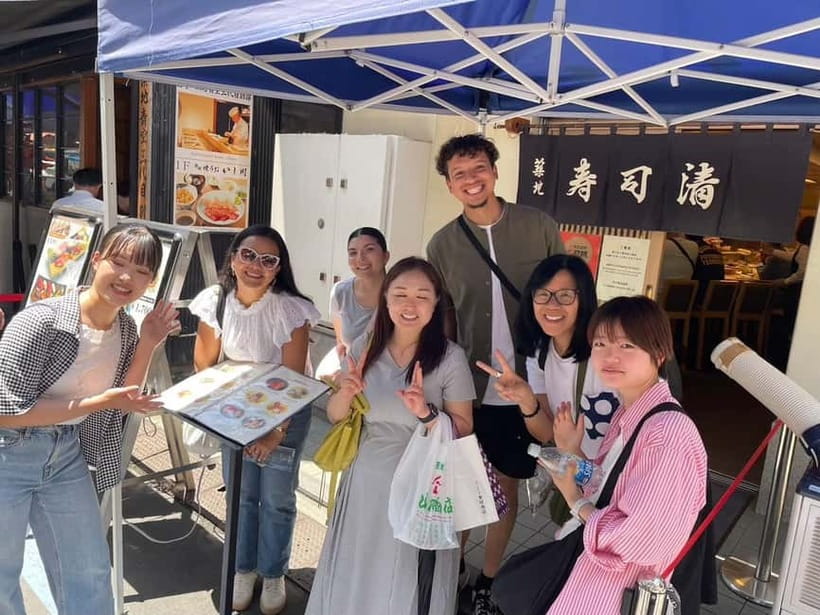
At $87 per person, the tour is not the cheapest way to see Tsukiji. You can walk through the Outer Market without a guide, buy your own tamagoyaki, and choose a restaurant independently. If you are confident ordering food and researching the area, a self-guided visit will cost less.
The price makes more sense if you want a private guide, a planned sushi lunch, cultural context, and help navigating the food stalls. It also includes photos taken during the tour, which is a small but useful extra when you want to remember the morning without constantly taking out your phone.
The family connections reported by several guides add potential value, particularly for people who dislike guessing which stall to choose. Still, no tour can guarantee a line skip, special access, or the same food selection every day. Think of those as possible benefits, not promises.
The reserve-now, pay-later option and free cancellation up to 24 hours before the tour also reduce the risk of booking early. The activity lasts three hours, and starting times depend on availability, so check the selected date before committing your Tokyo schedule.
Who should book this Tsukiji walk?
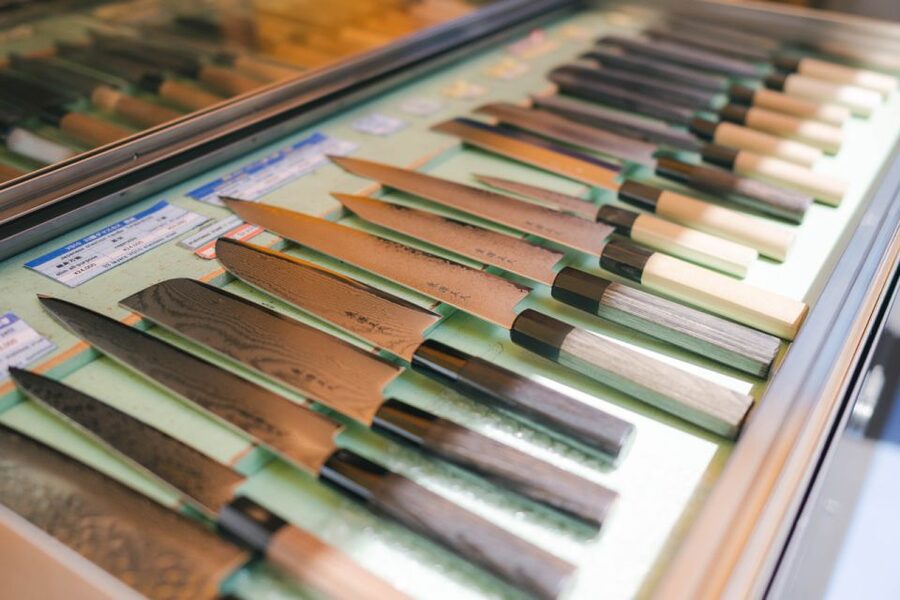
I would recommend it to first-time Tokyo visitors who want a friendly introduction to Tsukiji without spending half a day planning food stops. It is also a good match for solo visitors, couples, families, and anyone who enjoys conversation as much as sightseeing.
Food lovers, especially seafood fans, are the clearest match. You get sushi, tamagoyaki, a market walk, and help understanding what you are seeing. People who avoid raw food or want a strict restaurant-focused meal may find the format less suitable.
It also suits anyone curious about present-day Japan. The student guides can discuss their own lives and ideas, not just old customs. That exchange is the feature that separates this experience from a basic market tasting.
You may want to skip it if you prefer complete independence, polished English commentary, or a quiet route away from crowds. You should also reconsider if walking through market lanes is difficult or if you need guaranteed food substitutions.
Should you book the Tsukiji student tour?
Book it if you want local conversation, market guidance, and included sushi in one compact experience. The family links of guides such as Nonoka can give the morning a personal edge, while the temple and shrine stops keep it from becoming only a food crawl.
Go in with realistic expectations. Your guide is a university student practicing English, the route may shift in rain, drinks and extra snacks cost more, and raw seafood is included. If those points suit you, $87 buys more than lunch. It buys a personal introduction to one of Tokyo’s best-known food districts.
FAQ
Where does the Tsukiji tour start?
Meet at the main gate of Tsukiji Hongwanji Temple. Your guide will hold a sign with your name.
How do I reach the meeting point?
The temple is just outside Exit 1 of Tsukiji Station on the Tokyo Metro Hibiya Line.
How long does the tour last?
The tour lasts three hours.
Is the tour private?
Yes. It is offered as a private group experience.
What languages are available?
The tour is available in English and Japanese. The guides are university students currently studying English.
What food is included?
Tamagoyaki and sushi lunch are included. The tour also includes a visit to a local sushi restaurant.
Are drinks included?
No. Drinks are not included.
Does the tour include raw seafood?
Yes. The experience includes raw food items, including sushi and potentially sashimi selections.
What should I bring?
Wear comfortable shoes and weather-appropriate clothing. Arriving with an empty stomach is recommended.
Does the tour operate in bad weather?
The tour proceeds during drizzle, but the route may change because of rain. In severe weather, you will be notified by email about the tour status.
Can I cancel for a refund?
You can cancel up to 24 hours in advance for a full refund.
Do I have to pay when I book?
No. The reserve-now, pay-later option lets you book without paying immediately.
Just added around Tokyo
- Private Arrival Transfer : Narita International Airport to Central Tokyo City★ 4.5 · 12 reviews
- Narita Airport(NRT): Private Transfer to Tokyo/Yokohama 1-9pax★ 5.0 · 47 reviews
- Private Transfer from Narita Airport to Yokohama Port and City★ 4.5 · 17 reviews
- [Narita Airport Terminals 1, 2] 40-60km Sawara Itako Historic Bike Tour★ 5.0 · 13 reviews
- 3 Day Japan Highlights Tour: Tokyo, Mt.Fuji, Nara, Kyoto, Osaka★ 5.0 · 22 reviews
- Small Town in the Big City: Tasting Tokyo’s Kichijoji★ 5.0 · 195 reviews
- Small Town in the Big City: Tasting Tokyo’s Kichijoji★ 5.0 · 16 reviews
- The 10 Tastings of Tokyo With Locals: Private Street Food Tour★ 5.0 · 48 reviews
Tsukiji Fish Market Tours, compared.
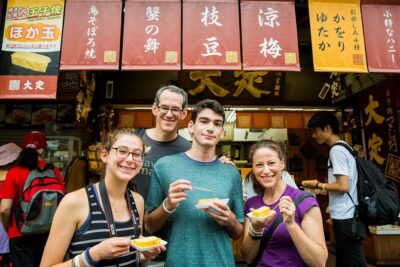
Tokyo Tsukiji Fish Market Food and Culture Walking Tour
Read our review →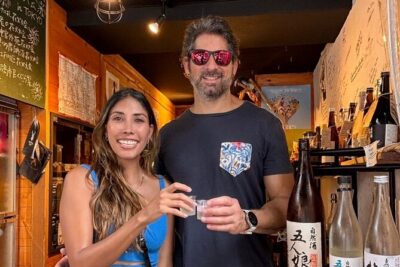
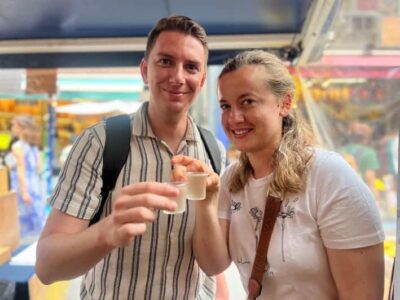
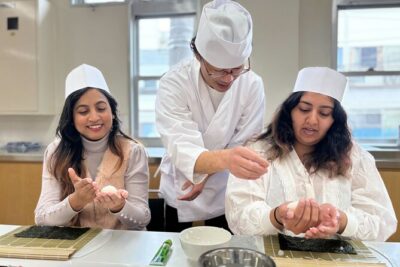
Tokyo Sushi Making Class in Tsukiji with Professional Chef
Read our review →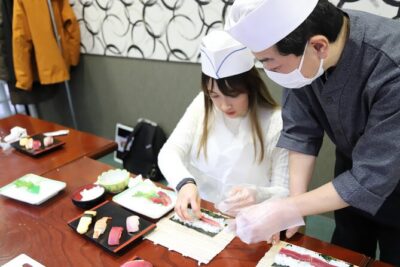
Tsukiji Fish Market Guided Tour and Sushi Making with Pro Chef
Read our review →Tsukiji Fish Market Food and Culture Walking Tour
Read our review →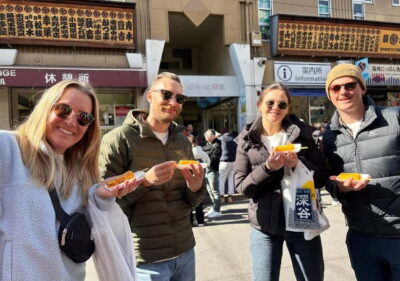
Tsukiji Fish Market: Street Food & Culture Walking Tour
Read our review →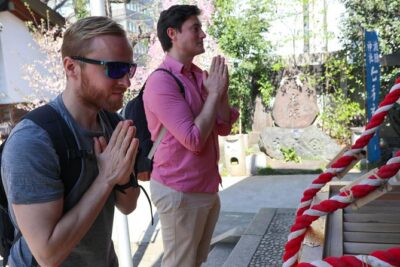
Tsukiji Fish Market Small-Group Food Walking Tour
Read our review →Browse the lists this tour appears in