
Reviewed · BAMBOO GROVE TOURS
Bamboo Grove Temple and Garden Views Tour
Arashiyama packs Kyoto’s best nature sights into one busy but rewarding morning: a bamboo grove, a Zen temple garden, a hillside villa, a monkey park, and the Katsura River. This small-group walking tour gives you a guide, a clear route, and admission to three paid sights without making you sort out the order yourself.
I like the range of scenery, from the glowing textile pillars at Kimono Forest to the wide mountain views from Okochi Sanso Garden. I also like the human touch: guide Mari is specifically praised for being kind, helpful, and well informed. The main drawback is the walking. The Monkey Park climb takes about 20 to 30 minutes, and the full route suits people with a strong fitness level.
Key points at a glance
- A full Arashiyama circuit: See seven major stops in about five hours, ending at Randen Arashiyama Station.
- Three admissions included: Your $60 fee covers Tenryu-ji, Okochi Sanso Garden, and Iwatayama Monkey Park.
- A real uphill walk: The Monkey Park trail takes about 20 to 30 minutes and requires good physical fitness.
- A capped group of 12: You get more room for questions and easier movement than on a large coach outing.
- Best early in your Kyoto stay: The guide handles the route while you learn how Arashiyama fits together.
- A useful one-way plan: The tour starts at Kyoto Station and finishes in Arashiyama, leaving you in the district rather than sending you back across town.
Why this Arashiyama tour works
Arashiyama is easy to underestimate. On a map, the sights appear close together, but the area has several routes, narrow lanes, temple entrances, river crossings, and a steep path up to the monkeys. A guide keeps the morning moving and helps you see the main sights in an order that makes practical sense.
The tour starts at Kyoto Station at 8:30 am. That early departure matters. Arashiyama is one of Kyoto’s most popular areas, and the bamboo path is far more pleasant when you are not trying to push through the middle of the day. This is still a popular route, so do not expect solitude, but an early start gives you a better chance at calmer stretches.
At $60 per person, the price is reasonable for a five-hour guided outing when you count the three included admissions. You are also paying for route planning, local commentary, and a small group capped at 12 people. The value is strongest if you want structure and context. If you already know Arashiyama well and prefer to walk alone, you can visit the free sights without paying for a guide, though you would need to arrange the paid entrances yourself.
More Arashiyama and bamboo walks:
- Kyoto: Fushimi Inari, Kinkakuji, Bamboo Grove 1 Day Bus Tour
★ 4.8 · 4,316 reviews - Osaka/Kyoto:Kinkakuji,Arashiyama,FushimiInariShrine,NaraPark
★ 4.1 · 1,596 reviews - Kyoto/Osaka: Nara, Fushimi Inari Taisha, Arashiyama Bus Tour
★ 4.7 · 1,275 reviews
Kimono Forest and Togetsukyo Bridge set the tone
The first stop is Arashiyama Kimono Forest, a walkway lined with about 600 pillars wrapped in traditional kimono textiles. The pillars glow with color and pattern, making this a quick but worthwhile photo stop. Ten minutes is enough to see the display and take pictures, though it is not a place where you will spend much of the morning.
This opening stop is useful because it offers a softer introduction to Arashiyama than the famous bamboo path. You get attractive patterns, a sense of Japanese textile design, and a few quiet moments before the longer walk begins. Keep your camera ready, but do not expect a formal textile museum or an extended presentation.
Next comes Togetsukyo Bridge, one of Arashiyama’s familiar landmarks. The Katsura River runs below, with the mountains rising beyond it. The scheduled stop lasts about 15 minutes, enough for a crossing and a quick look at the views.
The bridge is more than a photo backdrop. It helps you understand why this district became a pleasure ground for Kyoto. Water, wooded hills, and open sky give Arashiyama a different feel from the tight lanes around central Kyoto. Still, the stop is short, so you will not have much free time along the river.
Iwatayama Monkey Park requires real effort
The Monkey Park is the most physically demanding part of the morning. The trail takes about 20 to 30 minutes uphill, and the full stop lasts about an hour. The reward is a hilltop setting where more than 120 Japanese macaques roam freely in their natural habitat.
This is not a zoo visit with animals behind ordinary barriers. The macaques move around the park on their own terms, which makes the experience more interesting and also calls for care. Follow the guide’s instructions, keep a sensible distance, and pay attention to where you walk.
The climb is described as well maintained, but that does not make it flat. Wear shoes suited to an uphill trail, and do not treat this as a gentle temple stroll. The tour specifically asks for a strong physical fitness level, so anyone with mobility concerns should think carefully before booking.
I like that the park adds something different to a morning otherwise filled with gardens, shrines, and city scenery. It also gives you a high viewpoint over Kyoto and the surrounding area. The tradeoff is clear: you spend energy here that could otherwise go toward a slower temple visit.
Tenryu-ji offers the quietest garden pause
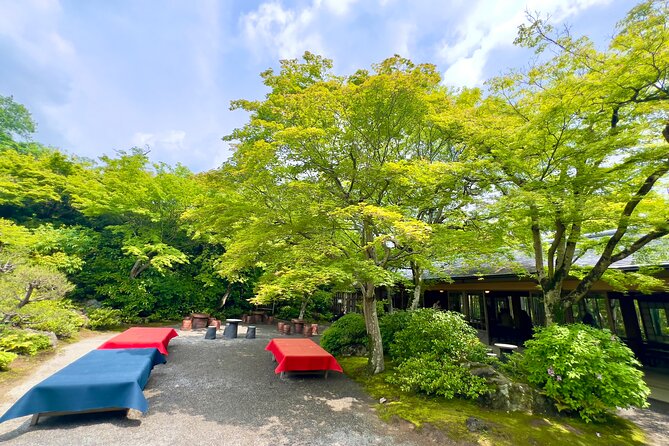
After the monkey park, the tour visits Tenryu-ji Temple, a UNESCO World Heritage Site and one of Arashiyama’s most important cultural stops. The garden centers on a pond, with stones, seasonal plants, and the mountains forming a natural backdrop.
The included admission is important here. Tenryu-ji is not simply a quick photo stop. Its garden rewards a slower pace, and a guide can point out how Zen garden design uses water, stone, plants, and borrowed views to create balance.
The scheduled visit lasts about 30 minutes. That gives you time to walk through the garden and absorb the setting, but it is not a long temple study. If you want to examine every corner or spend time inside the temple buildings, you may wish to return on your own after the tour.
This is one of the places where the guide’s commentary can add real value. The garden is beautiful even without explanation, but details about design and religious purpose help you see why it matters. Guide Mari is praised for being kind, helpful, and well informed, qualities that are especially useful during a temple visit where a rushed explanation would miss the point.
A few more Kyoto half-days to weigh up
- PERFECT KYOTO 1-Day Bus Tour
★ 5.0 · 13,518 reviews - Kyoto: Tea Ceremony in a Traditional Tea House in Kiyomizu
★ 4.9 · 3,519 reviews - Kyoto Geisha Walking Tour: Gion District & Hidden Gems
★ 4.7 · 3,273 reviews - Kyoto: Tea Ceremony Ju-An at Jotokuji Temple
★ 4.9 · 3,207 reviews
The bamboo grove is famous for good reason
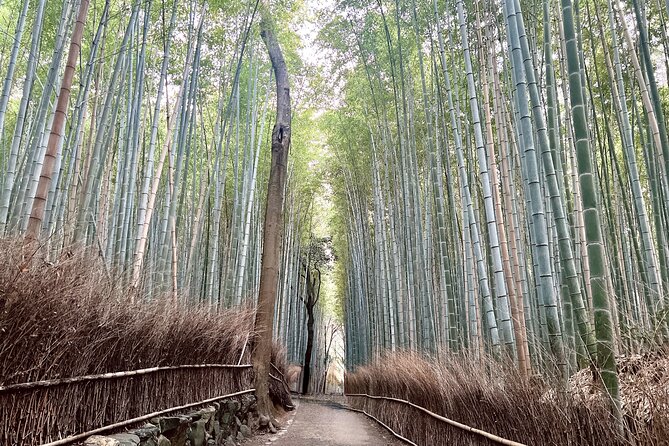
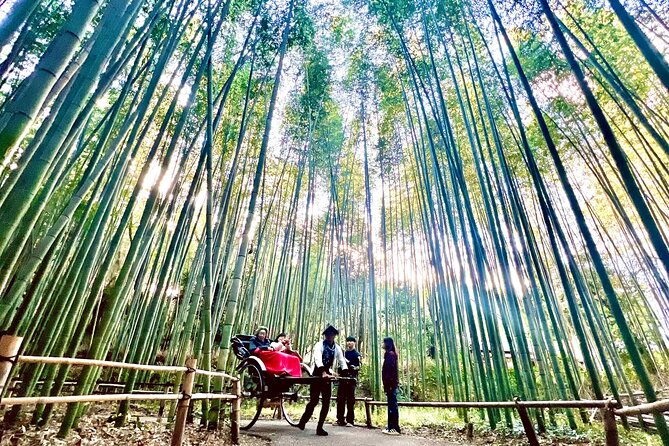
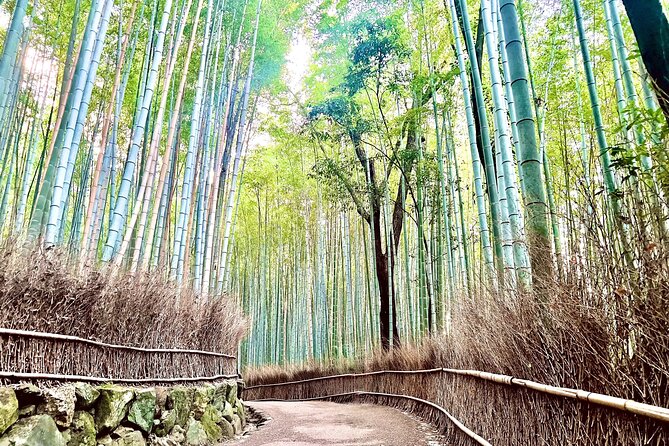
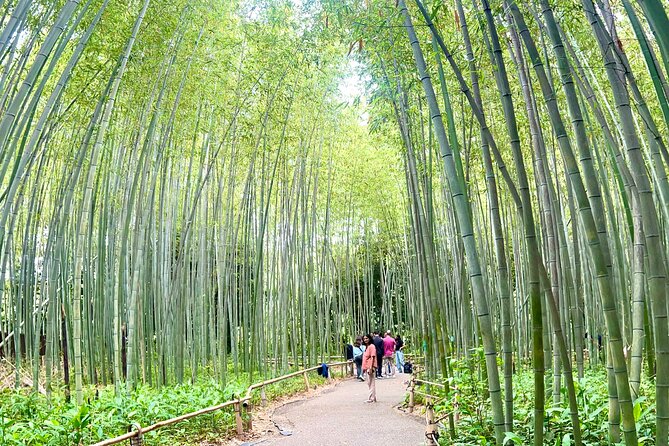
The Arashiyama Bamboo Forest is the headline stop, and the tour allows about 30 minutes here. Tall bamboo rises on both sides of the path, forming a narrow green corridor where light filters down in shifting patches.
The setting is striking, but keep your expectations realistic. This is one of Kyoto’s best-known photo locations, not an untouched woodland. The path can be busy, and the most famous section is not very long. A guide helps you reach it without wasting time, especially when you are already making your way through several sights.
The bamboo grove works best as part of this wider route. If you came only for the bamboo, the visit may feel brief. If you see it after the bridge, monkey park, and Tenryu-ji garden, it becomes one chapter in a varied morning rather than the entire purpose of the outing.
Listen for the bamboo as much as you look at it. Wind moving through the stalks can create the calm feeling people associate with this place, even when the path itself is active. Your best photographs may come from looking upward and framing the repeating stalks rather than trying to capture the whole walkway.
Okochi Sanso Garden rewards the climb
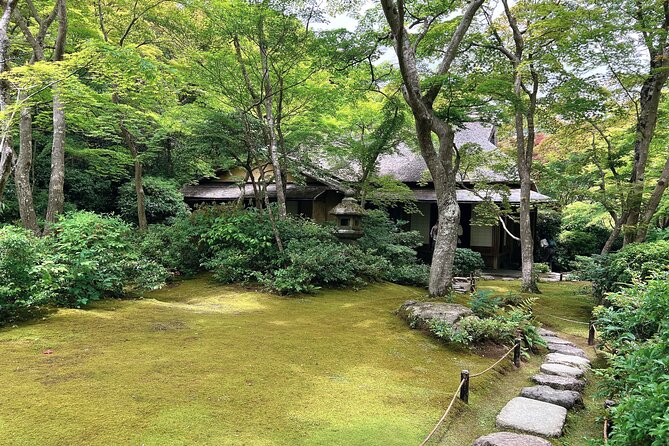
Okochi Sanso Garden is a hillside villa and garden created over 30 years by actor Denjiro Okochi. Admission is included, and the tour allows roughly 30 minutes to follow the garden path.
This stop is one of the strongest reasons to choose the tour. The garden combines carefully planned paths with broad views toward Kyoto, Mount Hiei, and the surrounding hills. After the enclosed bamboo grove, the open outlook feels like a welcome change.
The villa grounds are designed for movement rather than one single viewpoint. You climb through the garden, encounter different angles, and reach higher points with wider views. That means the route continues to require some effort, though the supplied information does not give a separate time or difficulty rating for this section.
Thirty minutes is enough for an introduction, but not a leisurely exploration. If gardens are your main interest, note the location and consider returning another day. On the tour, enjoy the contrast: Tenryu-ji gives you a formal pond garden, while Okochi Sanso gives you hillside paths and views across Kyoto.
Nonomiya Shrine adds a small sacred stop
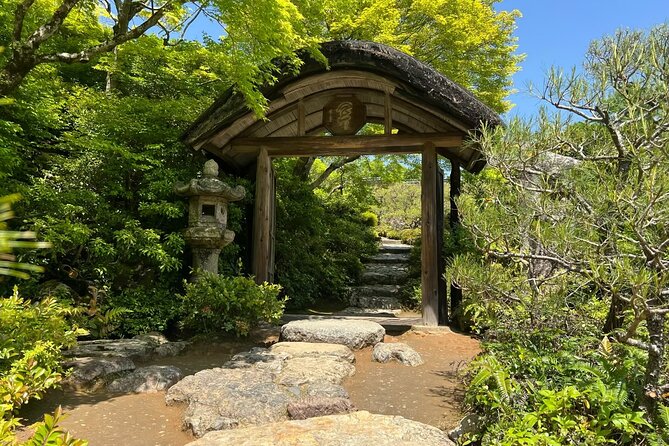
Nonomiya Shrine is a small Shinto shrine tucked beside the bamboo route. It is linked with imperial history and is associated with love and purification. The stop lasts about 15 minutes.
Do not expect the scale of a major Kyoto temple. Nonomiya’s appeal is its modest size and setting. It offers a brief pause from the larger attractions and shows how religious spaces can sit within ordinary walking routes.
The short visit is enough to see the shrine and hear its basic context. It also rounds out the tour religiously. You visit a Zen temple, a Shinto shrine, and gardens shaped by both aesthetic and spiritual ideas, all in one morning.
What the five-hour schedule really means
The listed stops add up to more time than the advertised five hours once you include walking between them, transportation, and transitions. That tells you something useful: the schedule is active and tightly arranged. You will see a lot, but this is not a slow, unstructured morning.
The route starts at Kyoto Station and ends at Randen Arashiyama Station. Public transportation costs ¥240 per person and is not included. The one-way arrangement is practical because you finish where the sights are, rather than returning to the station where you began.
You receive a mobile ticket, and confirmation arrives at booking. The meeting point is Kyoto Station, at Higashishiokoji Kamadonocho in Shimogyo Ward. Make sure you allow enough time to find the guide and starting point, since the tour begins at 8:30 am.
The small group maximum is 12 people. That is large enough to provide a social outing but small enough for a guide to keep the group together on narrow paths. It also makes it easier to hear commentary and ask questions than it would be with a bus-sized group.
Who should book this walking tour
I would choose this tour if you want to cover Arashiyama’s major nature and garden sights in one organized morning. It suits first-time Kyoto visitors who want help with directions, people who value local commentary, and anyone who prefers not to arrange several admissions and walking routes alone.
It is also a good match for photographers. Kimono Forest, Togetsukyo Bridge, the bamboo grove, Tenryu-ji, and Okochi Sanso all offer different kinds of images. The route gives you patterns, water, animals, temple gardens, bamboo, and mountain views instead of repeating the same type of scene.
You should think twice if you dislike hills, walk slowly, or want long stretches of free time. The Monkey Park climb is clearly the key physical test, and the tour’s five-hour format leaves limited time at each stop.
Families with older children may find the monkeys and bamboo especially appealing, but the fitness requirement still matters. The supplied details do not specify a minimum age or child policy, so check those points before booking if they affect your group.
Price, weather, and the practical call
The $60 price includes the guide and entry to Okochi Sanso Garden, Tenryu-ji Temple, and Monkey Park. You pay the ¥240 public transportation cost separately. For five hours and seven stops, that is solid value if you would otherwise pay for admissions and want a guide to organize the route.
The experience requires good weather. If poor weather cancels it, you are offered another date or a full refund. You can also cancel for a full refund up to 24 hours before the start time. Changes or cancellations inside that 24-hour window are not accepted.
The high rating and 100 percent recommendation rate support the tour’s strongest selling point: the guide relationship. Mari is singled out for kindness, helpfulness, and clear knowledge, so if she is leading your departure, you can expect a warm and informative style. Guide assignments can change, so book this for the route and format rather than for a guaranteed individual.
Should you book the Bamboo Grove Temple and Garden Views Tour?
Book it if you want a well-planned introduction to Arashiyama, enjoy walking, and prefer a guide to connect the bamboo grove, temples, gardens, bridge, and monkeys into one story. The included admissions and small group make the $60 fee fair, especially on a first Kyoto visit.
Skip it if you want to linger at one garden, avoid uphill walking, or explore at your own pace. For everyone else, this is a strong half-day choice. Start early, wear proper walking shoes, budget the extra ¥240 for transportation, and treat the Monkey Park climb as part of the experience rather than an optional extra.
FAQ
Where does the tour begin?
It begins at Kyoto Station, at Higashishiokoji Kamadonocho in Kyoto’s Shimogyo Ward.
What time does the tour start?
The start time is 8:30 am.
Where does the tour finish?
The tour ends at Randen Arashiyama Station.
How long does the tour last?
The experience lasts approximately five hours.
How many people can join the tour?
The maximum group size is 12 people.
Is transportation included?
Public transportation is not included. The listed transportation cost is ¥240 per person.
Which admission fees are included?
Admission to Okochi Sanso Garden, Tenryu-ji Temple, and Iwatayama Monkey Park is included.
How difficult is the walking?
You should have a strong physical fitness level. The Monkey Park trail includes an uphill walk of about 20 to 30 minutes.
Is the tour available with a mobile ticket?
Yes. The experience uses a mobile ticket, and confirmation is provided at the time of booking.
Can I cancel for a full refund?
Yes, if you cancel at least 24 hours before the experience start time. Poor weather cancellations offer a different date or a full refund.
Just added around Kyoto
- Kyoto: Zen Meditation at a Private Temple with a Monk★ 5.0 · 25 reviews
- Kyoto: Gion Geisha District & Sake-in-Hand Walking Tour★ 5.0 · 37 reviews
- Private Pewter Sake Cup Experience with a Kyoto Artisan★ 5.0 · 31 reviews
- Your Private Vacation Photography Session In Kyoto★ 5.0 · 110 reviews
- Private Guided Traditional Buddhist Cooking in Japan★ 5.0 · 16 reviews
- Kyoto Wagashi(Japanese sweets) Cooking Class near Fushimiinari★ 5.0 · 60 reviews
- Traditional Japanese Music show & Experience Tour in Kyoto★ 5.0 · 57 reviews
- Kyoto:Family-Friendly Kimono & Yukata Experience at WARGO★ 5.0 · 147 reviews
Bamboo Grove Tours, compared.

Fushimi Inari, Kinkakuji, Bamboo Grove 1 Day Bus Tour
Read our review →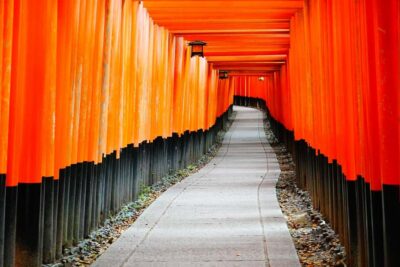
Osaka/Kyoto:Kinkakuji,Arashiyama,FushimiInariShrine,NaraPark
Read our review →
Kyoto/Osaka: Nara, Fushimi Inari Taisha, Arashiyama Bus Tour
Read our review →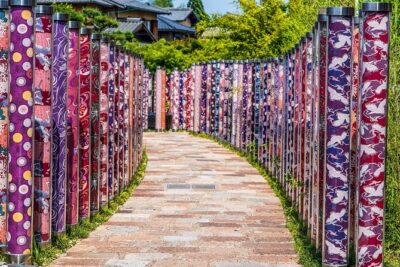
Kyoto Arashiyama Walking Tour: Bamboo, Monkeys, Gardens & Secrets
Read our review →
Arashiyama Bamboo, Temple, Monkeys, or Secret Sake Brewery
Read our review →
Arashiyama Bamboo Forest, Monkeys, Matcha & Temple Tour
Read our review →
Osaka/Kyoto: Arashiyama, Nara & Fushimi Inari Shrine w/Lunch
Read our review →
Nijo, Kinkaku-ji, Arashiyama, Kiyomizu & Fushimi Inari
Read our review →Browse the lists this tour appears in