
Reviewed · KYOTO TOURS
Katana Shopping with Professional Guidance in Kyoto
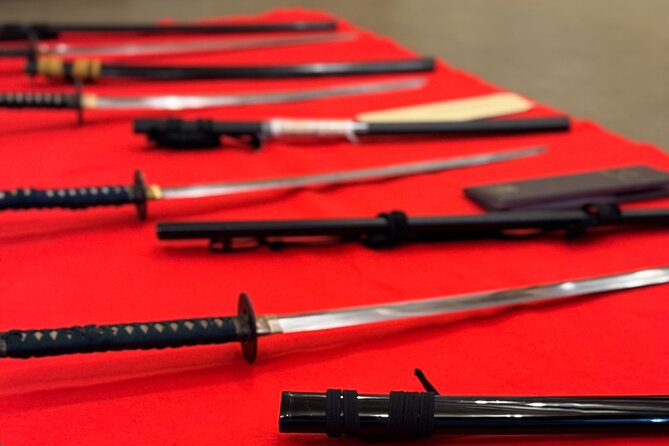
The unusual part of this Kyoto experience is the setting: you shop for a Japanese katana inside a working dojo, where Kenjutsu is taught to more than 20 students. Shogo, the translator and sword guide from Let’s Ask Shogo, brings more than 10 years of Iai experience, while Yushin Sensei provides the martial arts and collecting expertise. I like the direct access to a master who hand-selects the blades, and I like that Shogo can explain details that may be lost in translation. The swords may include pieces crafted more than 600 years ago.
There is one important catch: this is not a casual sword display. The session is meant for people seriously considering buying a Japanese katana. If you only want to meet Shogo or glance at swords, the one-hour appointment will not be a good fit.
Key points for serious katana buyers
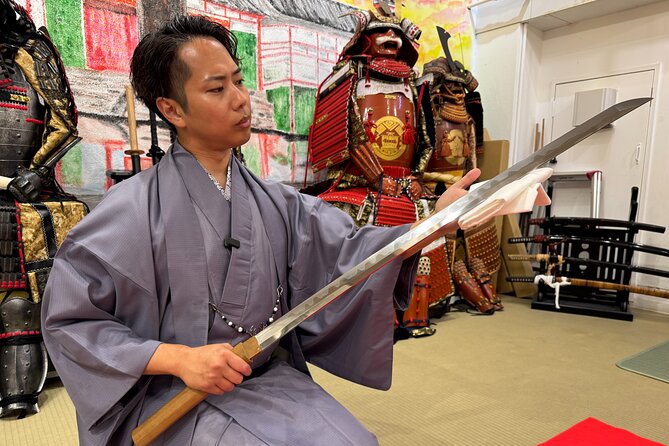
- A private Kyoto dojo setting: You shop where Kenjutsu is practiced and taught, rather than in an ordinary souvenir shop.
- Two specialist guides: Shogo translates and helps with the purchase, while Yushin Sensei brings direct experience with Iai, Kenjutsu, preservation, and Japanese swords.
- Historic blades: The selection may include hand-picked katana several hundred years old, including some crafted more than 600 years ago.
- A focused one-hour session: The short appointment keeps the visit practical, but it leaves little room for casual browsing.
- A private booking: Only your group participates, with a maximum of 10 people.
- A purchase-centered experience: The price is for expert assistance and access, not simply admission to a sword collection.
Why this is different from an ordinary Kyoto sword shop
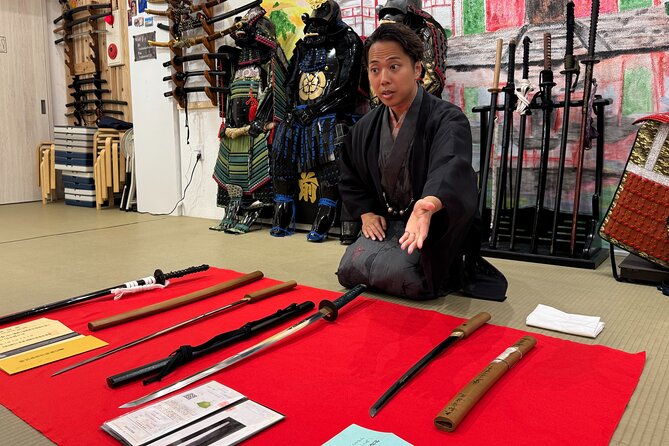
Most visitors who become interested in samurai culture start with a museum, a performance, or a shop selling decorative replicas. This appointment takes a different route. You go to a private dojo connected with real Kenjutsu practice, then examine Japanese swords with people who use, study, and preserve them.
That setting matters. A katana is not just a sharp piece of metal. Its value can involve the blade’s maker, age, condition, fittings, paperwork, maintenance needs, and place within Japanese sword tradition. A general shop assistant may explain some of this, but Shogo and Yushin Sensei are there to help you make sense of the whole purchase.
I especially like the combination of roles. Shogo can translate the discussion and guide the buying process, while Yushin Sensei offers the perspective of a dojo master. Shogo has more than 1.8 million YouTube followers and has helped more than 50 people purchase a katana, so he is used to explaining this subject to an international audience.
The experience is still best understood as a buying consultation, not a museum visit. You should arrive with genuine interest, a realistic sense of your budget, and a willingness to ask questions. The organizers clearly want to avoid spending an appointment on someone who only hopes for a photograph with a famous YouTuber.
More shopping runs in Kyoto:
- Nishiki Market Brunch Walking Tour (7 Tastings + Brunch)
★ 5.0 · 1,355 reviews - Kyoto Nishiki Market Food and Culture Walking Tour
★ 5.0 · 412 reviews - Kyoto: Nishiki Market Tea Ceremony with Koto Performance
★ 4.8 · 294 reviews
Arriving at the Kyoto meeting point
The meeting point is 452-2 Matsugaechō, Nakagyo Ward, Kyoto, 604-8034, Japan. The activity begins and ends at this same location, which makes the logistics simple for a short appointment.
The supplied information does not give a detailed route from Kyoto Station or specify a particular train exit, so check the map carefully before leaving your hotel. A mobile ticket is provided, and confirmation arrives within 48 hours of booking, subject to availability. I would save the address in your phone and allow enough time to find the entrance without rushing.
Because the activity lasts about one hour, arriving late could take a large bite out of your appointment. This is not a long tour with several stops where you can easily catch up. It is a compact meeting built around conversation and close examination.
The booking is private, with only your group taking part. Up to 10 people can book together, but a full group may make the session feel less personal than a booking for one or two serious buyers. If several people in your party are not interested in purchasing a sword, agree in advance on how much time you want to spend examining blades.
Inside the working dojo
The dojo is the heart of the experience. Yushin Sensei leads a school where more than 20 students train in Kenjutsu, giving the appointment a connection to living martial arts rather than a purely commercial setting.
That does not mean you should expect a full training class or a sword demonstration. The stated purpose is shopping with professional guidance. The dojo provides the setting and the expertise, but the central task is examining katana and deciding if one is right for you.
This is valuable for a buyer because the conversation can cover more than surface appearance. You can ask about the blade, its fittings, age, use, care, and preservation. The available information also points to instruction in maintenance, an important part of owning a genuine Japanese sword.
I would treat the dojo with the same respect you would show any place of martial arts practice. Listen closely, follow handling instructions, and remember that these are potentially valuable historic objects. The appointment is not designed for casual touching or theatrical swordplay.
Meeting Shogo and Yushin Sensei
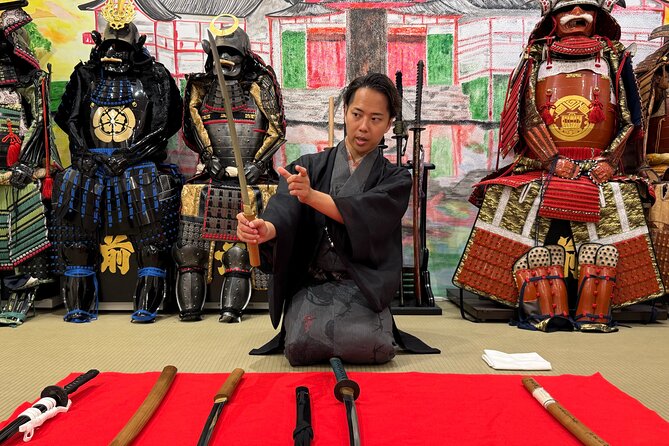
Shogo’s role is more substantial than simply translating a few words. He acts as your bridge through the purchase process, helping you explain what you want and understand what is being shown. That is particularly useful when you are comparing details that may be unfamiliar even in English.
Shogo has more than a decade of Iai, or katana-based martial arts, experience. His work with international buyers also means he can help keep the discussion practical. Several purchases have involved extended communication about preferences, budgets, payment, shipping, and arrival updates.
Yushin Sensei adds the dojo perspective. His experience includes Iai and Kenjutsu, along with sword use, collecting, preservation, and Japanese sword history. He hand-selects genuine blades for the collection, so the swords are not presented as random stock pulled from a retail shelf.
I like this two-person format because it gives you both communication help and specialist judgment. It also means the experience may feel personal. Buyers have described Shogo and Yushin Sensei as patient and attentive, with a willingness to answer questions rather than hurry someone toward a decision.
A few more Kyoto half-days to weigh up
- PERFECT KYOTO 1-Day Bus Tour
★ 5.0 · 13,518 reviews - Kyoto: Fushimi Inari, Kinkakuji, Bamboo Grove 1 Day Bus Tour
★ 4.8 · 4,316 reviews - Kyoto: Tea Ceremony in a Traditional Tea House in Kiyomizu
★ 4.9 · 3,519 reviews - Kyoto Geisha Walking Tour: Gion District & Hidden Gems
★ 4.7 · 3,273 reviews
Examining blades that may be centuries old
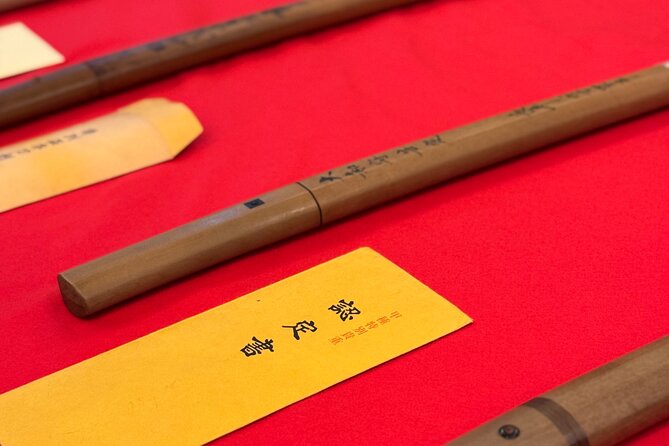
The katana shown during the session are hand-selected by a master. Some may be several hundred years old, with the oldest examples described as more than 600 years old. That age alone does not tell you everything about a sword, but it gives the appointment a serious historical dimension.
You may find that the blade is only one part of the decision. The fittings can matter as much to a collector’s personal connection with a sword. Past purchases have included details such as the fuchi, kashira, and menuki, the decorative and functional fittings around the handle and hilt. One buyer found that these details reflected personal hobbies and a zodiac sign.
That example points to an important idea: the right katana is not always the most expensive or oldest one. You may care about the maker, the blade’s age, the condition, the fittings, the style, or the way the sword connects with your own interests. Tell the guides what matters to you instead of pretending to understand every technical term.
The supplied information does not give a fixed inventory, price range, or guarantee that a particular age or style will be available on your date. Treat the appointment as a chance to see suitable options, not as a promise that one exact sword will be waiting.
What the one-hour format really means
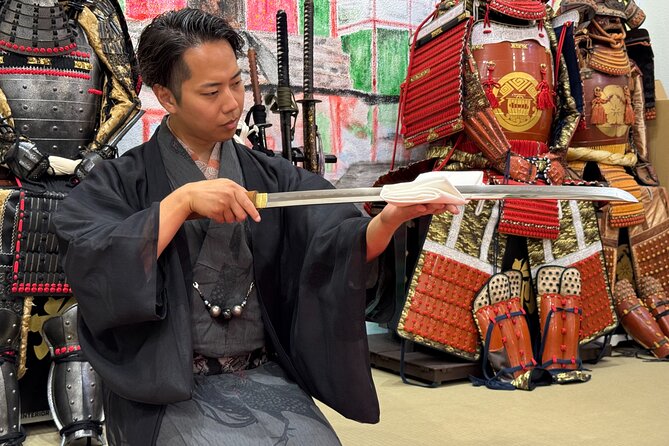
One hour is enough for a focused consultation. It is not enough for an unplanned education in every part of Japanese sword collecting. I would think through your main questions before arriving.
Useful topics to prepare include:
- Your approximate budget
- The reason you want a katana
- Your interest in age, maker, fittings, or martial arts use
- Your experience with Iai or Japanese sword care
- The country where the sword will be delivered
- Questions about maintenance and preservation
The shorter format can be a strength. A clear appointment encourages you to focus on the purchase rather than wander through displays. It also suits a Kyoto itinerary packed with temples, markets, and museums.
The drawback is that beginners may feel pressed if they arrive with no background at all. You can ask questions, but you will get more from the session if you have already watched some of Shogo’s educational material or read basic information about Japanese swords. You do not need to become an expert first. You simply need to know what you hope to learn.
Price and value at $65.32 per group
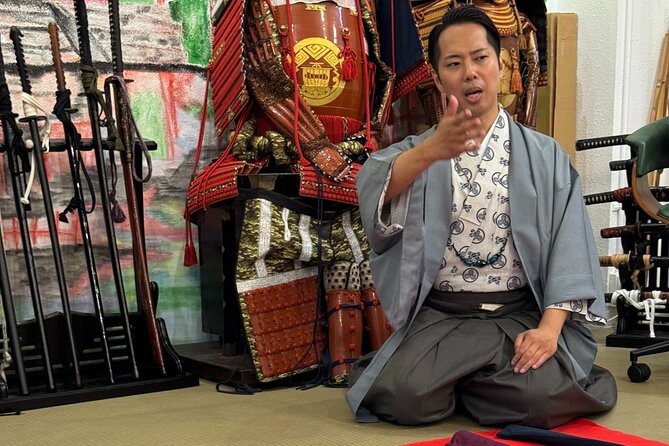
The listed cost is $65.32 per group of up to 10 people, rather than per person. For a full group, that is a low cost per participant. For one serious buyer, the value depends less on the length of the appointment and more on the access it provides.
You are paying for a private meeting, translation, professional guidance, and access to a dojo with hand-selected blades. If you are already considering a significant purchase, that support can be worthwhile. A small mistake in understanding condition, care, fittings, or the purchase process could matter far more than the appointment fee.
The price should not be confused with the cost of the katana itself. The information provided does not state the purchase prices of the swords. Your total spending may be much higher if you decide to buy, so set a budget before you arrive and ask for a clear account of all related costs.
Some buyers have used Shogo’s online shop and arranged shipment to the United States, while others received help with payment and shipping updates after the purchase. That suggests useful follow-up support, but you should confirm the exact delivery, payment, export, and import arrangements for your own country before committing to a purchase.
What happens after you choose a sword
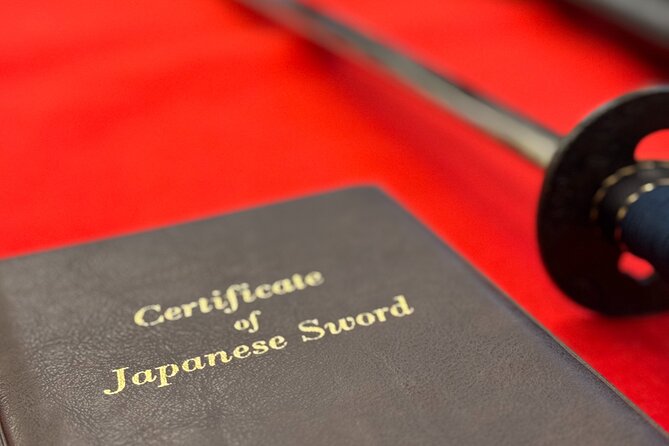
The guidance does not necessarily end when you leave the dojo. Past buyers received help with maintenance and updates during the shipping process, including communication through the sword’s arrival. That kind of follow-up can be reassuring when you are sending a valuable object across borders.
Still, I would ask direct questions before payment. Confirm the final price, the condition of the sword, what documentation is included, how the sword will be packed, and who handles shipping arrangements. The activity details do not list these terms in full, so they should be settled with the provider.
Payment can require patience. One buyer had trouble getting payment authorization, and the issue took several days to complete. That does not mean every purchase will face the same problem, but it is a reminder to bring a payment method that can handle an international transaction and to avoid scheduling the appointment immediately before a tight departure.
Who should book this Kyoto experience
This is a strong match for a collector, martial artist, serious student of Japanese swords, or someone prepared to make a major personal purchase. It also suits a person who has dreamed about owning a genuine katana and wants help finding one with a personal connection.
The private format works well for couples, families with a serious buyer, or a small group sharing the same interest. A group of 10 can keep the cost low, but the appointment will be most useful when everyone respects the buyer’s limited time.
I would not book it as a general samurai-themed activity. You will not get the best value if you want only a photo, a quick look at old swords, or a meeting with Shogo. A museum or cultural performance would make more sense for that purpose.
Booking, confirmation, and cancellation
Confirmation is sent within 48 hours of booking, subject to availability. Most people can participate, and the activity is private.
You can cancel for a full refund up to 24 hours before the local start time. Cancellations made less than 24 hours before the start are not refunded, and changes within that period are not accepted. Since appointments are limited and focused, decide on your schedule before booking.
Should you book Katana Shopping with Professional Guidance in Kyoto?
Book it if you are seriously considering an authentic Japanese katana and want a specialist to help you understand the choice. The strongest reasons are the dojo setting, the chance to examine hand-selected blades, Shogo’s translation and buyer support, and Yushin Sensei’s direct connection to Kenjutsu and Iai.
Skip it if your interest is only casual. The one-hour session is too focused for simple sightseeing, and the low group price does not change the fact that the experience is built around a possible purchase.
For the right person, this can be one of Kyoto’s more personal cultural appointments. You are not simply looking at samurai objects behind glass. You are considering a Japanese sword as a work of craft, a martial object, and possibly a lifelong possession. Go prepared, ask plain questions, and treat the decision with the care it deserves.
FAQ
How long does the katana shopping experience last?
The experience lasts approximately one hour.
Where does the activity begin and end?
It begins at 452-2 Matsugaechō, Nakagyo Ward, Kyoto, 604-8034, Japan, and ends back at the same meeting point.
Who leads the experience?
Shogo from Let’s Ask Shogo assists as translator and sword shopping guide. Yushin Sensei leads the dojo and provides guidance related to Kenjutsu, Iai, katana use, collecting, and preservation.
Is this a private activity?
Yes. Only your group participates, with a maximum group size of 10 people.
Are the katana antiques?
The hand-selected swords may include blades several hundred years old. Some are described as more than 600 years old, but the available information does not guarantee a particular age for every sword shown.
Is this experience suitable for casual sightseeing?
No. It is intended for people seriously considering purchasing a Japanese katana. The provider asks people not to book solely to meet Shogo or look at swords.
What is the cancellation policy?
You can cancel at least 24 hours before the local start time for a full refund. Cancellations or changes made less than 24 hours before the start are not accepted, and the amount paid is not refunded.
Just added around Kyoto
- Kyoto: Zen Meditation at a Private Temple with a Monk★ 5.0 · 25 reviews
- Kyoto: Gion Geisha District & Sake-in-Hand Walking Tour★ 5.0 · 37 reviews
- Private Pewter Sake Cup Experience with a Kyoto Artisan★ 5.0 · 31 reviews
- Your Private Vacation Photography Session In Kyoto★ 5.0 · 110 reviews
- Private Guided Traditional Buddhist Cooking in Japan★ 5.0 · 16 reviews
- Kyoto Wagashi(Japanese sweets) Cooking Class near Fushimiinari★ 5.0 · 60 reviews
- Traditional Japanese Music show & Experience Tour in Kyoto★ 5.0 · 57 reviews
- Kyoto:Family-Friendly Kimono & Yukata Experience at WARGO★ 5.0 · 147 reviews
Kyoto Tours, compared.


Fushimi Inari, Kinkakuji, Bamboo Grove 1 Day Bus Tour
Read our review →
Tea Ceremony in a Traditional Tea House in Kiyomizu
Read our review →
Kyoto Geisha Walking Tour: Gion District & Hidden Gems
Read our review →

Gion Magical Night Walking Tour with Geisha Trivia
Read our review →

Gion Geisha District Walking Tour – Stories of Geisha
Read our review →Browse the lists this tour appears in