
Reviewed · KYOTO TOURS
Kyoto Foodie Night Tour
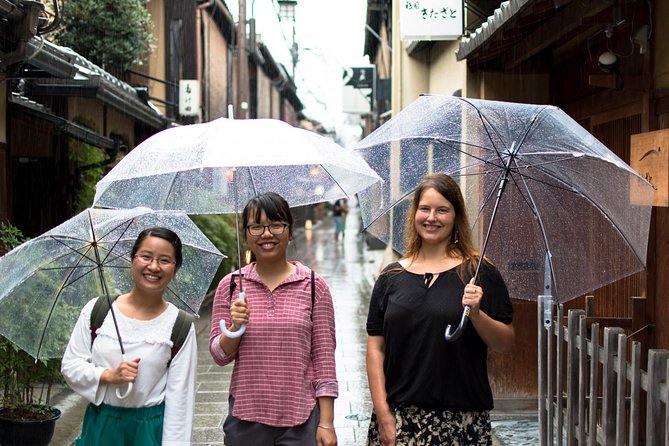
Kyoto’s best food experiences often happen in small rooms with handwritten menus, not polished restaurants aimed at sightseers. This evening tour takes you from Nishiki Market to local izakaya-style restaurants, with obanzai dishes, market bites, sake, and plenty of explanation along the way. I like the personal feel of a group capped at eight, and I like that guides such as Sora, Chikako, Leandra, Yui, and Taishi choose places they genuinely enjoy.
I also like the generous format: at least seven food tastings plus two drinks over about three and a half hours. The main caution is important: food is shared, and some dishes can be quite traditional. One past participant felt the tour leaned too much toward alcohol and offered too little of each dish, so tell the company about restrictions and strong dislikes at least a week ahead.
Key points at a glance
- Nishiki Market comes first: Sample food from two or three family-run shops while learning how the market fits Kyoto’s food culture.
- Seven or more tastings: Expect a broad spread of obanzai, izakaya dishes, market snacks, and other local specialties.
- Two drinks included: Beer or sake may be served, with soft drinks also available according to the supplied tour details and guest experiences.
- Small group of up to eight: The format gives you a better chance to ask questions and keep up in narrow streets and compact restaurants.
- Pontocho adds a cultural finish: The short walk through this former geisha district connects dinner with Kyoto’s entertainment and geisha traditions.
- Come very hungry: Several people found the meal more than filling, although shared portions may feel small if the full group is present.
Why this Kyoto food tour works
A first evening in Kyoto can be a little hard to read. You see rows of restaurants, small signs, and menus that may offer no English clues. It is easy to eat somewhere fine, but less easy to understand what you are ordering or find the places that suit local dining habits.
This tour gives you a friendly route through that problem. You meet at 5 p.m. near Alba Creative Boutique, in central Kyoto’s Shimogyo Ward, then move through the downtown food area on foot. Instead of sitting down for one fixed dinner, you build a meal from many small tastes.
That format matters. You can try foods you might skip when ordering alone, ask why a dish is associated with Kyoto, and watch how an izakaya meal unfolds. Guides are also able to explain the difference between a market snack, an obanzai side dish, and a bar-style plate served with drinks.
The strongest part of the experience appears to be the guides. Sora is praised for taking people to personal favorites and for answering cultural questions. Chikako is described as warm, enthusiastic, and especially good at connecting food with Kyoto’s past. Leandra gets credit for finding small restaurants and explaining both the area and the dishes.
Other guides named in the tour feedback include Yui, Chica, Shun, Moe, Izumi, Mana, Yuina, and Taishi. That matters because this is not a scripted sightseeing loop with a single personality. Your evening will depend partly on who leads it, but the repeated pattern is clear: personal food choices, cultural context, and a relaxed approach.
The tour has a 4.9 rating from 376 reviews, with 98 percent recommending it. Those numbers suggest a strong record, but the less favorable experience is useful too. This is an authentic Japanese food introduction, not a carefully filtered menu designed only around familiar Western tastes.
More food tours in Kyoto:
- Kyoto Night Foodie Tour in Gion (9+ dishes + 6 Sake tastings)
★ 5.0 · 1,762 reviews - Kyoto: Insider Sake Brewery Tour with Sake and Food Pairing
★ 5.0 · 704 reviews - Kyoto Nishiki Market Food and Culture Walking Tour
★ 5.0 · 412 reviews
Nishiki Market at 5 p.m.
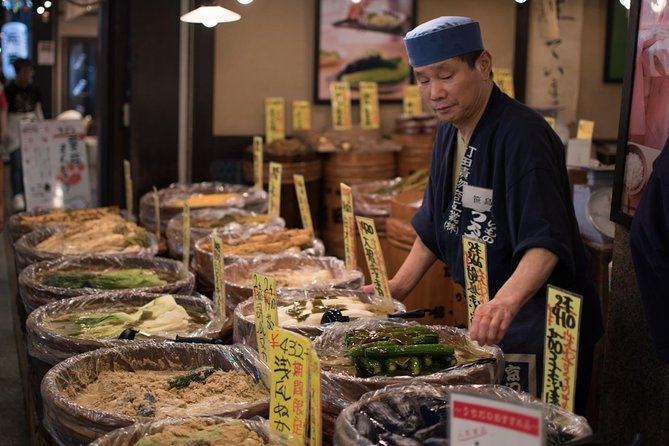
The first stop is Nishiki Market, Kyoto’s traditional food market in the downtown area. You spend about 25 minutes here, visiting two or three family-owned shops for sample-size tastes.
This is a good opening because Nishiki is about more than grabbing lunch. The market has long been tied to Kyoto’s cooking traditions, ingredients, and specialist food shops. Your guide can add meaning to what you see, helping you understand why certain foods matter in this city instead of treating the market as a quick photo stop.
The small portions are useful at this stage. You are saving room for the restaurant stops, and a few market samples can wake up your appetite without committing you to one large dish. You might also find this part the most crowded and active section of the route, since Nishiki is a popular central attraction.
Do not expect a full meal at the market. The supplied details describe sample-size food, not a long series of substantial plates. Think of this as a short introduction to Kyoto’s food habits before the sit-down dining begins.
It is also worth keeping your pace flexible. You are moving with a group and stopping at selected shops, so this is not an open-ended shopping visit. If you want time to browse every stall or buy gifts, return to Nishiki separately.
Two or three restaurants and a Kyoto-style dinner
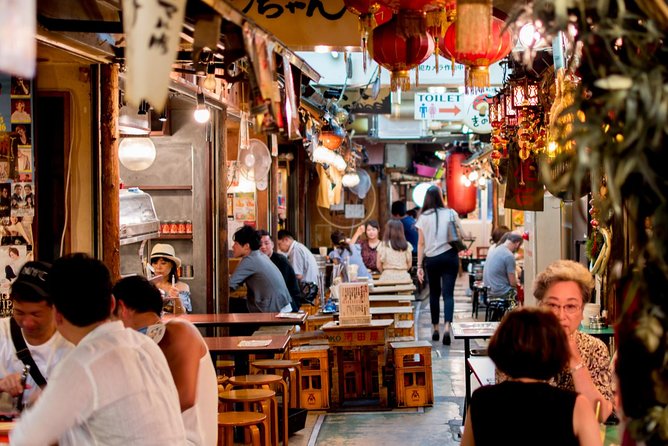
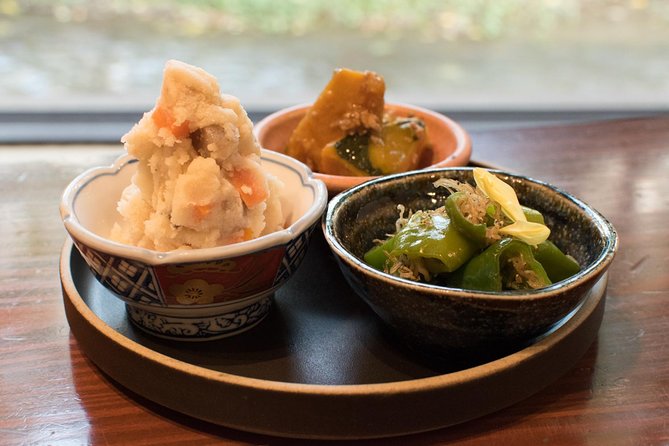
The heart of the tour lasts about two hours and takes you to two or three restaurants. The food range includes obanzai, Kyoto-style home cooking built around small seasonal side dishes, along with local izakaya food.
This restaurant-hopping structure is the reason to book the experience. Each stop can show you a different part of Japanese dining: how dishes are shared, how drinks fit the meal, and how a modest-looking plate can carry local ingredients or old cooking habits.
Food choices mentioned across the experience include seafood, tempura, bar snacks, sake, and dishes that people might not order by themselves. One guide took a group for tempura in Pontocho, while another introduced a mix of casual and more polished restaurants. Some groups also received a distinctive sake tasting, which became one of the evening’s favorite elements.
The company promises at least seven food tastings and two drinks. That sounds like a lot, and it can be. Several people specifically advise arriving hungry, while others said they left full enough to return to favorite stops later in their trip.
Still, you should understand how the food is served. Plates may be placed in the center for the group rather than delivered as a full individual meal. If the group reaches the maximum of eight, one piece of a particular dish may be all you receive. That can be fun when there are many different items, but frustrating if you hoped to eat a generous serving of every specialty.
The same shared format means the guide may choose the menu for the group. This helps when you are unsure what to order, and it lets the guide show you food with a real local connection. It also means you should speak up early about dislikes. A past participant specifically mentioned sashimi and eel as foods they did not enjoy, yet both appeared during the evening.
That is not necessarily a flaw in an authentic food tour. It is a question of fit. If you want to sample traditional Japanese food with an open mind, the range is a major strength. If you prefer familiar dishes, dislike raw seafood, or want control over every order, a private food experience or ordinary restaurant dinner may suit you better.
Sake, beer, and the drinking balance
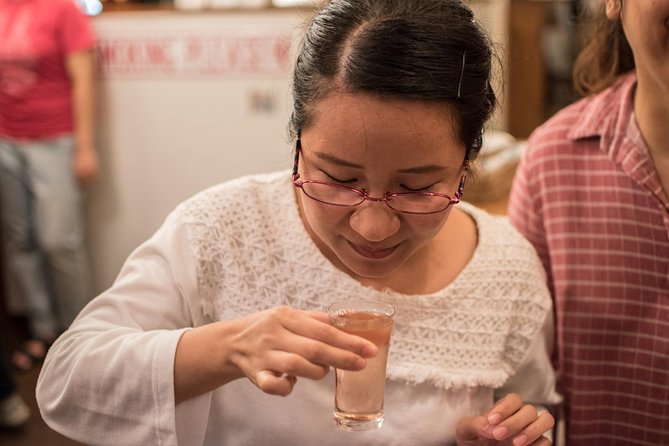
Two drinks are included, such as beer or sake. Sake is more than a beverage here. It gives your guide a chance to explain how different styles taste and how they work with food, and the sake stop has been a highlight for many people.
You do not need to be a serious drinker to enjoy the format, but you should know that alcohol has a noticeable role. The tour is built around izakaya culture, where drinks and small plates commonly share the table. One participant felt the evening focused more on alcohol than expected and would have preferred more food and less drinking.
That criticism is worth taking seriously. The tour description calls it a foodie tour, yet the experience is also a food-and-drink night out. If you do not drink, or if you are traveling with someone who does not, contact the operator before booking and ask how the included drinks can be handled. The supplied information confirms that soft drinks can be included in the restaurant experience, but vegan, vegetarian, and gluten-free choices are limited.
The good news is that many guides seem to treat the drinks as part of a wider cultural lesson rather than the whole point. Shun is praised for explaining local foods and culture, and Chikako receives repeated credit for making sake approachable. The right expectation is a balanced evening of food, conversation, and Japanese drinking customs, not a serious sake seminar.
More evenings out in Kyoto:
- Kyoto: Gion Magical Night Walking Tour with Geisha Trivia
★ 4.9 · 2,393 reviews - Night Walk in Gion: Kyoto’s Geisha District
★ 4.5 · 2,003 reviews - Kyoto Gion Night Walk & Geisha District Guided Tour
★ 5.0 · 786 reviews - Kyoto Ghost Tour: Dark Tales, Urban Legends, Bamboo Forest Night
★ 5.0 · 625 reviews
Pontocho after dark
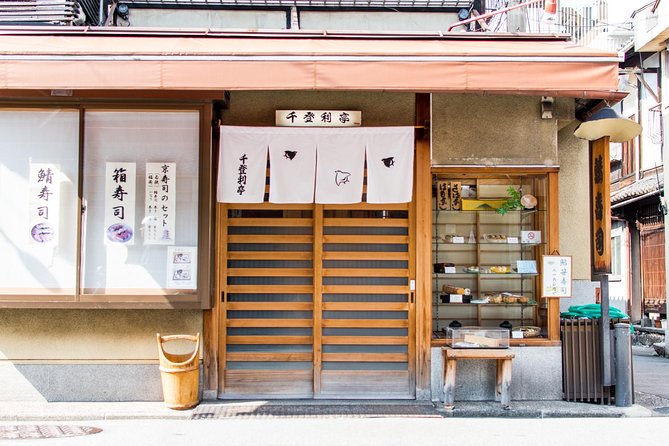
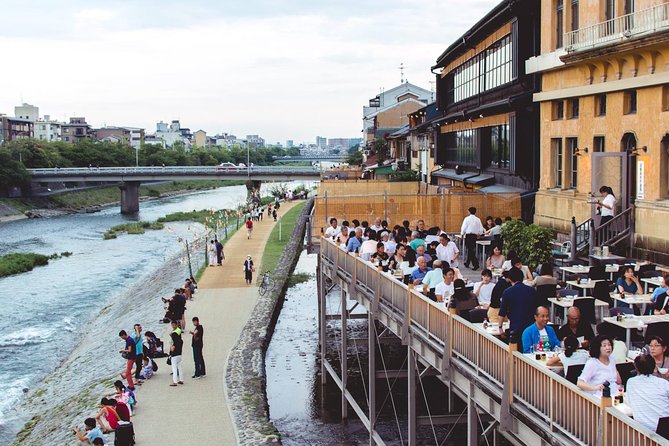
After the restaurant visits, the route passes through Pontocho District for about 15 minutes. Pontocho is a narrow entertainment quarter and a small geisha district, known for traditional buildings, restaurants, and evening atmosphere.
This is a short walking section, not a full geisha performance or a long history tour. Its value is in seeing how Kyoto’s food and nightlife connect. Your guide explains the district’s past and the role of geisha culture, giving the meal a stronger sense of place.
The tour finishes at the old Sanjo Bridge stone pillar near Nakajimacho. That location is useful if you want to continue exploring central Kyoto, but the tour does not include transport back to your accommodation. Plan your evening around the end point rather than assuming you will return to the starting location.
Pontocho is also a pleasant place to revisit on your own. After learning how the lanes work, you may feel more comfortable deciding which streets to explore and which restaurants to save for another night.
Guides make the difference
The provider is Ninja Food Tours, and the guide is a major part of the value. You are not simply paying for a set number of bites. You are paying for someone to select the restaurants, order across language barriers, explain the food, and keep a small group moving through central Kyoto.
Taishi is praised for picking places locals use and for being easy to talk with. He also shared favorite restaurants and continued chatting with the group after the official tour, though you should not assume that extra time is part of the scheduled service.
Yuina helped one participant practice Japanese while explaining food and local life. Mana is credited with showing parts of the city that would have been hard to find alone. Yui is described as attentive and eager to make sure people had what they needed.
Families with teenagers have enjoyed the format, and solo participants can benefit from the social side of a small group. You may meet people from several countries while moving between restaurants. That can make the night more fun, but it also means the pace and food choices are shared with strangers.
The maximum group size is eight, which is small enough for questions and conversation. One person still felt a group was larger than ideal, so do not mistake the cap for a private tour. If you want the guide’s full attention or need a very specific menu, ask about private options before paying.
Is $102.47 a fair price?
At $102.47 per person, this is not the cheapest way to eat in Kyoto. You could buy several market snacks and a casual dinner for less.
The price becomes easier to justify if you use the tour for more than the food itself. You receive at least seven tastings, two drinks, visits to two or three restaurants, a Nishiki Market introduction, a Pontocho walk, and a guide who handles the ordering and explanations. You also gain a list of recommended foods and places after the tour, according to one experience.
The value is strongest on your first night or two in Kyoto. You can use the evening to learn what you like, then return to places or dishes that caught your attention. One person did exactly that, going back to some of the restaurants afterward.
The value is weaker if you are primarily looking for large individual servings. Shared plates can stretch across a group of eight, and the cost also includes the guide’s planning and local access. If you judge the tour only by the amount of food on your own plate, you may find it expensive.
Who should book, and who should think twice?
I would choose this tour if you want a guided first look at Kyoto food, enjoy trying unfamiliar dishes, and like the idea of a moving dinner rather than one restaurant reservation. It is especially useful for solo visitors, couples, and families who want help finding local-style food without spending hours decoding menus.
You should also book it if cultural explanation matters to you. The best guides connect food with Kyoto neighborhoods, language, sake, restaurant customs, and geisha culture. That turns dinner into a way of understanding the city.
I would think twice if you are vegetarian, vegan, gluten-free, or have several strong food restrictions. Options are limited, and requests must be sent at least a week before the tour. Last-minute food changes cannot be accommodated.
I would also reconsider if you avoid alcohol, dislike shared dishes, or do not want raw seafood, eel, or other traditional foods. You can send preferences ahead of time, but the tour’s appeal is its willingness to introduce you to foods outside the usual comfort zone.
The experience has a non-refundable policy. If you cancel or request a change, you will not receive your money back. If poor weather cancels the tour, or if the minimum number of participants is not reached, you will be offered another date or experience, or a full refund.
Final call on the Kyoto Foodie Night Tour
Book it if you want a social, filling introduction to Kyoto’s local food scene and are happy to let the guide choose much of the menu. The small group, personal restaurant picks, sake tasting, and Pontocho finish give the evening more character than a standard dinner reservation.
Just arrive very hungry, send dietary information early, and set your expectations correctly. This is not a private tasting menu with a large serving of every dish. It is a guided izakaya-style evening built around shared food, local drinks, conversation, and a willingness to try something unfamiliar.
FAQ
How long does the Kyoto Foodie Night Tour last?
The tour lasts approximately three hours and 30 minutes.
What time does the tour start?
The tour starts at 5 p.m.
Where does the tour meet?
The meeting point is Alba Creative Boutique, 358 Naramonocho, Shimogyo Ward, Kyoto, in the Nisshin Kasai Marine and Fire Insurance Kyoto Building.
Where does the tour finish?
The tour ends at the old Sanjo Bridge stone pillar near 113 Nakajimacho, Nakagyo Ward, Kyoto.
How many people can join the tour?
The tour has a maximum of eight participants.
How much food is included?
The tour includes at least seven food tastings, ranging from Nishiki Market samples to obanzai and local izakaya dishes.
Are drinks included?
Two drinks, such as beer or sake, are included. Soft drinks are also mentioned as available in the restaurant experience.
Can the tour accommodate dietary restrictions?
You must contact the operator about food restrictions at least one week before the tour. Vegan, vegetarian, and gluten-free options are limited, and last-minute food requests cannot be accommodated.
Is the tour refundable if I cancel?
No. The experience is non-refundable and cannot be changed after booking. If the operator cancels because of poor weather or because the minimum number of participants is not reached, you will be offered another date or experience, or a full refund.
Just added around Kyoto
- Kyoto: Zen Meditation at a Private Temple with a Monk★ 5.0 · 25 reviews
- Kyoto: Gion Geisha District & Sake-in-Hand Walking Tour★ 5.0 · 37 reviews
- Private Pewter Sake Cup Experience with a Kyoto Artisan★ 5.0 · 31 reviews
- Your Private Vacation Photography Session In Kyoto★ 5.0 · 110 reviews
- Private Guided Traditional Buddhist Cooking in Japan★ 5.0 · 16 reviews
- Kyoto Wagashi(Japanese sweets) Cooking Class near Fushimiinari★ 5.0 · 60 reviews
- Traditional Japanese Music show & Experience Tour in Kyoto★ 5.0 · 57 reviews
- Kyoto:Family-Friendly Kimono & Yukata Experience at WARGO★ 5.0 · 147 reviews
Kyoto Tours, compared.
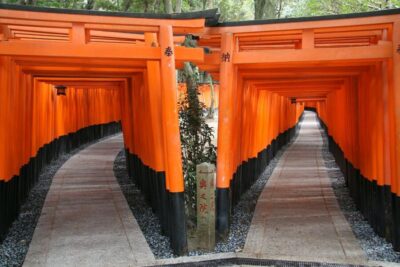
Fushimi Inari, Kinkakuji, Bamboo Grove 1 Day Bus Tour
Read our review →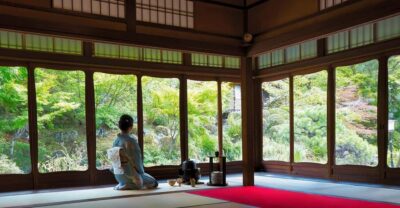
Tea Ceremony in a Traditional Tea House in Kiyomizu
Read our review →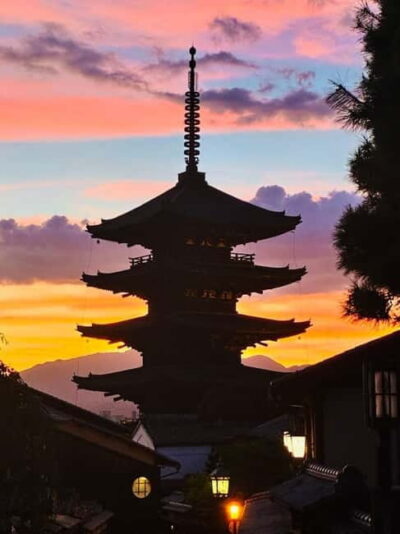
Kyoto Geisha Walking Tour: Gion District & Hidden Gems
Read our review →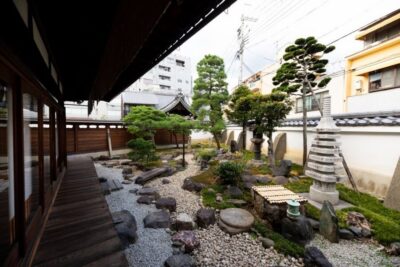
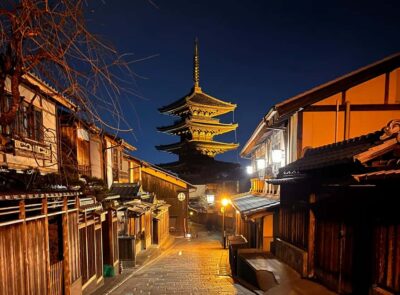
Gion Magical Night Walking Tour with Geisha Trivia
Read our review →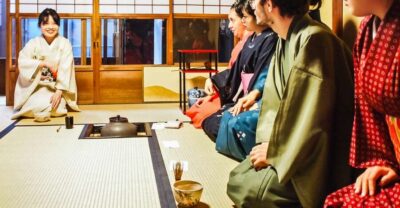
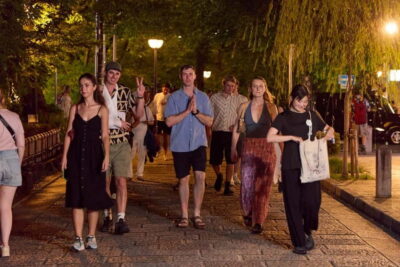
Gion Geisha District Walking Tour – Stories of Geisha
Read our review →Browse the lists this tour appears in