
Reviewed · KYOTO TOURS
Kyoto: Gion Night Walking Tour with Geisha Insight
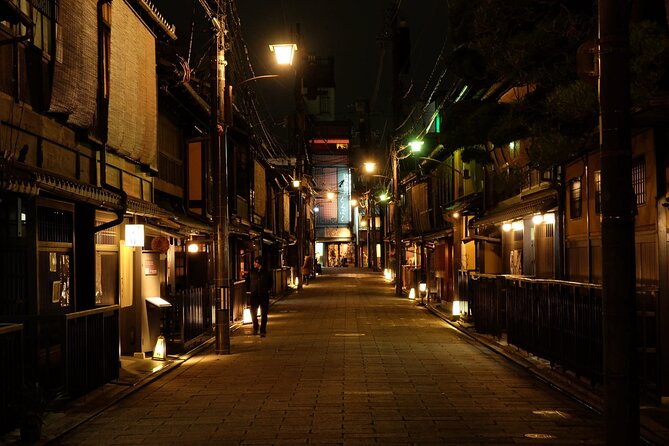
Gion after dark is less about checking off sights and more about learning how to read Kyoto’s quietest streets. This two-hour walk takes you from Hanamikoji Street and the Shirakawa Canal to small shrines, old machiya houses, and the livelier lanes near Shijo-Kawaramachi.
I like the small-group format, capped at 15 people, and the practical food advice you receive along the way. I also like that the guide handles the route, letting you enjoy Gion’s lanterns and narrow lanes instead of stopping every few minutes to study a map.
The main consideration is clear: seeing a geisha is not promised. One participant felt disappointed after learning early in the walk that a sighting was unlikely, and the dark streets are not ideal for photography. Treat the geisha element as cultural insight, not a guaranteed encounter.
Key points at a glance
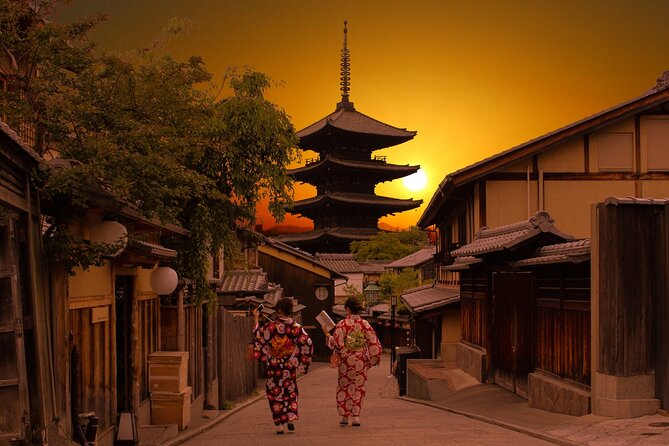
- Hanamikoji Street after sunset: See the traditional wooden teahouses that give Gion its famous character.
- Shirakawa Canal and Tatsumi Daimyojin Shrine: Walk beside stone paths, red bridges, willow trees, and a small local shrine.
- Geisha guidance with proper etiquette: Learn how to distinguish geisha and maiko, and why you should not photograph or speak to them.
- A second side of Kyoto: The walk continues toward Shijo-Kawaramachi, where old machiya houses meet bars, restaurants, and modern city life.
- Useful local food tips: The guide shares recommendations for places to eat in Kyoto.
- Good value at $25: Two hours of guided walking is a fair price if you want orientation and cultural context, not a staged show.
Gion by lantern light, not by checklist
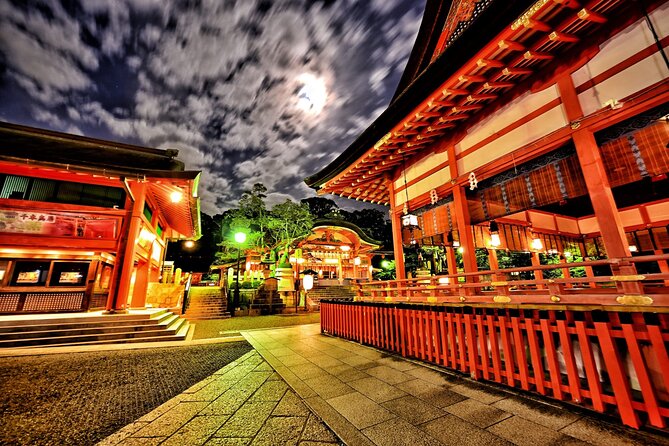
Gion is one of Kyoto’s most recognizable districts, but it is easy to misread. In daylight, you can see the wooden facades and crowded lanes. At night, the district becomes quieter and more atmospheric, with lanterns glowing outside traditional establishments and people moving discreetly between appointments.
That mood is the main reason to choose this tour. You are not entering a theater or watching a cultural performance. You are walking through a working neighborhood where restaurants, teahouses, shrines, and homes share the same narrow streets.
I like this approach because a guide can explain what you are looking at without turning Gion into a collection of photo stops. The route also helps you avoid getting lost, which matters here. Several lanes look similar, and the most interesting corners are not always found along the obvious main road.
The tour lasts about two hours and begins at Tanaka Coffee Gion on 993 Shinchisuematsucho, Higashiyama Ward. It returns to the same meeting point, so you do not need to work out a separate end-of-tour transfer.
More geisha-district evenings:
- Kyoto Geisha Walking Tour: Gion District & Hidden Gems
★ 4.7 · 3,273 reviews - Kyoto: Gion Magical Night Walking Tour with Geisha Trivia
★ 4.9 · 2,393 reviews - Kyoto: Gion Geisha District Walking Tour – Stories of Geisha
★ 4.7 · 2,187 reviews
Hanamikoji Street and the world of ochaya
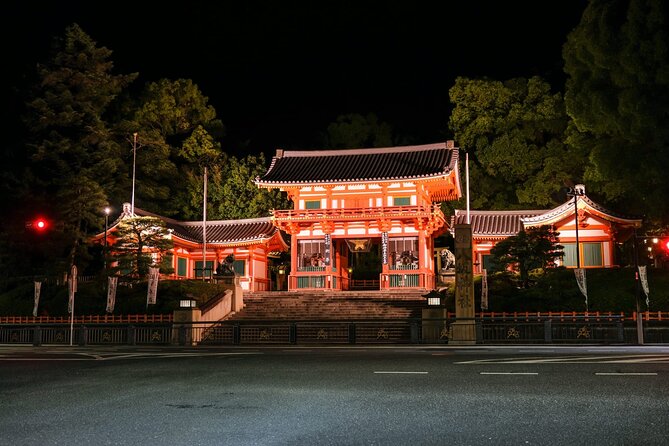
The first hour focuses on Gion. Hanamikoji Street is the natural starting point, lined with traditional wooden teahouses known as ochaya. These buildings are not simply old-style restaurants. They are connected with the formal world of geisha entertainment, where music, conversation, and hospitality are offered in a private setting.
You will not be touring the interiors. The value is in seeing the architecture and understanding the role these places play in Gion. A guide can also help you notice details that are easy to miss, such as the restrained entrances, wooden fronts, and the way businesses preserve a sense of privacy.
This is where the tour’s geisha discussion fits best. You learn the difference between a geisha and a maiko, along with practical advice on how to identify them in the street. The guide may also explain where you might spot one heading to an evening appointment.
That last point needs a firm warning. A possible sighting is not the purpose of the tour, and there is no guarantee that you will see anyone in geisha dress. One participant found the experience disappointing after being told near the start that a sighting was unlikely. I would book this walk for the setting and explanation first, with a sighting treated as luck.
Shirakawa Canal and Tatsumi Daimyojin Shrine
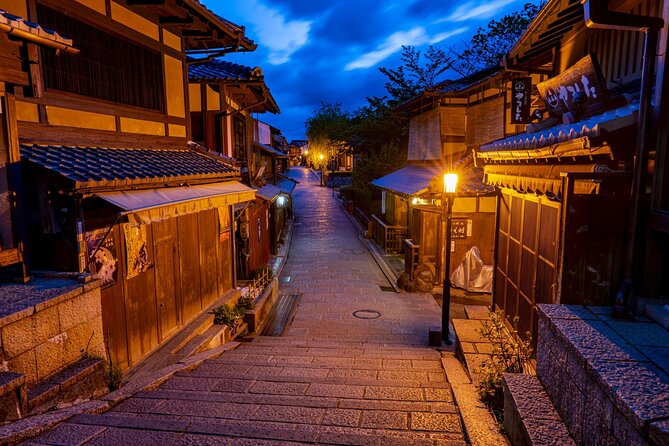
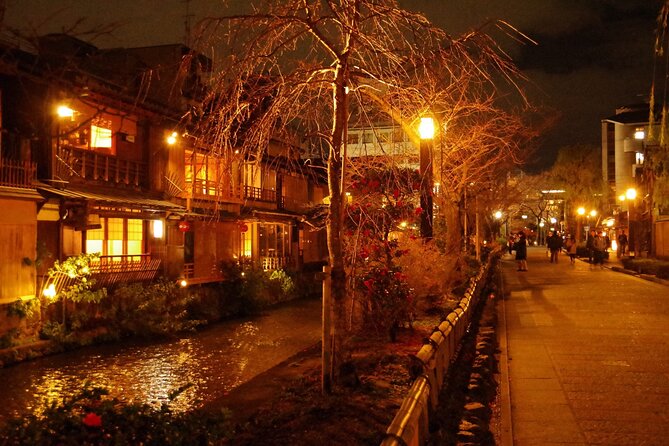
The route continues to the Shirakawa Canal, one of Gion’s most scenic stretches. Stone-paved paths, red bridges, and willow trees give this part of the walk a calmer feel than the main streets.
At night, the atmosphere can be lovely, but the lighting is part of the trade-off. It creates the mood, yet it can make photography difficult. If taking clear photos is a top goal, you may find the walk less satisfying than a daytime visit.
You also visit Tatsumi Daimyojin Shrine, a small but culturally important place tucked into the backstreets. It is not a grand temple complex, and that is precisely why it works well on a walking route. The shrine gives you a look at the smaller religious sites woven into everyday Kyoto rather than only the famous landmarks.
I appreciate this kind of stop because it slows the walk down. You get a chance to understand how a modest shrine fits into the district instead of racing from one major sight to another. Admission is included, though the tour is primarily a walking experience rather than a series of formal indoor visits.
Learning the rules around geisha encounters
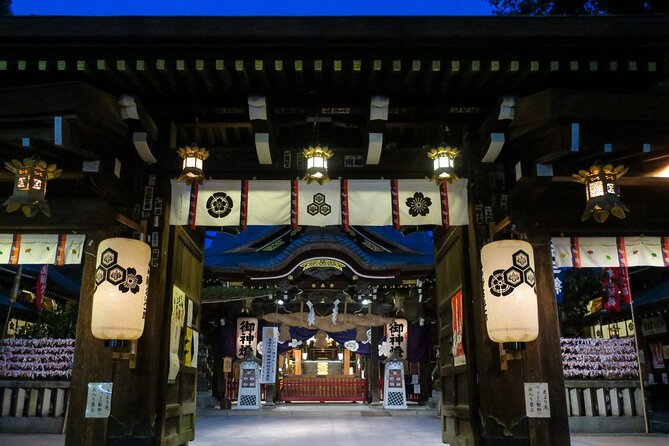
The geisha element requires realistic expectations and good manners. The guide explains how to recognize geisha and maiko, and the route may put you near streets used by them on the way to evening appointments.
You should understand the etiquette before arriving. The information provided for this experience makes clear that you should not take photographs or speak to geisha if you encounter them. That rule is important because Gion is a lived and working district, not an open-air attraction designed for close-up tourist access.
This guidance is one of the more useful parts of the walk. It helps you avoid treating people in traditional dress as public property. Even if you see no geisha at all, you leave with a better sense of why the district asks for quiet, distance, and respect.
The guide named in one particularly positive experience was Ryu. Ryu was praised for explaining geisha traditions and practices clearly. Since guide assignments can vary, you should not assume Ryu will lead every departure, but his example shows the kind of cultural explanation the tour aims to provide.
More walking tours in Kyoto:
- Night Walk in Gion: Kyoto’s Geisha District
★ 4.5 · 2,003 reviews - Kyoto Gion Geisha District Walking Tour – The Stories of Geisha
★ 5.0 · 1,441 reviews - Nishiki Market Brunch Walking Tour (7 Tastings + Brunch)
★ 5.0 · 1,355 reviews - Kyoto Arashiyama Walking Tour: Bamboo, Monkeys, Gardens & Secrets
★ 5.0 · 1,216 reviews
From Gion to Shijo-Kawaramachi
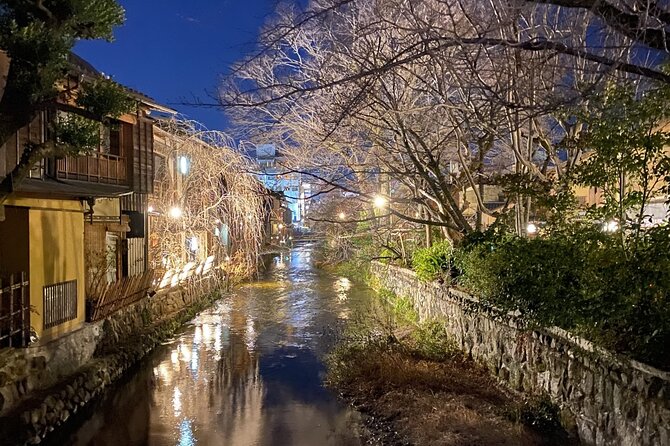
The second hour shifts the mood. The route heads toward Kawaramachidori and the area around the Shijo-Kawaramachi intersection, where Kyoto’s modern city life is more apparent.
This contrast is useful. Gion can seem sealed off from the rest of the city, but it is not. A short walk brings you to a busier district with shops, restaurants, bars, and transport links. You see how traditional wooden houses and newer businesses occupy the same part of Kyoto.
The guide takes you through backstreets that are less obvious to someone walking alone. These lanes are associated with small eateries, cozy bars, and old machiya houses. You may find the change in tone more interesting than another famous monument. The point is to see how Kyoto functions after the postcard scenery ends.
I also like the food recommendations here. The guide shares tips on places to eat in Kyoto, which can be more useful than a long list of historic facts. If you are still deciding where to have dinner, listen carefully and make a note of the names or areas mentioned.
The tour does not include a meal, drinks, or a food tasting. Its value lies in orientation and suggestions, so you should budget separately for dinner.
What $25 buys you
At $25 per person, this is a modestly priced guided walk for Kyoto. You are paying for about two hours of route planning, local explanation, geisha etiquette, and food suggestions. There are no major ticketed attractions or meals built into the price, so the value depends on how much help you want while exploring Gion.
For a first visit to Kyoto, I think the price is reasonable. Gion rewards wandering, but it can also be confusing, and a guide helps you spend your limited evening time well. The small group, with no more than 15 people, should also feel more personal than a large street tour.
The value is weaker if you already know Gion well or mainly want photographs. The evening darkness may limit your pictures, and the tour cannot deliver a guaranteed geisha sighting. In that case, walking independently may give you more freedom.
The activity uses a mobile ticket, and confirmation arrives when you book. It is also booked an average of 31 days ahead, so you should not assume that a last-minute Kyoto visit will have space.
Group size, pace, and practical comfort
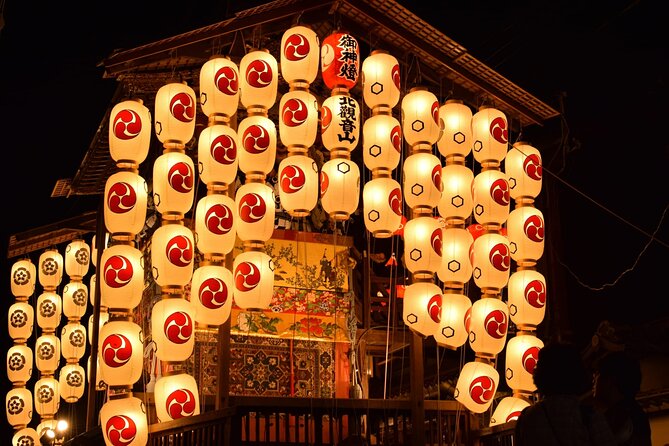
A maximum of 15 people is a useful middle ground. You still have company, but the guide should be able to explain the route without addressing a huge crowd. Smaller groups also make narrow lanes easier to manage.
This is a walking tour through streets, alleys, and stone-paved areas. Wear shoes you can walk in comfortably, though the supplied information does not list a special footwear requirement. Most people can take part, but you should be ready to remain on foot for roughly two hours.
The tour starts and ends at Tanaka Coffee Gion. Returning to the meeting point simplifies your evening plans, especially if you do not yet know Kyoto’s backstreets. The experience does not list hotel pickup or transportation, so you need to make your own way to the starting point.
Because the walk takes place at night, your focus will be on atmosphere and explanation rather than bright views. This is worth keeping in mind if you are deciding between an evening walk and a daytime sightseeing route.
What the 4.8 rating tells you, and what it does not
The experience has a 4.8 rating from 39 reviews, with 97 percent recommending it. The strongest praise centers on the guide’s explanation of geisha customs and the pleasure of walking through Gion, even without seeing a geisha.
That is a good sign for the cultural side of the tour. The positive experience connected with Ryu suggests that the guide can add meaning to the streets instead of simply naming them.
Still, the lower rating points to a real expectation problem. If the tour is presented in your mind as a way to meet or photograph geisha, you may leave unhappy. The early reminder that a sighting is unlikely can feel like a letdown if you booked mainly for that reason.
I would read the rating as evidence that the walk works best when you want context, navigation, and an evening look at Gion. It is not proof of a nightly geisha appearance.
Who should book this Gion walk?
I would recommend it to first-time visitors who want a gentle introduction to Gion without spending a large amount. It suits you especially well if you enjoy local stories, traditional buildings, quiet lanes, and practical restaurant advice.
It is also a good choice if you worry about wandering into restricted or private areas. The guide can show you the district while explaining how to behave around teahouses and geisha.
Couples, solo visitors, and small groups can all make good use of it. The group limit keeps the experience manageable, and the two-hour length leaves the rest of your evening open for dinner or further exploring.
I would think twice if your main goal is a guaranteed geisha encounter, close photographs, a meal, or entry into a teahouse. None of those outcomes is promised. The walk is also not the best match for anyone who dislikes evening walking or prefers major indoor attractions.
Booking and cancellation details
You can cancel for a full refund if you do so at least 24 hours before the local start time. Cancellations or changes made within 24 hours are not refunded or accepted.
The tour requires a minimum number of participants. If the provider cancels because that minimum is not met, you are offered another date or experience, or a full refund.
The listed inclusions are the walking tour and insider recommendations for local eateries. The booking information does not list meals, drinks, transportation, or gratuity as included, so plan on covering those separately if needed.
Should you book it?
Book this experience if you want a clear introduction to Gion at night, with a guide who can explain geisha culture and lead you through streets you might miss alone. At $25, it offers solid value for orientation, atmosphere, and dining tips.
Skip it if you are booking mainly to see a geisha or take bright night photos. Go in expecting a respectful neighborhood walk, not a guaranteed sighting, and you are much more likely to enjoy what the tour actually provides.
FAQ
How long is the Kyoto Gion night walking tour?
The tour lasts approximately two hours, with about one hour focused on Gion and one hour around Kawaramachidori and Shijo-Kawaramachi.
How much does the tour cost?
The listed price is $25 per person.
Where does the tour start?
The meeting point is Tanaka Coffee Gion, at 993 Shinchisuematsucho, Higashiyama Ward, Kyoto, postal code 605-0085.
Where does the tour finish?
The activity ends back at the meeting point.
Is this a small-group tour?
Yes. The group has a maximum of 15 participants.
Is seeing a geisha guaranteed?
No. The tour offers information about geisha and maiko and explains where you might see one, but a sighting is not guaranteed.
Can you photograph or speak to geisha during the walk?
The supplied guidance says that you should not take photographs or speak to geisha if you encounter them.
What places does the tour visit?
The route includes Hanamikoji Street, the Shirakawa Canal area, Tatsumi Daimyojin Shrine, Kawaramachidori, and the area around the Shijo-Kawaramachi intersection.
Are food or drinks included?
No food or drinks are listed as included. The guide provides insider recommendations for local eateries.
Can you cancel for a refund?
Yes. You can receive a full refund if you cancel at least 24 hours before the experience starts. Cancellations within 24 hours are not refunded.
More Evenings Out in Kyoto
- Kyoto Night Foodie Tour in Gion (9+ dishes + 6 Sake tastings)
★ 5.0 · 1,762 reviews - Kyoto Gion Night Walk & Geisha District Guided Tour
★ 5.0 · 786 reviews - Kyoto Ghost Tour: Dark Tales, Urban Legends, Bamboo Forest Night
★ 5.0 · 625 reviews - Kyoto Bar Hopping Night Tour
★ 5.0 · 613 reviews
Just added around Kyoto
- Kyoto: Zen Meditation at a Private Temple with a Monk★ 5.0 · 25 reviews
- Kyoto: Gion Geisha District & Sake-in-Hand Walking Tour★ 5.0 · 37 reviews
- Private Pewter Sake Cup Experience with a Kyoto Artisan★ 5.0 · 31 reviews
- Your Private Vacation Photography Session In Kyoto★ 5.0 · 110 reviews
- Kyoto Wagashi(Japanese sweets) Cooking Class near Fushimiinari★ 5.0 · 60 reviews
- Private Guided Traditional Buddhist Cooking in Japan★ 5.0 · 16 reviews
- Traditional Japanese Music show & Experience Tour in Kyoto★ 5.0 · 57 reviews
- Kyoto:Family-Friendly Kimono & Yukata Experience at WARGO★ 5.0 · 147 reviews
Kyoto Tours, compared.


Fushimi Inari, Kinkakuji, Bamboo Grove 1 Day Bus Tour
Read our review →
Tea Ceremony in a Traditional Tea House in Kiyomizu
Read our review →
Kyoto Geisha Walking Tour: Gion District & Hidden Gems
Read our review →

Gion Magical Night Walking Tour with Geisha Trivia
Read our review →

Gion Geisha District Walking Tour – Stories of Geisha
Read our review →Browse the lists this tour appears in