
Reviewed · KYOTO TOURS
The Original Small-Group Sushi Making Class in Kyoto
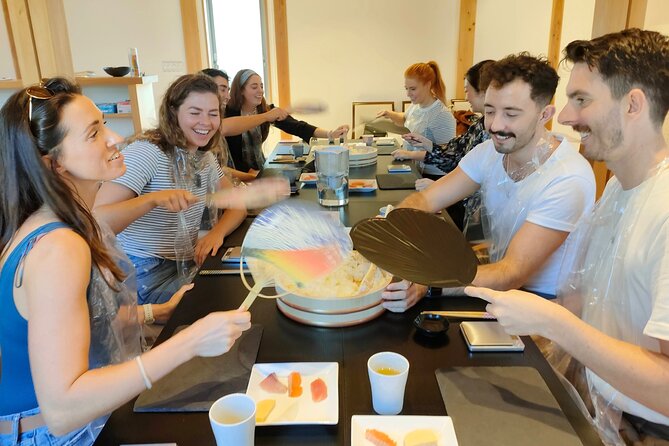
The best thing about this Kyoto experience is its small scale. Only eight people sit down with Kana, a Japanese instructor, in a restored townhouse near Kiyomizu-dera and Gion. You are not rushed through a large demonstration. You season rice, shape nigiri, roll maki, ask questions, and eat what you make.
I like the personal instruction and the fact that the class teaches useful basics rather than just offering a photo opportunity. I also like the generous meal, fresh fish, Japanese tea, and take-home items such as a sushi mat, chopsticks, recipes, or class notes.
The main consideration is dietary choice. A vegetarian or vegan option is not offered, and the class includes raw fish. Food allergies have been accommodated in some cases, but you should confirm your needs before booking.
Key points before you book
- Small group of eight: The limited size allows Kana to give individual help with rice seasoning, nigiri shape, and maki technique.
- Hands-on sushi making: You prepare several pieces of nigiri and at least one maki roll, then eat the finished meal.
- English-language teaching: Kana explains the process in English and adds stories about Japanese culture and life in Kyoto.
- Historic townhouse setting: The class takes place at Atelier SUSHI near Kiyomizu-dera and Gion, not in a formal culinary school.
- Useful take-home extras: Depending on the class arrangement, you may receive recipes, notes, chopsticks, a sushi mat, or a small gift bag.
- Food is part of the value: At $69.64 per person, the price covers instruction, ingredients, a substantial sushi meal, tea or coffee, and equipment such as an apron and gloves.
A Kyoto sushi class with room to learn
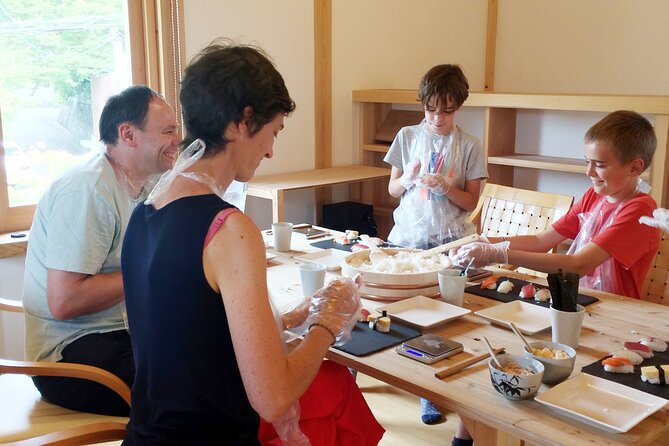
Many cooking activities are really demonstrations with a little stirring at the end. This one is designed differently. The purpose is to give you a working foundation in sushi preparation, with enough time to practice under guidance.
The class lasts about one hour and 30 minutes. That is short enough to fit neatly into a day of sightseeing, but long enough to cover more than one sushi style. You learn how to season properly cooked rice, prepare it for shaping, and handle it without turning it into a sticky lump.
Kana then guides you through nigiri, the hand-formed sushi topped with fish, and maki, the rolled style wrapped in nori. The work is simple once broken into steps, but small details matter. Rice temperature, pressure from your fingers, the amount of filling, and the way you close the roll all affect the result.
I like this kind of class because it gives you a skill you can repeat at home. You may not leave ready to run a sushi counter, but you should understand the basic method and feel more comfortable trying it in your own kitchen.
More sushi classes in Kyoto:
- Sushi Making in Kyoto! Same-day bookings welcome!
★ 5.0 · 713 reviews - Kyoto: Small-Group Authentic Sushi Making Workshop
★ 5.0 · 137 reviews - Kyoto: Sushi Making Class with Sushi Chef
★ 4.8 · 64 reviews
Entering Atelier SUSHI near Kiyomizu-dera
The meeting point is Atelier SUSHI, at 311-1 Kitatōryōchō in Kyoto’s Higashiyama Ward. The address is near public transportation and close to two of Kyoto’s busiest sightseeing areas, Kiyomizu-dera and Gion.
That location makes the class easy to pair with a day in eastern Kyoto. You could schedule it between visits to temples, old lanes, and Gion, or use it as a welcome to Kyoto at the start of your trip. One useful approach is to book it early in your stay, since Kana and her husband often share local advice and suggestions for the rest of your visit.
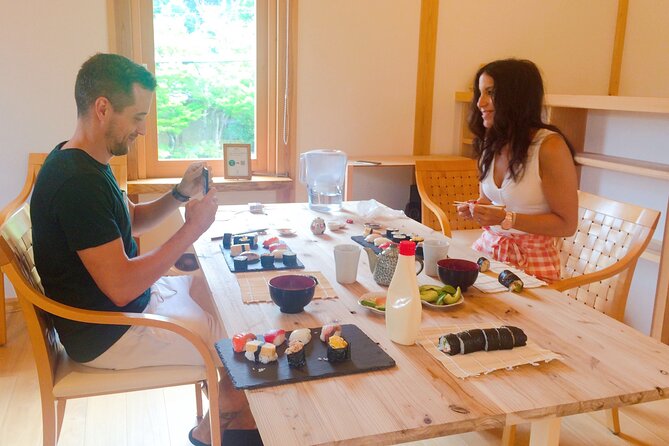
The setting matters. This is a beautifully restored historic townhouse, so the class feels connected to Kyoto rather than placed in a generic modern kitchen. The calm interior gives you a pleasant break from the crowds outside, especially if your sightseeing day has taken you through the busy streets around Kiyomizu-dera.
The activity ends back at the same meeting point. You will need to make your own way there and back, but the central Higashiyama location makes this straightforward to combine with other plans.
What you learn in the first part of class
The class begins with the foundation of good sushi: the rice. Rice can look like the least exciting part of sushi, but it controls the texture and flavor of every piece. Kana explains how it is seasoned and how to handle it so it holds together without becoming heavy.
This is where the small group helps. With eight people or fewer, the instructor can watch how you work and correct your technique. If your rice portion is too large or your fingers are pressing too hard, you have a better chance of getting useful feedback than you would in a crowded class.
You also learn about the ingredients used during the workshop. The class uses premium fresh fish and selected local ingredients. The exact fish selection is not specified, so you should not book expecting a particular species. The emphasis is on freshness, quality, and learning how a few good ingredients can make a simple piece of sushi taste satisfying.
Japanese tea or coffee is included. Tea fits the setting nicely and gives you something to sip while you work, but the main food offering is the sushi you prepare.
Shaping nigiri and rolling maki
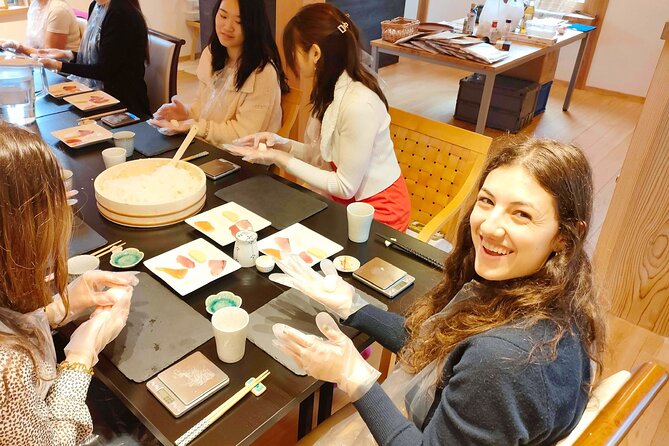
Nigiri is often the style people want to master, yet it can be surprisingly awkward at first. The rice must be formed firmly enough to hold together but gently enough to retain a light texture. The topping needs to sit neatly without being crushed.
Kana demonstrates the motion and then lets you try. The instruction is aimed at beginners, and the class is structured so that you can repeat the technique rather than simply watch it once. Several people specifically found that the process became easier because Kana broke it down into clear steps and encouraged them throughout.
Maki gives you a different challenge. You arrange the filling, control the roll, and use the mat to create a finished shape. You make at least one roll, and the class includes a variety of sushi styles, so the final plate has more interest than a row of identical pieces.
The hands-on part is not only about the food. It also gives you a better sense of the care behind sushi preparation. Even a basic roll asks you to pay attention to proportion, texture, and presentation. That appreciation can make a later sushi meal in Japan more enjoyable.
More hands-on workshops in Kyoto:
- Kyoto: 45-Minute Tea Ceremony Lesson Experience
★ 4.3 · 2,378 reviews - Ramen Cooking Class at Ramen Factory in Kyoto
★ 5.0 · 1,937 reviews - Kyoto : Chopsticks Making Workshop in Gion with Engraving Option
★ 5.0 · 958 reviews - Kyoto: Samurai Sword Class by Experts in Traditional Arts
★ 4.9 · 657 reviews
Eating the sushi you made
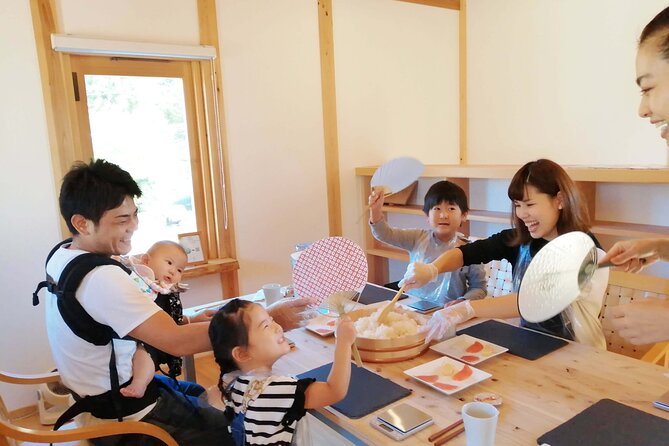
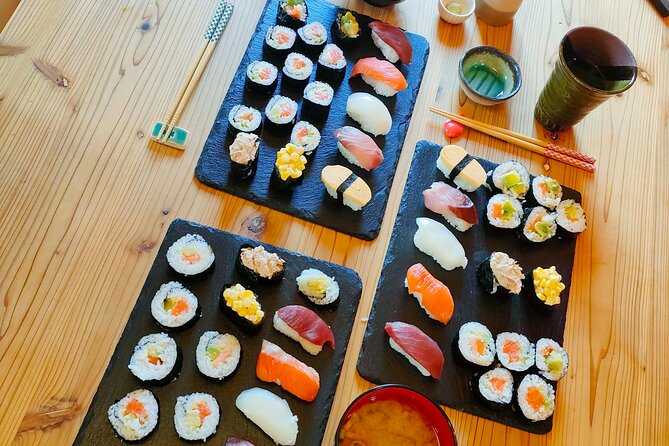
At the end, you eat the sushi prepared during the class. This is served as lunch or dinner depending on the workshop time. The portion is generous enough that you should arrive hungry. Several people found there was plenty of food, and one especially useful tip is not to schedule a large meal immediately afterward.
The meal is also the payoff for the practice. Your pieces may not look as polished as those made by a professional, but they should taste good, thanks to the fresh fish and quality ingredients. For anyone unsure about raw fish, the freshness can make the experience more approachable, though the class remains centered on sushi and does not offer a vegetarian or vegan version.
You get to compare your nigiri with your maki and see how different techniques affect the finished food. It is a satisfying way to end the workshop because you are not simply handed a meal. You have prepared it yourself.
Kana, cultural conversation, and local advice
Kana is the central personality of the class. Her teaching style is patient, friendly, and encouraging, with a good sense of humor. The tone is informal enough for couples, families, solo visitors, and mixed-age groups to feel comfortable.
The class is conducted in English. Along with sushi technique, Kana shares parts of her own story and explains aspects of Japanese culture, history, and daily life. Her husband sometimes assists, creating a family-run feel rather than the atmosphere of a large commercial operation.
I also value the local conversation. The hosts have offered advice about Kyoto and suggestions for the rest of a visit, including area tips and general travel recommendations. That is one reason I would consider taking the class early in a Kyoto stay. A meal and a short workshop can give you a friendly starting point, plus ideas for what to do next.
The cultural material is an added part of the experience, not a separate lecture. You learn while shaping rice, chatting, and eating. If you want a strictly technical cooking lesson with no personal conversation, this may feel more social than expected. For most visitors, that relaxed exchange is part of the appeal.
What you take home
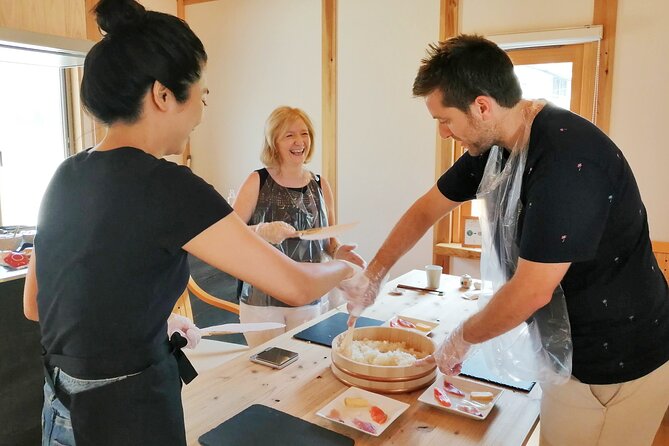
The included equipment is practical. An apron and gloves are provided during the workshop, which keeps the work comfortable and hygienic. Some participants have also received a gift bag with class notes, chopsticks, recipes, and a sushi rolling mat.
The exact contents of the keepsake package may vary, so I would treat it as a pleasant extra rather than the reason to book. Still, a mat and rice recipe can help you recreate the experience at home. The tools turn the class from a one-time meal into something you can share with family later.
This is especially useful if you already enjoy cooking. One participant who regularly made sushi at home still found the class entertaining because of Kana’s teaching style and the chance to refine familiar techniques. Beginners will get the most direct benefit, but experienced home cooks can enjoy the social setting and cultural context.
Price, timing, and overall value
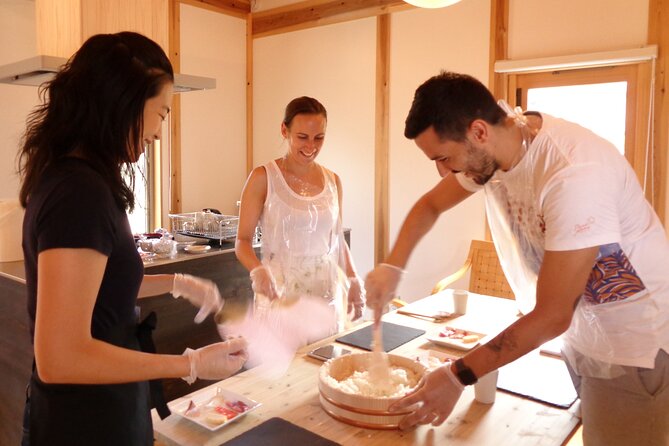
The listed price is $69.64 per person. For a 90-minute activity, that may look higher than a basic cooking demonstration, but the comparison is not quite fair. The price includes hands-on instruction, fresh fish, local ingredients, a full sushi meal, tea or coffee, apron and gloves, and a group limited to eight people.
The small group is the key value. You are paying for access to an instructor who can watch your technique and answer questions, not just for ingredients. If you place a high value on personal guidance and eating what you make, the price is reasonable for Kyoto.
The class also fills a useful gap in a sightseeing schedule. You do not need to set aside half a day, and the location near Gion and Kiyomizu-dera lets you build it into an eastern Kyoto itinerary. Check your timing carefully, since the meal may be lunch or dinner depending on the session.
Free cancellation is available if you cancel at least 24 hours before the start time. Changes or cancellations made inside that window are not accepted for a refund, and the cut-off follows Kyoto local time.
Who will enjoy this workshop most
I would recommend this class to first-time sushi makers who want clear instruction without a large crowd. The pace is friendly, and the process is simplified enough that you can leave with confidence rather than frustration.
It is also a good fit for couples, families, solo visitors, and children old enough to follow the activity. A 12-year-old sushi fan enjoyed the class, and the hosts have welcomed family groups in a warm, easygoing way.
Food-focused visitors will appreciate the attention to fresh fish and rice technique. People who want cultural context will like the conversation about Japanese life and the chance to ask Kana questions directly.
This is not the right choice if you need a vegetarian or vegan meal. It may also be unsuitable if you dislike handling raw fish or want a highly formal lesson focused only on professional knife skills. The supplied information does not describe a separate knife-training segment, so book it for approachable sushi assembly and cultural exchange, not advanced chef instruction.
If you have celiac disease, a shellfish allergy, or another food concern, contact Atelier SUSHI before booking. Common allergies have been handled for some groups, but accommodation should be confirmed in advance. Do not assume that an adjustment is automatic.
Should you book Atelier SUSHI?
I would book this if you want a personal, useful, and filling Kyoto activity rather than another passive sightseeing stop. Kana’s patient teaching, the eight-person limit, fresh ingredients, and townhouse setting give the workshop a clear sense of purpose.
The best strategy is to schedule it early in your Kyoto visit, arrive ready to eat, and leave space afterward for a gentle walk through Higashiyama. Book elsewhere if you need plant-based food or a long, advanced culinary course. For everyone else, this is a smart way to meet a local host, learn nigiri and maki, and take home a skill you can use long after Japan.
FAQ
Where does the sushi-making class take place?
The class takes place at Atelier SUSHI, 311-1 Kitatōryōchō, Higashiyama Ward, Kyoto, Japan. It is near public transportation, Kiyomizu-dera, and Gion.
How long does the workshop last?
The experience lasts approximately one hour and 30 minutes.
What is the price per person?
The listed price is $69.64 per person.
How many people can join the class?
The workshop has a maximum of eight participants.
Is the class taught in English?
Yes. The class is conducted in English by a Japanese instructor.
What types of sushi will I make?
You learn to season sushi rice, shape nigiri, and roll maki. You also make and eat the sushi during the class.
Is a meal included?
Yes. The sushi you prepare is served as a meal, either lunch or dinner depending on the workshop time.
Are vegetarian or vegan options available?
No. A vegetarian or vegan option is not offered.
What is provided during the class?
An apron and gloves are provided. Coffee or Japanese tea is included, and some participants receive take-home items such as notes, recipes, chopsticks, a sushi mat, or a gift bag.
What is the cancellation policy?
You can receive a full refund if you cancel at least 24 hours before the experience start time. Cancellations or changes made less than 24 hours in advance are not accepted for a refund.
Just added around Kyoto
- Kyoto: Zen Meditation at a Private Temple with a Monk★ 5.0 · 25 reviews
- Kyoto: Gion Geisha District & Sake-in-Hand Walking Tour★ 5.0 · 37 reviews
- Private Pewter Sake Cup Experience with a Kyoto Artisan★ 5.0 · 31 reviews
- Your Private Vacation Photography Session In Kyoto★ 5.0 · 110 reviews
- Private Guided Traditional Buddhist Cooking in Japan★ 5.0 · 16 reviews
- Kyoto Wagashi(Japanese sweets) Cooking Class near Fushimiinari★ 5.0 · 60 reviews
- Traditional Japanese Music show & Experience Tour in Kyoto★ 5.0 · 57 reviews
- Kyoto:Family-Friendly Kimono & Yukata Experience at WARGO★ 5.0 · 147 reviews
Kyoto Tours, compared.
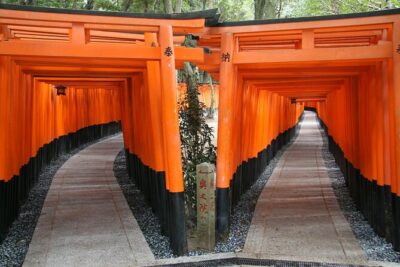
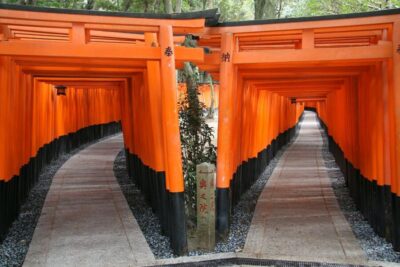
Fushimi Inari, Kinkakuji, Bamboo Grove 1 Day Bus Tour
Read our review →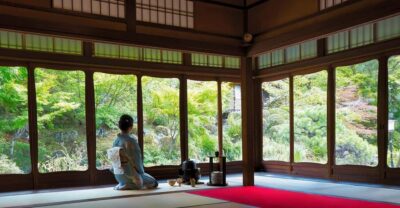
Tea Ceremony in a Traditional Tea House in Kiyomizu
Read our review →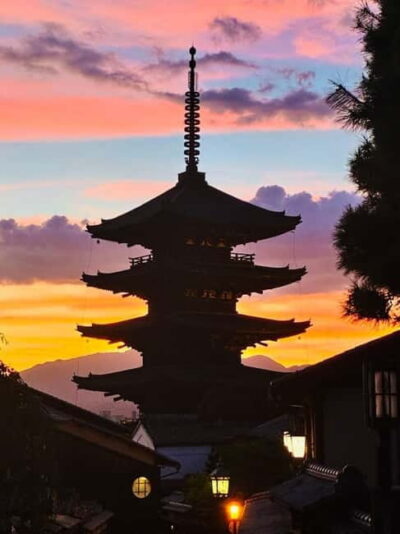
Kyoto Geisha Walking Tour: Gion District & Hidden Gems
Read our review →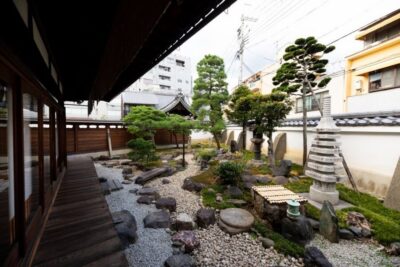

Gion Magical Night Walking Tour with Geisha Trivia
Read our review →

Gion Geisha District Walking Tour – Stories of Geisha
Read our review →Browse the lists this tour appears in