
Reviewed · NARA TOURS
All must-sees in 3 hours – Nara Park Classic Tour! From JR Nara!
Nara’s famous deer are only the beginning. This three-hour walk links Kasuga Grand Shrine, Todai-ji, and Kofuku-ji in a sensible route, so you can see the major sights without spending half the day studying maps. I like the included bus ride from JR Nara Station and the way guides such as Nobuko, Reiko, and Makiko explain the difference between Shinto and Buddhism as you walk.
I also like that the tour usually finishes around 1 p.m., leaving your afternoon open for lunch, mochi, shopping, or more temples. The main caution is simple: this is a real walking tour, with gravel, steps, heat, and sometimes close encounters with deer. Arrive early, wear sturdy shoes, and do not miss the 10 a.m. start.
Key points to know before booking
- Three major Nara sights in one morning: Visit Kasuga Grand Shrine, Todai-ji’s Great Buddha Hall, Nara Park, and Kofuku-ji.
- A bus ride saves your legs at the start: One ride from JR Nara Station to the Nara Park area is included.
- Local guides add cultural meaning: Guides explain deer customs, Shinto, Buddhism, temple stories, and good photo locations.
- Small group format: The group can include up to 15 people, enough for personal help without the feel of a large coach tour.
- Afternoon remains free: The tour normally ends around 1 p.m., with directions for lunch, stations, and further sightseeing.
- Strict punctuality matters: The guide does not wait for late arrivals, and the meeting point is JR Nara Station, not Kintetsu Nara Station.
Why this short Nara walk works
Nara is easy to visit on your own, but the sights are spread across a large park, and the symbols can be confusing at first. A deer may appear beside a shrine, a Buddhist temple, or a busy path, but the meaning of each place is different. Without context, you can see plenty and understand little.
This tour gives you a clear framework. You start at JR Nara Station, take one bus toward the park, and then continue mainly on foot. The route moves from Kasuga Grand Shrine to Todai-ji, across Nara Park, and on to Kofuku-ji. That order gives you the main sights while still preserving part of the day for your own plans.
The guides are the heart of the experience. The names that appear repeatedly in the guide responses include Mayumi, Nobuko, Seiko, Makiko, Kazu, Yoshi, Reiko, Setsuko, Motoko, Satomi, Shigeru, Mamiko, and Lay. That range suggests a team rather than one fixed guide, so the tone and English delivery may vary from one departure to another.
The strongest pattern is personal care. Reiko has helped solo participants with photographs and even brought an umbrella on a rainy morning. Other guides have adjusted explanations to family interests, answered questions patiently, suggested lunch, and pointed out quieter corners of the park. Those small actions can make a short group walk feel much more useful.
Still, you should not book this expecting a private tour. The group may have as many as 15 people, and the guide must keep everyone moving. One account describes a slower outing that ran well beyond the planned three hours, while most of the feedback praises the pace. Your experience will depend partly on the guide, the weather, and how quickly the group walks.
A few more Nara half-days to weigh up
- 3-Hour Kyoto Insider Sake Brewery Tour with Tastings & Pairings
★ 5.0 · 917 reviews - Tokyo Top Highlights 3h Guided E-bike Tour
★ 5.0 · 714 reviews - 3h Tokyo E-Bike Tour: Hidden Gems, and Local Life with guide
★ 5.0 · 670 reviews
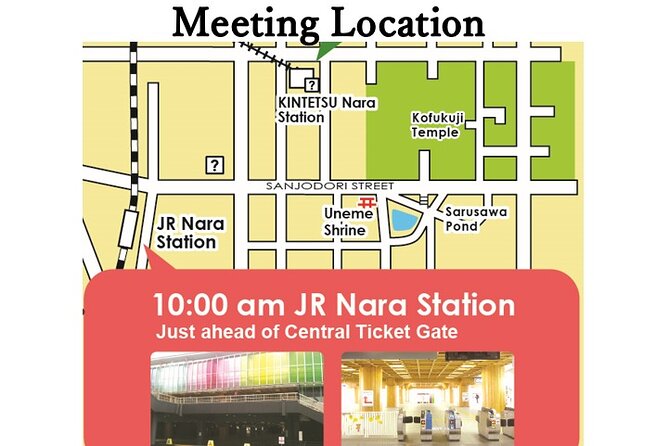
Meeting at JR Nara Station at 10 a.m.
The meeting point is in front of the ticket gates at JR Nara Station, at 1 Sanjohonmachi. There is one ticket-gate area at JR Nara Station, and you should look for a guide carrying a white NaraWalk flag.
This detail matters if you arrive from Osaka or Kyoto. Kintetsu Nara Station is closer to the park, but it is not the meeting point. The tour cannot collect you there because the group takes a bus from JR Nara Station and does not stop at Kintetsu Nara Station.
Give yourself more time than you think you need. One person arriving from Osaka described a journey that took longer than expected, with several transfers and an arrival just after 10 a.m. That was too late to join. The operator states clearly that the tour begins on time and does not wait for late arrivals.
I would aim to be at the station at least 15 minutes early. Keep your mobile ticket easy to open, find the ticket gates, and locate the white flag before the meeting time. Since this is a group departure, missing the start can mean losing the entire booking.
The bus ride into Nara Park
The tour includes one bus ride from JR Nara Station to the Nara Park area. It is a small but useful inclusion. Rather than using your first stretch of energy on the road between the station and the park, you arrive near the main sights ready to walk.
The ride also makes the starting point practical for people using JR trains. You do not need to arrange a separate taxi or work out the park route alone. Meals and drinks are not included, so buy water before setting off or plan to purchase it along the way.
Once the walking begins, the pace is intended to be manageable rather than athletic. Yet Nara Park covers a lot of ground. One family with young children estimated roughly five miles of walking overall, while another participant felt the heat and distance made the tour drag. That difference is worth keeping in mind, especially in summer.
Kasuga Grand Shrine and the deer
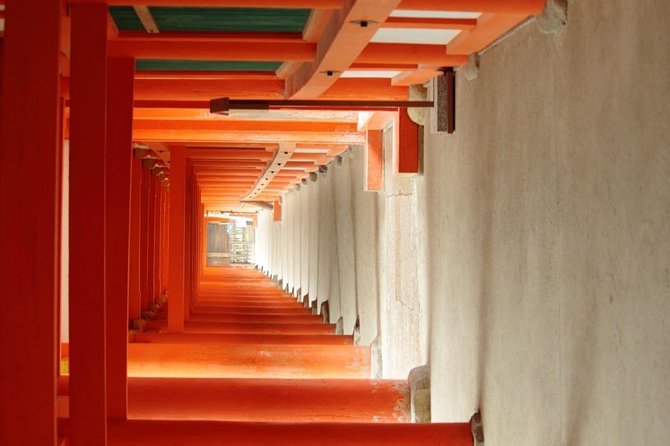
Kasuga Grand Shrine is the first major stop, with about 30 minutes in the precinct. This is a good opening because it introduces both sides of Nara’s appeal: sacred buildings and deer moving through the grounds.
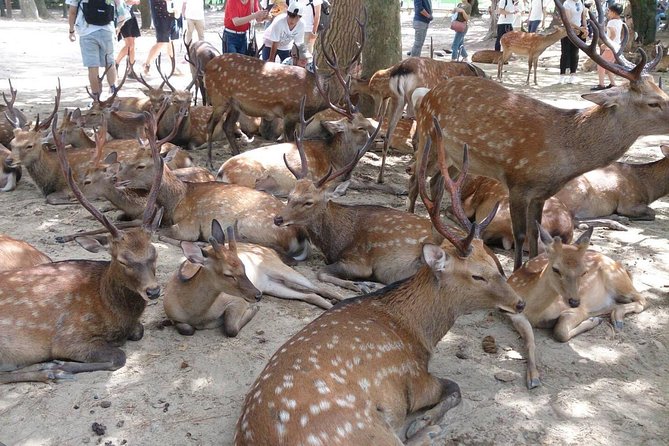
Your guide explains why deer roam freely in Nara and how they connect with local tradition. You may spot them here and there around the shrine, rather than only in a designated feeding area. That makes the encounter feel part of the place, not a separate animal attraction.
The guide also sets up a useful comparison between Shinto and Buddhism. That distinction helps throughout the rest of the morning. Kasuga is a Shinto shrine, while Todai-ji is a Buddhist temple, and the buildings, rituals, and stories make more sense once you know what to look for.
You will have time for photographs, but this is not a long shrine visit. Thirty minutes is enough for an introduction and a few carefully chosen stops, not for every path and building. If you want to study the shrine at length, you will need to return after the tour.
Take deer crackers seriously. Several accounts describe feeding the deer as a highlight, especially for children, but also warn that the animals can become pushy. Males with antlers deserve extra caution. Keep crackers under control, follow the guide’s instructions, and pay attention instead of treating the deer like tame pets.
Same base, a completely different sort of day:
- World Heritage Kyoto & Nara Uji Authentic Matcha Experience
★ 5.0 · 1,573 reviews - Nara Half Day Trip Walking Tour (Private Option Available)
★ 5.0 · 937 reviews - Nara Early Morning Tour (Kyoto or Osaka Departure Available)
★ 5.0 · 676 reviews - Osaka: Nara and Uji Day Trip with Deer Park and Hot Spring
★ 4.4 · 302 reviews
Todai-ji and the Great Buddha Hall
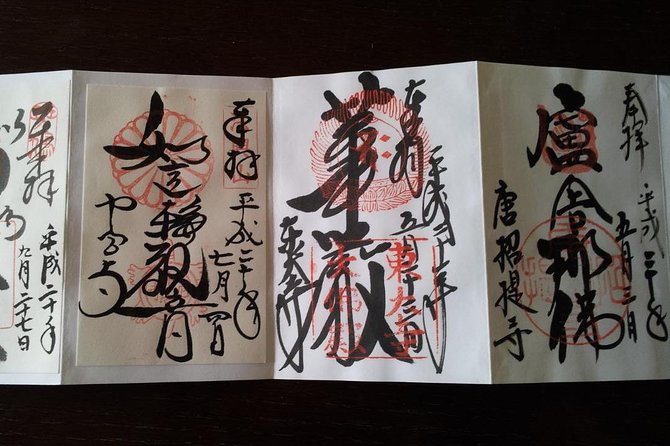
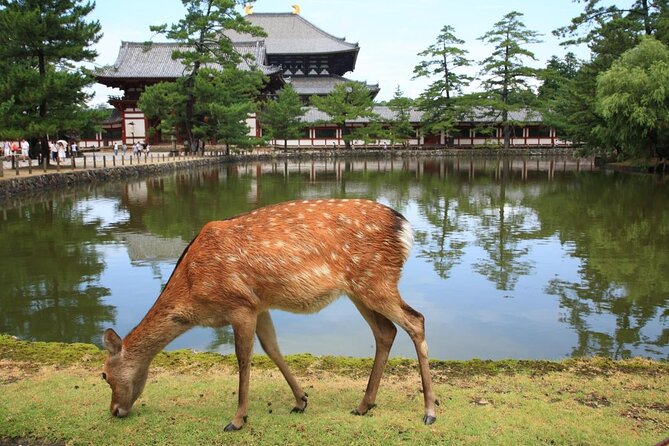
Todai-ji receives about 40 minutes, including admission to the Great Buddha Hall. This is the tour’s major interior visit and likely its most powerful architectural stop.
Inside, you meet the Great Buddha, with the guide explaining the statue and the temple’s story. The tour does not simply send you through the hall for a quick photograph. The historical and religious explanation gives the enormous figure a place in Nara’s development and in Japanese Buddhism.
The Great Buddha Hall is also a strong photo stop, but allow time to look up from your camera. The scale of the hall can be easy to miss if you hurry through it. Your guide may also point out the famous pillar hole, measured at about 37 by 30 by 110 centimeters. Passing through it is traditionally connected with good health and protection from bad luck, though the opening is too small for many adults.
The admission fee is included, which improves the value of the tour. Todai-ji is the one clearly paid temple visit in the route, so you do not have to pause at the entrance and sort out another ticket while the group waits.
The tradeoff is time. Forty minutes goes quickly in a place this large. You will receive an introduction, see the Buddha, take photographs, and move on. If Todai-ji is your main reason for coming to Nara, plan to revisit it independently after the tour.
Nara Park between the major sights
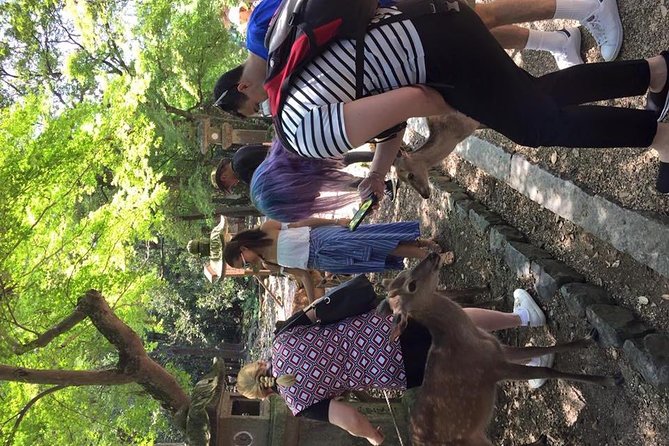
Nara Park is listed as its own 30-minute section, but in practice it connects the shrine and temples into one long walk. The park is not just a lawn with deer. It is the setting that joins Nara’s major sacred sites, wooded paths, open areas, and busy visitor routes.
Your guide may add extra spots depending on the season and the group’s walking speed. That flexibility is useful. A guide such as Shigeru has taken people toward less crowded parts of the park that were just as pleasant for photographs and quiet observation. Another guide may spend more time answering questions about deer, religion, or local customs.
The park is also where the weather matters most. On hot, humid days, shade and water become important. Guides have helped groups stay hydrated and comfortable, but you should still carry water and use the park’s quieter moments to rest.
The walking surface is not always smooth. The route includes gravel and steps. A stroller may need to be carried or pushed with extra effort, particularly where the path is uneven. Service animals are allowed, and the activity is considered suitable for most people, but the route is not fully step-free.
Kofuku-ji and the five-storied pagoda
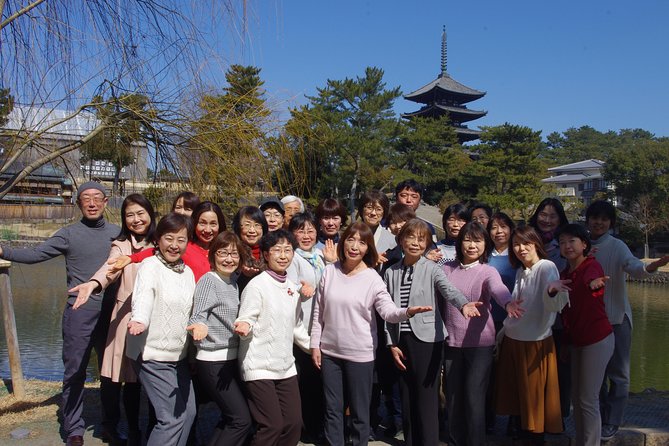
Kofuku-ji is usually the final stop, with about 20 minutes. Its five-storied pagoda provides one of the morning’s most recognizable photo views and a fitting final temple setting.
The guide explains the site’s history, then usually helps you decide what to do next. This practical ending is one of the tour’s best features. You can ask for directions to train stations, lunch areas, or afternoon sights instead of trying to solve those questions while tired and surrounded by unfamiliar streets.
The tour may end near Kofuku-ji rather than back at JR Nara Station. That is helpful if you want to continue toward the shopping streets, seek out mochi, or spend more time around the park. It also means you need to understand the return route before setting off, especially if your train leaves from JR Nara Station.
Kofuku-ji is a short stop, not a full exploration. If you want to visit every building or spend time at nearby museums, you will need extra hours. Think of this visit as a well-placed introduction and a convenient launch point for your own afternoon.
What the guides add to the visit
The tour’s subject matter is not limited to dates and names. The guides explain customs, religious ideas, deer behavior, and the small visual details you might miss while walking alone.
Mayumi has been praised for answering questions and sharing information at every stop. Nobuko has been described as patient and responsive, with the ability to adjust the outing to different interests and needs. Seiko has connected religious ideas to activities taking place along the route, helping the past feel linked to daily life.
Reiko has made a strong impression on families and solo participants alike. She has helped with photographs, kept an eye on hydration in hot weather, and brought a warm, friendly energy to the group. Setsuko has been praised for knowing the area well, finding small extra locations, and helping a family avoid some crowds.
English ability may not be identical across the team. One participant found a guide’s English difficult to follow and felt the guide spoke too softly. That is a fair consideration for anyone who needs detailed explanations. At the same time, another guide used a folder with pictures to make a difficult explanation easier to understand. The quality of communication can vary, but the provider’s guides clearly aim to make the information accessible.
Price, group size, and what you receive
At $42.94 per person, this is not the cheapest way to walk through Nara Park. You can enter much of the park freely and visit several outdoor areas without a ticket. The price pays mainly for the guide’s time, the organized route, the bus ride, and admission to the Great Buddha Hall.
I think the value is strongest if you have only half a day in Nara or want help understanding what you see. You are not paying for a luxury vehicle or a private guide. You are paying to avoid route planning, receive cultural context, and get pointed toward good photos and a sensible lunch afterward.
A maximum of 15 people keeps the group smaller than a large sightseeing bus. It is still possible to have a quieter or louder departure, and the guide cannot tailor every minute to one person. If you prefer total freedom, use the route as your own plan and visit independently.
The mobile ticket keeps the booking simple, while free cancellation is available up to 24 hours before the start time. Cancellations inside that window are not refunded, and changes are not accepted. The activity requires good weather. If poor weather causes cancellation, you are offered another date or a full refund.
Who should book this three-hour tour?
This suits first-time visitors who want the main Nara sights explained in one morning. It is especially useful if you are staying in Osaka or Kyoto and have only a limited window for Nara.
Families can do well here, since several guides have been attentive to children and have made deer feeding part of the fun. Solo visitors also gain something practical: help with photographs, directions, and conversation.
Older participants can join, but you should be realistic about the distance, gravel, steps, and summer heat. The pace is often described as comfortable, yet one account included about five miles of walking. Comfortable does not mean short.
This is less suitable if you want a slow, private study of one temple, a fully step-free route, or a guaranteed end time down to the minute. It is also a poor choice if you are likely to arrive late at JR Nara Station.
Should you book the Nara Park Classic Tour?
I would book it if your Nara visit is limited to a morning and you want more than a deer photograph. The combination of Kasuga Grand Shrine, Todai-ji, Nara Park, and Kofuku-ji gives you a strong first look, while the guide’s explanations add the religious and cultural background that is easy to miss alone.
Book with three conditions in mind: arrive early at JR Nara Station, prepare for several miles of walking, and accept that your guide’s speaking style may vary. If those points work for you, $42.94 is a fair price for an organized introduction that finishes early enough for lunch and further exploring.
FAQ
Where does the Nara Park Classic Tour start?
It starts in front of the ticket gates at JR Nara Station, at 1 Sanjohonmachi, Nara. Look for the guide carrying a white NaraWalk flag.
What time does the tour start?
The tour starts at 10 a.m. It begins punctually, and late arrivals cannot join because the group does not wait.
Can I meet the guide at Kintetsu Nara Station?
No. You must go to JR Nara Station. The group takes a bus from JR Nara Station and does not stop at Kintetsu Nara Station.
What is included in the price?
Admission to Todai-ji’s Great Buddha Hall and one bus ride from JR Nara Station to the Nara Park area are included. Meals and drinks are not included.
Does the tour return to JR Nara Station?
No. The activity ends at a different location, usually near Kofuku-ji. The guide can provide directions for train stations, lunch, and afternoon plans.
Is the route suitable for strollers?
Most people can participate, but the route includes steps and gravel. You may need to carry a stroller or push it with extra effort. Service animals are allowed.
Just added around Nara
- Private Nara Tour and Sake Tasting (Departing from Kyoto/Nara)★ 5.0 · 40 reviews
- Hammer a Pattern on Your Ring Workshop★ 5.0 · 57 reviews
- Nara World Heritage PRIVATE TOUR★ 4.5 · 15 reviews
- Nara Sake Tasting Tour at Local Brewerie(tasting fee included)★ 5.0 · 12 reviews
- Nara Private Tour: Flexible Pickup from Kyoto, Osaka, or Nara★ 5.0 · 17 reviews
- Nara – Heart of Nature Cross Bike Tour★ 5.0 · 19 reviews
- Nara Highlight Walking Tour with Furoshiki Experience with Lunch★ 5.0 · 73 reviews
- Nara – Highlights Bike Tour★ 4.5 · 89 reviews
Nara Tours, compared.
World Heritage Kyoto & Nara Uji Authentic Matcha Experience
Read our review →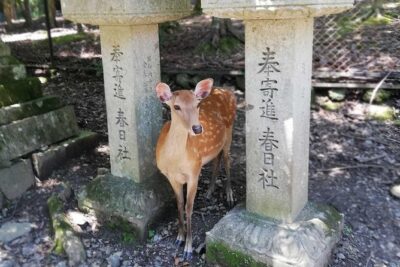
Nara Half Day Trip Walking Tour (Private Option Available)
Read our review →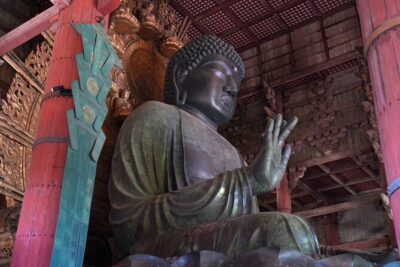
Nara Early Morning Tour (Kyoto or Osaka Departure Available)
Read our review →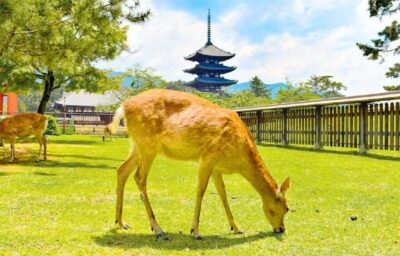
Nara and Uji Day Trip with Deer Park and Hot Spring
Read our review →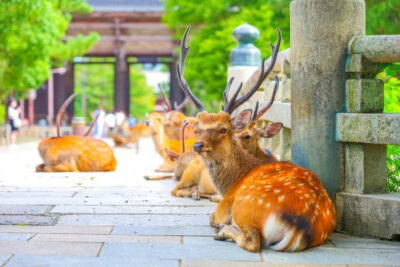
Kyoto/Osaka: Kinkakuji, Bamboo Forest, and Nara Deer Park
Read our review →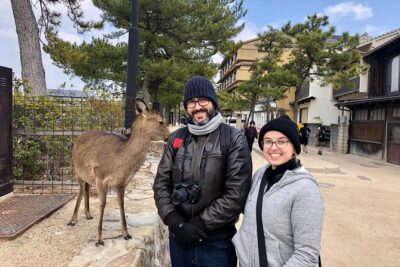
Nara 6hr Private Tour with Government-Licensed Guide
Read our review →
E-Bike Nara Highlights – Todaiji, Knives, Deer, Shrine
Read our review →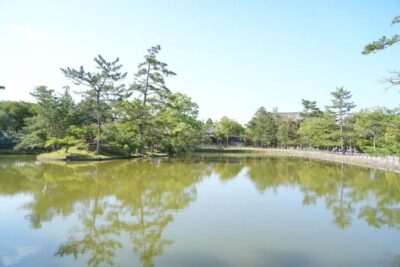
Nara Early Bird Tour (Kyoto Departure Option Available)
Read our review →Browse the lists this tour appears in