
Reviewed · BAMBOO GROVE TOURS
Kyoto: Arashiyama Walking Tour with Local Guide
Arashiyama is at its best when you slow down enough to notice more than the famous bamboo. This two-hour walk takes you from Kyoto Station to the bamboo forest, Hogon-in Temple’s Zen garden, and the riverside Togetsu-kyo Bridge, with a certified local guide explaining the customs and history along the way.
I like the use of public transport, which gives you a small taste of ordinary Kyoto rather than keeping you inside a private vehicle. I also like the price: at $34 per person, entry to Hogon-in Temple and a certified guide are included. The main drawback is simple: this is a walking tour, and the train fare is extra.
Key points at a glance
- The tour runs only on weekdays from October 6 to 31, 2025, excluding Saturdays and Sundays.
- The bamboo forest comes with context, including local customs and explanations of Kyoto’s traditions.
- Hogon-in Temple is the cultural centerpiece, with entry included and a carefully designed Zen garden to explore.
- The route ends near Togetsu-kyo Bridge, giving you time to continue exploring Arashiyama afterward.
- The tour starts at Kyoto Station, where you can leave luggage at Crosta Kyoto before setting out.
- Children aged six and under can join free, with one free child allowed per paying adult.
Why this Arashiyama walk works well
Arashiyama can feel like two places at once. It has famous sights that draw large crowds, but it also has quiet temple grounds, wooded paths, and a slower rhythm beside the Katsura River.
This tour helps you connect those pieces. Instead of simply being pointed toward the bamboo forest, you walk there with a guide who explains how Kyoto’s customs and religious traditions shape what you are seeing. That extra context matters in Japan, where a garden, shrine, or temple may look beautiful at first glance but reveal more once you understand how it is meant to be viewed.
The route is also practical. You meet at Kyoto Station, take public transport to Arashiyama, visit the bamboo forest and Hogon-in Temple, and finish with a walk toward Togetsu-kyo Bridge. You are not spending the whole day on a formal tour, so you still have time to eat, shop, or visit another sight in the district.
The format suits you if you want a clear introduction without committing to a full-day outing. It is less suitable if you dislike walking, want a private guide, or prefer to explore entirely at your own pace.
More Arashiyama and bamboo walks:
- Kyoto: Fushimi Inari, Kinkakuji, Bamboo Grove 1 Day Bus Tour
★ 4.8 · 4,316 reviews - Osaka/Kyoto:Kinkakuji,Arashiyama,FushimiInariShrine,NaraPark
★ 4.1 · 1,596 reviews - Kyoto/Osaka: Nara, Fushimi Inari Taisha, Arashiyama Bus Tour
★ 4.7 · 1,275 reviews
Starting at Kyoto Station and riding with a local guide
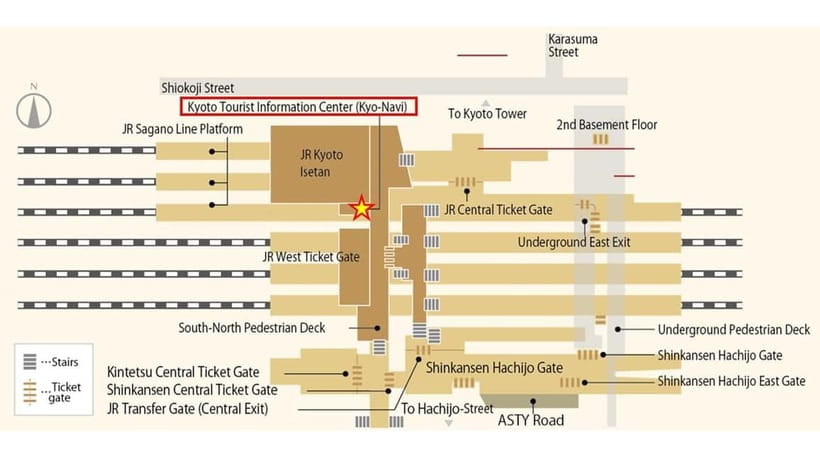
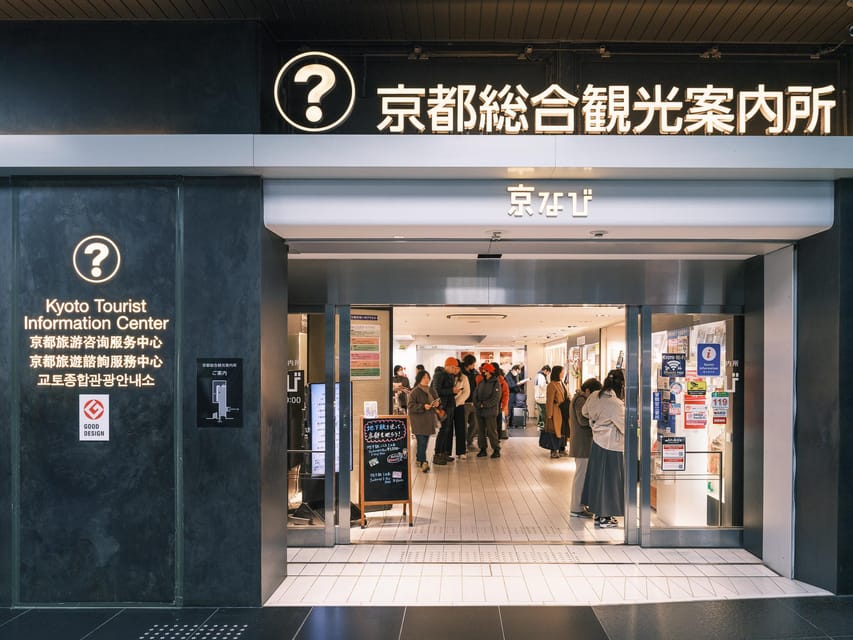
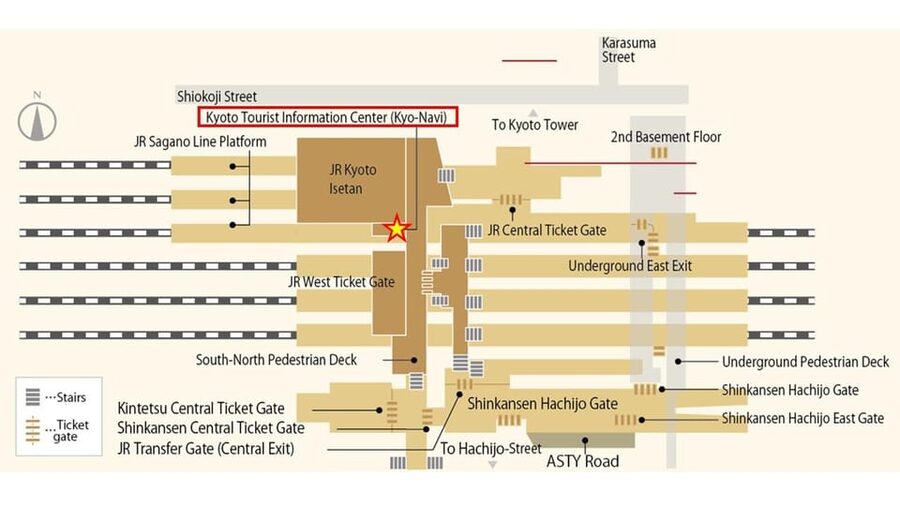
The meeting point is the Kyo-Navi Kyoto Tourist Information Center inside Kyoto Station. It is on the second floor near the Pedestrian Walkway, on the north side of the station and just south of Kyoto JR Isetan department store.
Kyoto Station is large, so allow time to find the meeting point. If you are unsure, ask for Kyo-Navi, the name locals use for the center. Your reservation confirmation email contains the final meeting details, so check it before setting out.
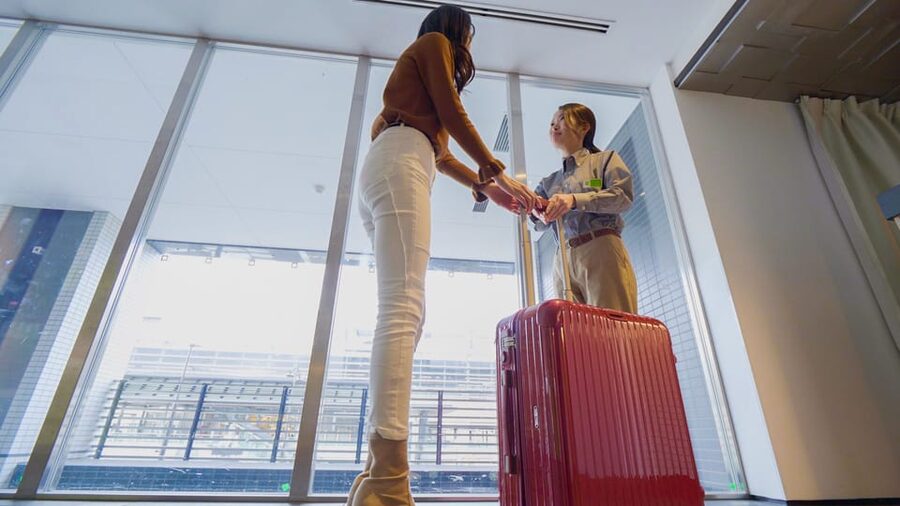
One useful feature is the luggage service. After meeting your guide, you leave your luggage at Crosta Kyoto before traveling onward. That can make a real difference if you are changing hotels or arriving in Kyoto with bags in hand. The tour price does not include the train fare, and luggage service may involve a separate fee, especially for a free child participant.
The train ride is part of the point. You use public transport with a Kyoto guide rather than moving between sights in a private vehicle. Along the way, your guide can introduce local customs and help you understand how Arashiyama fits into Kyoto’s wider identity.
The tour is conducted only in English. That makes it a good choice for English-speaking visitors who want explanations throughout the trip, but it will not suit you if you need another language.
Walking through Arashiyama’s bamboo forest
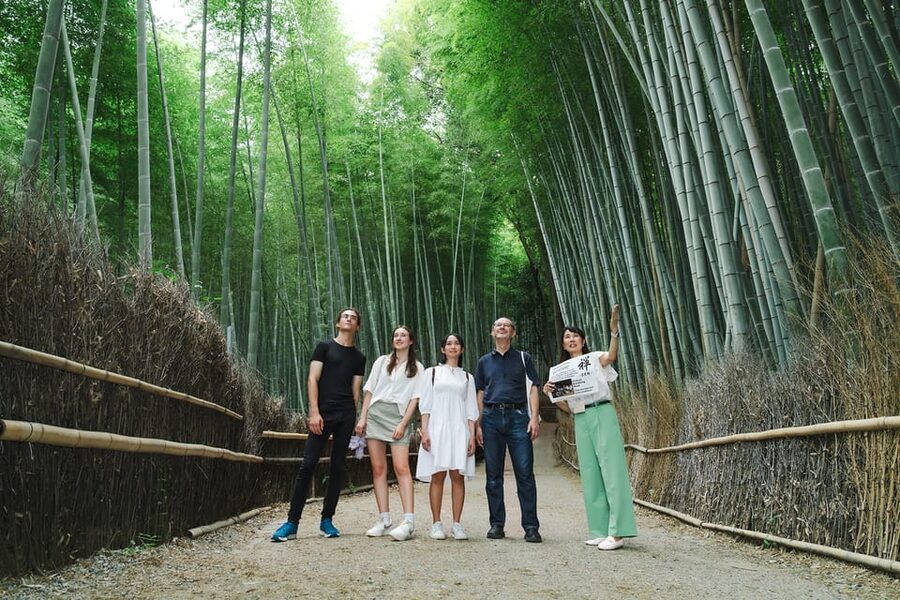
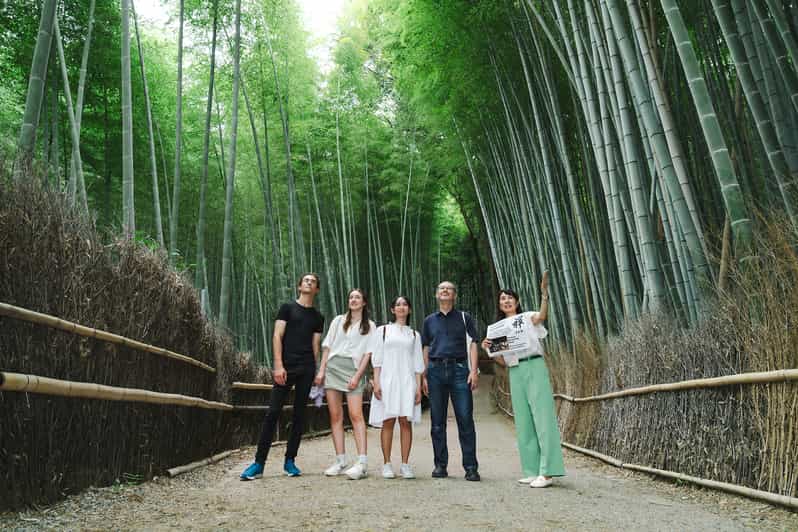
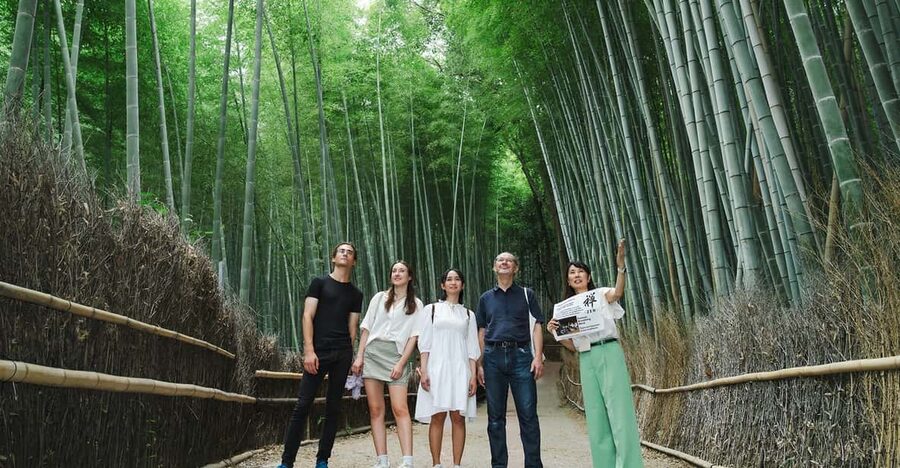
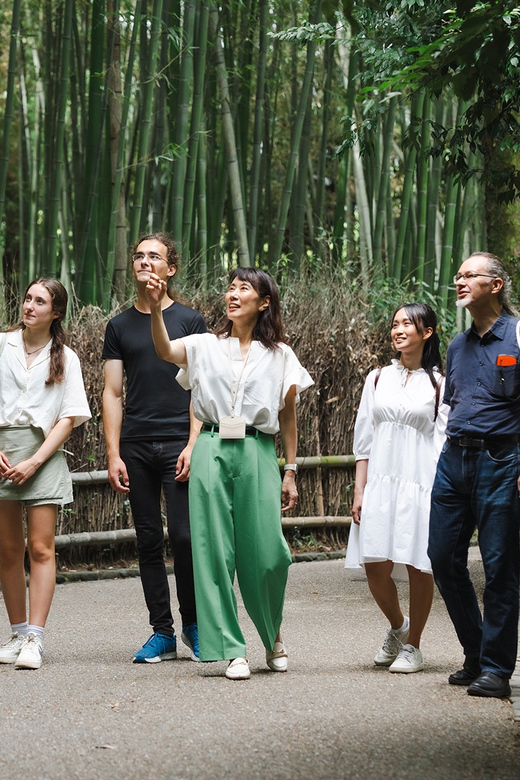
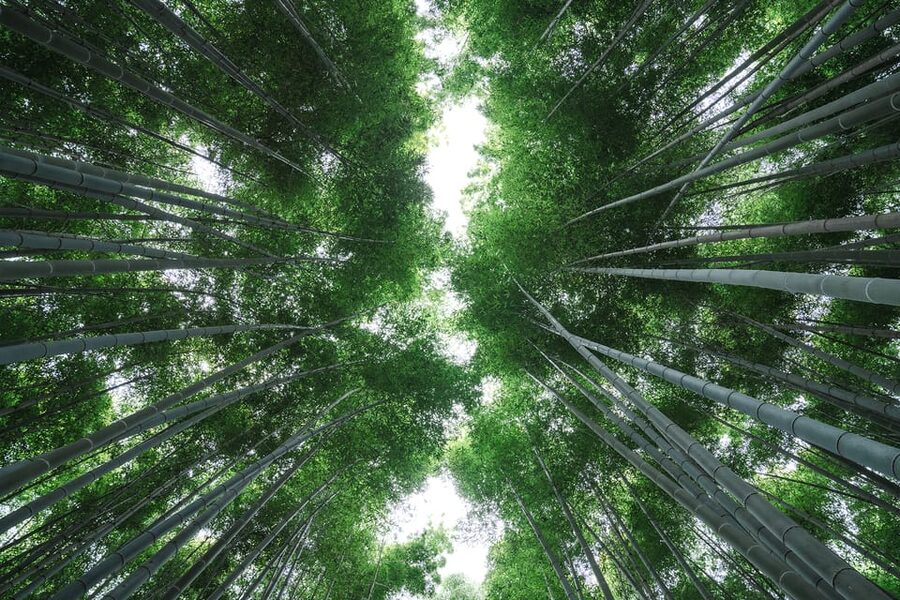
The bamboo forest is the most instantly recognizable part of the route. Tall bamboo rises on both sides of the path, with sunlight filtering through the green stems. It is a fine place for photographs, but the setting is more rewarding if you pause and take in the sound, shifting light, and narrow tunnel-like path instead of treating it as a quick photo stop.
A guide gives the scene more meaning. You can ask about local customs, Kyoto’s traditions, and the role that temples and gardens play in Japanese culture. That is useful here because the bamboo grove itself does not come with much written explanation. Without a guide, you may see an impressive path and leave with little sense of its place in the district.
The main caution is crowding. Arashiyama is one of Kyoto’s most popular areas, and the bamboo forest is a major reason why. This tour does not promise an empty grove, so set your expectations accordingly. The guide can provide context and direction, but cannot control how many other people are visiting that day.
You should also wear comfortable shoes. The tour lasts about two hours and includes the train ride, bamboo forest, temple grounds, and the walk toward the bridge. It is not an intense hike, but it is not a sit-down sightseeing trip either.
Hogon-in Temple and its Zen garden
Hogon-in Temple gives the tour its strongest cultural stop. Entry is included, so the $34 price covers more than simply having someone lead you through public streets and forest paths.
The temple is especially valued for its Zen garden. Your guide explains the different types of gardens and the ideas behind their design, helping you look beyond the surface arrangement of stones, plants, and open space. One guide, Yuko, was praised for explaining garden customs and Japanese history with care. That kind of interpretation is exactly what makes a temple visit more useful than a quick walk around the grounds.
Hogon-in is also a welcome change of pace after the bamboo forest. The grove is narrow and visually dramatic. The temple garden asks you to slow down and observe how space is arranged. You get two different kinds of beauty in a short route, one shaped by nature and the other shaped by deliberate design.
The garden is the portion of the tour most likely to appeal to you if you enjoy architecture, religion, or Japanese aesthetics. If you mainly want scenic views and photographs, it still provides a calm stop, but you may find the guide’s explanations more detailed than necessary.
The temple visit depends on the tour dates listed for this activity. The experience operates from October 6 through October 31, 2025, on weekdays only. If Hogon-in is a priority for your Kyoto visit, check that your selected date falls within this period.
More walking tours in Kyoto:
- Kyoto Geisha Walking Tour: Gion District & Hidden Gems
★ 4.7 · 3,273 reviews - Kyoto: Gion Magical Night Walking Tour with Geisha Trivia
★ 4.9 · 2,393 reviews - Kyoto: Gion Geisha District Walking Tour – Stories of Geisha
★ 4.7 · 2,187 reviews - Night Walk in Gion: Kyoto’s Geisha District
★ 4.5 · 2,003 reviews
Walking to Togetsu-kyo Bridge
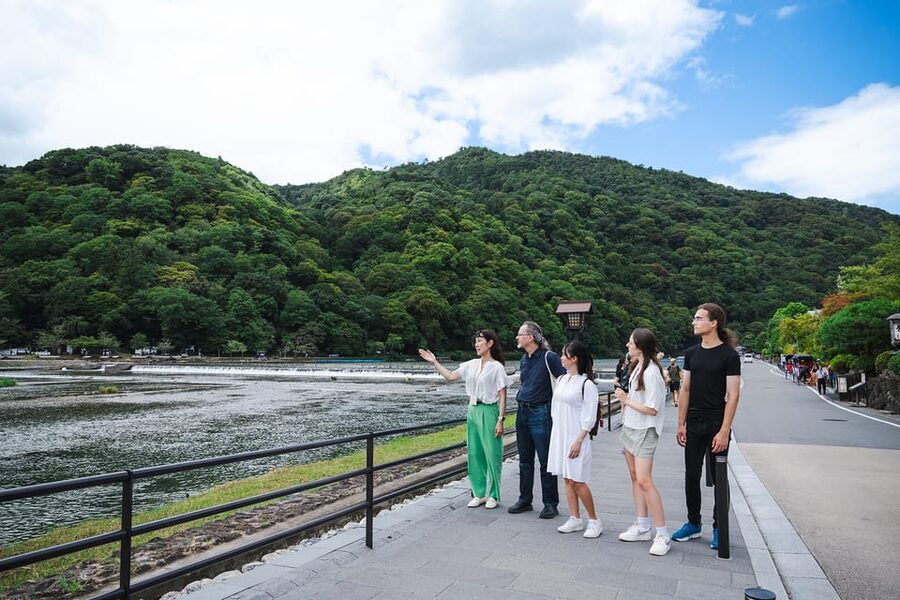
After Hogon-in Temple, the route continues toward Togetsu-kyo Bridge. This gives the tour a natural finish rather than ending abruptly at the temple gate.
The bridge is one of Arashiyama’s best-known sights, set beside the river with wooded hills around the district. The tour ends back at the original meeting point, but the bridge walk gives you a useful launching point for spending more time in the area. You can use the guide’s final recommendations to decide what to do next in Arashiyama and nearby areas.
The tour itself does not include a meal, shopping stop, or additional attraction after the bridge. That is a plus if you want freedom afterward. You are not locked into a group schedule for the rest of the day.
Keep in mind that the end of the walk is not the end of your Arashiyama visit. If you have extra time, ask your guide for suggestions before saying goodbye. The supplied information specifically notes that local guides can recommend ways to make the most of the district and its surroundings.
What the guides add to the visit
The guide is the reason to choose this tour instead of simply taking the train to Arashiyama alone. The bamboo forest and bridge are easy to locate. Understanding the customs, temple traditions, and garden styles requires more help.
Guides named Yuko, Yoriko, and Charlie have led this activity. Yuko was especially noted for explaining Japanese history and garden types with thoughtfulness. Yoriko was described as attentive and fun, while Charlie was praised for providing a wonderful tour. These details suggest a friendly guiding style alongside the formal background you would expect from certified city guides.
The best guide-led moments are likely to come at Hogon-in, where questions can turn a beautiful garden into a more understandable place. Ask about how Zen gardens are viewed, what features you should notice, and how temple customs differ from everyday sightseeing habits.
The group setting also has a social side. You travel and walk together, and the atmosphere may depend partly on the people booked for your date. The available information does not specify the group size, so I would not book this expecting a private or highly personalized tour.
Is $34 good value?
At $34 per person, this is a modestly priced introduction to one of Kyoto’s most popular districts. The fee includes a certified city guide and admission to Hogon-in Temple. Those inclusions make the cost reasonable, especially if you value interpretation rather than simply transportation.
You still pay the train fare to Arashiyama, and hotel pickup and drop-off are not included. The meeting point is Kyoto Station, so you need to reach it yourself. That keeps the price down, but it also means you must plan the start of your day around the station meeting point.
The luggage service adds another practical benefit. If you are arriving or departing on the same day, leaving bags at Crosta Kyoto may save you the trouble of carrying them through the bamboo forest and temple grounds. The service is not fully included for every child, so check the fee if you are bringing a free child participant.
The tour is good value for three reasons:
- You get guided explanations at the bamboo forest and temple.
- Hogon-in admission is included.
- The two-hour format leaves most of your day open.
It is less valuable if you already know Arashiyama well, have your own detailed plan, or want to avoid paying for a guide at sights you can visit independently.
Families, children, and walking comfort
Each paying adult can bring one child aged zero to six free of charge. If that child uses the luggage service, you must pay the service fee. Any additional child must have an adult ticket.
Unaccompanied minors are not allowed, so children must join with an accompanying adult. The information does not give a minimum age for paid children beyond the free-child policy.
For families, the short duration is helpful. Two hours is easier to manage than a full-day temple tour, and the bamboo forest gives children a memorable visual setting. Still, you should be comfortable walking with your child through the full route and managing your own needs during the train journey.
The tour is recommended for people who enjoy walking. It does not appear to be designed around long seated breaks, and the schedule includes several stops connected by foot. Comfortable shoes and a light day bag make sense.
The best way to plan your day around it
Treat this as an introduction to Arashiyama, not a complete day in the district. The tour covers the bamboo forest, Hogon-in Temple, and Togetsu-kyo Bridge, then returns to the original meeting point.
Before the tour, arrive at Kyoto Station with enough time to locate Kyo-Navi. If you are carrying luggage, have a plan for the Crosta Kyoto service and confirm any fee that applies to your group.
During the tour, listen closely at Hogon-in and ask questions. The bamboo forest is visually obvious, while the garden benefits most from explanation. Save your final questions for the bridge walk, when the guide can suggest how to continue exploring.
Afterward, you can use the recommendations from your guide to shape the rest of your time. The activity does not include hotel transport, meals, or a longer visit to Arashiyama, so you remain free to choose what comes next.
Who should book this tour?
I would book this if you are visiting Arashiyama for the first time and want a short, reasonably priced orientation. It is particularly good for you if Japanese gardens, local customs, and temple traditions matter as much as photographs.
It also suits visitors who appreciate practical help at a complicated station and prefer using public transport with a local guide. Families with one young child may find the free-child policy useful, provided everyone is ready for a two-hour walk.
I would skip it if you want a private tour, dislike group schedules, or already have strong knowledge of Kyoto’s temples and gardens. You can visit the bamboo forest and Togetsu-kyo Bridge without a guide, and the train fare remains separate.
For most first-time visitors, though, the combination of certified guidance, Hogon-in admission, public transport, and a compact schedule makes this a sensible way to meet Arashiyama. Book it for a weekday between October 6 and 31, 2025, and leave the rest of the day open for your own discoveries.
FAQ
When does the tour operate?
The tour operates from October 6 through October 31, 2025, except on Saturdays and Sundays.
Where do I meet the guide?
You meet at the Kyo-Navi Kyoto Tourist Information Center inside Kyoto Station. It is on the second floor near the Pedestrian Walkway, on the north side of the station and just south of Kyoto JR Isetan.
Is transportation included in the price?
The tour uses public transport to reach Arashiyama, but the train fare is not included. Hotel pickup and drop-off are also not included.
How long does the tour last?
The walking tour takes approximately two hours. It includes the train journey, the bamboo forest, Hogon-in Temple, and a walk toward Togetsu-kyo Bridge.
Is the tour available in languages other than English?
No. The tour is conducted only in English.
Can young children join for free?
Each paid adult can bring one child aged zero to six free of charge. If the free child uses the luggage service, a service fee applies. Any additional child must purchase an adult ticket.
Just added around Kyoto
- Kyoto: Zen Meditation at a Private Temple with a Monk★ 5.0 · 25 reviews
- Kyoto: Gion Geisha District & Sake-in-Hand Walking Tour★ 5.0 · 37 reviews
- Private Pewter Sake Cup Experience with a Kyoto Artisan★ 5.0 · 31 reviews
- Your Private Vacation Photography Session In Kyoto★ 5.0 · 110 reviews
- Private Guided Traditional Buddhist Cooking in Japan★ 5.0 · 16 reviews
- Kyoto Wagashi(Japanese sweets) Cooking Class near Fushimiinari★ 5.0 · 60 reviews
- Traditional Japanese Music show & Experience Tour in Kyoto★ 5.0 · 57 reviews
- Kyoto:Family-Friendly Kimono & Yukata Experience at WARGO★ 5.0 · 147 reviews
Bamboo Grove Tours, compared.
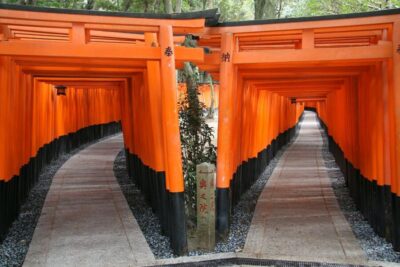
Fushimi Inari, Kinkakuji, Bamboo Grove 1 Day Bus Tour
Read our review →
Osaka/Kyoto:Kinkakuji,Arashiyama,FushimiInariShrine,NaraPark
Read our review →
Kyoto/Osaka: Nara, Fushimi Inari Taisha, Arashiyama Bus Tour
Read our review →
Kyoto Arashiyama Walking Tour: Bamboo, Monkeys, Gardens & Secrets
Read our review →
Arashiyama Bamboo, Temple, Monkeys, or Secret Sake Brewery
Read our review →
Arashiyama Bamboo Forest, Monkeys, Matcha & Temple Tour
Read our review →
Osaka/Kyoto: Arashiyama, Nara & Fushimi Inari Shrine w/Lunch
Read our review →
Nijo, Kinkaku-ji, Arashiyama, Kiyomizu & Fushimi Inari
Read our review →Browse the lists this tour appears in