
Reviewed · TOKYO TOURS
Matcha Making Class in Tokyo with Authentic Japanese Sweets Set
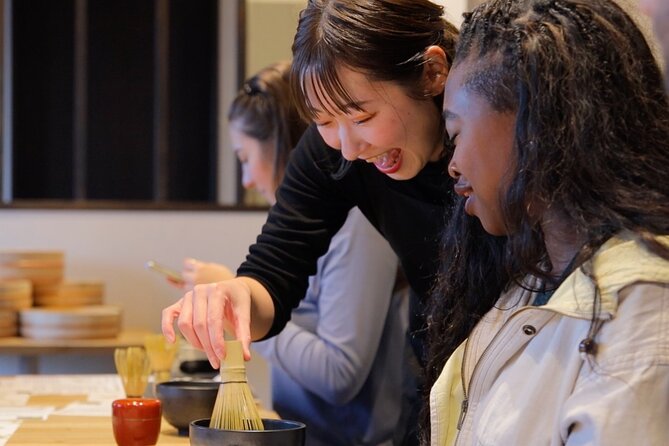
The most appealing part of this Asakusa class is that you do not just watch a tea ceremony. You make the matcha yourself, from learning about the powder to whisking it into a smooth, foamy cup. I especially like the clear, practical teaching and the chance to taste the tea with traditional Japanese sweets.
I also like the relaxed setting and the warm personal touch from hosts such as Rino, Shuri, Hiya, and Nama. Families can take part, and English-speaking instruction keeps the class easy to follow. The main consideration is time: at about one hour, this is an introduction to matcha, not a full formal tea ceremony.
Key Points
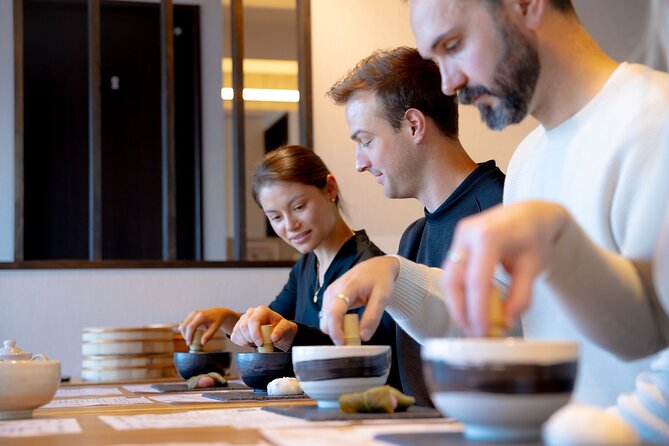
- Hands-on whisking: You prepare your own matcha with traditional tools rather than simply observing.
- Useful home tips: The class covers how to get matcha right at home and how to spot higher-quality powder.
- Asakusa setting: The meeting point is near Kaminarimon in one of Tokyo’s most traditional districts.
- Seasonal sweets included: Japanese confections balance matcha’s earthy, slightly bitter taste.
- Friendly English instruction: Hosts explain matcha’s origins, cultivation, and cultural role in clear English.
- Good short activity: The one-hour format fits neatly between Asakusa sightseeing stops.
A Hands-On Matcha Class Near Kaminarimon
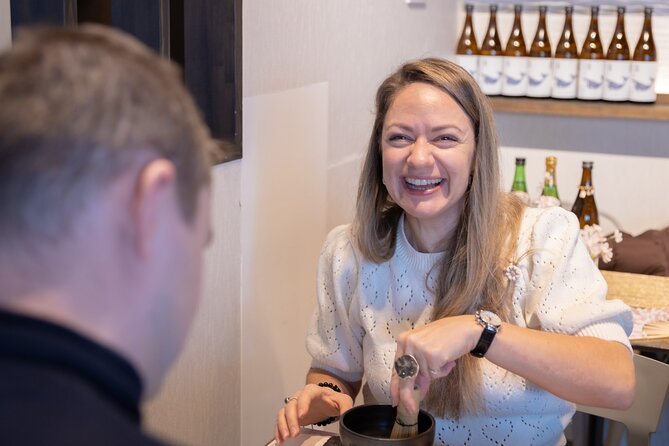
This experience takes place at Matcha Making Tokyo, at 2-chōme-17-9 Kaminarimon in Taito City. That puts you in Asakusa, a useful place to spend a morning or afternoon because the class can be paired with nearby sightseeing.
The meeting point is near public transportation, and the activity ends where it begins. You will need to make your own way there, since hotel pickup and drop-off are not included. Check the exact meeting details after booking, then allow enough time to find the building in the busy Kaminarimon area.
The setting is more approachable than a highly formal tea ceremony. Depending on the session, you may sit in a traditional-style upstairs space, sometimes on the floor, with the café atmosphere adding a personal feel. One class took place in a quiet nook above the café, while another visitor noted a pleasant view along the river.
That variety matters. If you want polished ceremony etiquette, robes, and a long sequence of formal gestures, this is not that experience. If you want to understand matcha and prepare it with your own hands, the casual format is likely the better fit.
A few more Tokyo half-days to weigh up
- Tokyo: Matcha Making Experience with Mochi Sweets in Asakusa
★ 4.9 · 388 reviews - Japanese Traditional Sweets making and Tea Ceremony
★ 4.7 · 50 reviews - Tokyo: Two Types of Japanese Sweets Making and Tea Ceremony
★ 4.6 · 26 reviews
What Happens During the One-Hour Session
The class begins with an introduction to matcha and its place in Japanese food culture. Your host explains how matcha differs from ordinary green tea, how it is grown, and why the powder has such a strong flavor and color.
The teaching may include visual material on an iPad, which helps make the growing and production process easier to understand. You are not expected to arrive with any background in Japanese tea. The instructors build the lesson from the basics and explain the process step by step.
You will also learn how to judge matcha quality. That is a useful detail because matcha sold in cafés, supermarkets, and specialty shops can vary widely in flavor and price. The class gives you a starting point for understanding what you are buying, rather than treating the powder as just another trendy drink ingredient.
The cultural background is kept practical. You learn about the origins of matcha and the way tea ceremony customs developed, but the focus stays on what you can see, taste, and do during the session. This keeps the short class moving and prevents it from becoming a lecture.
Learning to Whisk Matcha Properly
The central part of the experience is preparing your own bowl of matcha. You use traditional tea-making tools, including a bamboo whisk, and follow the method demonstrated by your host.
Your instructor shows you how to combine the powder and water, then how to move the whisk so the tea becomes smooth and lightly foamy. This is where the class becomes more useful than a simple tasting. You get a chance to try, adjust your technique, and understand why the finished drink can turn out thin, clumpy, or too bitter.
The hosts provide one-to-one guidance as needed. Rino, Shuri, Hiya, and Nama are among the instructors praised for keeping the teaching patient, interactive, and easy to follow. The exact host depends on your session, but the teaching style is designed to involve the whole group.
Children can take part, too. Families with children as young as six and nine have found the process engaging, especially because the activity involves a real tool and a clear result. You may not produce a professional tea master’s bowl on the first attempt, but you will understand the basic motion and have a better chance of making a good cup at home.
The class also leaves room for questions. That personal attention is important in a small practical lesson, since whisking matcha can feel awkward until someone corrects your hand position or pace.
Matcha and Traditional Japanese Sweets
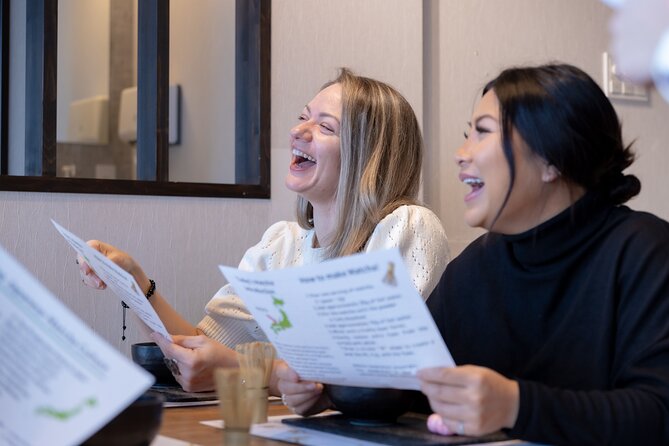
After preparing the tea, you sit down to enjoy it with a set of Japanese sweets. The sweets are seasonal, so the exact selection can change. That gives the tasting a stronger connection to Japanese food customs than a fixed packaged snack would.
Matcha has an earthy flavor and can have a noticeable bitterness. Japanese sweets are often chosen to provide a sweeter counterpoint, allowing the tea to taste rounder and less severe. If you are new to matcha, this pairing makes the drink easier to appreciate.
The sweets are part of the included price, along with the English-speaking instructor and the matcha itself. You do not need to arrange a separate tasting afterward. The class gives you both the preparation lesson and the chance to enjoy the finished result while the instructions are still fresh.
This is also a pleasant point for photographs. The traditional tools, tea bowl, sweets, and finished matcha provide natural moments to record. Hosts have helped families take group pictures, which is useful if you want a photo of everyone rather than a quick phone snapshot taken from the side.
More hands-on workshops in Tokyo:
- Sushi Making Tokyo Roll and Authentic Japanese Sushi Class
★ 5.0 · 3,971 reviews - Tokyo: Roll and Authentic Sushi Making Class in Asakusa
★ 4.9 · 1,957 reviews - Tokyo Shinjuku Chopsticks Making Class
★ 5.0 · 1,763 reviews - Tokyo: Sushi Making Class in a Happi Coat near a Famous Spot
★ 4.9 · 1,377 reviews
Why the Asakusa Location Works Well
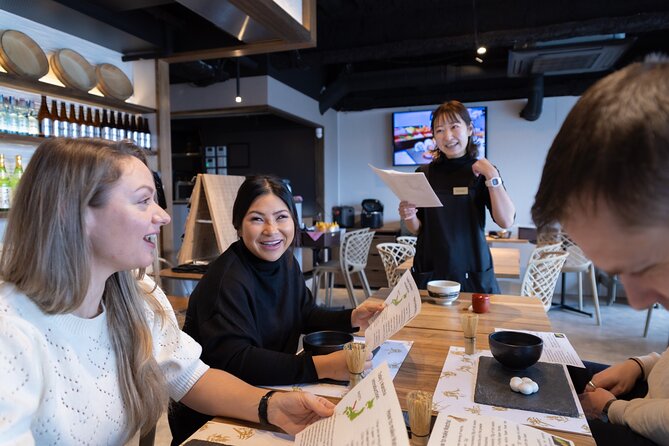
Asakusa is one of Tokyo’s most traditional neighborhoods, so the setting fits the subject. The class gives you a quiet cultural activity in an area often associated with temples, old streets, and classic Tokyo sights.
You can use the one-hour duration as a break in a larger Asakusa outing. It is short enough to fit around other plans, but substantial enough to give you a skill and a tasting rather than a quick cup of tea. The nearby public transportation also helps if you are building the activity into a full day.
The location has another practical advantage: it is easy to reach even if you book close to the date. One person booked the night before and found the meeting point without trouble. Still, I would not rely on last-minute timing. Asakusa is easy to explore, but a crowded sightseeing area can make a short walk take longer than expected.
If you arrive early, the café setting may give you somewhere comfortable to wait. A host once allowed an early arrival to sit inside before the class began. That is a thoughtful touch, but it should be treated as courtesy rather than a guaranteed part of the program.
A Relaxed Alternative to a Formal Tea Ceremony
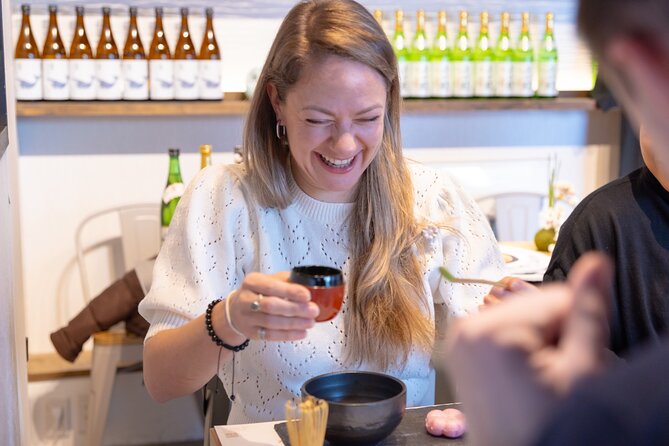
The phrase tea ceremony can suggest strict manners, ritual movements, and a quiet atmosphere where you watch an expert perform each step. This class offers something different.
You still learn traditional preparation and cultural context, but you are encouraged to participate. The instructors use modern explanations, visual aids, and conversation to make the process approachable. You can ask questions, handle the tools, and enjoy the tea without needing to know the correct etiquette in advance.
I would choose this experience if you want a cultural activity that feels social and practical. It suits first-time visitors to Japan, families, couples, and solo visitors who like meeting an English-speaking host. It also works well for anyone curious about matcha but unsure how to prepare it outside Japan.
I would choose a more formal tea ceremony if your main goal is to study ritual etiquette or observe a long ceremonial performance. The class is focused on learning and participation, not on putting you into a silent formal role.
Price, Group Size, and Overall Value
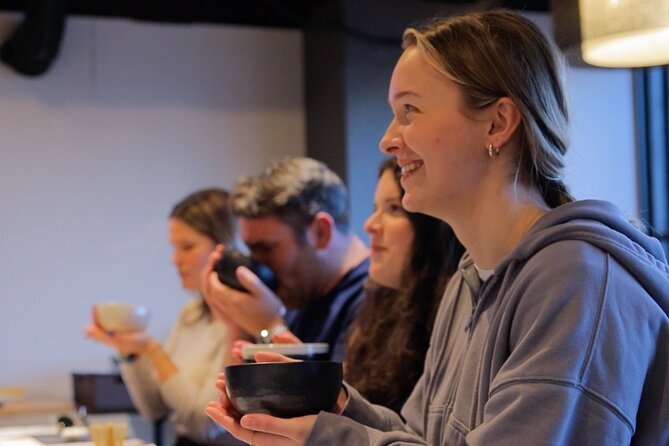
At $21.89 per person, the class is reasonably priced for a Tokyo activity that includes instruction, matcha, and Japanese sweets. You are paying for more than a drink. The value comes from the explanation of matcha, the guided practice, and the chance to repeat the method at home.
The maximum group size is 30 people. That is large enough that the level of personal attention could vary by session. In practice, some classes have been much smaller, including one with only three people. A smaller group will naturally feel calmer and allow more time with the instructor.
The class may share its location with sushi-making activities. One session was quiet because another matcha class and the sushi class were not creating much noise at the same time. If a larger sushi group is running nearby, the atmosphere could be livelier. This is worth considering if you are seeking a very serene tea setting.
The activity has also received a two-time TripAdvisor Best of the Best award and carries a 5.0 rating from 744 reviews, with 100 percent recommending it. Those figures point to unusually consistent satisfaction, especially with the hosts, the hands-on format, and the balance of education and fun. They do not change the basic limits of a short class, but they do support the idea that the experience is well organized.
Who Will Enjoy This Most
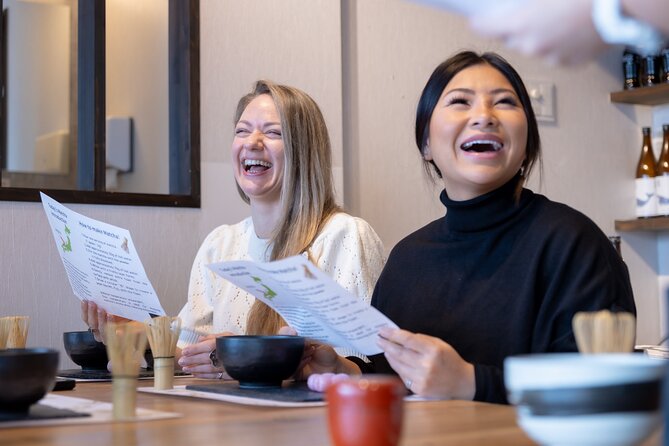
You will likely get the most from this class if you fit one or more of these groups:
- First-time matcha drinkers: You learn what matcha is, how it differs from green tea, and how to soften its bitterness with sweets.
- Families: Children can take part in the whisking and enjoy a result they helped prepare.
- Food-focused visitors: The class connects ingredients, preparation, flavor, and Japanese customs.
- Short-itinerary planners: One hour is easy to fit between Asakusa sights.
- People who dislike stiff ceremonies: The tone is friendly, interactive, and modern.
- Home cooks: The tips on powder quality and preparation can be used after your Japan trip.
You may want something else if you dislike sitting on the floor, though the traditional-style seating is not necessarily used in every session. You should also keep your expectations in check if you want a long, formal ceremony or a detailed study of tea schools.
The experience is suitable for beginners, and no prior tea ceremony experience is required. Service animals are allowed. The information provided does not specify other accessibility details, so contact the provider directly if you need particular seating or mobility arrangements.
Booking and Cancellation Details
You receive confirmation when you book, and the ticket is mobile, so you can keep it on your phone. The price is listed per person, and the class ends back at the meeting point.
Free cancellation is available if you cancel at least 24 hours before the scheduled start time. Cancellations made less than 24 hours in advance are not refunded, and changes inside that same 24-hour window are not accepted. The cut-off follows Tokyo local time, so check carefully if you are booking from another time zone.
Should You Book This Matcha Experience?
I would book this class if you want a useful, friendly introduction to Japanese tea that fits easily into an Asakusa day. The best features are the chance to whisk your own matcha, the clear English instruction, the seasonal sweets, and the hosts’ ability to keep children and adults involved.
At $21.89, it offers solid value, especially if you want more than a café tasting. Just remember that it is a one-hour introduction, not a formal all-day tea study. For a relaxed cultural activity with a real skill at its center, this is an easy addition to a Tokyo itinerary.
FAQ
How long does the matcha-making class last?
The class lasts approximately one hour.
Where does the activity take place?
It takes place at Matcha Making Tokyo, 2-chōme-17-9 Kaminarimon, Taito City, Tokyo 111-0034, Japan.
Where does the activity end?
The class ends back at the meeting point.
Is an English-speaking instructor included?
Yes. An English-speaking instructor is included.
Are matcha and Japanese sweets included?
Yes. The experience includes matcha and a set of Japanese sweets.
Do I need previous tea ceremony experience?
No. Prior tea ceremony experience is not required, and the class is designed for beginners.
Is hotel transportation included?
No. Hotel pickup and drop-off are not included. You make your own way to the meeting point.
What is the cancellation policy?
You can cancel for a full refund up to 24 hours before the experience starts. Cancellations or changes made less than 24 hours before the start time are not accepted for a refund.
Just added around Tokyo
- Private Arrival Transfer : Narita International Airport to Central Tokyo City★ 4.5 · 12 reviews
- Narita Airport(NRT): Private Transfer to Tokyo/Yokohama 1-9pax★ 5.0 · 47 reviews
- Private Transfer from Narita Airport to Yokohama Port and City★ 4.5 · 17 reviews
- [Narita Airport Terminals 1, 2] 40-60km Sawara Itako Historic Bike Tour★ 5.0 · 13 reviews
- 3 Day Japan Highlights Tour: Tokyo, Mt.Fuji, Nara, Kyoto, Osaka★ 5.0 · 22 reviews
- Small Town in the Big City: Tasting Tokyo’s Kichijoji★ 5.0 · 195 reviews
- Small Town in the Big City: Tasting Tokyo’s Kichijoji★ 5.0 · 16 reviews
- The 10 Tastings of Tokyo With Locals: Private Street Food Tour★ 5.0 · 48 reviews
Tokyo Tours, compared.

Mt Fuji and Hakone 1-Day Bus Tour Return by Bullet Train
Read our review →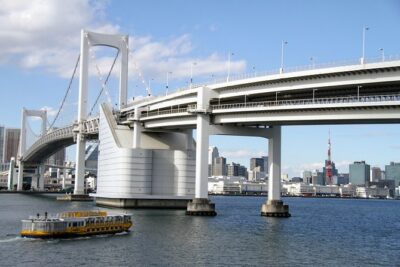
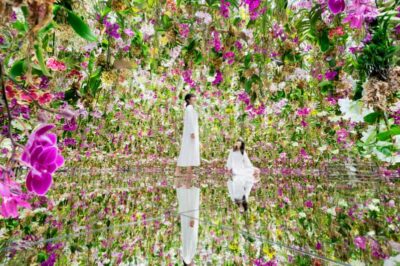
teamLab Planets TOKYO Digital Art Museum Entry Ticket
Read our review →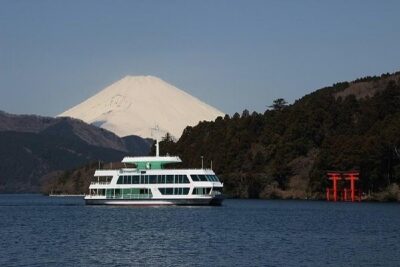
Mt Fuji & Hakone Cruise, Drum Show Bullet Train 1 Day from Tokyo
Read our review →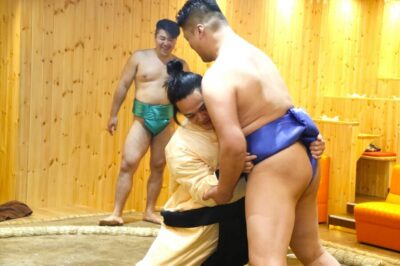
Sumo Show Experience with Chicken Hot Pot and a Photo
Read our review →
Shinjuku Food Tour (13 Dishes at 4 Local Eateries)
Read our review →
Tokyo Mt Fuji 5th St & Hakone Cruise Bus Tour w/Bullet Train
Read our review →
Flagship 2-Hours Official Street Go-Kart Tour – Tokyo Bay Shop
Read our review →Browse the lists this tour appears in