
Reviewed · TOKYO TOURS
Asakusa: A Big-picture History Walk to Know Japan
Asakusa is more than a famous gate, a temple, and a street lined with souvenir shops. This two-hour walk uses those familiar sights to explain how Japan changed from a closed feudal society into a modern country, while also showing how Buddhism and Shinto shared the same ground for centuries.
I like the clear route from the Sumida River to Senso-ji, and I like that the guides use visual aids, comparisons with Europe, and simple explanations instead of assuming you already know Japanese history. The main drawback is the pace: fifteen minutes at several stops is enough for a strong introduction, but not enough for long photography stops or detailed temple study.
Key points to know before booking
- Japan’s opening begins at the Sumida River: Learn why the shogunate limited foreign trade, why the Netherlands was allowed to remain, and how Admiral Perry changed the country’s course.
- Buddhism and Shinto are explained side by side: The tour shows how prayer, symbols, and sacred spaces differ, then explains why they have shared Asakusa for more than 1,000 years.
- Ukiyo-e connects Asakusa with Europe: You learn how Japanese woodblock prints reached European artists and helped shape Impressionism.
- The guides make the history accessible: Choco, Sachi, Amy, Yoko, Kay, and Yasu are among the guides praised for warm, clear teaching and keeping children engaged.
- You cover a compact but busy route: The walk includes the Sumida River, tourist information center, Kaminarimon, Nakamise, Hozomon, Senso-ji, and Asakusa Shrine.
- The tour is a good value for a history-minded first visit: At $58, you pay for a certified guide, a structured route, headsets for groups of three or more, and traditional snack tastings.
Why this Asakusa walk works as a history lesson
Many Asakusa tours point out the red gates and explain a few customs. This one tries to connect the dots. The guide uses each stop as a piece of a larger story, so you are not just collecting names such as Kaminarimon and Senso-ji.
That approach suits you if Japanese history feels confusing at first. The tour moves from the river and Japan’s foreign policy to religion, art, medieval comparisons, and modern Tokyo. You leave with a framework that helps the rest of your Japan trip make more sense.
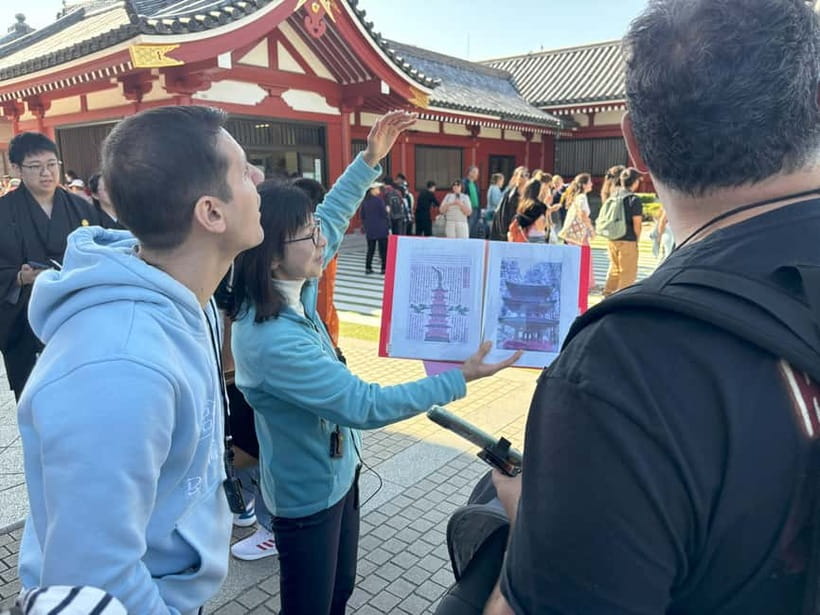
The subject is serious, but the teaching style is meant to be approachable. Past guide experiences include Sachi keeping a 13-year-old interested, Choco engaging both adults and children, and Amy bringing printed material to make explanations easier to follow. That matters because history can become a lecture when you are standing in a crowded public space.
The overall rating is 4.6 from 77 reviews, with especially strong praise for guide warmth, clear explanations, and the way the tour brings Asakusa’s spiritual life into focus. One less positive point is useful to note: a guest found the headset sound echoed at times. The equipment helps in a group, but it may not sound perfect in every setting.
More history-led days in Tokyo:
- Tokyo: Imperial Palace and Shogun Historical Walking Tour
★ 5.0 · 2,251 reviews - Tokyo: Imperial Palace Japanese History Walking Tour
★ 4.9 · 987 reviews - Yanaka Walking Tour: Historic and Traditional District of Tokyo
★ 5.0 · 530 reviews
Starting beside the Sumida River
Meet in front of the Burger King next to Exit 4 of Asakusa subway station on the Ginza Line, station G19. The precise meeting address is 2-chome-20-6 Kaminarimon, and stepping outside Exit 4 is important because the meeting point is not inside the station.
The first major stop is Tokyo Cruise Asakusa Pier, where the guide spends about 15 minutes. This is a smart opening because the Sumida River gives you a physical view of Japan’s contact with the outside world.
You learn why the Edo shogunate sealed Japan off for more than 200 years, why the Netherlands was the one European trading partner allowed to continue business, and how Admiral Perry’s arrival forced Japan to reopen. The subject is not treated as an isolated political fact. The guide links it to present-day Tokyo, including Odaiba’s former gun batteries and the replica Statue of Liberty facing the Pacific.
That river setting gives the story some shape. Instead of hearing only that Japan was isolated, you see the waterway that connected the capital with trade, defense, and foreign pressure. The stop also prepares you for the tour’s main habit: using ordinary places to explain large changes.
Getting the religious basics at the information center
The Asakusa Culture Tourist Information Center is the next stop, also planned for about 15 minutes. Here the guide sets up the difference between Buddhism and Shinto before you enter the main temple and shrine area.
This is valuable because many first-time visitors see a gate, bow, smoke, statues, and prayer motions without knowing which tradition they represent. The tour gives you a working explanation of both religions and shows how that knowledge will apply at later stops.
Do not expect a full academic study of Japanese religion in a quarter hour. You will get the basic structure needed to understand the rest of the walk. For a first visit, that is often more useful than a long list of obscure terms.
Reading the dragons at Kaminarimon
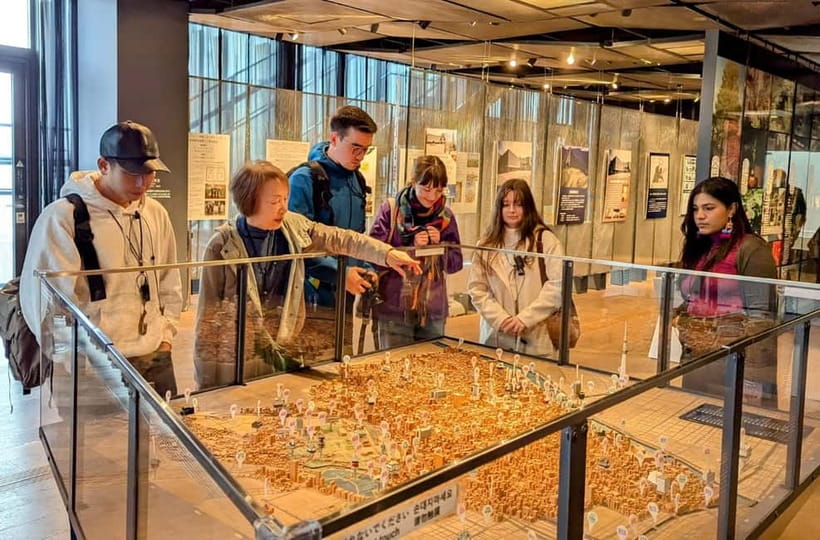
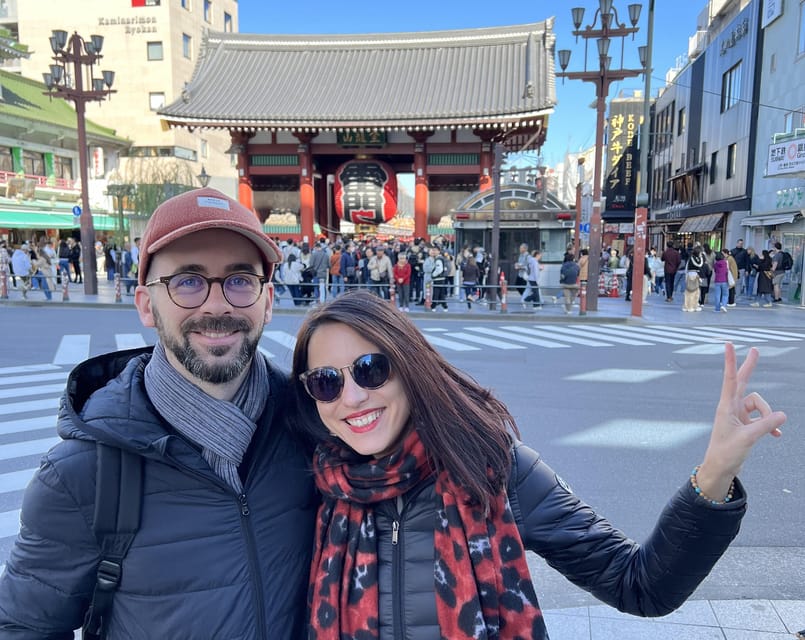
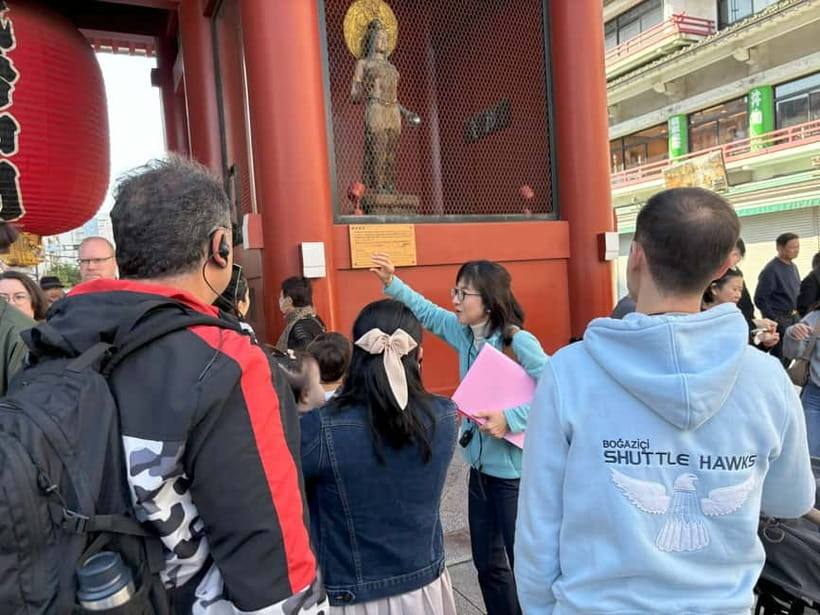
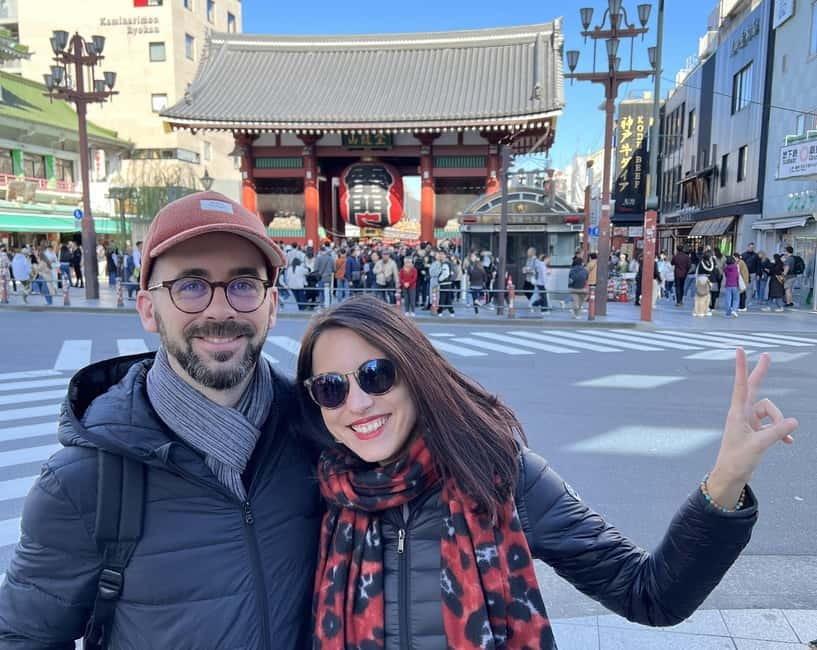
Kaminarimon, or Thunder Gate, gets another 15-minute explanation. The large red gate is one of Tokyo’s most recognizable sights, but the tour looks beyond the photo.
A key lesson here is the difference between Japanese and Western dragons. In Western stories, dragons are often dangerous enemies to defeat. The Japanese dragon plays the opposite kind of role, and the guide uses that contrast to show how the same creature can carry very different meanings across cultures.
This is a good example of the tour’s teaching method. You begin with something you can see, then use it to compare Japanese ideas with familiar European ones. The explanation is likely to be more useful than simply being told the gate’s name and date.
Kaminarimon can be crowded, so you should expect people moving around you and limited room for a quiet look. The short stop keeps the group moving, but you may need to return later if you want unhurried photographs.
More walking tours in Tokyo:
- Tokyo Tsukiji Fish Market Food and Culture Walking Tour
★ 5.0 · 3,184 reviews - Tokyo: Shinjuku Local Bar and Izakaya Guided Walking Tour
★ 4.9 · 1,794 reviews - Tokyo: Tsukiji Fish Market Food and Walking tour
★ 5.0 · 1,724 reviews - Tokyo: Asakusa Walking Tour with Sensoji Temple Visit
★ 4.8 · 1,583 reviews
Walking Nakamise with ukiyo-e in mind
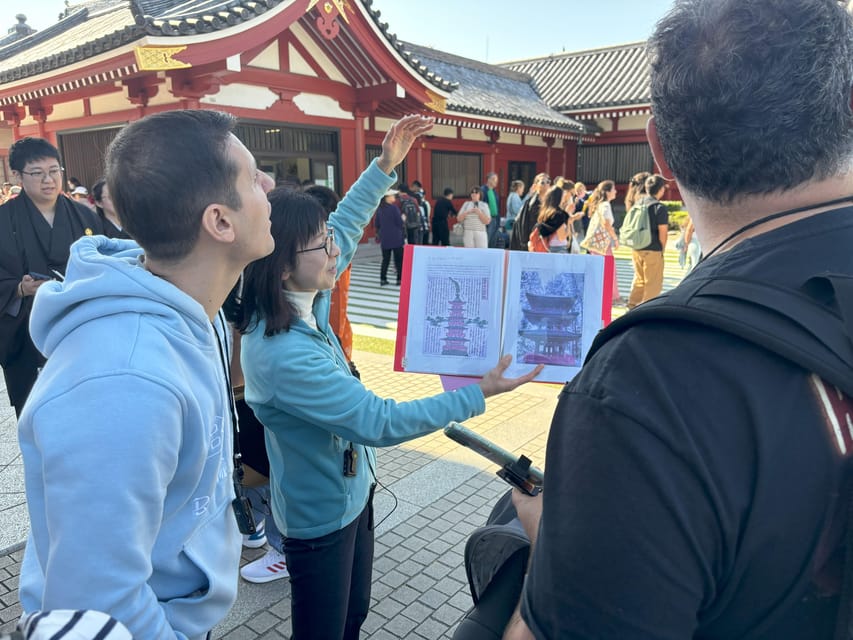
The walk along Nakamise Shopping Street takes about 30 minutes, making it the longest section of the tour. This is where the history lesson and the everyday scene meet most directly.
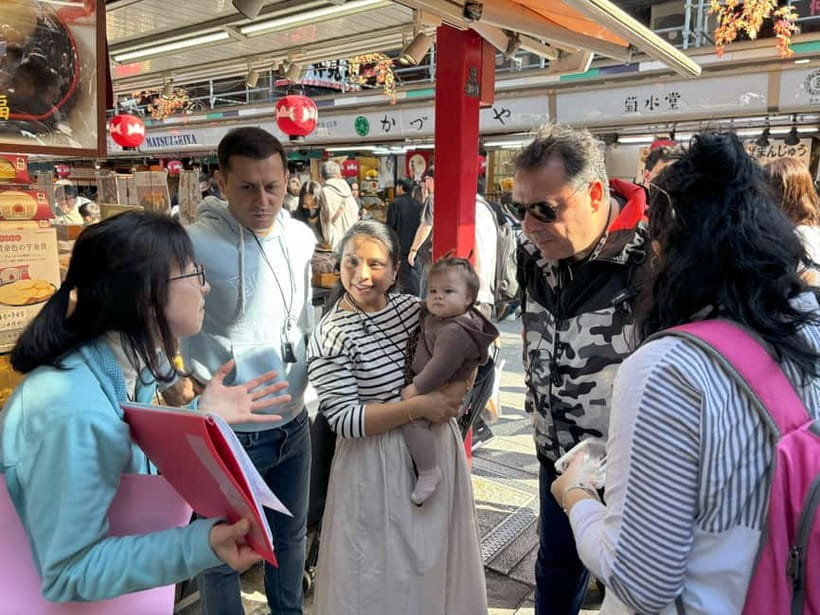
Nakamise is one of Japan’s oldest shopping streets, and the guide explains the Buddhist vajra, also called tokko, along with other symbols you encounter on the way. You are not simply told what to buy. You learn how objects and images fit into the religious setting around you.
The most surprising subject here may be ukiyo-e woodblock prints. These prints eventually reached Europe and influenced Western Impressionist painters. That connection gives the crowded shop street a wider role in art history: Japanese visual ideas helped change the way European artists looked at color, composition, and ordinary life.
I like this section because it links local shopping, religious objects, and international art without forcing you to visit a museum. You see the setting while the guide explains why Japanese prints mattered far beyond Japan.
The 30 minutes will pass quickly. If you want to shop, taste more than the included traditional snacks, or take careful photographs, you may need to come back after the tour. The walk is built for explanation first, browsing second.
Hozomon and the medieval comparison
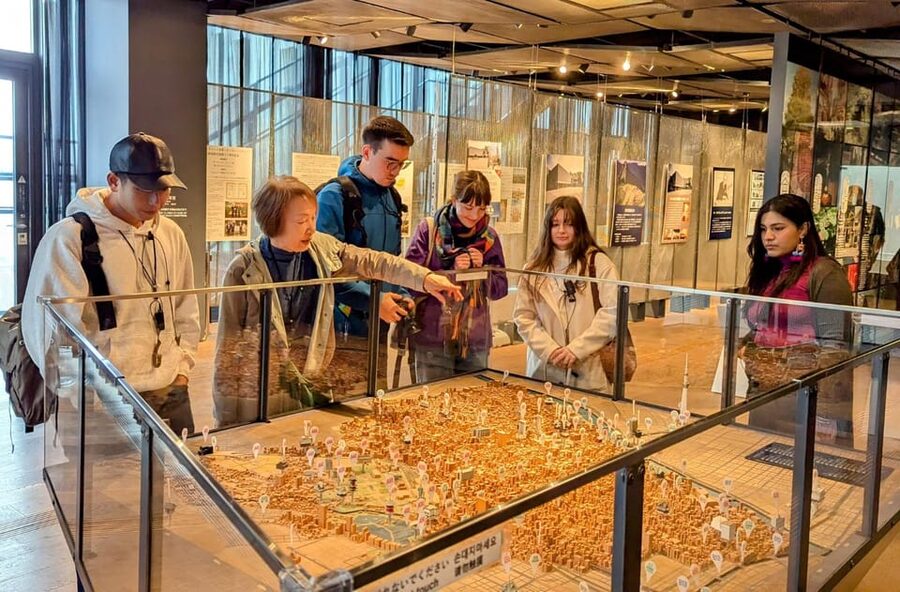
At Hozomon Gate, the guide spends about 15 minutes on a comparison that may surprise you. The tour argues that people in Japan and Europe shared remarkably similar ways of thinking 1,000 years ago.
This is a useful correction to the idea that Japan and Europe developed in completely separate mental worlds. The guide places medieval Japan beside medieval Europe, giving you a way to compare religion, society, and ideas rather than treating Japanese history as something sealed off from the rest of the world.
The value here depends heavily on the guide’s skill. A short explanation can open an interesting question, but it cannot cover every regional difference or historical debate. Guides such as Sachi, Yasu, and Yoko were praised for making these connections clear and keeping the walk engaging.
Understanding Senso-ji beyond the photo
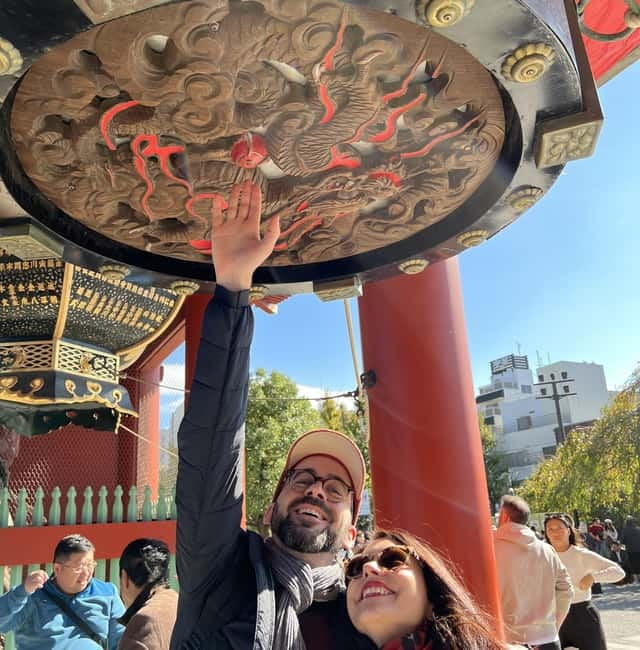
Senso-ji receives about 15 minutes and is the central religious stop. It is Japan’s oldest Buddhist temple, but the tour does not stop at its age or appearance.
The guide compares medieval Japan with Europe again, then explains how prayer works differently in Buddhism and Shinto. That distinction is practical. Once you know what kind of sacred place you are entering, you can pay attention to the actions around you and approach the site with more respect.
You may also encounter a fortune-telling activity near the temple entrance. One family found this especially engaging for an eight-year-old, so it can give children a small hands-on point of interest during an otherwise history-heavy walk.
Senso-ji is a working religious site as well as a major sightseeing stop. Expect crowds, movement, and plenty of visual distractions. The guide helps you focus on meaning, but you will not have unlimited quiet time inside the grounds.
The unusual partnership at Asakusa Shrine
The final stop is Asakusa Shrine, with another 15 minutes of guided time. This is where the tour’s central religious question comes together.
A Shinto shrine and a Buddhist temple share the same grounds, worshippers, and long history. The guide explains how this coexistence lasted for more than 1,000 years, rather than presenting Buddhism and Shinto as two completely separate systems that never touched.
That shared space is one of the strongest reasons to take the tour. It gives you a concrete example of how Japanese religious life developed in practice. You see two traditions side by side, then learn why the arrangement exists.
The final stop also gives the walk a satisfying structure. You began with Japan’s relationship to foreign powers and end with a local example of cultural and religious blending. The tour does not claim that every difference disappears, but it shows that Japanese history often developed through overlap rather than simple replacement.
Guide style, headsets, and family fit
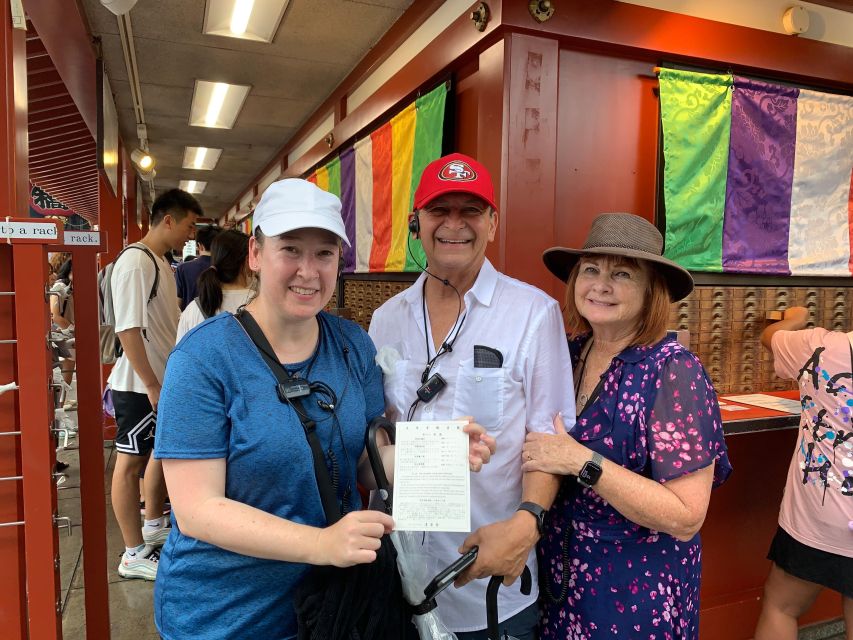
The tour is offered in English with a live guide and an English audio guide. A certified guide leads the walk, and headsets are included for groups of three or more so you can hear while standing near busy gates and streets.
Guide quality is a major part of the experience. Choco is described as engaging for adults and children, Sachi as friendly and strong at explaining local history, Amy as using printed images to support her points, and Kay as a warm Tokyo local who explained respectful shrine behavior. Yasu and Yoko also received praise for clear, cheerful instruction.
The repeated pattern is useful: this is a guide-led history walk, not a silent audio route. Your experience will depend partly on the person leading that day, but the format gives you a chance to ask questions. One guest found the earpieces occasionally echoed, so do not expect studio-quality sound in every crowded area.
Children younger than six may join without charge. The material is aimed more at adults, but families are welcome, and the reports of children staying engaged suggest that the right guide can make the subject work for younger visitors.
Is $58 a fair price for two hours?
At $58 per person, this is not the cheapest way to see Asakusa. You can walk through Kaminarimon, Nakamise, Senso-ji, and Asakusa Shrine without paying an admission fee.
The value is in the interpretation. You receive a certified English-speaking guide, a planned route, traditional snack tastings, and group headsets when there are at least three participants. The guide also saves you from piecing together the links between Edo isolation, Western art, and religious coexistence on your own.
I would consider the price fair if you want context during a first Asakusa visit. It is less compelling if you already know Japanese history well or mainly want time for shopping and photographs.
The two-hour length is another point in its favor. It is long enough to establish a useful framework without taking over your day. You can schedule other Asakusa sights before or after, though the tour itself does not include hotel pickup or drop-off.
Walking conditions and practical planning
The route involves a moderate amount of walking through streets, shopping areas, temple grounds, and shrine grounds. Comfortable shoes, water, and clothing suited to the weather are sensible choices.
The tour operates rain or shine. Bring protection from the weather and expect the pace to continue even if the day is wet. If you have mobility concerns, contact the supplier before booking, since the activity is not designed for people with mobility impairments but the operator will try to help where possible.
Allow time to find Exit 4 and the Burger King meeting point. The tour may be canceled if the minimum number of participants is not reached, with notice sent at least 24 hours ahead and a full refund provided. You can also cancel up to 24 hours before the start for a full refund, and reserve now while paying later.
Who should book this walk?
I recommend it most for first-time visitors who want Asakusa to make sense, not just look pretty. It is especially useful if you are curious about Buddhism and Shinto, enjoy cultural comparisons, or want to understand how Japanese art influenced Europe.
Families can also make good use of it, particularly with a guide such as Choco or Sachi who keeps younger participants involved. The traditional snack tastings and fortune-telling activity may help balance the historical material.
I would skip it if you need a slow photography tour, a shopping-focused outing, or an in-depth study of temple architecture. The stops are short, the route is busy, and the tour covers a wide subject in only two hours.
Should you book the Asakusa history walk?
Book this experience if you want a clear big-picture introduction to Japan in a compact route. Its best features are the river-based explanation of isolation and reopening, the plain comparison of Buddhism and Shinto, the ukiyo-e connection to Impressionism, and the final look at a temple and shrine sharing one religious world.
The $58 price makes the most sense when you value a good guide’s explanations more than extra free time. If you do book, wear comfortable shoes, arrive at Exit 4 early, and return later for photos or shopping. The tour gives you the story; Asakusa gives you plenty of time to explore the details afterward.
FAQ
How long does the Asakusa history walk last?
The tour lasts two hours.
What language is the tour offered in?
The live tour guide and audio guide are in English.
Where does the tour meet?
Meet in front of the Burger King restaurant next to Exit 4 of Asakusa subway station, G19, on the Ginza Line. The listed address is 2-chome-20-6 Kaminarimon.
Which places does the tour visit?
The route includes Tokyo Cruise Asakusa Pier, Asakusa Culture Tourist Information Center, Kaminarimon, Nakamise Shopping Street, Hozomon Gate, Senso-ji Temple, and Asakusa Shrine.
Does the tour include a guide?
Yes. A certified guide leads the walking tour.
Are headsets provided?
Headsets are provided for groups of three or more so you can hear the guide clearly.
Are food tastings included?
Yes. Traditional snack tastings are included.
Is hotel pickup included?
No. Hotel pickup and drop-off are not included.
Can children join the tour?
Children younger than six may join free of charge. Families are welcome, although the historical focus is recommended mainly for adults.
What happens if the tour is canceled?
The tour will not operate unless the minimum number of participants is reached. If it is canceled, the operator will notify you at least 24 hours in advance and provide a full refund.
What should I bring?
Bring comfortable shoes, water, and clothing suited to the weather. The tour operates rain or shine.
Can I cancel my booking?
You can cancel up to 24 hours in advance for a full refund. You can also reserve now and pay later.
Just added around Tokyo
- Private Arrival Transfer : Narita International Airport to Central Tokyo City★ 4.5 · 12 reviews
- Narita Airport(NRT): Private Transfer to Tokyo/Yokohama 1-9pax★ 5.0 · 47 reviews
- Private Transfer from Narita Airport to Yokohama Port and City★ 4.5 · 17 reviews
- [Narita Airport Terminals 1, 2] 40-60km Sawara Itako Historic Bike Tour★ 5.0 · 13 reviews
- 3 Day Japan Highlights Tour: Tokyo, Mt.Fuji, Nara, Kyoto, Osaka★ 5.0 · 22 reviews
- Small Town in the Big City: Tasting Tokyo’s Kichijoji★ 5.0 · 195 reviews
- Small Town in the Big City: Tasting Tokyo’s Kichijoji★ 5.0 · 16 reviews
- The 10 Tastings of Tokyo With Locals: Private Street Food Tour★ 5.0 · 48 reviews
Tokyo Tours, compared.

Mt Fuji and Hakone 1-Day Bus Tour Return by Bullet Train
Read our review →
teamLab Planets TOKYO Digital Art Museum Entry Ticket
Read our review →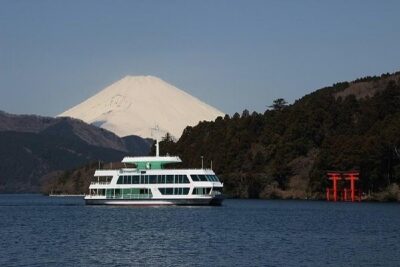
Mt Fuji & Hakone Cruise, Drum Show Bullet Train 1 Day from Tokyo
Read our review →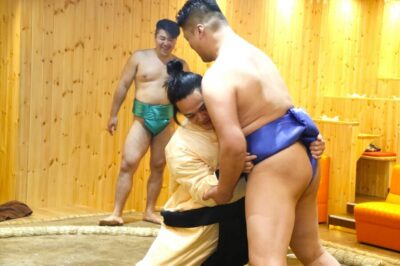
Sumo Show Experience with Chicken Hot Pot and a Photo
Read our review →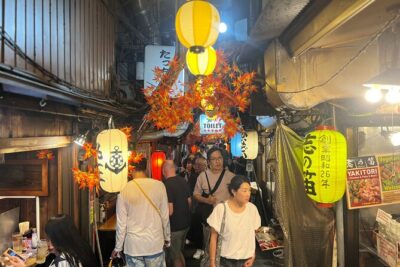
Shinjuku Food Tour (13 Dishes at 4 Local Eateries)
Read our review →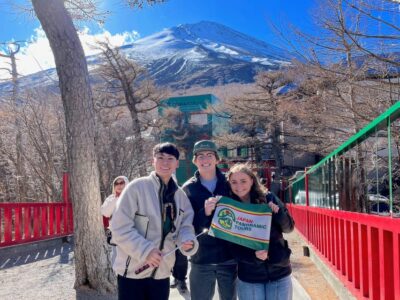
Tokyo Mt Fuji 5th St & Hakone Cruise Bus Tour w/Bullet Train
Read our review →
Flagship 2-Hours Official Street Go-Kart Tour – Tokyo Bay Shop
Read our review →Browse the lists this tour appears in