
Reviewed · KYOTO TOURS
Kyoto: Kimono and Tea Ceremony Experience at Cultural Asset
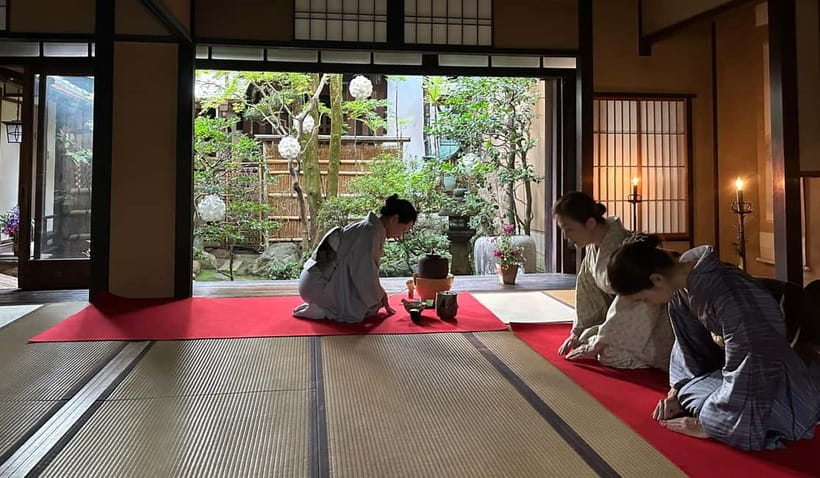
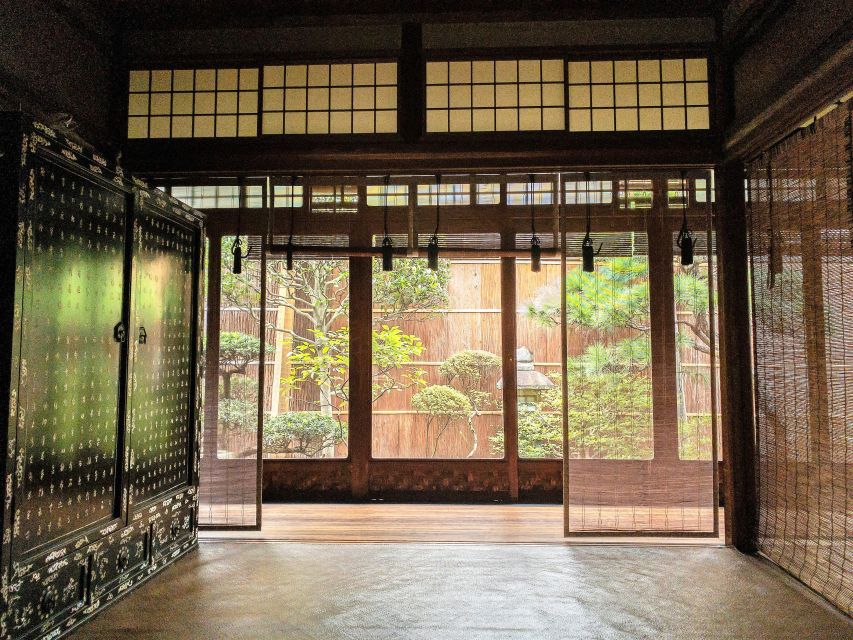
Inside a 140-year-old Kyoto machiya, you’ll be dressed in a proper silk kimono, shown through rooms filled with old furnishings, and seated for a traditional tea ceremony. The setting does much of the work here: wooden details, inner gardens, and quiet rooms give you a far better sense of old Kyoto than a costume studio can.
I like the beautiful house and gardens, which give you natural photo settings instead of a staged backdrop. I also like the patient, welcoming staff, who make the dressing and ceremony easy even when English is limited. The main catch is group size. A shared session can feel crowded, and the ceremony is less peaceful when other people arrive late, whisper, or keep filming.
Key points to know before booking
- A genuine 140-year-old machiya: Tondaya is a Kyoto City-designated cultural property, not a modern rental studio.
- Silk kimono dressing included: Staff choose and fit the kimono, with dressing taking about five minutes according to the activity details.
- Tea ceremony in the historic house: A seasoned tea master demonstrates the careful movements and explains their meaning.
- Photo time is generous: You can take pictures around the rooms and gardens after dressing, although photos are not allowed during dressing or undressing.
- Group size affects the mood: Shared bookings may include waiting and a crowded ceremony. A private option costs more but gives you a calmer visit.
- Bring socks, not stockings: Bare feet are not allowed, and you should wear a loose-necked top that can be hidden beneath the kimono.
Entering Tondaya in Kyoto’s Nishijin district
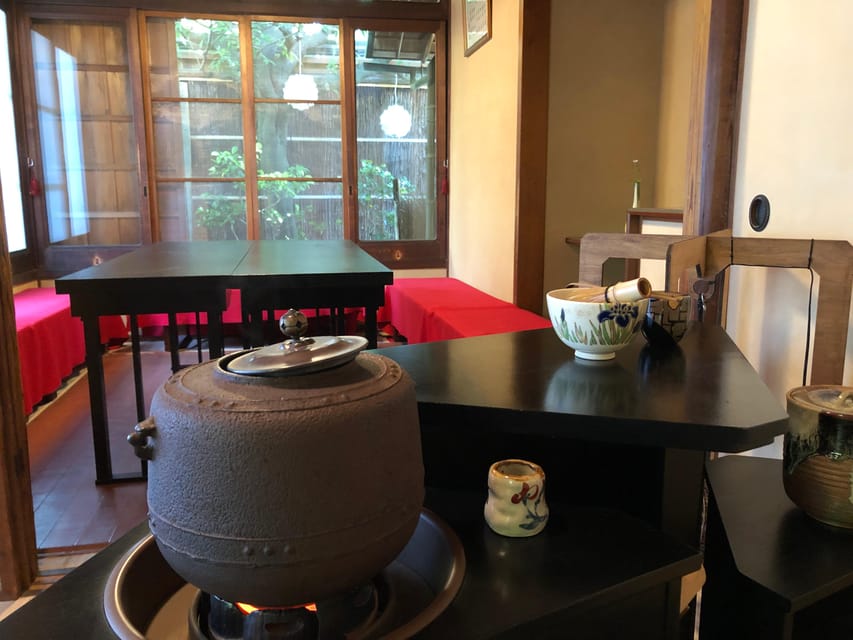
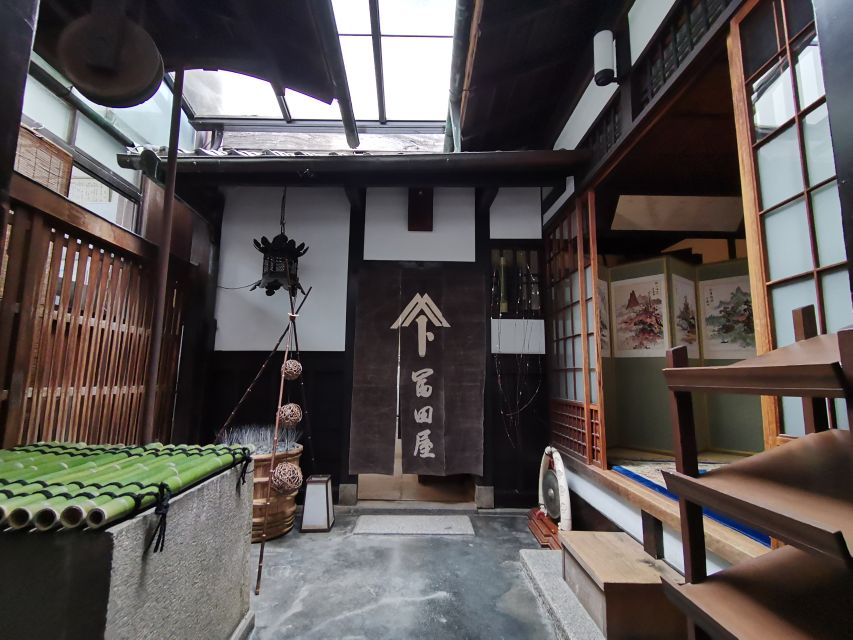
Tondaya is at 697 Ishiyakuchicho in Kyoto’s Kamigyo Ward, in the Nishijin area. This is the sort of place where the building itself is the main attraction. You enter a traditional townhouse with carefully made woodwork, quiet garden spaces, and old objects tied to the house and Kyoto life.
The activity description gives a duration of 90 minutes to four hours. That wide range likely reflects the selected session, dressing time, group flow, and private arrangements, so check the exact start time and length when booking. One useful tip is to arrive on time, but not so early that you expect to begin immediately. One person arrived 30 minutes early and was dressed right away, while the official visit itself took about an hour, with extra time spent getting ready.
The property is valuable because you are not simply posing in borrowed clothing. You are entering a preserved townhouse with its own rooms, gardens, objects, and stories. That context changes the experience. The kimono becomes part of a larger look at Japanese customs, rather than a quick outfit change in a brightly lit shop.
More Kimono Experiences in Kyoto
- Kimono Tea Ceremony at Kyoto Maikoya, NISHIKI
★ 5.0 · 911 reviews - Kyoto: Kimono Rental with Hairstyling and Accessories
★ 4.8 · 653 reviews - Kyoto: Kimono Tea Ceremony at Orizuruya Gion
★ 4.9 · 618 reviews
Choosing and wearing the silk kimono
Your first main task is selecting a kimono and having it fitted by the staff. The clothing provided is described as high-quality silk, and the dressing itself is quick, taking around five minutes in the activity information. Staff handle the layers and fit, so you do not need to know how a kimono is put on.
This part is fun, but it is worth setting realistic expectations. The purpose is mainly dressing and photographing, not a long lesson on textile design. If you want to know about the garment’s age, patterns, fabric, or social meaning, ask questions as you go. Some people wished for more explanation about the origins and significance of the clothing.
Fit can vary. One person found the kimono did not sit quite right, and a taller participant received a larger, solid-color kimono instead of one of the more elaborate printed designs. You may not get your first choice of pattern or the exact look you saw in promotional pictures. Still, the silk garments and the old house create a strong visual combination.
Wear socks. This is required, and bare feet are not allowed. Do not wear stockings, since the instructions specifically ask for socks instead. A shirt with a loose neckline is best because a tight collar may show or make the kimono sit poorly. If your T-shirt is wet, the staff cannot dress you, so bring a dry replacement if you are arriving after a hot walk.
You should also plan your clothing with undressing in mind. Comfortable, simple layers are easier than a tight outfit. Hair styling and makeup are not included, so arrange those yourself if they matter to your photos.
Touring the 140-year-old machiya
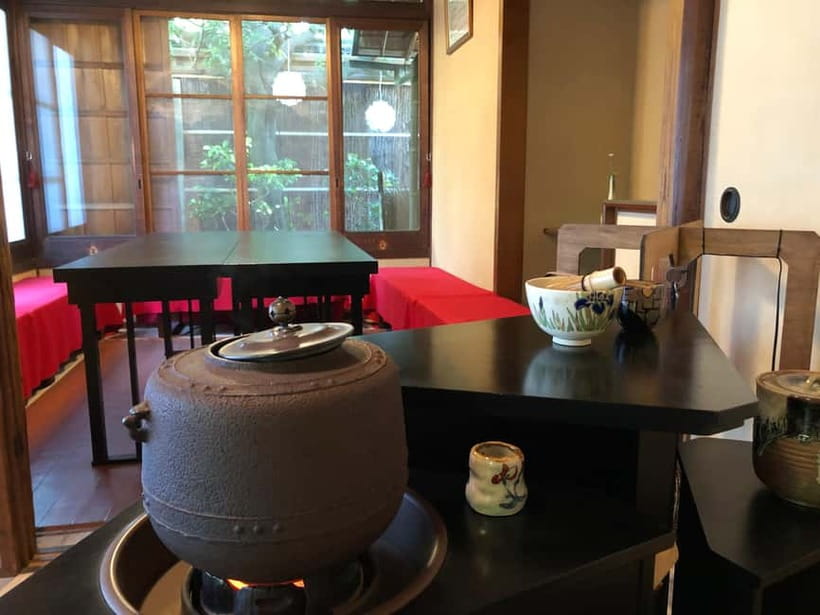
Once dressed, you’ll be guided through Tondaya. The tour introduces the building, its rooms, gardens, craftsmanship, and historical objects. You’ll have time to look around and take photographs in settings that feel connected to the house rather than arranged as a tourist prop.
The property has a calm, domestic quality. This is not a vast museum, and you should not expect a long lecture or a large collection. Its appeal comes from small details: timber, room proportions, garden views, and objects that help you picture how a traditional townhouse functioned.
English service is mixed. The activity is offered in English and Japanese, but not every staff member speaks English fluently. Some staff use a translation device, and this can make conversation slower. That is not necessarily a problem if you arrive with patience and a few questions ready. The strongest parts of the visit come from careful observation and simple explanations, not from a nonstop spoken tour.
I would ask about the house, the kimono, the tea utensils, and the meaning of particular gestures. Some staff provide clear explanations in English, while others rely more heavily on translation support. The level of detail can therefore depend on who leads your session.
Tea ceremony in the traditional rooms
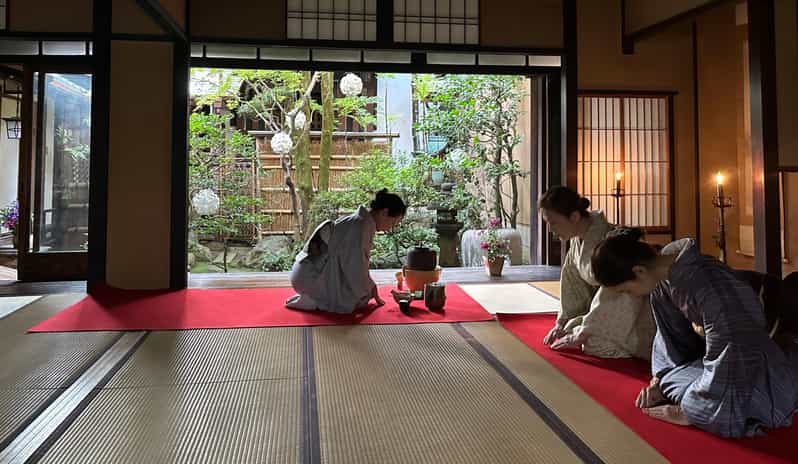
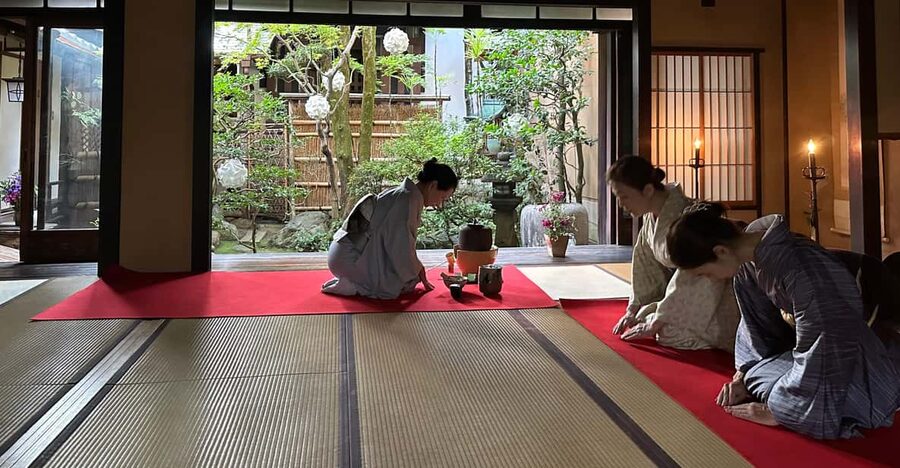
The tea ceremony is the heart of the visit. A tea master prepares and serves tea in the historic machiya, showing the measured movements that give the ceremony its formal character. You’ll see how the host handles the bowl, serves the tea, and bows, while explanations cover what is happening and why.
This is a demonstration, not necessarily a hands-on tea-making class. One participant specifically wished for a chance to mix the tea, so do not book this expecting to prepare your own bowl unless the staff confirms that your selected option includes it.
The ceremony can be short and simple, but that is not a weakness by itself. It gives you a clear look at the order, manners, and quiet focus of the ritual without requiring a full day of study. If you are seated on the floor, it may feel uncomfortable, especially during a longer session. A few small chairs may be available, but seating is limited according to one detailed account.
Your view also depends on where you sit. In a larger group, some people may have a better position than others. You may see the tea master clearly, or you may need to lean and watch between other participants. A private session removes much of this uncertainty.
Please treat this section with respect. The ceremony is intended to be peaceful and mindful, not a phone-filming contest. Photos are generally saved for the house tour and kimono portion. One especially useful rule is that photography is not allowed while you are being dressed or undressed. Put your phone away during the ceremony, bow when appropriate, and let the host complete the movements without interruption.
More Tea Ceremonies in Kyoto
- Kyoto: Tea Ceremony in a Traditional Tea House in Kiyomizu
★ 4.9 · 3,519 reviews - Kyoto: Tea Ceremony Ju-An at Jotokuji Temple
★ 4.9 · 3,207 reviews - Kyoto: 45-Minute Tea Ceremony Lesson Experience
★ 4.3 · 2,378 reviews - Kyoto: Table-Style Tea Ceremony at a Kyo-Machiya
★ 4.9 · 1,211 reviews
Taking photos around Tondaya
After the tea ceremony and house tour, you’ll have opportunities to photograph the kimono and the traditional rooms. The gardens and timber interiors make especially good backdrops, and staff may help take pictures. Several people appreciated having enough time to take their own photos rather than being rushed from one pose to the next.
The photos can look intimate even when the house is busy. This is an important distinction. Your final pictures may show only you and the architecture, but the actual visit can include several other people moving through the rooms.
You cannot photograph the dressing process or the removal of the kimono. That rule protects both the staff and the privacy of the changing process. Plan your main portraits for the rooms and garden after you are fully dressed.
If the visual side of the experience matters most to you, this is one of the strongest reasons to book. The house feels more convincing than a generic photo studio, and the kimono gives you a clear connection to the setting. Just remember that you may not receive the exact color or pattern you hoped for, especially if you are very tall or need a larger size.
Shared booking or private experience
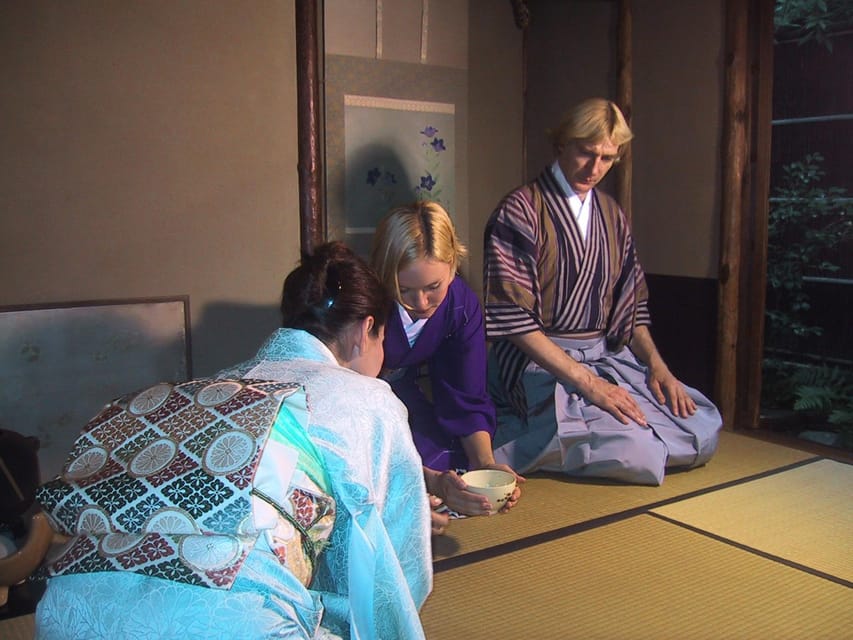
The standard experience is conducted with other participants. Even though the activity information also describes the group type as a private group, you should select the private option if you want a truly private setting. The wording can be confusing, so check the specific booking choice carefully.
A shared session is the better value if you mainly want the clothing, ceremony, and photos. At $222 per person, it is not cheap, but the price includes admission to the cultural property, kimono dressing, and the tea ceremony. You are paying for the building, staff time, traditional clothing, and a guided cultural program, not just a cup of matcha.
The price feels easier to justify if you value the setting and the complete sequence. You get dressed, learn about the house, watch the ceremony, and take photographs. It feels less worthwhile if your main goal is only to rent a kimono for pictures, since Kyoto has other clothing-rental options that may cost less.
A private booking makes more sense for couples, families, or anyone who wants to ask many questions. It can also help if you dislike sitting in a crowded room or want more control over photos. The tradeoff is cost. One private visit felt relaxed and personal, with time for questions and many photographs, but even that participant considered the experience somewhat expensive.
Timing, comfort, and language
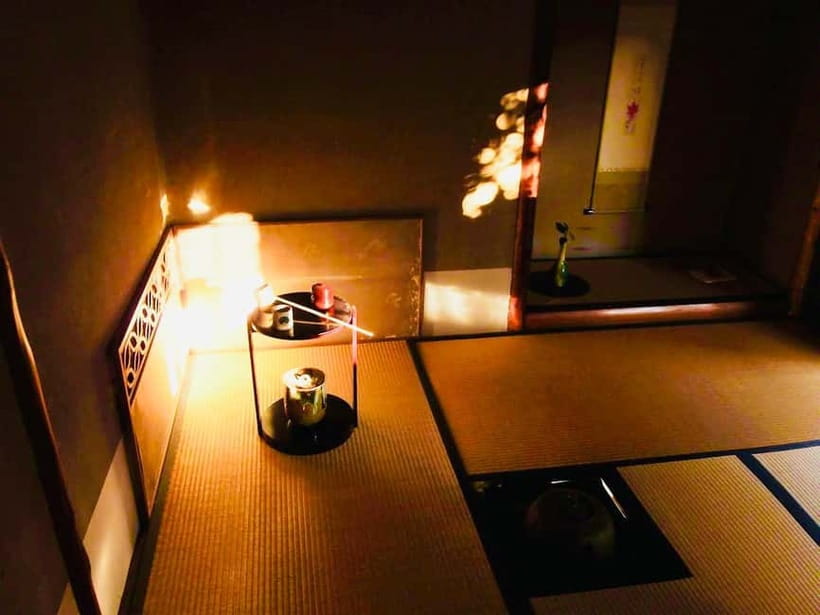
Allow more time than the shortest advertised duration if you want to enjoy the building. The formal program may take around 90 minutes, while dressing, waiting, photos, and undressing can extend the visit. Do not schedule a tight connection immediately afterward.
You’ll spend at least part of the visit sitting on the floor. This is traditional, but not comfortable for everyone. If you have difficulty sitting low, ask about the available chairs when you arrive. The activity information does not promise special seating, so you should not assume a chair will be ready.
Language support is available in English and Japanese, but fluency varies by staff member. Some sessions have clear English explanations, while others use a translation device. You can still follow the physical demonstration even when spoken explanations are limited, but those who want detailed cultural instruction should consider booking a private session and confirming language support in advance.
The staff are generally described as warm, attentive, and patient. The all-woman team has been especially praised for helping with dressing, answering questions, and taking photographs. The human contact is a real part of the experience, so a friendly attitude makes the visit easier for everyone.
Who will enjoy this Kyoto experience?
I would choose Tondaya if you want three things in one booking: traditional clothing, a historic Kyoto house, and a tea ceremony. It works particularly well for first-time visitors who want a guided introduction without committing to a full cultural course.
It is also a good choice for couples and families who want photographs that feel tied to Kyoto. The old rooms and gardens do more for your pictures than a plain rental shop, and there is enough free time to take your own shots.
You may want another option if you dislike group activities, need a highly detailed English lecture, or want to make matcha yourself. The experience may also frustrate you if you expect unlimited kimono choice or a quiet private ceremony at the standard price.
The activity offers free cancellation up to 24 hours before the start time, plus a reserve-now, pay-later option. Those policies help if your Kyoto schedule is still changing, but the key decision is still group size and the level of instruction you want.
Should you book Tondaya?
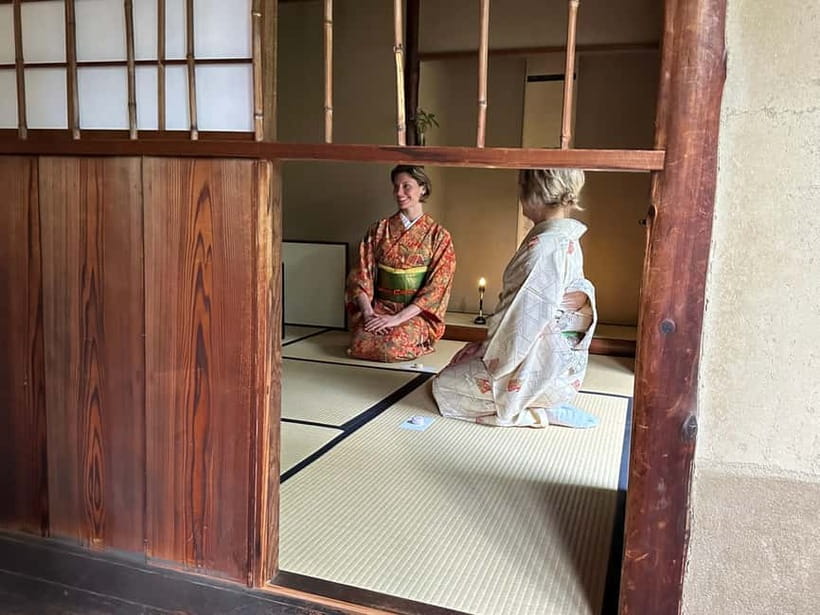
Book it if you want a memorable introduction to Kyoto traditions in a real old townhouse, and if you care about the setting as much as the ceremony. The most praised features are consistent: kind staff, attractive silk kimonos, the historic house, helpful photo time, and a tea demonstration that feels graceful and easy to follow.
Choose the private option if peace, clear explanations, and personal attention matter to you. Keep your expectations modest for garment education, English fluency, seating, and kimono pattern choice. Bring socks, arrive dry and on time, and put your phone away during the ceremony.
At $222, this is a special-occasion experience rather than a bargain activity. For the right visitor, the combination of a preserved machiya, traditional dress, tea ritual, and photographs makes the cost reasonable. If you only want a costume and a quick picture, spend your money elsewhere.
FAQ
Where does the kimono and tea ceremony experience take place?
It takes place at Tondaya, Nishijin Japanese Cultural Experience Museum, at 697 Ishiyakucho, Kamigyo Ward, Kyoto, Japan.
How long does the experience last?
The stated duration is 90 minutes to four hours. The exact length depends on the selected session and availability, so check the start times and duration when booking.
Is kimono dressing included?
Yes. The entrance fee, tea ceremony, and kimono dressing are included.
Do I need to bring anything?
You must bring socks. Bare feet are not allowed, and stockings should not be worn.
Can I book a private session?
Yes. A private experience option is available. If you do not choose it, you may join the tea ceremony with other participants and may have to wait.
Is the experience offered in English?
The activity is offered in English and Japanese. Not every staff member speaks English fluently, so a translation device may be used when needed.
Can I take photos during the visit?
You’ll have time to take photos in the traditional rooms and gardens after dressing. Photography is not allowed while you are being dressed or undressed.
Just added around Kyoto
- Kyoto: Zen Meditation at a Private Temple with a Monk★ 5.0 · 25 reviews
- Kyoto: Gion Geisha District & Sake-in-Hand Walking Tour★ 5.0 · 37 reviews
- Private Pewter Sake Cup Experience with a Kyoto Artisan★ 5.0 · 31 reviews
- Your Private Vacation Photography Session In Kyoto★ 5.0 · 110 reviews
- Private Guided Traditional Buddhist Cooking in Japan★ 5.0 · 16 reviews
- Kyoto Wagashi(Japanese sweets) Cooking Class near Fushimiinari★ 5.0 · 60 reviews
- Traditional Japanese Music show & Experience Tour in Kyoto★ 5.0 · 57 reviews
- Kyoto:Family-Friendly Kimono & Yukata Experience at WARGO★ 5.0 · 147 reviews
Kyoto Tours, compared.
Fushimi Inari, Kinkakuji, Bamboo Grove 1 Day Bus Tour
Read our review →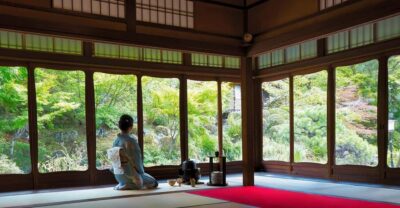
Tea Ceremony in a Traditional Tea House in Kiyomizu
Read our review →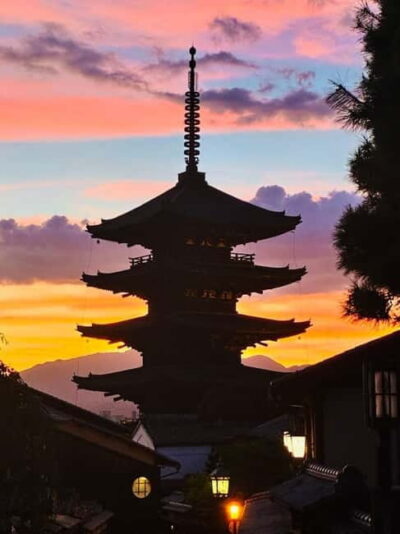
Kyoto Geisha Walking Tour: Gion District & Hidden Gems
Read our review →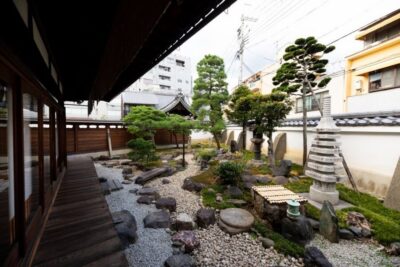
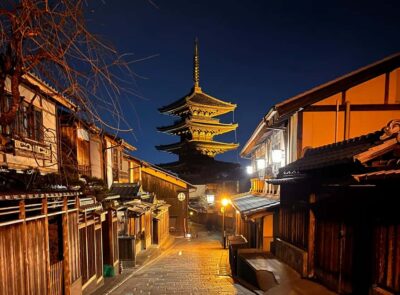
Gion Magical Night Walking Tour with Geisha Trivia
Read our review →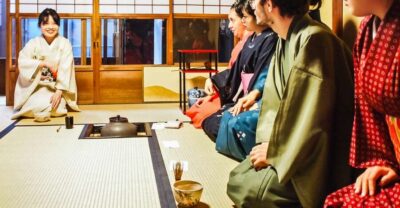
Gion Geisha District Walking Tour – Stories of Geisha
Read our review →Browse the lists this tour appears in