
Reviewed · KOBE TOURS
Kobe: 3-Hour Sake Breweries Tour with Special Tasting
Kobe’s Nada Gogo sake district gives you something many tasting tours miss: a look at how sake is made, not just a seat and a small glass. In three hours, you visit three breweries, compare old and new methods, and taste a wide range of sake from one of Japan’s best-known brewing areas.
I like the variety, especially the contrast between a major name such as Hakutsuru and smaller local breweries whose bottles may not appear in ordinary shops. I also like the guides’ personal touch. Chiyuki, Kaito, Max, Atsuko, and Naoke have all led engaging tours, with stories about Japanese culture, brewing, and even useful sayings.
The main catch is the walking. The breweries are not presented as one single complex, and the route can feel tough in hot weather. One group faced 37°C temperatures, so comfortable shoes, water, and a realistic view of a three-hour walk matter.
Key points to know before booking
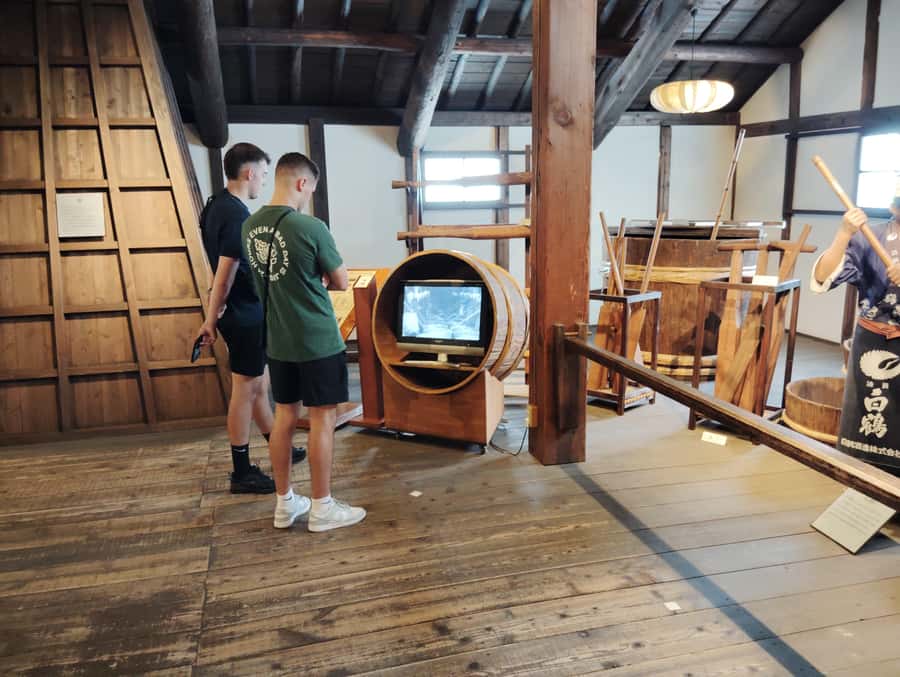
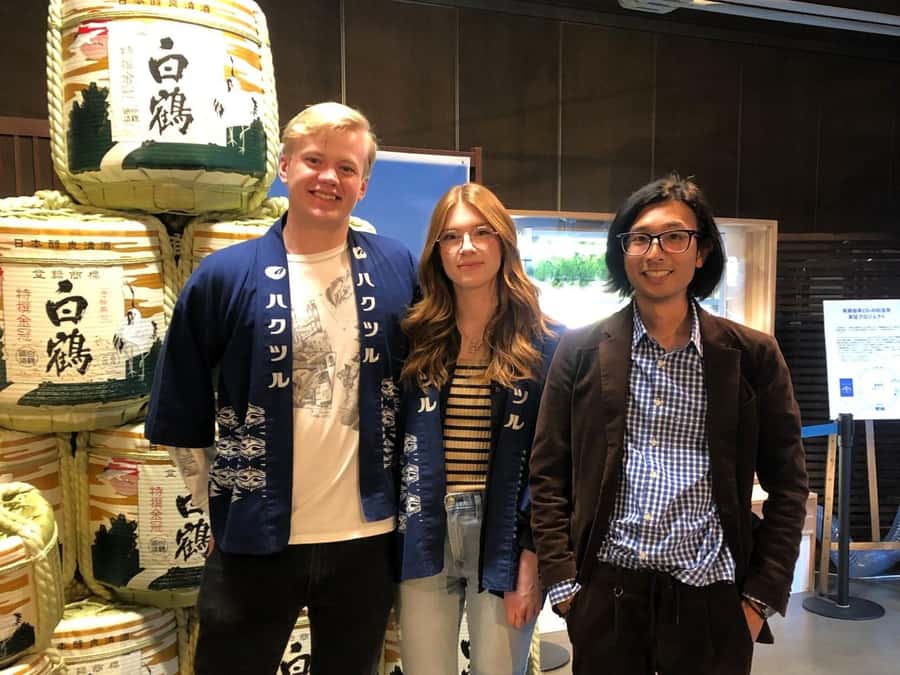
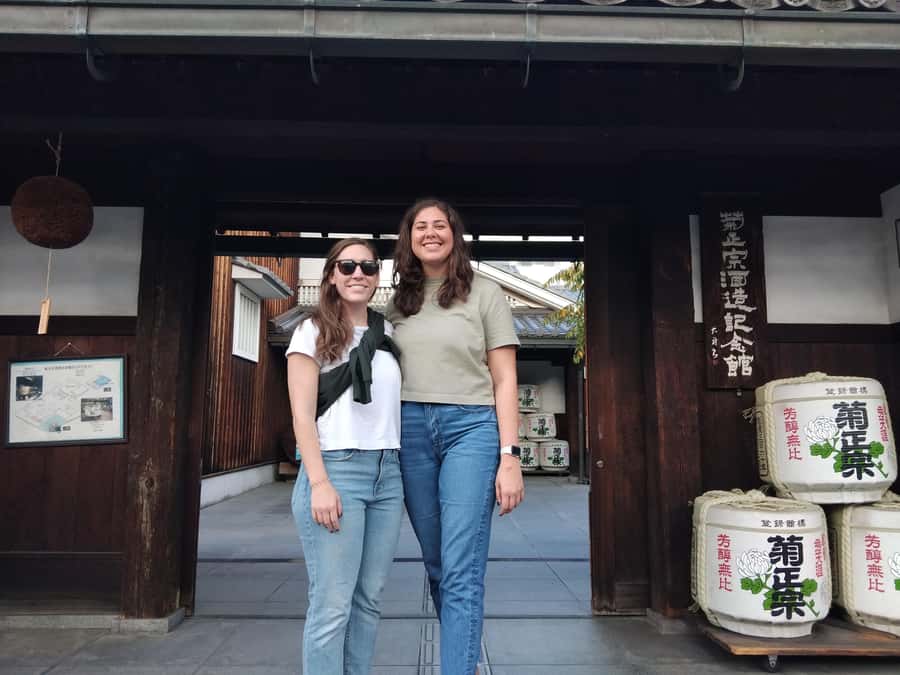
- Three breweries in one short tour: See different approaches at Hakutsuru, Kikumasamune, and Hamafukutsuru.
- Tasting fees are partly covered: Up to 1,000 yen per brewery is included, so you can sample without paying each tasting charge yourself.
- Guides make the difference: Chiyuki, Kaito, Max, Atsuko, and Naoke have been praised for clear explanations, humor, and friendly help.
- Old methods meet modern production: Learn about rice polishing, fermentation, traditional facilities, and present-day brewing.
- Expect walking between stops: The route is active rather than a sit-down tasting event, and summer heat can make it demanding.
- Simple rail meeting point: Meet in front of the Hanshin Uozaki Station ticket gate, then return there at the end.
Why Nada Gogo is a smart place to learn about sake
Nada Gogo is one of Japan’s leading sake-producing areas, and its importance is tied to both place and practice. You are not simply tasting bottles from different parts of Japan. You are visiting a district where sake production has shaped local industry and culture for generations.
That setting gives the tour more purpose than a standard bar tasting. You can connect the drink in your glass with the buildings, tools, techniques, and brewing businesses around you.
The experience focuses on three breweries with different identities. That comparison is useful because sake can seem confusing at first. Labels use terms such as junmai, ginjo, and daiginjo, while flavor can change with rice type, polishing, fermentation, serving temperature, and storage.
A guide helps you notice these differences without turning the tour into a technical lecture. You learn enough to understand what you are tasting, but you also get the cultural background that makes the drink meaningful in Japan.
More drinks-led nights in Kobe:
- KOBE Sake Tasting Tour at Breweries (tasting fee included)
★ 5.0 · 154 reviews - Kobe: Guided Sake Breweries Tour with Tastings
★ 5.0 · 55 reviews - Sake Brewery and Japanese Life Experience Tour in Kobe
★ 5.0 · 39 reviews
Meeting at Hanshin Uozaki Station
Your starting point is in front of the ticket gate at Hanshin Uozaki Station. Look for a guide holding the yellow DeepExperience sign.
This is a practical meeting point because it removes guesswork. You do not need to search for a brewery entrance or navigate a large museum complex on your own. Once the group meets, the guide takes charge of the route and introduces the Nada Gogo area as you go.
The tour ends back at the same meeting point. That makes planning easier if you have an afternoon reservation, a train to catch, or dinner arranged elsewhere in Kobe.
The tour is offered in English and Japanese. Since guide assignments can vary, you may meet Chiyuki, Kaito, Max, Atsuko, Naoke, or another member of the team. The strongest guide experiences have included clear explanations, good pacing, dry humor, and a willingness to rephrase a point when language gets in the way.
One useful detail is that guides have added small cultural touches beyond sake. Kaito used note cards to teach Japanese sayings and history. Chiyuki has been praised for explaining technical brewing points in an easy way and for switching to English when needed.
First brewery: a look at traditional sake making
The first stop begins to answer the basic question: how does rice become sake?
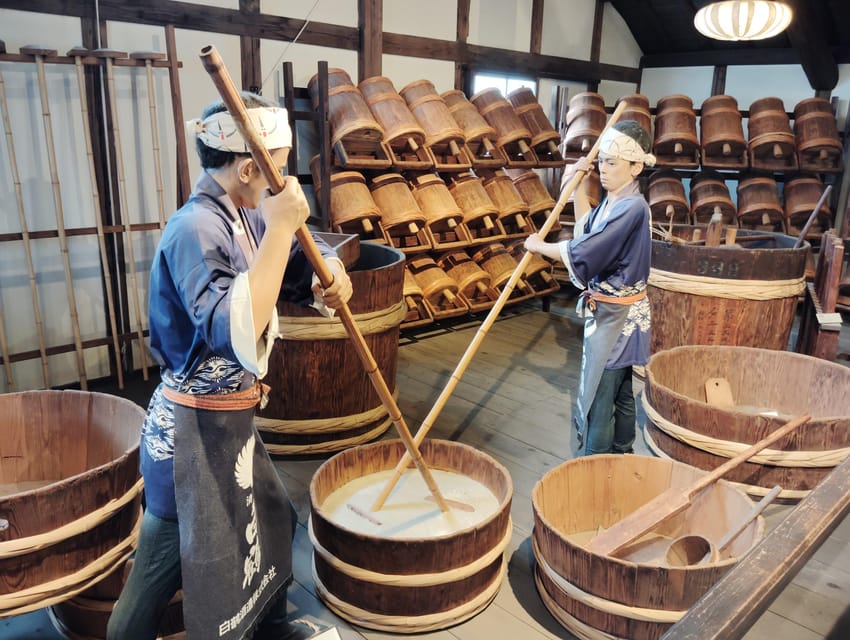
You learn about the main stages, from selecting and polishing rice to preparing it for fermentation. The details matter because sake rice is not treated like ordinary table rice. The outside of the grain is removed to reach a cleaner center, and the amount of polishing affects the style and cost of the final drink.
The tour also introduces the role of fermentation. Sake production depends on a careful balance of rice, water, yeast, and koji. Koji helps convert starch into fermentable sugar, which allows yeast to produce alcohol. You do not need a science background to follow the explanation, and a good guide keeps the technical side tied to what you will taste later.
At traditional facilities, the value is visual as much as verbal. Old brewing equipment and age-old methods show that sake was once a hands-on seasonal craft. You get a sense of the labor behind each bottle rather than treating sake as just another alcoholic drink.
This stop is likely to appeal most if you enjoy process. If you mainly want a relaxed tasting with little walking, the historical and production sections may feel slower than expected.
Second brewery: comparing local character
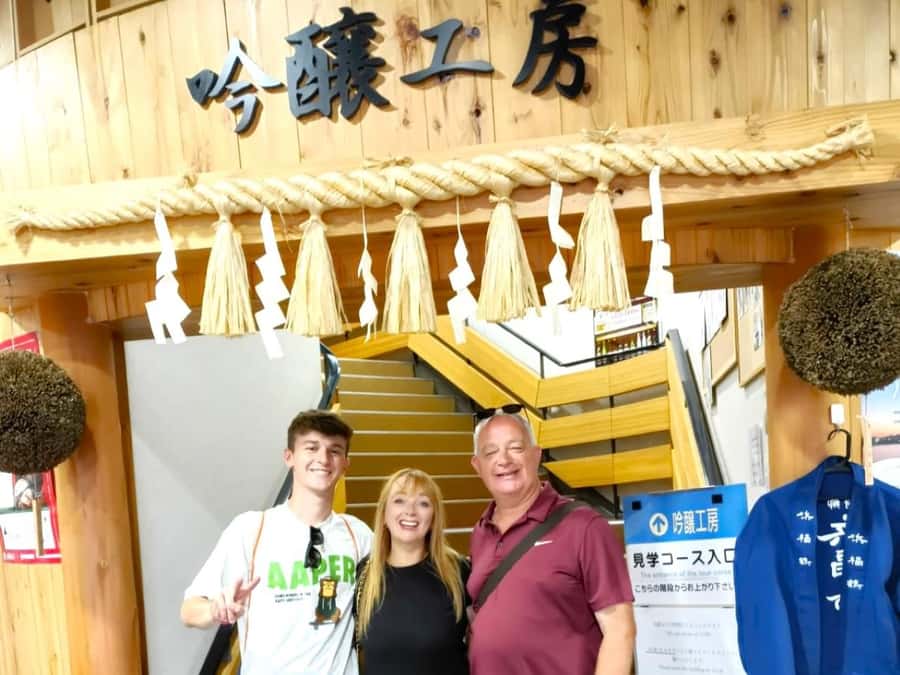
The second brewery helps you move beyond one producer’s house style. The route includes local breweries such as Kikumasamune and Hamafukutsuru, where the focus can shift from a major commercial operation to more regional production.
That contrast is one of the best reasons to book this tour. A large brewery can show how sake reaches a wide market, while a smaller producer can reveal bottles and practices that are less familiar outside the area.
You may also find that the atmosphere and presentation change from stop to stop. One brewery may emphasize displays and production equipment, while another puts more weight on tasting or local identity. The tour is not designed as three identical visits, and that keeps the afternoon from becoming repetitive.
The guide gives you a framework for comparison. You might consider aroma, sweetness, dryness, body, and finish. You can also ask how rice polishing affects the sake, or why one bottle feels lighter and another more full-bodied.
This is where the tour becomes useful for future purchases. After tasting several styles side by side, you have a better chance of identifying what you actually like. You may discover that you prefer a fragrant ginjo style, a fuller junmai, or a sweeter sake suited to food.
A few more Kobe half-days to weigh up
- Exploring Nada Sake Breweries Kobe Private Tour with Government-Licensed Guide
★ 5.0 · 17 reviews - 3-Hour Kyoto Insider Sake Brewery Tour with Tastings & Pairings
★ 5.0 · 917 reviews - Arashiyama Bamboo, Temple, Monkeys, or Secret Sake Brewery
★ 4.8 · 886 reviews - Kyoto: Insider Sake Brewery Tour with Sake and Food Pairing
★ 5.0 · 704 reviews
Third brewery: a familiar name and a wider tasting
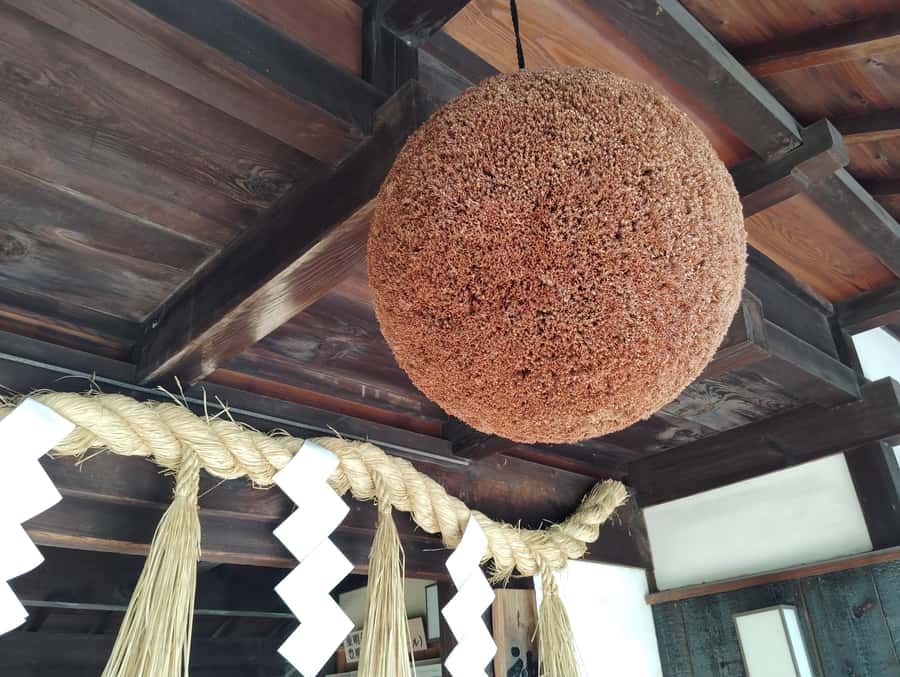
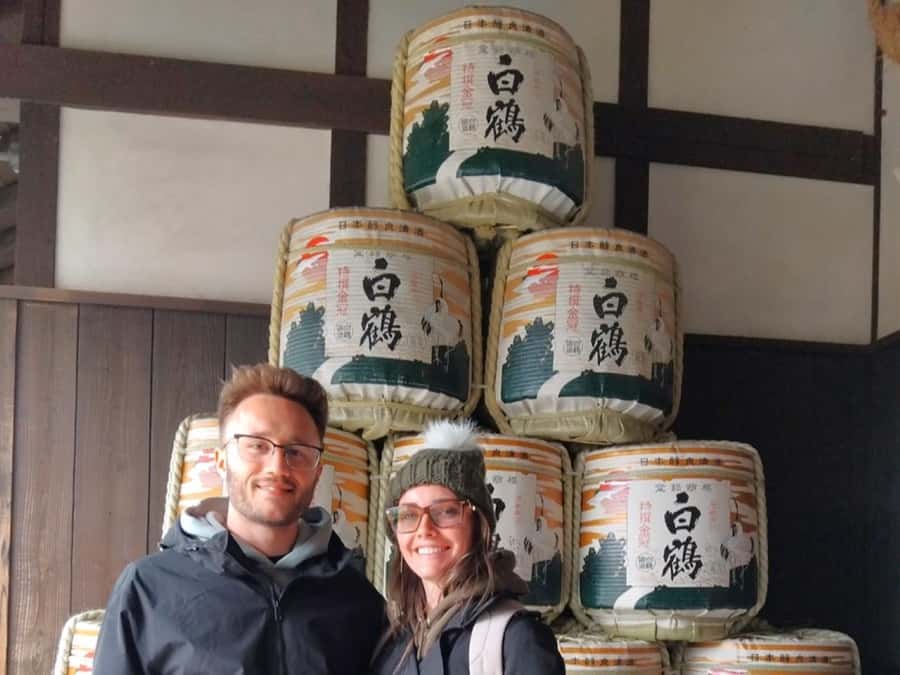
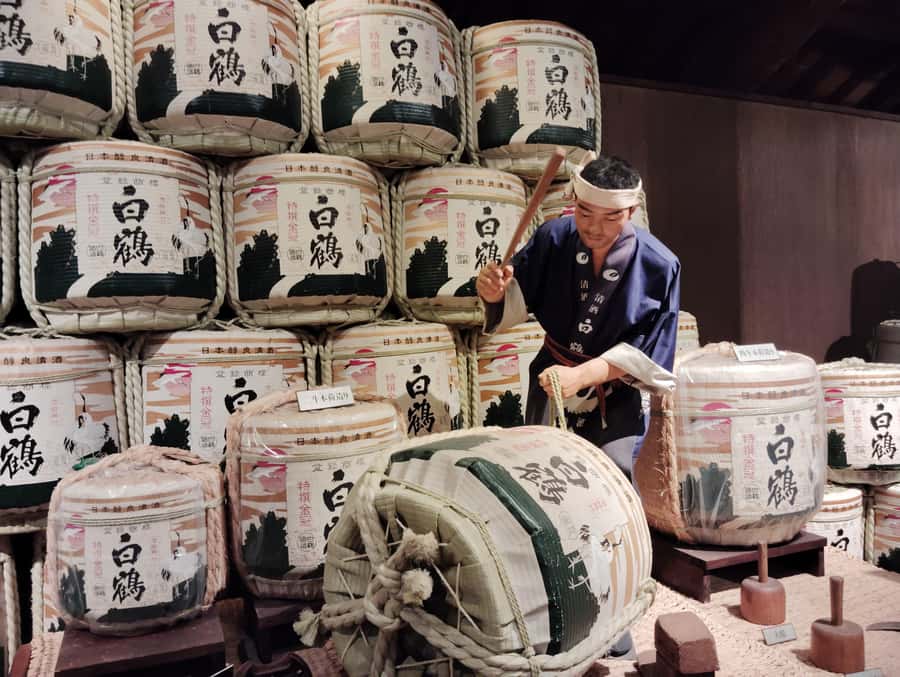
The route also includes Hakutsuru, one of the best-known names connected with Nada Gogo. A large, established brewery gives you a different view of sake production than a smaller local producer.
You can see how traditional ideas continue alongside modern equipment and larger-scale methods. The tour explains how old brewing knowledge has been adapted for present-day production, helping you understand that modern sake is not simply a break from the past.
The tastings are a strong finish because they bring the earlier explanations together. Instead of sampling one standard pour, you can try different types and compare their profiles. The exact selection can vary, so you should not expect a fixed menu of named bottles, but the experience is built around variety.
Some guides have also included sake from local breweries that you may not find in stores. That is especially useful if you want a bottle or flavor you cannot easily reproduce elsewhere in Japan.
Do not confuse this experience with a brewery factory tour where you watch active production from beginning to end. The focus is a guided introduction to three breweries, their methods, the culture around sake, and tastings at each stop. The amount of working production you see can vary by brewery and timing.
What you will taste, and how to make sense of it
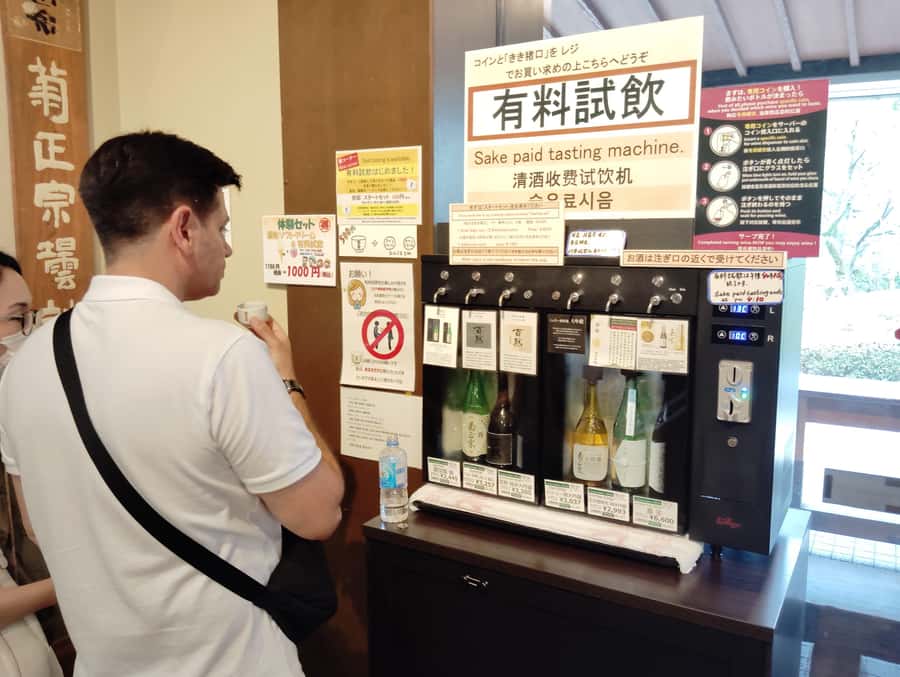
The tasting portion is not just a reward at the end. It is part of the lesson.
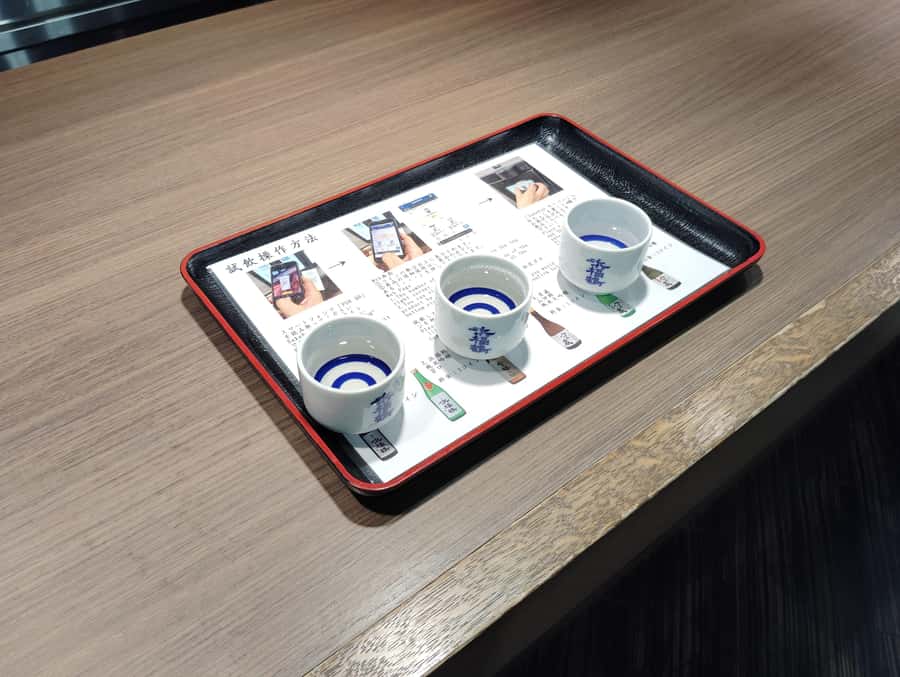
Sake can vary in aroma, sweetness, acidity, texture, and alcohol impression. You may notice fruit-like aromas in one sample and a more earthy or savory character in another. The guide can help you connect those differences to rice polishing, brewing choices, and serving style.
The included tasting allowance covers up to 1,000 yen per brewery. That is a meaningful part of the $94 tour price because you are not starting each stop with an extra tasting bill. Still, the price is not only paying for alcohol. You are also paying for the guide, route planning, translation help, local context, and access to a more informed comparison.
Drink at your own pace. Three breweries in three hours can add up, even when each sample is modest. You do not need to treat every tasting like a challenge, and water is a sensible companion, especially in summer.
If you already know a little about sake, ask focused questions. A guide can explain polishing percentages, local brewing traditions, or how a producer’s approach changes the flavor. If you are new to sake, simply describe what you enjoy in other drinks. For example, you might ask for something dry, aromatic, light, or suitable with food.
The walking, timing, and summer heat
The route lasts about three hours and includes walking between breweries. That is manageable for many people, but it is not a fully seated activity.
The heat deserves special attention. One tour group walked in temperatures of 37°C, turning the distance between breweries into the hardest part of the experience. Their guide, Atsuko, kept the mood up and even bought ice cream to help everyone cool down, but you should still plan sensibly rather than rely on that kind of rescue.
Wear comfortable shoes and avoid treating the tour as a chance to dress up for an evening tasting. Carry water and consider sun protection if the forecast is hot. The route will be more pleasant in mild weather.
A three-hour schedule also means the tour has a useful limit. You get enough time to visit three breweries without committing half a day to one subject. At the same time, the pace can feel brisk if you want long stops at every display or extended conversations over each sample.
The guide’s pacing matters here. Chiyuki has been praised for keeping the group moving without making the tour feel rushed. That balance is important because the experience has several jobs: walking, learning, tasting, and allowing time for questions.
The guides are a major part of the value
The brewery names provide the structure, but the guide determines how much you take away.
Chiyuki has led particularly well-paced tours, explaining sake production, local culture, and the differences among types without drowning the group in detail. She has also been described as friendly and passionate, which helps when the subject is unfamiliar.
Kaito has added Japanese sayings and small cultural lessons using note cards. His thoughtful approach shows how the tour can become more personal than a standard explanation of brewing equipment.
Max has focused on the background of sake in a friendly, clear way. Atsuko has brought humor and energy to a difficult hot-weather walk. Naoke has been praised for making the few hours feel worthwhile and for creating a relaxed, enjoyable atmosphere.
You cannot choose a particular guide from the information provided, so book this for the structure and subject first. Still, the repeated strength of the guiding is a good sign. The guide is not merely escorting you from one brewery to another. The guide translates the process, answers questions, and helps you connect each tasting with the place.
Is $94 a fair price?
At $94 per person, this is not the cheapest way to sample sake in Kobe. You could certainly spend less on a few drinks at a shop or bar.
The value comes from the combination of three brewery visits, guided interpretation, and tasting fees of up to 1,000 yen per brewery. If you tried to arrange three stops on your own, you would need to research opening times, work out the route, understand what each brewery offers, and find a way to compare the sake in a useful order.
The tour also saves you from making a common mistake: assuming that a famous label tells you everything about sake. By visiting different producers and tasting several styles, you gain a clearer sense of the category.
I think the price makes the most sense for first-time sake drinkers, food and drink enthusiasts, and visitors who want an experience rooted in Kobe rather than another general sightseeing stop. It is less compelling if you already have detailed brewery plans or dislike guided walking tours.
The included tastings help, but do not assume every possible bottle or extra purchase is covered. The stated allowance is up to 1,000 yen per brewery, so any shopping or additional drinks should be treated as separate spending.
Who should book this Nada Gogo tour?
Book it if you want to understand sake instead of simply ordering it. You will get the most from the tour if you enjoy asking questions, comparing flavors, and seeing how a local product connects with Japanese culture.
It also suits families with older children or adult sons and daughters. One group toured with a 22-year-old son, and the format gave them something to discuss together beyond sightseeing.
This is a good choice for people who enjoy food history, traditional crafts, and guided neighborhood walks. It also works well early in a Kobe visit because you may leave with enough knowledge to choose sake more confidently at later meals.
Think twice if you have limited mobility, strongly dislike heat, or want a quiet indoor tasting. The walking is part of the route, and the tour does not promise a fully accessible or seated format.
You can reserve now and pay later, which helps if your Japan plans are still changing. Cancellation is allowed up to 24 hours in advance for a full refund, giving you some flexibility around weather and scheduling.
FAQ
Where does the Kobe sake brewery tour start?
Meet your guide in front of the Hanshin Uozaki Station ticket gate. The guide will be holding a yellow sign with the DeepExperience logo.
Where does the tour finish?
The tour ends back at the same meeting point at Hanshin Uozaki Station.
How long is the sake brewery tour?
The experience lasts three hours.
How many breweries will I visit?
You will visit three breweries in the Nada Gogo area. The route includes breweries such as Hakutsuru, Kikumasamune, and Hamafukutsuru.
Are tasting fees included?
Yes. The tour includes up to 1,000 yen per brewery for tasting fees.
What languages are available?
The tour is offered in English and Japanese.
Can I cancel for a refund?
You can cancel up to 24 hours in advance for a full refund. You can also reserve and pay later, so no payment is required at the time of booking.
Should you book the three-hour Nada Gogo experience?
I would book this tour if sake is new to you or if you want more than a quick tasting. The combination of three different breweries, local context, and several samples gives you a practical introduction to one of Kobe’s most distinctive traditions.
The best reason to go is the comparison. Hakutsuru, Kikumasamune, and Hamafukutsuru offer a chance to see how brewery size, methods, and local identity can shape the final drink. The best reason to hesitate is the walking, especially during hot weather.
Wear good shoes, carry water, and arrive ready to taste slowly. If you do that, the $94 price buys more than drinks. It gives you a guide to the craft, culture, and flavor of Nada Gogo, with enough hands-on sampling to make the lesson stick.
More 3-Hour Experiences in Kobe
- Tokyo Top Highlights 3h Guided E-bike Tour
★ 5.0 · 714 reviews - 3h Tokyo E-Bike Tour: Hidden Gems, and Local Life with guide
★ 5.0 · 670 reviews - Tokyo: 3-Hour Bike or E-Bike City Highlights Tour
★ 4.8 · 435 reviews - Kyoto: 3-Hour Fushimi Inari Shrine Hidden Hiking Tour
★ 4.9 · 270 reviews
More Food Tours in Kobe
- 1-Day Kobe Highlights Tour including Sake Tasting
★ 4.5 · 28 reviews - Tokyo: Shinjuku Food Tour (13 Dishes at 4 Local Eateries)
★ 5.0 · 6,603 reviews - Tokyo Tsukiji Fish Market Food and Culture Walking Tour
★ 5.0 · 3,184 reviews - Osaka: Shinsekai Food Tour with 13-15 Dishes at 5 Eateries
★ 4.8 · 2,204 reviews
Just added around Kobe
- Next-Generation Local Guide: Private Kobe Tour★ 5.0 · 39 reviews
- Shore excursion: Full Day Private Kyoto Tour From Osaka/Kobe Port★ 4.5 · 36 reviews
- Cruise Stop-Over: Private Custom Day trip to Kyoto from Kobe Port★ 4.5 · 12 reviews
- Exploring Nada Sake Breweries Kobe Private Tour with Government-Licensed Guide★ 5.0 · 17 reviews
- Kobe : Private Custom Tour (Excursion to Osaka / Kyoto possible)★ 4.5 · 12 reviews
- Private Shore Excursion Kobe Port – Best of Kobe with a local★ 5.0 · 19 reviews
- Sake Brewery and Japanese Life Experience Tour in Kobe★ 5.0 · 39 reviews
- Kyoto Full Day Tour from Kobe with Licensed Guide and Vehicle★ 4.5 · 19 reviews
Kobe Tours, compared.
KOBE Sake Tasting Tour at Breweries (tasting fee included)
Read our review →
Kobe Highlights & Hidden Gems: Private & Custom Tour with a Guide
Read our review →
Kobe 4hr Private Tour with Government-Licensed Guide
Read our review →
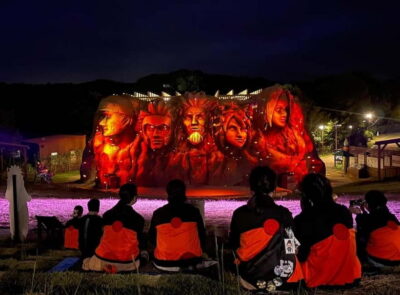
Nijigen No Mori:Naruto & Boruto Theme Park Entry Ticket
Read our review →
Private Home-Style Cooking Class in Osaka with Local Mom Yoshiko
Read our review →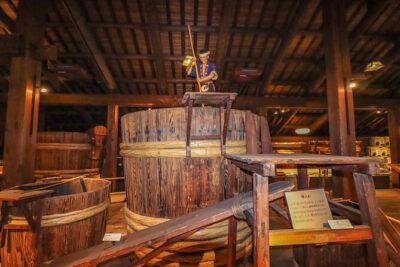
Sake Brewery and Japanese Life Experience Tour in Kobe
Read our review →Browse the lists this tour appears in